What You Need to Know
Navigating the campsite after sunset used to be a real nightmare for me. My first few trips involved tripping over tent stakes in the dark and fumbling with my phone's flashlight, which, let's be honest, eats battery like crazy. The honest version is that proper lighting isn't just about seeing; it's about not stubbing your toe on your own camp chair.
Campsite lighting ensures safety, enhances comfort, and creates an enjoyable outdoor experience. Trying to do anything, from setting up your tent to just finding your way back from the trailhead, becomes a whole lot easier when you've got the right illumination. It transforms a potentially frustrating dark experience into something actually chill.
Understanding your lighting needs is crucial for a successful car camping experience because it ensures that you select the right types and features of lights for your specific requirements. It's game-time for your campsite's ambiance.
The Core Answer
Look, the real move for car camping lighting boils down to two main players: the headlamp and the lantern. You absolutely need a headlamp. It was pitch black, I needed to pee, and my only light was a weak flashlight I'd shoved in my glove box. Took me 10 minutes to find the trailhead bathroom, and I swear I heard coyotes laughing at me.
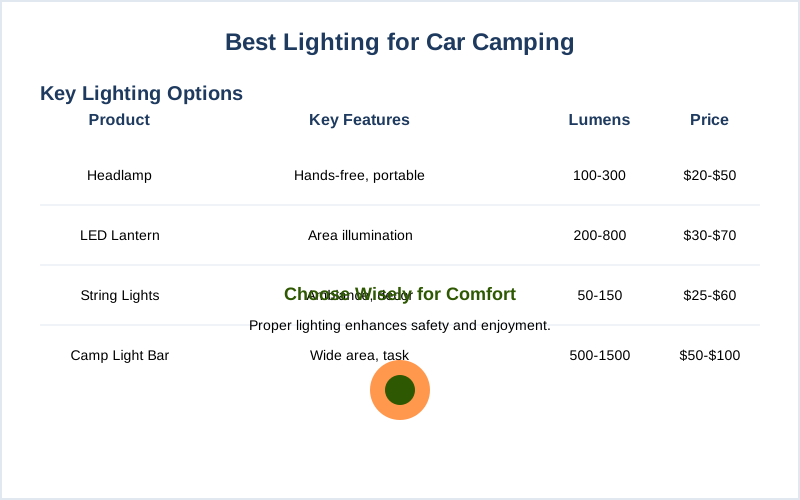
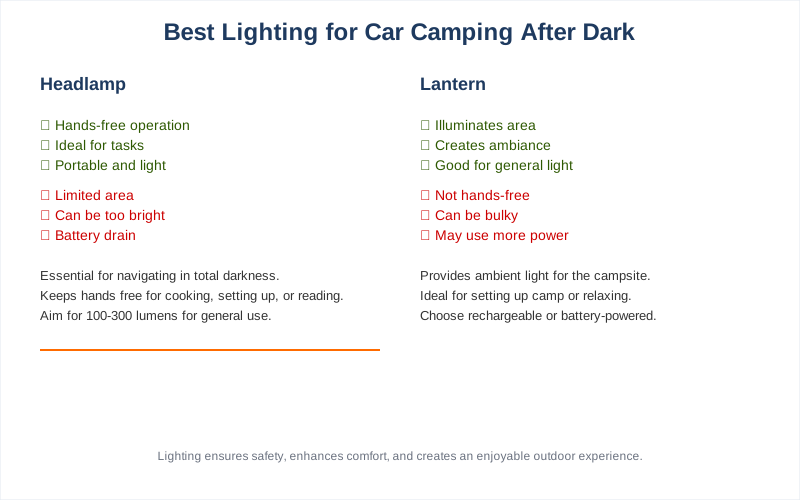
Headlamps are of course superior because they keep your hands free. You can cook, set up camp, or even read a book without holding anything. I aim for something in the 100 to 300-lumen range for a headlamp. That's more than enough to hike down a trail with since it's only projected ahead. The second piece of the puzzle is a lantern.
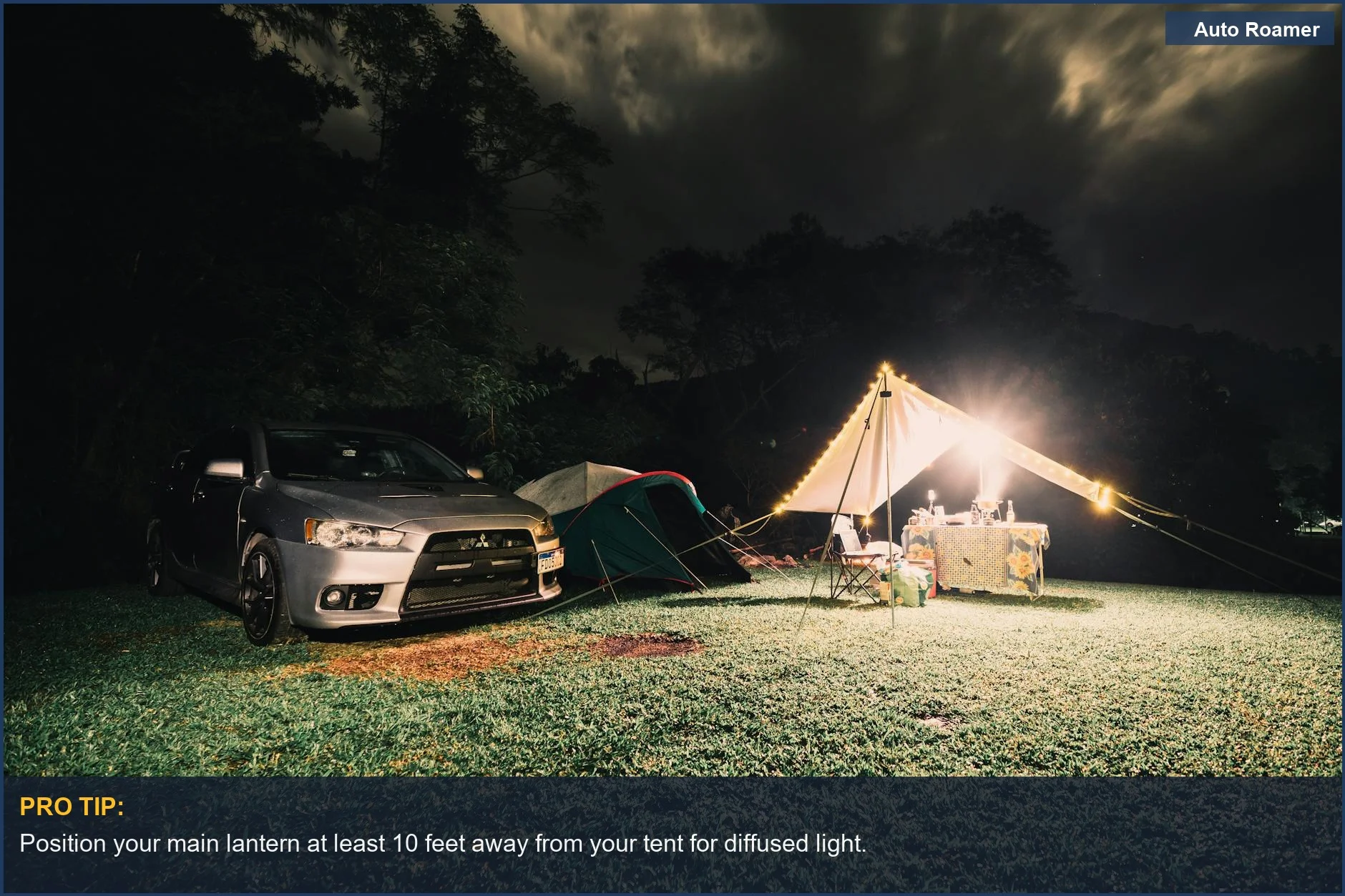
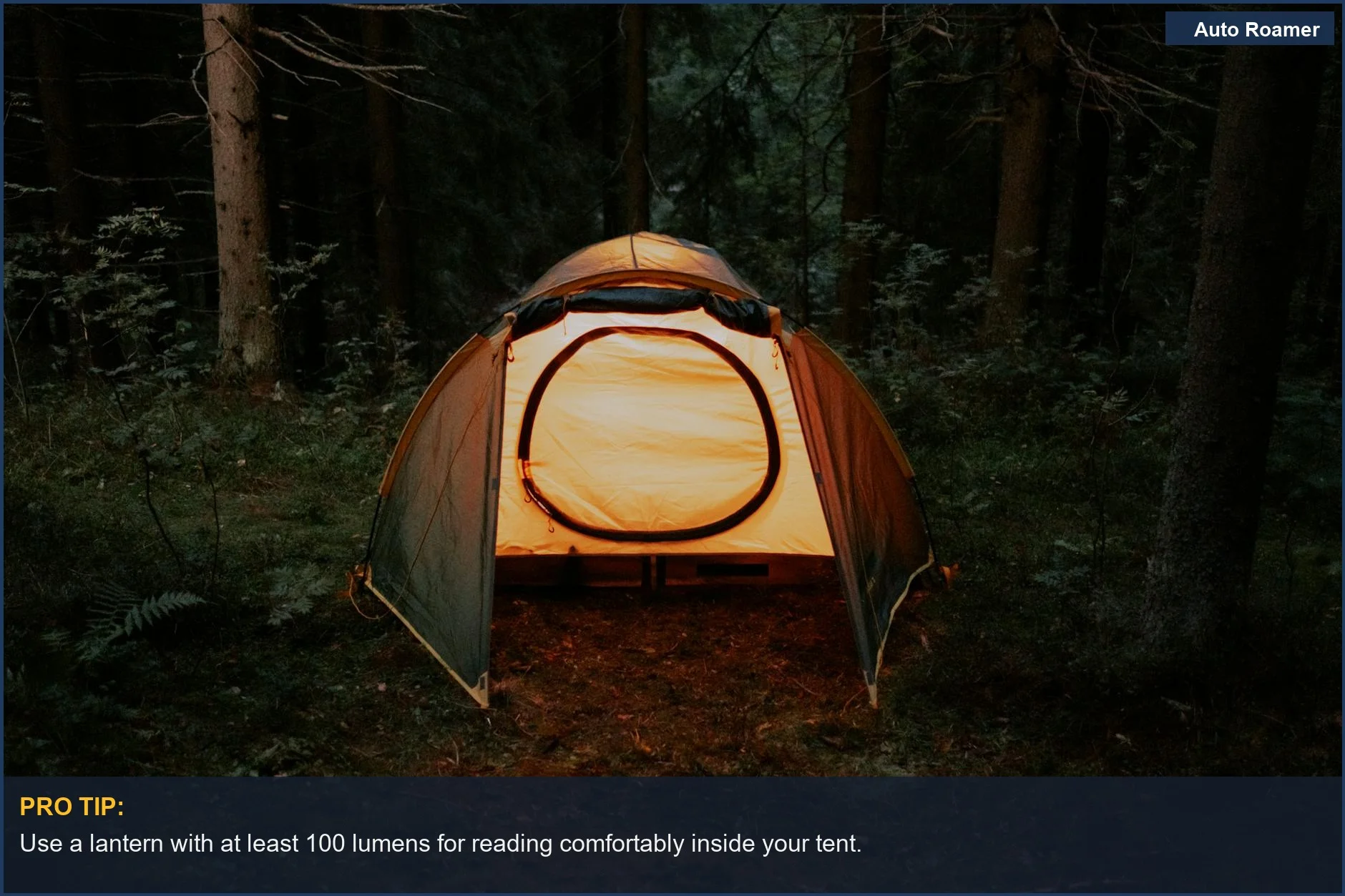
This is your area light, the thing that makes your campsite feel like a place you want to hang out. I made the rookie mistake of just relying on my headlamp for everything, which means I was always shining light in my own face. A good lantern casts a soft, even glow. Think of it as setting the mood. I usually go for something around 100-200 lumens for a lantern; you don't need to blind yourself.
Dimmable camping lights or models with adjustable brightness are a nice bonus so you can dial it back if you're just chilling. The key is versatility. You want a focused beam for tasks and a diffused light for relaxing. Don't overthink it with fancy light bars unless you're building a mobile disco. For seasoned off-road enthusiasts, LED light bars are often the preferred choice, but that's a whole other level of commitment.
For us weekend warriors, headlamp + lantern is the winning combo. We truly believe that less is best with lighting up a campsite in most cases.
Why This Matters for Your Setup
Here's why this dual-threat lighting strategy actually works, based on my field notes:
- Hands-Free is King: My first trip to Yosemite, I tried to cook dinner with just a flashlight in my mouth. Not ideal. My headlamp meant I could actually chop veggies without dropping them in the dirt. After years of part-time camping and travel...
- Setting the Vibe: Trying to read a book by the harsh beam of a headlamp is like trying to enjoy a gourmet meal under a stadium light. A softer lantern creates a more relaxing atmosphere. The way you light a campsite up really sets the mood for the entire camping experience.
- Task vs. Ambiance: You need a bright, focused beam to find that dropped tent stake, but you don't want that same intensity when you're just sipping coffee. Having both types covers all your bases. It also guides you in selecting portable, compact lights that fit well in your vehicle.
- Battery Life Management: Using a headlamp for short bursts and a lantern for longer periods means you're not draining one battery for every single thing you do. Choose LED over incandescent or halogen lights for an extended lifespan.
Making the Right Choice
So, to recap the real deal: don't show up with just your phone's flashlight. It's a recipe for frustration. If you wanted to read or write, a compact lantern with a slow burning, dripless candle was a great option, but modern LED versions are way more practical. A solid setup is a decent headlamp and a battery-powered lantern. That's the $50 version that gets the job done.
It's safe to say I've certainly amassed a good selection of car camping lights. You don't need to spend a fortune, but you do need to bring the right tools for the job. This combo ensures you can see what you're doing and actually enjoy your evenings outdoors.