
Understanding LED Light Bar Color Temperature for Camping Ambiance
My first car camping light bar was a $75 Amazon special, a 12-inch beam with a claimed 6000K color temp. It lit up my campsite in Big Meadows, Virginia, like a surgical theater. Everything looked stark white, shadows were sharp enough to cut yourself on, and my wife looked like she'd seen a ghost.
My first car camping light bar was a $75 Amazon special, a 12-inch beam with a claimed 6000K color temp. It lit up my campsite in Big Meadows, Virginia, like a surgical theater. Everything looked stark white, shadows were sharp enough to cut yourself on, and my wife looked like she'd seen a ghost. I learned then that light color isn't just about brightness; it's about the vibe.
Kelvin is the temperature or color of the light itself, but CRI or R9 will tell us how well that light will reproduce colors when using it. It's not just about seeing; it's about feeling comfortable.
The Core Answer
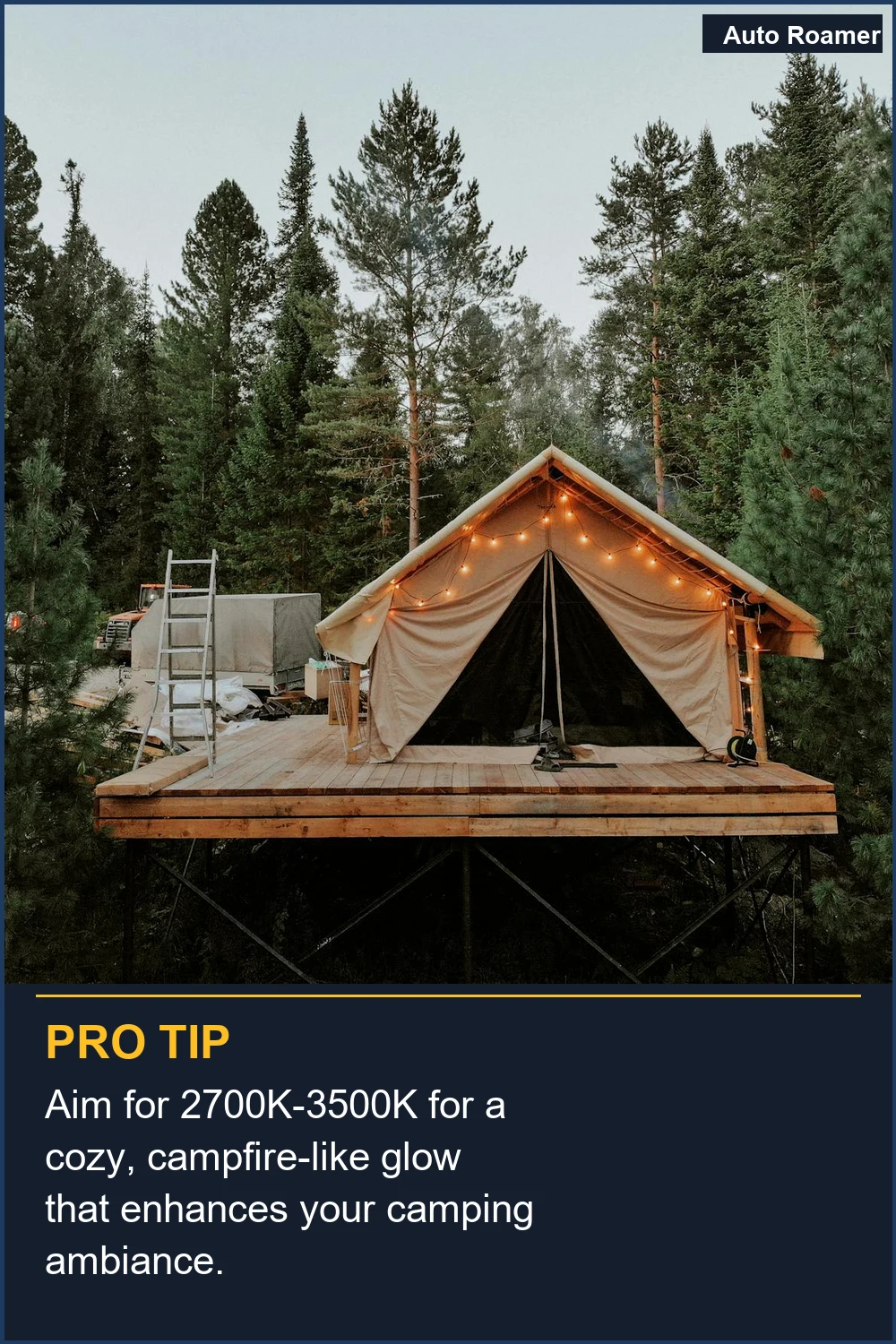
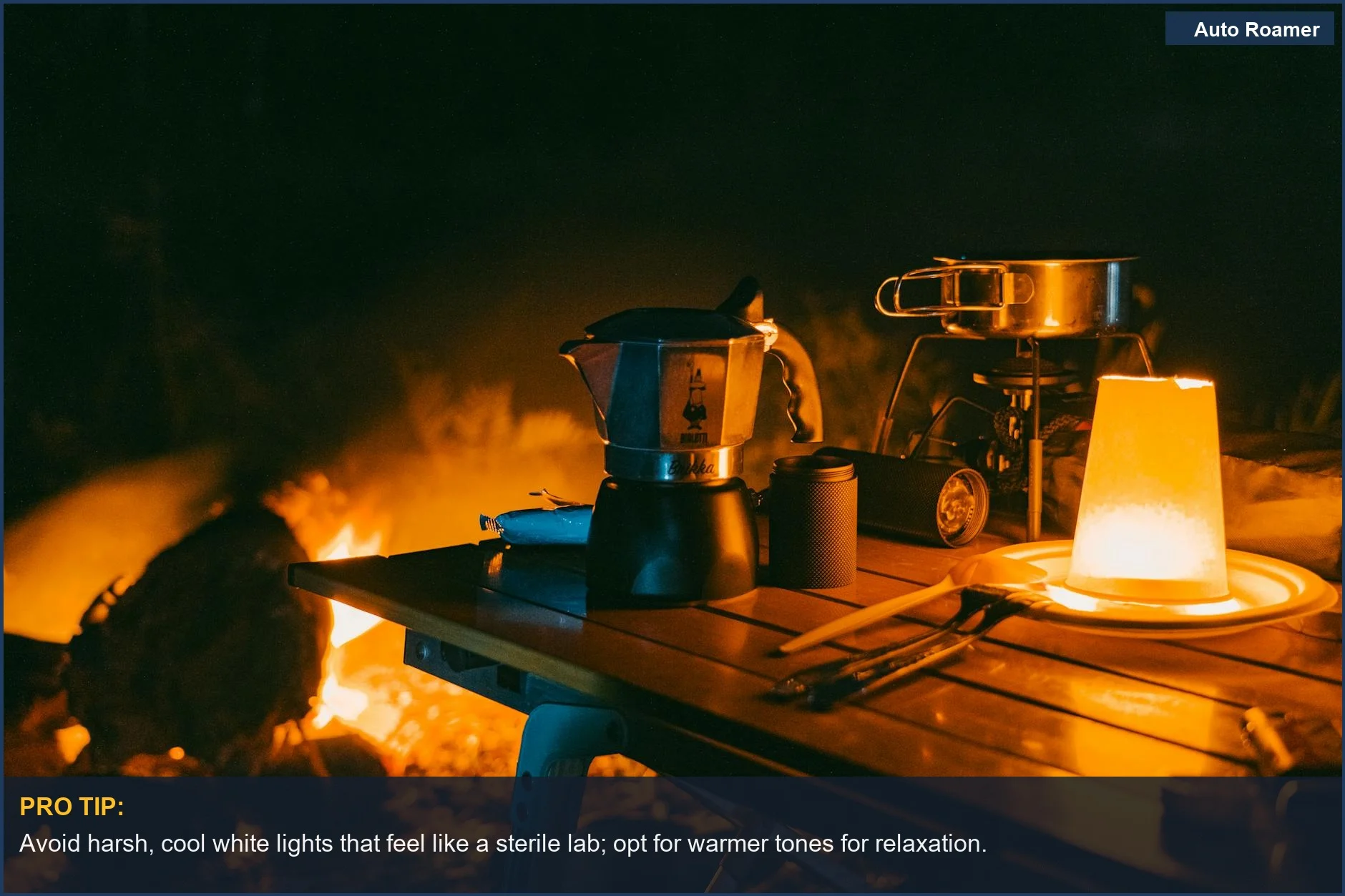
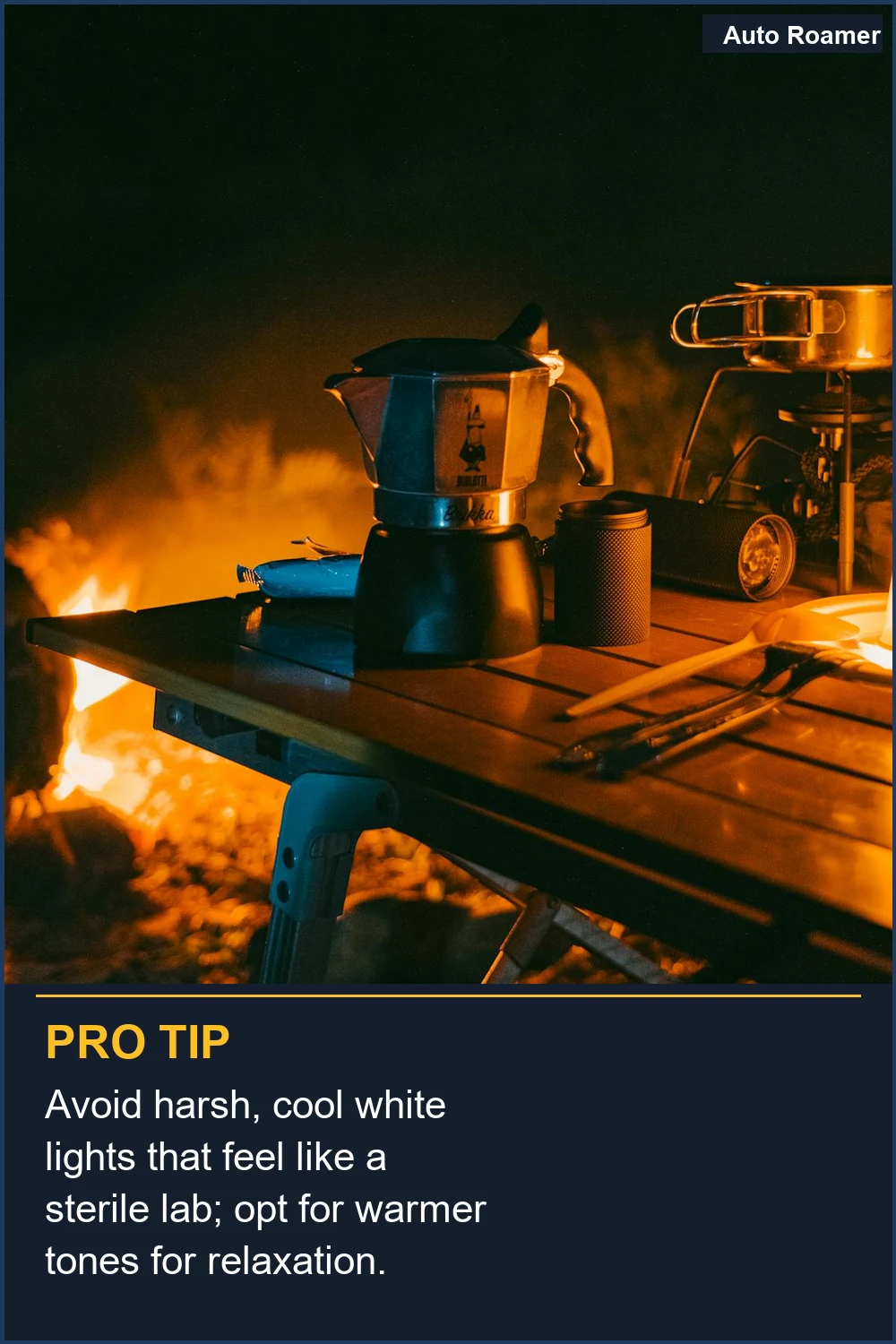
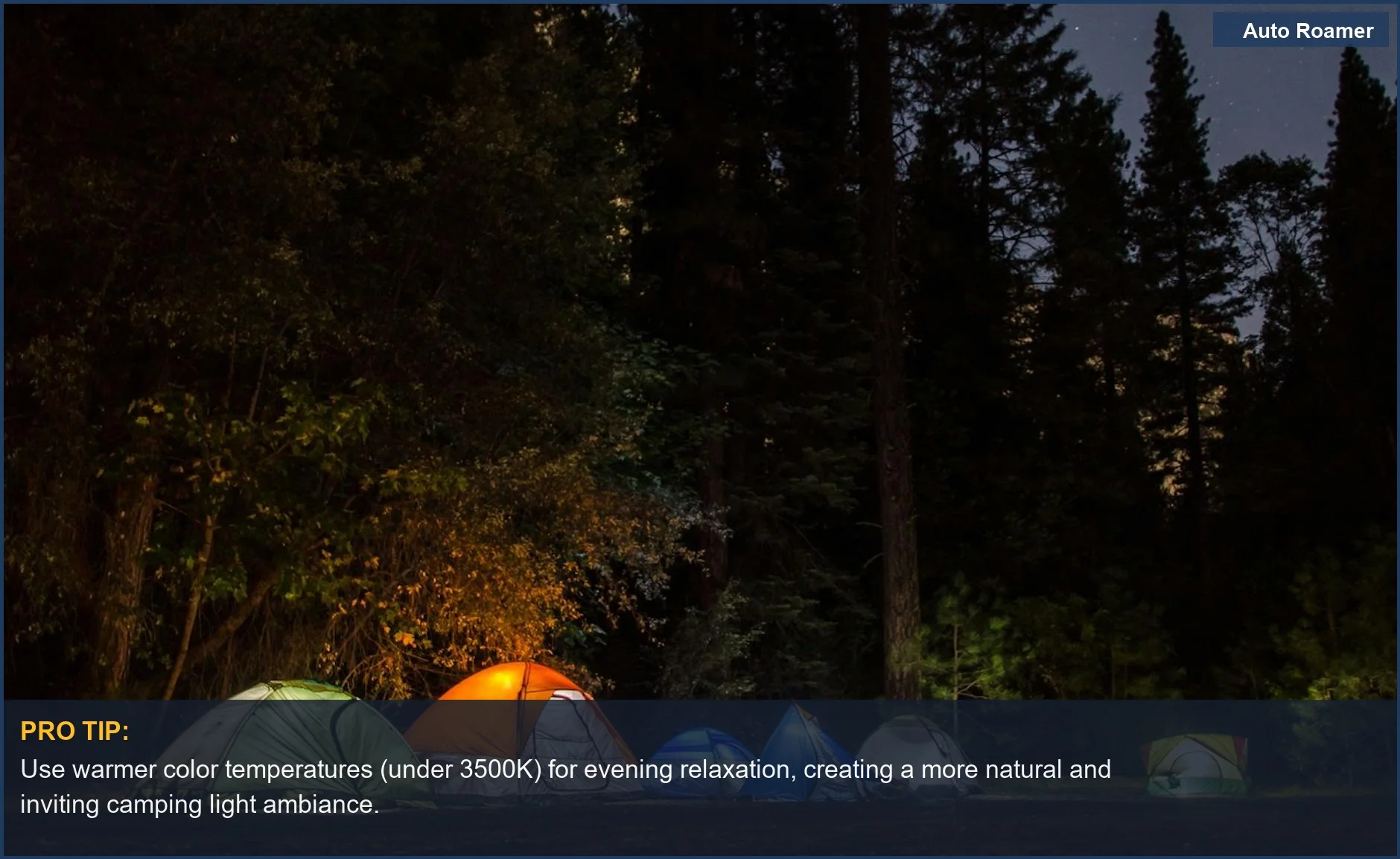
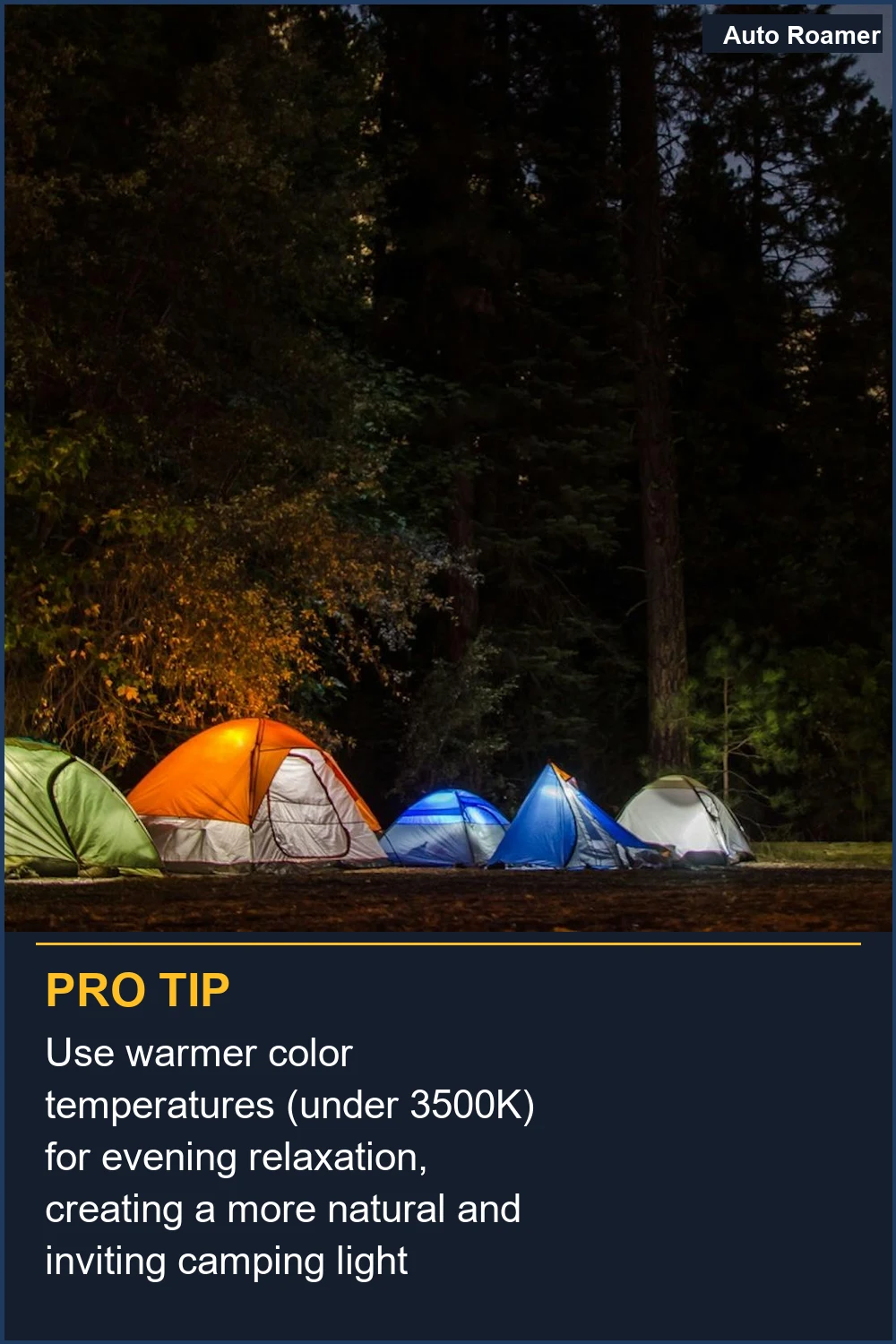
Look, nobody tells you this stuff when you're buying your first LED light bar. You see the lumens, you see the wattage, and you think, "More is better." But then you get it home and your campsite looks like a sterile laboratory, not a cozy escape. That's where color temperature comes in, measured in Kelvin (K). The exact color of an LED light is determined by a bulb's color temperature. Warmer lights tend to be softer, whereas cooler lights are often brighter. The real move is understanding the Kelvin scale. Lower numbers mean warmer, yellower light, like an old incandescent bulb. Think 2700K to 3000K. This is your "cozy campfire" light. Warm ambient light often has a CCT at the lower end of the range - between 2700K and 3000K. It's what makes food look appetizing and people look relaxed. Higher numbers, like 5000K or 6000K, are cool, bluish-white. This is your "stare into the sun" light. It's great for detail work or seeing every speck of dirt on your tent, but it can feel harsh and sterile for just hanging out. If it emits a color temperature like 5000K or more, it's regarded as cooler LED light. Then you have the middle ground, around 3500K to 4500K. This is your "neutral" or "daylight" light. It's a good compromise if you need decent visibility without that harsh, clinical feel. You can set your Color Temp of Led Lights in between 2700 and 4500 K to match the ambiance of social gatherings, which is both inviting and warm. I learned this the hard way. My first trip with that 6000K bar at Big Meadows, I felt like I was in an interrogation room. My second trip, I got a cheap 3000K bar for about $50. It was a game-changer for ambiance. Now, most decent off-road shops sell bars with selectable color temps, or at least offer options. Brilliant engineering, right? What nobody tells beginners is that the $50 version with the right color temp is often way better for camping than the $500, super-bright, cool-white monster. It's about creating a mood, not just blasting light everywhere. Kelvin controls the color appearance of light, while CRI/R9 controls how accurately colors render under that light. So, for campsite ambiance, you want to aim lower. 2700K to 3500K is usually the sweet spot. If you can adjust it, even better. My current setup has a bar that goes from 3000K to 6000K, and game-time decisions dictate what I set it to. Warmer colors tend to be thought of as relaxing and cozy, while Cooler colors help keep you more focused and alert. Forget the specs for a second. Think about how you want to feel. Do you want to feel relaxed, like you're at home by the fireplace? Go warm. Do you need to spot every single bug crawling on your cooler? Go cool. But for just chilling, trust me, warm is the way to go. Lower Kelvin numbers, such as 2700K, deliver warm, soft light like traditional incandescent bulbs, creating cozy atmospheres.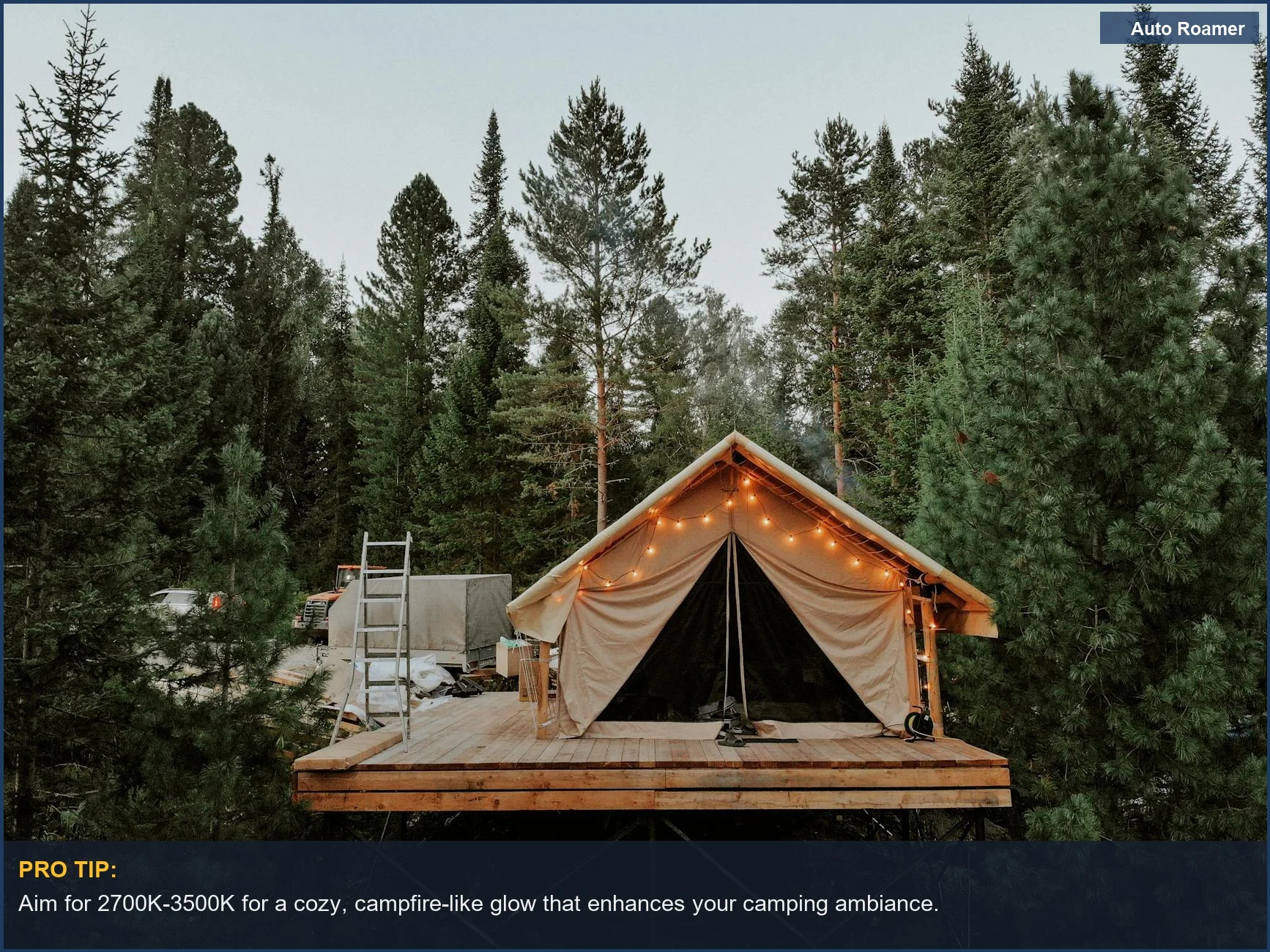
Why This Matters for Your Setup
Making the Right Choice
Frequently Asked Questions
My buddy says I can just put a yellow filter over my cool light bar to make it warmer. Is that the $50 version of buying the right light bar, or just a hack?
Do I need some fancy Kelvin meter to check my light bar's color temperature, or is there an easier way?
What if I buy a 3000K light bar and it still feels too bright and sterile at my campsite?
Can running a cool-toned (6000K) light bar all weekend mess with my sleep cycle permanently?
I read somewhere that warmer lights have a worse CRI (Color Rendering Index), meaning colors look weird. So, isn't a cooler light better for camping because I can see everything accurately?
🏅 Looking for Gear Recommendations?
Check out our tested gear guides for products that work with this setup:
Sources
- How to Select the Best Color Temperature for Your Lighting Project
- What You Should Know About LED Color Temperature
- Understanding Kelvin and LED Light Color Temperatures
- LED Color Temperature: All You Need to Know
- Led Light Color Temperature Guide
- Choosing the Right Color Temp of Led Lights
- ecoledmart.com