Why grocery bags need a structured organizer
Anyone who has driven home from the store knows the problem: grocery bags tip on the first turn, eggs crack, produce rolls across the trunk, and the cold stuff warms on a long drive. A flat trunk floor is the worst possible place for upright bags. The fix is a structured organizer that holds bags vertical, keeps the cold items cold, and wipes clean when something inevitably leaks.
This guide covers what actually matters for groceries — rigid structure, insulation and cleanability — then matches it to the best picks with honest trade-offs and a head-to-head. Get the structure and an insulated bay right and your groceries arrive home intact and safe; get them wrong and you are picking up rolling cans and mopping a milk spill in the parking lot.
What to look for: the buying criteria
Structure is the headline. Rigid or stiffened walls and tall dividers hold grocery bags upright through turns and stops; floppy cubes let them tip. Insulation comes next — a built-in or insert cooler bay keeps frozen and refrigerated items safe on the drive home, which a plain organizer cannot. Cleanability: a wipeable or waterproof liner survives the inevitable leak; bare fabric stains and smells.
Size and fit matter — the organizer must sit flat in your trunk and match your typical haul. Anchoring rounds it out: non-slip feet or tie-down straps keep it from sliding in a stop. We weight structure, an insulated bay and cleanability most heavily, because those are what separate a grocery organizer from a generic divided box that lets your eggs crack anyway.
- Rigid/stiffened walls and tall dividers for upright bags
- Insulated or cooler bay for cold and frozen items
- Waterproof/wipeable liner for leaks
- Non-slip base or straps so it stays put
Our top picks for groceries
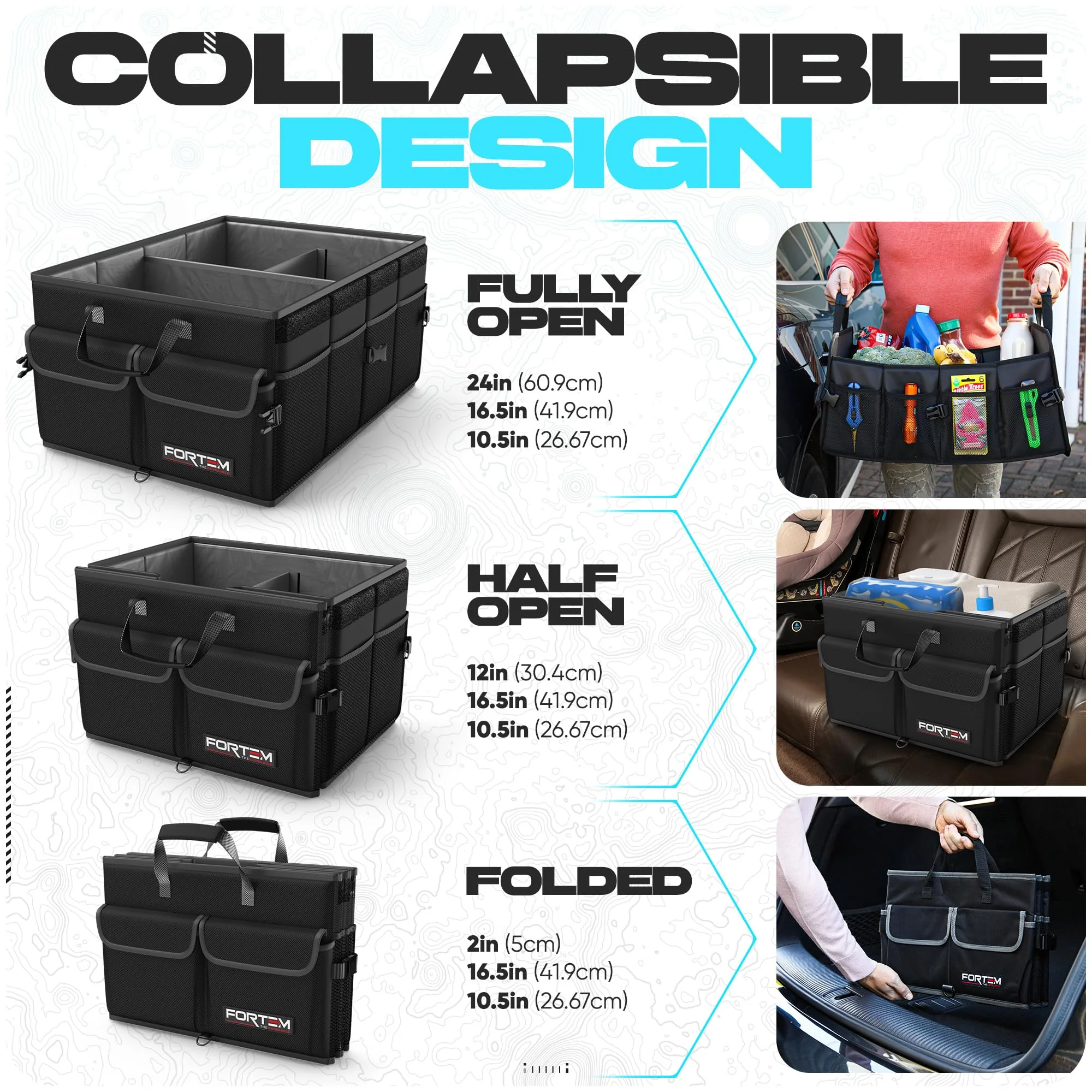
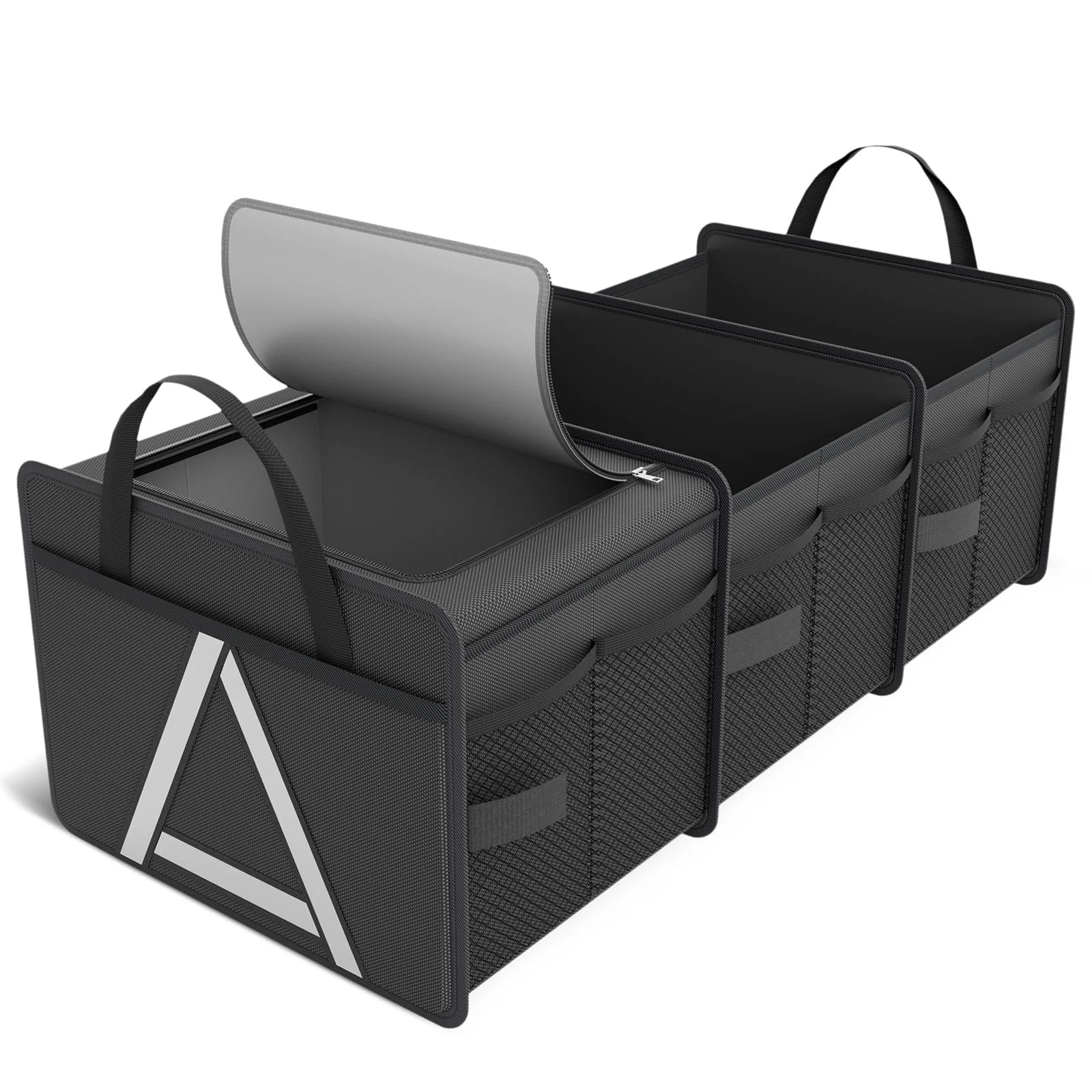
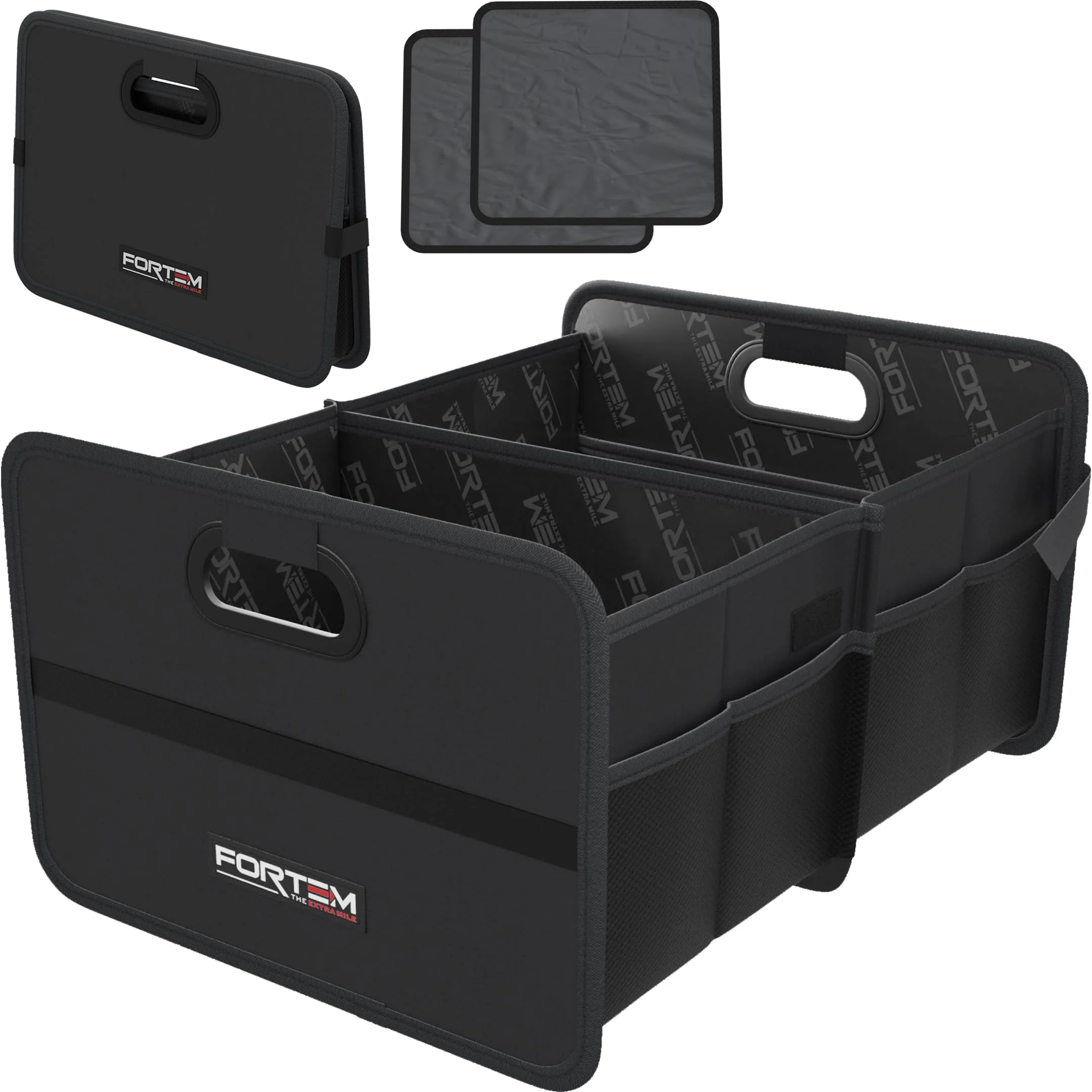
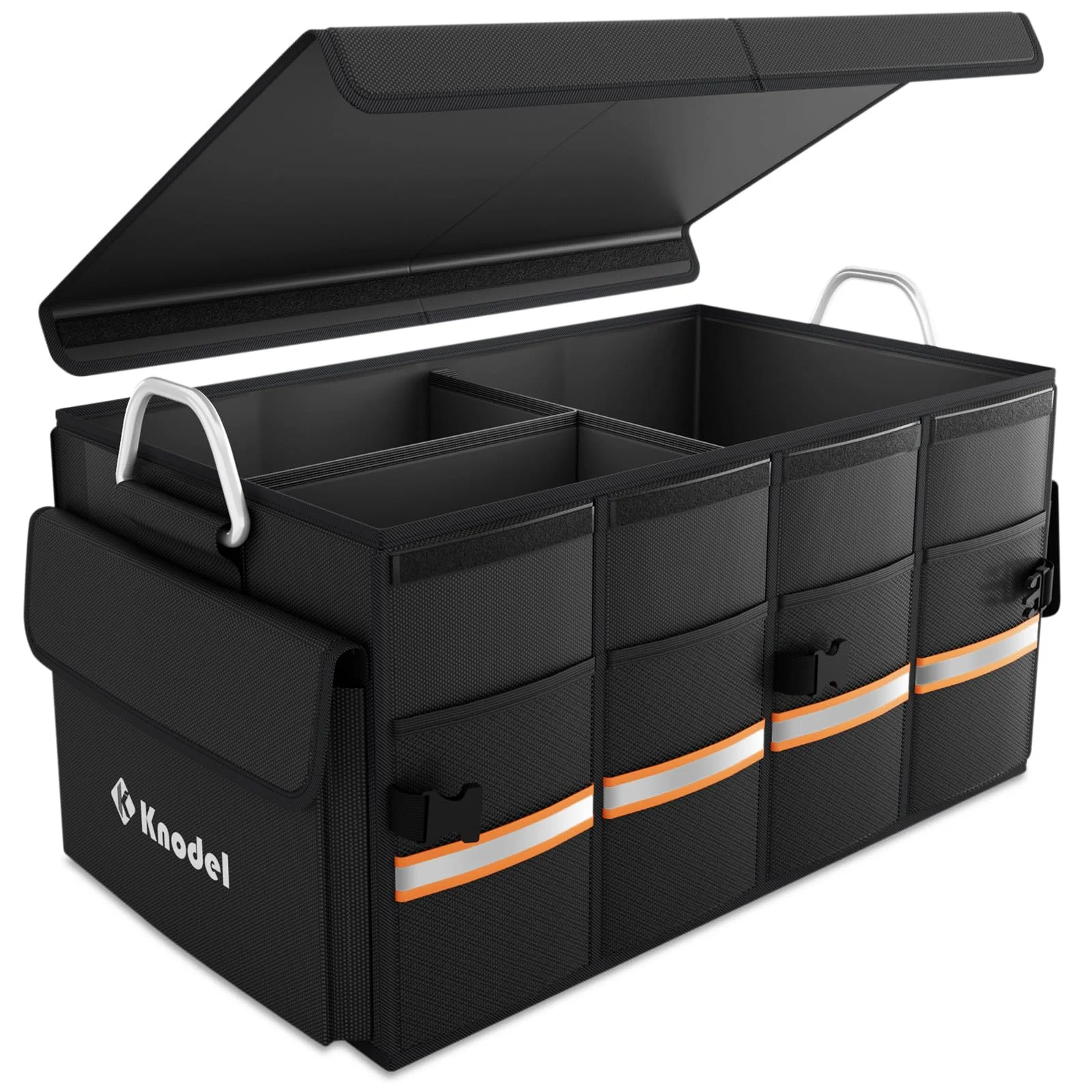
If you want a tall, structured bay with a leakproof cooler bag included, the Fortem Trunk Organizer brings rigid walls and cargo-hook straps. And for a budget multi-compartment option that still holds bags upright, the K KNODEL Sturdy Car Trunk Organizer gives you stiffened walls and dividers without a premium price. Each is named for the grocery job it does best — upright bags, cold food and a clean trunk.
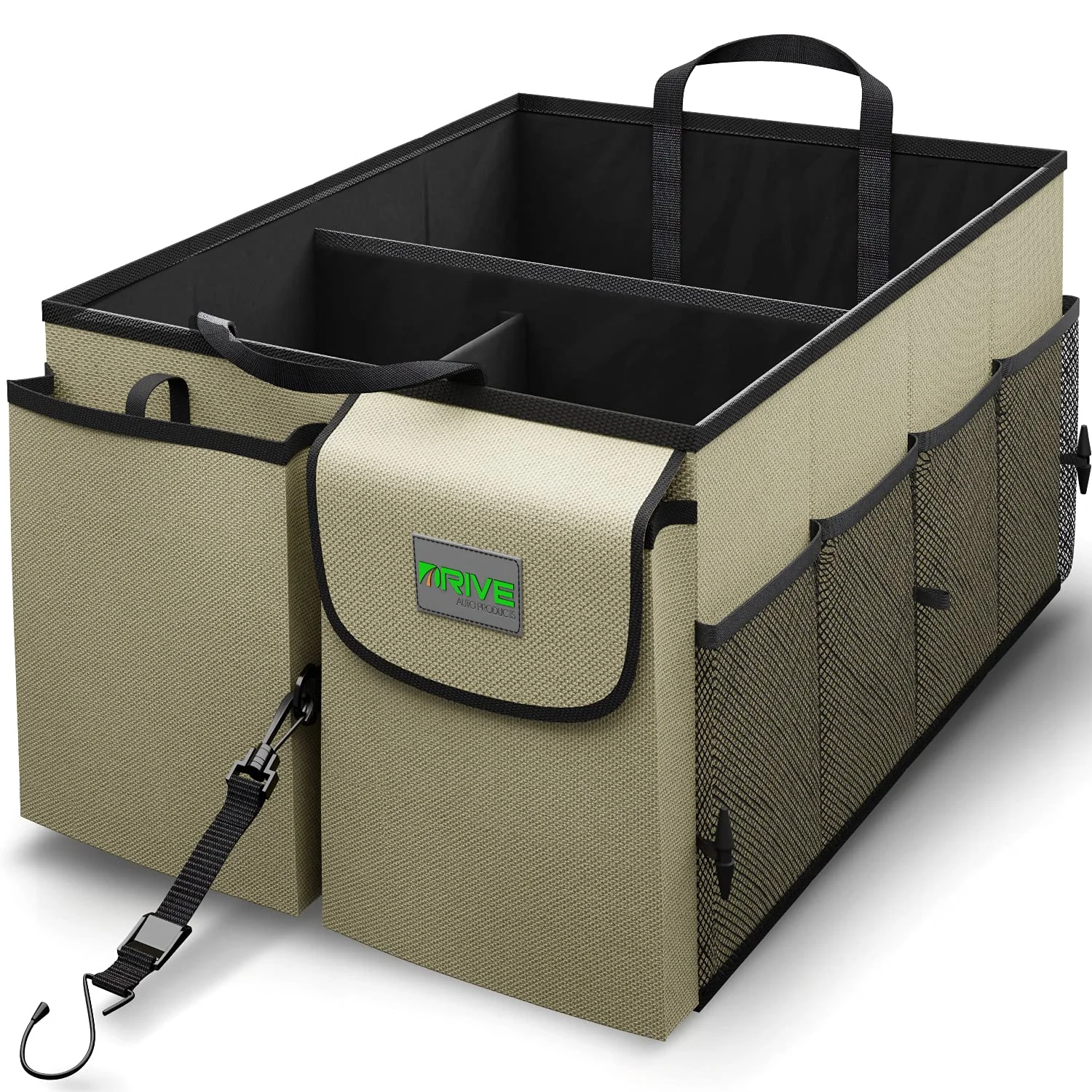
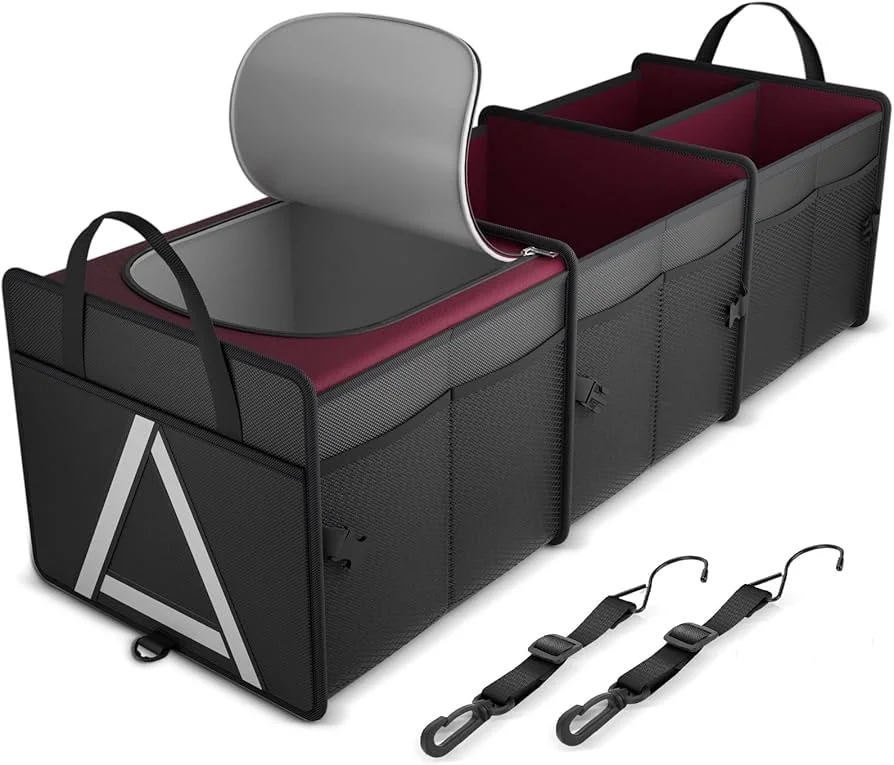
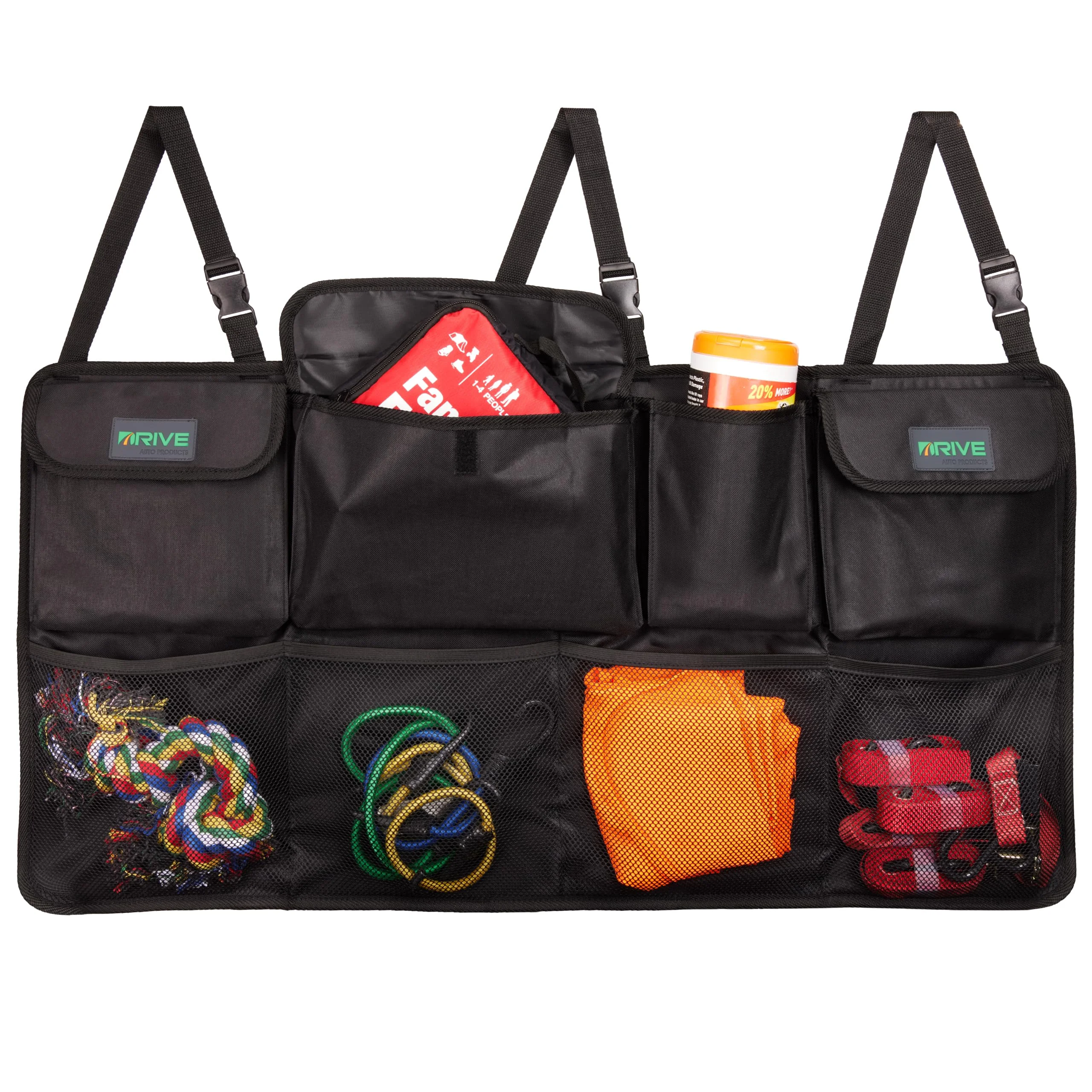
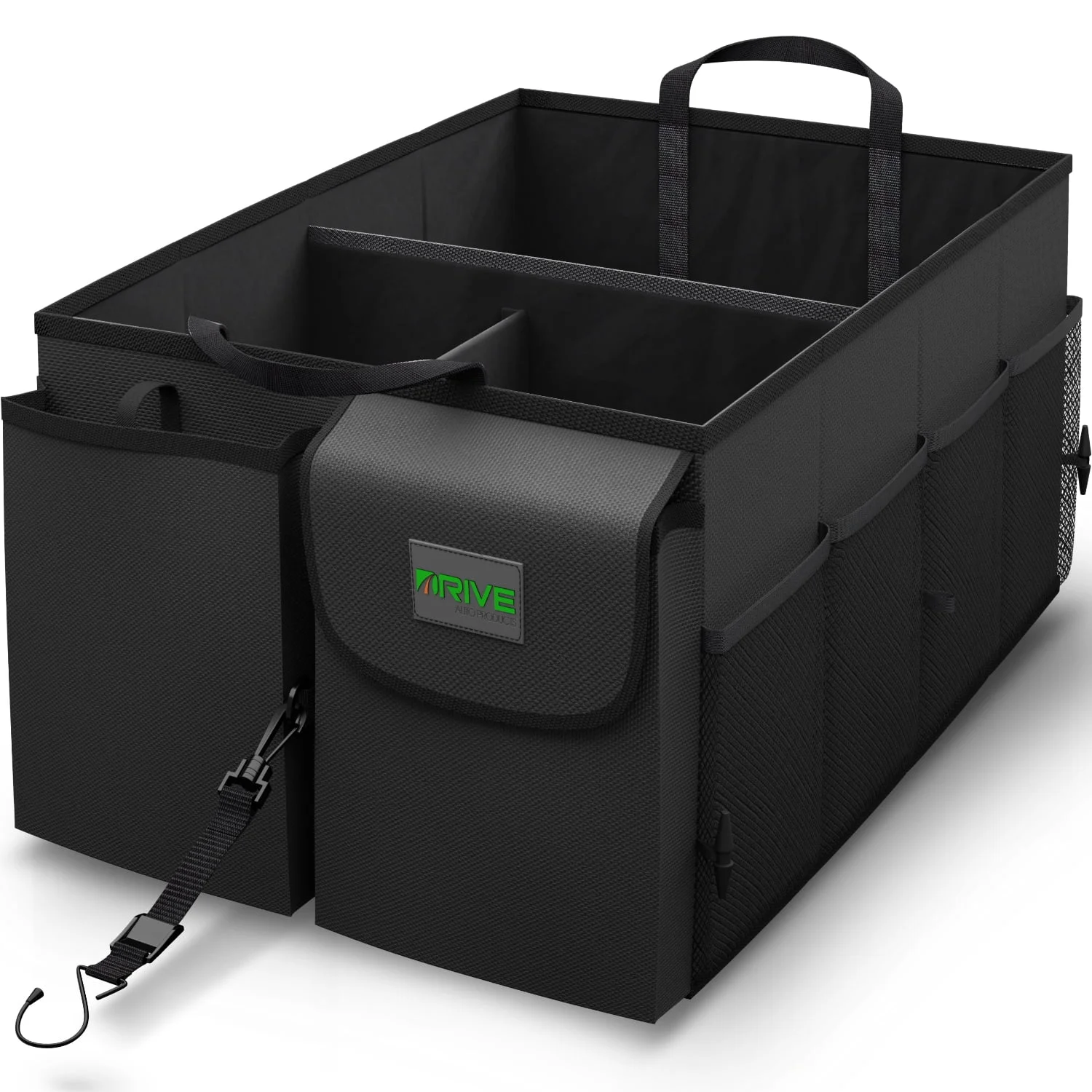
Quick pick: best all-around weekly shop, the Trunkcratepro Collapsible Organizer; built-in cooler, the Drive Auto Trunk Organizer with Cooler; tall awkward loads, the Fortem Trunk Organizer; best value for big hauls, the K KNODEL Sturdy Car Trunk Organizer.
Head-to-head: which organizer for which shopper
The Fortem Trunk Organizer takes the prize for tall, awkward grocery loads and a leakproof cooler bag that doubles for picnics, at a slightly higher price. The K KNODEL Sturdy Car Trunk Organizer is the value pick — sturdier than its price suggests for big family hauls — though it lacks built-in insulation, so you add a cooler bag. There is no universal winner; match the organizer to your haul size, your cold-food needs and your trunk.
Sizing it to your haul and your trunk
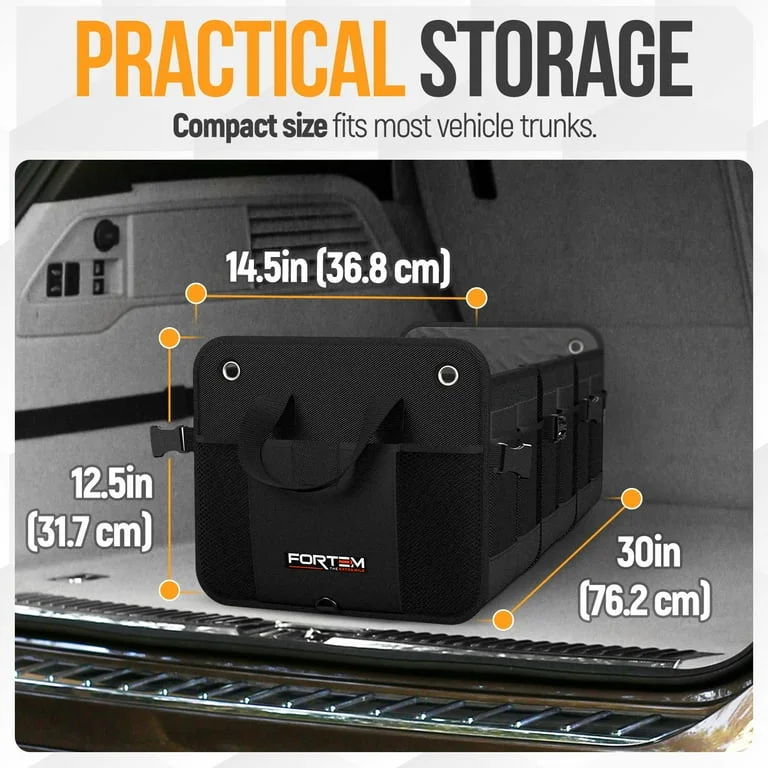
Measure your trunk's flat floor before buying. An organizer that does not sit flat slides and tips, undoing its purpose. For a normal weekly shop — several bags — a single large organizer with two to four compartments around 20 to 24 inches wide holds the bags upright. For big family hauls, look at a long multi-compartment model like the K KNODEL Sturdy Car Trunk Organizer or run two side by side.
Keeping cold and frozen food safe on the drive home
The drive home is where groceries quietly go wrong. On a warm day a trunk heats fast, and ice cream, meat and dairy can climb into the unsafe zone in well under an hour. An insulated compartment or a removable cooler insert keeps perishables cold long enough for a normal trip, and with a couple of ice packs, even a longer drive or a chain of errands.
- Built-in cooler: Drive Auto Trunk Organizer with Cooler
- Leakproof cooler bag: Fortem Trunk Organizer
Consumer Reports is clear that perishable food should not linger in a warm car, so for anyone who buys frozen items or runs errands after the grocery stop, an insulated compartment is real food-safety insurance rather than a luxury.
Cleanability: surviving the inevitable leak
Sooner or later a milk carton tips, a berry bag opens, or a rotisserie chicken drips. The organizer that survives it has a waterproof or wipeable liner; the one that does not develops a permanent stain and a sour smell. Coated polyester and molded-plastic bases wipe clean in seconds, while bare fabric soaks the spill in and never fully recovers.
Keep the most leak-prone items — liquids, produce, raw meat — in the waterproof or insulated bay, and wipe the organizer out when you unload groceries rather than letting a spill set. A two-minute wipe after each leak keeps the organizer (and your trunk) fresh for years instead of months.
Rule of thumb: if the base is bare, uncoated fabric, one leaking carton can leave a permanent stain and smell — insist on a waterproof or wipeable liner.
Anchoring it so bags stay upright in a stop
Even a structured organizer can slide on a slick trunk floor, and in a hard stop a full one keeps moving — tipping bags despite the dividers. Non-slip rubber feet or a grippy base handle a normal load; tie-down straps or hook-and-loop tabs that anchor to your trunk's cargo hooks lock down a heavy one. An anchored organizer keeps bags upright through panic stops and sharp turns alike.
If your organizer lacks them, a couple of cheap straps through the handles and around the anchors do the job. Combined with tall dividers holding each bag, an anchored organizer means your groceries arrive home the way they left the store, not as a pile of rolled cans and crushed bread.
How to load it so nothing crushes or spills
The right organizer only works if you load it well. Put the heavy, sturdy items — canned goods, bottles, jars — low and toward the compartment walls so they brace the lighter bags. Keep crushables like bread, eggs, chips and berries on top or in their own divider, never under a gallon of milk. Stand tall items (wine, sparkling water, cereal boxes) upright against a divider wall where the structure holds them, rather than laying them down to roll.
A well-loaded organizer distributes weight so a hard turn cannot tip it, keeps the crushables protected, and lets you unload by category when you get home. It is the cheapest upgrade of all — costing nothing — yet it prevents most of the spills a divider alone cannot.
Common mistakes buying a grocery organizer
The third is ignoring cleanability and ending up with a stained, smelly organizer after one leak — choose a waterproof base. The fourth is sizing wrong, too small for a family haul or too big to sit flat. Measure first. Choose for structure, insulation, a wipeable liner and the right size — even the value K KNODEL Sturdy Car Trunk Organizer follows the structure rule — and you buy once instead of replacing a tipped, stained organizer next year.
Verdict
Measure your trunk, match the organizer to your haul and your cold-food needs, choose a wipeable base, and anchor it to the cargo hooks. Do that and your bags arrive home upright, your frozen food stays safe, and a single leak does not ruin the organizer — instead of fighting rolling cans and a warming carton of milk every trip.