The Big Picture
My first car camping trip was a $47 experiment in a Honda Civic hatchback in Shenandoah Valley. Mid-October. I had a Walmart foam pad, a sleeping bag rated to 40F, and zero idea that the temperature drops 15 degrees after midnight in the mountains. By 2AM I was wearing every piece of clothing in my bag and still shivering. The fix was a $12 fleece liner from Amazon that turned my 40F bag into a 25F bag.
Three years later I still use that same liner on every trip.
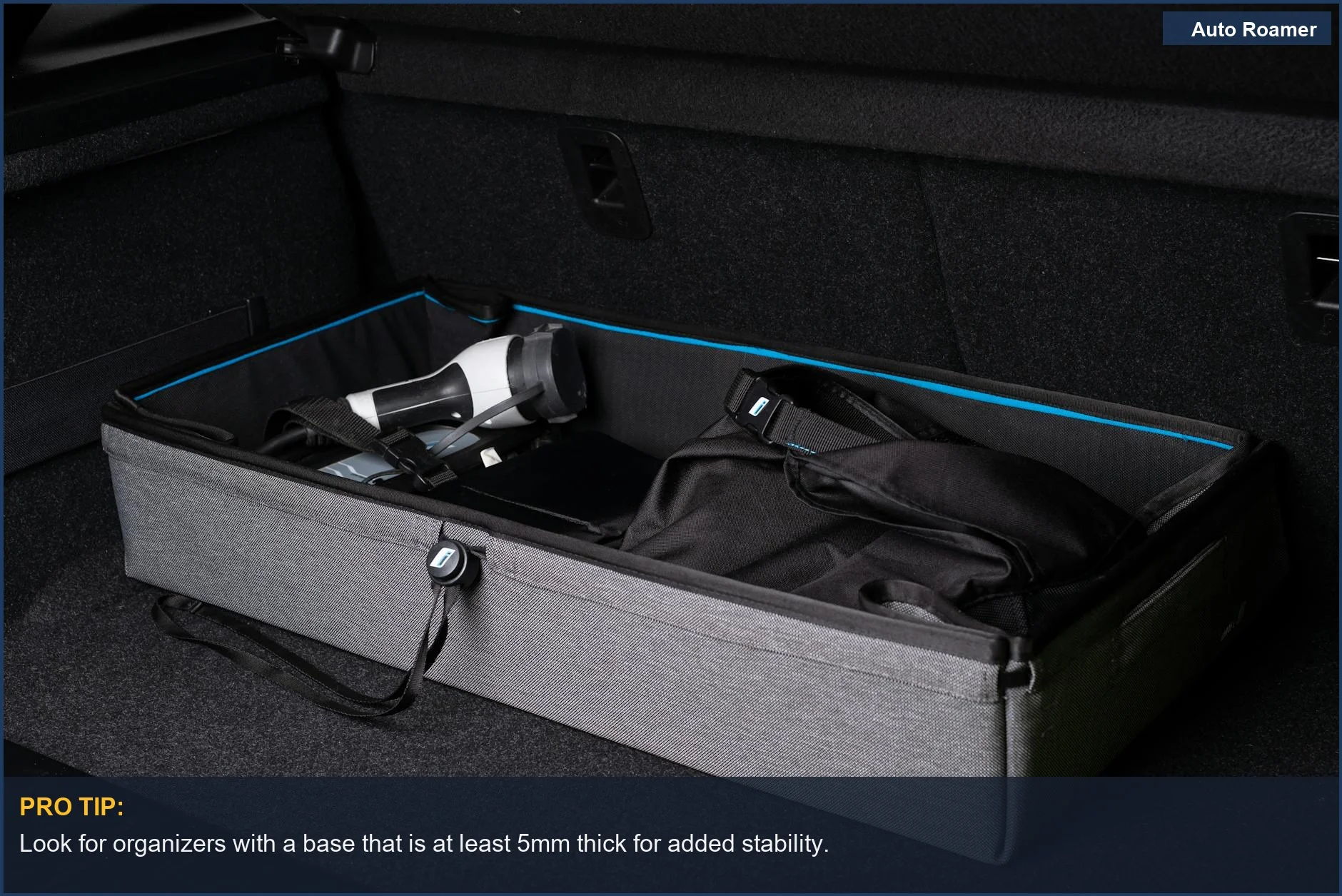
Now, my trunk looks like a well-oiled machine, not a disaster zone. The key? A solid organizer. But not just any organizer will do. You need something that can actually handle the abuse of car life. I learned this the hard way with flimsy cardboard bins that collapsed faster than my New Year's resolutions. Car and Driver agrees; they tested a bunch and found the best ones hold up.
The Core Answer
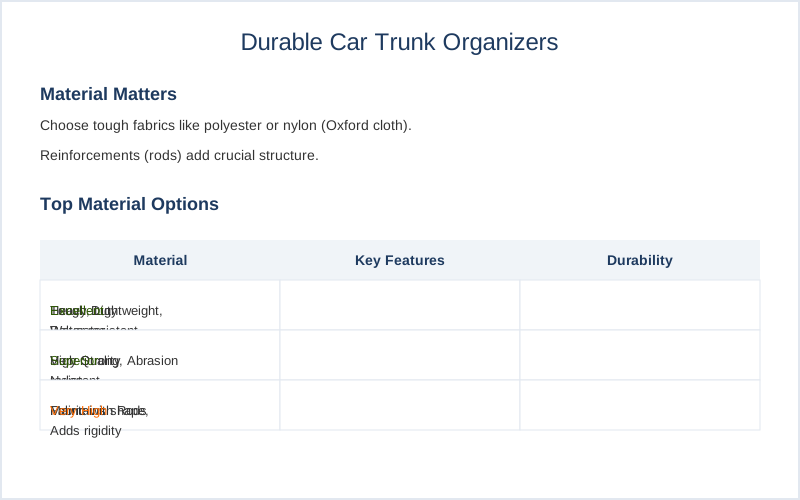
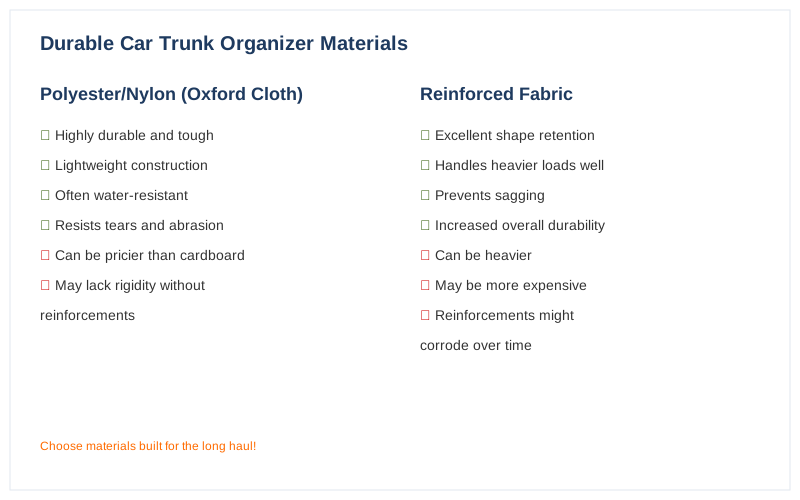
Forget those flimsy cardboard bins you see everywhere. They're basically a one-way ticket to a messier trunk. The real move for a durable trunk organizer comes down to the material. I've had organizers fall apart after just a few months of hauling groceries and camping gear. That's why I'm all about fabrics like heavy-duty polyester or nylon, often called Oxford cloth. Surdoca mentions this stuff; it's tough, lightweight, and usually water-resistant.
My current organizer is made of this, and it's survived leaky water bottles and spilled dog treats without a hitch.
Another thing nobody tells beginners: look for reinforcements. Some organizers have plastic or even metal rods to keep their shape. I once bought a 'super sturdy' organizer that was basically just fabric walls. It sagged like a sad balloon the minute I put anything in it. The MotorTrend crew even pointed out that organizers with plastic panels are way more durable than cardboard ones. That's game-time for your trunk.
Waterproof is also a big deal, especially if you haul anything remotely leaky. Think gym bags, coolers, or, in my case, a toddler's half-empty juice box. The Wirecutter review of the Femuar organizer highlighted its heavy-duty waterproof material. That's the kind of detail that saves you from sticky messes and musty smells. My first organizer was 'water-resistant' in theory, but in practice, it just soaked up spills and became a breeding ground for mystery funk.
Finally, think about how it attaches. Some organizers have anti-slip bottoms or Velcro straps to keep them from sliding around. I learned this lesson the hard way on a winding mountain road in West Virginia. My cooler, a bag of tools, and a week's worth of groceries all did a spectacular dance routine in the back of my car. Car and Driver specifically mentioned anti-slip materials as a key feature for good reason.
Trust me, you don't want your emergency kit doing barrel rolls.
The honest version: You want something made of thick polyester or nylon, with some kind of rigid structure, and ideally, it's waterproof. That's the $50 version that lasts. Anything less and you're just buying a temporary fix.
Why This Matters for Your Setup
This matters because a shoddy organizer is just another thing to clutter your trunk. I've seen people with those collapsible fabric bins that are basically just soft bags. They look nice when empty, but the second you put stuff in them, they bulge and flop around like a dying fish.
Here's the real move for your setup:
- Think like a packer: If you're hauling camping gear, you need something that can handle a bit of dirt and moisture. Polyester or nylon is your friend here. My tent poles and sleeping pads used to slide all over the place before I got a proper organizer.
- Grocery runs are serious business: Ever had eggs crack or milk explode because your groceries decided to play bumper cars? A sturdy organizer with dividers keeps things separate and secure.
I can now carry a case of water bottles without them rolling into the spare tire well.
- The 'just in case' stuff: Your first aid kit, jumper cables, flashlight - these things are critical. An organizer keeps them accessible, not buried under a pile of forgotten sports equipment. I used to spend 15 minutes digging for my headlamp during a sudden roadside repair.
Not anymore.
- It's about peace of mind: Honestly, just knowing where everything is reduces so much stress. No more rummaging around before a trip. It's like having a designated spot for everything, which is surprisingly satisfying. YouTube reviews often highlight how much smoother trips become with good organization.
Making the Right Choice
Choosing the right trunk organizer isn't just about tidiness; it's about durability and functionality. You don't want to buy something that becomes useless after a few months. That's a rookie mistake I've made more times than I care to admit.
Here's the final field notes:
- Material is king: Prioritize tough stuff like polyester or nylon. Avoid flimsy cardboard at all costs. MotorTrend even mentions plastic panels as a durability win.
- Structure is key: Look for organizers that have some inherent rigidity, whether through built-in supports or sturdy walls. A floppy organizer is just a fabric mess.
- Water resistance saves the day: If you carry anything that might leak, or live in a rainy climate, go waterproof.
It's a small feature that prevents big headaches.
- Don't forget the grip: Anti-slip features are essential for keeping everything in place, especially on twisty roads. My Subaru used to feel like a pinball machine before I sorted this out. Car and Driver puts a lot of stock in this.
Invest in something solid, and your trunk will thank you. It's the $50 version of a stress-free drive.