Why recovery boards belong in every overland kit
Sooner or later an overland rig gets stuck — a soft sand wash, a greasy mud two-track, a snowy forest road, a rutted climb. When it happens miles from pavement and often with no second vehicle, recovery boards are the simplest, most reliable way out: wedge a board under each drive tire, feather the throttle, and the tire grips the teeth and climbs out. No anchor point, no winch, no waiting for help.
But the market is split between boards that genuinely free a heavy, loaded truck and cheap copies that crack, flex or melt the first time a tire spins on them. The features that matter — reinforced construction, aggressive teeth, a real weight rating and a proper mounting and leash kit — are exactly the ones budget boards skimp on. This guide covers what actually matters, then matches it to the best picks with honest trade-offs and a head-to-head.
It is worth naming who this is for: overlanders, weekend wheelers and remote-road travelers who want a self-recovery tool they can trust when they are alone and the nearest help is hours away. Once you understand construction, teeth and load rating, choosing the right boards gets straightforward.
How this guide was built. These picks are ranked on the specs and engineering that actually decide a recovery — construction material, tooth design, and rated load capacity — read from the manufacturers (MAXTRAX, ARB, X-Bull, GoTreads) and cross-checked against named testing from Car and Driver and the long-running consensus of overland forums. What this analysis adds is the number the marketing never puts next to its "thousands of pounds" claim: the load a board actually has to carry under your loaded rig, computed below, so you can see why an underbuilt board flexes or cracks exactly when you need it.
What to look for: the buying criteria
Construction comes first: reinforced or glass-filled nylon that flexes without snapping and tolerates heat beats soft unreinforced plastic every time. Tread and teeth are next — aggressive, deep nubs (sacrificial or replaceable on the best boards) bite in sand, mud and snow and resist glazing. Weight rating must cover your fully loaded rig, not the curb weight.
Mounting and leashes round it out: dedicated mounts and locking pins keep boards secure and theft-resistant, and leashes let you retrieve a buried board. We weighted construction, teeth and load rating most heavily, because those decide whether a board frees your truck or fails when you are alone in the backcountry.
- Reinforced/glass-filled nylon that flexes and resists heat
- Aggressive, sacrificial or replaceable teeth that resist glazing
- Weight rating above your loaded overland weight
- Dedicated locking mounts + retrieval leashes
Our top picks for overlanding
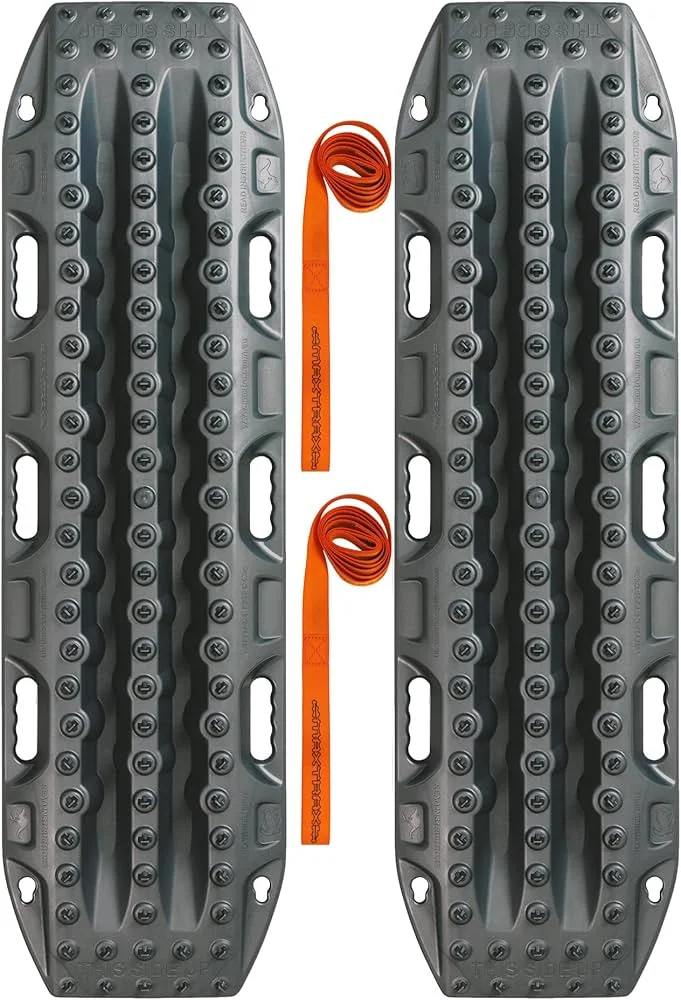
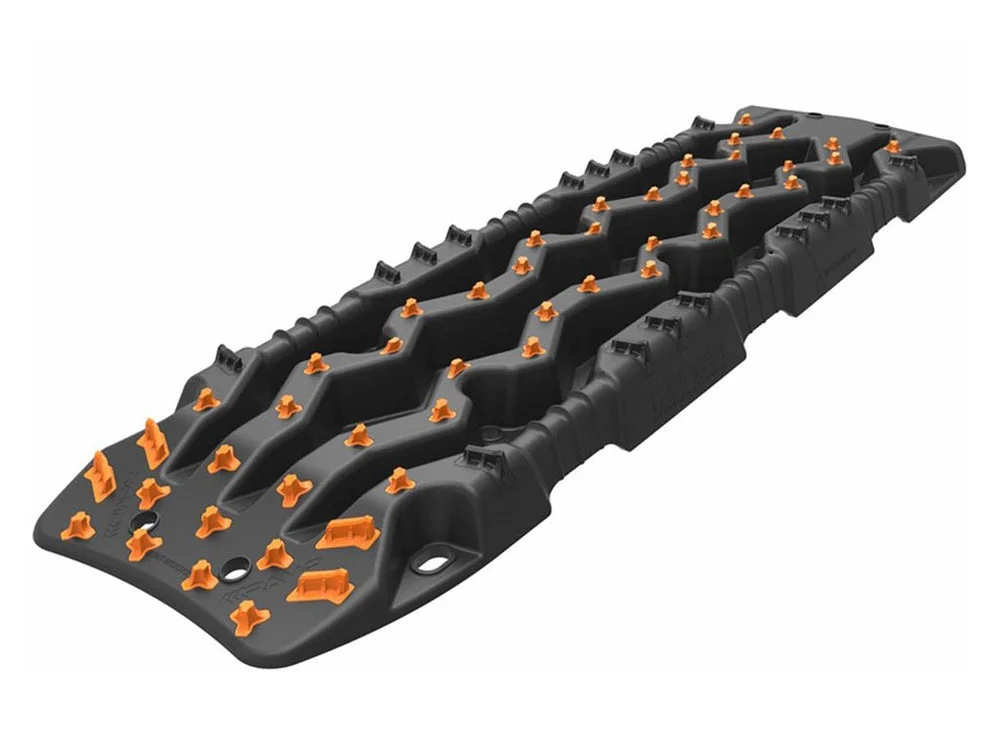
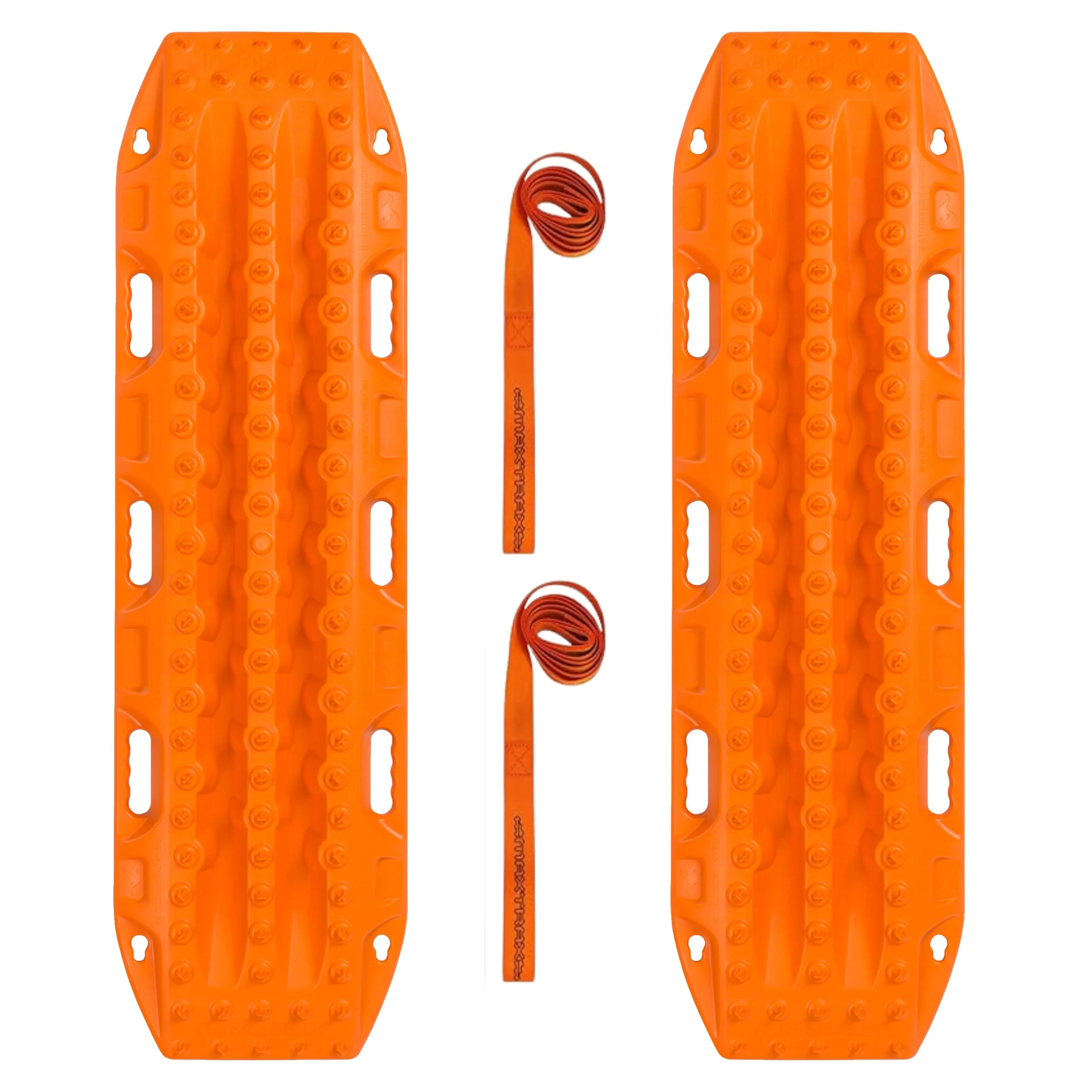
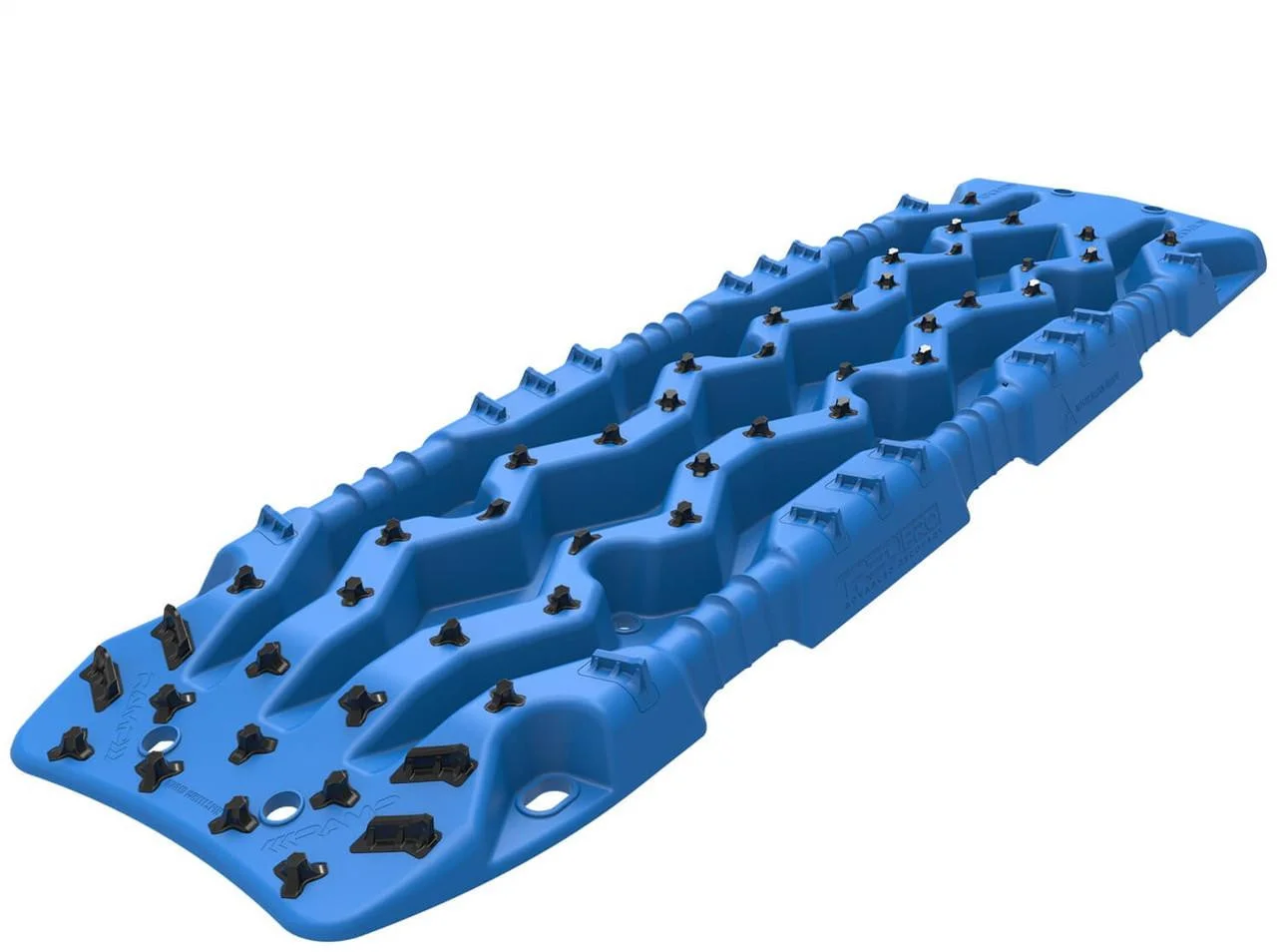
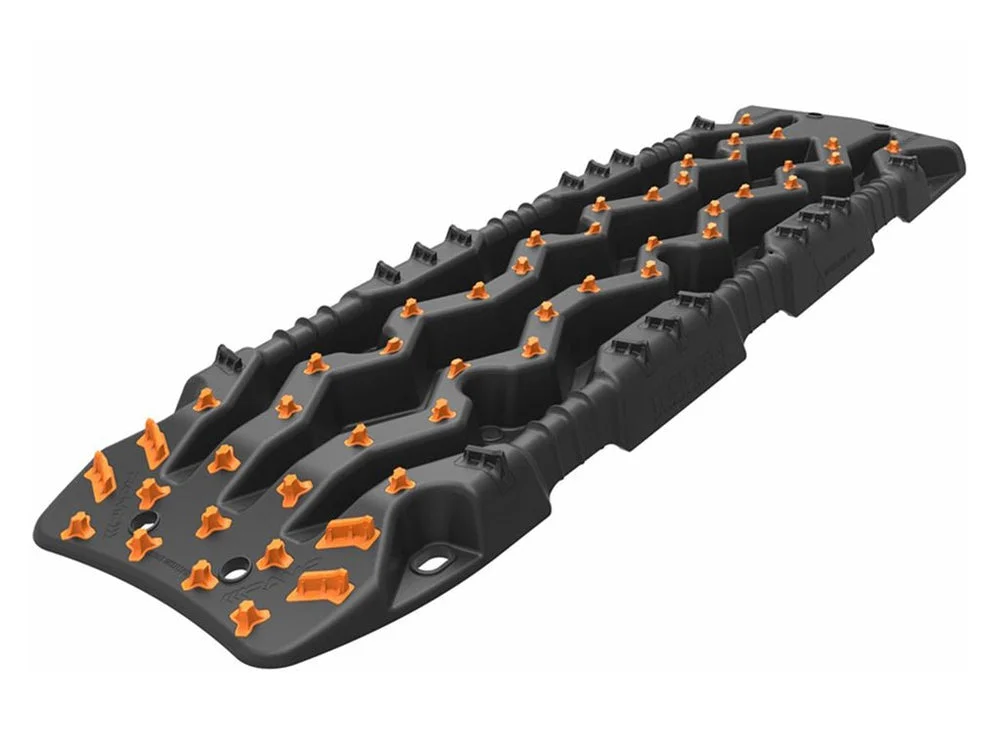
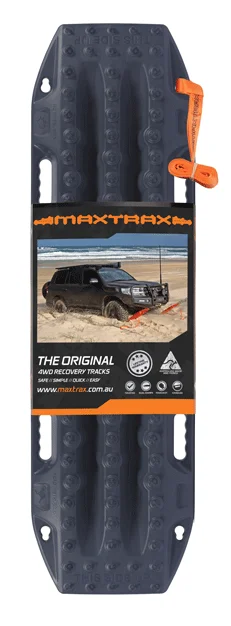
For serious, heavy, fully built rigs the MAXTRAX MKII Recovery Boards are the pick: a proven reinforced-nylon design with aggressive sacrificial teeth, a wide mount ecosystem and a reputation for surviving years of abuse. For a premium alternative with TRED's SIPE-LOCK teeth and tough construction, the ARB TRED Pro Recovery Boards match the MAXTRAX on capability with a different tooth pattern.
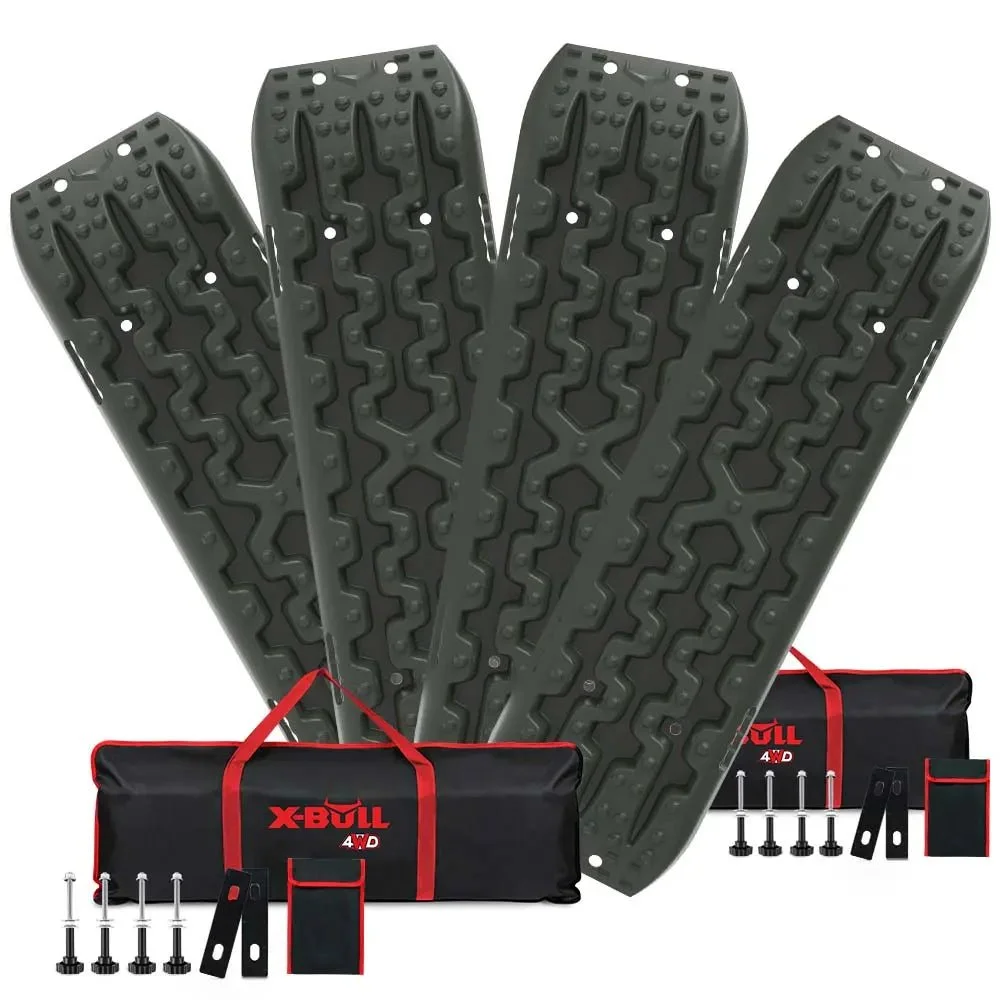
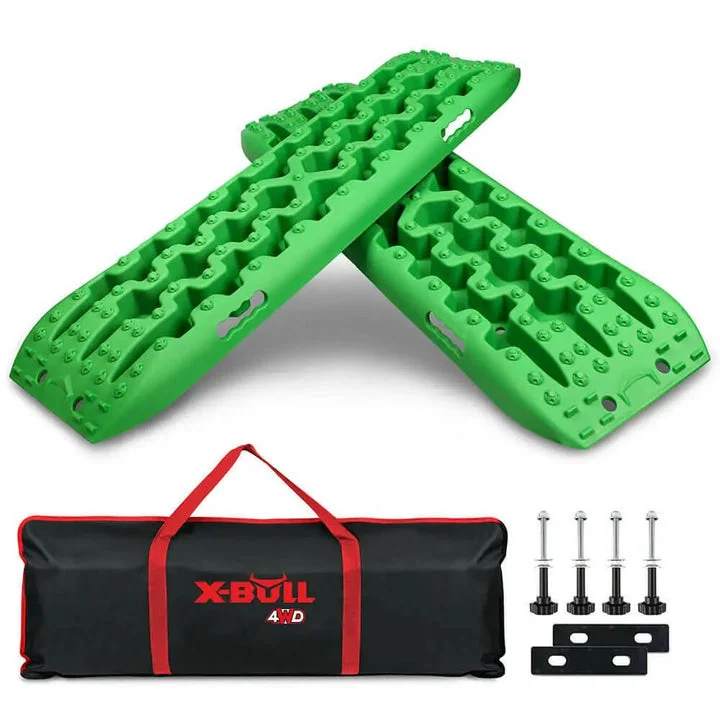
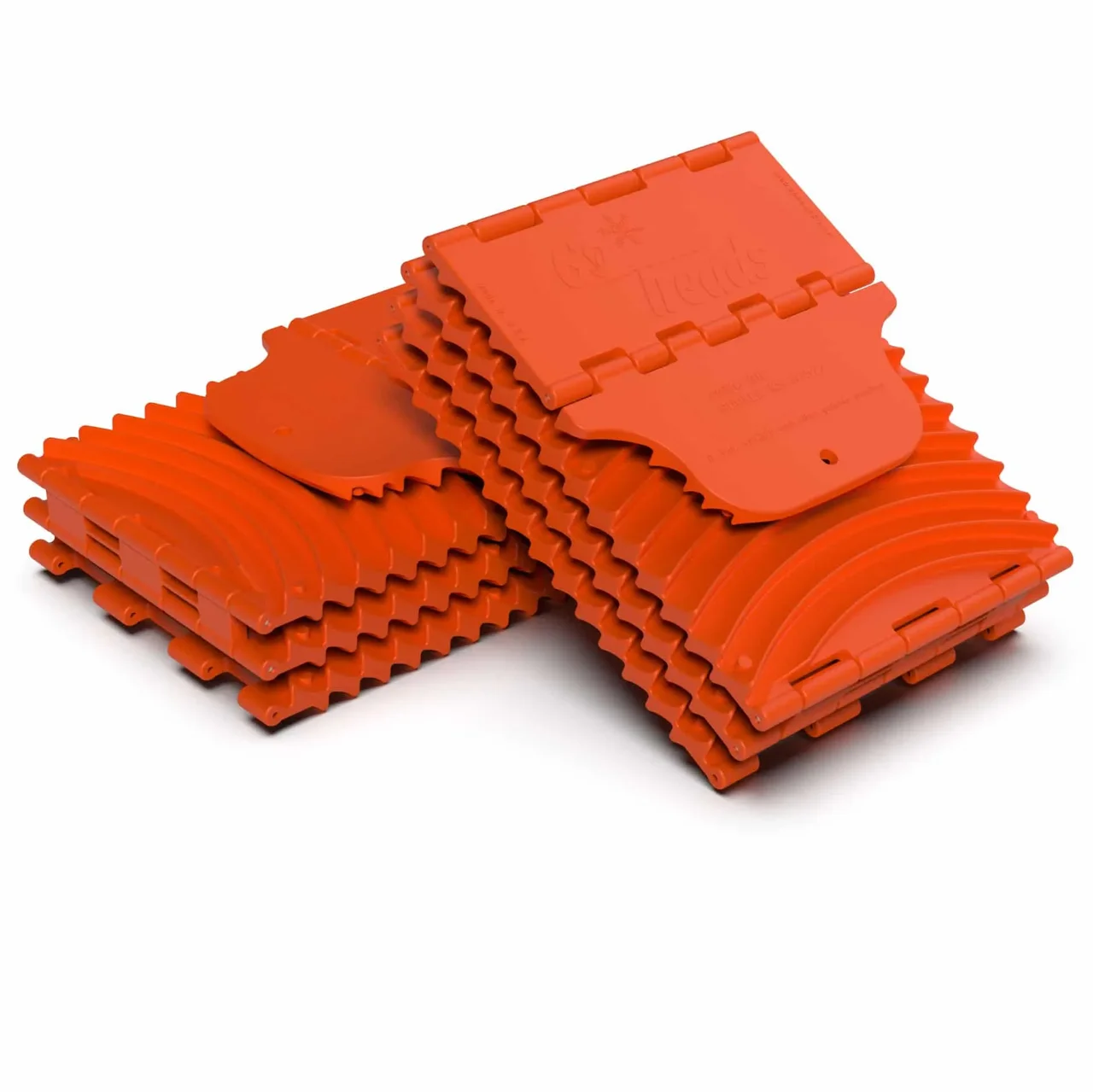
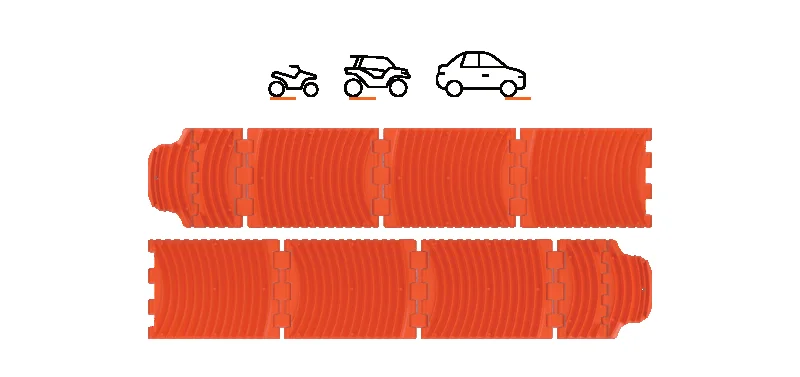
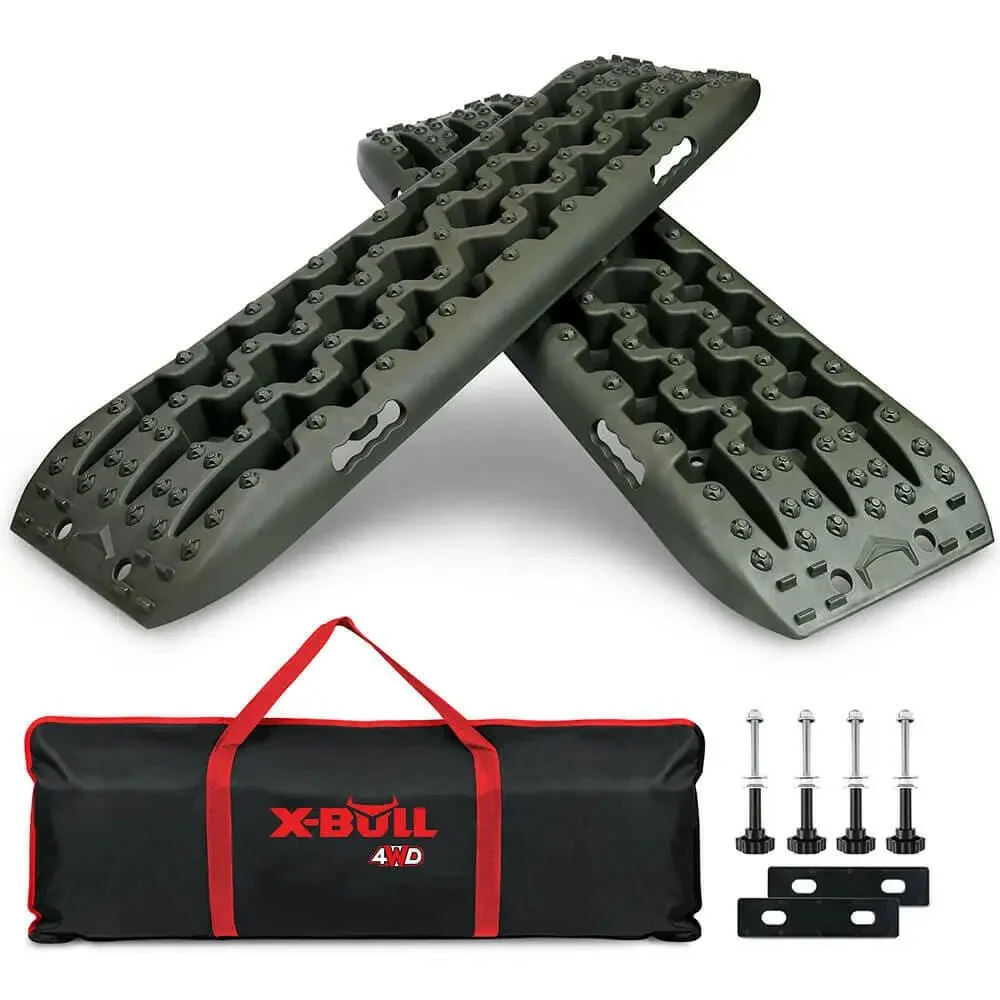
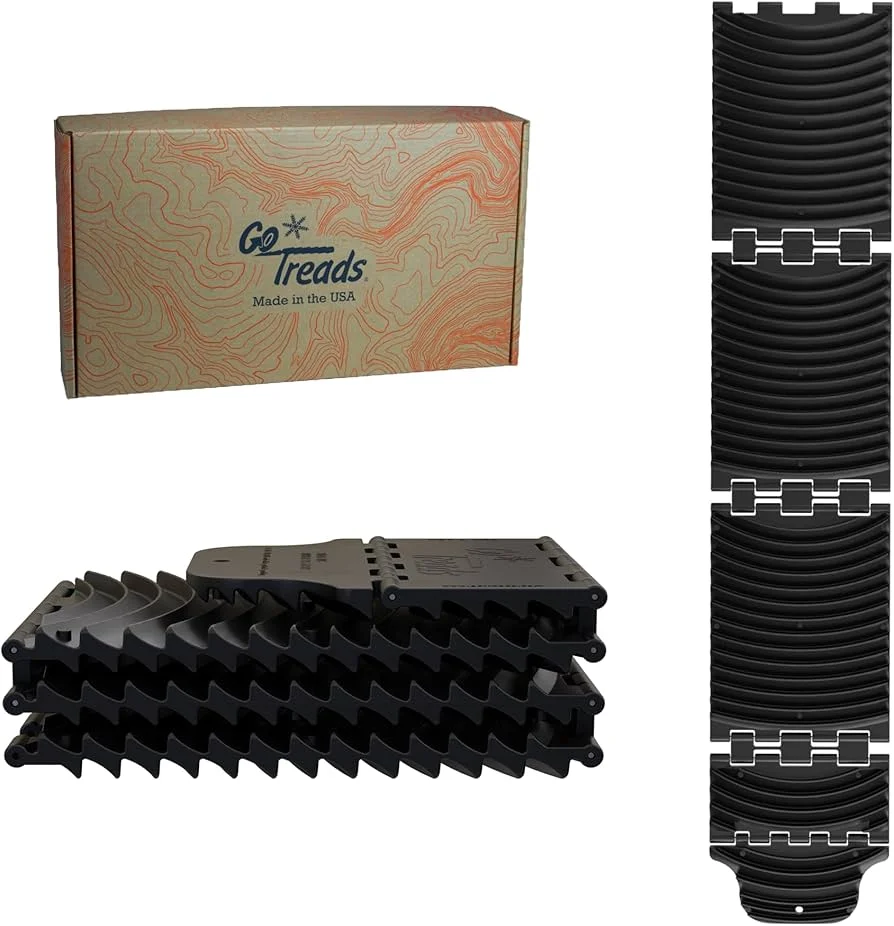
If you want strong value for a lighter rig or occasional use, the X-Bull Gen 3.0 Traction Boards deliver aggressive nylon boards at a fraction of the premium price, and the compact GoTreads Foldable Traction Boards fold down for drivers tight on storage who still want a real recovery tool. Each is named for the overland job it does best.
Quick pick: best for heavy built rigs, the MAXTRAX MKII Recovery Boards; premium alternative, the ARB TRED Pro Recovery Boards; best value, the X-Bull Gen 3.0 Traction Boards; best compact/foldable, the GoTreads Foldable Traction Boards.
Head-to-head: which boards for which overlander
The MAXTRAX MKII Recovery Boards are the benchmark: the toughest construction, the widest mount support and a proven track record on heavy trucks, best for serious overlanders who run remote trails, though they are the most expensive. The ARB TRED Pro Recovery Boards are the closest rival, matching the build quality with their SIPE-LOCK tooth design, ideal for someone in the ARB ecosystem who wants comparable capability.
The X-Bull Gen 3.0 Traction Boards win on value: genuinely capable aggressive boards for lighter rigs and occasional stucks at a budget price, accepting less long-term durability than the premium pairs. The GoTreads Foldable Traction Boards are the space-saver, folding compact for tight storage at the cost of the flat rigidity of a one-piece board. There is no universal winner; match the boards to your rig weight, how often and how remotely you travel, and your storage and budget.
Construction and materials: where your money goes
Two boards can look identical and perform worlds apart, and the difference is the plastic. The best boards use reinforced or glass-filled nylon engineered to flex under a heavy tire without cracking and to tolerate the heat a spinning tire generates. The MAXTRAX MKII Recovery Boards and ARB TRED Pro Recovery Boards are known for surviving years of hard use in extreme temperatures.
Cheaper boards use softer or unreinforced plastic that cracks in cold, flexes too much under a built truck so the tire never gets purchase, or melts when a tire spins on the teeth. That last failure is the classic budget-board story: a panicked driver spins the tire, glazes the nubs flat or melts them, and the board becomes a slick plastic sled. Construction is not where to save money on a tool you trust your recovery to — the X-Bull Gen 3.0 Traction Boards are a reasonable budget compromise for lighter rigs, but the no-name bargains are the ones that fail.
Teeth, tread and traction in different terrain
The teeth are what actually move your truck, and different terrain rewards different designs. Aggressive, tall nubs bite into soft sand and snow and shed mud, while shallower teeth glaze faster. The best boards use sacrificial or replaceable teeth — the MAXTRAX MKII's nubs are designed to wear and the ARB TRED Pro's SIPE-LOCK teeth grip the tire tread — so a spinning tire shears the nubs rather than glazing the whole board.
Terrain changes the game. In soft sand, you want a long board and gentle throttle so the tire floats and climbs. In mud, deep teeth that clear themselves matter most. In snow and ice, the teeth must bite a slick surface, and some users add the board as a bridge over a rut. The honest takeaway: aggressive, durable teeth on a board sized for your terrain beat a smooth, cheap board that glazes on the first spin. Drive gently and the teeth last for years.
Rule of thumb: feather the throttle so the tire grips and climbs the teeth. A wildly spinning tire generates the heat that destroys the very boards meant to save you.
Weight rating: size the board to your loaded rig
The most common sizing mistake is buying to curb weight. Your overland rig as it sits on the trail — roof tent, fuel and water cans, recovery gear, a fridge, tools, passengers — weighs far more than the number on the door jamb, and the board must handle that load (concentrated where the tire bears down) without cracking or flexing into uselessness.
- Lighter SUV / occasional use: X-Bull Gen 3.0, GoTreads
- Heavy, fully built truck: MAXTRAX MKII, ARB TRED Pro
- Always size to LOADED weight, not curb weight
Quality boards are rated well into the thousands of pounds per board, and that headroom is exactly what you want when a tire drops hard onto a board in a panic recovery. The MAXTRAX MKII Recovery Boards and ARB TRED Pro Recovery Boards are engineered for the heaviest built rigs; the X-Bull Gen 3.0 Traction Boards and GoTreads Foldable Traction Boards suit lighter vehicles. When you are unsure, buy more capacity than you think you need — an overbuilt board is cheap insurance against a failure in a place where failure means a very long walk.
Mounting, storage and security
Recovery boards are bulky, dirty and live outside the vehicle, so how you carry them matters more than buyers expect. The right answer is a dedicated mounting kit with brackets and locking pins on a roof rack, rear swing-out, bed rack or tailgate. The MAXTRAX MKII system has a wide aftermarket of mounts; most premium boards offer dedicated brackets. Boards lashed with bungee cords rattle, scratch paint, get stolen at trailheads, and occasionally launch off the highway.
Security is real. A pair of premium boards is a tempting, easily resold target sitting in plain sight, so locking mounts are worth the spend. Storage is the other factor — flat one-piece boards like the ARB TRED Pro need roof or rack space, while the GoTreads Foldable Traction Boards fold down for drivers with no exterior rack and limited cargo room. Decide where the boards will live before you buy, budget the mount into the purchase, and you avoid the two classic regrets: boards you cannot carry cleanly and boards that disappear from a parking lot.
Recovery technique: getting unstuck without drama
The best boards in the world fail in the hands of a panicked driver, so technique deserves its own section. Start by stopping the instant you feel the rig bog down — the deeper you spin, the harder the recovery. Get out and assess: which tires are stuck, how deep, and which way out is shortest and firmest. Then dig. Clear loose sand or mud from in front of (or behind, if reversing out) the drive tires and carve a ramp so the board sits firmly against the tire rather than floating on the surface.
Wedge a board tight under each drive tire on the stuck axle, teeth up, pushed as far under the tire as it will go. Back in the driver's seat, feather the throttle gently in a low gear and let the tire grip the teeth and climb — momentum, not wheelspin, is what frees you. Keep moving once the rig climbs out, and roll all the way to firm ground before you stop, or you will simply bog down again a few feet later.
Two safety rules are non-negotiable: never let anyone stand directly behind a board that could shoot out under power, and use the leashes to retrieve a board that gets buried so you are not digging blind. With the MAXTRAX MKII Recovery Boards or ARB TRED Pro Recovery Boards and this technique, most soft-surface stucks are a five-minute job rather than a day-ruining ordeal.
Stop early, dig a ramp, seat the board tight, feather the throttle, and keep moving to firm ground. Panic and wheelspin are what turn a quick recovery into a destroyed board and a long walk.
Common mistakes buying recovery boards
The predictable errors leave you stuck with a useless tool. The first is buying the cheapest boards and discovering they crack or melt on the first real recovery — construction is where the money goes, and the MAXTRAX MKII Recovery Boards or ARB TRED Pro Recovery Boards earn their price on a heavy rig. The second is underrating capacity by buying to curb weight, then flexing or breaking a board under a loaded truck.
The third is skipping the mount and lashing boards with cords, then losing them to theft or the highway. The fourth is spinning the tires in a panic and glazing the teeth flat the first time out — technique matters as much as the board. Buy reinforced construction, the right capacity, a proper locking mount, and learn to feather the throttle, and a good set of boards lasts a decade. The budget X-Bull Gen 3.0 Traction Boards are fine for a light rig bought knowingly; the no-name bargains are the ones that fail.
Verdict
For self-recovery when an overland rig bogs down miles from help, construction, aggressive durable teeth and a weight rating matched to your loaded truck beat a low price every time. The MAXTRAX MKII Recovery Boards are the benchmark for heavy built rigs; the ARB TRED Pro Recovery Boards are the premium alternative with their SIPE-LOCK teeth; the X-Bull Gen 3.0 Traction Boards are the value pick for lighter rigs; and the GoTreads Foldable Traction Boards are the space-saver for drivers with no rack room.
Size the boards to your loaded weight, buy reinforced construction, mount them on locking brackets, carry the leashes, and feather the throttle so the teeth grip rather than glaze. Do that and your boards free your rig for years; skimp on construction or technique and you will be digging in the dark wishing you had spent the extra money.