
The Big Picture
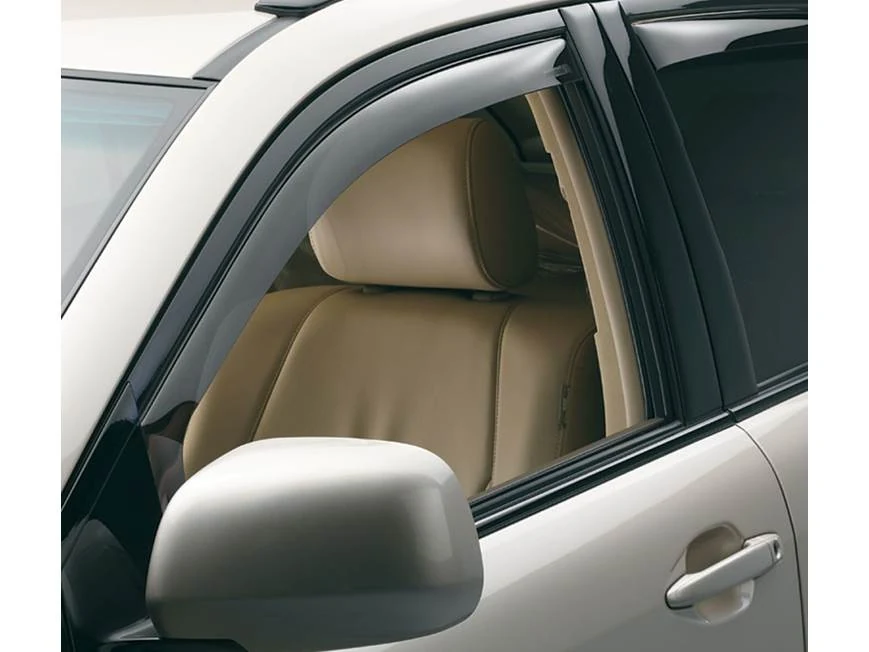
Cracking your window 10mm in a rainstorm without soaking your sleeping bag isn't a luxury; it's a necessity for car camping. The condensation inside a sealed vehicle overnight will turn your sleeping bag into a damp sponge, leading to thermal discomfort and eventually mold. You need airflow to manage humidity, especially when you're breathing inside a sealed metal box. Rain guards are cheap insurance against a miserable morning.
Too many DIY setups involve garbage bags and duct tape - a temporary fix that fails with the first gust of wind or UV exposure. That adhesive bond breaks down, leaving sticky residue and zero protection. This is about managing water ingress and air pressure differentials, not just blocking rain.
The goal is a consistent, low-velocity airflow. Without it, you get stale air, outgassing from plastics, and a perpetually clammy interior.
This isn't about looking cool; it's about maintaining a habitable microclimate. Wirecutter even mentions sun shades for road trips, but those don't solve the airflow problem. You need a mechanical barrier that deflects water and allows a gap for air exchange. Simple physics, really.
Quick Verdict
When you're trying to sleep in a metal box, ventilation is everything. Stale air, condensation, and the smell of your own breath will make you regret not spending $50 on proper deflectors. Here's the lowdown on what actually works and why.
- WeatherTech Side Window Deflectors (~$120): These are the gold standard for a reason. In-channel fit means minimal aerodynamic disturbance and no adhesive to fail. The acrylic is thick, UV-stabilized, and holds its shape. They're expensive, but you're paying for precision injection molding and a proper mechanical lock.
- AVS In-Channel Ventvisors (~$80): A decent mid-range option. The acrylic is thinner than WeatherTech, which can lead to more flex and rattling over rough terrain. Installation can be a tighter squeeze, sometimes causing the window motor to protest for a few cycles until the rubber gasket compresses.
- EGR In-Channel Rain Guards (~$90): Similar to AVS but often with a slightly better finish. There are fewer reports of these binding window mechanisms. The material property is still a bit soft, but they get the job done for the price. CarParts.com lists EGR as a top brand.
- Clim Art In-Channel Window Visors (~$70): These pop up a lot on forums. They're cheaper because the acrylic is thinner and the molding tolerances aren't as tight. Expect more tactile vibration at highway speeds. They work, but don't expect them to last through a decade of thermal cycling.
- Putco Element In-Channel Window Visors (~$100): A solid contender. Their material feels more robust than AVS, and the fit is usually spot on. Less window binding, less wind noise. Good balance of cost and mechanical integrity.
View on Amazon — WeatherTech Side Window Deflectors (~$120):
What to Look For
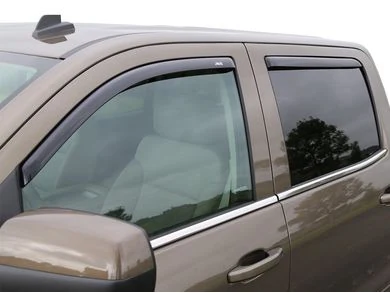
Don't just grab the cheapest plastic off Amazon. You're trying to manage airflow and water, not just block the sun. The wrong choice means wind noise that'll drive you insane, or worse, water getting past the seal.
| Feature | Why It Matters (Engineering Perspective) | Red Flags / Failure Modes |
|---|---|---|
| Mounting Style | In-channel: relies on friction and compression within the window seal. Minimal adhesive.
External (Tape-on): relies on adhesive bond to painted surface. | In-channel: Too thick, binds window motor, increases current draw, potential for thermal overload on motor. Too thin, rattles. External: Adhesive failure due to UV degradation, thermal expansion/contraction cycles, or poor surface prep. Facebook groups are full of stories about tape-on failures. |
| Material Type | Acrylic (PMMA) or Polycarbonate. Look for UV stabilization to prevent polymer chain degradation, leading to brittleness and discoloration.
Material thickness impacts stiffness and vibration frequency. | Cheap, non-UV-stabilized acrylic will yellow and become brittle in 12-18 months. Low glass transition temperature means it deforms in direct sun. Thin material vibrates at highway speeds, creating low-frequency noise. |
| Fit & Tolerance | Precision molding for vehicle-specific contours. Tight but not binding fit in-channel to prevent water ingress and maintain window seal integrity. | Excessive play leads to wind noise and water intrusion. Too tight, window struggles to close, increasing mechanical stress on the motor and glass.
Poorly designed edges create localized high-pressure zones, leading to whistling. |
| Aerodynamics | Shape designed to create a low-pressure zone directly above the window opening, actively pulling air out and deflecting rain. Minimal increase in drag coefficient. | Blunt or poorly angled designs increase wind noise (audible turbulence, typically 500-2000 Hz range) and can create lift, causing deflectors to pull away from the vehicle at speed. |
| Adhesive (for external) | High-strength automotive-grade double-sided tape (e.g., 3M VHB).
Requires clean, degreased surface for proper adhesion. | Generic foam tape fails quickly due to shear forces from wind and temperature fluctuations. Improper surface prep (grease, wax, cold ambient temp) means the adhesive never achieves full bond strength. Toyota Camry owners discuss this frequently. |
Our Top Picks for Reliable Performance
Skip the generic garbage that'll vibrate itself apart in a year. The goal is mechanical integrity and reliable deflection. Here are the units that actually hold up.
WeatherTech Side Window Deflectors (~$120)
Capacity/Key Specs: Vehicle-specific, dark smoke acrylic, in-channel mount.
Pros: Precision fit, robust material, minimal wind noise, excellent rain deflection. They use a proprietary acrylic that resists UV degradation better than most. YouTube reviews often praise their quality.
Cons: Pricey.
Can be a tight fit initially, requiring the window to cycle a few times to seat properly.
Best-for Use Case: Anyone who prioritizes long-term durability and wants to avoid adhesive failures. This is the 'set it and forget it' option.
AVS In-Channel Ventvisors (~$80)
Capacity/Key Specs: Vehicle-specific, smoke acrylic, in-channel mount.
Pros: Good value for the money, widely available. The design is generally effective at reducing rain ingress.
Cons: Thinner material means more flex.
Some reports of window binding, especially on older vehicles with weaker window motors. The plastic can get brittle over a few years of thermal cycling.
Best-for Use Case: Budget-conscious campers who still want an in-channel design and are okay with slightly less robust construction.
EGR In-Channel Rain Guards (~$90)
Capacity/Key Specs: Vehicle-specific, dark smoke acrylic, in-channel mount.
Pros: Often a slightly better finish than AVS, good fitment on many models. The material feels a bit more rigid.
Cons: Still not as robust as WeatherTech. Can still introduce minor wind noise at higher speeds due to material flexibility.
Best-for Use Case: A solid middle-ground option for those who want better quality than basic budget options without the WeatherTech premium.
Clim Art In-Channel Window Visors (~$70)
Capacity/Key Specs: Vehicle-specific, dark smoke acrylic, in-channel mount.
Pros: Very affordable for an in-channel design. Good at deflecting rain in light conditions.
Cons: Material is noticeably thinner, leading to more vibration and potential for cracking.
Tolerances can be loose, causing more wind noise. Tacoma owners report mixed experiences, often needing minor adjustments.
Best-for Use Case: Extreme budget builds where minimal cost is the absolute priority, and you're prepared for a shorter lifespan.
Putco Element In-Channel Window Visors (~$100)
Capacity/Key Specs: Vehicle-specific, dark smoke acrylic, in-channel mount.
Pros: Material feels robust, good fitment, often has a sleeker profile than other brands. Less likely to cause window motor strain.
Cons: Price is close to WeatherTech, but without the same reputation for ultimate durability.
Best-for Use Case: Someone looking for a high-quality alternative to WeatherTech, valuing a streamlined aesthetic.
View on Amazon — WeatherTech Side Window Deflectors
View on Amazon — AVS In-Channel Ventvisors
View on Amazon — EGR In-Channel Rain Guards
View on Amazon — Clim Art In-Channel Window Visors
View on Amazon — Putco Element In-Channel Window Visors
Head-to-Head Comparison
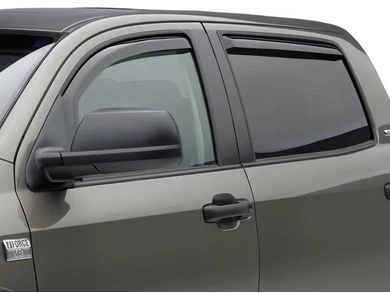
Let's cut the marketing fluff. What actually matters when you're trying to keep the rain out and the air moving? It boils down to material science and mechanical fit.
| Feature | WeatherTech | AVS/EGR (Typical) | Clim Art (Budget) |
|---|---|---|---|
| Material Thickness (Approx.) | 3mm-4mm | 2mm-3mm | 1.5mm-2mm |
| UV Stability | Excellent (proprietary blend) | Good (standard acrylic) | Fair (basic acrylic) |
| Fit & Finish | Precision injection molded, near-perfect vehicle match. Minimal gaps. | Good, but slight variations in tolerance. May require minor manipulation during install. | Varies widely. Can have noticeable gaps or require force to seat.
Some reviews show fitment issues. |
| Wind Noise @ 70mph (Approx.) | Negligible (adds 0-2 dB) | Minor (adds 2-5 dB, often a low-frequency hum) | Noticeable (adds 5-10 dB, can be a whistle or rumble) |
| Installation Difficulty | Easy (snaps into place, minimal force) | Moderate (can be a tight fit, window cycling needed) | Moderate to Difficult (may need trimming or extra force, risk of cracking) |
| Expected Lifespan | 5+ years (no fading/cracking) | 2-4 years (potential for brittleness/fading) | 1-2 years (high risk of cracking, adhesive failure if external) |
| Window Motor Strain | Minimal to None | Low to Moderate (especially initially) | Moderate to High (due to poor fitment) |
The difference in material thickness directly correlates to stiffness and resistance to vibration.
Thinner plastic flexes more, leading to higher amplitude oscillations and more audible wind noise.
Budget vs Premium: Where Your Money Actually Goes
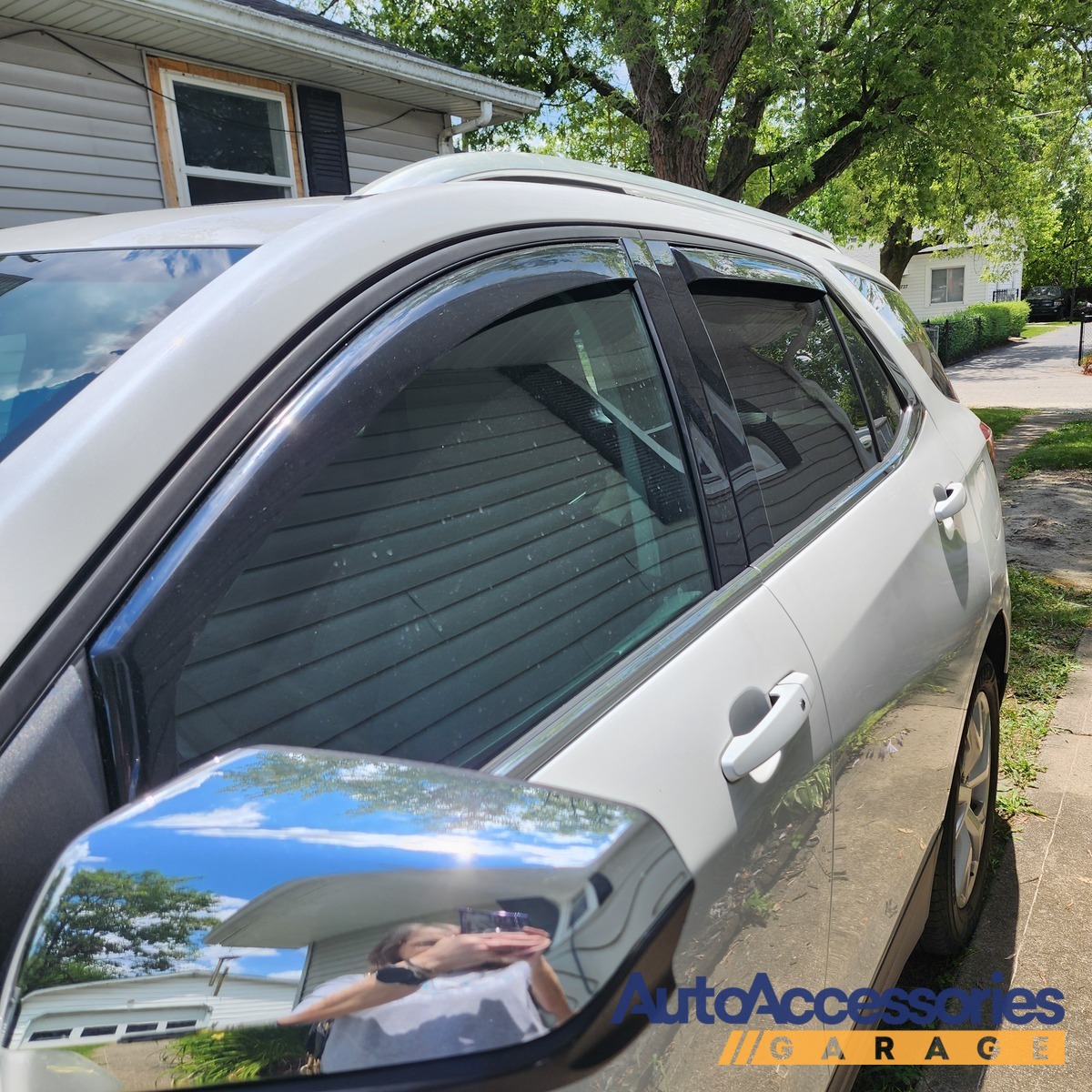
You want to save $40? Go ahead. But understand *why* you're saving it, and what failure modes you're introducing. This isn't just about the upfront cost; it's about the cost-per-fix and the long-term annoyance. Reddit car camping forums confirm this.
| Aspect | Budget Options (~$40-70) | Premium Options (~$100-150) |
|---|---|---|
| Material Quality | Thin, basic acrylic. Higher recycled content. Lower UV resistance. | Thick, virgin acrylic/polycarbonate. High UV stabilization. |
| Manufacturing Tolerance | Wider tolerances (+/- 1-2mm). Leads to inconsistent fit. | Tight tolerances (+/- 0.2-0.5mm). Precision fit. |
| Installation | Often requires forcing, trimming, or fighting the window channel. Higher risk of cracking during install. | Snaps in smoothly, designed for minimal interference with window mechanisms. |
| Durability | Prone to brittleness, cracking, and yellowing within 1-2 years due to thermal cycling and UV exposure. | Maintains structural integrity and clarity for 5+ years. Resists impact. |
| Noise Levels | Significant wind noise (5-10 dB increase) due to flex and poor aerodynamic profiling. | Minimal wind noise (0-2 dB increase) due to rigidity and optimized shape. |
| Window Operation | Can cause window motor strain, slow operation, or even trigger auto-reverse safety features due to excessive friction. | Smooth window operation, no noticeable impact on motor. |
| Long-term Cost | Low initial cost, but high probability of replacement within 2 years. Potential for window motor wear. | Higher initial cost, but single purchase for vehicle lifespan. No ancillary damage. |
The 'premium' price buys you engineering. Specifically, it buys you better polymer chemistry for UV resistance, and tighter injection molding tolerances for a perfect, non-binding fit. That means less mechanical stress on your window regulators.
View on Amazon — Thick, virgin acrylic/polycarbonate. High UV stabilization.
The Bottom Line
Don't cheap out on something that directly impacts your comfort and the integrity of your vehicle's seals. A $40 rain guard that rattles, whistles, or lets water in is a waste of money and a source of constant irritation. You're trying to achieve controlled airflow, not just block the rain.
- Prioritize In-Channel: Adhesive is a failure point. A mechanical fit is always superior for long-term durability and avoiding paint damage.
- Material Matters: Look for thick, UV-stabilized acrylic. It's the difference between a deflector that lasts years and one that becomes brittle plastic confetti.
- Don't Ignore Wind Noise: That hum or whistle at highway speed isn't just annoying; it's an indicator of poor aerodynamic design and potential structural vibration.
- Check Fitment Reports: Vehicle-specific designs are critical. A universal fit is a universal compromise.
Your goal is to crack the window 10mm in a downpour and wake up to dry gear, not a damp sleeping bag and a faint mildew smell.
Spend the extra $50 once and be done with it. Your lungs and your sanity will thank you. Car and Driver even tests sun shades, but those are a different beast entirely.