Quick Answer: Custom-Fit vs Universal
As an Amazon Associate I earn from qualifying purchases.
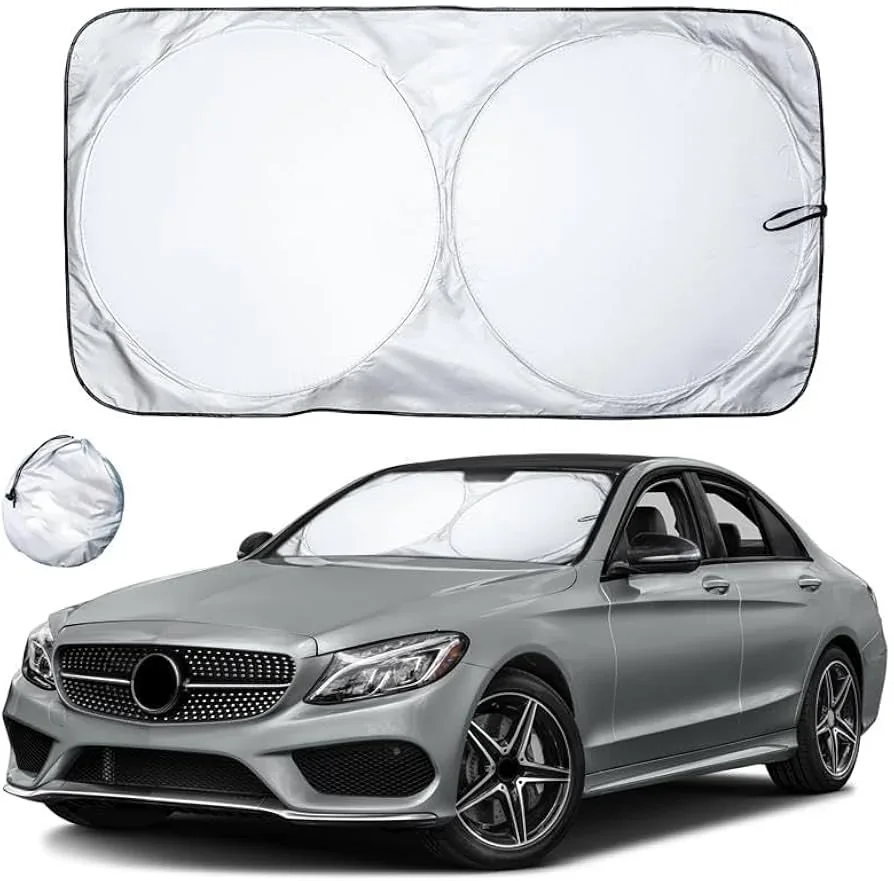
The whole windshield-shade decision comes down to one question: do you want a universal foldable shade that fits roughly, costs little, and stores easily, or a custom-fit shade cut to your exact vehicle for a gap-free seal? For most drivers our top pick is the EcoNour Foldable Windshield Sun Shade, an accordion-style universal shade that blocks the majority of solar heat for under $25 and folds into a small pouch.
If you want the best possible seal and a clean dashboard look, two names dominate the searches: the WeatherTech TechShade and the Covercraft UVS100. Both are made vehicle-specific — you enter your year, make, and model and the shade is shaped to that windshield, so there are no gaps at the corners where a universal shade leaks light. They cost several times more than a foldable, and below we lay out exactly when that premium is worth it.
A short honesty note, because the internet is full of fake gear reviews: I have not parked six cars in a lot with a thermometer, and neither has most of the web writing windshield-shade roundups. What follows compares the things you can actually verify — fit type (custom vs universal), material and number of reflective layers, fold style, and the heat and UV claims each manufacturer publishes — and explains which of those matter for which buyer. That is the useful job: match real, published specs to your car, not pretend I ran a controlled experiment in my driveway.
- Want cheap and good-enough: a universal accordion shade like the EcoNour.
- Want a gap-free, vehicle-specific seal: WeatherTech TechShade or Covercraft UVS100.
- Want fastest deploy: a pop-up or umbrella-style shade.
Covercraft vs WeatherTech: The Custom-Fit Question
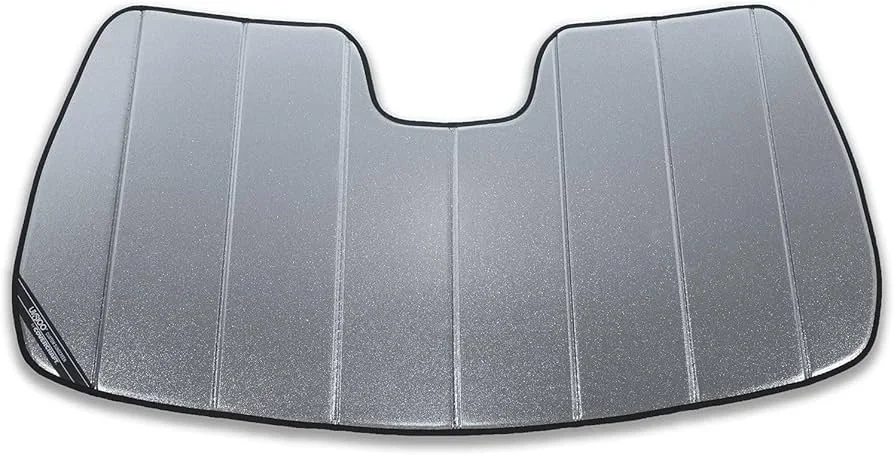
Because so many shoppers search specifically for Covercraft vs WeatherTech, it is worth settling that comparison first. Both make custom-fit shades cut to your exact vehicle, and both are a clear step up from a universal shade in seal quality. The differences are in material and construction, drawn from each company's published descriptions.
The Covercraft UVS100 uses a multi-layer construction Covercraft calls a triple-layer system, with a reflective outer surface, an insulating core, and a soft backing that faces your dashboard. Covercraft states it blocks the bulk of the sun's UV rays and is shaped to your windshield using vehicle-specific patterns, so it springs open to the right shape rather than being folded accordion-style. That spring-open design is the UVS100's signature: it deploys fast and folds back into a flat ring for storage.
The WeatherTech TechShade takes the opposite approach to deployment — it is a multi-layer reflective shade with an accordion (folding) panel design that WeatherTech sizes to your vehicle. WeatherTech publishes that the TechShade has multiple layers for heat and UV reflection and folds flat to store behind a seat. Where the Covercraft pops into a round shape, the WeatherTech folds into a slim rectangle, which some drivers find tidier to slide into a door pocket.
So which wins? Neither, cleanly — and that is the honest answer. Both seal far better than a universal shade because both are cut to your car. Pick the Covercraft UVS100 if you value a fast spring-open deploy and a soft dash-facing backing; pick the WeatherTech TechShade if you prefer an accordion fold that stores flat. The price difference between them is usually small, so deployment style and storage shape are the real deciders, not a meaningful gap in heat performance.
The biggest real-world difference is not Covercraft versus WeatherTech — it is custom-fit versus universal. A shade cut to your exact windshield leaves no gaps at the corners, and corner gaps are where a universal shade lets the most heat in.
How to Choose a Windshield Sun Shade
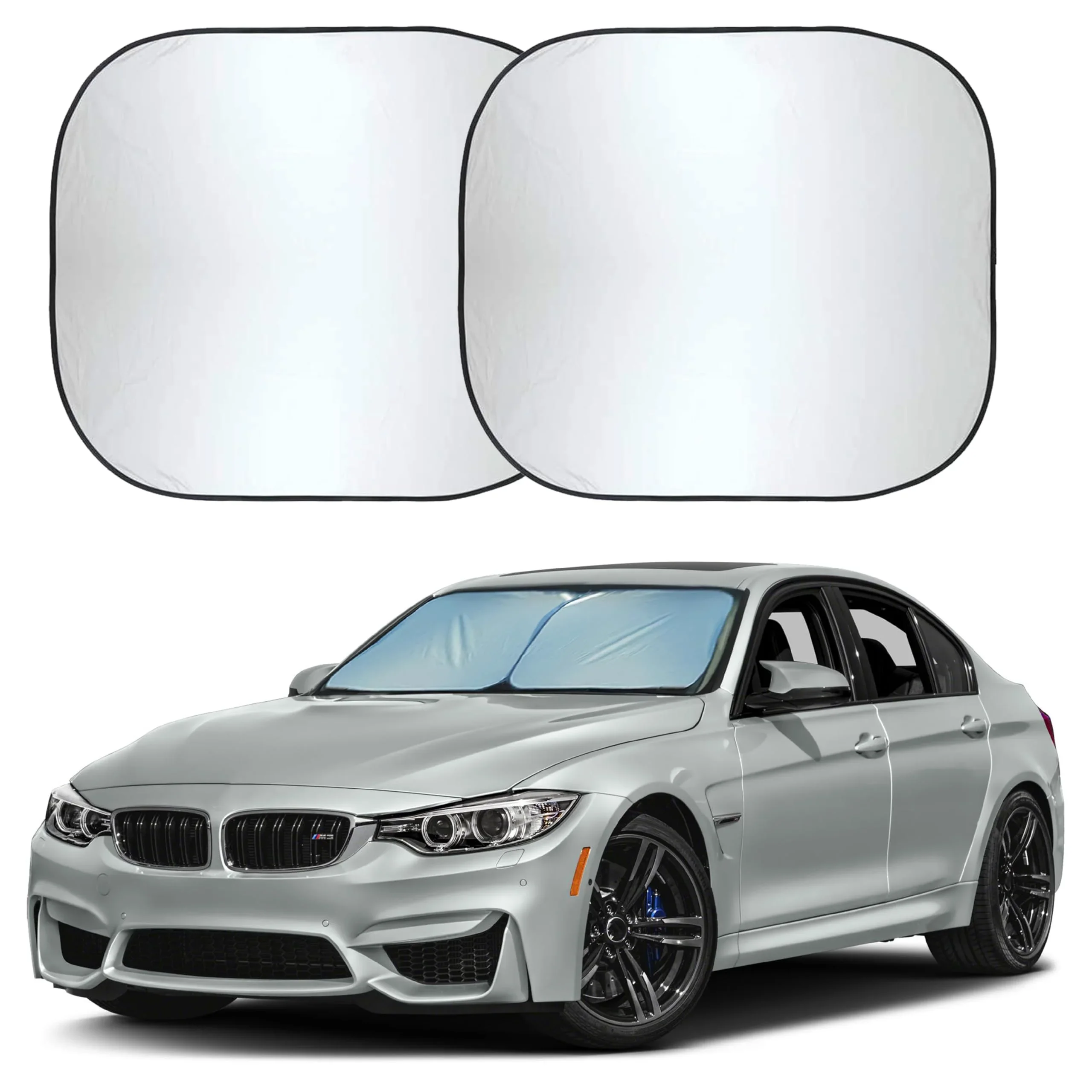
Whether you go custom or universal, four specs decide whether a shade is worth buying. Get these right and almost any reputable brand will serve you well.
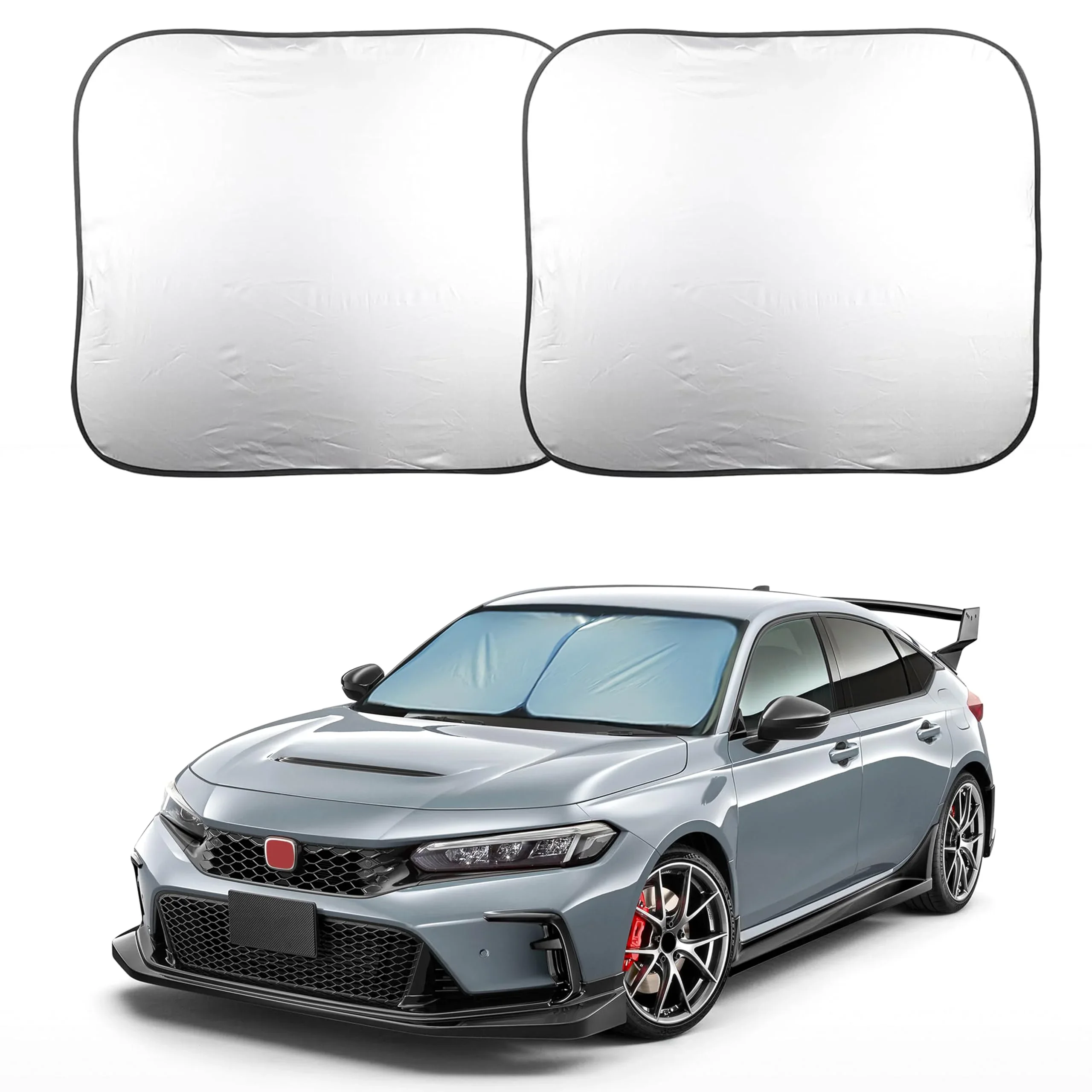
1. Fit type: custom vs universal. This is the first and biggest decision. A custom-fit shade is cut to your year, make, and model, so it fills the windshield corner to corner with no gaps — that complete coverage is its whole advantage. A universal shade comes in a few sizes and fits roughly; it is far cheaper and fits many cars, but it almost always leaves small gaps where heat sneaks in. Measure your windshield before buying a universal shade so you get the largest size that still fits.
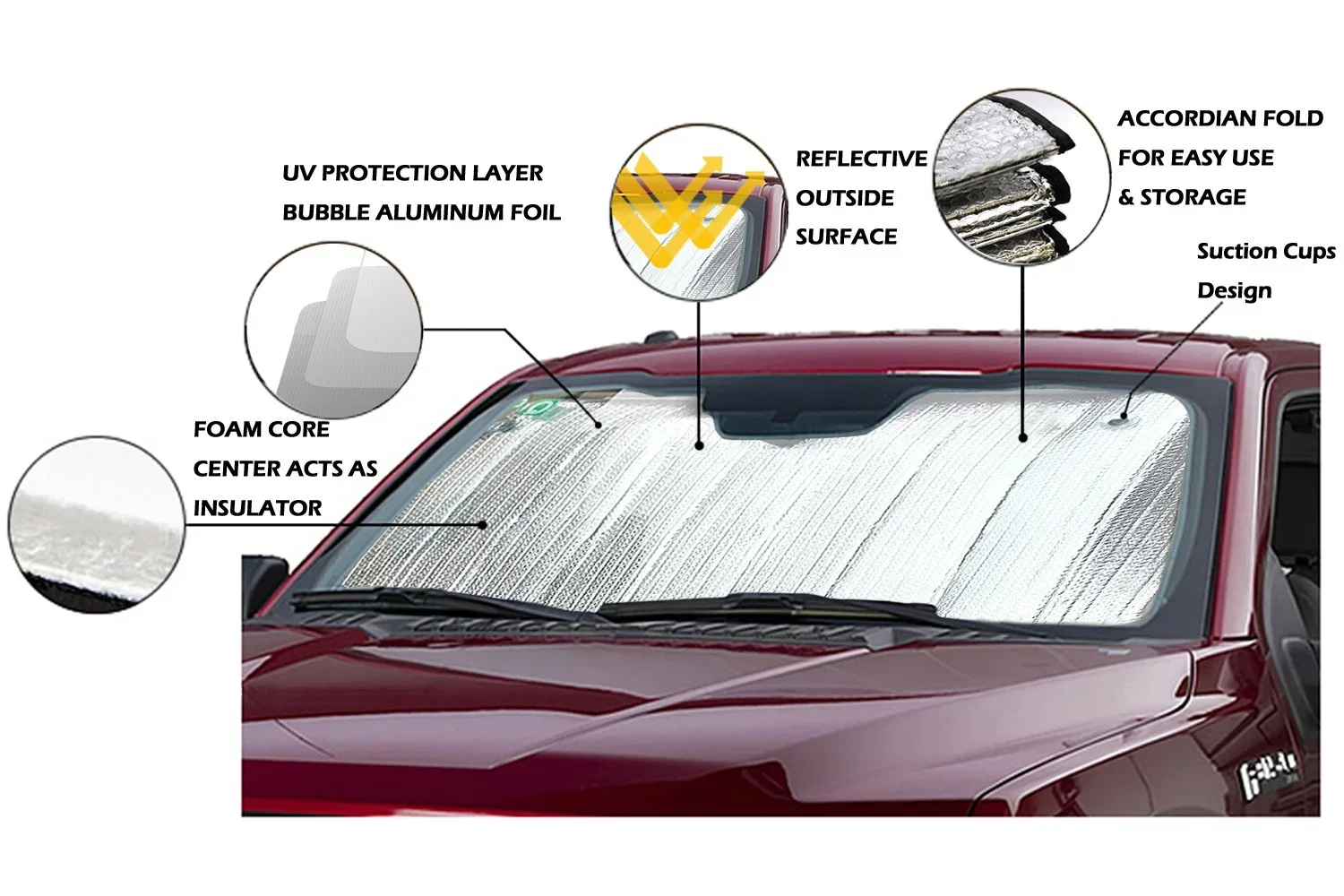
2. Material and reflective layers. The shade's job is to bounce sunlight back out before it heats your dashboard. Look for a reflective outer layer (usually a silver or mylar-type surface) over an insulating core. Multi-layer shades — the kind Covercraft and WeatherTech build — reflect, insulate, and absorb in stages, which is why they generally outperform a thin single-layer foldable. A flimsy single layer that creases easily is the red flag.
3. Fold and deploy style. Shades come in three main shapes. Accordion panels (most foldables and the WeatherTech) fold flat and are durable. Pop-up / spring shades (most universal twist-fold shades and the Covercraft UVS100) deploy in a second and collapse into a flat ring, but take a knack to fold back down. Umbrella shades open like a parasol for the fastest deploy of all. The best one is the one you will actually bother to put up every time.
4. Coverage and UV claims. A shade only protects what it covers, so larger is better as long as it still fits. Check the manufacturer's stated UV blocking, but treat headline percentages as marketing unless they cite a standard — what matters more is full windshield coverage with no corner gaps. A shade that covers 95 percent of the glass beats a higher-rated material that leaves the edges exposed.
One practical point on price: the jump from a $20 universal shade to a $60-plus custom shade buys you the gap-free fit and longer-lasting multi-layer material, not flashier features. If you park in shade or rarely leave the car out for hours, a good universal shade is plenty. If your car bakes in an open lot all summer, the custom fit pays for itself in a cooler cabin and slower interior fading. For sizing help, our guide to choosing the right size windshield sun shade walks through measuring your glass.
The 6 Best Windshield Sun Shades, Compared
Each pick below is matched to a specific buyer and budget. The capability claims are drawn from each manufacturer's published descriptions — fit type, layer count, fold style, and stated UV protection — attributed throughout, never from any test of my own. Both the custom-fit and universal camps are represented so you can weigh the trade-off directly.
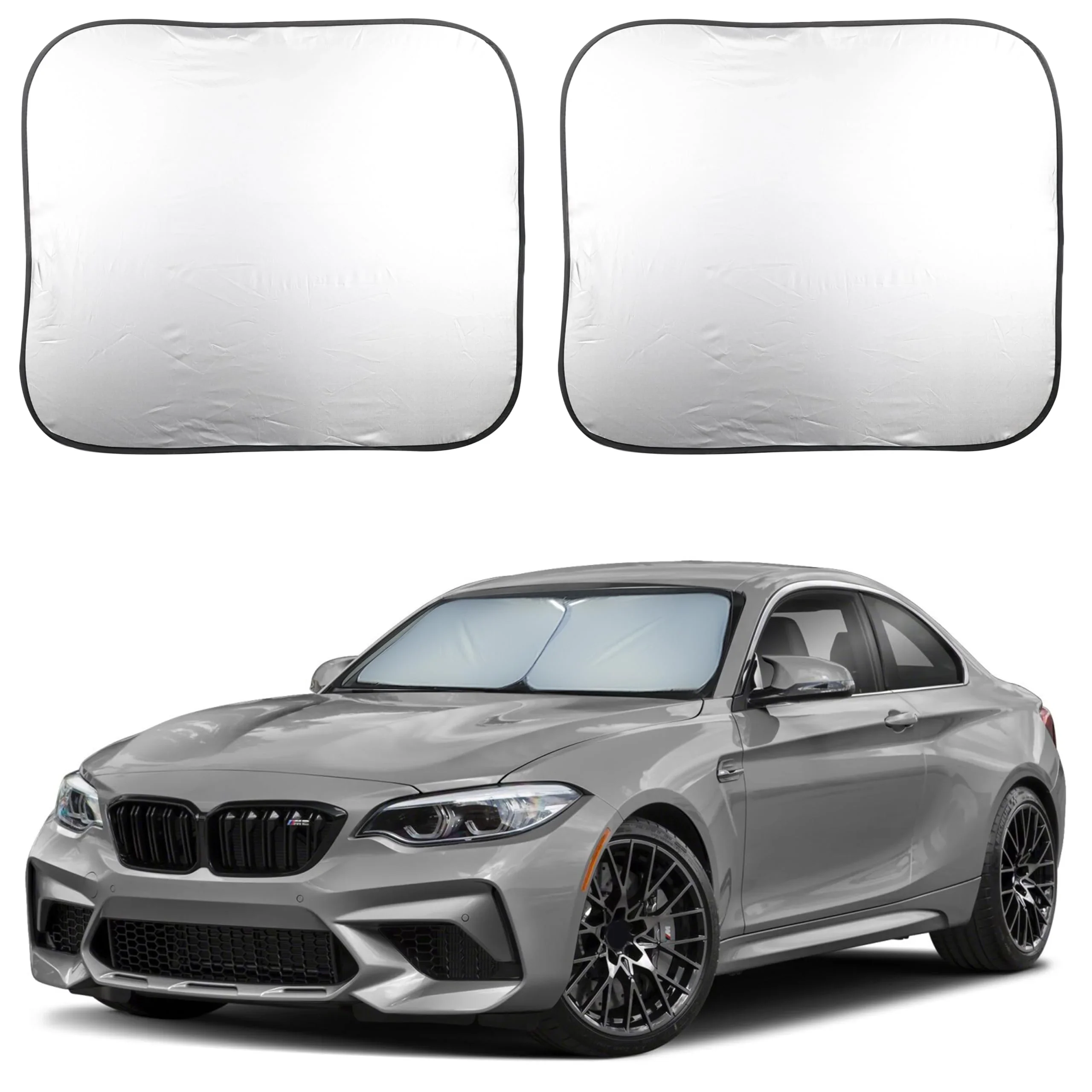
EcoNour Foldable Windshield Sun Shade is our top pick for most drivers and the best universal accordion shade for the money. EcoNour specs a 240T reflective polyester surface over a foam core that folds flat and stores in an included pouch. It comes in several sizes — measure your windshield and buy the largest that fits — and at under $25 it blocks most solar heat without the cost of a custom shade.
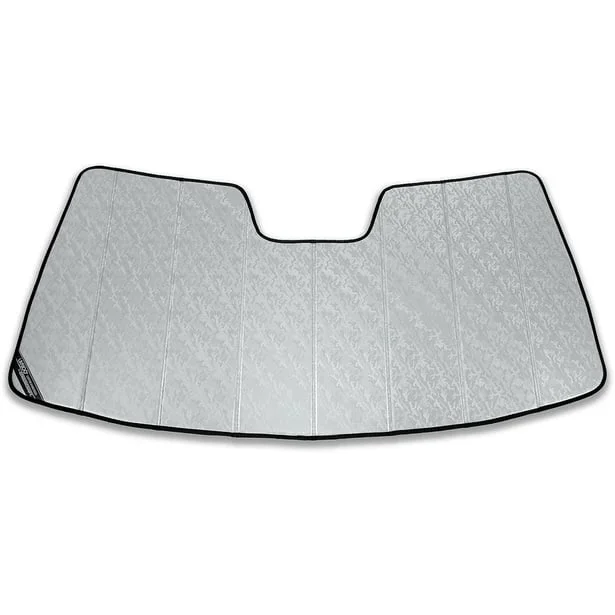
Covercraft UVS100 is the custom-fit spring shade for drivers who want the fastest deploy. Covercraft cuts the UVS100 to your exact windshield using vehicle-specific patterns and builds it with a triple-layer reflective and insulating construction with a soft dash-facing backing. It springs open into shape and collapses into a flat ring — the main rival to the WeatherTech in the Covercraft-vs-WeatherTech comparison.
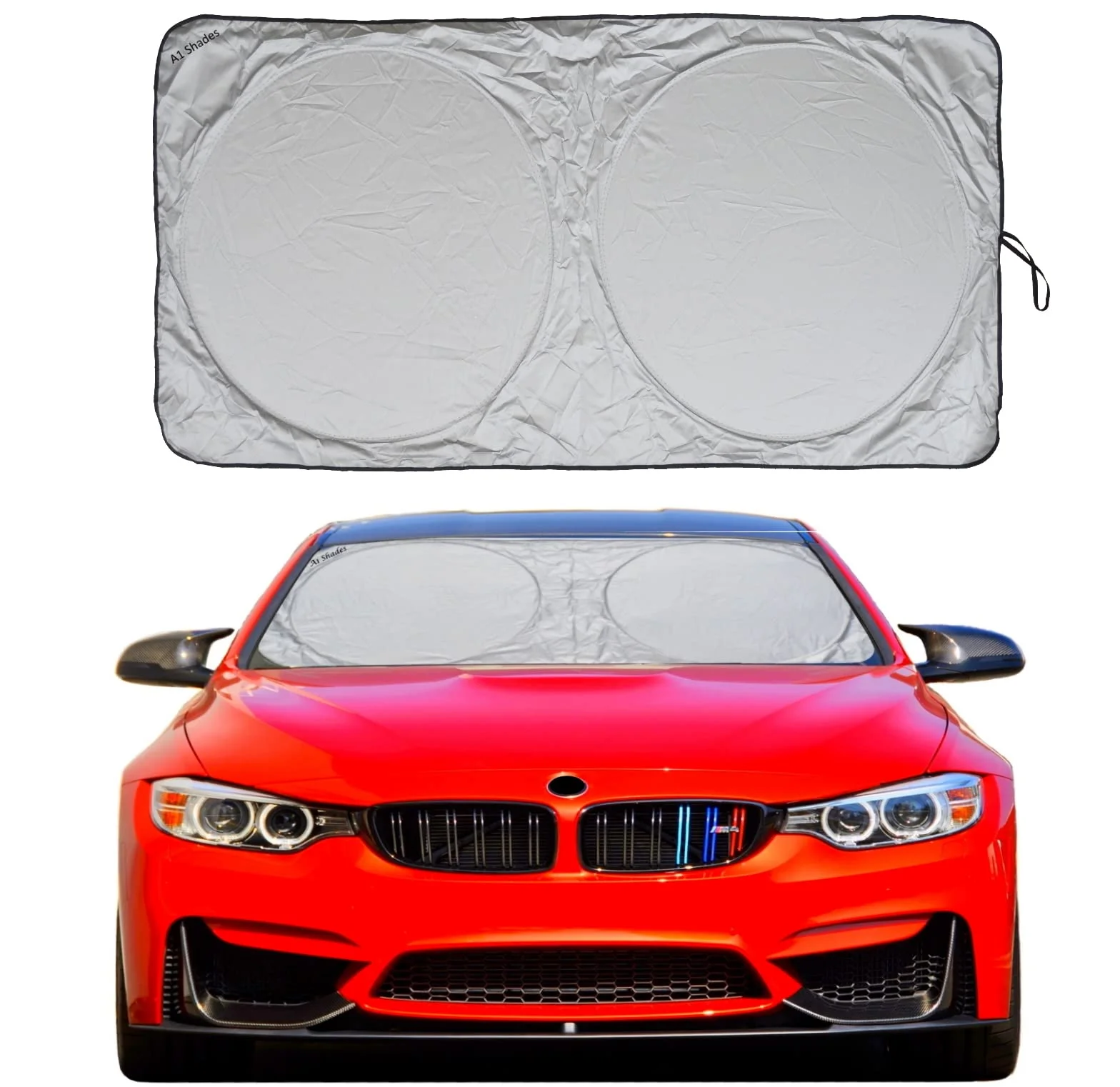
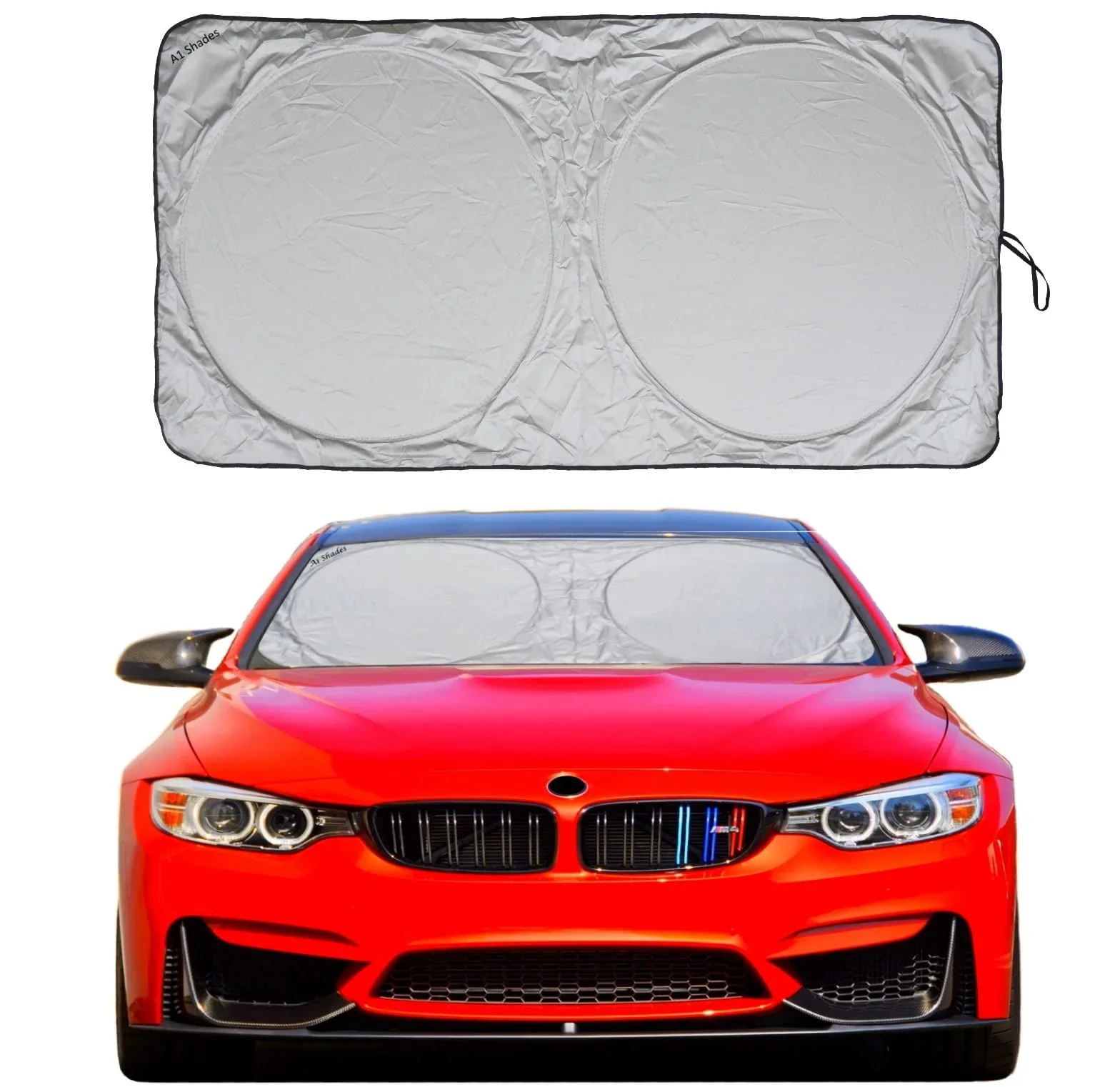
A1 Shades Windshield Sun Shade is a well-reviewed universal foldable shade sized for cars and SUVs. A1 Shades specs a multi-layer reflective material with a 210T fabric and foldable accordion design. It is a straightforward, larger-format universal option for drivers with a bigger windshield who do not want to pay for a custom cut.
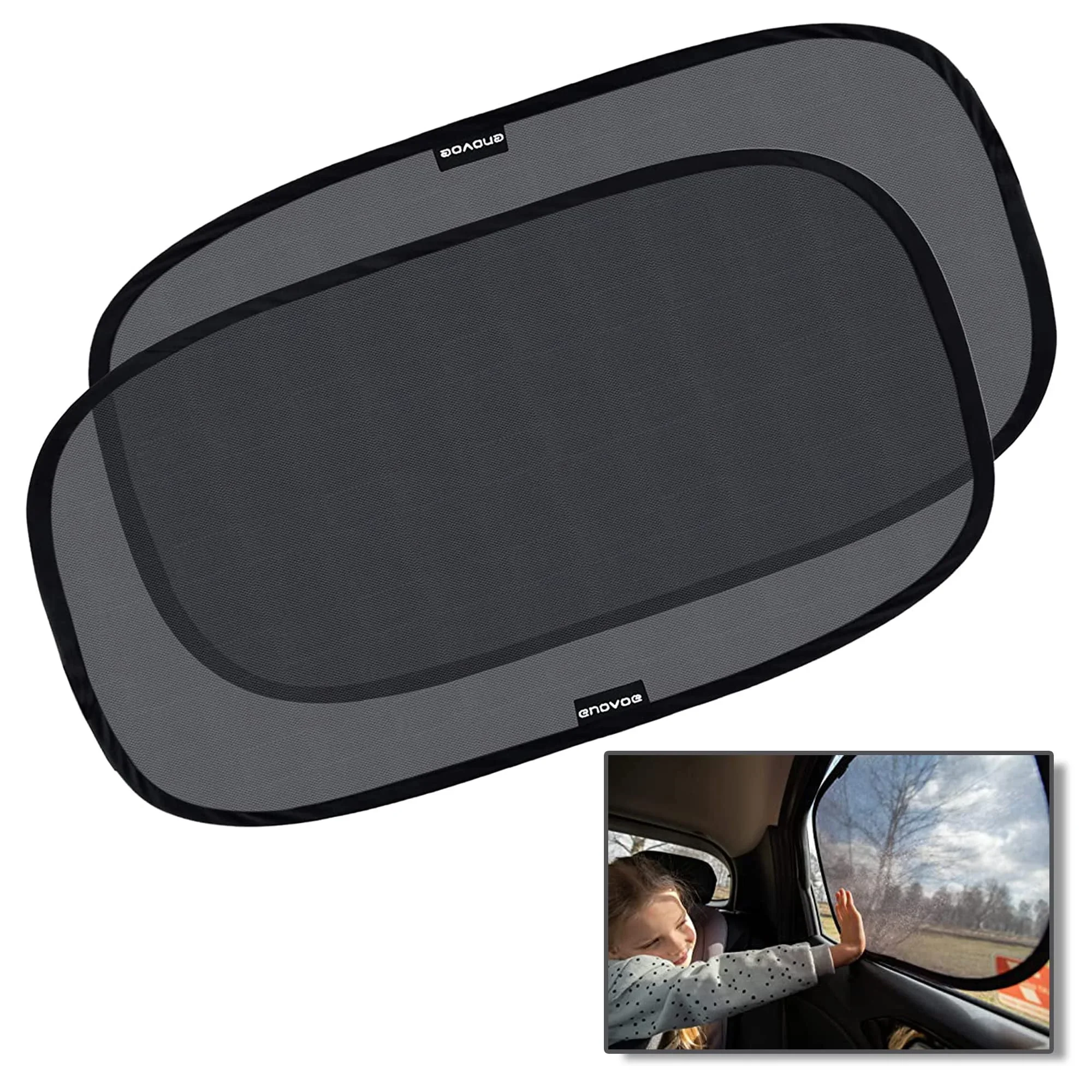
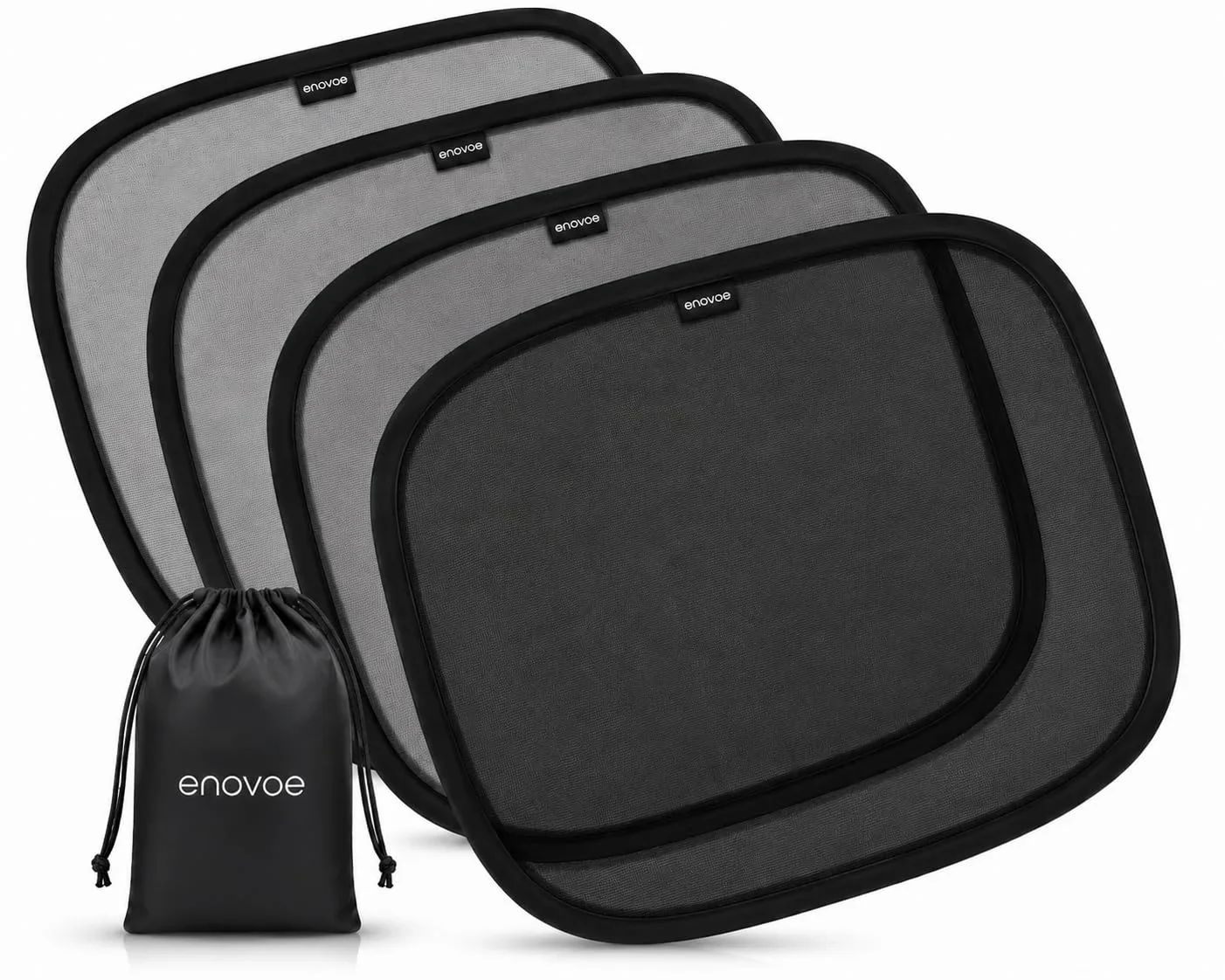
Enovoe Windshield Sun Shade is a budget universal pop-up shade with a reflective silver surface. Enovoe specs a twist-fold design that collapses into a flat ring and a reflective coating that bounces sunlight away. It is the grab-and-go option for a car that bakes occasionally, with the usual universal caveat of a looser fit than a custom shade.
Autovir Windshield Sun Shade Foldable is another well-reviewed windshield sun shade; check whether it is a custom-fit or universal shade and confirm the size matches your windshield before buying.
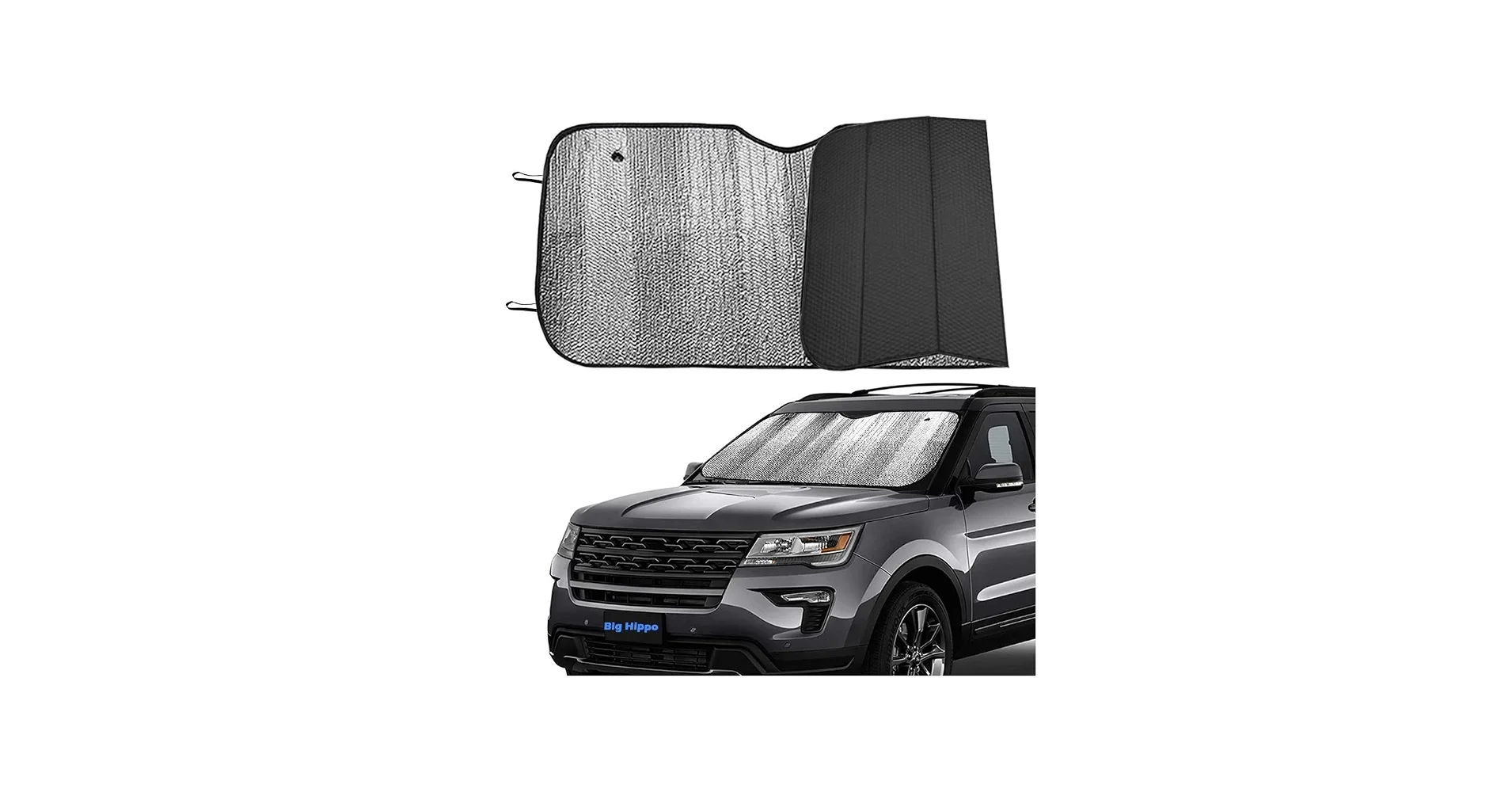
Big Hippo Windshield Sun Shade is an inexpensive universal foldable shade with reflective double-layer material. Big Hippo specs an accordion fold and a reflective outer surface to deflect heat, plus a storage pouch. A solid low-cost choice when you want full coverage without the price of a custom shade, available in several sizes to match your glass.
Reflective vs Blackout, and Other Fit Questions
Two questions come up constantly once you have narrowed the fit type, so here is the honest take on each.
- Reflective vs blackout: A reflective (silver) outer surface bounces sunlight away before it becomes heat, which is why nearly every heat-focused shade is reflective on the outside. A blackout (dark) shade is mainly about privacy and blocking visible light, not reflecting heat — a dark surface actually absorbs more. For keeping the cabin cool, reflective wins; we break this down in detail in our reflective vs blackout sun shades comparison.
- Does a sun shade really lower the temperature? Yes. By reflecting solar energy off the windshield — the largest piece of glass and the main heat entry point — a good shade keeps the dashboard, steering wheel, and seats meaningfully cooler and slows the UV fading of your interior. It will not make a parked car cold, but it turns an oven into something you can sit in.
- Will it fit my car? A custom shade fits by definition — you order it for your exact vehicle. For a universal shade, measure the height and width of your windshield and buy the size that covers it fully; an undersized universal shade leaves the worst gaps. Larger windshields (trucks, SUVs, vans) especially benefit from a custom or extra-large shade.
- What about the side and rear windows? The windshield is the priority because it is the biggest glass facing the sun, but pairing a windshield shade with side-window shades blocks more total heat. If you also sleep in your car, see our car window shades for camping guide for full coverage and privacy.
Setup and Care
A good shade installed carelessly still leaves your car hot. A minute of setup and a little care is where the real-world performance is won.
- Reflective side out. Place the shade against the inside of the windshield with the silver, reflective surface facing the glass and sun. This is the single most common mistake — a shade put in backwards barely works.
- Cover corner to corner. Tuck the edges behind the dashboard and against the A-pillars so no glass is exposed. Gaps at the corners are where most of the heat gets in, which is the whole reason custom-fit shades seal better.
- Secure it with the visors. Fold down your sun visors onto the top edge of the shade to hold it in place. Pop-up and accordion shades stay put with the visors; umbrella shades hook over the rear-view mirror.
- Fold it the right way for storage. Accordion shades fold flat; spring shades twist down into a ring — follow the fold direction printed on the shade so you do not crease the reflective layer. Store it flat behind a seat or in a door pocket so it is ready next time.
- Clean gently. Wipe with a damp cloth and mild soap, then let it dry fully before storing to prevent mildew. Avoid sharp creases, which crack the reflective coating over time.
While you are protecting the cabin, side-window privacy curtains round out heat and privacy coverage for road trips and car camping.
Bottom Line
The decision is simpler than the crowded shelf suggests, because it really comes down to fit type. If you want cheap, effective, and easy-to-store, a universal accordion shade like the EcoNour blocks most of the heat for around $20 and is the right call for the majority of drivers. If your car bakes in an open lot all summer and you want a gap-free seal and a clean look, a custom-fit shade is the upgrade that keeps the cabin noticeably cooler.
And on the question everyone searches — Covercraft vs WeatherTech — both are excellent custom-fit shades that seal far better than any universal option. Choose the Covercraft UVS100 for its fast spring-open deploy and soft dash-facing backing, or the WeatherTech TechShade for an accordion fold that stores flat. The heat performance is close; deployment and storage style are the real deciders. Whichever you pick, get the reflective side facing out and cover the glass corner to corner, and even a $20 shade will turn your parked oven back into a car. For the right size, start with our sizing guide.