

Two custom-fit shades, split by fit vs options
If you have decided to stop fighting a floppy universal shade and buy one made for your exact vehicle, the two names that come up are Covercraft and WeatherTech. Both make custom-fit, reflective windshield sun shades, and both are a genuine upgrade over the one-size-fits-nothing accordion shades. The choice between them is about priorities, not quality — they are both good, and either will make your parked car dramatically cooler.
The short version: choose the WeatherTech SunShade if a precise, laser-measured edge-to-edge fit is what you care about most. Choose the Covercraft UVS100 sun shade if you want more material and style options and broad coverage across a broad selection of vehicles.
Both are ordered by selecting your year, make, and model, so both arrive shaped to your windshield rather than to an average. For car campers, either one keeps the cabin meaningfully cooler while you are parked at a trailhead or a campsite during the day, which makes the vehicle a far more livable place to nap, cook, read, or wait out the midday heat before bed.
The rest of this guide covers what custom-fit really buys you, how the two brands differ on fit precision and materials, how each helps a car camper specifically, installation and storage, durability, price, the honest limits of any windshield shade, and a clear recommendation you can act on.
How the two shades compare on paper
Both are custom-fit, vehicle-specific reflective shades rather than universal roll-ups. Here is how they compare on the things that matter for keeping a parked car cool and private:
| Feature | Covercraft (UVS100) | WeatherTech SunShade |
|---|---|---|
| Fit | Custom-patterned per vehicle | Custom, laser-measured |
| Reflective | Yes | Yes |
| Material choices | Multiple materials | Reflective build |
| Storage | Folds flat | Folds flat |
| Positioning | Broad fitment catalog, often lower price | Precise fit, premium brand |
Both keep the cabin cooler and block the view in — the two things a car camper wants from a windshield shade. The choice comes down to material selection and price (Covercraft) versus laser-measured fit precision (WeatherTech).
Neither shade wins on a spec sheet the way a battery or a fridge does, because both are custom-cut for your exact vehicle and both reflect heat — so read this table for the two rows that genuinely differ for a camper: material selection and fit precision. The sections below translate those two rows into what you actually feel on a hot afternoon in a parked car, and into how the shade stores when you are on the road.
What 'custom-fit' means and why it beats a universal shade
The single biggest upgrade here is not the brand — it is moving from a universal shade to a custom-fit one. A universal accordion shade is cut to an average windshield and then expected to work on everything from a hatchback to a full-size truck. The result is predictable: gaps at the edges, a shade that slumps off the dash on a hot afternoon, and sunlight streaming past it onto your steering wheel and seats.
A custom-fit shade is patterned to your specific windshield. Because a custom-fit shade covers more of the glass, edge to edge, than a generic universal accordion shade, far more sunlight is blocked before it can heat the cabin. The shade sits flush, holds its position against the glass, and includes the right cutouts for your mirror and any windshield-mounted sensors or cameras so it seats correctly.
- Coverage: edge-to-edge versus an average-sized panel with gaps.
- Fit: shaped to your windshield, so it stays put and looks tidy.
- Cutouts: proper openings for mirror mounts and sensors.
Both Covercraft and WeatherTech deliver this custom-fit advantage; that is why either one will outperform whatever universal shade you have been using. Once you have chosen custom-fit, the Covercraft-versus-WeatherTech decision is about the finer points below — but the big win is already locked in the moment you order for your exact model rather than grabbing a generic shade off a gas-station rack.
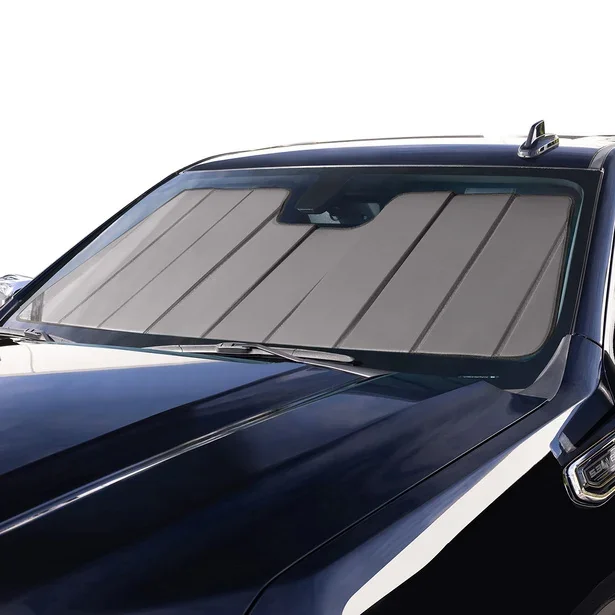
Fit precision: WeatherTech's laser-measured approach
WeatherTech's calling card across its whole product line is precision, and the SunShade is no exception. The company laser-measures the specific vehicle to produce a shade that fits edge to edge, filling the windshield opening with minimal gaps at the perimeter. For buyers who are bothered by even small slivers of light sneaking past a shade's edges, that tight tolerance is the whole appeal.
A more precise fit does two useful things. First, it blocks marginally more light, because there is less uncovered glass around the edges to let sun through. Second, a snug shade tends to stay in place better, holding its shape against the glass without the middle bowing out or the corners folding down over a long, hot afternoon in a parking lot.
Covercraft's UVS100 is also custom-patterned and fits well — this is a matter of degree, not a pass/fail, and plenty of owners are perfectly happy with the UVS100's fit. But if the thing you will notice and care about is how cleanly the shade fills your exact windshield, WeatherTech's laser-measured fit is the reason to lean its way. It is the option that leaves the least to chance on fit, which for a precision-minded buyer is worth the consideration on its own, and it is the SunShade's clearest advantage over the alternatives.
Material and style: Covercraft's range of options
Where WeatherTech leads on fit tolerance, Covercraft leads on choice. The UVS100 line is offered in multiple material choices, which lets you tune the shade to what you actually want it to do — maximize reflectivity, blend with your interior, or balance cost and performance. That flexibility is genuinely useful because 'the best shade' depends on your climate and your priorities, not on a single spec.
Material matters more than it sounds. A highly reflective silver surface bounces the most heat and is the top choice for scorching climates and car campers who want the coolest possible cabin. A premium or fabric-faced option looks more finished from inside and may resist creasing better over years of folding. Covercraft's breadth means you can pick the trade-off that fits you instead of taking whatever a single material dictates.
Covercraft is also a long-established vehicle-accessory brand with wide vehicle coverage, so owners of less common or older vehicles are more likely to find a custom pattern for their car. If you value having options — material, finish, and broad model support — Covercraft is the flexible pick, and it is the reason many buyers who want to match a specific need rather than accept a default land on the UVS100. Choice is its headline strength the way precision is WeatherTech's.
How a windshield shade helps car campers specifically
For a car camper, a windshield shade is not just about protecting the dashboard — it is about making the vehicle a livable space during daylight. Park in the sun without a shade and the greenhouse effect turns the cabin into an oven within minutes, which ruins any plan to nap, cook, read, or wait out midday heat inside the vehicle.
A reflective custom-fit shade cuts that heat gain dramatically at its biggest source — the windshield is the largest piece of glass and takes the most direct sun. Keeping the dash and cabin cooler while parked means the vehicle is far more pleasant to climb into at bedtime, and it reduces how hard you have to work to cool the space down. Pairing the shade with good airflow is the winning move: our guide on staying cool sleeping in a car in summer covers ventilation, and our notes on how to reduce condensation when sleeping in a car cover the flip side in cooler weather.
The shade also buys privacy at the front of the vehicle when it is up, which matters for changing or resting at a trailhead where other people are around. It is one of the cheapest upgrades that meaningfully improves day-parked comfort, which is why it earns a spot in most car campers' kits regardless of which brand they ultimately choose. If you camp in hot climates, it is close to essential rather than optional.
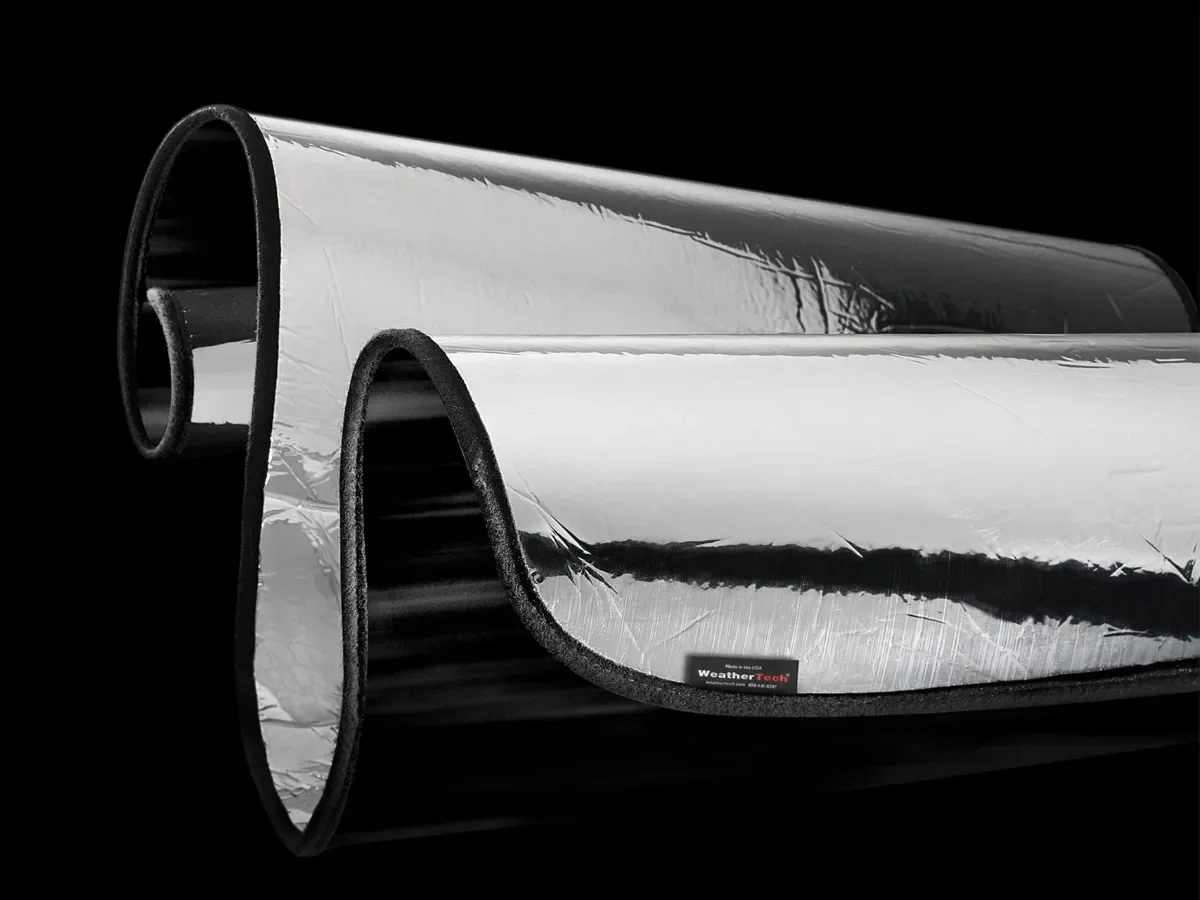
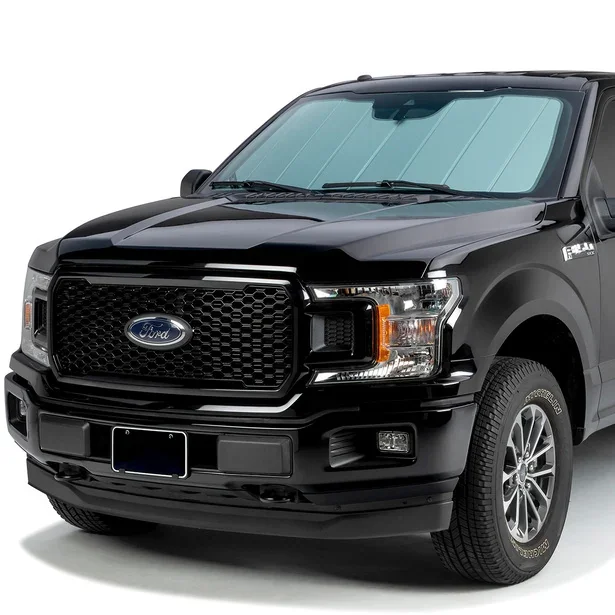
Installation and daily use
Both shades install the same simple way, and neither asks anything of you beyond a few seconds. You unfold the shade, set it against the inside of the windshield, and let the visors or the shade's own shape hold it in place; the mirror cutout slips over the rearview mount to lock the position. There is no adhesive, no suction cups to fail in the heat, and nothing permanent to install.
Because both are shaped to your exact windshield, they seat cleanly the first time rather than requiring the fiddly folding and re-folding a universal shade demands to sort of fit. Taking the shade down is just as quick: pull it free, fold it along its creases, and stow it behind a seat. In daily camping use that speed matters — you will put it up and take it down constantly as you move between shade and sun over a day.
- Up: unfold, set against the glass, slot the mirror cutout — seconds.
- Down: pull free, fold along the creases, stow behind a seat.
- No hardware: no suction cups or adhesive to fail in heat.
Neither brand has a meaningful edge here — both are effortless. The convenience difference versus a universal shade, though, is real: a custom shade goes up right every single time, which you will genuinely appreciate on the tenth time you put it up in a hot afternoon of moving between overlook parking and the trail.
Storage, folding, and durability
A windshield shade lives folded behind a seat for most of its life, so how it folds and how it holds up to repeated folding both matter more than buyers expect. Both the Covercraft UVS100 and the WeatherTech SunShade fold down for storage rather than being a rigid panel, so neither eats your cargo space or forces you to prop a stiff board somewhere awkward in the vehicle.
Durability over years comes down to the material and the fold pattern. Repeated folding is the main stress on any shade, and a quality custom shade tolerates it far better than a cheap universal one that cracks along its accordion pleats after a season. Covercraft's range of materials lets you pick a more durable or more premium fabric if longevity is a priority; WeatherTech's shade is built to its usual robust standard. Both are made to survive seasons of daily use rather than a single summer.
Keep either shade out of the way of sharp gear when stowed, and avoid cramming it into a space too small for its folded size, which forces creases the wrong way and shortens its life. Treated reasonably, both will keep their shape and reflectivity for years — the difference in long-term durability between them is small compared with the gulf between either quality shade and a bargain-bin universal one that you will be replacing before next summer.
Price and value
Custom-fit shades cost more than universal ones, and that is the trade you are accepting for coverage, fit, and longevity. Between the two brands, pricing varies by vehicle and by the material you choose, so it is worth checking the exact figure for your model rather than assuming one is always cheaper than the other.
Covercraft's range of material options gives it price flexibility — you can often pick a more affordable material if budget leads, or step up to a premium reflective option if performance leads. WeatherTech tends to position the SunShade as a precise, premium product with a consistent build and a single well-executed material. In both cases the value case is the same: a custom shade that fits, blocks more sun, and lasts years is cheaper per season than replacing failed universal shades and living with a hot cabin in the meantime.
For a car camper, the value is even clearer, because you use the shade constantly and the comfort payoff is daily rather than occasional. Weigh the specific price for your vehicle against the material you want: if you want the flexibility to hit a price point, Covercraft's options help; if you want a single precise premium shade and price is secondary, WeatherTech is the straightforward buy. Either way, amortized over years of use, a good shade is one of the best-value comfort upgrades in the whole kit.
What neither shade does (the honest limits)
It is worth being clear about what a windshield shade cannot do, so you buy the right thing and are not disappointed after it arrives. Neither the Covercraft nor the WeatherTech shade covers the side or rear windows — both address the windshield only. That is the biggest glass and the biggest heat source, so it is the right first purchase, but it is not the whole solution for full sun control or privacy.
For car camping, full daytime cabin control and nighttime privacy mean adding covers for the side and rear windows too — reflective inserts, magnetic covers, or custom-cut panels sized to those windows. The windshield shade handles the front; you layer the rest on as your setup grows. Think of it as the foundation of a window-covering system, not the entire system by itself.
A windshield shade also works best while parked, not while driving — it is not a sun-visor replacement for on-road glare, and you must remove it before you drive off. And while it dramatically slows heat buildup, it does not refrigerate the cabin; on the hottest days you still want airflow and natural shade from a tree or an awning. Set those expectations honestly and either shade delivers exactly what it promises — a much cooler parked cabin — without leaving you feeling short-changed.
Which to buy: fit precision or material choice
Both are excellent custom-fit shades, and the honest headline is that either one will transform how hot your parked car gets compared with a universal shade. Decide between them on the two axes that actually differ — fit precision and material choice.
- Buy the WeatherTech SunShade if a precise, laser-measured edge-to-edge fit is your top priority and you want a single premium shade that fills your exact windshield with minimal gaps. Price is a secondary concern for you.
- Buy the Covercraft UVS100 sun shade if you want a choice of materials — from maximum-reflectivity silver to premium fabric — broad vehicle coverage including less common models, and the flexibility to hit a price point.
Precision-first buyers and those with mainstream vehicles lean WeatherTech; options-first buyers, hot-climate campers who want the most reflective material, and owners of unusual vehicles lean Covercraft. Whichever you pick, order for your exact year, make, and model, and plan to add side- and rear-window covers later if you want full camping sun and privacy control. The windshield is the place to start, and both brands nail it — so buy the one whose strength matches what you will actually notice. If you want to see the wider field first, our roundup of the best windshield sun shade for a car or SUV and our walkthrough on how to choose the right size windshield sun shade both help you confirm the decision before you order.