
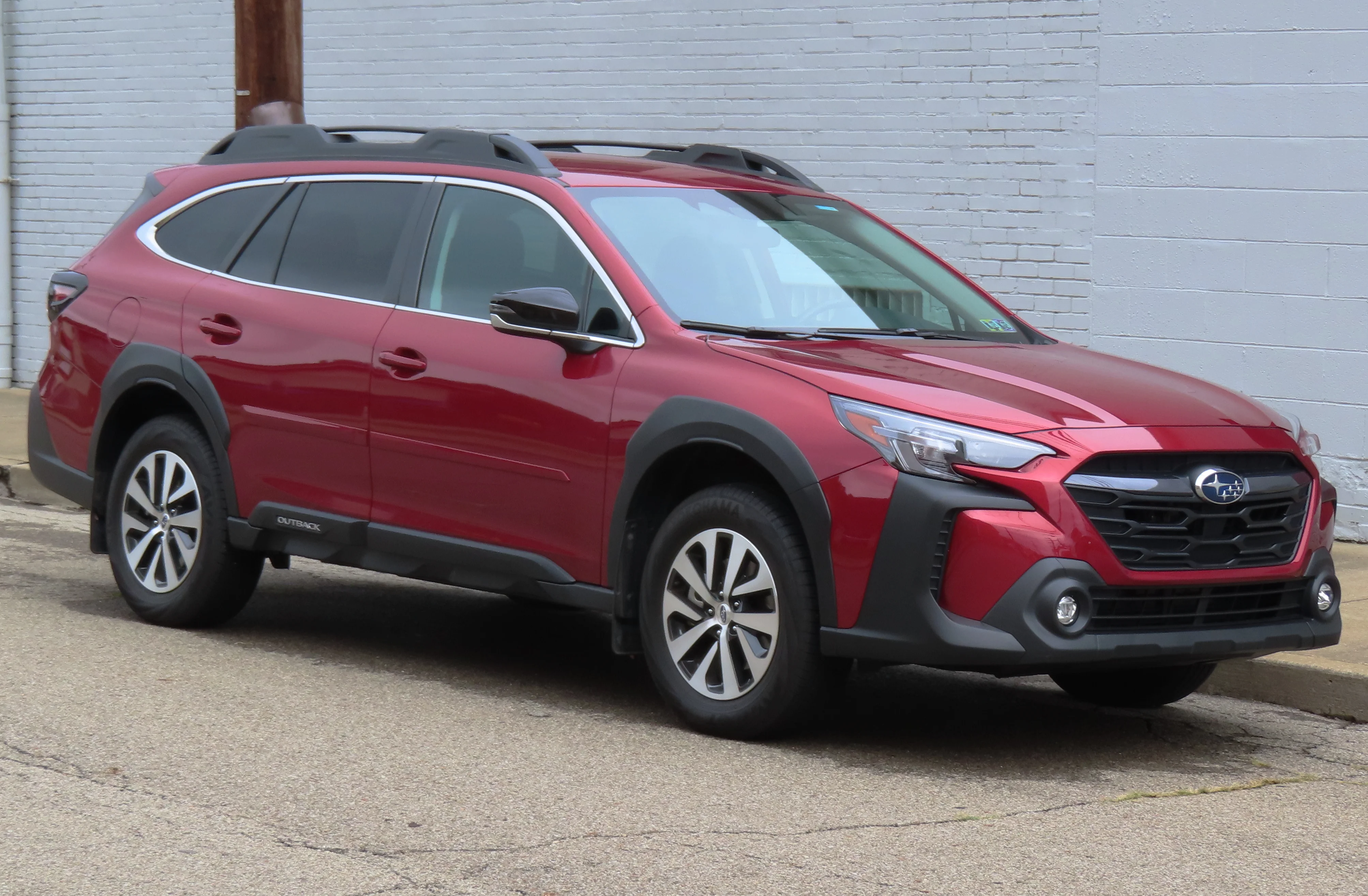
The Short Answer: Yes, and Weight Is Not the Problem
Yes, an awning fits a Subaru Outback, and an overlander will tell you the weight question people fixate on is the wrong one. A compact car-side awning weighs as little as about 13 pounds, and even a full-size 8-foot awning is only about 22 to 25 pounds. Against any Outback roof rating, that is trivial.
The real story is not how much the awning weighs sitting on the rack; it is how it loads the rack once it is deployed. A vehicle awning does not mount to the roof itself. It bolts to the crossbars, or an aftermarket platform, that span the roof rails, and when you unroll it over your campsite it pulls sideways on those bars and catches wind like a sail.
That is why the numbers that matter for an awning are the lateral rating and the wind discipline, not the tidy weight figure on the box. The redesigned 2026 Outback actually publishes a separate sideways rating for exactly this reason, and Subaru cites a big awning as the example use. The rest of this guide walks the ratings that apply, why weight never binds, the crossbar spread that carries the load, and the guy-lines and stakes that handle the wind.
An Awning Mounts to the Bars, Not the Roof
Start with how the thing actually attaches, because it changes which number you care about. A vehicle awning does not fasten to the Outback's roof panel. It clamps to the crossbars that span the roof rails, or to an aftermarket platform bolted to those bars. So the real question is what the bars and the roof rating allow, not what the sheet metal over your head could hold.
That distinction matters because roof ratings are published as a system. The dynamic roof-load number already includes the weight of the crossbars and any mounting hardware, not just the cargo you add. So when you read a rating, the bars and awning brackets are counting against it before the awning body is even in the picture.
For an overlander this reframes the install. You are not asking whether the roof can hold an awning; a deployed awning weighs almost nothing next to the rating. You are asking whether your bar setup, factory or aftermarket, is stiff enough and spread wide enough to carry a long load that pulls to one side. Get the mounting base right and the awning is the easy part. The rest of this guide is really about the base and the wind, not the awning's mass.
The Outback's Roof Ratings, Decoded
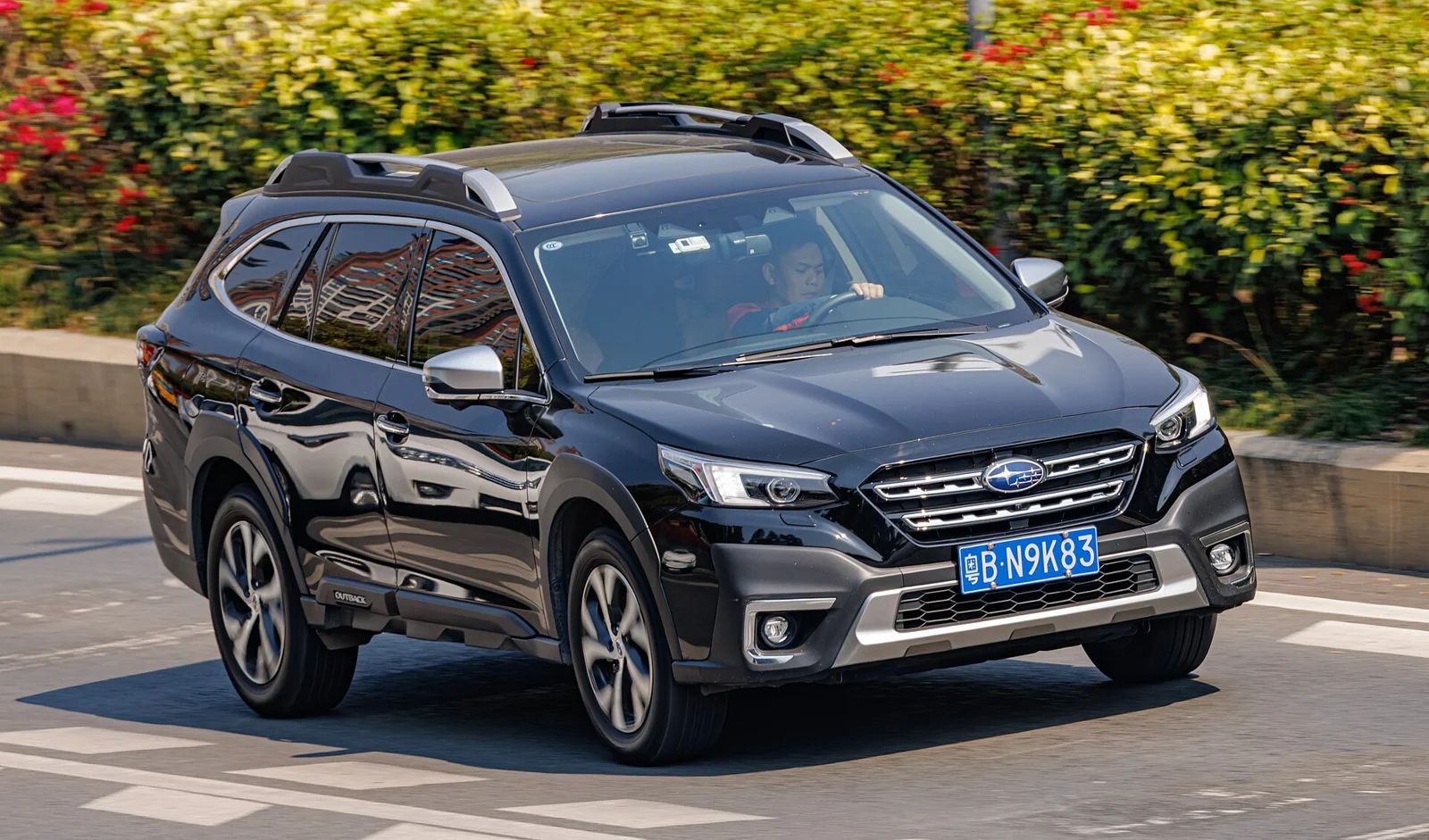
Subaru's ratings are unusually clear on the redesigned 2026 Outback, and they are worth decoding because they name the awning case directly. The 2026 Outback publishes three roof ratings: 220 pounds dynamic, meaning while the vehicle is in motion; 800 pounds static, meaning parked; and a 220-pound lateral rating for weight cantilevered off the side while parked, and Subaru cites a hammock or a big awning as the example use.
Older Outbacks publish less. For the 2020 to 2022 Outback, the maximum total dynamic roof load including crossbars, attachments, and cargo is 150 pounds. For the 2014 to 2019 Outback, the dynamic roof-load limit is 176 pounds. Both are single downward-load numbers, with no separate sideways figure.
Read against an awning, every one of these ratings is generous. A 150-pound dynamic limit swallows a 25-pound awning plus bars with room for a loaded roof box besides. The dynamic number governs while you drive to camp; the static and lateral numbers describe the parked, deployed awning. The overlander's takeaway is that the Outback is rated with plenty of margin for an awning by weight; the numbers to actually respect are the sideways and wind loads the older cars do not even quote.
Why Weight Never Binds on an Outback Awning
It is worth being blunt about how much headroom you have, because it kills the most common worry. A compact 1.25-meter awning is only about 13 pounds, the lightest common option for a small wagon roof. A car-side awning in the roughly 4.9-to-6.5-foot class is light too: the ARB 2.0-meter, about 6.5 feet, weighs about 22 pounds. A full-size 8-foot awning like the ARB 2.5-meter weighs about 24 pounds.
Set any of those against the roof budget. Even a large awning at about 22 to 25 pounds, plus a few pounds of fit-kit brackets, uses a small fraction of a 150-to-220-pound dynamic rating. Weight is essentially never the binding constraint on an Outback awning install. You could add the awning and still have most of the rating left for a roof box or a rooftop tent within the static number.
So an overlander stops weighing the awning and starts thinking about geometry and load direction. The pounds are a non-issue; what stresses the rack is a long arm of aluminum unrolled to one side, pulling laterally and catching wind. That is where the real planning goes, and it is why the lateral rating on the 2026 car is the single most awning-relevant number Subaru publishes. Weight is the question everyone asks and the one that never actually matters here.
The Lateral Rating Is the Awning Number
If there is one figure to internalize, it is the 2026 Outback's 220-pound lateral rating, because it is the only OEM number that describes what a deployed awning actually does. A side awning loads the rack sideways, not straight down, cantilevered off one edge of the roof. Subaru calling out a big awning as the example for that rating is not marketing fluff; it is the manufacturer naming the exact use case.
Here is the honest gap for everyone not driving the newest car. Subaru did not publish a separate lateral or side roof-load rating for the 2014 to 2022 Outbacks. Those cars quote only a single dynamic figure, 150 to 176 pounds, that assumes downward load. Owners of pre-2026 Outbacks therefore have no OEM number for the sideways pull of a deployed awning, only the downward driving limit.
That does not mean older Outbacks cannot run an awning; plenty do. It means you plan conservatively without a published side number: use a stiff, well-spread bar setup, mount with the full fit kit, and lean harder on stakes and guy-lines to take the lateral and wind load off the rack. The 2026 car tells you 220 pounds of sideways load is fine; the older cars ask you to respect the same direction of load without a number, which an overlander does by over-building the support rather than testing the rack.
Crossbar Spread and Which Bars You Run
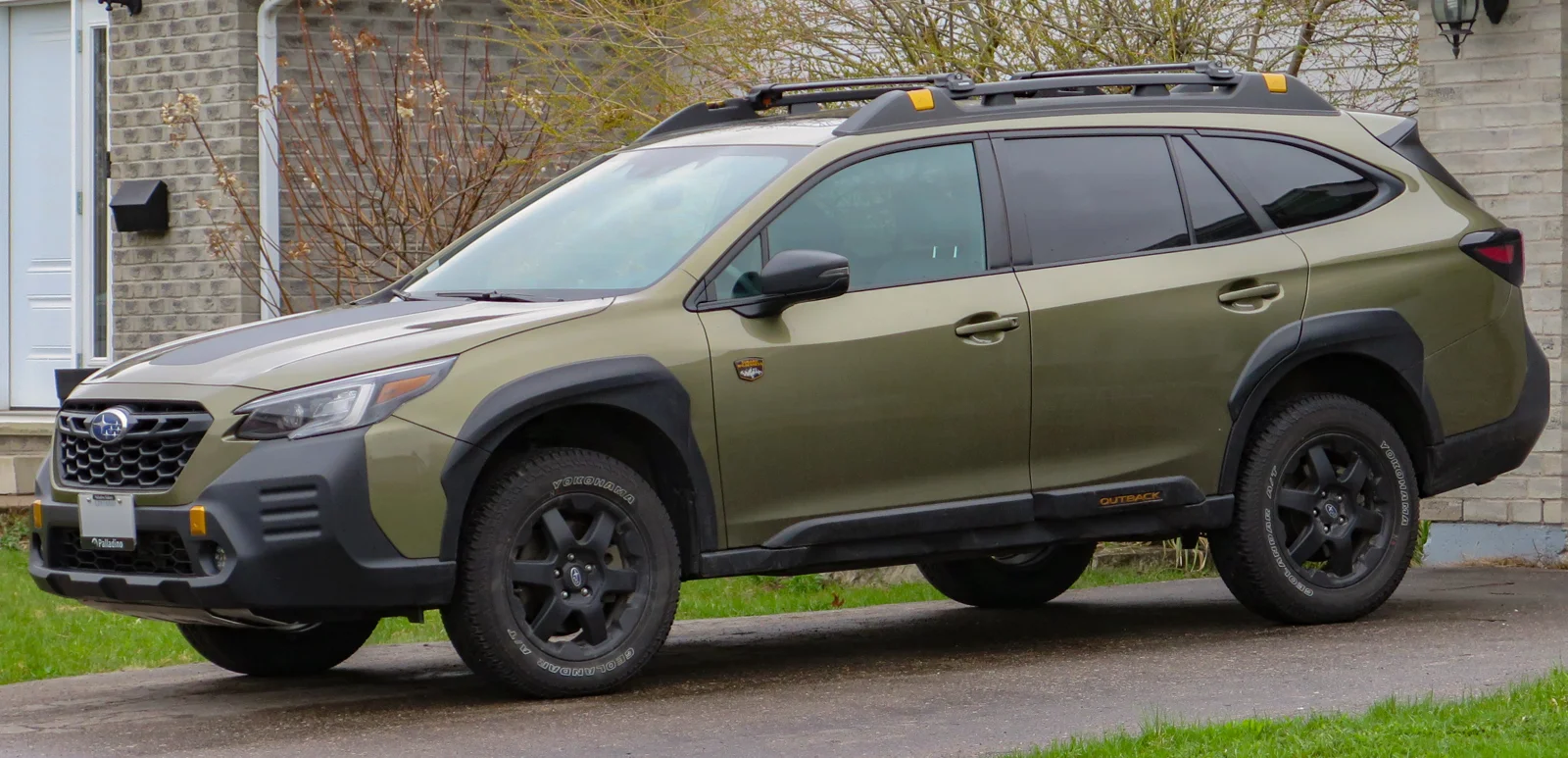
The base under the awning matters more than the awning, so get the bars right. The factory Outback crossbar spread, the front-to-rear distance between the two bars in their normal position, is roughly 32 inches, while aftermarket Thule setups on some trims land near 24 inches. Thule's general guidance is to keep crossbars 24 to 36 inches apart, and a wider, evenly balanced spread carries a long side load like an awning more securely.
The type of bar is a real choice too. The stow-away factory crossbars are convenient and rate around 150 to 165 pounds dynamic, while a beefier aftermarket platform or bar can be stiffer for a heavy 270-degree awning, even though the vehicle roof rating still caps the total. Aftermarket Thule AeroBlade crossbars for the Outback are rated to 165 pounds, but the effective limit is always the lower of the bar rating and the vehicle's roof rating.
An overlander's rule is to spread the bars as wide as the 24-to-36-inch window and your roof allow, and to favor a stiff bar for a long or wraparound awning. The wider spread resists the twisting a cantilevered awning imposes, and a stiffer bar flexes less when the wind gusts. You cannot change the roof rating, but you can make the base under the awning as rigid and well-spread as possible, which is where the security actually comes from on a long side load.
Matching Awning Size to the Outback Roof
Awnings come in a range, and the Outback's wagon roof favors the shorter end. A compact car-side awning in the 4.9-to-6.5-foot class is the natural match: the ARB 2.0-meter is about 6.5 feet rolled along the vehicle and weighs about 22 pounds. A 1.25-meter compact awning at about 13 pounds and a shorter rolled length is the lightest, tidiest option for the wagon roof.
Go bigger and you trade shade for length on the rack. A full-size 8-foot awning like the ARB 2.5-meter weighs about 24 pounds with a mounted, rolled length of about 8.2 feet, which is a lot of aluminum along an Outback roof. A 270-degree wraparound awning is heavier and longer still: the Rhino-Rack Batwing full size is 98 inches, about 8 feet 2 inches, when packed on the rack and covers roughly 118 to 132 square feet of shade.
For the Outback specifically, the Batwing Compact is the smarter wraparound: it packs to 79 inches, about 6 feet 7 inches, a better length match for the Outback's shorter roof than the full-size Batwing. The overlander's call is to size the awning to the roof length and the bar spread rather than to the biggest shade footprint on offer. A 79-inch compact that mounts cleanly and clears the tailgate beats a 98-inch full-size that overhangs and levers on the bars. Match the packed length to the roof, then chase shade.
Wind Is the Hidden Load
Here is the load nobody puts on a spec sheet and every overlander respects: wind. A deployed awning acts like a sail, so the mounting hardware and the guy-lines and stakes matter far more than the awning's static weight when the vehicle is parked in a breeze. The 24-pound awning is harmless; the wind pushing on its unrolled surface is what tears brackets or bends a bar.
This is why the honest answer on older Outbacks is to over-build the support. Awning makers like ARB and Rhino-Rack publish product weight and packed length, but not a per-mount clamp force or a vehicle-specific safe wind speed. The awning-to-Outback interface is under-documented, so the security comes down to how many brackets you use and how disciplined you are with stake-out lines, not a published rating.
Practically, that means always staking and guying a deployed awning, not trusting the arms and the rack alone, and rolling it up when the wind picks up or you leave camp. Guy-lines to the ground take the uplift and lateral load off the rack entirely, which is exactly what you want when there is no published side number to lean on. Treat the awning as a sail you must anchor, and both the rack and the awning survive the gust that would otherwise end the trip.
Setting It Up Right
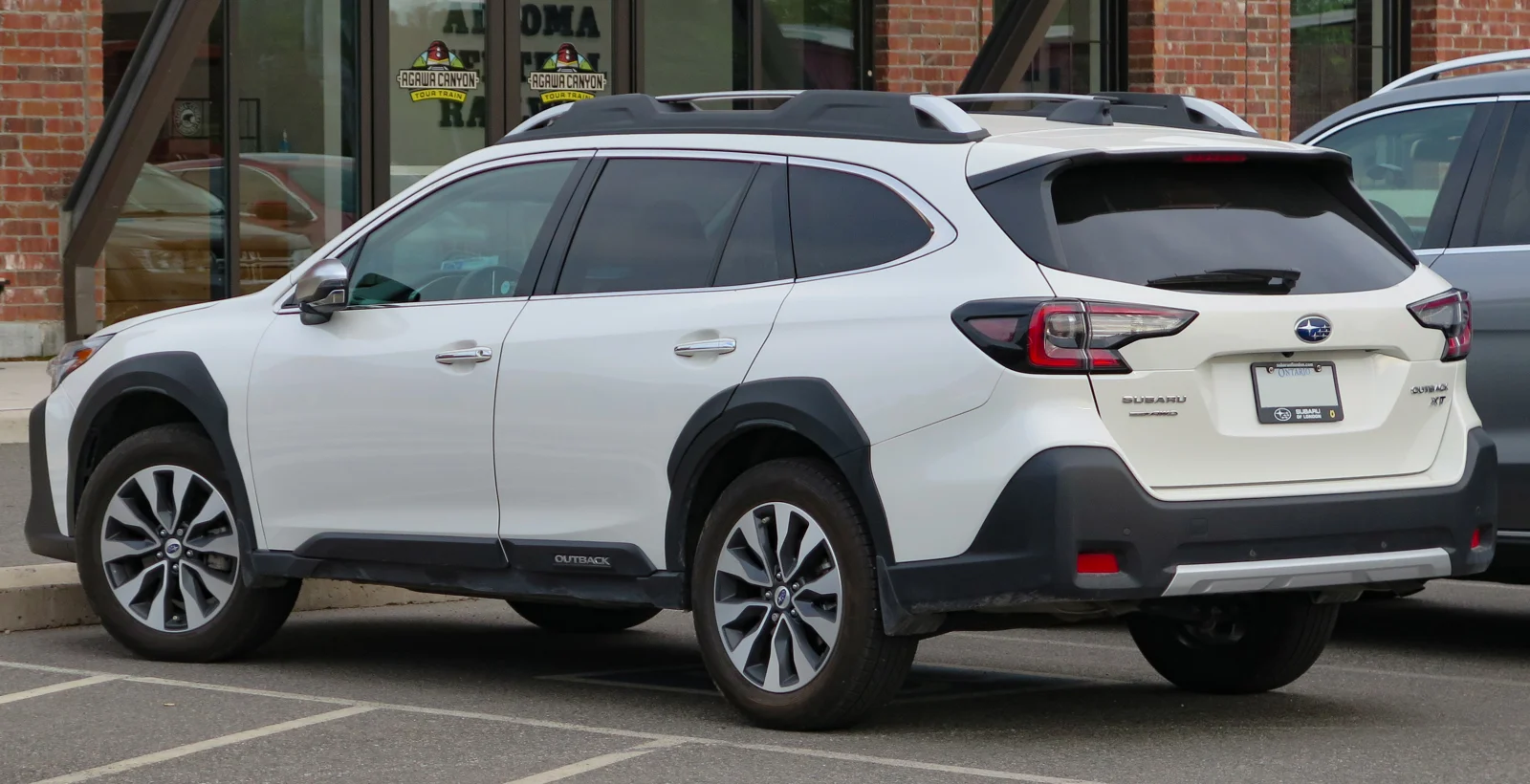
The clean install on an Outback follows the load path from the roof down. Run a stiff crossbar set spread as wide as the 24-to-36-inch window allows, mount the awning with its full fit kit of brackets, and confirm the packed awning clears the tailgate swing and the rear hatch. For a wagon roof, a compact 4.9-to-6.5-foot awning or a 79-inch Batwing Compact mounts cleaner than a full-size unit.
For the awning itself, a vehicle-mount car-side awning in the 6.5-foot class at about 22 pounds is the natural Outback match, light on the rack and short enough for the roof. Add a set of guy-lines and ground stakes, because those carry the wind and lateral load the older Outbacks publish no number for.
Then match the awning to the rest of your roof budget. The roof ratings above are the budget the awning shares, and if you also run other loads, the Outback cargo box fit and Outback rooftop tent fit guides cover the same rack budget. For the sleeping side of the trip the awning shades, see the Subaru Outback car camping guide.
Computed: how much of each Outback roof budget an awning actually spends. Arithmetic on figures this article already states above — governing limit = the LOWER of the bar rating and the vehicle roof rating (section 5's own rule), then margin = governing limit − awning weight. Inputs: 176 lb dynamic for 2014–2019 and 150 lb for 2020–2022 (section 2), 220 lb dynamic on the 2026 car (section 2), factory stow-away crossbars at 150–165 lb and Thule AeroBlade at 165 lb (section 5), and the awning weights from section 3 — 13 lb compact, 22 lb ARB 2.0 m, 24 lb ARB 2.5 m. The 800 lb static and 220 lb lateral figures are named and deliberately EXCLUDED from this table: static does not apply at speed, and the lateral rating describes the parked, deployed awning rather than the drive to camp. Bar and bracket weight counts against the rating too and no source here publishes it, so the margins below are the optimistic end.
| Outback | Governing dynamic limit | Heaviest awning here (24 lb) | Share of the budget used |
|---|---|---|---|
| 2014–2019 (176 lb roof, 150–165 lb bars) | 150–165 lb — the bars govern | 126–141 lb spare | 15–16% |
| 2020–2022 (150 lb roof) | 150 lb — the roof governs | 126 lb spare | 16% |
| 2026 (220 lb roof, 165 lb AeroBlade) | 165 lb — the bars govern | 141 lb spare | 15% |
| Any of the above, 13 lb compact awning | 150–165 lb | 137–152 lb spare | 8–9% |
Read it this way: on the tightest Outback in the table, the biggest awning on this page spends 16% of the budget and leaves 126 lb. That is the arithmetic behind "weight never binds" — and it is also why the bars, not the roof, are the number to check on two of the three generations. The packed length is the constraint that actually bites: the 98-inch full-size Batwing is 19 inches longer than the 79-inch Compact on a roof that has no spare 19 inches, which no weight rating will tell you.
The Verdict: An Easy Yes You Anchor Well
Will an awning fit on a Subaru Outback? Yes, and it is one of the easier yeses in the wagon class, because weight never binds. A compact awning at about 13 pounds or a full-size one at about 22 to 25 pounds uses a small fraction of any Outback roof rating, from the older 150-to-176-pound dynamic limits to the 2026 car's 220-pound dynamic figure.
The real considerations are load direction and wind, not pounds. The 2026 Outback publishes a 220-pound lateral rating that names a big awning as the use case, while the 2014 to 2022 cars quote only a downward driving limit and no side number. Either way, a deployed awning pulls sideways and catches wind, so a stiff, wide-spread bar set and disciplined guy-lines and stakes are what actually keep it secure.
Size the awning to the roof, not to the biggest shade footprint: a 4.9-to-6.5-foot awning or a 79-inch Batwing Compact suits the Outback's shorter roof. Mount it with the full fit kit, spread the bars wide within the 24-to-36-inch window, and always anchor the deployed awning to the ground. Do that and the Outback carries an awning for years, with the roof rating never remotely the limiting factor.
Frequently Asked Questions
Will an awning fit on a Subaru Outback? ▼
Yes, easily. Even a full-size 8-foot awning weighs only about 22 to 25 pounds, far under any Outback roof rating. The awning bolts to the crossbars, not the roof, so the real considerations are the sideways lateral load and wind uplift of a deployed awning, plus a stiff, well-spread bar set to carry them.
How much weight can a Subaru Outback roof hold for an awning? ▼
Plenty. The 2026 Outback publishes 220 pounds dynamic while driving, 800 pounds static while parked, and a 220-pound lateral rating for side loads like an awning. Older Outbacks are rated 150 pounds dynamic (2020-2022) or 176 pounds (2014-2019). A 22-to-25-pound awning uses only a small fraction of any of these.
Do I need to worry about wind with an Outback awning? ▼
Yes, more than weight. A deployed awning acts like a sail, so guy-lines and ground stakes matter more than its 22-to-25-pound weight. Older Outbacks publish no lateral rating, so anchor the awning to the ground, use the full bracket fit kit, and roll it up when the wind rises or you leave camp.
What size awning fits a Subaru Outback? ▼
A compact 4.9-to-6.5-foot car-side awning (about 22 pounds) suits the Outback's wagon roof best, and a 1.25-meter compact at about 13 pounds is the lightest option. For a wraparound, the Rhino-Rack Batwing Compact packs to 79 inches, a better roof-length match than the 98-inch full-size Batwing.
Does an awning mount to the roof or the crossbars on an Outback? ▼
To the crossbars, not the roof panel. The awning clamps to the bars that span the roof rails, so a stiff, wide-spread bar set is what carries it. Factory bars sit about 32 inches apart and rate around 150 to 165 pounds; a stiffer aftermarket bar helps with a long or 270-degree awning.