
The Short Answer: It Fits - the Weight Limit Is the Real Question
A rooftop cargo box mounts on a Subaru Outback without drama. The question that matters is not whether the box bolts on - it does - but how much you can put in it, and that answer is set by one number most buyers never check before they order. Fit is the easy part; the load rating is where a build succeeds or fails.
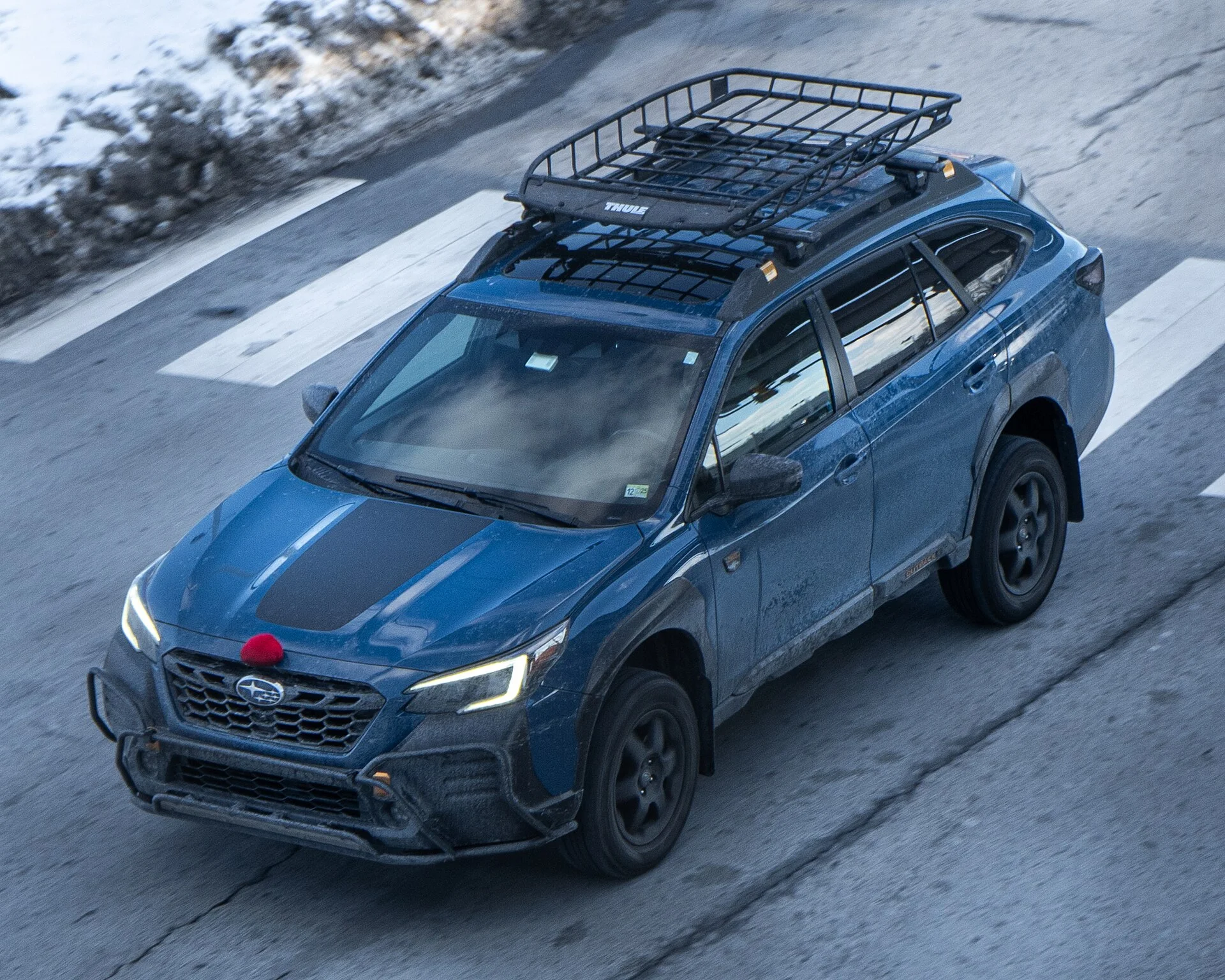
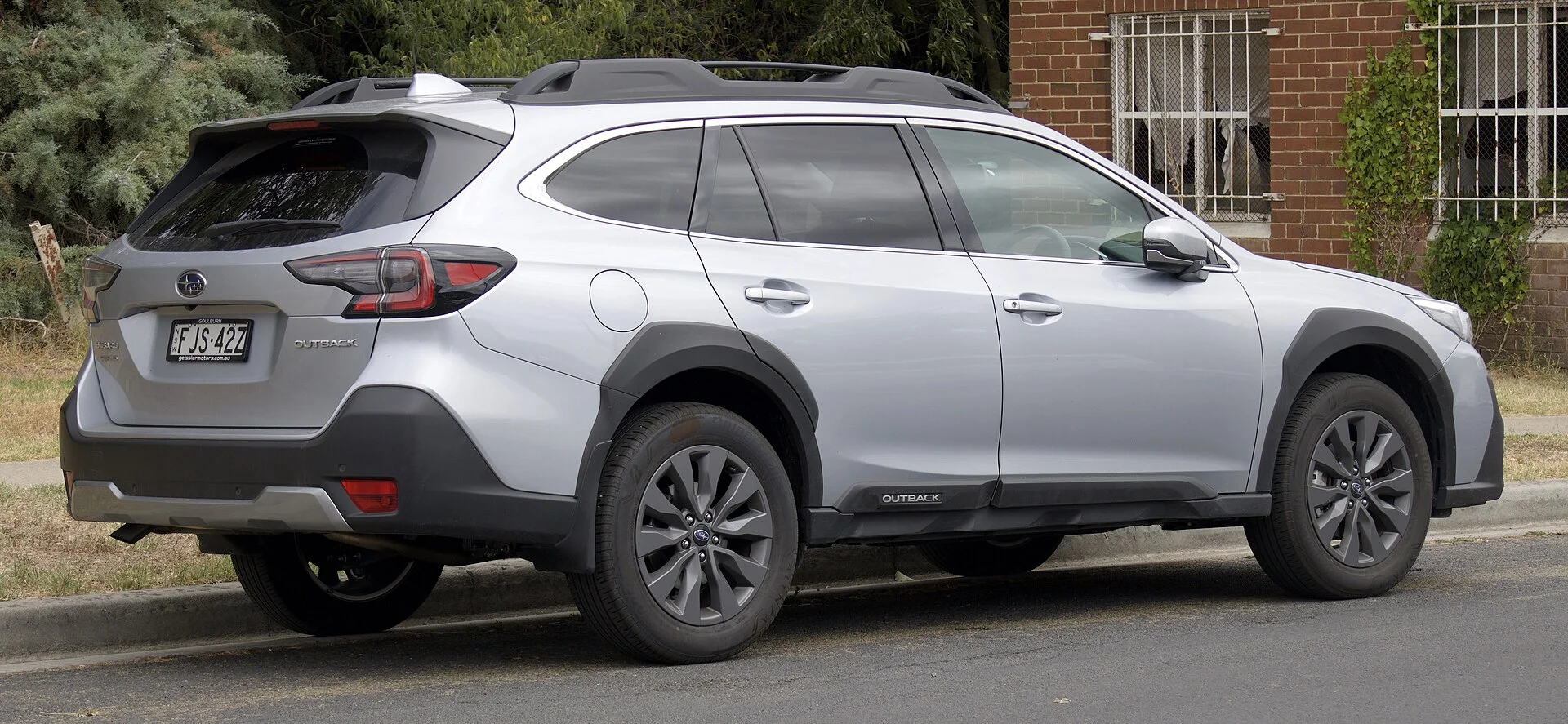
On the mounting side the Outback is generous. It ships with raised factory roof rails and removable crossbars, and the factory crossbar spread lands around 32 inches in the standard position, adjustable out to roughly 39 inches. Most cargo boxes ask for a spread of at least 24 inches, so the Outback's rails comfortably clear that requirement. Nothing about the geometry stops a box.
The constraint is the 176-pound dynamic roof rating on a standard Outback - the weight the roof is rated to carry while the vehicle is moving, crossbars and box and cargo combined. That ceiling is lower than it sounds once the hardware is counted, and it is the number that decides which box makes sense and how much you can actually load. The rest of this guide is the installer's load math around that 176-pound figure.
Dynamic vs Static: Only One Number Applies to a Box
Two roof ratings float around every Subaru discussion, and only one governs a cargo box. The dynamic rating is the weight the roof carries while driving, when braking and cornering and bumps multiply the effective load. On a standard Outback that number is 176 pounds. The static rating is what the parked roof holds when the vehicle is stationary and those forces are gone, commonly cited around 650 pounds, up to about 700 pounds on the Wilderness.
Here is why the distinction matters less for a box than for a rooftop tent. A tent gets slept in while parked, so it leans on the generous static number. A cargo box travels loaded down the highway, so it lives entirely under the dynamic number. The 650-pound static figure is a red herring for a box - you never park two adults on top of a cargo box, so it never comes into play.
That collapses the whole decision onto the 176-pound dynamic rating. Every pound of crossbar, box shell, and gear has to fit inside that ceiling while you drive. A methodical install treats 176 pounds as the hard budget from the first line item, and the first line item is not the gear - it is the box itself, which is where most people's math goes wrong.

Your Model Year Sets the Number - Check It First
Before buying anything, confirm which dynamic rating your Outback actually carries, because Subaru changed it across generations. The owner's manual specifies 176 pounds for 2014 through 2019 models. For the 2020 and 2021 model years, the dynamic roof limit was reduced to 150 pounds. Same vehicle family, a noticeably smaller budget - and the difference is entirely in the paperwork, not visible on the roof.
The exception runs the other way. The Outback Wilderness, introduced for 2022, carries a higher dynamic rating of 220 pounds thanks to its heavier-duty raised rails. So three different Outbacks can sit in the same parking lot with three different roof budgets: 220 pounds on a Wilderness, 176 on a standard older car, and 150 on a 2020 to 2021. Buying a box against the wrong number is how people end up over the limit.
This is a five-minute check that saves a bad purchase. Pull the owner's manual, find the roof-load line, and write the number down before you shop. A skipped manual is the most common reason a cargo-box build quietly runs over its dynamic rating - the number was there in print the whole time, just never read.
The Box Shell Tax: 42 Pounds Before Any Gear
This is the step buyers skip, and it reframes the entire purchase. An empty hard cargo box is heavy on its own. A Thule Motion XT L weighs 42 pounds empty. A Yakima SkyBox 16 Carbonite weighs 47 pounds. A Thule Force XT L weighs 41 pounds. Popular boxes run roughly 40 to 55 pounds before a single item goes inside - and that weight comes straight off the roof budget.
Then add the mounting hardware. Factory Subaru crossbars weigh roughly 8 to 10 pounds each, so a pair adds about 16 to 20 pounds that also counts against the dynamic limit. The roof is carrying the bars and the empty box before you have packed anything at all, and together those two line items already claim a large share of the 176 available.
Run the subtraction on a standard Outback and the picture is clear. Take the 176-pound dynamic limit, remove a 42-pound box and about 18 pounds of crossbars, and only about 116 pounds is left for actual cargo. That is the honest usable number - not 176, but roughly 116 pounds - and it is the figure that should shape what you plan to carry up there.
Mounting Fit Is Not the Constraint - Weight Is
Once the weight math is settled, the physical fit is reassuring. The Outback's factory 32-inch crossbar spread comfortably exceeds the 24-inch minimum spread most cargo boxes require, so the box's mounting channels have plenty of bar to clamp to. Adjustable out to about 39 inches, the rails handle even boxes that want their clamps spread wide. Geometry is on your side.
Length is the one physical detail worth a second look. A Thule Motion XT L is 77 inches long; a Yakima SkyBox 16 is 81 inches; a Thule Force XT L is 74 inches. Those sit reasonably on an Outback roof. Step up to a Yakima SkyBox 18 at about 92 inches - roughly 7 feet 8 inches - and it is long enough to overhang a short Outback roofline, which affects hatch clearance more than safety.
So the fit checks are simple: confirm the box's required spread against the factory 32 inches (it clears), and eyeball the box length against your roof for overhang. Neither is a dealbreaker on a standard box. The point that keeps getting buried is that fitment is not what limits an Outback cargo-box build - the 176-pound dynamic weight ceiling is, and that is a math problem, not a mounting one.
What About 116 Pounds - What Actually Fits
Roughly 116 pounds of usable cargo on a standard Outback sounds tight, and it is - but it fits car-camping gear better than it fits a hardware run. The trick is matching the box to bulky-but-light loads. Sleeping bags, tents, sleeping pads, camp chairs, clothing, and empty soft coolers are voluminous and feather-light, and a 16-cubic-foot box swallows them while barely denting the 116-pound budget.
What does not belong up top is dense weight. Tools, canned food, water jugs, firewood, and recovery gear pile on pounds fast and are far better kept low in the cargo area, where they also lower the center of gravity. The installer's rule is simple: light and bulky goes on the roof, heavy and dense stays inside. Load the box the other way around and you blow through 116 pounds with a box still half empty.
Volume, not weight, should be the reason you buy a box at all. A 16-cubic-foot box exists to free up interior space for people and a flat sleeping platform, not to haul more mass. Treat the roof as overflow for the light, awkward, room-hogging stuff, and 116 pounds turns out to be plenty for a weekend of camping kit.
Picking a Box That Respects the Rating
With the budget clear, the box choice narrows cleanly. The three common mid-size options all land near the same specs: the Thule Motion XT L at 42 pounds and 16 cubic feet, the Thule Force XT L at 41 pounds and 16 cubic feet, and the Yakima SkyBox 16 Carbonite at 47 pounds and 16 cubic feet. Any of the three leaves a workable cargo allowance under 176 pounds on a standard Outback.
Favor the lighter shells when you can. A 41 or 42-pound box instead of a 47-pound one hands back five or six pounds of usable budget - not huge, but free capacity for the cost of reading a spec. The box's own rated load capacity is a separate number worth noting too: the Motion XT L is rated to 165 pounds on the box itself, well above what the Outback's roof will ever let you put in it.
If you are buying the mounting hardware fresh, get it matched to the Outback's rails and rated to clear the roof's own limit. A set of properly rated rooftop cargo box and crossbars sized to the Outback is the difference between a clean, quiet setup and one that whistles at highway speed within a month. Confirm the printed dynamic rating on the bars you actually buy before ordering the box.
The Wilderness Exception: 220 Pounds Changes the Math
If your Outback is a Wilderness, the whole budget loosens up. Its dynamic roof rating is 220 pounds, not 176, thanks to heavier-duty raised rails engineered for exactly this kind of use. That extra headroom is meaningful once the box-and-crossbar tax is paid, and it is the one Outback trim that treats a loaded cargo box as routine rather than a tight squeeze.
Run the same subtraction and the difference shows. On a Wilderness, removing a 42-pound box and crossbars from the 220-pound limit leaves roughly 160 pounds of cargo room, against about 116 pounds on a standard Outback. That is not a small gap - 160 versus 116 pounds is the difference between packing carefully and barely thinking about it, and it is why the Wilderness is the natural cargo-hauler of the lineup.
None of this changes the fit story - the Wilderness mounts the same boxes on the same style of rails. It just raises the weight ceiling everyone else is working under. If you already own a Wilderness, load with more confidence; if you own a standard Outback, respect the 176 and the roughly 116 usable pounds it leaves you, and the box will serve for years.
Height, Drag, and the Costs That Are Not Weight
Weight is the hard limit, but it is not the only cost of a box, and an installer flags the rest so they are no surprise. A Thule Motion XT L stands about 15.5 inches tall off the crossbar. That height does not eat into the 176-pound rating at all, but it adds to your total vehicle height and matters for garage and parking-structure clearance. Measure your overhead clearance before the first trip home.
The other cost is aerodynamic. A tall box on the roof raises drag and wind noise and trims fuel economy, and it does so every mile whether the box is full or empty. There is no weight penalty for an empty box left on the roof, but there is a fuel penalty, which is why many owners pull the box between trips rather than leaving it mounted year-round.
Center of gravity is the last consideration. Even a modest load on the roof sits high and raises the vehicle's center of gravity, which is another reason to keep dense weight inside and low. A modestly loaded box adds only about 3 percent to an Outback's gross weight, so the concern is never total mass - it is where that mass sits and how it changes the way the car feels in a crosswind or a hard corner.
The Verdict: Yes - Build to 176, Not to the Box's Size
A cargo box fits a Subaru Outback and fits it well. The factory raised rails and roughly 32-inch crossbar spread clear any mainstream box's mounting needs, and the common 16-cubic-foot boxes sit cleanly on the roof. Fit was never the real question - the question was always how much you can safely carry, and that is set by the dynamic roof rating, not the box's advertised volume.
On a standard Outback that ceiling is 176 pounds, and the honest usable figure is closer to 116 pounds after a 42-pound box and about 18 pounds of crossbars. Confirm your model year first - 176 pounds for 2014 to 2019, 150 for 2020 to 2021, 220 on a Wilderness - because that single number changes the whole plan. Then load light and bulky up top, keep dense weight low inside, and stay under the limit.
Do that and the box becomes exactly what it should be: overflow room that frees the cabin for people and a flat place to sleep. Pick a box around 41 to 47 pounds, match the crossbars to the rails, mind the height for garages, and pull the box between trips to save fuel. The Outback carries a cargo box comfortably - as long as you build to the 176-pound number and not to how big the box looks in the store.