

The Answer, and the Moonroof Asterisk
A rooftop tent fits on a Ford Bronco Sport, and the boxy roofline makes it a natural-looking platform for one. But whether your Bronco Sport can carry the tent you want comes down to a single option box on the window sticker: the moonroof. Check it, and your roof's driving capacity drops by a third before you have shopped for anything.
The factory roof carries 150 pounds while driving on a model without a moonroof, and just 100 pounds on one equipped with it. That is the whole ballgame for tent selection, because the driving rating - not the static parked rating - is what you have to respect every mile between home and the trailhead. Owners report those exact numbers, and they are lower than the rooftop-tent category assumes.
So the honest answer is a conditional yes. On a non-moonroof Bronco Sport, the lightest tents fit the factory roof with little margin. On a moonroof car, essentially no full tent fits within the factory spec, and you are buying a rack. Knowing which vehicle you have is the failure mode that strands you if you skip it - so start there.
Dynamic vs Static: Where the Real Numbers Live
The two roof ratings get confused constantly, and on a Bronco Sport the gap between them is huge - so get this straight before any tent talk. Dynamic roof load is the weight the roof holds while driving, when braking, cornering, and impacts multiply the effective load. Static roof load is the far higher weight it holds parked, when nothing is jolting it.
On the Bronco Sport the dynamic rating is that 150 pounds, or 100 with a moonroof, while the factory static rating is around 600 pounds - owners cite figures near 600 to 661 depending on the source. That enormous spread is why a deployed tent plus two adults does not overload the roof: parked, you are working against the static number, and the tent's ladder transfers much of the weight straight to the ground.
The takeaway is the same field rule that applies to any rig: size the tent and rack to the driving number, and stop worrying about occupant weight. The 150-pound dynamic limit is the constraint that decides what you can safely drive with; the 600-pound static number is the reassurance that once you are parked and set up, the roof is not the thing that fails.
Why the Factory Rails Are Not the Answer
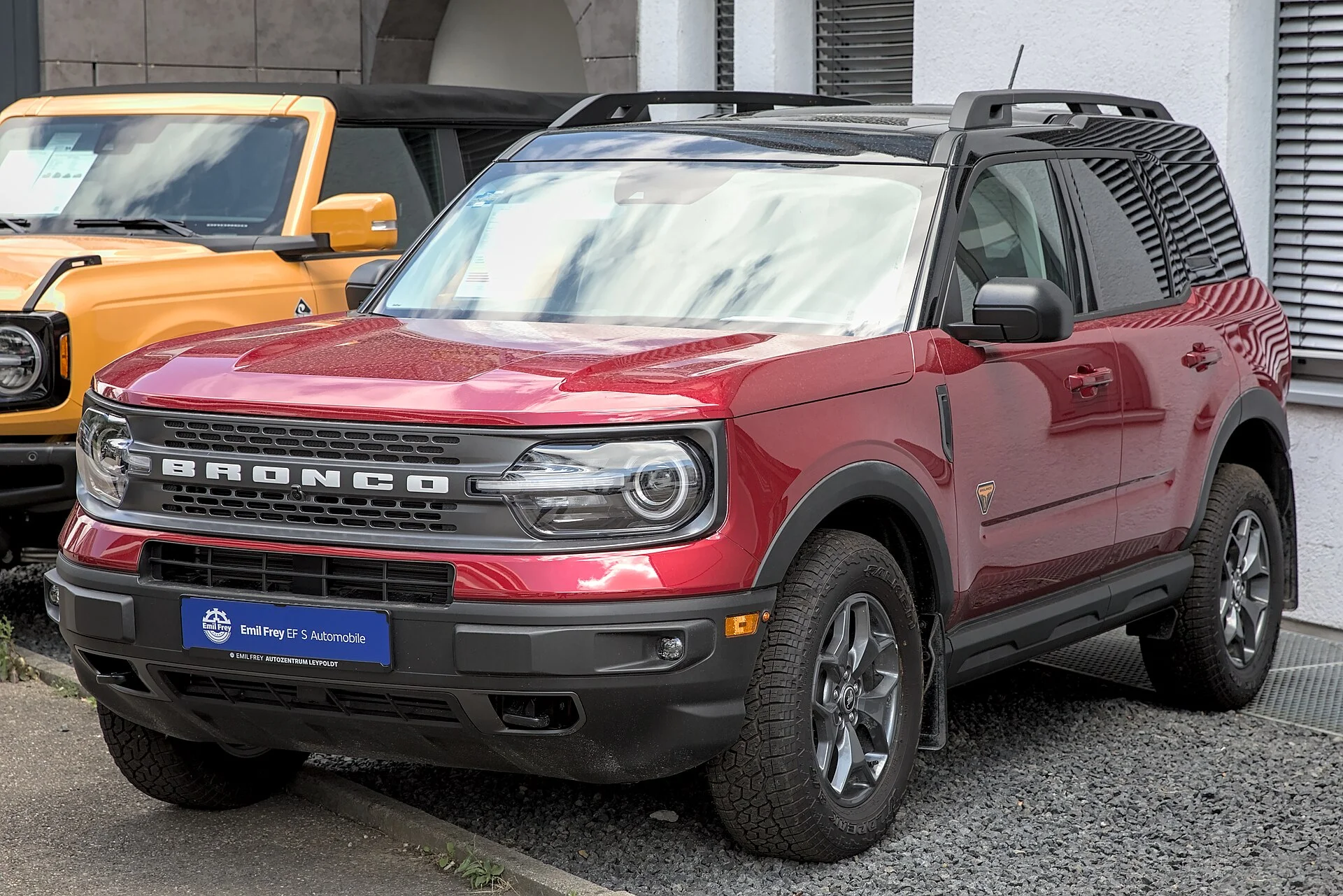
Here is the failure mode that matters when you are a long way from help: the Bronco Sport's factory side rails and crossbars were not built to carry a rooftop tent's concentrated load. They handle a cargo box or a kayak spread across the bars fine, but a tent puts a heavy, dynamic load at specific mounting points, and that is not what those rails were engineered for.
Even setting the mounting question aside, the weight math on the factory roof is unforgiving. Crossbars add roughly 25 to 50 pounds, and a lightweight tent plus those bars can reach or exceed the 150-pound factory dynamic limit on their own. On a moonroof car with a 100-pound ceiling, a full tent is over budget before the crossbars are even bolted down.
That is why the field-tested recommendation is a purpose-built rack, not a workaround on the stock rails. Trying to make the factory setup carry a tent it was never rated for is exactly the kind of shortcut that holds in the driveway and lets go on a washboard road. The rack is not an upsell here; it is the part that makes the answer a real yes.
The Aftermarket Rack That Changes the Math
The clean fix is a rack designed for the vehicle and rated for the load. The TrailRax modular roof rack, built specifically for the 2021-and-newer Bronco Sport, upgrades capacity to a 250-pound dynamic rating and a 700-pound static rating with the weight evenly distributed - which moves the tent question from cramped to comfortable in one purchase.
With 250 pounds of dynamic capacity, a mid-weight hardshell that was impossible on the factory roof becomes a straightforward mount, and a moonroof car that could carry essentially no tent on the 100-pound factory limit gets a real platform. a purpose-built rooftop-tent rack like this is the difference between a Bronco Sport that theoretically fits a tent and one that actually carries the tent you want to buy.
There is a catch to keep honest: the rack has its own weight. Platform racks add roughly 70 to 90 pounds, and that counts against the dynamic rating too, so a heavy platform plus a heavy tent can exceed even an upgraded number if you do not plan it. Buy the rack for the capacity, then still do the arithmetic - the higher ceiling gives you room, not a blank check.
Which Tents Fit the Factory Roof
If you would rather not add a rack, the factory roof will carry a tent - a very specific kind. Typical hardshells weigh 125 to 250 pounds and typical softshells 108 to 196 pounds, so most of the category is out on a 150-pound roof. The tents that work are the lightest two-person aluminum shells at roughly 100 to 130 pounds.
Real examples in that range include the iKamper Skycamp Mini at about 125 pounds and the Roofnest Sparrow Eye at about 130 pounds. On a non-moonroof Bronco Sport those fit within the 150-pound dynamic limit - but with little margin once crossbars are counted, which is exactly the kind of no-buffer setup that makes a careful camper nervous on a rough approach.
On a moonroof car, stop here: with the 100-pound factory limit, no full rooftop tent fits within spec on the factory rack, full stop. That is not a tent to hunt for; it is a signal to budget for the aftermarket rack. The factory-roof path only exists for the non-moonroof owner willing to run the lightest tent right up near the line.
The 80 Percent Buffer and the Washboard Road
Numbers on a spec sheet assume a smooth road, and the backcountry does not provide one. Rooftop-tent safety guidance advises staying within about 80 percent of the roof's rated dynamic capacity, which on a factory non-moonroof Bronco Sport means keeping the driving load near 120 pounds including crossbars. That buffer is what a washboard road, a hard stop, or an off-camber trail eats into.
Held to 120 pounds, the factory roof barely fits even the lightest tent once bars are added - which is the clearest argument for the upgraded rack if you actually drive rough roads to camp. The buffer is not paranoia; dynamic loads spike well above the static weight in your garage the moment the surface turns bad, and the Bronco Sport is a vehicle people buy to go where the surface is bad.
This is the calculation that separates a tent that rides for years from one that stresses the mounts on every trip. On the factory roof, the 80 percent rule leaves almost no room. On a 250-pound rack, the same rule leaves a healthy margin - which is the real reason the rack, not a lighter tent, is usually the right answer for a Bronco Sport that sees dirt.
Ground Clearance and Why the Tent Makes Sense Here
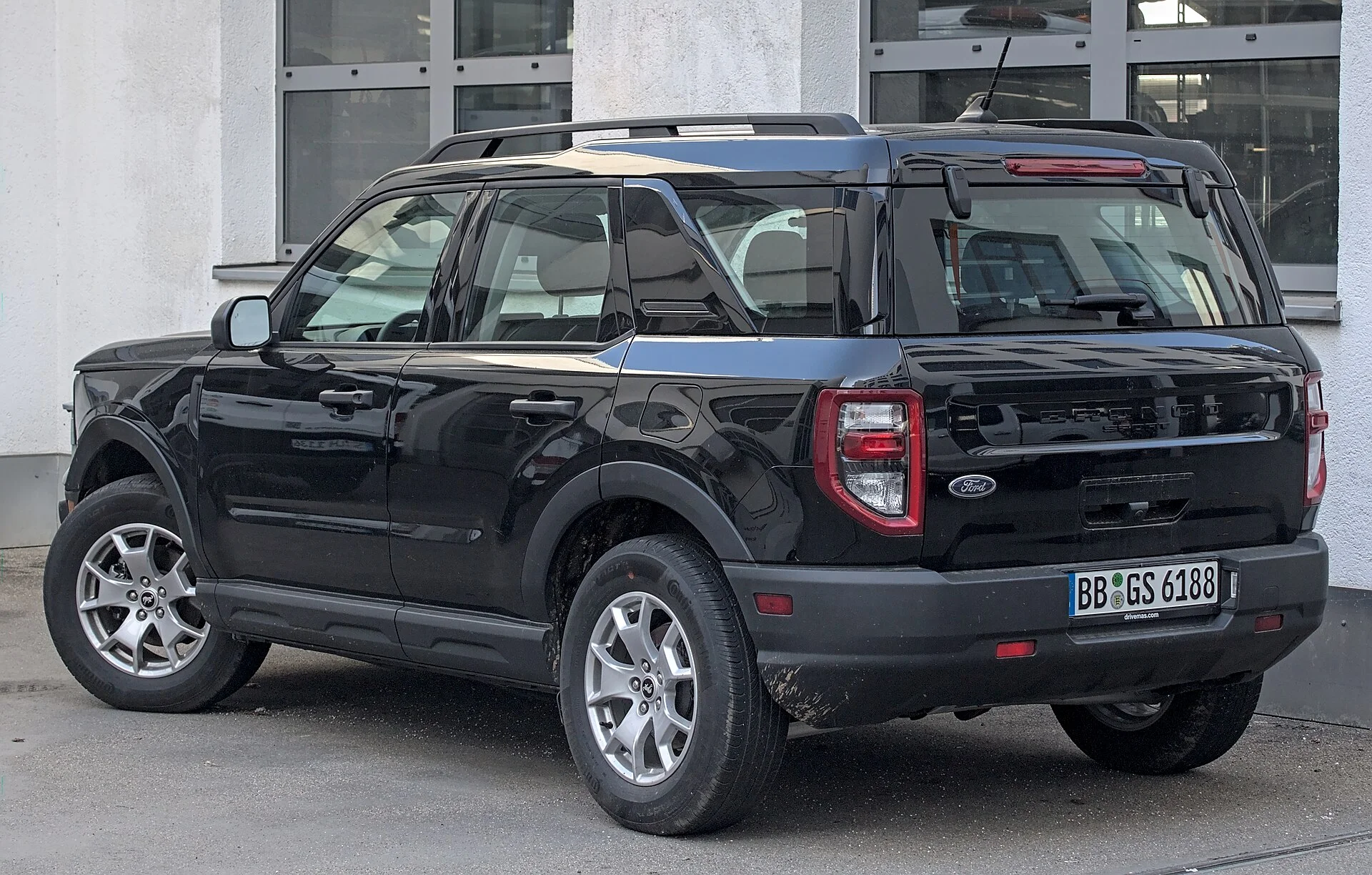
The Bronco Sport earns the rooftop-tent conversation because it can actually reach the places a rooftop tent is for. Ground clearance runs about 7.8 inches on Big Bend and base trims and up to 8.8 inches on the Badlands with its HOSS suspension and Goodyear Territory all-terrain tires, and the standard AWD - with a twin-clutch rear drive unit on the Badlands - gets it up rutted trailhead pulls.
That capability is the case for going up top instead of pitching on the ground. If you are driving to sites where the ground is rocky, wet, or sloped, a tent on the roof sidesteps all of it, and the Bronco Sport's clearance means you are not stopping short of those sites in the first place. The tent and the vehicle's off-road intent fit each other.
It also reframes the rack cost. If you bought a Badlands to reach rough country, the roof load you drag over that country is exactly the load the factory rating handles worst - which is one more reason the sturdier rack pays off. The clearance gets you there; the rack is what lets you carry a real shelter while you use it.
The Interior Is Not the Backup Plan
It is worth killing a tempting assumption: that if the roof math gets hard, you can just sleep inside instead. On a Bronco Sport that is a rougher night than owners expect. Behind the rear seats there is about 32.5 cubic feet of cargo, expanding to roughly 65.2 with the 60/40 seats folded, but the folded seatbacks do not lie flat.
Owners report the folded seatbacks compress only about an inch under weight, leaving an angled, uneven surface rather than a bed. Sleeping inside a Bronco Sport realistically requires building a leveling platform over that slope, which is its own project - so the interior is not a casual fallback for a night the rooftop tent did not work out.
That is part of why the rooftop tent is genuinely attractive on this vehicle rather than a luxury: the inside is a tight, sloped space, and the roof - properly racked - is the more comfortable bed. Go into the decision knowing the interior is a platform build, not a flat floor, and the tent's appeal makes more sense.
Mounting Geometry and Living With the Height
Weight decides whether a tent is legal; geometry and height decide whether the setup is livable. Most rooftop tents need a crossbar spread - the front-to-rear distance between the bars - of roughly 28 to 32 inches minimum, so whatever rack you run has to place the bars within the tent manufacturer's specified range. Confirm that on paper before buying, because a spread mismatch is a fitment failure no capacity number fixes.
Then there is the height you live with afterward. A closed tent raises the Bronco Sport's overall height by roughly 8 to 12 inches and lifts the center of gravity, so the vehicle leans more in corners and reacts more to crosswinds. On a shorter, boxier SUV that added top-weight is noticeable - the fix is lower speeds in wind and on off-camber trail, and more room in the turns.
The habit that keeps it trouble-free is treating the loaded roof as a permanent change to the vehicle: check the mount before each trip, respect the new clearance at garages and low branches, and ease off when the road or the weather turns. A rack set to the right spread and a driver who remembers the tent is up there is a setup that lasts.
The Bottom Line: Yes, With the Right Roof
A rooftop tent fits a Ford Bronco Sport, and the quality of that yes depends entirely on your roof. On a non-moonroof car, the factory roof's 150-pound dynamic limit carries the lightest two-person shells around 100 to 130 pounds, with little margin once crossbars are added - workable if you run a light tent and drive gently. On a moonroof car, the 100-pound limit means no full tent fits stock, and a rack is required.
The move that turns the Bronco Sport into a genuine tent platform is an aftermarket rack rated for the load - something like the TrailRax at 250 pounds dynamic and 700 static - which gives real headroom for a mid-weight tent and honors the 80 percent buffer even on rough roads. Just remember the rack's own 70-to-90-pound weight counts, so plan the total.
Match the roof to how you camp: the factory roof for a light tent on a non-moonroof car that stays mild, the upgraded rack for anything heavier, any moonroof car, or the rough approaches a Badlands is built to reach. Do the weight math once, buy the roof that fits it, and the Bronco Sport is a capable, good-looking base for a night up top.