
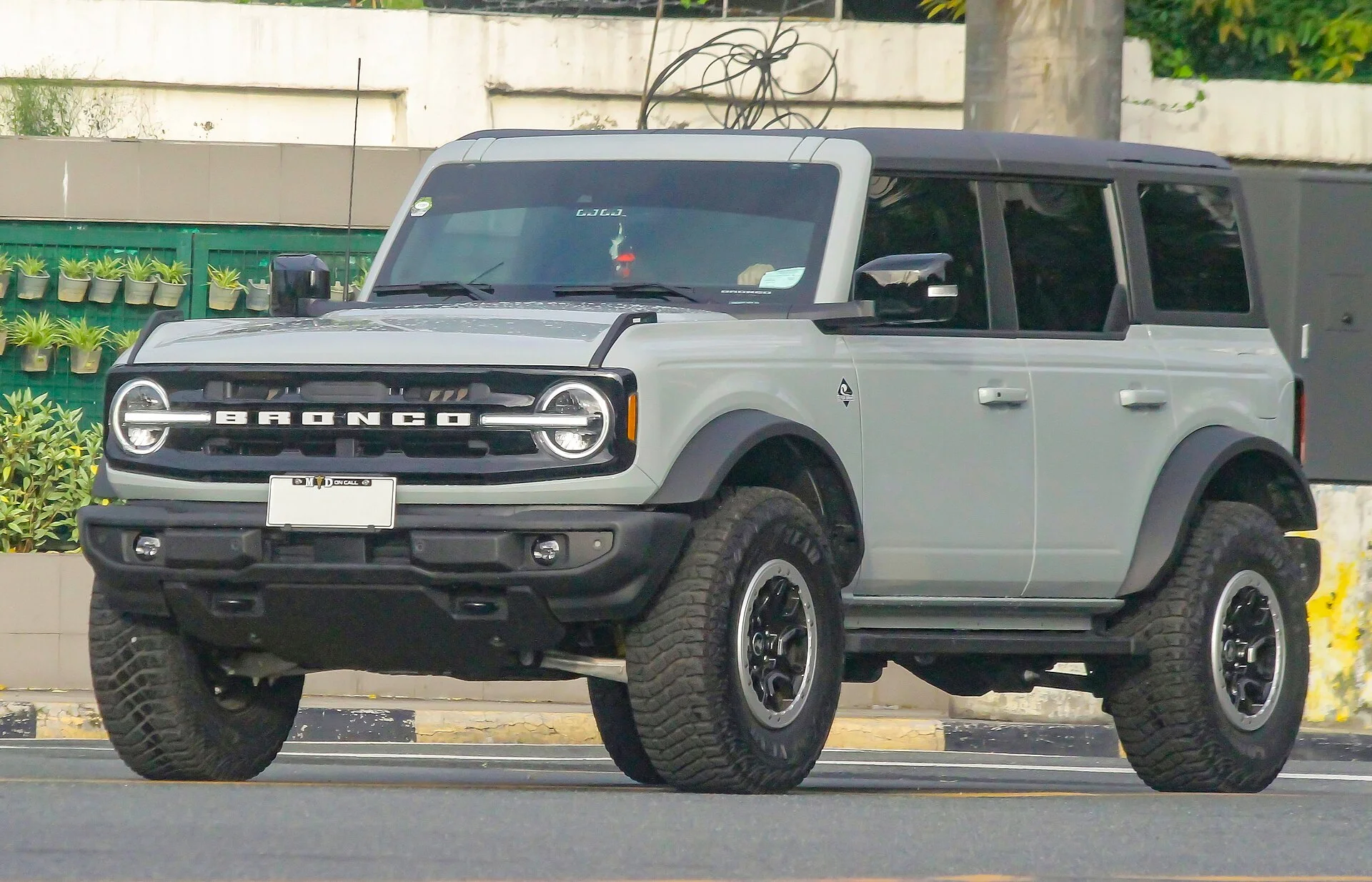
The Sasquatch Package Is the Whole Conversation
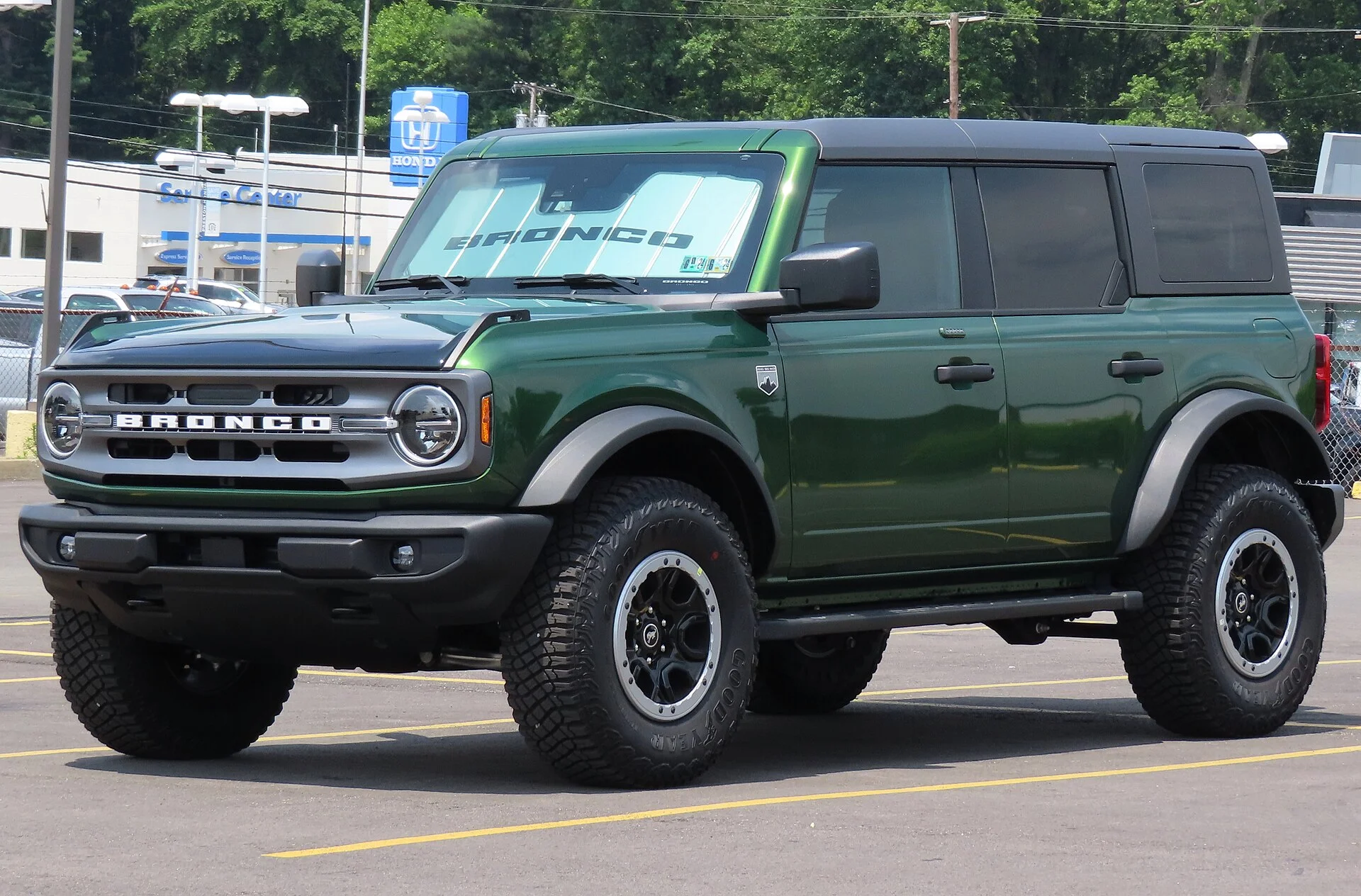
If you are cross-shopping a Ford Bronco for off-road ground clearance, one option package dominates the decision, and it is worth reasoning about like a system rather than a checkbox. The Sasquatch package is what turns a full-size Bronco into a serious clearance machine, and understanding exactly what it changes — and what it costs everywhere else — is the difference between buying capability you need and paying for a badge.
I reason about this stuff the way an engineer reasons about a build: every spec is a trade, and the honest question is never "is more clearance better" but "what does more clearance cost, and do I actually use it?" Every number in this guide is a published Ford figure, and every recommendation comes from that trade-off logic, not from a fabricated test drive.
The headline is that the full-size Bronco with Sasquatch clears 11.6 inches and pairs it with genuinely aggressive angles, while a decision people make by accident — buying the smaller Bronco Sport instead — lands them at 8.7 inches and a very different capability. Those are two different animals sharing a name.
This is the budget-and-trade-offs tour of Bronco ground clearance: what the full-size Sasquatch actually delivers, how it differs from the Sport people confuse it with, what the 35-inch tires and lockers buy, and the honest question of whether you need any of it. Reason through it and you will buy the right Bronco instead of the loudest one.
Bronco vs Bronco Sport: Two Different Animals
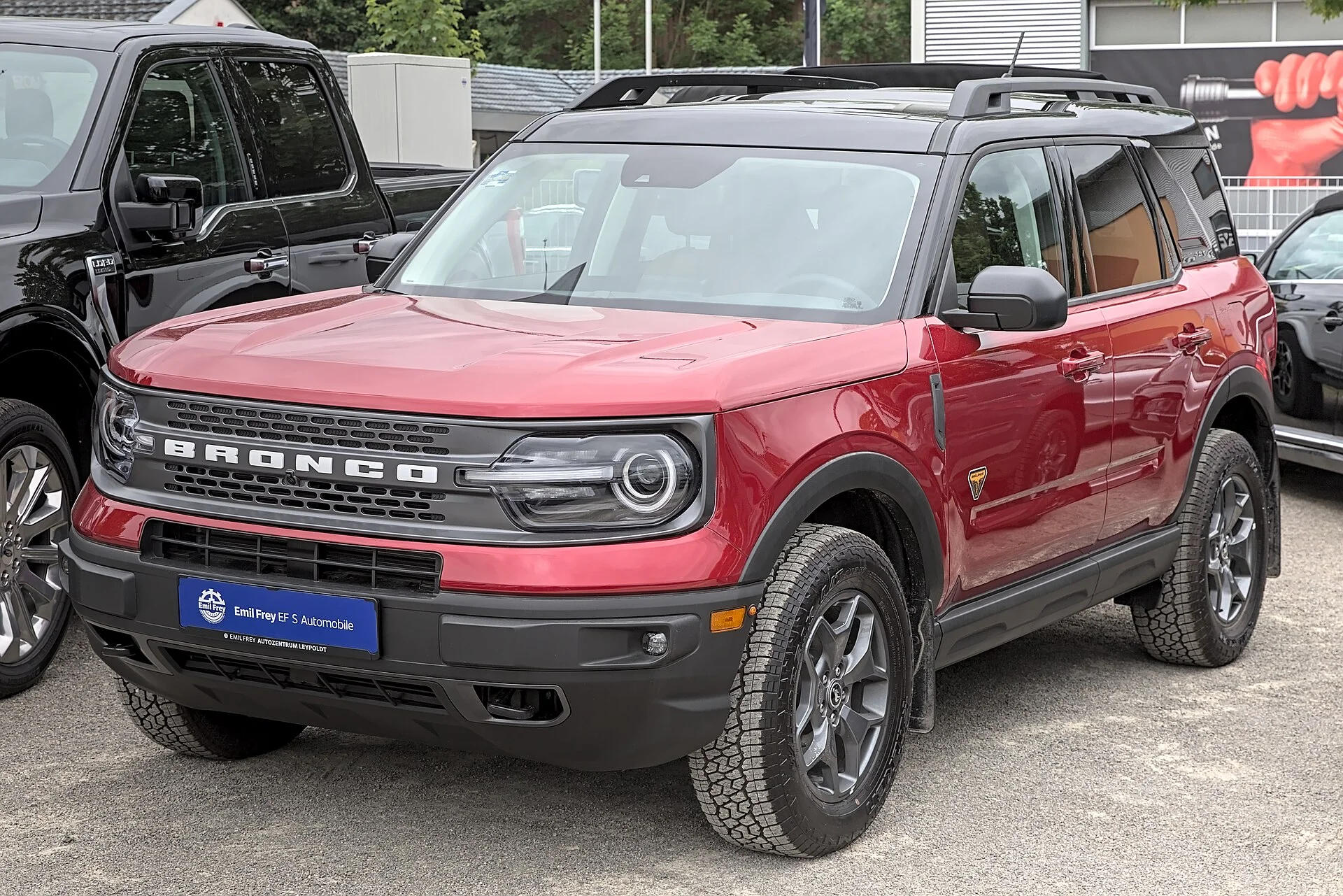
The first and most expensive mistake is treating the Bronco and the Bronco Sport as one vehicle. They are not. The full-size Bronco is a body-on-frame off-road machine; the Bronco Sport is a smaller unibody crossover with off-road pretensions, and their clearance numbers are a chasm apart.
The full-size Bronco Sasquatch sits at 11.6 inches of ground clearance. The Bronco Sport Sasquatch — same word, different truck — sits at 8.7 inches. That is not a trim difference; it is nearly three inches of belly height, the gap between a genuine rock-capable rig and a capable-ish trail crossover. People buy the Sport expecting the Bronco and are quietly disappointed on their first real obstacle.
The angles tell the same story. The full-size Sasquatch's 37.2-degree approach and 37.2-degree departure tower over the Sport Sasquatch's 31.2-degree approach and 27.9-degree departure, and the breakover splits 29.0 degrees against the Sport's 21.7 degrees. Every geometry number favors the full-size truck, and by a lot.
The engineer's point is to match the vehicle to the job before you even get to packages. If you need real clearance, the full-size Bronco is the starting line and the Sport is not in the race. If your "off-road" is snow, gravel, and easy forest roads, the Sport's 8.7 inches is honestly fine — and cheaper. Just know which animal you are buying.
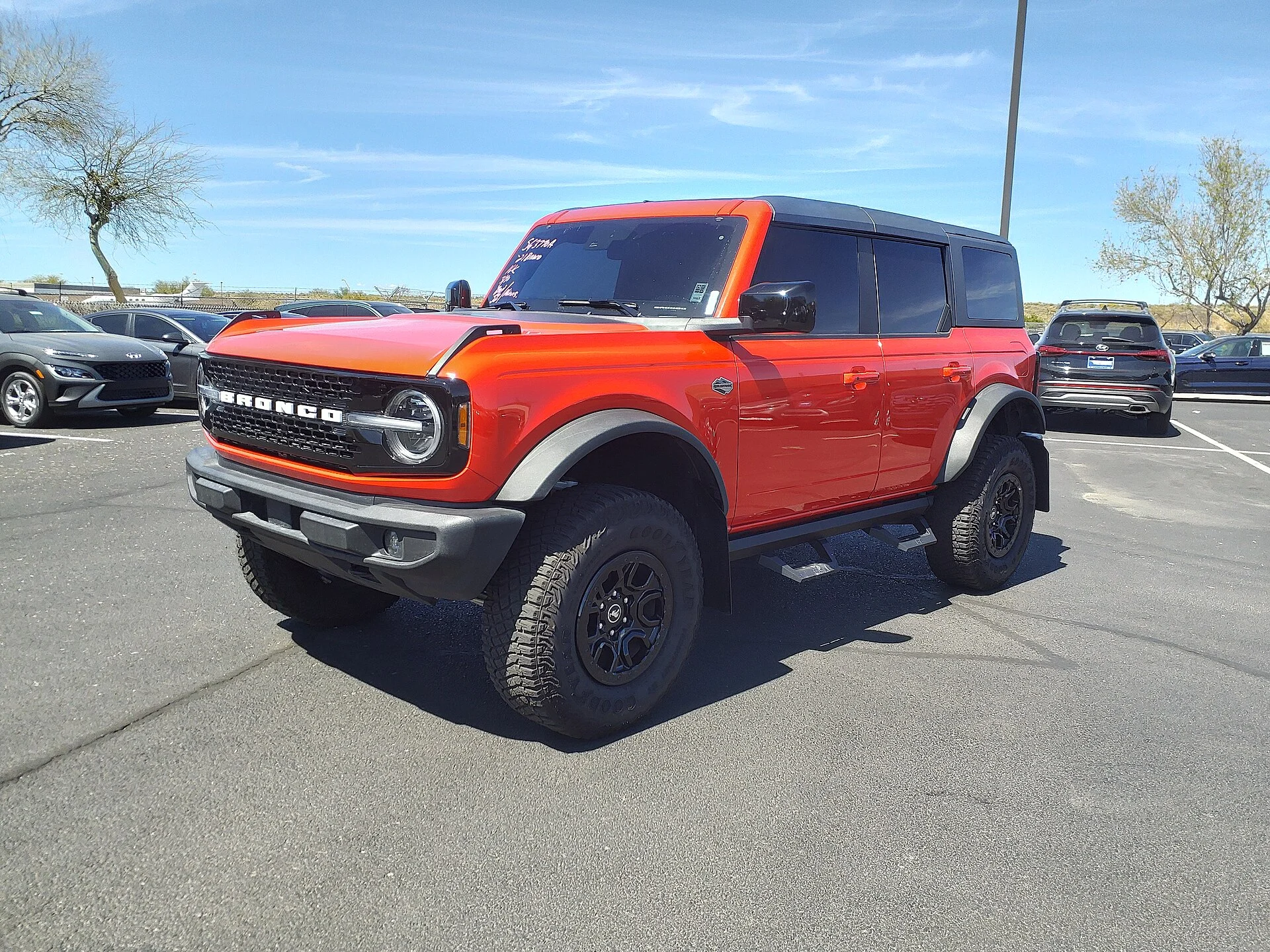
The Full-Size Bronco Sasquatch: 11.6 Inches
Start with the number that anchors everything: the full-size Bronco Sasquatch's 11.6 inches of ground clearance. That is a genuinely high belly, the kind that lets the truck straddle rocks, logs, and deep ruts that would beach a normal SUV, and it puts the Bronco squarely in serious off-road company.
What gets you to 11.6 inches is the whole Sasquatch system working together: the 35-inch tires raise the axles and the frame, and the upgraded suspension is built to carry that height with the articulation to use it. Clearance from big tires alone is fragile; clearance from tires plus matched suspension is usable, and that distinction is the point of the package.
In practice, 11.6 inches is enough for most of what a determined driver will point a Bronco at: rock gardens, washed-out trails, deep ruts, and the high-crowned two-tracks that catch lower vehicles. It is not an infinite number, but it is well past the threshold where clearance stops being the thing that limits you.
The trade to name honestly is that 11.6 inches of clearance and 35-inch tires raise the center of gravity and change how the truck feels on pavement. A tall, knobby-tired Bronco is not a sports car, and the same hardware that conquers a trail makes the daily drive taller, louder, and thirstier. That is the cost side of the clearance ledger.
Approach and Departure: 37.2 Degrees at Both Ends
Here is a detail the spec sheet quietly rewards: the full-size Bronco Sasquatch has a 37.2-degree approach angle and a 37.2-degree departure angle — the same number front and rear. That symmetry is not an accident; it reflects a truck with balanced, tucked-up overhangs at both ends, and it means the Bronco is as confident leaving an obstacle as entering it.
Approach angle governs climbing into an obstacle nose-first, and 37.2 degrees lets the Bronco drive up steep ledges and abrupt trail entries without the front bumper catching. It is an aggressive figure that keeps momentum on your side at the base of a climb, where a shallower nose would stop you cold.
Departure angle governs the exit, and matching 37.2 degrees at the rear means the tail clears drop-offs and ditch exits that would drag a longer-overhang vehicle. Many off-road rigs are strong at the nose and weaker at the tail; the Bronco's balanced 37.2-degree figures mean you do not have to think about the back half of an obstacle differently from the front.
For a driver, that balance simplifies trail reading. You can commit to an obstacle knowing the exit geometry mirrors the entry, which is one less variable to manage when the trail gets technical. It is a small design detail with a real ergonomic payoff, and it is the kind of thing you only appreciate after a day of driving over things. Balanced geometry is also more forgiving of driver error: a truck that is strong at one end and weak at the other punishes you for lining up an obstacle wrong, while symmetric angles give you margin whichever way you approach.
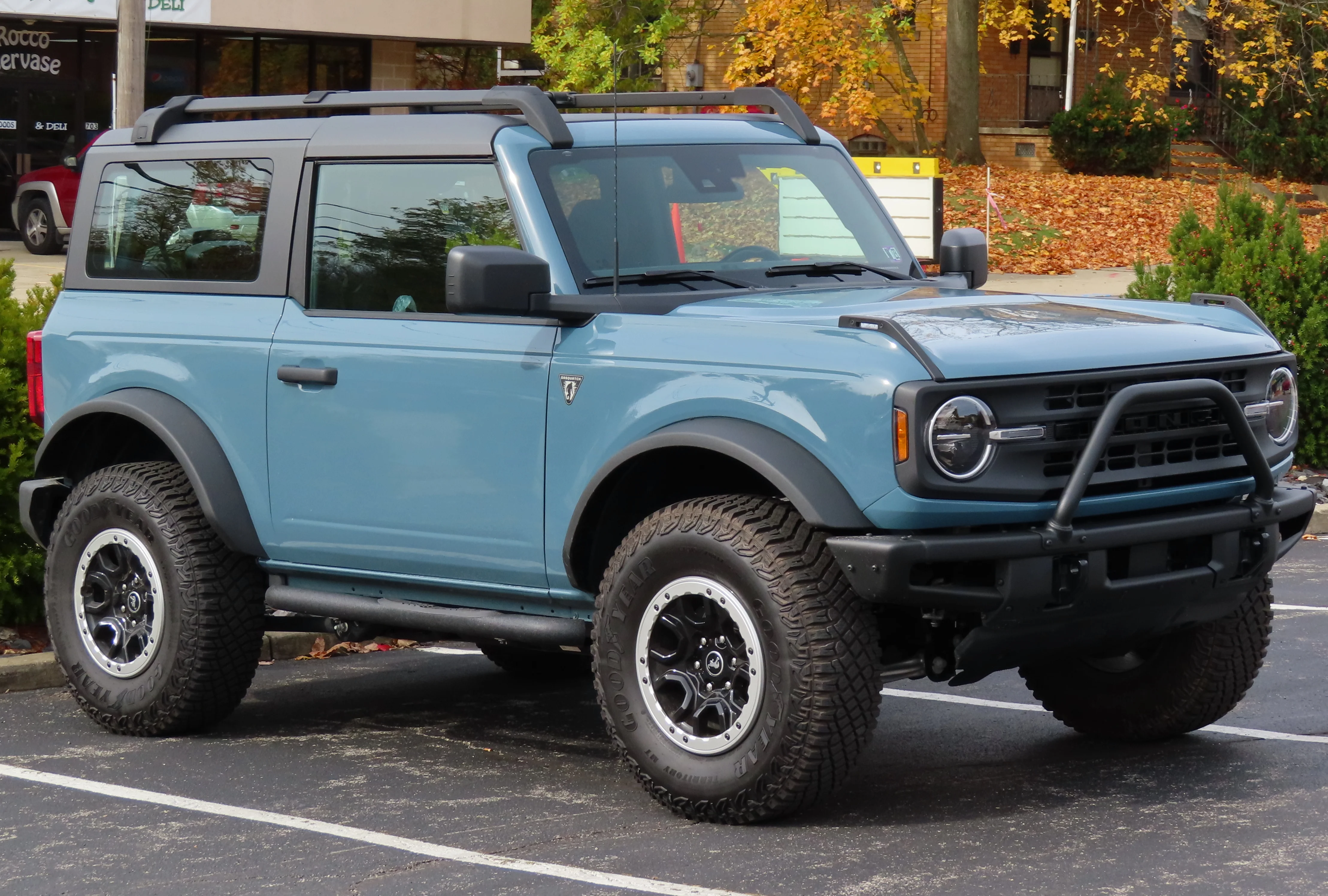
Breakover: 29 Degrees and the Short-Wheelbase Advantage
Breakover angle is where the full-size Bronco flexes an advantage a longer truck cannot match. Its 29.0-degree breakover is strong, and it comes largely from the Bronco's relatively short wheelbase and the height of those 35-inch tires. Where a long-wheelbase pickup lowers its belly over a crest, the Bronco crests and rolls over.
This is the number that governs high-centering — the failure where a truck's midsection hangs up on a ridge with the wheels clawing air. A 29.0-degree breakover means the Bronco can crest sharper ridges, crowned trails, and ditch crossings before its belly makes contact, and on technical terrain that is often the difference-maker, not raw clearance.
Compare it to the Bronco Sport's 21.7-degree breakover and the gap is stark. The Sport's longer effective belly and smaller tires mean it high-centers on crests the full-size truck strolls over, which is exactly the kind of real-world limit that does not show up in a clearance-only comparison. Breakover is where the two Broncos diverge most on a trail.
The engineer's read is that the Bronco's geometry is coherent: strong clearance, balanced approach and departure, and a breakover that matches. Nothing in the package is a weak link that undermines the rest, which is what you want in an off-road platform — capability that does not have an embarrassing gap the trail will find.
Water Fording: 33.5 Inches
The full-size Bronco Sasquatch fords up to 33.5 inches of water, and that is a strong number that opens up crossings many vehicles have to turn back from. As with any fording figure, it is an engineered ceiling based on where the intake and critical electronics sit, not a dare to charge into every river you find.
What 33.5 inches buys is the confidence to cross streams and flooded sections that are genuinely within the truck's design, which on a remote trail can be the difference between continuing and a long detour. The Sasquatch's raised components and sealing are part of what earns that number, and it is a real capability, not a marketing flourish.
The discipline is the same for every vehicle with a fording rating. Walk or wade the crossing first, read the depth against the 33.5-inch limit with margin, check the bottom for holes and rocks, and account for current, which pushes the truck sideways beyond what depth alone suggests. Cross slow and steady, make a small bow wave, and never stop midstream.
Exceed 33.5 inches and you risk water where the engine breathes, which is a catastrophic and self-inflicted failure. Respect the number and it is one of the Sasquatch's genuinely useful capabilities; treat it casually and it is the fastest way to turn an expensive truck into an insurance claim a long way from help.
What the 35s and Lockers Actually Buy
The Sasquatch package is more than clearance, and reasoning about it as a system is the only way to judge whether it is worth the money. Beyond the 35-inch tires, it adds front and rear locking differentials and upgraded suspension, and each piece solves a different off-road failure mode.
The 35-inch tires do double duty: they raise the truck to that 11.6-inch clearance and improve every angle, and their larger contact patch and sidewall bite better and absorb impacts on rough terrain. They are the single most visible reason the full-size Sasquatch's geometry beats everything below it in the lineup.
The front and rear locking differentials are the traction insurance. When an obstacle lifts a wheel off the ground, an open differential sends power to the wheel with no grip and you stop; a locker forces both wheels on an axle to turn together, so the wheel still on the ground keeps pulling. On real rock and off-camber climbs, lockers are what clearance alone cannot provide.
The engineer's summary is that Sasquatch is a coherent package where the parts reinforce each other — clearance, tires, and traction all upgraded together. That is why it works, and also why it is expensive: you are not buying one upgrade, you are buying a matched system. A cheap off-road tire deflator kit is the low-cost add-on that lets those 35-inch tires do even more, by airing down for grip on rock and sand.
Do You Actually Need the Sasquatch?
Now the honest budget question, because the Sasquatch is not cheap and not everyone needs it. The package earns its price if you genuinely drive rock, deep ruts, water crossings, and technical trails where 11.6 inches, 35-inch tires, and lockers are the tools the terrain demands. For that buyer, it is money well spent and the base truck would leave you wanting.
But a large share of Bronco buyers drive gravel roads, snow, easy forest two-tracks, and the occasional mild trail, and for that reality a non-Sasquatch full-size Bronco is already highly capable. Buying the big package for that use is paying for clearance and lockers you will rarely engage, plus the daily-driver penalties of tall tires: more noise, worse fuel economy, and a taller step-in.
The trade-off logic is to be honest about your terrain frequency, not your aspirations. Capability you use a few times a year may still be worth it for the trips that matter, but capability you never use is just cost and compromise. Only you know which camp you are in, and the dealer has every incentive to assume you are in the first.
My default advice for the undecided is to under-buy and upgrade if you outgrow it, rather than over-buy on the theory that you might need it. Tires and even lockers can be added later; the money saved buys a lot of actual trips. But if you already know your trails demand it, buy the Sasquatch once and stop compromising.
The Verdict: Match the Package to the Trail
The full-size Ford Bronco Sasquatch is a genuinely capable off-road machine, and its numbers are coherent: 11.6 inches of ground clearance, balanced 37.2-degree approach and departure angles, a strong 29.0-degree breakover, and 33.5 inches of water fording, all backed by 35-inch tires and front and rear lockers. Nothing in that spread is a weak link.
The first decision, before packages, is full-size versus Sport, because the Bronco Sport's 8.7 inches is a different capability entirely. If you need real clearance, start with the full-size truck; the Sport is the right call only if your off-road is genuinely mild. Confusing the two is the most expensive Bronco mistake.
The second decision is whether you need Sasquatch, and that is a trade-off, not a default. Match the package to how often you actually drive terrain that demands it. For real trail use it is worth every dollar; for gravel and snow, a lighter Bronco saves money and drives better every day you are not on a trail.
Reason about it as a system, be honest about your terrain, and buy the Bronco that fits your trips rather than the one that fits your self-image. Do that and whichever Bronco you choose will earn its keep — the Sasquatch conquering rock you actually drive, or the lighter truck doing the everyday miles without the tax of capability you would never spend. Either can be the right answer; only honesty tells you which. The worst outcome is not buying too little truck or too much — it is buying on impulse and never asking the question at all, then discovering the mismatch on the trail or at the fuel pump. Ask it first, and the Bronco lineup has an honest answer waiting for almost anyone.