
Car Maintenance

Why Your Car AC Smells Like Wet Socks After 5 Minutes (2026 Complete Guide)

Jake - The Dirtbag Engineer
11 min read
Prices verified March 2026
Includes Video

Your AC smells like wet socks because mold's growing. The evaporator core sweats constantly, creating an anaerobic environment where bacteria thrive. A clogged drain causes standing water and that foul hydrogen sulfide stench. Dealerships will charge you a fortune for a can of disinfectant; it's a scam.

Your AC smells like wet socks because mold's growing. The evaporator core sweats constantly, creating an anaerobic environment where bacteria thrive. A clogged drain causes standing water and that foul hydrogen sulfide stench. Dealerships will charge you a fortune for a can of disinfectant; it's a scam. This unpleasant odor, often described asvinegar or sweaty gym clothes, is a telltale sign of microbial growth within your car's HVAC systemdue to mold and bacteria.

Car AC wet sock smell infographic specs comparison.
Key specifications for Why your car AC smells like wet socks after 5 minutes

The Short Answer

That wet sock smell coming from your car AC is almost certainly microbial funk growing on the evaporator core. The system runs at a sweet spot of 35 degrees Fahrenheit, which is prime real estate for condensation. If that water doesn't drain out properly, it becomes a petri dish for mold and bacteria.

Your AC isn't just cooling air; it's actively dehumidifying it. As air passes over the cold evaporator coils, moisture condenses out and is supposed to drain away. This process, happening in a dark, enclosed plastic box, creates the ideal environment for organisms to thrive. It's like a miniature swamp inside your dashboard. If the drain tube gets clogged with leaves or debris, that water just sits there, festering. This creates the perfect conditions for bacteria to go anaerobic, which is when they start pumping out those noxious volatile organic compounds (VOCs) that smell like a gym bag left in the trunk for a week.

The actual "smell" is the byproduct of this biological activity. The outgassing from a colony of microscopic squatters. Certain types of bacteria and mold produce sulfur compounds, which are responsible for that distinctive vinegar or sweaty sock odoras noted by Firestone Complete Auto Care. The longer the water sits, the more concentrated the smell gets. It's not a design flaw, it's a physics problem exacerbated by poor drainage and organic buildup. This is why sometimes the smell is worse on startup before the system has had a chance to push some of the stagnant air out.

The critical insight here is the drain tube. If it's not clear, water pools. A clogged drain tube is the primary culprit for this recurring funk, turning your climate control into a biohazard zone. While you might hear about refrigerant leaks or even a dead rodent, those are rare. The overwhelming majority of the time, it's just a simple case of mold and mildew having a party on your evaporator core because the water isn't getting out fast enough.
Understanding the underlying issues can help, so explore the common reasons why your car AC smells bad.
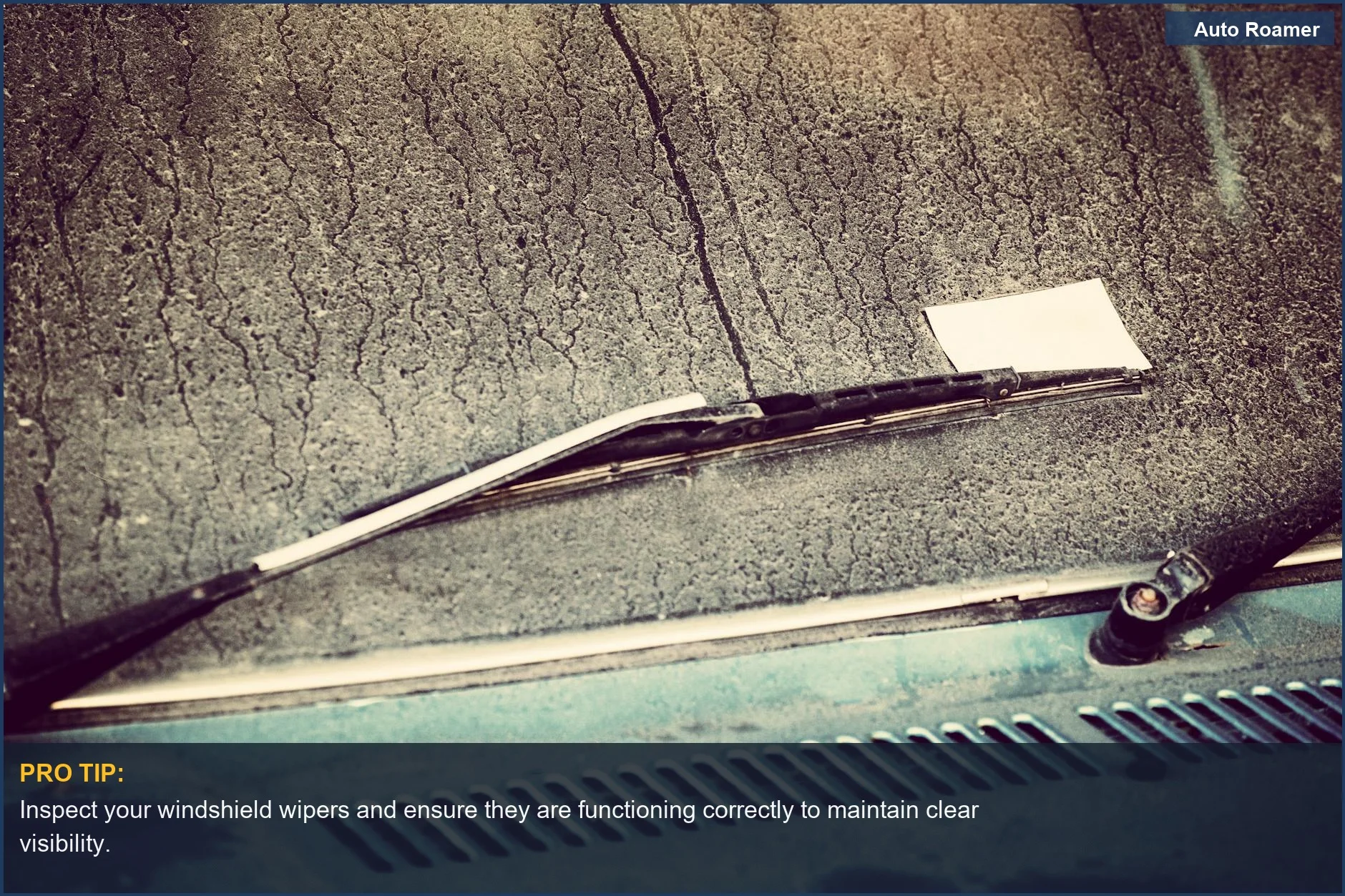
Inspect your windshield wipers and ensure they are functioning correctly to maintain clear visibility.
A dusty windshield hints at neglected maintenance. If your car AC smells like wet socks, it's time to tackle that musty AC odor head-on. | Photo by NEOSiAM 2024+

The Reality Check

1
Evaporator Core Microbial Growth — This is where the magic happens, or rather, where the mold festers. The evaporator coil drops the air temperature by pulling moisture out, running at around 35F. Any condensation not immediately wicked away by the drain tube can sit, creating a perfect petri dish for bacteria and mold. This is the primary source of thatmusty, sour smell.
2
Drain Tube Blockage/Leakage — Theevaporator drain Is supposed to let out about half a liter of water per hour on a humid day. If it clogs with leaves, dirt, or even just general gunk, that water backs up. For a 2015 Honda Civic, even a slight0.3mm of play In the drain tube connection can allow minor leaks into the cabin's HVAC housing, encouraging mold growth before it even hits the evaporator. Cheap plastic drain extensions have a notoriously highfailure-rate.
3
Cabin Air Filter Contamination — This paper filter is supposed to catch debris before it gets into the HVAC system. When it's saturated with pollen, dust, and whatever else the road throws at it, it becomes a secondary breeding ground. A clogged filter also restricts airflow, meaning the system runs harder and moisture has more time to stagnate. For a 2017 Subaru Outback, this is a common oversight; replacing it is a$15 part, not the $150 the dealer will charge for "labor."
4
Blower Motor Housing Condensation — Even if the drain is clear and the filter is clean, the blower motor housing itself can retain moisture. When you shut off the engine, the residual heat can cause condensation to form on the housing's interior surfaces. If the system isn't designed to dry itself out, this moisture becomes a prime spot for microbial colonies to take hold and release thatvinegar or sweaty sock smell On startup.

Themusty smell From your car's AC isn't some mystical gremlin; it's physics. Specifically, it'smold and bacteria Thriving in a damp environment. The evaporator core, chilling air to below the dew point, creates condensation. This water is supposed to drain out under the car. When that drain gets blocked, or the housing itself retains moisture, you get stagnant water.

Bacteria and mold love stagnant water, breaking down organic matter and releasing those delightful volatile organic compounds (VOCs) that smell like a gym locker.

On a 2019 Ford F-150, if thatdrain tube Gets clogged with debris, the condensation has nowhere to go. This means the evaporator core sits in a perpetual puddle, and the subsequent microbial bloom is inevitable. Thefailure-rate Of those cheap, flimsy drain tube extensions is astronomical. You end up with a $500 dealer "clean" that's just a can of spray and a prayer, when a $3 can of Lysol into the intake would have done the job.
To understand the underlying causes of these odors, delve into the details of why your car AC smells.
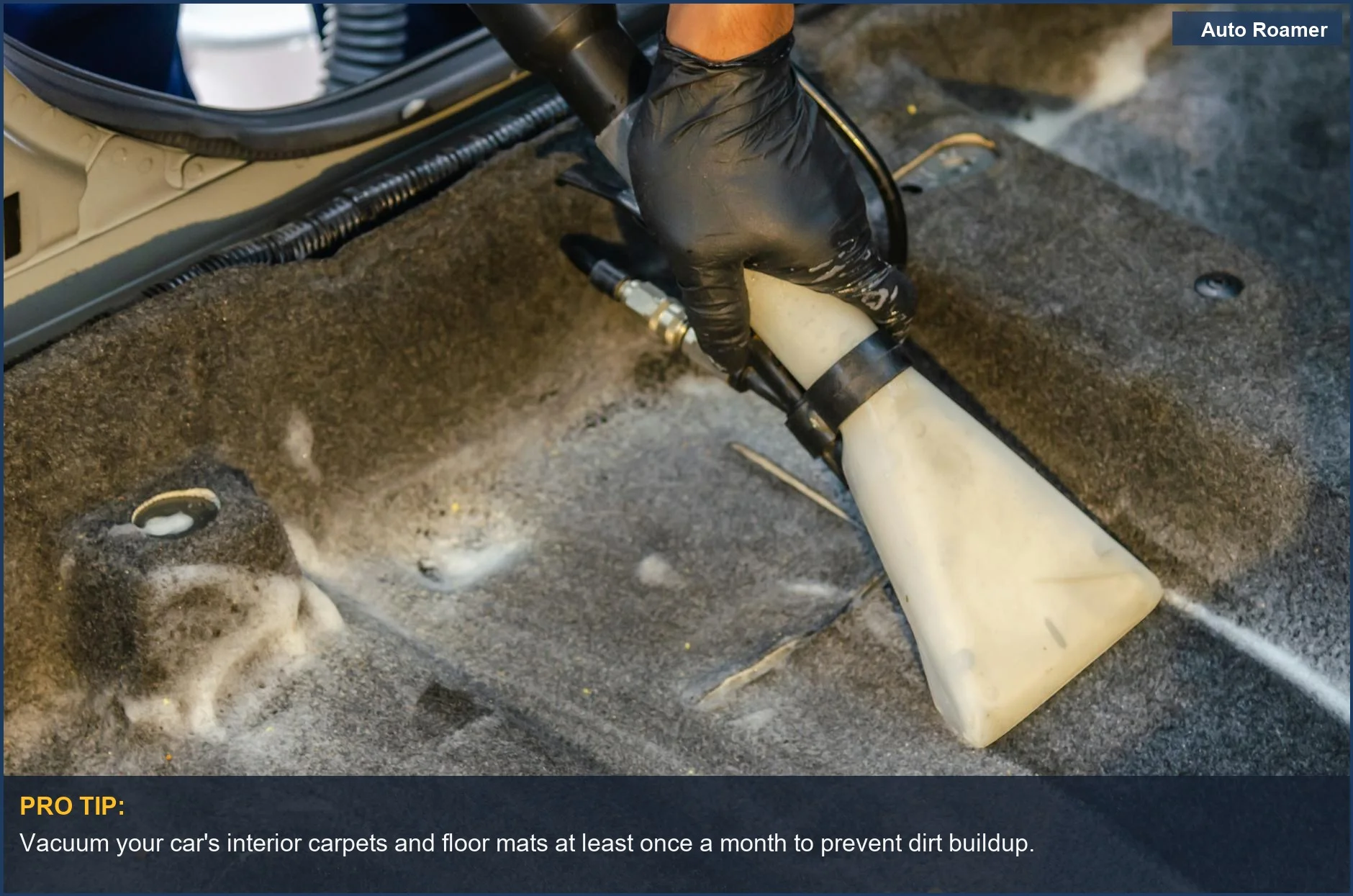
Vacuum your car's interior carpets and floor mats at least once a month to prevent dirt buildup.
Thoroughly cleaning car interior carpets helps prevent moisture buildup that can contribute to AC odor. Tackle the source of the smell. | Photo by Khunkorn Laowisit

How to Handle This

1
Spray the Evaporator Core — This is where the water condenses and collects. You're essentially trying to kill the mold and bacteria breeding there. Grab a can of Lysol Disinfecting Spray (costs about $3) or a dedicated AC cleaner like Klima-Cleaner Profrom this video And spray it directly into the fresh air intake. If you don't disinfect this area, the smell just keeps coming back. Some intakes are buried deep, requiring you to hunt for them.
2
Clear the Drain Tube — The AC system is designed to dump condensation outside the vehicle. If this drain tube gets clogged with leaves or gunk, water pools up in the evaporator housing. That stagnant water is prime real estate for microbial growthas this blog notes. A clogged drain means constant moisture and a recurring smell. The location of this tube varies wildly between models; some are easy to reach, others are a pain, and they can get brittle with age.
3
Replace the Cabin Air Filter — This filter is supposed to catch debris before it gets into your HVAC system. When it's loaded with gunk, it restricts airflow and can itself become a breeding ground for mold. A dirty filter means less air, less efficient cooling, and more lingering moisture. Some manufacturers hide these filters behind the glove box, requiring a few screws and some jimmying.
4
Run the Fan on High — After spraying disinfectant, crank the fan speed to maximum for a while. This helps dry out the system and circulate the cleaner. If you don't dry it out, residual moisture will just let the problem re-establish itself. This can be loud in a small cabin, but it's crucial for getting the system bone dry and preventing condensation buildup.

The smell you're getting, that "wet sock" funk, is usually just mold and bacteria thriving in the constant moisture of the AC evaporatorfrom AutoZone. The evaporator coil runs cold, below the dew point, so it sweats like a poorly insulated pipe. When that water doesn't drain properly, it sits there, and things start to grow. It's a chemical reaction, plain and simple. The thermal cycling just exacerbates the problem.

While addressing odors, it's also important to understand why your car smells weird after it rains.
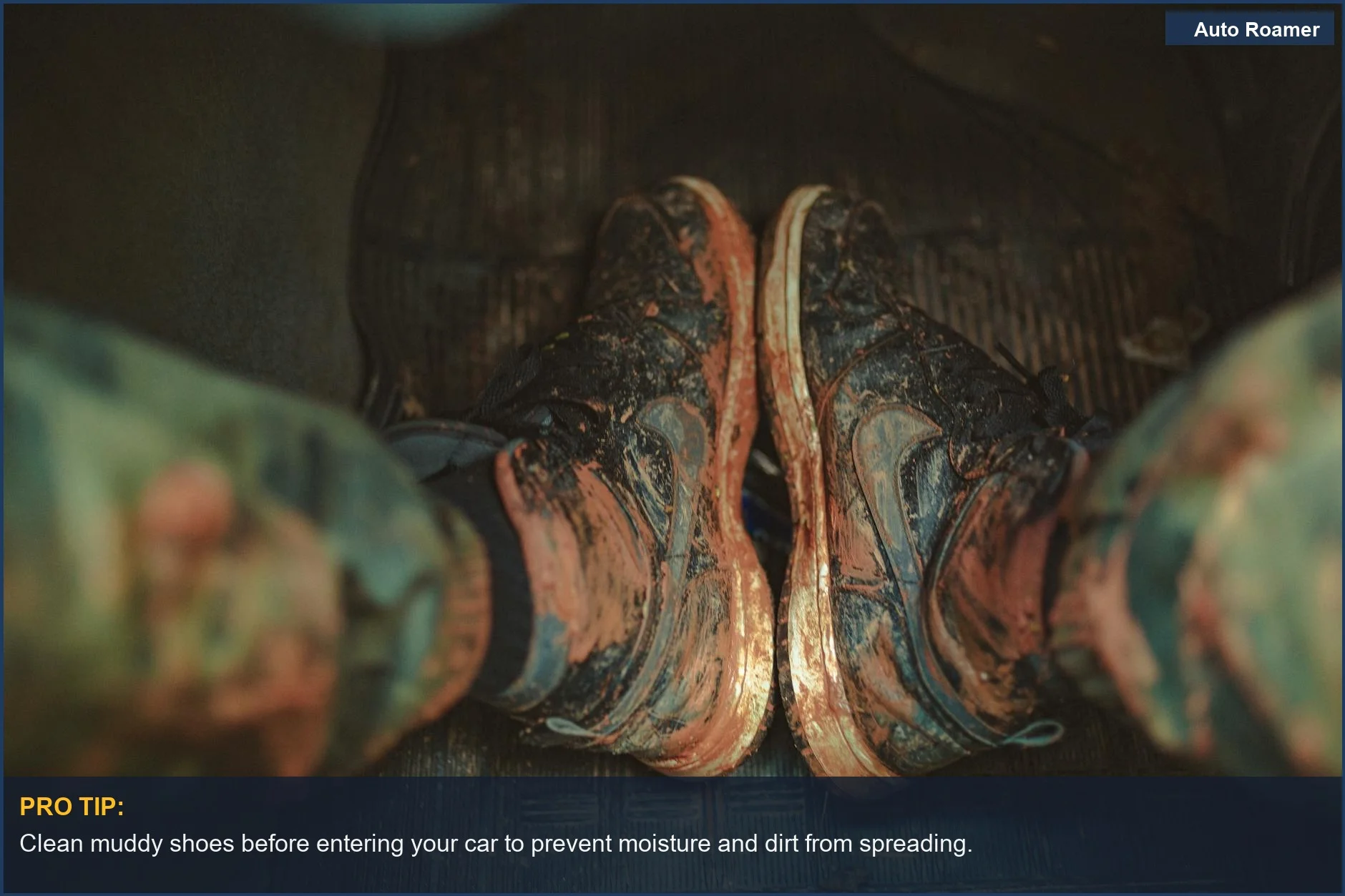
Clean muddy shoes before entering your car to prevent moisture and dirt from spreading.
Muddy sneakers can track moisture into your car, potentially exacerbating the conditions that cause a wet sock AC smell. Keep it clean! | Photo by Lucas Pezeta

What This Looks Like in Practice

  • Condensation Pool Party. Your AC system is designed to dehumidify the cabin air. This process happens on the evaporator core, which gets down to about 35F. Moisture condenses on it, just like a cold glass on a humid day. That water is supposed to drain out under the car. If the drain tube gets clogged with leaves or goo, that water sits there, creating a breeding ground for microbes. This stagnant water is the primary source of that wet sock smell.
  • Mold Farm on the Evaporator. When that water isn't draining properly, mold and bacteria have a field day on the evaporator fins. The air blowing through the vents picks up spores and volatile organic compounds released by these organisms. This is what causes that distinct musty or "dirty gym sock" odor. It's not just an unpleasant smell; it's microbial contamination circulating through your cabin.
  • Cabin Filter as a Biohazard Sponge. The cabin air filter is supposed to catch dust, pollen, and other debris. But if it gets saturated with moisture from a clogged drain or just general humidity, it becomes another surface for mold to grow. A dirty, damp filter can contribute significantly to the AC odor. Some systems, like the supposedly over-engineered BMW X5, have multiple filters that can trap moisture if not serviced.
  • Short Trips and Condensation Cycles. If you only take short trips, especially in humid weather, the AC system doesn't run long enough to fully dry out the evaporator core. This means moisture lingers, and the cycle of condensation and microbial growth starts anew each time you turn the system on. Some folks notice the smell only on startup, which is a classic sign of this residual moisture.
To eliminate that unpleasant odor, consider implementing tips from our article on removing musty smells from your AC.
Keep an umbrella handy in your car for unexpected rainy weather to stay dry.
Rainy days increase cabin humidity, a key factor in AC condensation. Learn why your car AC smells and how to fix it. | Photo by Marina Ryazantseva

Mistakes That Cost People

Mistake 1: Ignoring the Smell

Why people make it: Most folks crank up the radio or shove a pine tree air freshener onto the vent, thinking it'll just go away. It’s like ignoring a coolant leak because you can top it off. Short-sighted.

What actually happens: That smell is a biological signal. You’ve got mold and bacteria feasting on residual moisture and organic gunk all over your evaporator core.This microbial growth Turns the whole air handler into a petri dish. The longer you let it fester, the more spores get circulated, which isn't great for your respiratory tract – a low-grade thermal runaway for your lungs.

The fix: Attack the source. Don't mask it. Get a can of AC disinfectant spray – Lysol works fine,I’ve seen it done– and blast it into the fresh air intake with the fan on high. Do this for 10-15 minutes. It’s a direct chemical assault on the biofilm.

Mistake 2: Swapping the Cabin Filter Only

Why people make it: The cabin filter is visible, gets dirty, and is usually easy to access. People figure a dirty filter means dirty air, so a new filter equals clean air. It’s a tangible part you can replace with minimal tools.

What actually happens: The cabin filter is a symptom, not the root cause. It catches debris before it hits the evaporator, but that debris, combined with moisture, feeds the mold on the evaporator fins themselves.The evaporator core is where the magic (and the mold) happens. Simply replacing the filter doesn't touch the slime clinging to the wet metal surfaces. It’s like changing the air filter on a smoker’s lungs without telling them to quit.

The fix: Get to the evaporator. After replacing the cabin filter, use that AC disinfectant spray. Aim it into the ductwork where the cabin filter sits, or directly into the blower motor intake if you can access it. Let it soak, then run the fan to distribute.

Mistake 3: Running AC on Recirculate Constantly

Why people make it: It feels cooler and faster to recirculate already chilled air. Less load on the compressor, right? It’s about immediate comfort.

What actually happens: You’re trapping humid air inside the cabin.This moisture never gets a chance to dry out. The evaporator core condenses moisture, but without fresh, drier outside air to help flush it, that water sits there, becoming a breeding ground for mold. You’re creating a perfect, stagnant, humid microclimate.

The fix: Periodically switch to fresh air mode. Run the fan without the AC engaged for 10-15 minutes before you shut off the engine. This helps dry out the evaporator core and the ductwork.

Symptom Persistent musty or "wet sock" odor from vents on startup.
Signal Odor intensity increases with system runtime. Microbial colony size directly correlates to outgassing rate.
Fix Apply AC disinfectant spray into fresh air intake with HVAC fan on highest setting for 10-15 minutes.
To avoid unpleasant odors, it's essential to understand why your car smells terrible after long trips.
Car AC wet sock smell: pros/cons infographic.
Product comparison for Why your car AC smells like wet socks after 5 minutes

Key Takeaways

  • That> "wet sock" funk blowing out of your vents is just basic **thermal dynamics** and microbial growth, not some arcane dealership secret. Moisture condenses on the evaporator coil because it's running at temperatures below the dew point, creating a perfect petri dish if it doesn't drain properly. This isn't rocket science; it's just letting stagnant water fester.
  • The **evaporator core** operates at temperatures around 35F, sweating out roughly half a liter of condensation every hour.. If the drain tube's **tolerance** for debris is exceeded—often by a single leaf—that water sits, creating an anaerobic environment where bacteria thrive.
  • Forget the dealer's fancy chemical cocktails. A simple can of disinfectant spray, costing around $3, is often more effective than what they'll charge you hundreds for.. They're selling you a bottle of cleaner and a fat invoice.
  • Running the **blower fan on high** with the AC off for five minutes before you kill the engine helps dry out the evaporator core, preventing that moisture from becoming a breeding ground. It's a simple mechanical habit to break the cycle of humidity buildup.
  • The **profit margins** on this "fix" are obscene. Dealers might charge upwards of $180 for a service that essentially amounts to spraying Lysol into the intake. That's a **failure-rate** of customer trust, pure and simple.
If you're dealing with lingering odors, you might also want to explore why your car smells like a crime scene after a road trip with kids in our article smells after road trips.

Frequently Asked Questions

Why does my car AC smell like wet socks after only 5 minutes?
Your AC smells like a forgotten gym bag because you've got microbial colonies setting up shop on the evaporator core. This core operates below the dew point, around 35-40°F, causing condensation. If that condensate doesn't drain properly – usually due to a clogged drain tube or a bit of debris – it sits there, turning the dark, damp plastic box into a Petri dish. Bacteria and mold thrive in those conditions, and their metabolic byproducts are what you're smelling. Think of it as a tiny, un-engineered, anaerobic fermentation chamber. The fix is usually a $5 can of evaporator cleaner sprayed into the fresh air intake with the blower on high.
Is it just mold, or could something else be making my car AC smell so bad?
While mold is the usual suspect, especially for that wet sock stench, don't rule out other failure modes. If you're getting more of a sweet smell, that's probably a coolant leak – the ethylene glycol has a distinctive odor and can get sucked into the HVAC system. A burning smell? That could be an electrical short or a worn belt. But for the classic 'eau de laundry hamper,' it's almost certainly biological contamination on the evaporator core. The tolerance for moisture retention in that housing is practically zero.
Can I just spray Febreze in my car AC to fix the wet sock smell?
Spraying air freshener is like putting a shim on a cracked housing – it masks the symptom, it doesn't address the root cause. You're just layering a floral aroma over the anaerobic fermentation. The mold and bacteria are still there, feasting on condensed moisture and whatever organic detritus they can find. You need to kill the organisms. A dedicated AC cleaner or even Lysol sprayed into the fresh air intake will do the job by creating a hostile environment. Expect the cleaner to cost around $5, not the $15 for a can of 'Ocean Breeze.'
How often should I replace my car's cabin air filter to prevent this stink?
The cabin air filter is your first line of defense against debris, but it's not a magic bullet for the wet sock smell. If it's clogged, it can contribute to moisture buildup by restricting airflow. I'd check it every 15,000 miles, or sooner if you drive in dusty conditions. A severely degraded filter can have a tensile strength failure under high airflow, allowing contaminants through anyway. But even a clean filter won't stop condensation from forming on the evaporator core itself – that's a fundamental thermodynamic process.
Does running the AC on 'fresh air' instead of 'recirculate' actually help with the smell?
Running on fresh air is a good habit, especially when shutting down the system. It helps dry out the evaporator core, reducing the moisture that fuels the microbial growth. If you switch to fresh air for the last 5 minutes of your drive, you're essentially giving the system a chance to 'bake' itself dry. This reduces the standing water, which is the primary driver of that anaerobic environment where the stink originates. It’s a simple thermal management technique that improves component lifespan and reduces bacterial load.
Is the wet sock smell from my AC a sign of a major mechanical failure?
For the wet sock smell specifically, it's not usually a catastrophic failure mode in terms of critical components. It's more of a system hygiene issue. The drain tube might be clogged, or the evaporator housing might have a design flaw that doesn't promote adequate drainage. The real 'failure' is the integrity of the air quality, not the compressor's PSI rating. However, if left unchecked, the constant moisture and microbial activity could, over years, lead to corrosion on the evaporator fins, reducing heat transfer efficiency – a slow thermal degradation.

Sources

Related Articles