
Setting the Scene
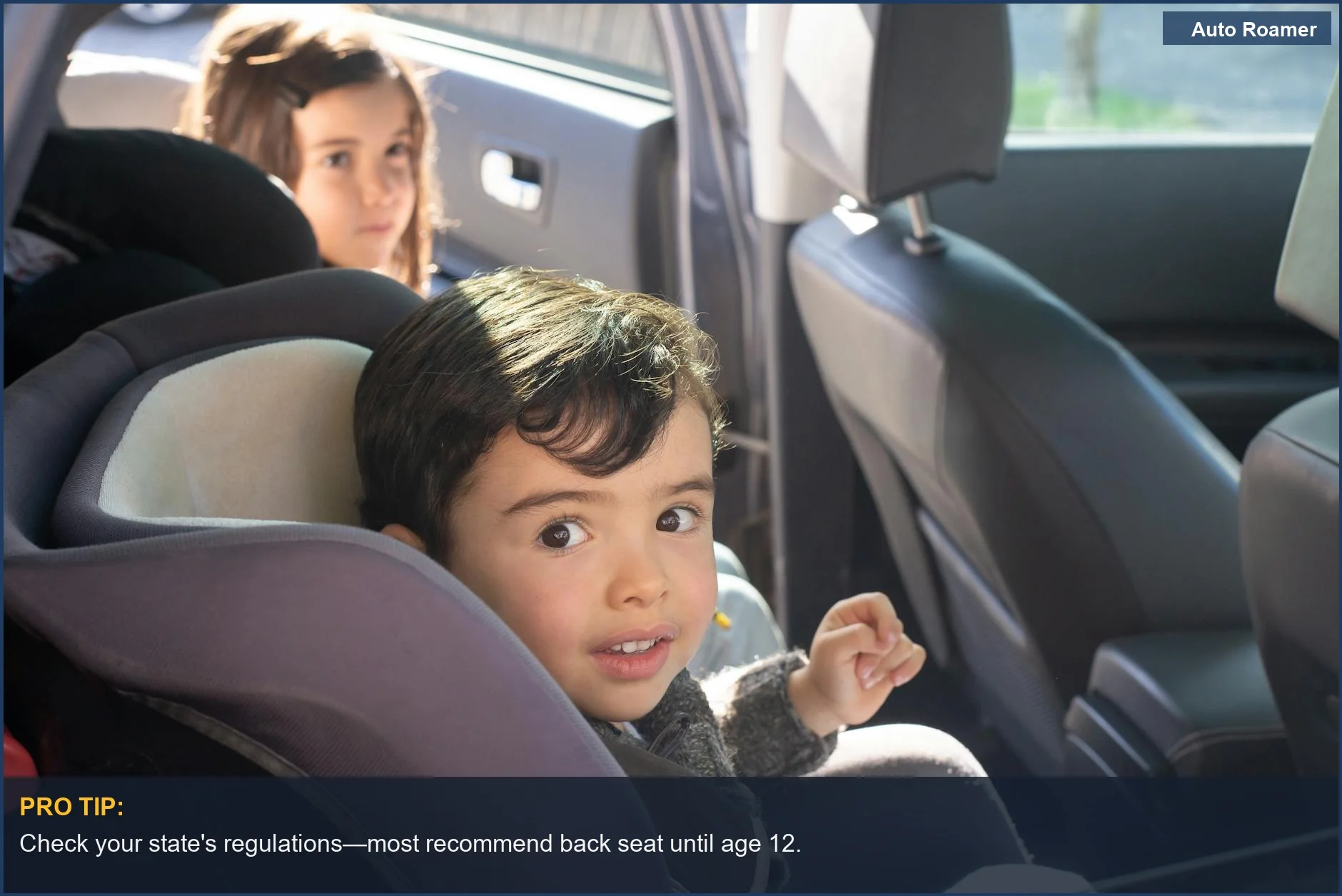
The question of when a child can sit in the front seat is one that many parents and guardians grapple with, and for good reason. Understanding the laws and safety recommendations can make a significant difference in ensuring the well-being of our children while traveling. Across the United States, regulations vary by state, and navigating these differences can be confusing. In general, the consensus among safety experts is that children should ideally remain in the back seat until they reach at least 13 years of age, but specific laws may dictate otherwise.
To help clarify, we will explore the front seat age requirements for children across different states. For instance, while California mandates that children under 8 must be secured in a car seat or booster seat in the back seat, children aged 8 and older can transition to the front seat if they meet the height requirement of at least 4'9" (California Highway Patrol). Other states may have similar or different regulations, emphasizing age, weight, and height criteria that must be met before a child can legally occupy the front passenger seat.
Understanding these laws is crucial not only for legal compliance but also for the safety of our children. The back seat is generally considered safer for younger passengers due to the positioning away from potential airbag deployment and the increased protection in the event of a collision. For example, the American Academy of Pediatrics recommends that all children under 13 ride in the back seat, aligning with their emphasis on minimizing risks associated with front seat travel (Safe in the Seat).
As we delve into the specifics of each state's regulations, we aim to provide you with a comprehensive guide that will empower you to make informed decisions regarding your child's safety. It is essential to understand not only the rules but also the rationale behind them, ensuring that every road trip is a safe one for our little ones.
The Short Answer: When Can A Child Sit In The Front Seat By State
The laws surrounding when a child can sit in the front seat vary significantly by state, and it's crucial for parents and guardians to be aware of these regulations. Generally speaking, most states recommend that children remain in the back seat until they are at least 12 years old, with some states legally requiring children to be 13 before sitting in the front. Additionally, children must meet specific height and weight requirements, often around 4'9" and 80 pounds, before transitioning to the front seat.
For example, in California, children must be secured in a car seat or booster seat until they are 8 years old, or if they surpass 4'9" in height. However, the consensus among safety experts is that children should remain in the back seat until they are at least 13 years old, regardless of height or weight, to ensure maximum safety in the event of a collision (The Barnes Firm, Healthline).
Moving to Texas, the law states that children under 8 years old must be in a child safety seat, and while they can ride in the front once they reach this age, it is recommended to keep them in the back seat until they are at least 12 years old for safety reasons (Safe Ride 4 Kids). Likewise, in Florida, children must be secured in the back seat until they are 13 years old, emphasizing that the front seat is not the safest place for younger children.
The bottom line is that, while specific laws may allow children as young as 8 or 9 to sit in the front seat, safety experts strongly advocate for waiting until at least 13 years old. This recommendation is based on studies indicating that children are significantly safer riding in the back seat until they reach this age, as they are less likely to be adequately protected by the vehicle's safety features, such as air bags, when seated in the front. As responsible caregivers, we recommend adhering to both state laws and expert guidelines to ensure the well-being of our children on the road.
What You Need to Know
When it comes to child safety in vehicles, understanding when a child can sit in the front seat is crucial, as laws and recommendations vary significantly by state. Each state has its own regulations, and while some have a clear minimum age, others consider height or weight as additional factors. We recommend being aware of these nuances to ensure your child's safety on the road.
In many states, including California, the law stipulates that children must remain in the back seat until they reach a certain age or height. For example, California mandates that children under the age of 8 be secured in a car seat or booster seat in the back seat. Once they turn 8 or reach a height of 4'9", they may transition to the front seat, provided they are buckled in correctly. However, safety experts, including those from the American Academy of Pediatrics, recommend waiting until a child is at least 13 years old to sit in the front seat. This recommendation is based on studies showing that children under 13 are at a higher risk of injury from airbag deployment and poor fit in seat belts, which are designed for adult body sizes (Healthline).
As we navigate through the country, states like Florida have similar laws, suggesting children should stay in the back seat until they turn 13, despite the legal age for front-seat riding being lower in some cases. We must consider not only the state laws but also the physical characteristics of the child. A child who is smaller for their age might not be adequately protected by the seat belt or the airbag system even if they meet the age requirement (Injury Lawyers).
Exceptions can arise depending on specific vehicle circumstances. For instance, if your vehicle does not have a back seat or all back seats are occupied by younger children, some states allow for a child to sit in the front seat regardless of age. However, we advise always checking local laws and guidelines before making these decisions.
Moreover, it's essential to understand that car safety isn't one-size-fits-all. We recommend assessing your child's readiness for the front seat based on both age and physical development. For example, if a child is 12 years old but is still below the recommended height or weight limits (generally around 4'9" and 80 lbs), it would be prudent to keep them in the back seat until they meet the safety criteria (Safe Ride 4 Kids).
In conclusion, the question of when a child can sit in the front seat is not merely about age; it encompasses a range of factors including height, weight, and specific vehicle situations. Staying informed and making decisions based on both legal requirements and expert recommendations will help ensure your child's safety on the road. Always err on the side of caution and remember that the back seat remains the safest spot for children under 13.
How to Handle This
When it comes to determining when a child can sit in the front seat, we recommend taking a methodical approach that combines legal requirements with expert safety guidelines. Here are practical steps to ensure your child transitions safely to the front seat:
- Understand the Legal Age and Height Requirements: Each state has its own laws regarding when a child can sit in the front seat. Generally, kids should remain in the back seat until at least age 8, but many experts advise waiting until they are 13 years old. For instance, in California, a child must be either 8 years old or 4'9" tall to sit in the front. In Florida, the recommendation is similar; children under 13 should stay in the back for optimal safety Source.
- Check Your Vehicle's Safety Features: Before allowing your child to sit in the front seat, ensure your vehicle's airbag system is suitable for them. If your car has front airbags, children under 13 should generally avoid the front seat, as airbags can be dangerous for smaller passengers. Some vehicles have an option to deactivate the passenger airbag when a child is seated in the front, which can be a helpful feature Source.
- Conduct a Fit Test: If your child meets the state requirements, it's essential to ensure they can sit safely. Have them sit in the front seat and adjust the seat so they can comfortably reach the seatbelt without slouching. The shoulder belt should lay across their chest, not their neck, and the lap belt should fit snugly across their thighs. If they cannot achieve this, they should remain in the back seat until they can Source.
- Practice Safe Buckling: Teach your child how to buckle their seatbelt correctly. They should be able to do this independently before sitting in the front seat. This is crucial for their safety and helps foster good habits.
- Monitor Their Growth: As children grow, their ability to sit safely in the front seat will change. Regularly check their height and weight against state laws and safety recommendations. Keep in mind that children who are smaller for their age may need to wait longer before moving to the front seat, even if they meet the age requirement.
- Stay Informed: Laws and recommendations can change. We suggest checking the latest guidelines from trusted sources like the National Highway Traffic Safety Administration (NHTSA) or your state's Department of Motor Vehicles (DMV) to ensure you have the most current information.
By following these steps, we can ensure that our children transition to the front seat safely, keeping their well-being a top priority. Safety is about more than just meeting legal requirements; it's about ensuring our children are as secure as possible in every situation.
Safety Considerations
When considering when a child can safely sit in the front seat, it is critical to take various safety considerations into account. The risks associated with children riding in the front seat are significant. Airbags, while designed to protect adults, can be hazardous for small children. In fact, most safety experts recommend that children should remain in the back seat until they are at least 13 years old to minimize the risk of injury in the event of a collision Healthline.
Health hazards also come into play when discussing the child front seat age. Children are more vulnerable to injury due to their smaller size and developing bodies. According to the National Safety Council, children under the age of 9 should use a child restraint system in the rear seat until they reach a height of 4 feet 9 inches and a weight of at least 80 pounds Safe in the Seat. This height and weight ensure that the vehicle's seatbelt fits properly, reducing the likelihood of injury during an accident.
Legal consequences are another factor that should not be overlooked. Each state has its own laws regarding the minimum age and requirements for a child to sit in the front seat. For instance, in California, children under the age of 8 must be secured in a car seat or booster seat in the back seat, while a child must be at least 13 years old to legally sit in the front seat The Barnes Firm. Failure to comply with these laws can result in fines and other legal repercussions.
When transitioning a child to the front seat, we recommend watching for specific signs. These include the child being tall enough to sit against the back of the seat, having their feet touch the floor, and the seatbelt fitting snugly across their chest and lap without being too loose or restrictive.
If you are uncertain about your child's readiness for the front seat, we encourage you to seek professional help. Local car seat inspection events or consultations with child passenger safety technicians can provide personalized advice. These professionals can assess your child's size, how well they fit in a booster or seatbelt, and whether your vehicle's safety features are optimal for their age and size California Highway Patrol. Prioritizing your child's safety during car rides is paramount, and adhering to these guidelines can help ensure their wellbeing on the road.
Common Mistakes to Avoid
When discussing the question of when a child can sit in the front seat, we often encounter several common mistakes and misconceptions that could potentially endanger child safety. One of the most prevalent misunderstandings is the belief that age alone determines when a child can transition to the front seat. While many states have set age limits-often around 12 or 13 years old-this does not take into account the critical factors of height and weight. For example, the National Safety Council recommends that children should ideally remain in the back seat until they are at least 9 years old and also meet the height requirement of 4 feet 9 inches and a minimum weight of 80 lbs.
Another common mistake is assuming that meeting the legal age requirement is sufficient for safety. In many states, children can legally sit in the front seat at the age of 12 or 13, but experts like the American Academy of Pediatrics strongly advise that all children under 13 years should ride in the back seat for optimal safety. This recommendation stems from the fact that airbag deployment can be dangerous for younger children, who are often not properly positioned to avoid injury during a crash.
A prevalent misconception is that booster seats or child restraints are unnecessary once a child reaches a certain age. However, we must remember that the transition from a booster seat to a regular seat belt is based on more than just age. We should ensure that the seat belt fits properly: the lap belt should lie low across the hips, not the stomach, and the shoulder belt should fit snugly across the shoulder, not the neck.
Lastly, many parents mistakenly believe that it's acceptable to place a rear-facing car seat in the front seat as long as the airbag is turned off. This can be extremely dangerous. According to the California Highway Patrol, rear-facing seats should never be placed in the front seat with an active airbag due to the risk of severe injury in the event of a collision.
In conclusion, we must navigate these common mistakes with care. Understanding that child front seat age guidelines are not just about reaching a specific number but also involve weight, height, and overall safety is crucial. By being informed and cautious, we can better protect our children while traveling.
Key Takeaways
Determining when a child can sit in the front seat varies significantly from state to state, but certain key guidelines can help us navigate these laws effectively. Generally, children under the age of 13 are strongly advised to remain in the back seat for safety reasons, with many safety experts recommending waiting until they are at least 13 years old to sit in the front seat. In some states, like California, the legal requirement states that children must be at least 13 years old or have reached a height of 4'9" to legally occupy the front passenger seat The Barnes Firm.
It's crucial to recognize that laws vary, and while some states may allow front seat occupancy at a younger age, safety should always be the priority. For instance, children under 8 in California must be secured in car seats or boosters in the back seat California Highway Patrol. We recommend checking your state's specific laws and adhering to best practices for child safety, including weight and height requirements.
In cases where you're unsure about the safety and legality of your child's seating arrangement, or if you have concerns about their comfort and security in a car seat or booster, we advise seeking professional input. Local safety technicians can provide guidance tailored to your child's size and your vehicle. Remember, investing in safety ensures peace of mind for every journey you embark on with your family.