

Setting the Scene
The infant is screaming, not from hunger or discomfort, but from the jarring sensation of the car seat shifting with every turn. You've just pulled away from the hospital, a mix of exhaustion and elation swirling inside you, but a nagging doubt creeps in. Is this car seat actually secure? You grip the base, and it wobbles more than an inch. This isn't just an inconvenience; it's a critical safety failure. Research indicates that a staggering 81% of car seats are installed incorrectly Instagram, and the most common installation errors include seats being installed too loosely, which was found in 43 percent of cases Washington Post.
This isn't about blame; it's about awareness. Many of these car seat installation mistakes are incredibly common, and they often go unnoticed until it's too late. From incorrect recline angles for newborns to the subtle but vital "inch test" that reveals a loose connection, understanding these pitfalls is paramount. The reality is, even with the most advanced car seat technology, a faulty installation renders it ineffective, potentially exposing your child to serious risk in the event of a collision UHHospitals. For newborns, an incorrect recline angle can be particularly dangerous, as it can lead to their head slumping forward, obstructing their airway. This is why ensuring the seat is at the proper angle, often indicated by a built-in level or markings on the seat itself, is crucial for their breathing. Furthermore, the "inch test" is a simple yet vital check; a properly installed car seat should not move more than one inch in any direction (side-to-side or front-to-back) when tested firmly at the belt path safeintheseat.com. This simple maneuver can quickly identify if the seat is too loose, a problem that affects a significant portion of car seats. Beyond looseness and recline, other frequent errors include twisted straps, incorrect harnessing, and using the wrong installation method (LATCH vs. seatbelt) for the vehicle and car seat combination. These seemingly minor oversights can have major consequences, turning a life-saving device into a potential hazard.
The Short Answer
The core problem with car seat installation is not knowing the simple, critical checks that ensure safety. Most parents miss fundamental installation steps, leading to significant risks.
The most common car seat installation mistakes boil down to a lack of understanding of two key tests: the inch test and the pinch test. It's estimated that 81% of car seats are installed incorrectly Instagram, a staggering figure that highlights how often parents are unknowingly compromising their child's safety. This isn't about having a high-end seat; it's about proper usage.
The inch test is paramount: after installation, you should not be able to move the car seat more than one inch in any direction 10 Common Car Seat Mistakes at the belt path. This applies whether you're using the LATCH system or the vehicle's seat belt. If it wiggles more than that, it's too loose. This is the single most frequent installation error, with 43 percent of common errors involving a seat installed too loosely Three mistakes grandparents make when it comes to a baby's car seat.
Equally vital is the pinch test for the harness straps. Once your child is buckled in, you should not be able to pinch any extra webbing between your fingers at their shoulder. If you can grab a fold, the harness is too loose. Beyond tightness, another major pitfall is the incorrect recline angle, especially for rear-facing seats. Newborns need a specific recline so their head stays supported, preventing airway obstruction Avoiding Common Car Seat Installation Mistakes. Approximately 36 percent of installation errors involve an incorrect seat angle Three mistakes grandparents make when it comes to a baby's car seat.
Parents often overlook the correct facing direction for their child's age and weight. While many states mandate rear-facing until age two, this is often a minimum, and children benefit from remaining rear-facing longer. The chest clip position is also frequently incorrect, needing to be level with the child's armpits to be effective 4 Common Car Seat Mistakes. These are not minor details; they are the difference between a seat that works and one that fails in a crash. Understanding and applying these simple checks can prevent common car seat safety mistakes.
What You Need to Know
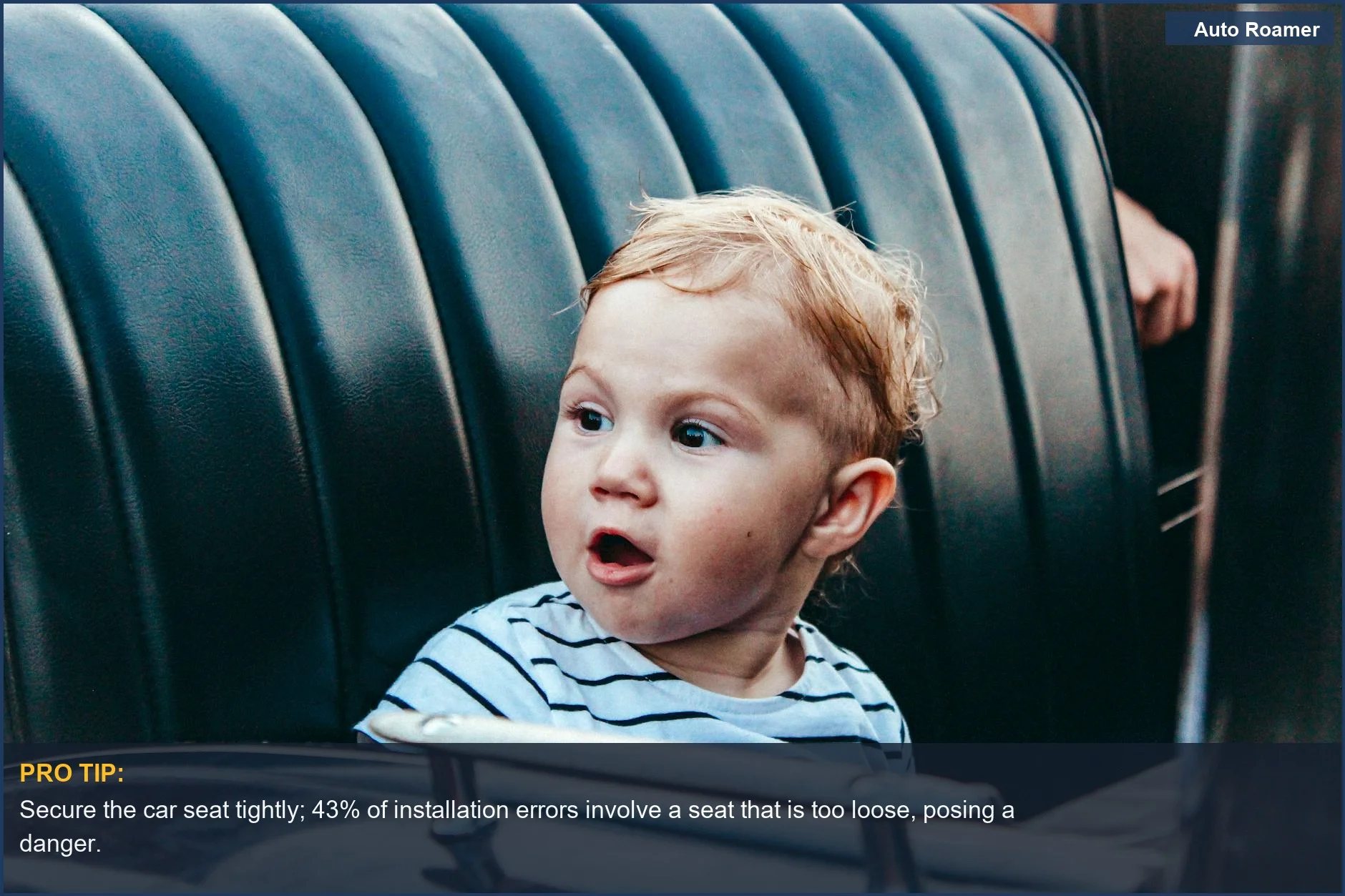
Loose Installation - This is the most common car seat installation mistake, with studies showing 43 percent of errors involve a seat that is too loose Safety and Health Magazine. A properly installed car seat should not move more than one inch in any direction (side-to-side or front-to-back) when tested at the belt path Children's Hospital of Philadelphia. This applies whether you're using the vehicle's seat belt or the LATCH system.
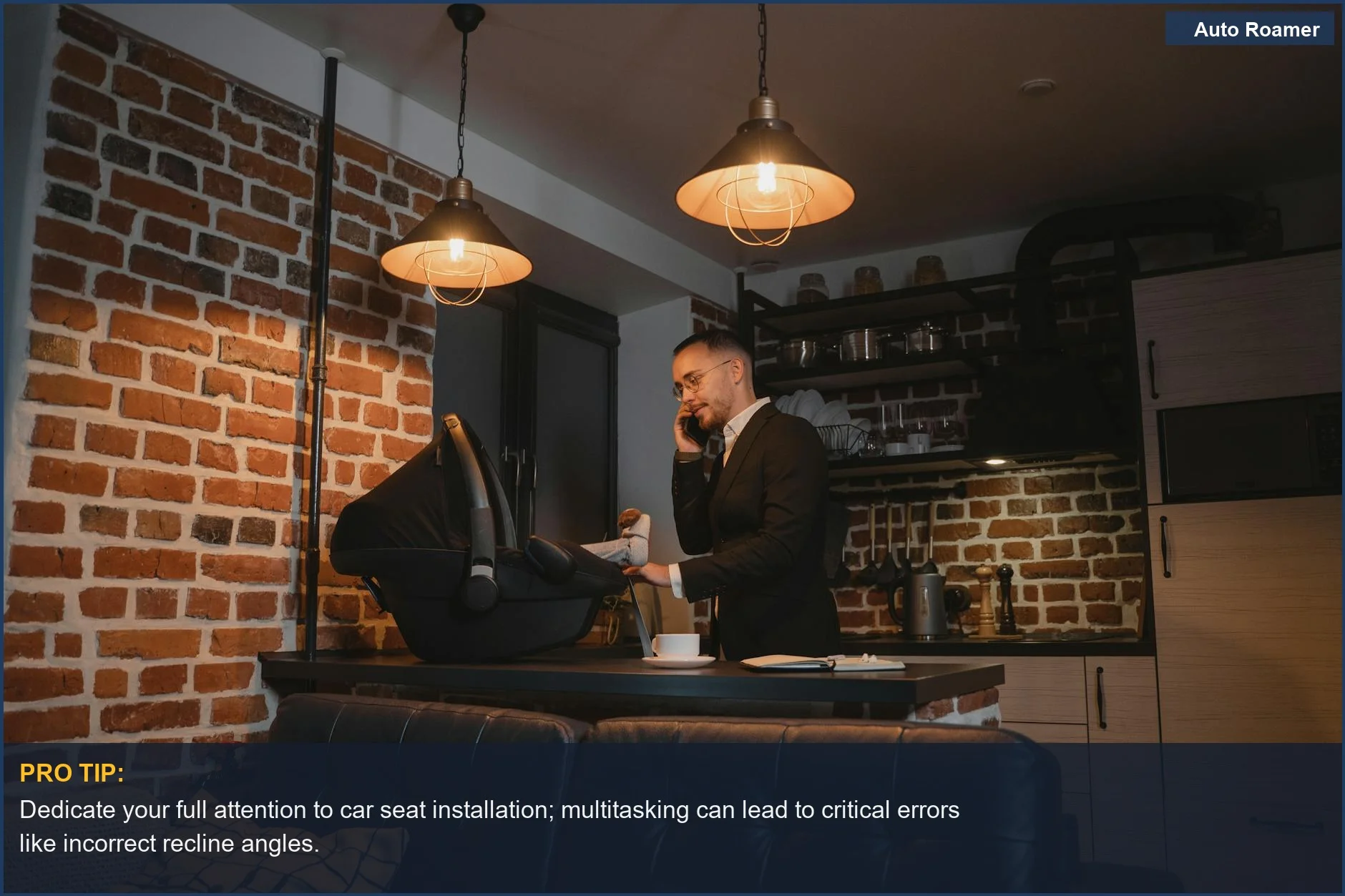
Incorrect Recline Angle - For rear-facing car seats, the recline angle is critical, especially for newborns. An incorrect angle can lead to the baby's head falling forward, obstructing their airway Babylist. Most car seats have a built-in level indicator to help achieve the correct angle. SUV and truck owners might find it trickier to get the right recline due to seat slope, so always consult your car seat manual.
Improper Harnessing and Chest Clip Placement - Even with a secure installation, the harness itself can be misused. The harness straps should lie flat against the child's body, and you shouldn't be able to pinch any slack in the webbing at the shoulder Chuck Hutton Toyota. The chest clip should be positioned at armpit level, across the child's chest. This ensures the straps are holding the child securely in the event of a crash.
Forward-Facing Too Early - Many parents transition their child to a forward-facing seat prematurely. While some state laws permit forward-facing at two years old, current recommendations emphasize keeping children rear-facing as long as possible, ideally until they reach the maximum height or weight limit for their rear-facing seat Safe in the Seat. This is especially important given that side-impact collisions cause a significant number of serious injuries and fatalities for children University Hospitals.
Ignoring Vehicle-Specific Differences - Car seat installation can vary significantly between vehicle types. The angle of car seats in SUVs and trucks may differ from sedans, impacting recline angles. Similarly, the location and accessibility of LATCH anchors and tether anchors will differ across models. Always consult both your car seat manual and your vehicle owner's manual for specific instructions. Ignoring these nuances contributes to car seat wrong installations.
Over-Bundling Children - While it seems intuitive to keep children warm, excessive layers of clothing can prevent the harness from being snug enough. If a child is wearing a bulky coat, remove it before buckling them in. You should be able to fit two fingers between the harness strap and the child's shoulder without being able to pinch extra webbing Safe in the Seat. This is a crucial step for proper car seat safety.
How to Handle This
What This Looks Like in Practice
- Winter Mountain Pass in a Subaru Outback: Loose LATCH and Incorrect Recline. A parent attempting to install a rear-facing infant seat in their Subaru Outback on a snowy mountain pass found the LATCH system was not sufficiently tightened, allowing over an inch of movement. This common car seat installation mistake leaves the seat vulnerable. Additionally, the recline angle was too upright for the newborn, posing a risk of airway obstruction.
- Summer Desert in a Honda Civic: Over-Tightened Harness and Improper Chest Clip. During a hot summer road trip in a Honda Civic, a parent discovered their forward-facing toddler's harness straps were too loose, easily passing the pinch test failure. This highlights a critical car seat safety mistake, as a secure harness is paramount. They also realized the chest clip was positioned too low, near the abdomen, instead of at armpit level, a frequent error impacting harness effectiveness.
- Rainy City Commute in a Minivan: Seat Belt Misuse and No Top Tether. Navigating a busy city during a downpour in a minivan, a parent installed a convertible car seat using the vehicle's seat belt but failed to lock the belt properly, resulting in a loose installation. Studies indicate that a significant percentage of car seats are installed too loosely, making them less effective in a crash. For forward-facing seats, they also neglected to connect the top tether, a crucial component for reducing forward head excursion (Source Name).
- Suburban Driveway in a Ford F-150: Wrong Seat for Child's Age/Size. In a suburban driveway, a parent mistakenly used a forward-facing seat for a child who was still too young and small, despite being over the age of two. This demonstrates a common car seat wrong installation scenario where the seat itself is not appropriate for the child's developmental stage or physical size, a mistake that can compromise safety (Source Name).
Mistakes That Cost People
Key Takeaways
- Most car seat installations are wrong, with studies showing as many as 81% of car seats are installed incorrectly 81% of car seats are installed incorrectly. Let that sink in ... - Instagram. This isn't about buying the most expensive seat; it's about proper usage.
- The most common car seat installation mistakes include seats installed too loosely (affecting 43 percent of installations), incorrect recline angles (36 percent), and improper use of safety belts Parents commonly make mistakes when installing car seats: study. A properly installed seat should not move more than one inch in any direction at the belt path 10 Common Car Seat Mistakes.
- Ensure your child is always rear-facing as long as possible and correctly measured for height markers 81% of car seats are installed incorrectly. Let that sink in ... - Instagram. Turning them forward-facing too early is a critical car seat safety mistake.
- Don't forget the top tether for forward-facing seats; it's crucial for securing the seat and preventing excessive forward movement in a crash The 5 Most Common Car Seat Installation Mistakes-and How to Fix ....
- The single most important thing to remember is: When in doubt, get it checked. Utilize certified Child Passenger Safety Technicians (CPSTs) to ensure your car seat installation is correct and safe Avoiding Common Car Seat Installation Mistakes.