
The Short Answer: The Trim Decides the Bed
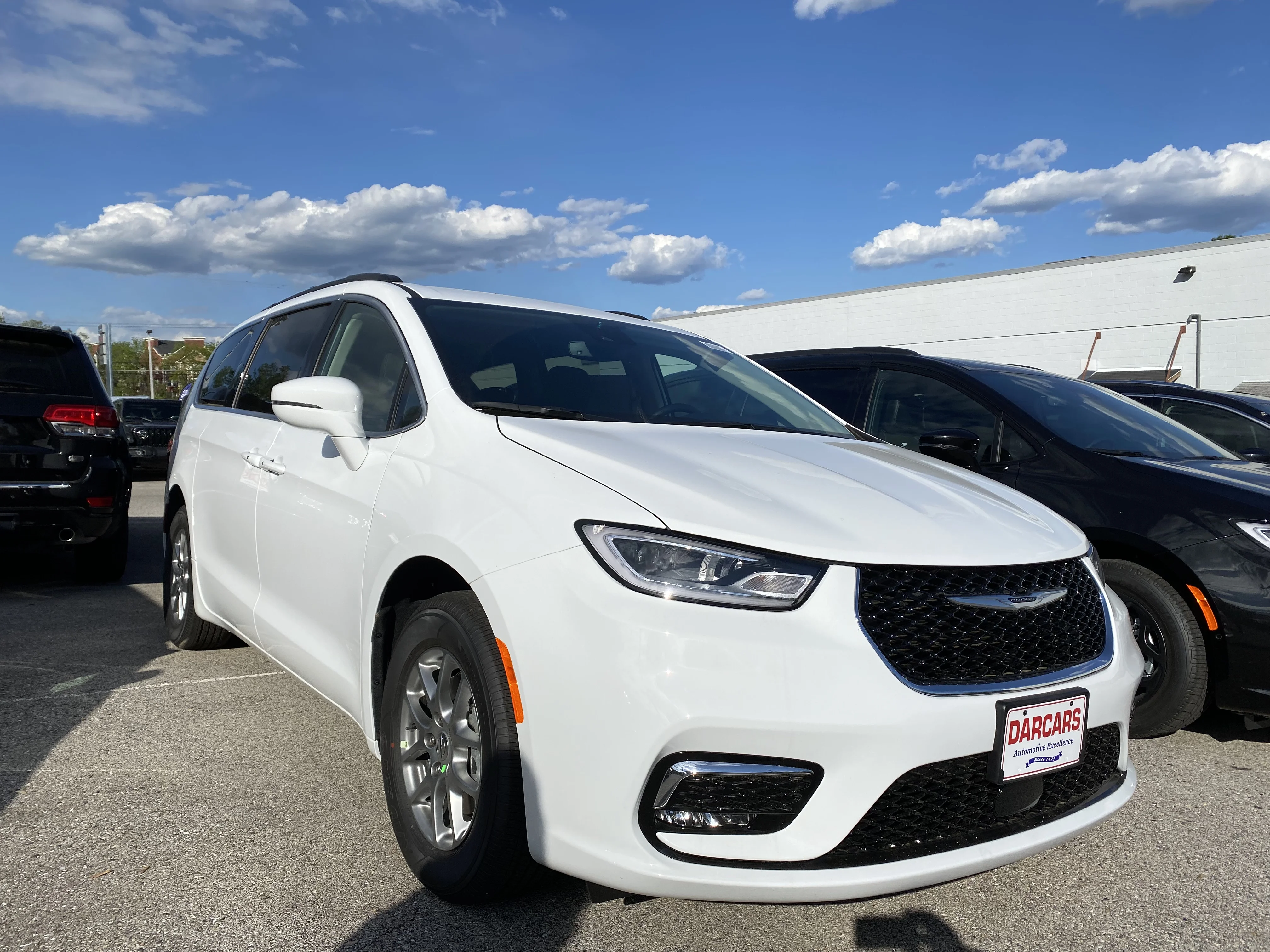
The Chrysler Pacifica is a minivan, and unlike most sleeping-fit questions this one starts with a trim decision, not a tape measure. On a gas Pacifica with Stow 'n Go, the second-row seats fold down into in-floor bins and the entire load floor goes essentially flat from the front seats to the tailgate. On the Pacifica Hybrid, that same trick is not available, and the floor is not flat.
An installer always checks what he is bolting to before he plans the job, and here the vehicle configuration is the whole plan. On a gas Stow 'n Go van, a Twin at 38 by 75 inches or a Twin XL at 38 by 80 inches lays flat with enormous room to spare, because the flat floor runs up to about 99.5 inches long. Width, not length, is the only cap, set by the roughly 48.8-inch wheel-well pinch.
On a Hybrid, the drive battery fills the under-floor bins, the second-row seats stay in the van, and you are building over seats rather than on a flat deck. The rest of this guide walks the gas van's genuinely flat floor, the 48.8-inch pinch that still caps width, and the Hybrid reality that changes the whole setup, so you plan the right bed for the Pacifica you actually own.
The Governing Decision: Stow 'n Go Versus Hybrid
Before any mattress size, settle which Pacifica you have, because it decides whether a flat bed is even possible. On gas Pacifica trims, the second-row seats fold flat into in-floor Stow 'n Go bins, clearing the cabin and leaving a continuous flat floor. That is unusual among minivans and a genuine advantage for car camping.
The Pacifica Hybrid, and the plug-in hybrid, cannot do it. The drive battery occupies the under-floor bins where the seats would stow, so the second-row seats stay in the van and only tumble or fold. That leaves a far less flat sleeping surface than the gas van, with the seats still taking up cabin space.
This is the reality-grounding surprise for buyers: shoppers who assume every Pacifica has the famous fold-into-the-floor seats will find the Hybrid does not, so the trim choice directly changes whether a truly flat bed is possible. An installer would never start the job without confirming this. If you already own the van, check whether your second-row seats stow into the floor. If you are shopping with camping in mind, the gas Stow 'n Go trim is the one that turns into a flat bed.
The Gas Van's Flat Floor: Up to 99.5 Inches
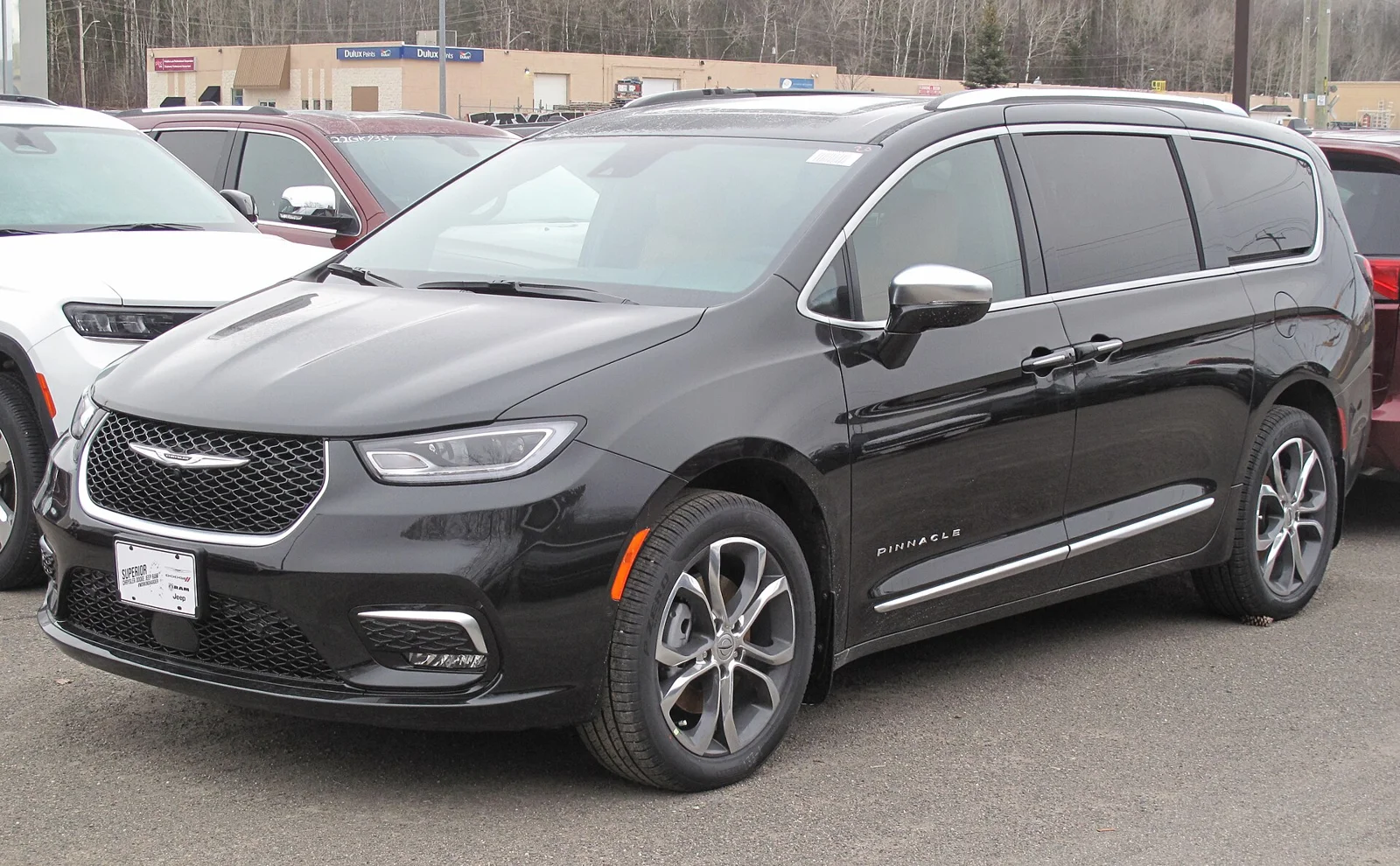
On a gas Pacifica, the payoff of Stow 'n Go is a floor most vehicles cannot match. With the second and third rows stowed, the flat load floor runs up to about 99.5 inches long, from behind the first-row seats to the tailgate. That is over eight feet of genuinely flat surface.
What makes it special is not just the length but the flatness. On the gas Pacifica the floor is genuinely flat once the second row is stowed, because the seats disappear into the bins rather than folding into a raised, angled shelf the way most minivan and SUV seats do. There is no step to bridge and no slope to fight, which is rare in this class and exactly what an installer wants to see before laying a bed.
That roughly 99.5-inch flat length means length is simply not the Pacifica's limiting factor for sleeping. It easily accommodates a Queen at 80 inches or even a King at 80 inches laid lengthwise, with room to spare. The only thing standing between you and a wider mattress is width, which the next section covers. On length alone, the gas Pacifica is one of the most accommodating vehicles you can sleep in.
The 48.8-Inch Wheel-Well Pinch
Width is where even the flat gas Pacifica draws its line. The Pacifica's cargo area measures about 48.8 inches wide between the wheel wells, wide enough that owners lay a 4-by-8-foot sheet of plywood flat across it. That 48.8-inch pinch is the governing dimension for any mattress laid directly on the floor.
Run the sizes against it. A Twin at 38 inches wide and a Twin XL at 38 inches wide both fit flat with room on each side. A Full at 54 inches is over the gap, and a Queen at 60 inches is well past it, so neither lies flat between the wheel wells despite all that length. The plywood test is a useful sanity check: a surface that takes a 48-inch sheet takes a 38-inch pad easily but not a 54-inch or 60-inch mattress.
So even on the flattest, longest minivan floor in the class, a floor-level mattress is capped at Twin or Twin XL width by the 48.8-inch pinch. That is not a knock on the Pacifica; it is the same wheel-well geometry every vehicle faces, just with far more length to work with. Measure the width of your own van to confirm the 48.8-inch figure before you decide whether to run a Twin on the floor or build up for more width.
Length Is Not the Limit Here
It is worth dwelling on how unusual the Pacifica's length is, because it flips the normal sleeping-fit problem. In most vehicles, length is the tight dimension and you slide the front seats forward to gain an inch. In a gas Stow 'n Go Pacifica, the roughly 99.5-inch flat floor is so long that length stops being a constraint at all.
A Twin at 75 inches, a Twin XL at 80 inches, a Queen at 80 inches, and a King at 80 inches all have their length swallowed by 99.5 inches with well over a foot to spare. You could lie fully extended with gear at your feet and still not run out of floor. That extra length is why the Pacifica is a favorite among minivan campers who want to sleep two people head-to-toe or leave room for a dog and a duffel.
The installer's takeaway is that on a gas Pacifica you plan the width solution and forget the length one. Every standard mattress fits the floor lengthwise; the only question is how wide a surface you can build. That reframes the whole project: instead of fighting for inches of length, you decide whether a 38-inch Twin on the flat floor is enough, or whether the width is worth a platform.
So Why Can't You Use a Queen Flat?
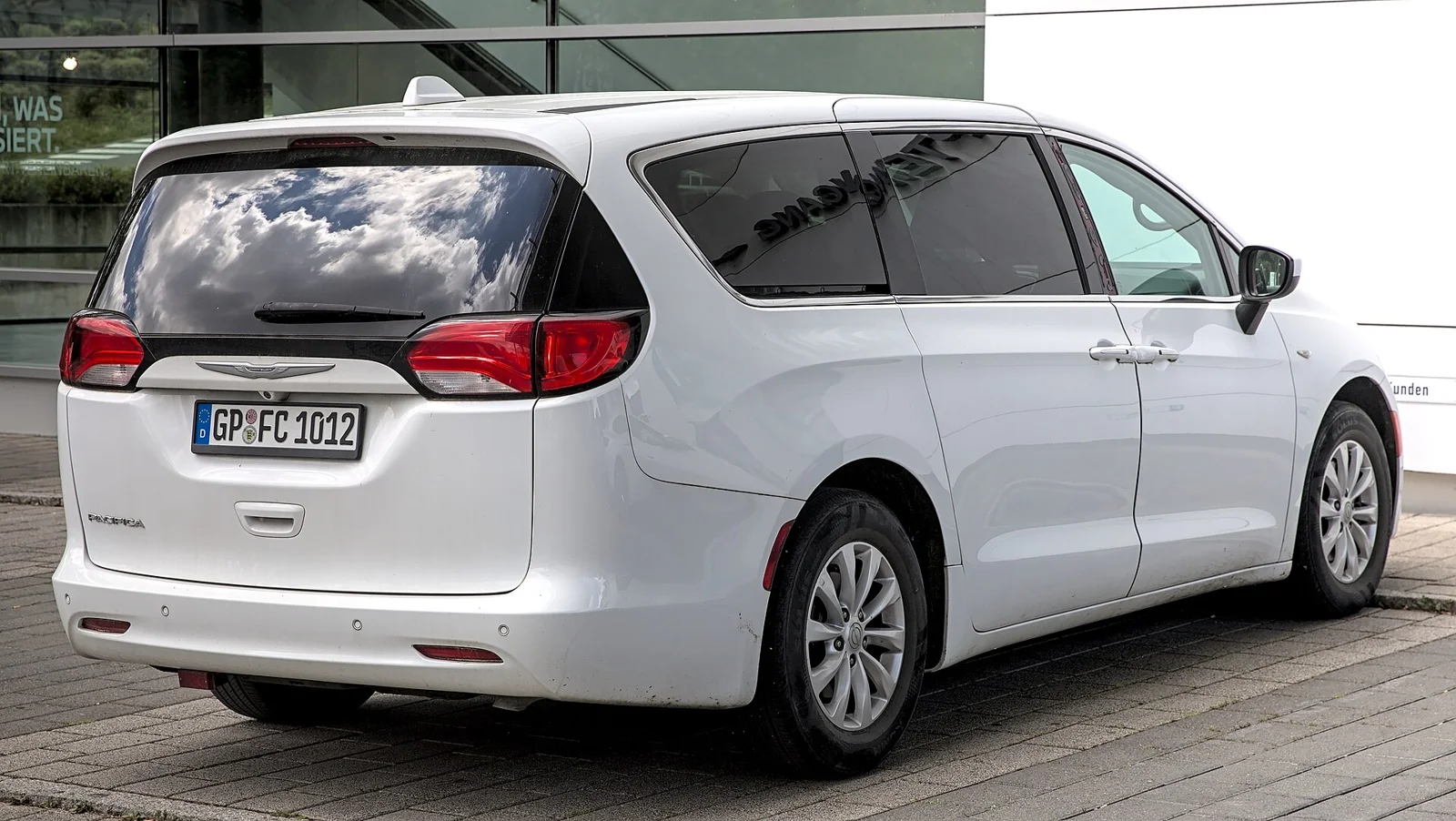
It is a fair question, because the Pacifica's length would happily take a Queen. The answer is purely width. A Queen is 60 by 80 inches; its 80-inch length fits the roughly 99.5-inch floor easily, but its 60-inch width is well over the 48.8-inch wheel-well pinch, so it cannot lie flat wall-to-wall.
Lay a queen air mattress on the floor and its edges climb the wheel-well humps, leaving you in a shallow trough exactly the way they would in a much smaller vehicle. The generous length does nothing to help, because the pinch is a width problem and length cannot solve it. This is the one place the gas Pacifica behaves like every other vehicle.
Owners who want full Queen width have three honest options. Run a Twin or Twin XL on the flat floor and accept the narrower bed. Use a narrower pad around 48 inches that clears the pinch. Or build a platform slightly above the wheel wells to gain full 60-inch Queen width, using the abundant length to make the deck simple. The installer's call: on a van with this much length, a low platform for Queen width is more worthwhile than on a cramped vehicle, but a floor-level Twin XL is simpler and plenty for most.
The Hybrid Reality: Seats Stay In
Everything above assumes a gas Stow 'n Go van. On the Pacifica Hybrid the setup changes fundamentally, and it is worth its own section because so many buyers are caught off guard. Because the drive battery occupies the under-floor bins, the Hybrid cannot Stow 'n Go the second row; those seats stay in the van and only tumble or fold forward.
That means no continuous flat floor. Instead of the gas van's flat 99.5-inch deck, the Hybrid gives you a shorter, less even surface with the second-row seats still present, folded rather than gone. It is closer to a typical SUV sleeping situation, where you are building over folded seats rather than laying a pad on a true flat floor.
An installer plans a Hybrid the way he would plan any van with non-removable seats: build a platform that spans over the folded second-row seats to create a level surface, or use thick pads to bridge the unevenness. The roughly 48.8-inch width still applies, so you are still capped at Twin-width on the floor. The key is to go in knowing the Hybrid is a platform-or-bridge project, not the drop-a-pad-on-a-flat-floor experience the gas Stow 'n Go van offers.
The 140.5 Cubic-Foot Number and the Open Wells
A gas Pacifica offers up to about 140.5 cubic feet of cargo volume with all rear rows stowed, and like every volume figure it oversells the bed. That number counts full ceiling height, not the flat sleep footprint, which is governed by the roughly 48.8-inch pinch and the floor length. Read 140.5 cubic feet as gear capacity, not mattress size.
There is a second, Pacifica-specific detail an installer watches for: the Stow 'n Go wells themselves. Chrysler does not publish the depth of the empty floor bins, but owners note that with the seats stowed the bins are covered and the floor is flat, while leaving the wells open with the seats up creates dips that must be filled. In other words, the flat floor depends on the seats being stowed into the bins, not just folded.
So the practical rule on a gas van is to fully stow the second-row seats into their bins, which closes the wells and gives you the true flat floor. If you only fold or tumble the seats without stowing them, you can end up with open bin dips under your pad. Confirm the seats are stowed and the bin covers are in place before you lay the bed, and the 140.5-cubic-foot van becomes the flat 99.5-inch deck you came for.
Building the Pacifica Bed
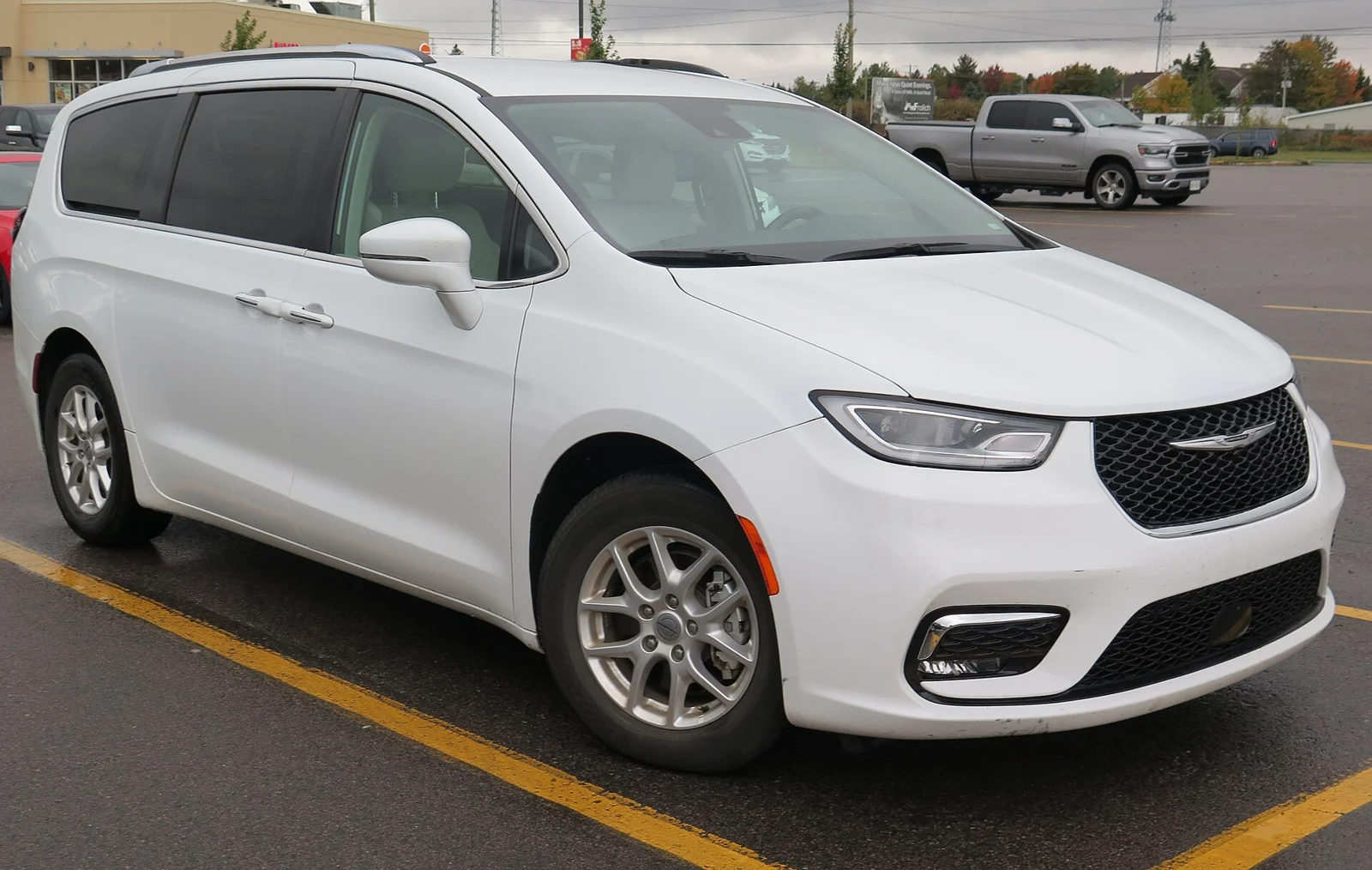
On a gas Stow 'n Go van the build is the easiest in this whole class. Stow the second-row seats fully into their in-floor bins, fold the third row into its well, and confirm the floor is flat with no open bin dips. Lay your pad anywhere along the roughly 99.5-inch floor; length is a non-issue, so center it for comfort and leave room for gear.
For the pad, a Twin XL car-camping air mattress sized to a 38-inch width is the simplest floor-level match, since anything wider than the 48.8-inch pinch will fight the wheel wells. If you want full Queen width, build a low platform above the wheel wells and use the abundant length to keep the deck simple. On a Hybrid, plan that platform from the start to span the non-stowable seats.
Finish with window covers for privacy and a gap-filler only if you are on a Hybrid's uneven floor; the gas van rarely needs one. For the full sleep layout, the Pacifica cargo dimensions for sleeping and the Pacifica camper conversion guide cover the build, while the Pacifica power outlet and fuse map shows where to power a fan or light.
The Verdict: A Flat-Floor Champ, if It's the Gas Trim
The Chrysler Pacifica is one of the best flat-floor sleepers in the minivan class, with one giant asterisk: it has to be the gas Stow 'n Go trim. On a gas van, the second-row seats fold into the floor for a genuinely flat deck up to about 99.5 inches long, so length never limits you and every standard mattress fits front-to-back.
Width is the only cap, and the roughly 48.8-inch wheel-well pinch holds a floor-level mattress to a Twin or Twin XL. A Full at 54 inches or a Queen at 60 inches needs a narrower pad or a low platform above the wheel wells, which the van's abundant length makes easy to build.
The Hybrid is the trap. Its drive battery fills the Stow 'n Go bins, so the second-row seats stay in and the floor is not flat, turning the setup into a platform-or-bridge project. Confirm your trim first, stow the seats fully into their bins on a gas van, and the Pacifica rewards you with a flat, long, comfortable bed that few vehicles can match. See how the width logic carries elsewhere in the SUV mattress size guide.