The Short Version
My first car camping trip in a Volkswagen Tiguan was a cold, hard lesson in what 'fold-flat seats' actually means. I rolled into a state park outside Asheville, North Carolina, in late November, thinking my new-to-me 2018 Tiguan would be a palace. The honest version: it was a lumpy, cold box that taught me 3 valuable lessons in 48 hours. What nobody tells beginners about Tiguan camping is that 'spacious' is relative. Auto Roamer found out.
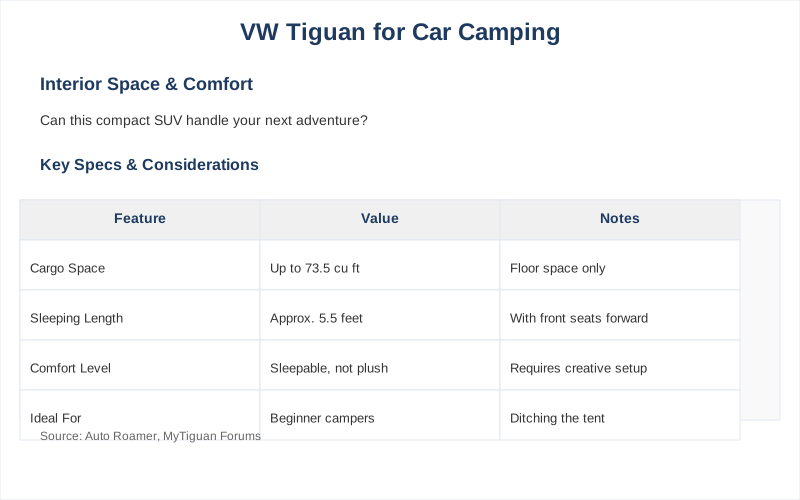
Volkswagen advertises the Tiguan with a maximum of 73.5 cubic feet of cargo space with the rear seats down. That number is a marketing flex. My field notes from trying to sleep in one tell a different story. It's not a perfectly flat floor. This isn't an open box; it's a lumpy compromise for your sleeping bag. The cargo floor isn't flat, and that's critical for comfort.
Car camping isn't about Instagram-ready glamping setups. It's about minimizing failure points when you're 50 miles from cell service. I'm talking about thermal cycling on your battery, mechanical stress on your roof rails, and the parasitic draw from some cheap USB charger you bought on Amazon. The goal is a system that works, not just looks good in a brochure. This isn't a luxury RV. It's a compact SUV.
You're trying to shove a weekend's worth of gear into a space designed for groceries and soccer practice. I can unload bulky gear, but it's not a palace.
I've seen enough overloaded roof racks detach at 70 MPH to know that understanding load ratings is critical. And enough dead batteries from poorly wired accessories to know that circuit integrity matters more than a fancy light bar. You're building a mobile base camp, not a showroom display for your gear. This isn't about looking good.
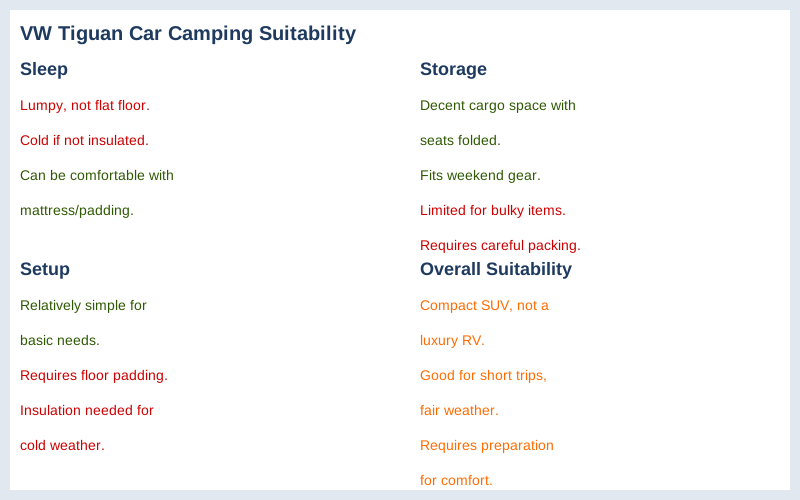
So, can you actually sleep in a VW Tiguan? The honest version is: yes, but with caveats. My first attempt involved trying to sleep my girlfriend and me in my buddy's old Tiguan. We learned quickly that 'sleepable' isn't the same as 'comfortable.' The key is using that cargo space effectively. It's a tight fit.
VW Tiguan Dimensions and Cargo Space

The Volkswagen Tiguan advertises a maximum of 73.5 cubic feet of cargo space with the rear seats down. This sounds like plenty of room for a weekend getaway. However, that number is a bit of a marketing flex. My field notes from trying to sleep in one tell a different story. It's not a perfectly flat floor. Don't believe the brochures.
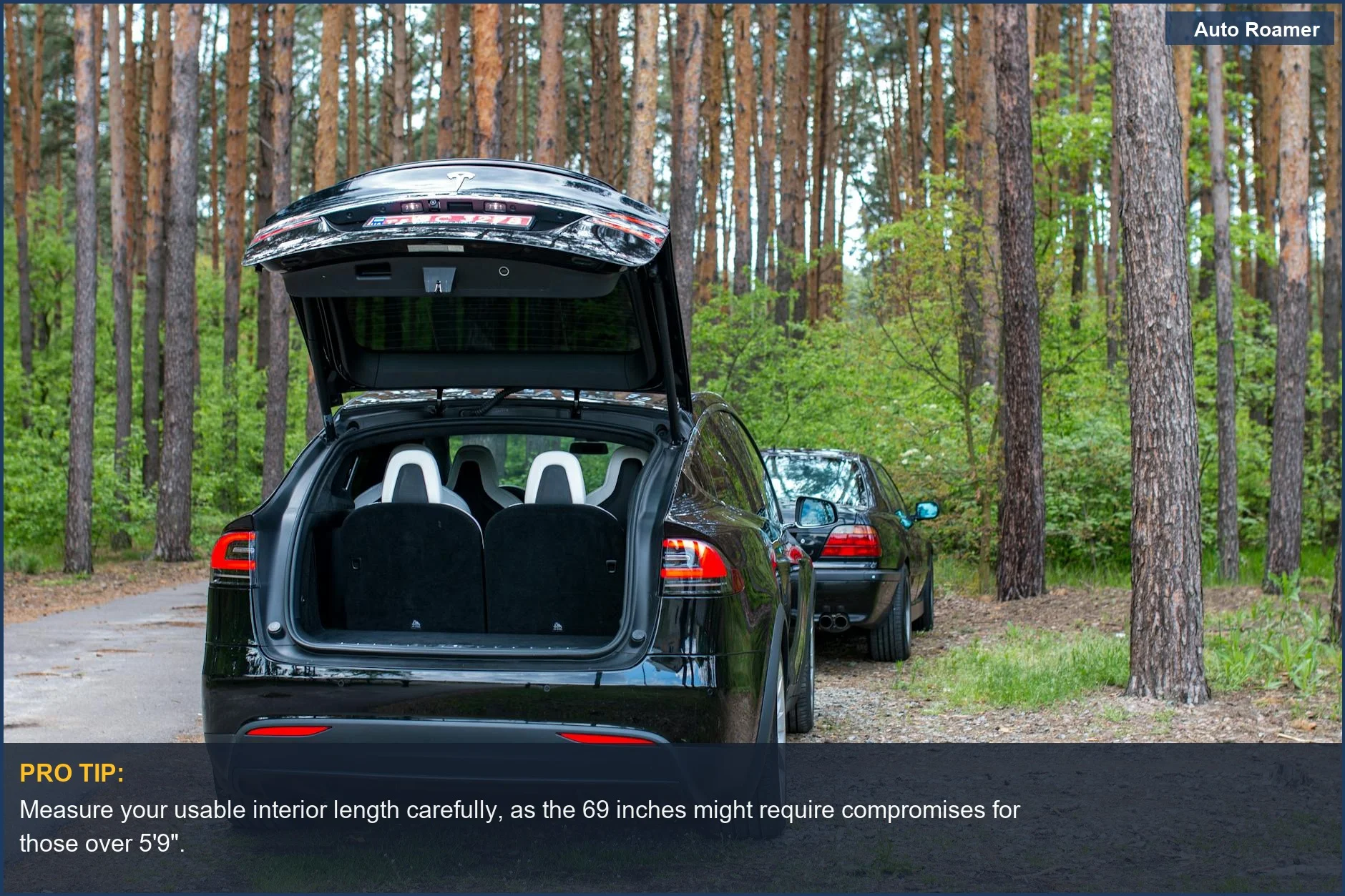
You're actually looking at a usable length of about 69 inches from the rear hatch to the back of the front seats. That's fine if you're under 5'9", but my 6-foot frame ended up curled like a shrimp. Width-wise, it's about 39 inches between the wheel wells, expanding to 50 inches at the widest point. Brilliant engineering, if you're a contortionist. These aren't RV dimensions.
The biggest rookie mistake I made was assuming the floor was flat. There's a 3-inch gap right behind the second row when folded, and then a 2-inch incline up to the front seats. This isn't an open box; it's a lumpy compromise for your sleeping bag. The Tiguan's cargo floor isn't flat, and that's critical for comfort. Expect a slope.
For reference, the Tiguan's total cargo capacity with the seats up is closer to 37.6 cubic feet. This means you've got decent space for daily errands, but for camping, those back seats absolutely need to be down. My first trip, I left too much junk in the back seat footwell, which meant I couldn't push the front seats forward enough. Lesson learned: empty everything. Every inch counts.
The VW Tiguan can offer up to 65 cubic feet of storage with the rear seats folded, according to another source. The discrepancy in reported numbers is typical. Just measure your own vehicle before buying anything. Trust your tape measure, not the marketing department. Your spine will thank you for verifying the actual available length and width.
Also, don't forget the towing capacity. Up to 1,500 pounds for some models. This means you could haul a small teardrop trailer or a utility trailer with extra gear if sleeping inside is too cramped. Just watch your tongue weight to avoid mechanical stress on the hitch and chassis. Don't overload your rig.
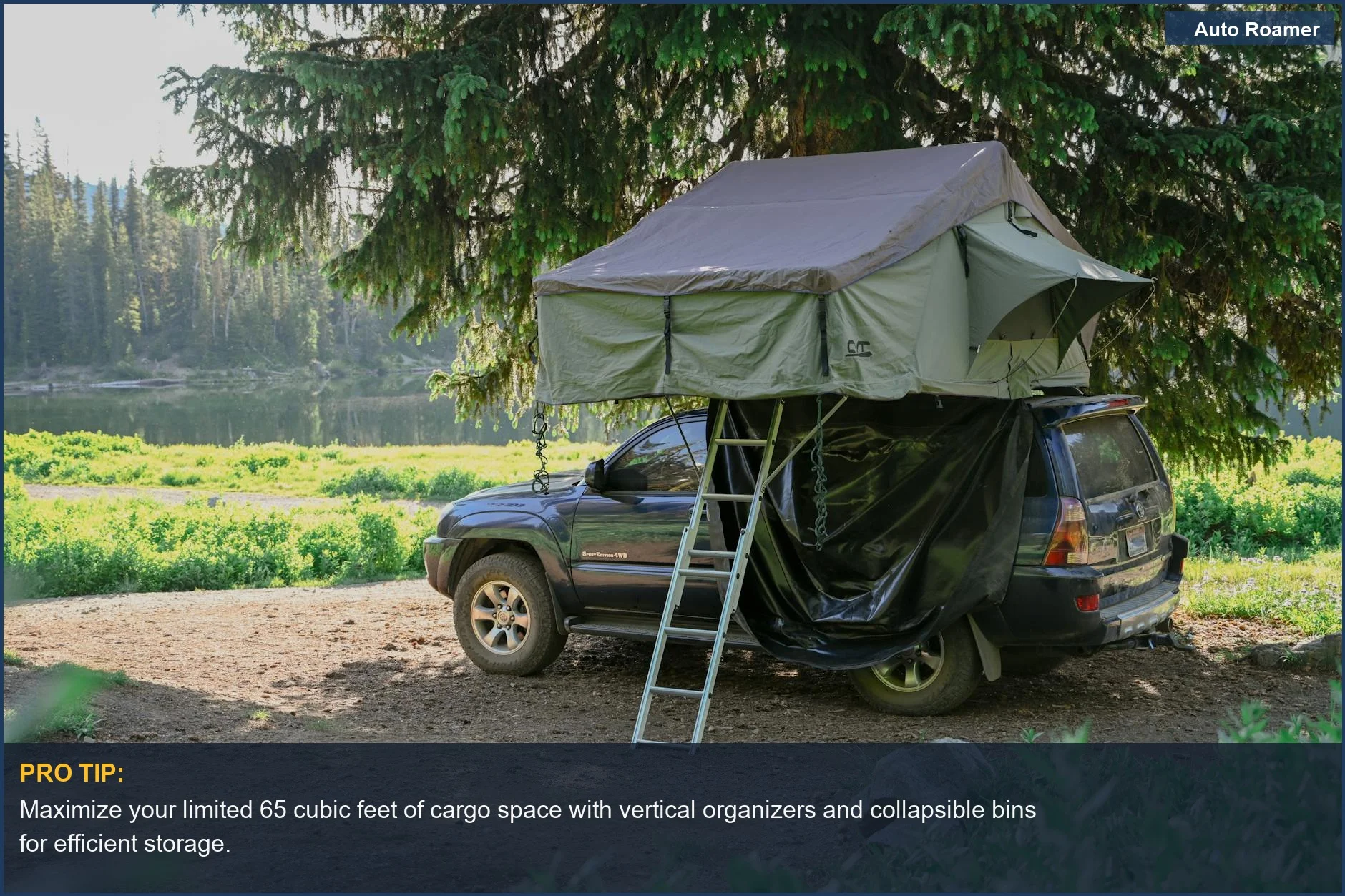
Roof rails are typically standard, but check the load rating if you're thinking about a rooftop tent. Some older versions may lack the necessary roof load ratings, leading to shear stress on the mounting points. That's a failure mode you don't want to discover at 60 MPH. Verify your specs.
Best Sleeping Setups for the VW Tiguan
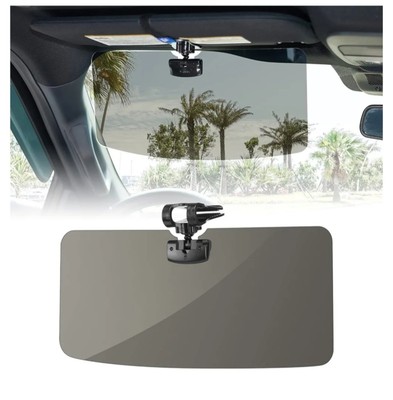
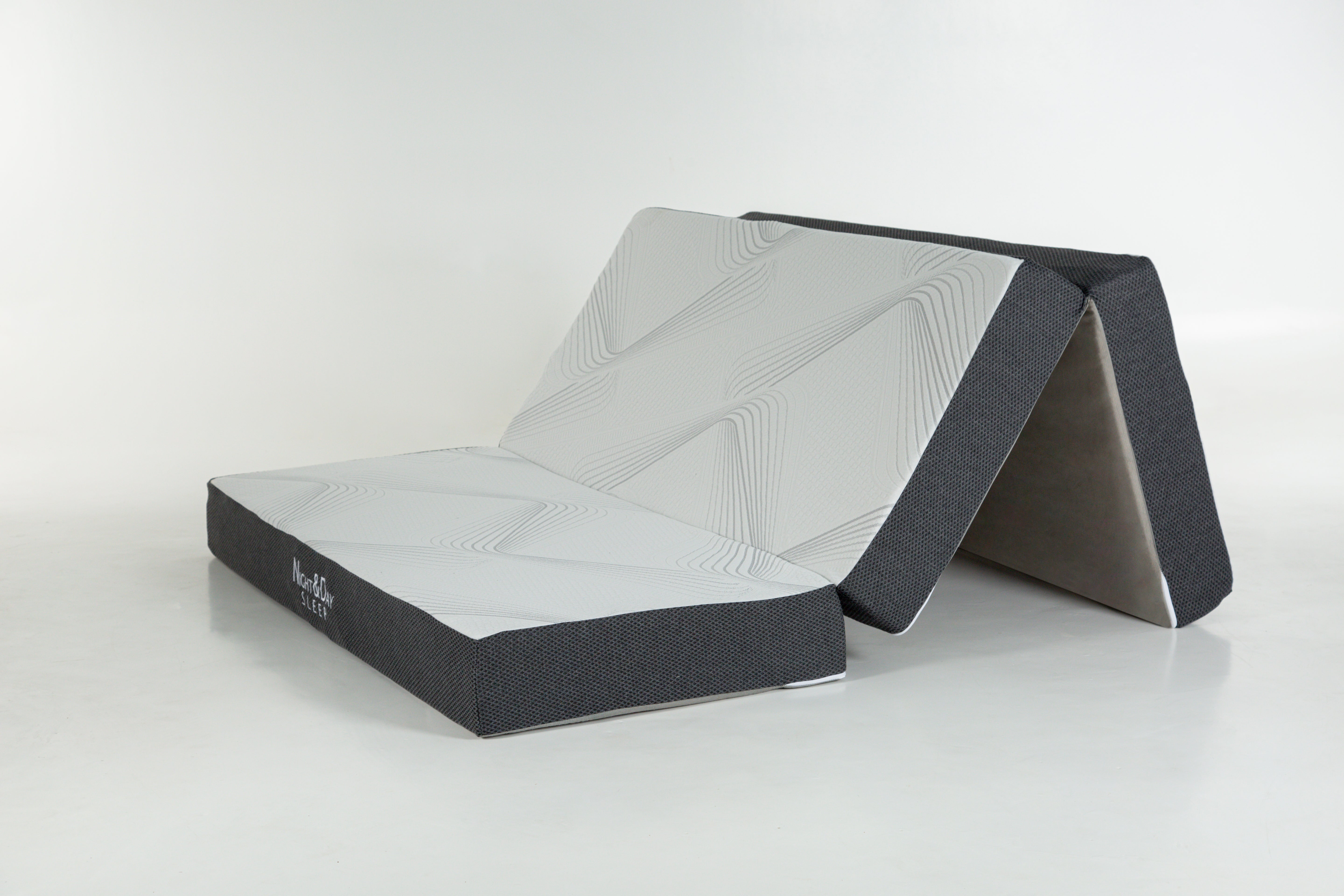
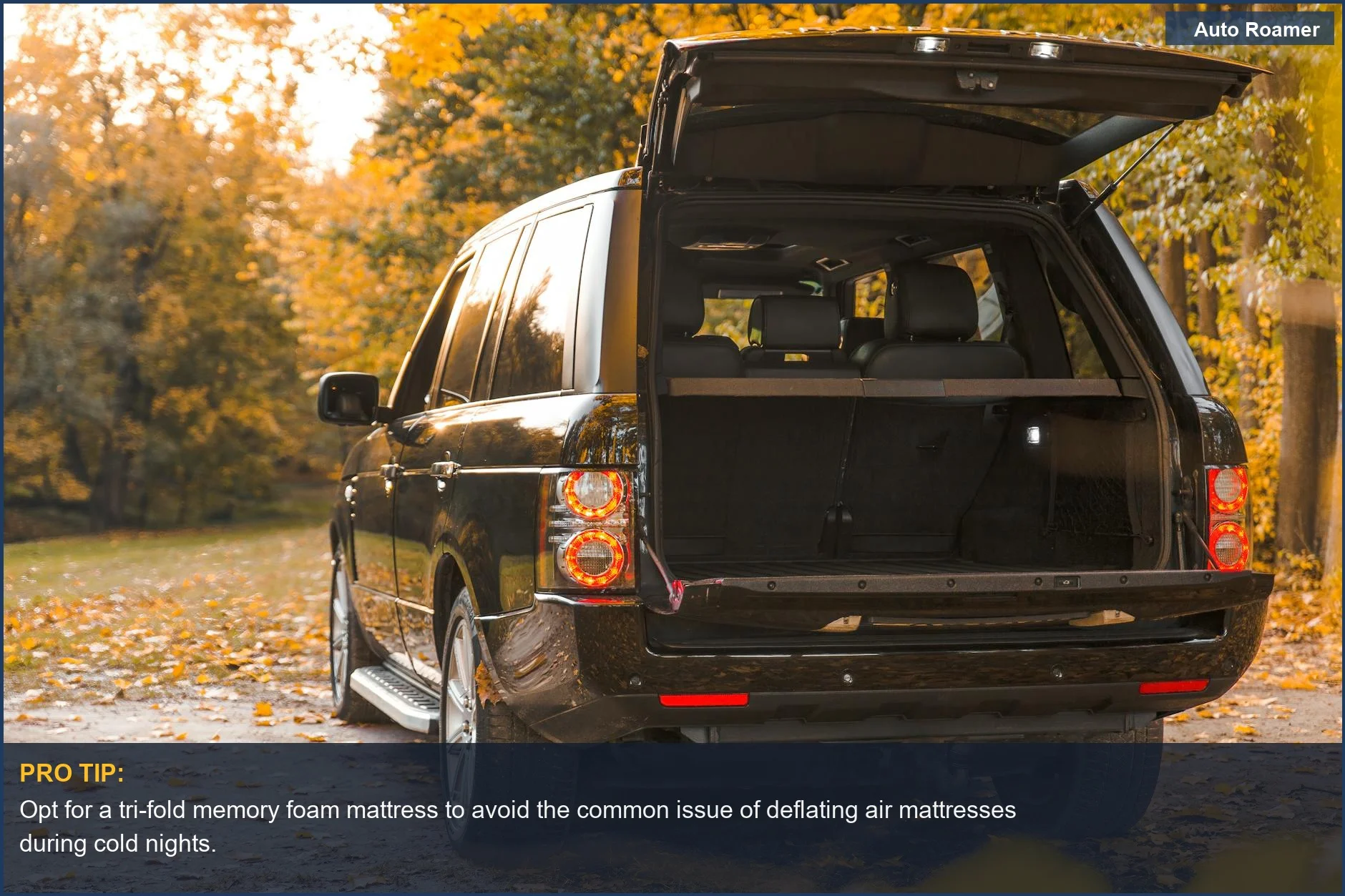
Forget air mattresses that deflate at 35 degrees F. The thermal cycling on those cheap PVC valves guarantees a slow leak overnight. You'll wake up on a cold, hard floor, wondering why your expensive pad failed. Get a tri-fold memory foam mattress. Your spine will thank you.
I recommend a 4-inch thick memory foam pad. You can cut out the wheel well bumps for a custom fit. A Hofish Tri-fold Mattress (~$120) or a Milliard Tri-Fold Mattress (~$130) can be trimmed with an electric carving knife. This provides a stable, insulated sleeping surface that won't lose PSI overnight. Many people on forums confirm this is the way to go.
The biggest challenge is the 3-inch gap behind the second row and the 2-inch incline. You need to shim that gap. Plywood cut to size, or even stacked towels, can work in a pinch. The goal is a flat plane to distribute your body weight evenly and prevent localized pressure points that lead to soreness. Don't ignore the lumps.
For solo campers, pushing the passenger seat forward or even folding it flat can gain you a few precious inches of length. This might allow someone up to 5'11" to stretch out a bit more. But if you're over 6 feet, you'll still be diagonal or curled up. Reddit users discuss this.
Window screens are critical for ventilation and keeping out insects. Simple magnetic mesh screens are cheap and effective. You can find a set like the JoyTutus Car Window Screens (~$25) on Amazon. They create airflow without compromising your internal environment. Without them, you'll wake up to condensation and stagnant air, which is a breeding ground for mildew. Even solo female campers prioritize good ventilation.
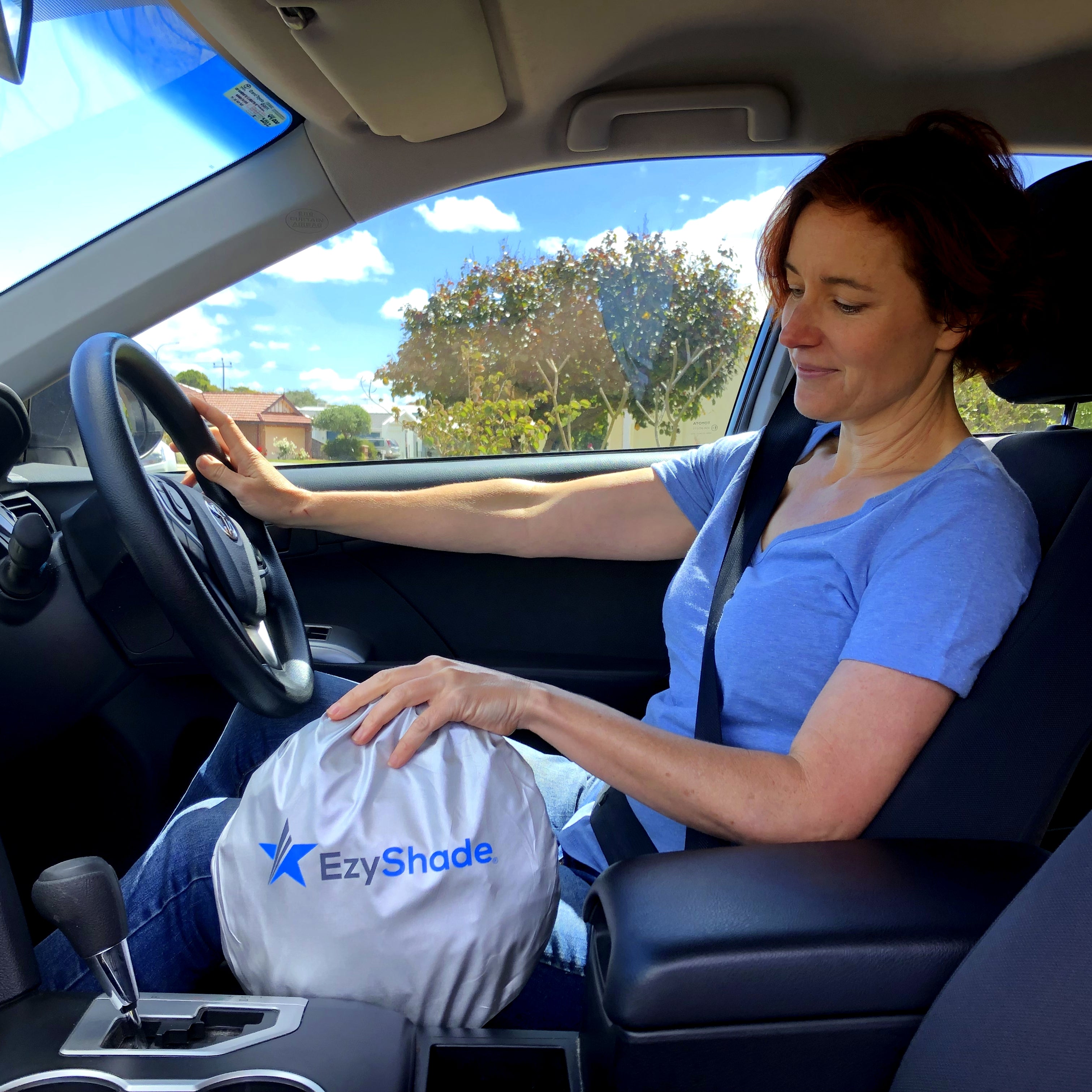
Privacy curtains are another simple fix. Blackout fabric attached with magnets or even a tension rod. This isn't just for privacy; it helps regulate internal cabin temperature by blocking solar radiation. A simple set of EzyShade Car Window Shades (~$30) can make a huge difference in thermal comfort. It's cheap thermal management.
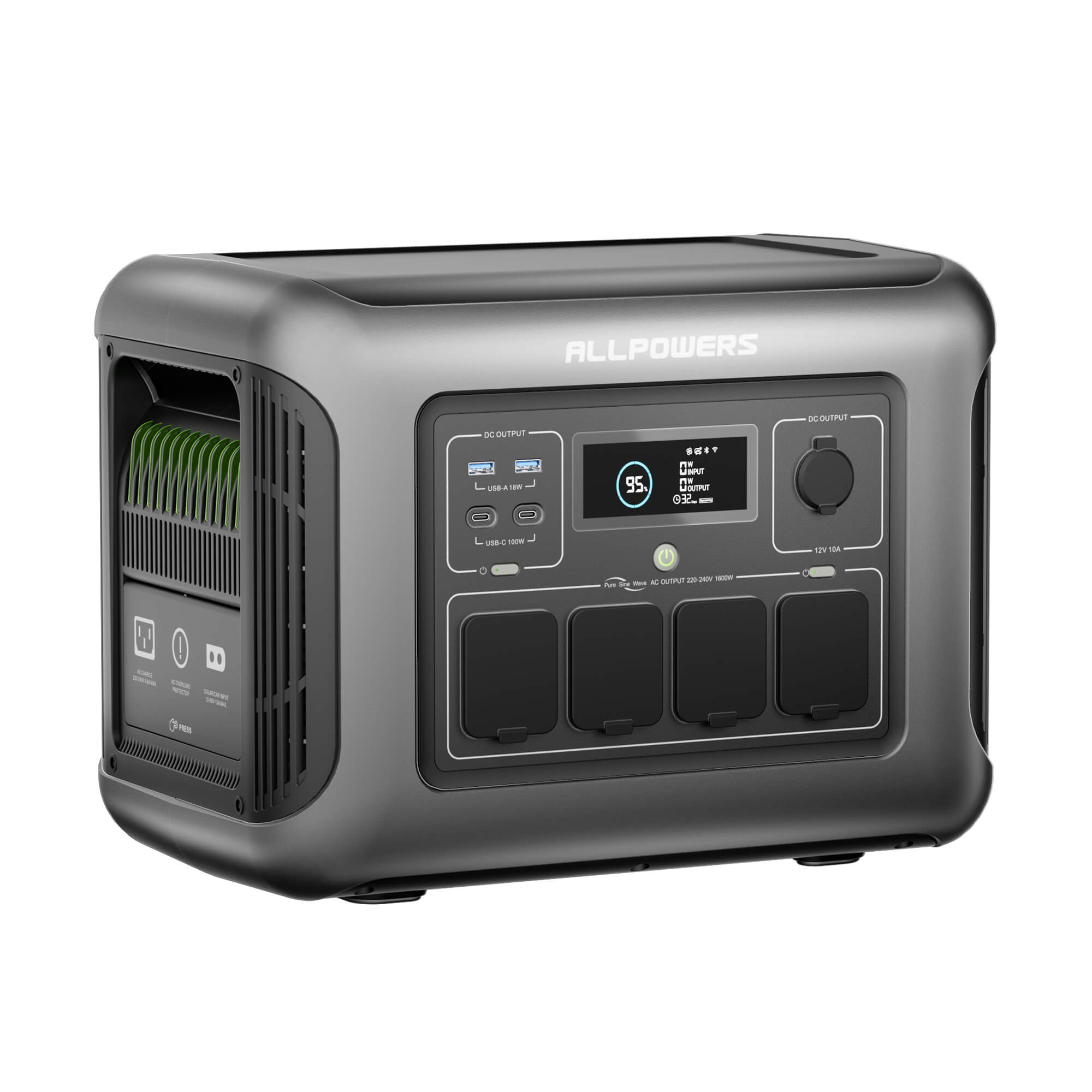
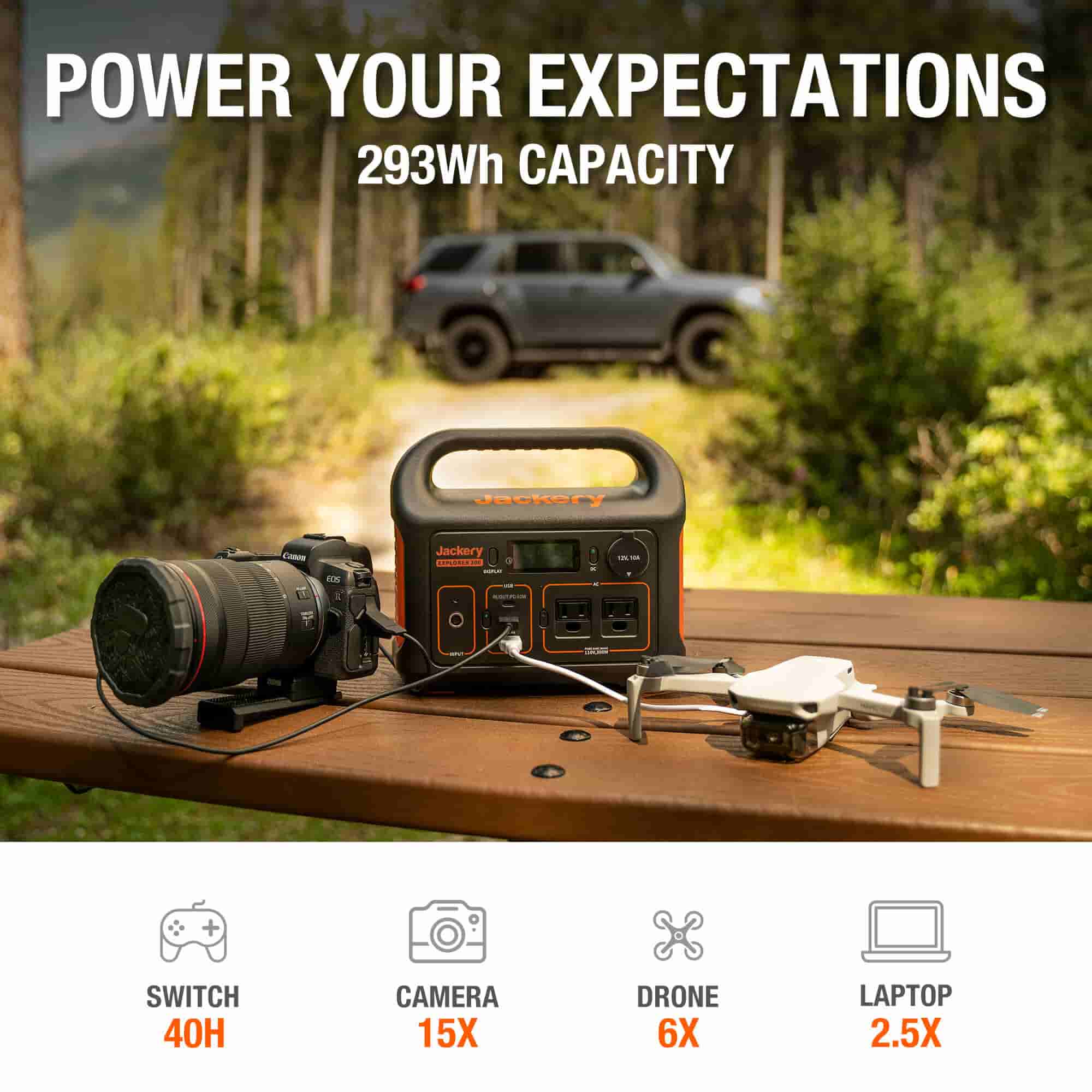
For power, a portable power station is non-negotiable. Forget cheap 12V cigarette lighter adapters that blow fuses. You need something robust to run a 12V cooler and charge devices. A Jackery Explorer 300 (~$250) or an Allpowers 1kWh Power Bank (~$600) are good starting points. Ensure it can charge from your car's 12V while driving to avoid draining the main battery. That 12V socket is fused for a reason.
Practical Tips for VW Tiguan Camping
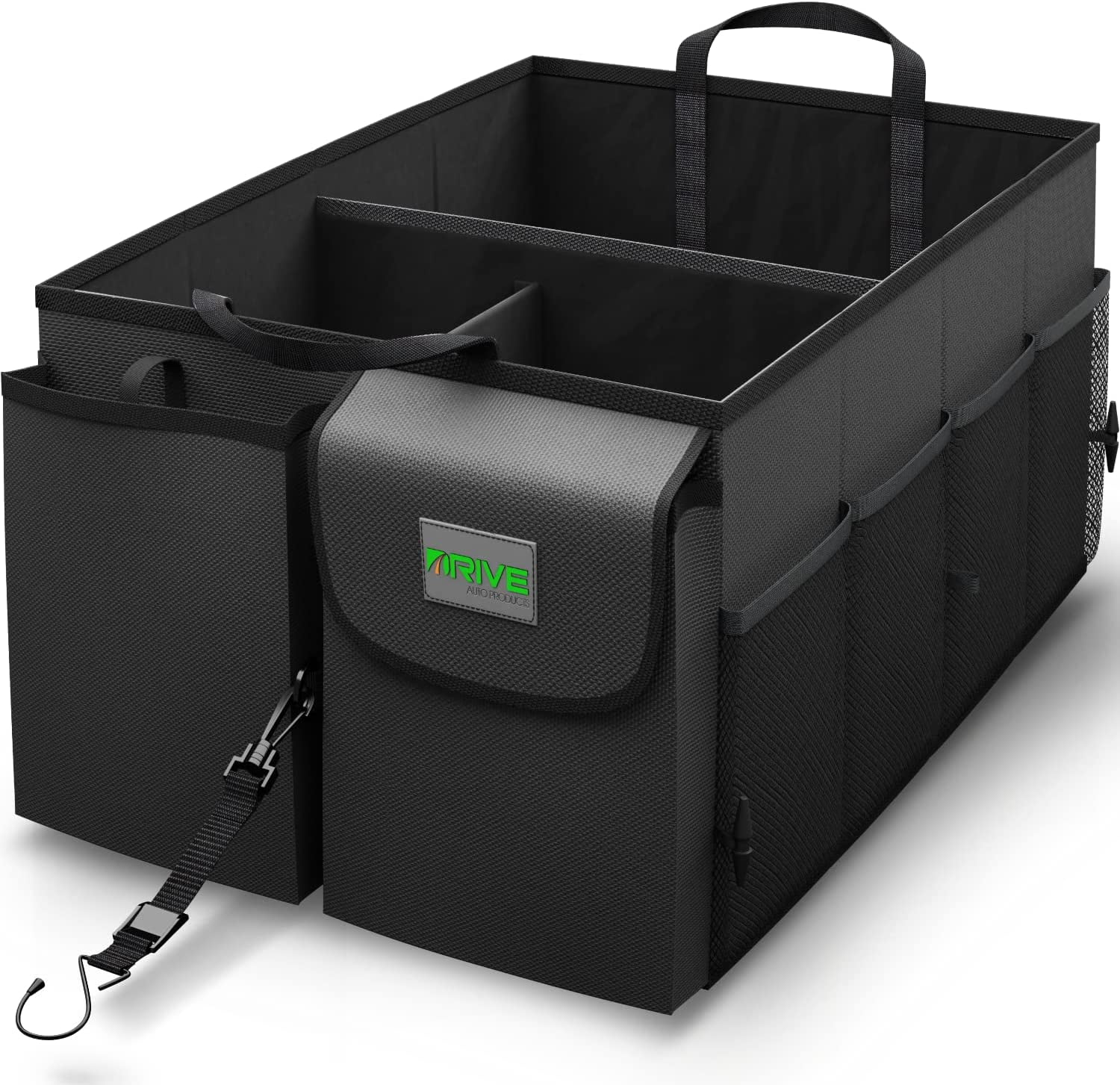
Cargo management is key. With 65 cubic feet, you're not swimming in space. Vertical organizers and collapsible bins maximize every inch. Think about a Drive Auto Car Trunk Organizer (~$35). This reduces rattling and prevents shifting cargo from becoming a projectile during emergency braking. Mechanical stress on loose gear can damage your interior trim. Use that space effectively.
Ventilation is not optional. On a cold night, your breath alone can condense half a liter of water vapor onto cold surfaces. This leads to mold, rust, and generally a miserable experience. Crack your windows a quarter-inch, or use dedicated window vents. A friend of mine had his Land Rover smelling like a swamp.
A portable 12V cooler like the Dometic CFX3 25 (~$750) is far superior to a passive ice chest. Ice melts, creating water that sloshes around, promoting bacterial growth, and leaving everything soggy. A compressor fridge maintains a constant temperature, reducing power draw and eliminating water contamination. This is basic thermal dynamics. Less mess, less power consumption in the long run.
Headroom is limited. You're not sitting up in bed to read a book unless you're a small child. Expect to crawl in and out. This isn't a design flaw; it's a consequence of compact SUV architecture. Manage your expectations, or you'll be hitting your head on the ceiling. You won't be sitting up.
Always have a roadside kit. Jumper cables, a basic tool set, tire repair kit. Modern vehicles have complex electrical systems. A dead battery isn't just inconvenient; it can wipe your car's computer memory if not handled correctly. Know your vehicle's recovery points to avoid damage during a tow. Be prepared for anything.
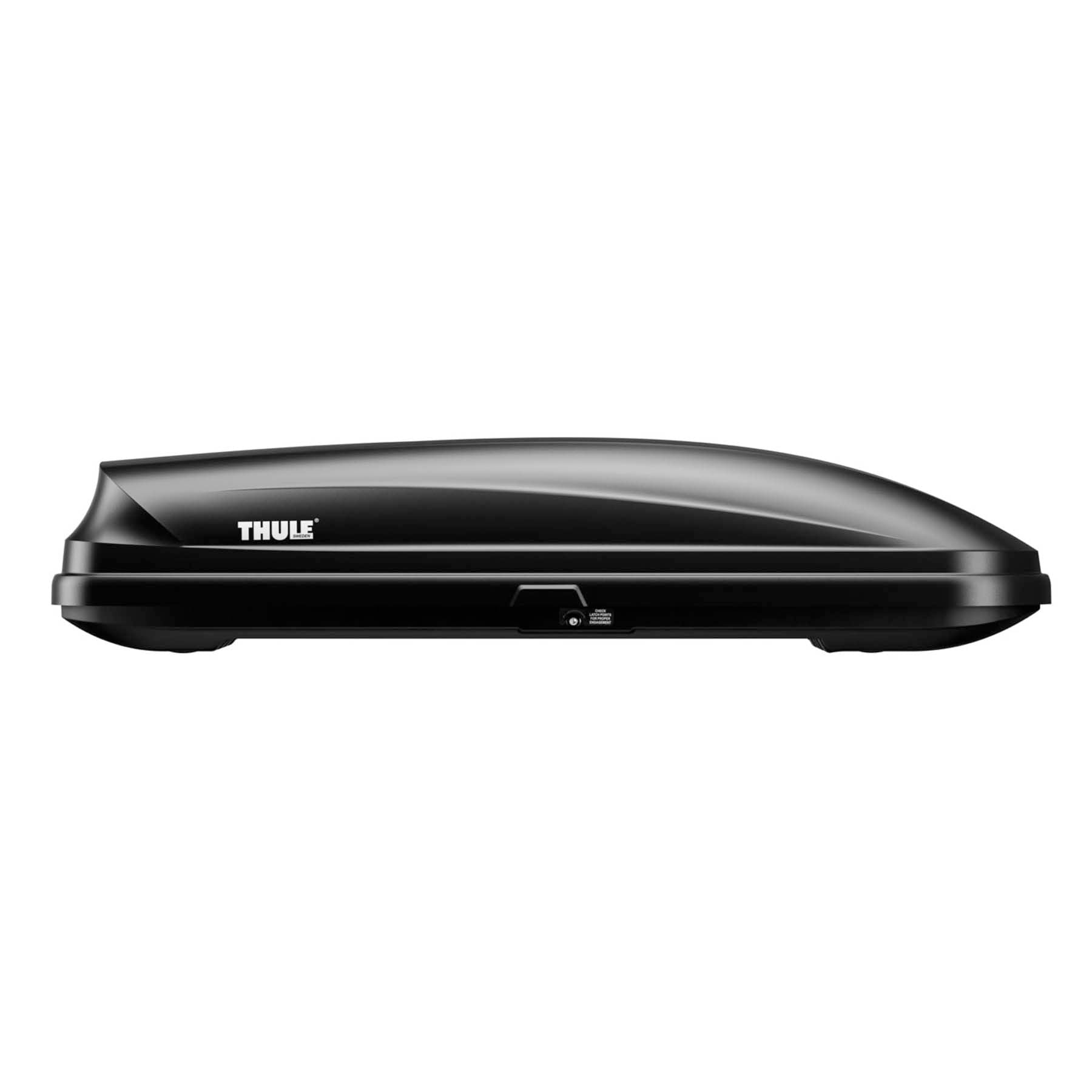
Consider a small roof box for extra gear if you're really pushing the limits of the interior space. This frees up crucial sleeping area. Just remember your vehicle's roof load rating to prevent structural fatigue on the roof rails. An Thule Pulse Cargo Box (~$500) is a solid option. Overloading leads to material failure.
The Bottom Line
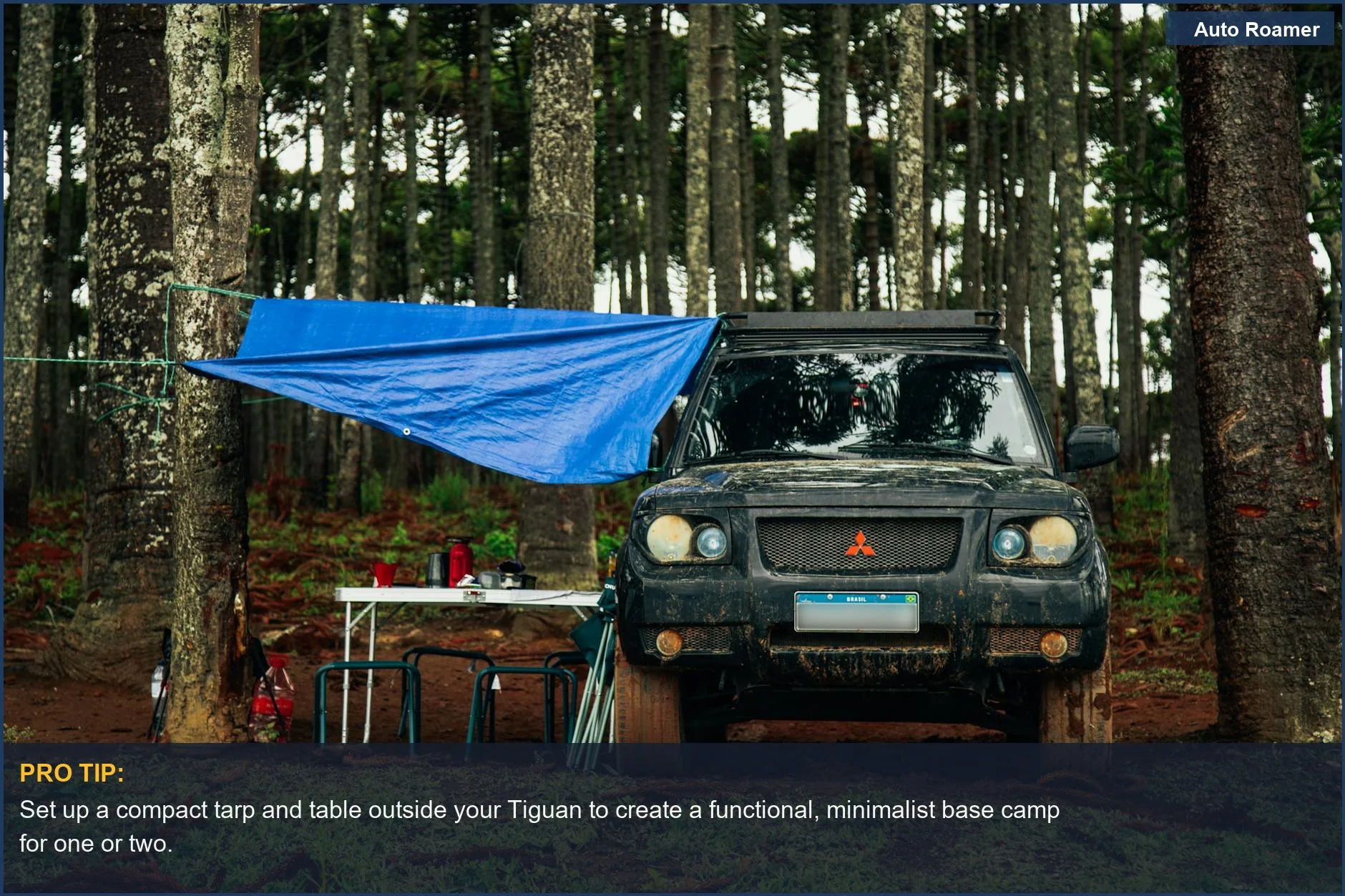
The VW Tiguan is a viable car camping option for one, or a very cozy two, if you're willing to put in the work. It's not a luxury setup, but a functional, minimalist base camp. The 69 inches of usable length means anyone over 5'9" will be making compromises. Don't expect a ballroom.
The key is a flat, insulated sleeping surface, proper ventilation to manage humidity, and a robust power solution to keep your critical systems running. Ignore these, and you'll be cold, damp, and dealing with a dead battery. That's a triple failure mode. Many campers agree.
You can make it work. It's about understanding the mechanical and thermal limitations of the vehicle, and engineering solutions to mitigate them. It's not about what the brochure says; it's about what the physics allows. Even at Coachella, people make it happen.