
The Short Version
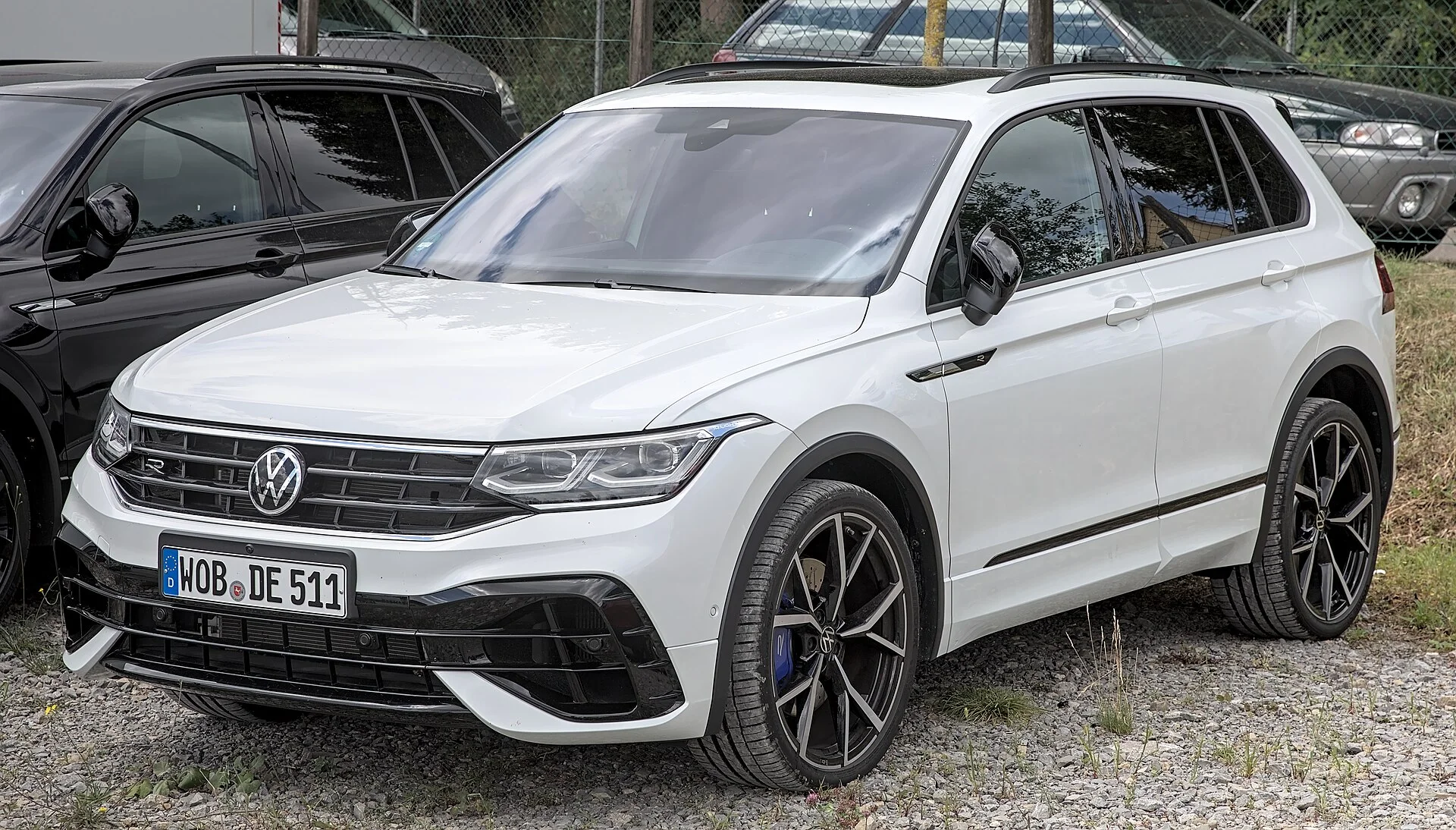
The Volkswagen Tiguan advertises up to 73.5 cubic feet of cargo space with the rear seats down, which sounds great on a spec sheet. What they don't tell you is that cargo floor isn't flat. You've got a 3-inch gap behind the second row and a 2-inch incline to the front seats. This isn't an open box; it's a lumpy compromise for your sleeping bag.
Car camping isn't about Instagram-ready glamping setups.
It's about minimizing failure points when you're 50 miles from cell service. I'm talking about thermal cycling on your battery, mechanical stress on your roof rails, and the parasitic draw from some cheap USB charger you bought on Amazon.
The goal is a system that works, not just looks good in a brochure. This isn't a luxury RV. It's a compact SUV. You're trying to shove a weekend's worth of gear into a space designed for groceries and soccer practice.
I've seen enough overloaded roof racks detach at 70 MPH to know that understanding load ratings is critical. And enough dead batteries from poorly wired accessories to know that circuit integrity matters more than a fancy light bar. You're building a mobile base camp, not a showroom display for your gear.
Quick Verdict
- Sleeping Platform: Forget air mattresses that deflate at 35 degrees F. Get a tri-fold memory foam mattress. Cut out the wheel well bumps for a custom fit like this guy did. Your spine will thank you.
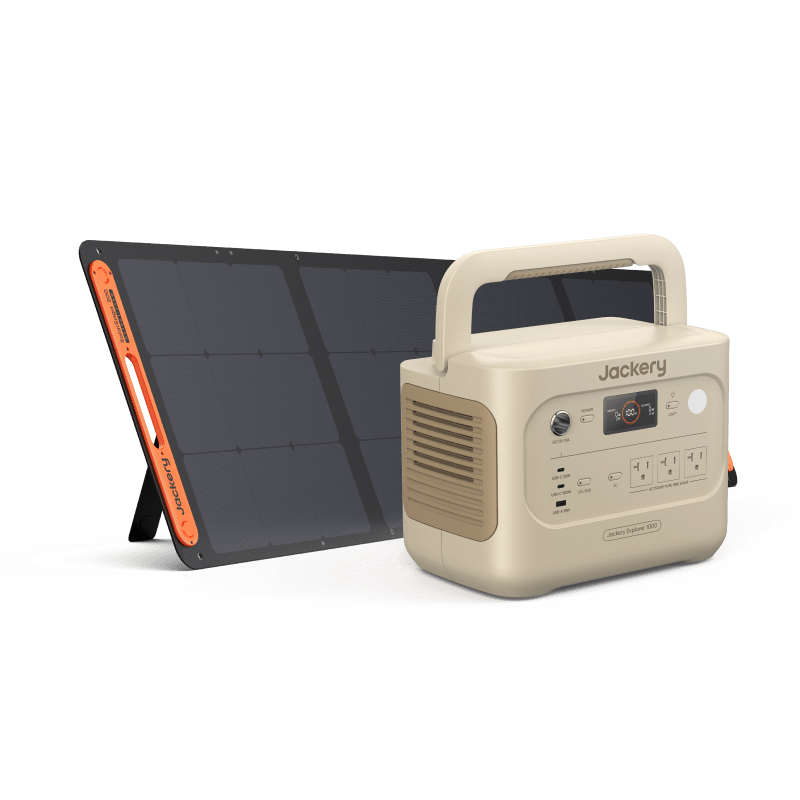
- Power Management: A 1kWh power bank is the minimum for running a fridge and charging devices for a weekend. The Allpowers 1kWh unit is a decent option. Make sure it can charge from your car's 12V while driving to avoid draining the main battery.
That 12V socket is fused for a reason.
- Roof Storage: If you're over 5'10", you'll need a roof box or tent to avoid sleeping with your head jammed against the tailgate. The Tiguan's roof load rating is around 165 lbs dynamic, 330 lbs static. Don't exceed it, or you're looking at sheet metal deformation and potential catastrophic failure of the roof structure.
- Interior Organization: Use soft-sided duffels and collapsible bins. Hard cases waste space due to their fixed dimensions.
You need items that conform to the Tiguan's awkward interior contours.
- Climate Control: A quality insulated window cover set makes a 15-degree F difference at night. It's not just for privacy; it's a thermal barrier. Prevent condensation from forming on your windows, which can lead to mold and a perpetually damp interior.
- Towing: The Tiguan can tow up to 1,500 pounds. This is fine for a small utility trailer with extra gear, but don't try to pull a full-size teardrop camper.
You'll overheat the transmission fluid and reduce its viscosity, accelerating wear on the clutch packs.
What to Look For
You're trying to turn a daily driver into a temporary shelter. Here's what matters:
| Feature | Why It Matters (Physics/Engineering) | Dirtbag Takeaway |
|---|---|---|
| Fold-Flat Rear Seats | Creates a continuous sleeping surface. Any gaps or inclines introduce bending moments on your spine and compromise sleep quality. | If it doesn't fold flat, you're building a shim system out of plywood. More weight, more work. |
| Cargo Capacity (73.5 cubic feet) | This is the volume, not the usable shape. Wheel wells and seat mounts reduce practical packing density. | Measure the flat floor length.
If it's less than 70 inches, you're sleeping diagonally or with your knees bent. |
| Roof Rails | Provides attachment points for roof racks. Look for factory-installed rails; aftermarket clamp-on systems can damage door seals due to uneven pressure distribution. | Check the load rating. Static load for a tent is higher than dynamic for driving. Don't exceed it, or you'll deform the sheet metal where the rails attach. |
| Ground Clearance (7.1 inches) | Dictates off-road capability and approach/departure angles.
Low clearance means scraping the undercarriage on uneven terrain. | This isn't a Jeep. Stick to graded dirt roads. A bent control arm costs more than a campsite. |
| Fuel Efficiency (24-29 MPG) | Directly impacts operating cost and range, especially in remote areas where fuel is expensive or unavailable. | Better MPG means less fuel weight. Less weight means less suspension sag and better handling. Basic Newtonian physics. |
| 12V Power Outlets | Source for charging devices and powering a fridge.
Ensure the fuse rating (usually 15A) is sufficient for your load. | Overload the circuit, and you're pulling fuses in the dark. Carry spares. And a multimeter to find the short. |
Our Top Picks for Reliable Performance
Jackery Explorer 1000 v2 (~$800)
1002Wh LiFePO4 battery, 1000W AC output.
Pros: Durable LiFePO4 chemistry, good output for small appliances, charges via solar or car 12V.
Cons: Heavy at 22 lbs, slow car charging.
Best for: Powering a fridge for 2-3 days, charging laptops/phones. This is your main power hub for off-grid use.
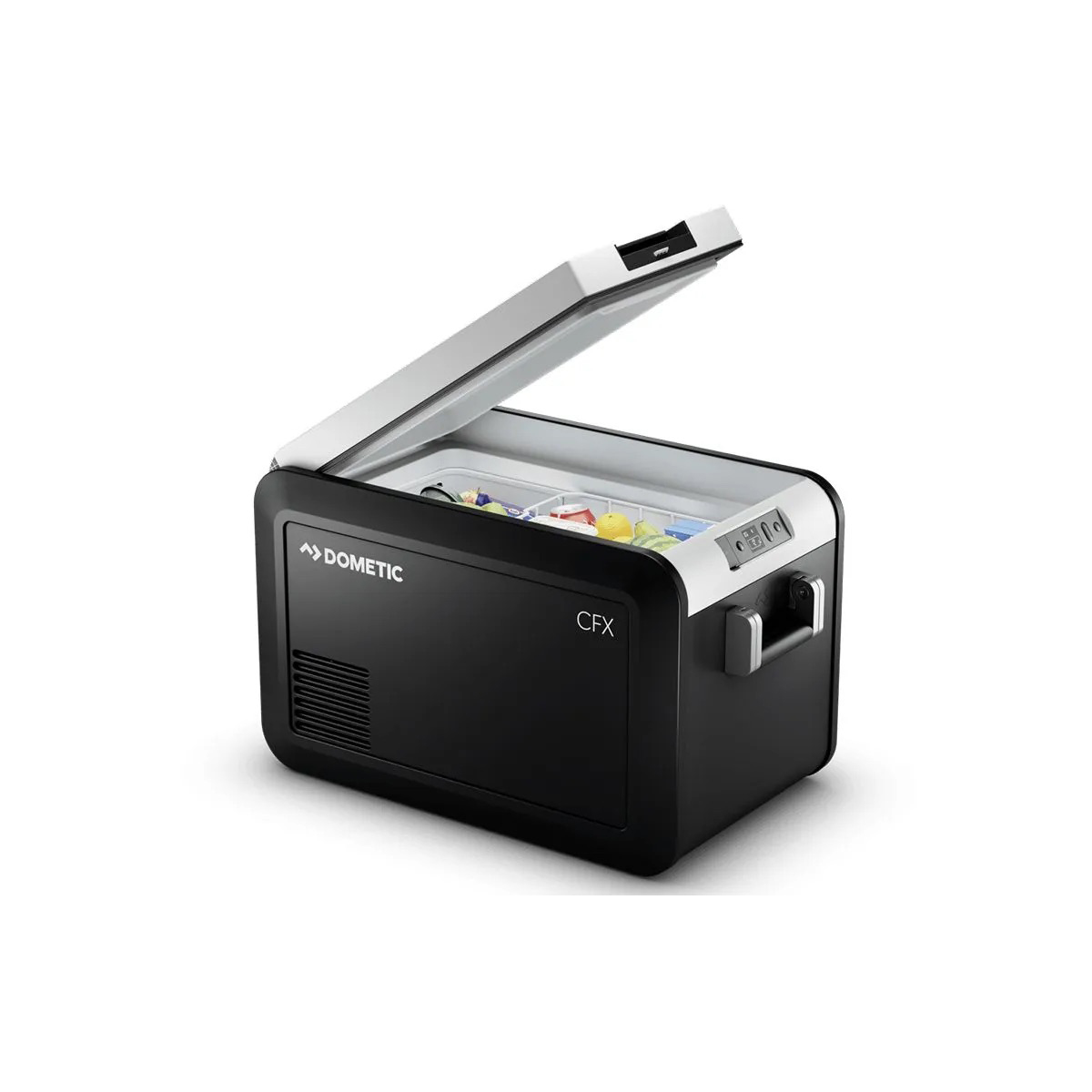
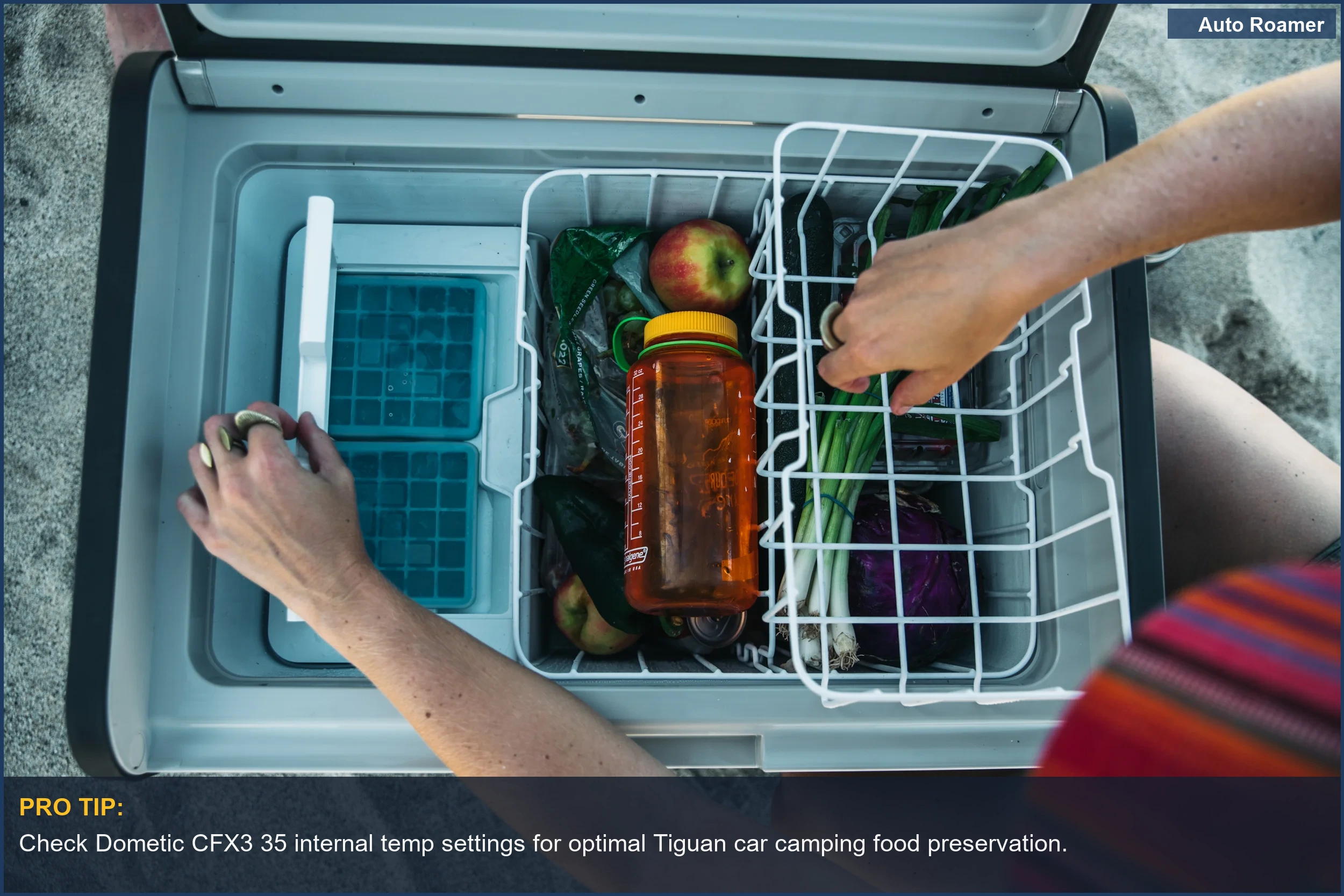
Dometic CFX3 35 (~$600)
36L capacity, 12V/120V operation, draws 0.8-1.5A at 12V.
Pros: Robust construction, efficient compressor, holds temperature reliably.
Cons: Expensive, takes up significant cargo space.
Best for: Keeping food safe and drinks cold without melting ice. This unit is built to handle constant vibration and thermal cycling.
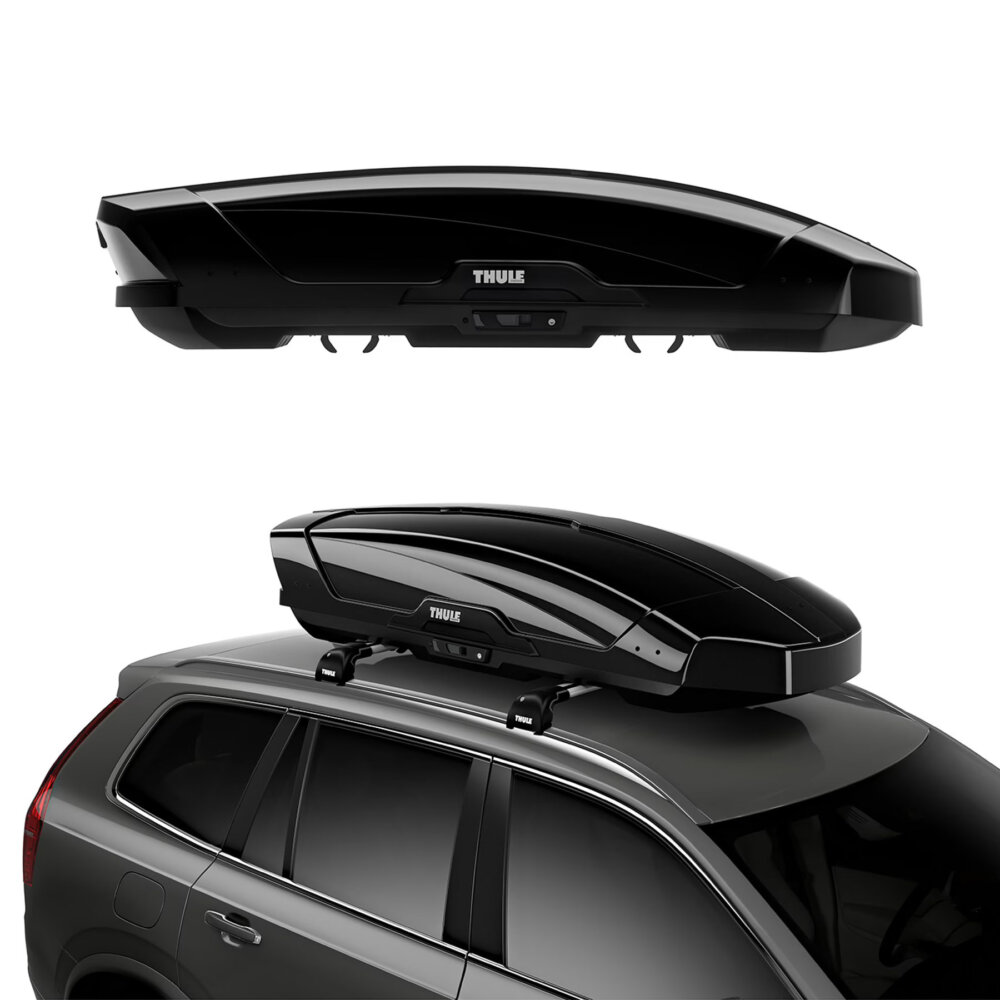
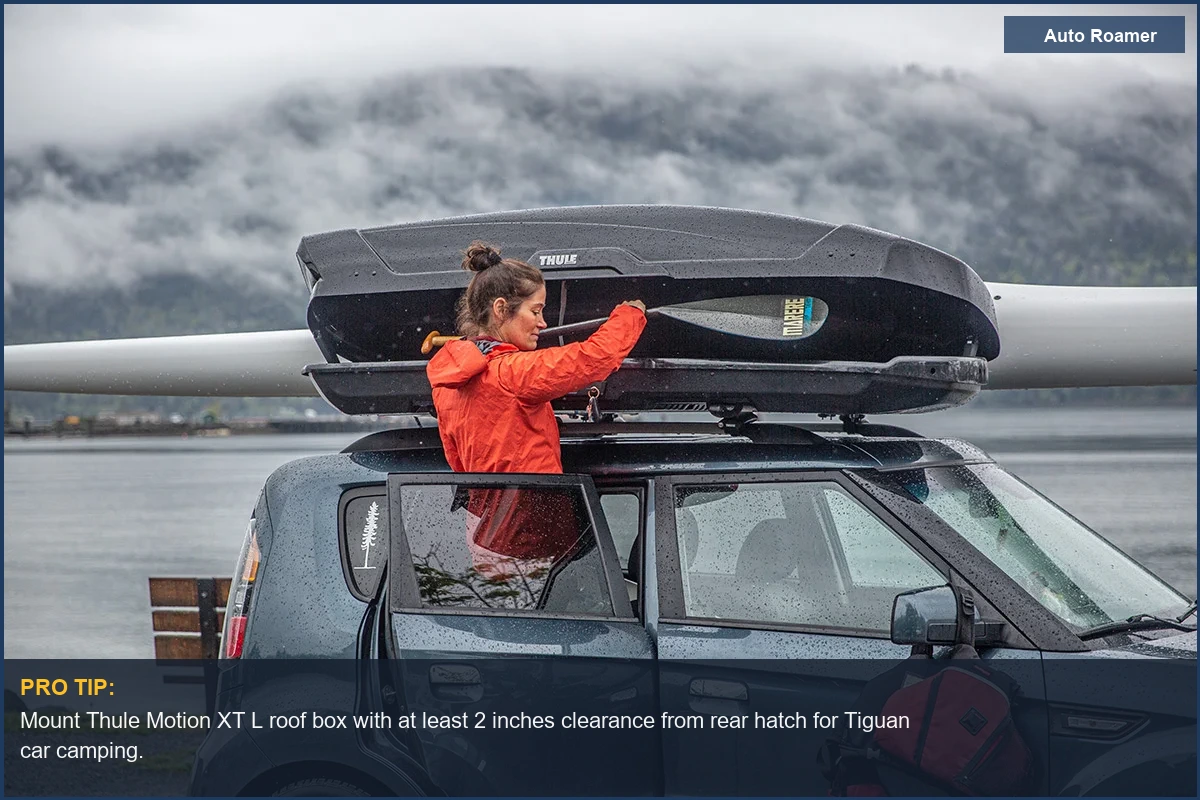
Thule Motion XT L (~$850)
16 cubic feet capacity, dual-side opening.
Pros: Aerodynamic, secure mounting to factory roof rails, weather-sealed.
Cons: High initial cost, noticeable wind noise at highway speeds.
Best for: Storing bulky gear like sleeping bags, chairs, or wet clothes, keeping the interior clear for sleeping. Don't overload it; verify your Tiguan's dynamic roof load rating, typically around 165 lbs.
REI Co-op Camp Dreamer XL Mat (~$180)
3.5 inches thick, R-value 6.6, self-inflating foam.
Pros: Excellent insulation, comfortable, durable fabric.
Cons: Bulky when rolled, slower to inflate/deflate than air mattresses.
Best for: A comfortable, insulated sleeping surface directly on the Tiguan's cargo floor. The R-value prevents heat transfer to the cold ground, improving sleep quality in various conditions.
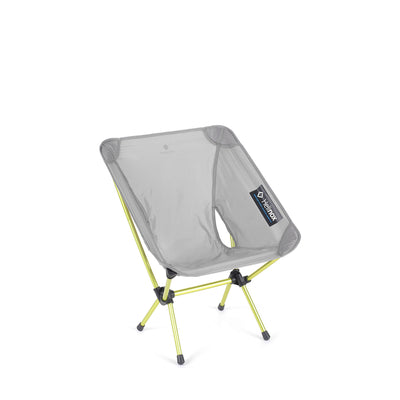
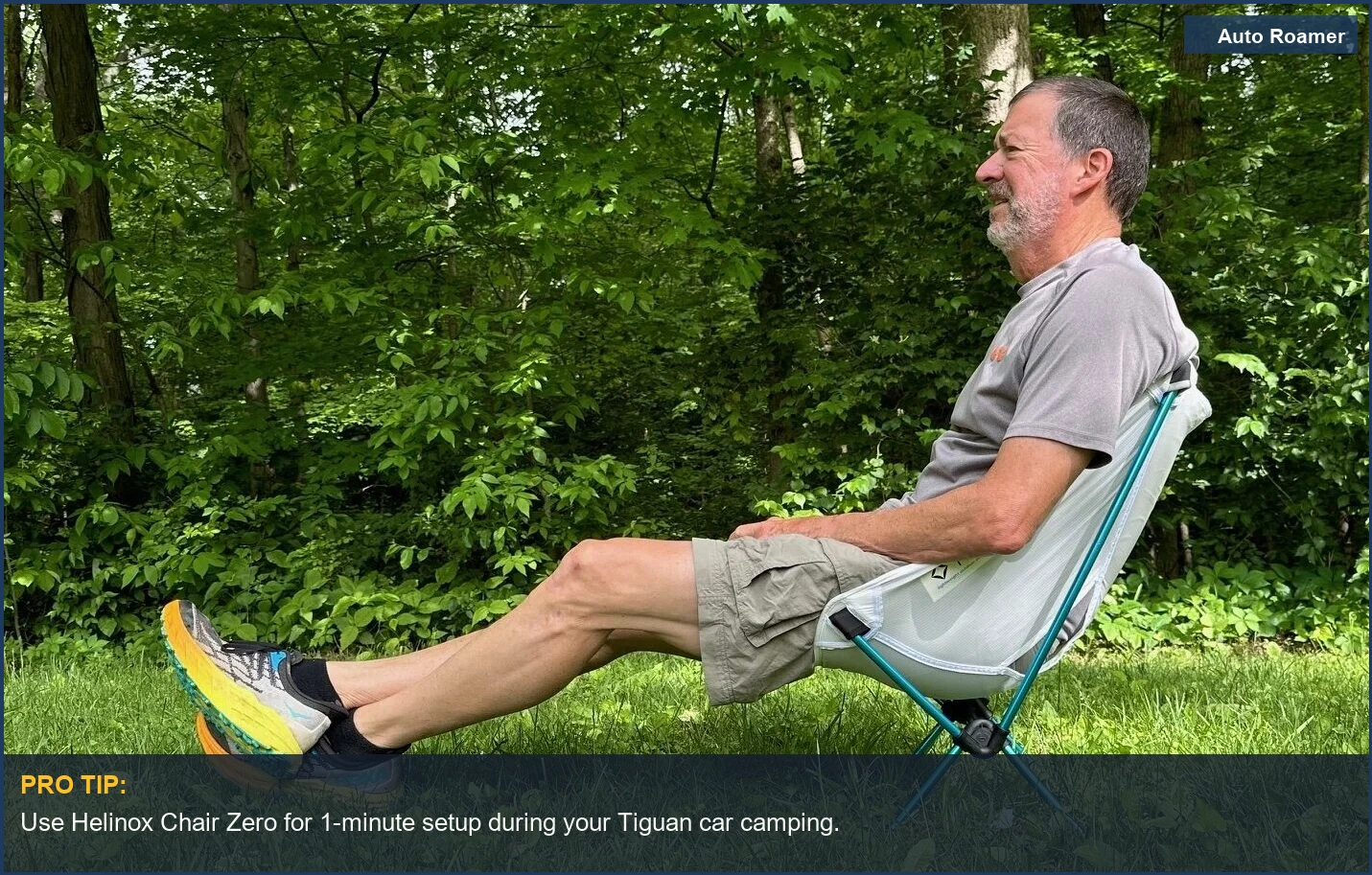
Helinox Chair Zero (~$130)
1.2 lbs weight, 320 lb capacity, compact packed size.
Pros: Extremely lightweight, strong aluminum frame, packs down tiny.
Cons: Low seating position, not ideal for everyone.
Best for: A functional, portable seat that doesn't consume precious cargo volume. The strong aluminum alloy maintains structural integrity under repeated load cycles.
Window Sox Car Window Screens (~$40)
Mesh fabric, fits over door frame.
Pros: Allows ventilation while keeping bugs out, privacy.
Cons: Can restrict window operation, may not fit all Tiguan models perfectly.
Best for: Preventing condensation and allowing airflow without letting in mosquitoes. This is a simple mechanical barrier, no moving parts to fail.
Goal Zero Lighthouse 600 Lantern (~$70)
600 lumens, USB rechargeable, 5200mAh battery.
Pros: Bright, long runtime, built-in USB charging port.
Cons: Not waterproof, proprietary charging cable.
Best for: Primary camp lighting. Reliable circuit integrity and a durable housing mean it won't die on you in the dark.
Head-to-Head Comparison
Deciding between a rooftop tent and an interior setup comes down to physics and practicality. One means less interior space, the other means more external stress on your vehicle.
| Feature | Rooftop Tent (RTT) | Interior Sleeping Platform |
|---|---|---|
| Cargo Space | Retains full interior cargo volume. Gear stays inside, protected from elements. | Interior space is consumed by sleeping platform and bedding. Gear must be moved or stored outside. |
| Setup Time | Quick deployment, typically 5-10 minutes. No need to clear interior space. | Requires moving gear, inflating mattress, arranging bedding.
Can take 15-20 minutes. |
| Comfort | Often thicker mattresses, elevated off ground, better views. | Limited by interior dimensions, potential for uneven floor, less headroom in the Tiguan. |
| Aerodynamics/Fuel Econ | Significant drag, increased wind noise, 1-3 MPG reduction due to increased frontal area and weight. | No impact on aerodynamics or fuel economy when driving. |
| Weight/Load | Adds 100-200 lbs to roof. Must adhere to dynamic and static roof load ratings (e.g., 165 lbs dynamic for Tiguan). Exceeding can cause structural fatigue. | Weight is distributed within the vehicle, lower center of gravity.
No external load stress on roof structure. |
| Cost | $1,000 - $4,000 for a quality RTT. | $50 - $300 for materials (plywood, mattress) for a DIY build like this one. |
| Security | More secure than ground tent. Items inside vehicle are also secure. | Sleeping inside means vehicle is locked. |
Budget vs Premium: Where Your Money Actually Goes
| Component | Budget Option (~$USD) | Premium Option (~$USD) | Why the Cost Difference (Engineering) |
|---|---|---|---|
| Sleeping Pad | Ozark Trail Air Mattress (~$30) | REI Co-op Camp Dreamer XL Mat (~$180) | Air mattresses fail via seam delamination or puncture, especially with thermal cycling. Self-inflating foam pads use durable closed-cell foam and robust fabrics, maintaining insulation and structural integrity over time. |
| Power Station | Generic 500Wh Power Bank (~$200) | Jackery Explorer 1000 v2 (~$800) | Cheap power banks often use lower-grade Li-ion cells with fewer charge cycles and less robust battery management systems (BMS). Premium units use LiFePO4 cells with higher cycle life (2000+ vs 500) and advanced BMS for better thermal management and circuit integrity. |
| Cooler | Coleman Xtreme 50 Quart (~$60) | Dometic CFX3 35 (~$600) | Rotomolded coolers offer passive insulation, relying on foam thickness. Powered fridges use active compressor cooling, maintaining precise temperatures regardless of ambient conditions. The Dometic has a robust compressor designed for vibration and continuous operation. |
| Roof Storage | Cheap Soft Cargo Bag (~$50) | Thule Motion XT L (~$850) | Soft bags offer zero protection from impact or theft, and their attachment points are prone to tearing under dynamic loads. Hard shell boxes are aerodynamic, weather-sealed, and use secure, impact-resistant ABS plastic, with integrated locking mechanisms and rigid mounting hardware to prevent detachment. |
| Lighting | Battery-Powered LED Lantern (~$15) | Goal Zero Lighthouse 600 (~$70) | Budget lanterns use fragile plastic housings and cheap alkaline batteries prone to leakage. Premium lanterns have durable housings, integrated rechargeable Li-ion batteries with stable voltage output, and often multiple light modes for varying light intensity. |
The Bottom Line
Car camping in a Tiguan means embracing compromise. You're not getting a full-size bed or a standing kitchen. You're getting a mobile shelter that fits in a parking space. Focus on gear that minimizes failure points and maximizes usable volume.
- Prioritize a flat sleeping surface. If you're over 5'10", you'll be diagonal.
Deal with it or get a rooftop tent.
- Invest in reliable power. A 1kWh power bank and a compressor fridge are non-negotiable for comfort and food safety.
- Respect your vehicle's limits. Don't overload the roof, don't try to rock crawl with 7.1 inches of ground clearance. You'll bend something, I guarantee it.
- Keep it simple. Every piece of gear you bring is another point of failure, another thing to pack, another thing to break.
Stick to the essentials.
- Understand the physics. Whether it's thermal expansion, parasitic draw, or mechanical shear, knowing why things fail helps you prevent it. That's the real gold standard for any setup.