
Yes, you can sleep in a VW Golf — once the rear seats fold down
Short answer: yes, you can car camp in a Volkswagen Golf, and it’s a more capable compact hatchback for it than its size suggests — once you fold the rear seats. What you cannot do is recline the front seats and call it a bed; the seat shape leaves you folded up. The real bed is the cargo floor with the rear seats down, and that’s where the Golf, specifically the Mk7 and Mk8 generations, is genuinely usable.
Based on Volkswagen’s published specs and what owners report, the Golf opens about 22.8 cubic feet of cargo with the seats up and a near-flat load floor once the back seats fold — the single feature that makes sleeping comfortable. The flat run from the hatch to the folded front seatbacks is roughly 60–65 inches (about 5'0″ to 5'5″), and the width between the wheel wells is roughly 38–40 inches. That makes the Golf a genuine one-person sleeper, not a two-adult one.
The catch is that the floor is short. A flat surface is everything, and the Golf has that; what it doesn’t have is length. Owners report it’s comfortable solo up to about 5'8″ and workable to roughly 5'11″ sleeping on the diagonal. This guide stays honest about what the Golf is: a daily driver and a fuel-sipping road-trip car that converts into a weekend bed for one, not a built-out van.
The numbers here come from VW’s specs, Edmunds’ dimension data, and the GTI and Golf owner forums where people post their own measured cargo floors and what actually worked — not from a road trip we’re pretending to have taken. If you’re weighing a bigger VW instead, our VW Tiguan car camping guide walks the same math on a roomier sibling. The plan below covers the dimensions that decide fit, the sleeping setup, the practical packing-and-power tips, and an honest bottom line — the $50 version of car camping, not the $5,000 build-out. See also VW Taos car camping. See also the VW Atlas camping setup.
The Golf's Short, Flat Hatchback Floor: 60-65 Inches to Work With
Car camping in a Golf means working with a specific set of numbers, and none of them is the cubic-foot figure dealers like to quote. Here’s what published specs and owner measurements report.
- Cargo, seats up: ~22.8 cu ft. Enough for a daypack and a small cooler — everyday errands, not an overnight stay.
- Flat-load length, seats folded: ~60–65 in. From the rear hatch to the back of the folded front seats — about 5'0″ to 5'5″, depending on how far forward you slide the front seats. On Mk7 and Mk8 the folded floor is near-flat, which is the feature that makes this work.
- Width between the wheel wells: ~38–40 in. Enough for one person to stretch out; two adults is technically possible but genuinely cramped.
The other number that decides comfort is headroom. With the rear seats folded you’re looking at roughly 28–30 inches of vertical space, so sitting straight up isn’t an option for most adults — changing clothes is more ‘caterpillar shuffle’ than ‘standing ovation.’ Plan to be horizontal: this is a place to lie down and sleep, not to sit up and read for hours.
One practical note that doesn’t show up in the cargo spec is fit and height. Owners report the Golf is comfortable solo up to about 5'8″ and workable to roughly 5'11″ by sleeping on the diagonal or sliding the front seats forward so your feet run into the footwells. The GTI owner community includes people who have lived out of their cars for weeks, so it’s clearly doable — it just rewards being on the shorter side.
The other note is about the drive, not the bed. The Golf’s fuel efficiency (up to roughly 36 MPG highway) is a real advantage for the trip out: fewer stops at the pump and more budget for the trip itself, which matters more than it sounds when the campground is six hours away. A roof box adds gear space at the cost of some mileage and drag — a trade-off worth it only when the cabin is genuinely full, which on a solo Golf trip it rarely is.
And remember the cubic-foot number hides the shape of the space. With the seats down you get a usable rectangle, but the low headroom means the gear lives up front in the footwells and the cargo floor stays clear for the bed. Measure your own Golf with the front seats where you’d actually sleep, because trim and model year move these numbers an inch or two.

A 30-second honesty check before you spend a dollar
A compact hatchback makes car sleeping a yes-or-no question of fit, and the Golf is no different. Answer three things honestly and the rest of the setup falls out of the answers.
First, your height — and whether it’s just you. Under about 5'8″ sleeping solo, the Golf is genuinely comfortable on its near-flat folded floor. To roughly 5'11″ it works on the diagonal with the front seats slid forward. Taller than that, or two adults, and a Golf gets cramped fast — it’s a one-person sleeper, and that’s the honest framing.
Second, how many nights at a stretch. One or two nights and the simplest foam pad or trimmable mattress is plenty. A week or more and you’ll want a power station and a setup that keeps gear off the bed.
Third, where you’re parking. Campgrounds and rest areas ask little of the car; dispersed sites mean you also care about leveling. The Golf is a low, road-going hatchback — fine for maintained dirt and paved sites, not for rough trail. Answer ‘under 5'8″, solo, a couple of nights, easy access’ and the Golf is squarely your camper and the rest of this guide is mostly comfort. Answer ‘tall, two of us, every weekend’ and the Golf still works for a night, but be honest: you’ll be sleeping diagonally and close, and you may eventually want a longer floor. That’s a real signal about the vehicle, not a gear-shopping problem.
Building a One-Person Bed in a Hatchback That Small
The whole point is to sleep in the car, so let’s talk about the real move for a Golf. This isn’t a Sprinter van where you can stand up — you’re building a cozy one-person den, and it starts with ditching the idea of a full-size air mattress. On a ~38–40 inch-wide, ~60–65 inch-long floor a full simply won’t fit, and owners consistently report it crowds out the space and fights the hatch.
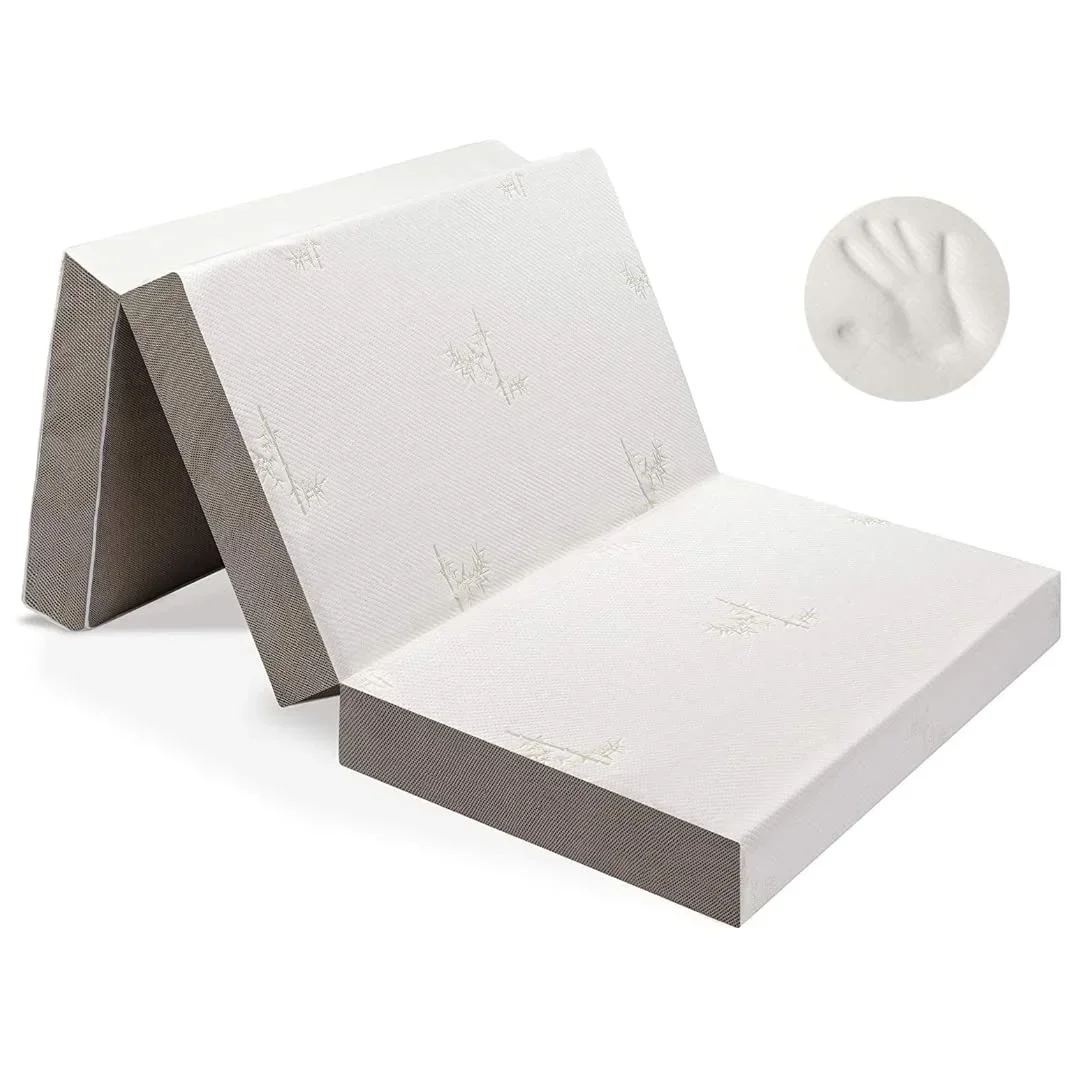
Match the surface to the short floor. A trimmable foam pad is ideal because it sizes to the Golf’s exact footprint and folds away behind the seats. A tri-fold memory-foam pad like the Milliard Tri-Fold Memory Foam Mattress trims to the hatch footprint and is firm enough that you don’t feel the floor; our car mattress comparison covers fit and trimming. Either way, measure first: an inch too long and the pad rides up the wheel wells and leaves you in a trough.
For warmth, pick a sleeping bag rated for the forecast low, and a cheap fleece liner adds roughly ten to fifteen degrees to a basic bag for almost nothing — a common owner tip for shoulder-season nights. A fitted sheet and a real pillow cost almost nothing and beat a sleeping bag sliding toward the tailgate at two in the morning.
One setup detail every guide says and none explain: level the car before you make the bed. Park nose-slightly-uphill so your head ends up higher than your feet — that’s the whole trick. You don’t need a bubble level; you need to not wake with a headache from blood pooling in your skull. On uneven sites a couple of leveling ramps or a flat rock under one front wheel takes the side-tilt out. Do it before you inflate the mattress, because re-parking once you’re horizontal is its own small misery.
Packing Light and Breathing Easy in a Compact Golf
Once the sleeping situation is dialed in, the practical stuff decides whether a night in a Golf is good or miserable — and in a car this small it’s mostly about packing less. The honest list is short: a sleeping setup, water, food that doesn’t need cooking, and a headlamp. Everything else is optional until you learn what you actually use. Owners who overload a cabin this small end up sleeping on top of their own gear and blaming the car, when the real problem was the packing list.
Pack vertical and pack soft. Soft-sided duffels squish into the corners around the wheel wells far better than rigid bins, and they double as bolsters against the sides. Store the tall gear up front in the footwells and behind the front seats, and keep the cargo floor itself clear for the pad — gear beside you is sleeping width you just gave away.
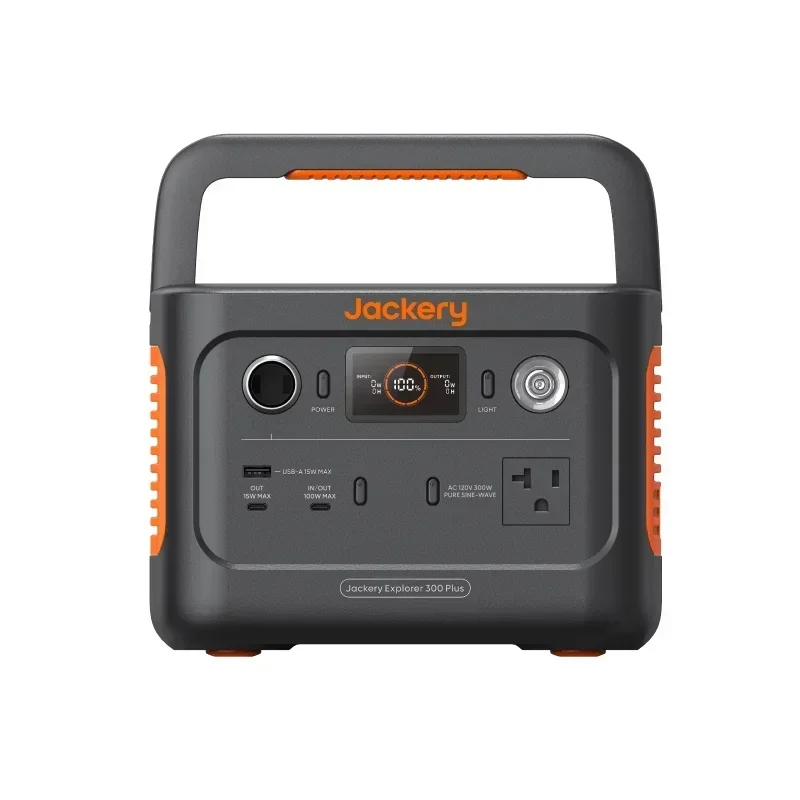
Power up smart. The Golf’s 12V outlets and USB are fine for charging a phone, but running a fan or charging several devices all night can leave you with a flat starter battery by morning — owners report exactly this, and the engine doesn’t meaningfully recharge it at idle. The fix is a portable power station: the Jackery Explorer 300 Plus is right-sized for a hatchback weekend — it runs the fan, tops off phones and a laptop for a night or two, packs small behind the seat, and keeps the car’s starter battery completely out of it. Keep heavy overnight loads off the 12V system and the Golf always cranks in the morning.
The Gear That Makes a Golf Hatchback Sleepable
A Golf isn't a Sprinter, and that's the whole point — it's a hatchback you already own, and with the rear seats folded it gives you a short but genuinely flat load floor for one sleeper. The gap between “it technically fits” and “you actually slept” comes down to four things sized for a compact hatchback: a trimmable mattress for the short bed, covers for the windows, a little airflow, and modest power. Here's what solves each.
These picks are drawn from each product's published specs and how the hardware works, not from first-hand bench testing on our part. The aim is to fit the Golf's compact cargo area, not a full-size SUV.
- Sleep surface — a trimmable pad short enough for a hatchback floor.
- Window covers — privacy and darkness on the side glass and windshield.
- Airflow — a small fan so the cabin doesn't fog overnight.
- Power — a right-sized station, not an overkill one.
A mattress cut for a short hatchback bed
This is the single biggest comfort upgrade. The Golf's seats-down floor is short, so a trimmable foam pad is ideal: the Milliard Tri-Fold Memory Foam Mattress folds to store behind the seats and can be trimmed to the hatch's exact footprint (our car mattress comparison covers fit and trimming), giving real support over the seatback seam.
Window covers for privacy and a darker cabin
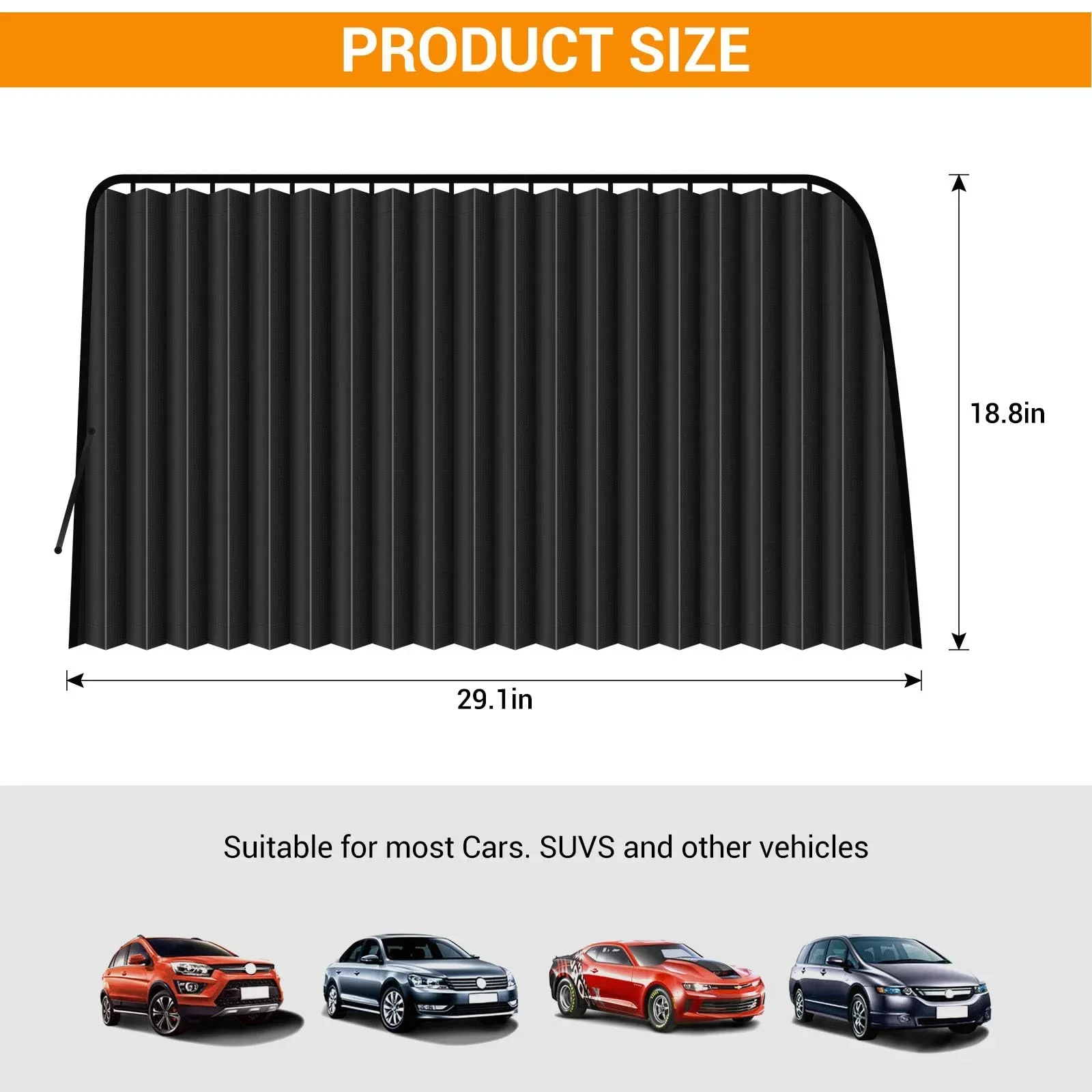
Snap-on magnetic shades like the ZATOOTO Magnetic Car Side Window Sun Shades press onto the Golf's steel door frames with no adhesive for fast side-window privacy, and a reflective EcoNour Foldable Windshield Sun Shade covers the front glass a side kit can't reach. See our guide to car window shades for camping for full-cabin options.
Ventilation so the glass stays clear
Right-sized power for a weekender
You don't need a giant power station for a hatchback weekend. The Jackery Explorer 300 Plus is the sweet spot for a Golf: it runs the fan, tops off phones and a laptop for a night or two, packs small enough to live behind the seat, and keeps the car's starter battery completely out of it — no no-start surprise in the morning. Our power-station sizing guide compares capacities for different trip lengths.
How Tall Can You Be and Still Sleep in a Golf?
The most honest question about a Golf is fit. With the rear seats folded and the front seats slid forward, the flat run is genuinely short — comfortable for one sleeper up to roughly 5'8", workable to about 5'11" on the diagonal, and a stretch beyond that. A few moves buy the extra inches:
- Sleep on the diagonal — lying corner to corner across the cargo floor adds several inches over the straight run.
- Slide the front seats all the way forward and let your feet run into the footwells behind them.
- Fill the footwell gap with a duffel or a cut-to-fit foam block so the trimmed mattress lies flat end to end.
- Go solo — a Golf is a one-person sleeper; two adults is technically possible but genuinely cramped.
If you're taller than about six feet and keep waking up curled, that's the honest signal a hatchback isn't your sleeper — not a gear problem. For solo trips, though, a Golf is one of the more capable small hatchbacks for it precisely because that folded floor is so flat for the car's size.
Condensation, Cold, and Comfortable Nights in a Golf
In a cabin as small as a Golf's, the night-killer isn't space — it's moisture. One person breathing in a sealed hatch fogs the glass by morning, and that damp air makes a cool night feel cold. The fix is counterintuitive: let a little outside air in. Crack two windows an inch on opposite sides for a slow cross-flow, run the small fan to keep that air moving, and the condensation largely disappears — the magnetic shades let you do this while keeping privacy.
For cold nights, remember the Golf's metal body is a heat sink: you lose more warmth to the floor and glass than to the air. Insulate underneath you first (a pad under the mattress beats a blanket on top), cover the windows to cut the radiant cold, and pick a sleeping bag rated about ten degrees below the forecast low. In heat, flip the priorities: park in shade, screen and crack the windows, and let the fan carry the load.
One safety rule overrides everything: never run the engine to heat or cool the cabin while you sleep. Carbon monoxide can pool around a parked car, and people have died doing exactly that. Warm the cabin before bed if you must, then shut the engine off for the night and rely on insulation, ventilation, and good bedding instead.
The Bottom Line: a Golf is a genuine one-person camper
So, can you sleep in a VW Golf? Yes — comfortably for one, and that’s the honest framing. The reason is the Mk7/Mk8 near-flat folded floor: a short ~60–65 inch run that’s genuinely flat for the car’s size. It’s not a luxury RV, but it’s a fantastic, low-cost way to get out there without dropping thousands on a dedicated rig, and the Golf’s fuel efficiency makes it an accessible entry point.
The three things to get right are the surface (a trimmable pad sized to the short, ~40-inch-wide floor), the climate (crack windows and run a fan to beat condensation), and power (the Golf is 12V- and USB-only, so a power station handles anything bigger than a phone). Skip the custom build that makes you feel like you need a whole new vehicle — a decent pad, a way to stay warm or cool, and a plan for power is most of the way there.
What makes the Golf worth recommending despite the short floor is honesty about who it’s for. A solo traveler who’s on the shorter side, drives a lot, and wants to sleep at the trailhead without owning a second vehicle is exactly the right buyer: the near-flat floor and the fuel economy do real work, and the whole setup costs a pad, a bag, and a small power station rather than a build-out. The trial-and-error of a first trip teaches you what you actually need faster than any gear list, and most people find they carry less the second time and sleep better for it.
Match your trips to what the Golf honestly does — one person, maintained roads, a few nights at a time — and it’s one of the more capable small hatchbacks to sleep in. If you’re comparing it against a roomier VW, our VW Tiguan car camping guide and our can-you-car-camp-in-a-sedan guide cover the trade-offs; this page gets the Golf you already own ready for the trailhead. Your owner’s manual won’t tell you how to car camp, but it will tell you how to fold those seats down — that’s the start.