Where to Start
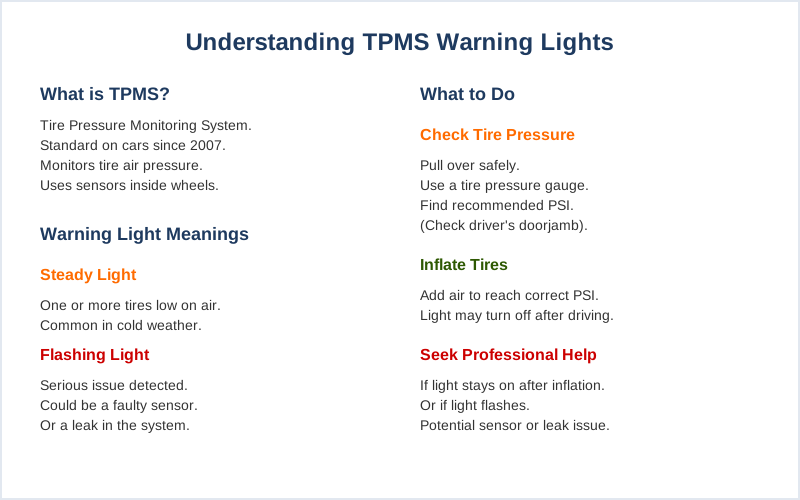
The little light that looks like a tire with an exclamation point inside? That's your car telling you something is up with the air pressure in at least one of its tires TPMS warning light. It's not just a random dashboard decoration; it's a safety system designed to keep you from driving on tires that are dangerously underinflated or overinflated TPMS warning system.
These systems have been standard on cars since 2007 tire pressure monitoring system, and they work by using sensors inside your wheels to constantly measure the air pressure. If the pressure drops too low or climbs too high, the light comes on. It's like your car's way of saying, 'Hey, pay attention to your feet!'.
The Core Answer
So, what's the deal with that TPMS light? Basically, your car's computer is getting a heads-up from sensors in each tire that the air pressure isn't where it should be TPMS light. A steady light usually means one or more tires are low on air. Think of it like this: cold weather hits, and the air inside your tires shrinks.
Suddenly, your tires are running at 25 percent less pressure than they should be, and BAM, the light comes on falling temperatures. Seeing the light for the first time on a chilly morning can be alarming. I thought I'd blown a tire on the drive up.
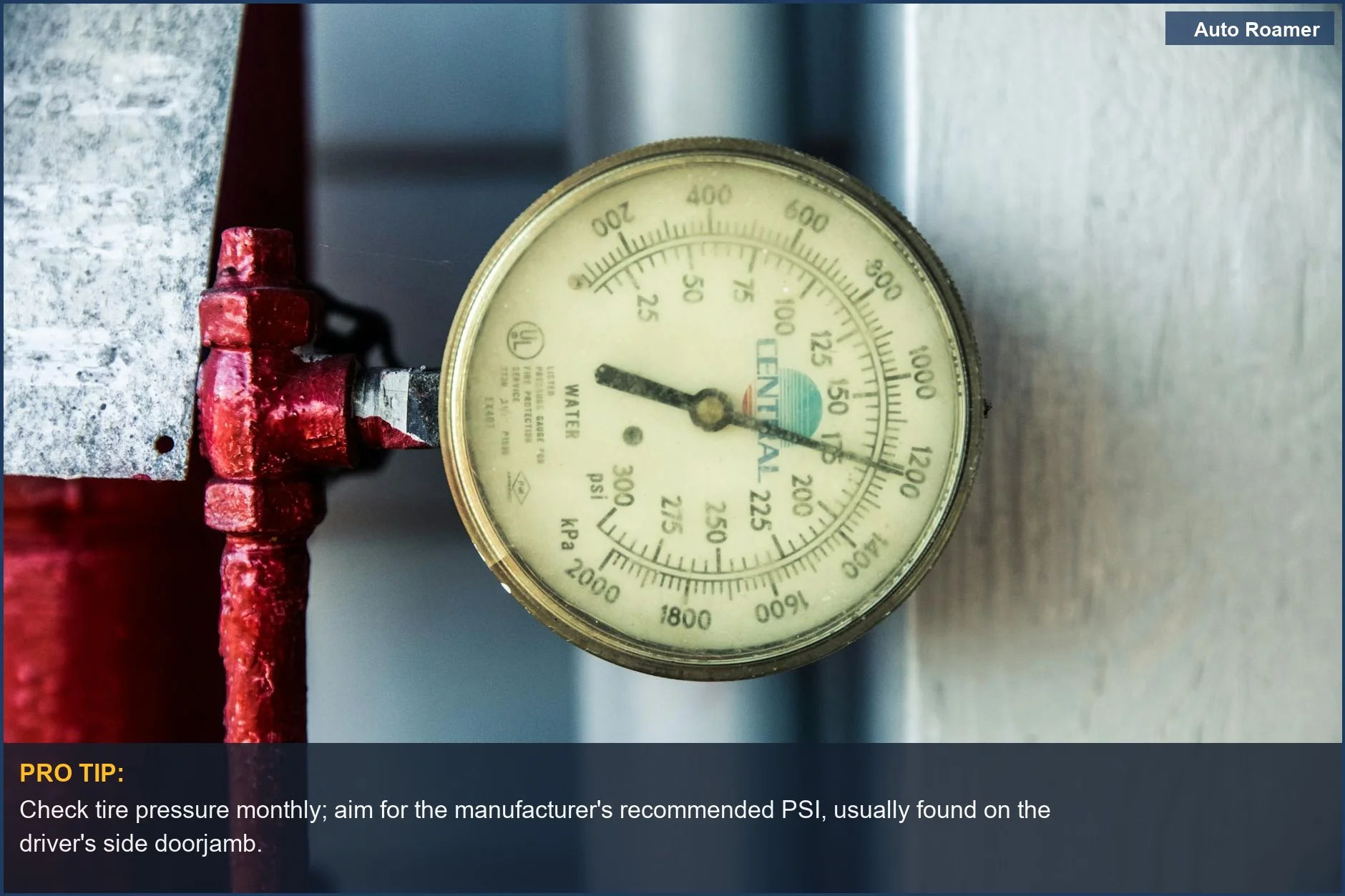
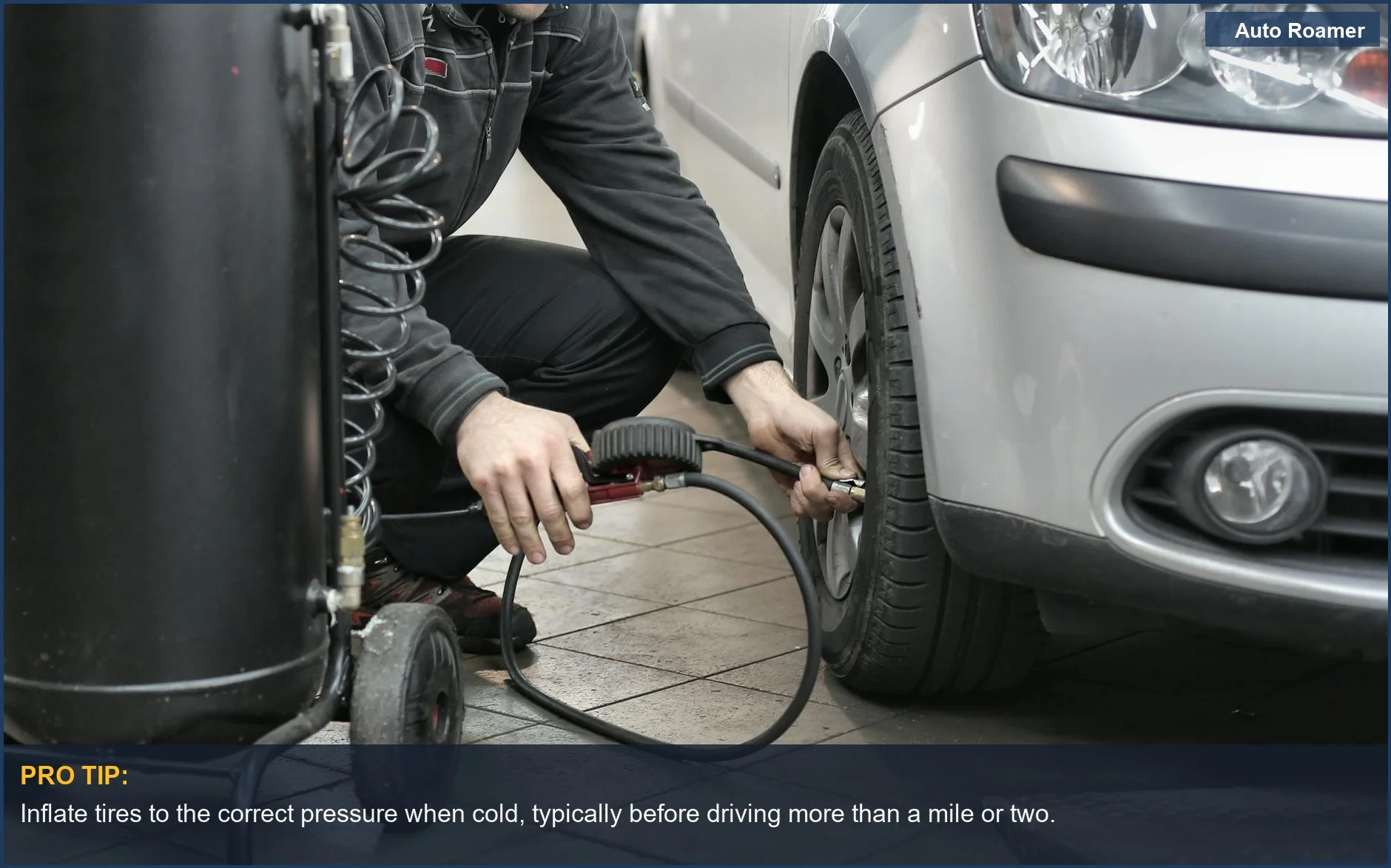
The real move here is to pull over safely and check your tire pressure with a gauge. You can usually find the recommended PSI (pounds per square inch) on a sticker inside your driver's side doorjamb recommended PSI. Don't just guess; use a gauge. A cheap one is fine for starters, maybe $10. Inflate them to the correct pressure, and if the light goes off, you're golden. If it stays on, or if it blinks, that's a different story.
A blinking light usually means there's a problem with the TPMS system itself, like a faulty sensor or a wiring issue blinking TPMS. That's when you might need to see a mechanic. A blinking light often means a sensor got bashed by a rogue pothole. Brilliant engineering, right?
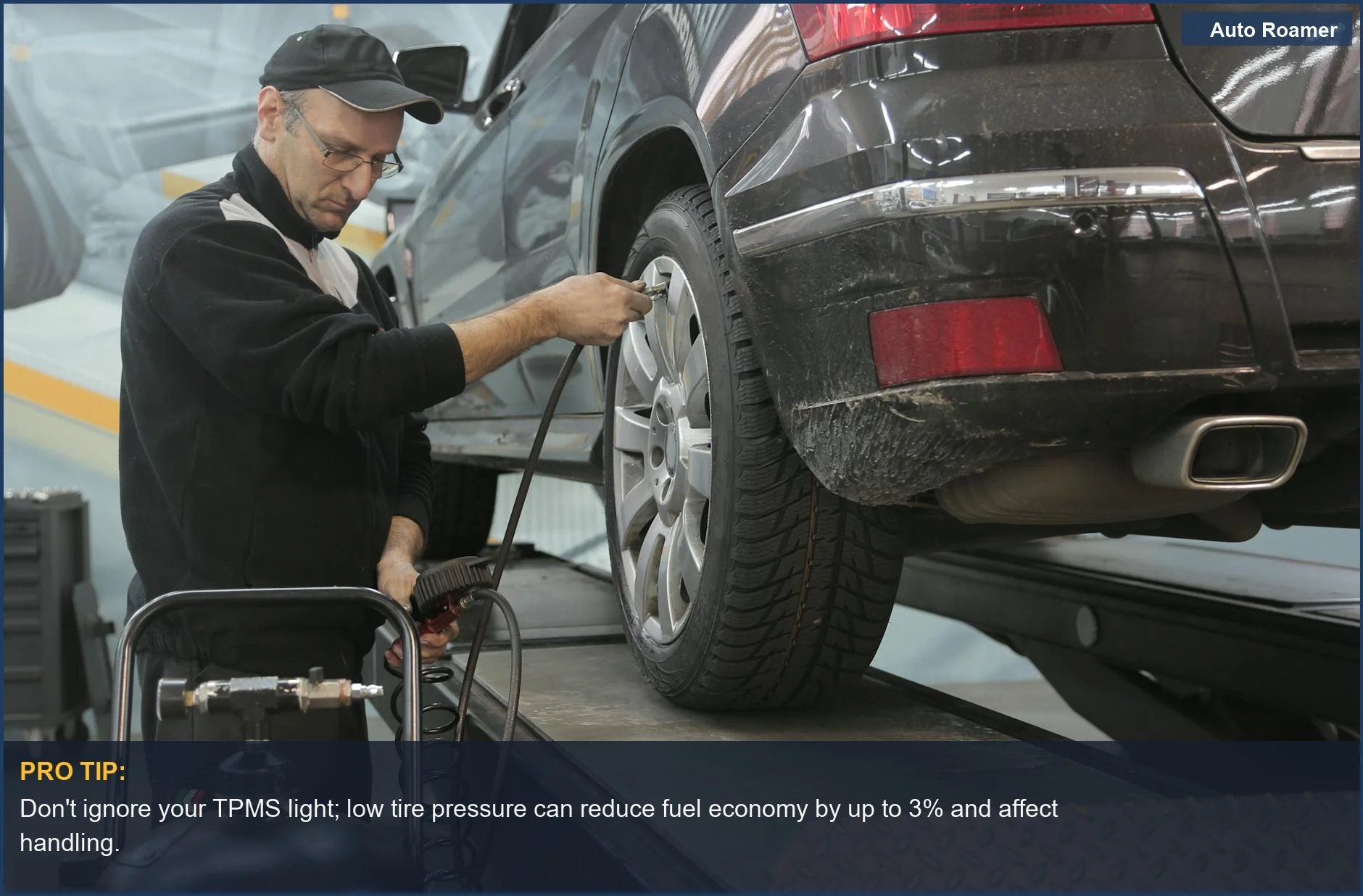
Overinflating your tires is also a rookie mistake, and the TPMS light will come on for that too. Overinflated tires wear out in the center and don't grip as well, making your ride bouncy and less safe overinflated tires. Underinflated tires are even worse; they reduce fuel efficiency, wear down the edges of the tire, and can overheat, which is a recipe for disaster.
Trust me, you don't want to be stranded on the side of a deserted highway because of a flat caused by bad pressure. The honest version is, this light is your car's way of preventing that.
Sometimes, the light comes on and then goes off on its own. This can happen when temperatures fluctuate. For instance, if you drive for a while, the tires heat up, and the pressure increases, turning the light off heat put in the tire through driving. But here's the kicker: just because the light is off doesn't mean your tires are perfectly inflated. The TPMS is an alert system, not a substitute for regular tire checks.
You still need to check your tire pressure at least once a month, light or no light. My second trip out, I was so focused on the TPMS light going off that I forgot to check the actual pressure, and ended up with a tire that was still a bit low. Lesson learned.
Why This Matters for Your Setup
Why does this even matter for your camping setup? Simple: your vehicle is your home on wheels for car camping tire pressure monitoring system. If your tires aren't properly inflated, your whole rig can feel wonky.
- Safety First: Driving with underinflated tires is a gamble. They handle poorly, especially on uneven dirt roads or gravel at a campsite. On a bumpy access road, low pressure makes a car feel like it's going to bounce off the road.
- Fuel Economy: When you're hauling all your gear, every MPG counts. Underinflated tires make your engine work harder, burning more gas to get you to your campsite. That's money you could be spending on s'mores supplies.
- Tire Longevity: Properly inflated tires last longer. Premature wear means you'll be buying new tires sooner, which is definitely not the $50 version of car camping.
- System Malfunctions: A blinking light means there might be a problem with the sensors themselves. These are usually tucked inside your wheel and aren't something you can easily fix roadside.
Making the Right Choice
So, when that TPMS light pops on, don't panic, but don't ignore it either. It's your car's way of giving you a heads-up about something important TPMS light.
- Know the Difference: A steady light usually means low pressure that you can fix yourself with a gauge and a pump. A blinking light is a signal that the TPMS system itself might have an issue and needs professional attention.
- Regular Checks are Key: Even if the light is off, check your tire pressure monthly. The TPMS is a warning, not a replacement for basic maintenance.
- Don't Guess: Always use a tire pressure gauge. Inflating by feel is a surefire way to end up with tires that are too high or too low.
- When in Doubt, Ask: If you're unsure what the light means or how to fix it, a quick visit to a tire shop can save you a lot of headaches and potential damage. They can usually diagnose TPMS issues in under an hour.