
The 27.6-Inch Number and Its Fine Print
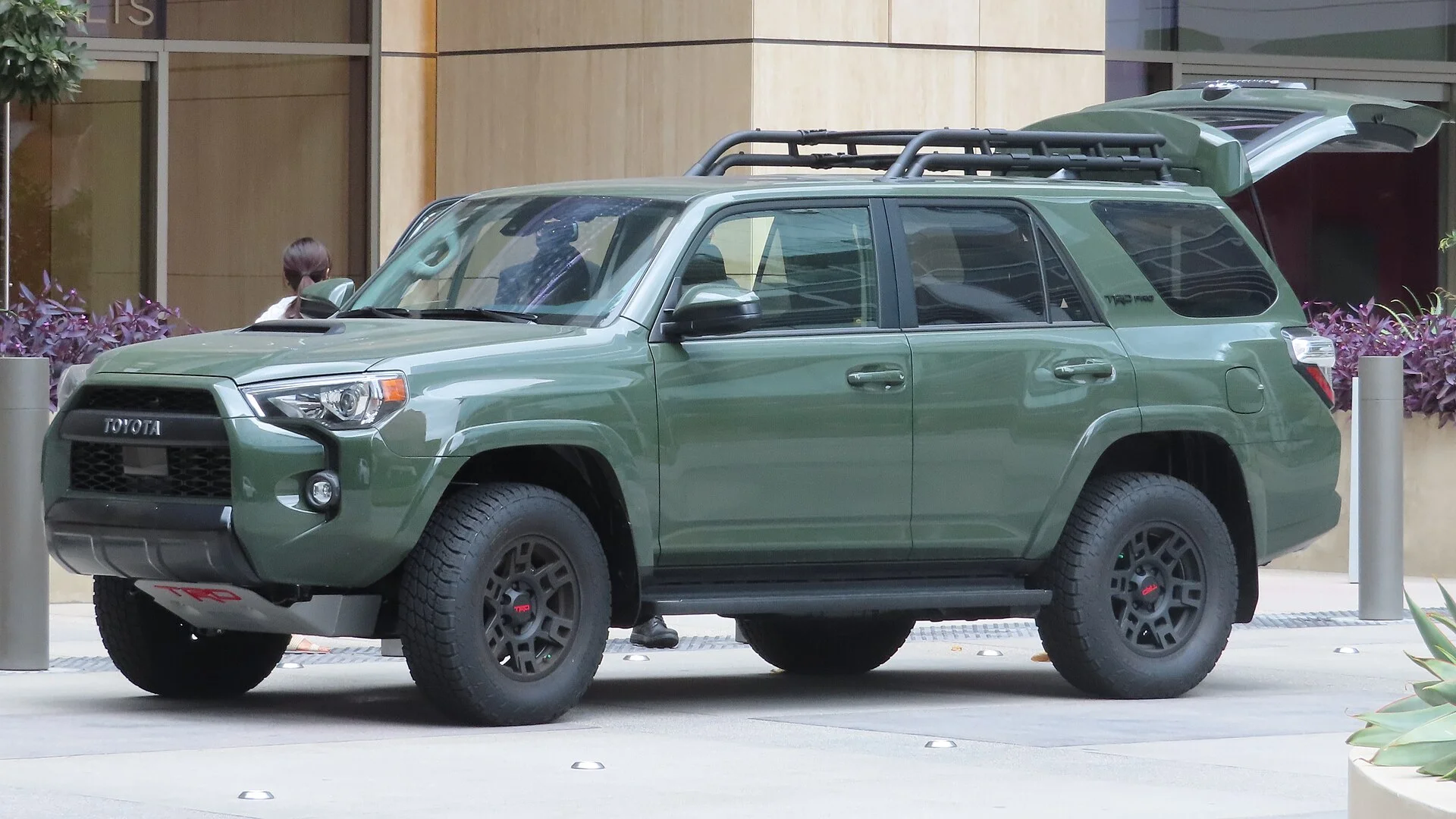
Toyota's cited water wading depth for the 4Runner is 27.6 in (700 mm), a figure carried over from earlier factory specs and still quoted by owners across the 4th- and 5th-generation trucks. On paper that sounds like a serious water-crossing rig, roughly the top of the tire, and it feeds the reputation the 4Runner has earned in overland circles.
Here is the fine print the number hides: on the 4Runner owners' forums, that 700 mm figure is described as a conservative, liability-driven number rather than a guaranteed safe depth for every crossing. It is the depth Toyota is comfortable printing, measured at a walking pace in calm water, not the depth at which the truck is happy.
That distinction is the whole game at a water crossing. A brochure number treats fording as a single line on a spec sheet; the real world treats it as a system of the intake, the breather, the electronics, and the driver's throttle foot, any one of which can fail below the printed depth. Two hundred miles from the nearest parts store, the spec number is not what saves the engine.
The honest way to read the 4Runner's 27.6-inch rating is as a best-case ceiling for a specific, careful crossing, not a depth to aim for. This guide reads it the way a stuck rig teaches you to: what actually sets the limit, the technique that keeps the water where it belongs, and the small parts that fail first when a creek turns out deeper than it looked.
Air Intake Height Is the Real Governor
Ask the forums what actually limits a 4Runner in water and the answer is consistent: it is the air intake height, not the axle seals or the ground clearance. That is the number that matters, and it is not the one on the brochure. Forum consensus on 4Runners.com and toyota-4runner.org holds that the intake is the first thing to drown, and when an engine ingests water it hydrolocks, which is the expensive kind of broken.
The problem is where the factory intake sits. On a stock 4Runner it draws air from inside the fender, low enough that the hydrolock risk can begin well before the 27.6 in / 700 mm spec depth is reached, especially in moving or wavy water. The truck can be nowhere near its rated wading depth and still be one splash from a bent connecting rod.
The spec depth measures where the body sits in the water. The intake measures where the engine breathes. They are not the same number, and the second one is lower and the one that ends trips.
This is why experienced overlanders treat the printed wading depth as almost beside the point. The question at the water's edge is not "is this under 27.6 inches" but "is this under my intake, with margin for the wave I am about to push." A rig with a properly relocated intake can wade deeper than the spec; a stock rig should treat the spec as optimistic.
The Trailhunter Scoop Is a Dust Intake, Not a Snorkel
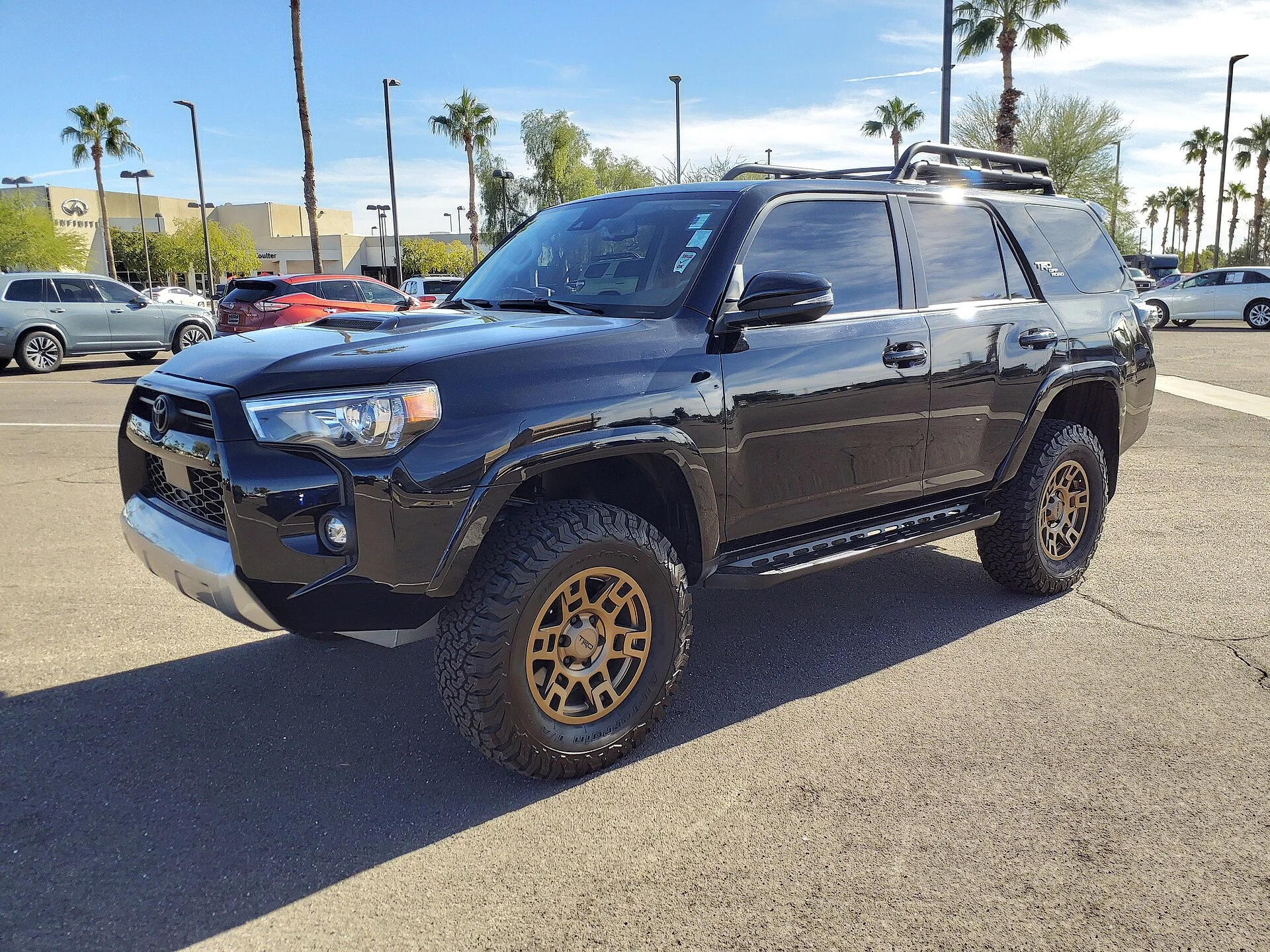
Because the intake is the real limit, a lot of buyers eyeing the 2025-and-newer 4Runner assume the Trailhunter's raised air-intake scoop is a factory wading solution. It looks like a snorkel, so it must let you go deeper. That assumption is wrong, and it is an expensive one to make at a river.
Owners are blunt about it. On the 4Runner6G forum, the raised intake on the Trailhunter is described as a raised air intake for dust prevention, not a certified deep-water wading snorkel. Its job is cleaner air on a dusty two-track, keeping fine grit out of the filter, not sealing the intake path for a deep crossing. The routing and sealing a true wading snorkel needs are a different engineering problem.
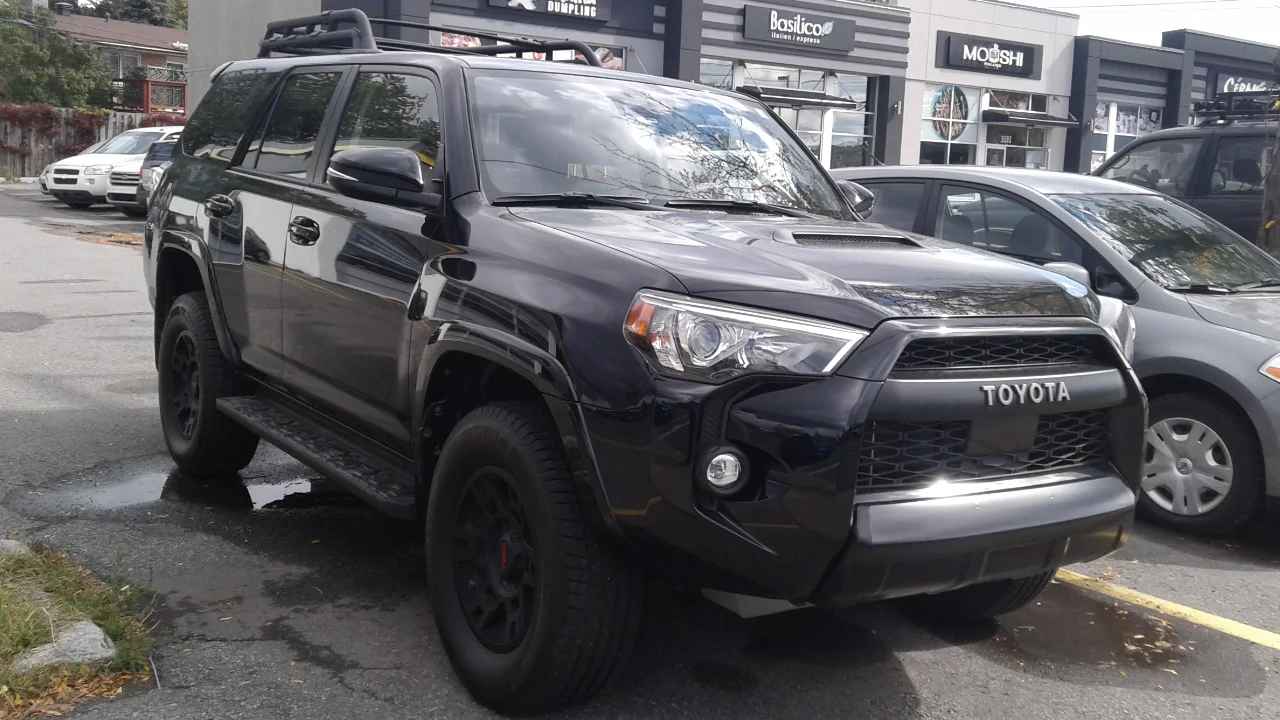
The trim's off-road hardware reinforces the point rather than contradicting it. The TRD Pro and Trailhunter carry the highest geometry in the lineup, a 10.1 in ground clearance and a 33-degree approach angle, but forum members attribute that much higher approach angle, versus 18 to 19 degrees on other trims, to the removed front air dam and raised suspension, not to any change in intake height. The truck climbs better and departs cleaner; it does not breathe from higher up.
So a buyer shopping the Trailhunter for water capability is paying for dust management and geometry, not a deeper wade. If deep-water fording is the mission, the intake still has to be addressed separately, on any trim. The scoop is a genuine feature; it is just not the one that number implies.
Cross Slow: The Bow Wave Raises the Water You Face
The single most useful piece of water-crossing technique costs nothing and is the one new overlanders skip: enter and cross the water slowly. Forum consensus across the 4Runner community is unanimous that a slow, steady pace is what keeps a crossing within its rated depth, and the physics behind it is worth understanding.
Drive in fast and the truck pushes a bow wave, a hump of water shoved up in front of the vehicle that climbs the hood and rises toward the intake. Enter fast and that bow wave effectively raises the water level at the intake even when the static creek depth is well within the rated spec. You can drown a stock intake in water that measured safely at a standstill, purely because you drove into it quickly.
The move is to ease in and maintain a slow, deliberate crawl that pushes a small, steady wave ahead of the truck, keeping the water surface low at the front of the vehicle. It feels painfully slow when adrenaline says hurry. That patience is exactly what keeps the water below the intake and the engine breathing air instead of creek.
Instructors on YotaTech and 4Runners.com pair the slow pace with a depth check first: a common rule of thumb is water no higher than roughly 3/4 up the tire at a slow, steady speed, which is more conservative than the 700 mm factory figure. Walking the crossing on foot when you can, then driving it slowly, is the difference between a story you tell and a recovery you pay for.
The Rear Diff Breather: The Cheap Part That Fails First
Even a perfectly executed crossing has a delayed failure mode that hides until after you are through the water, and it is one of the cheapest parts on the truck. The rear differential breather, a small vent tube on the axle housing, is flagged on the 4Runner6G forum as a known weak point during deep water crossings.
The mechanism is sneaky. During a crossing the axle housing is submerged, and as it cools afterward the pressure inside drops. On a stock truck, that dropping internal pressure can draw water past the seals through the breather unless the breather is relocated or extended above wading height. The water does not rush in during the splash; it gets sucked in quietly as the diff cools on the far bank, and the damage shows up later as milky, water-contaminated gear oil.
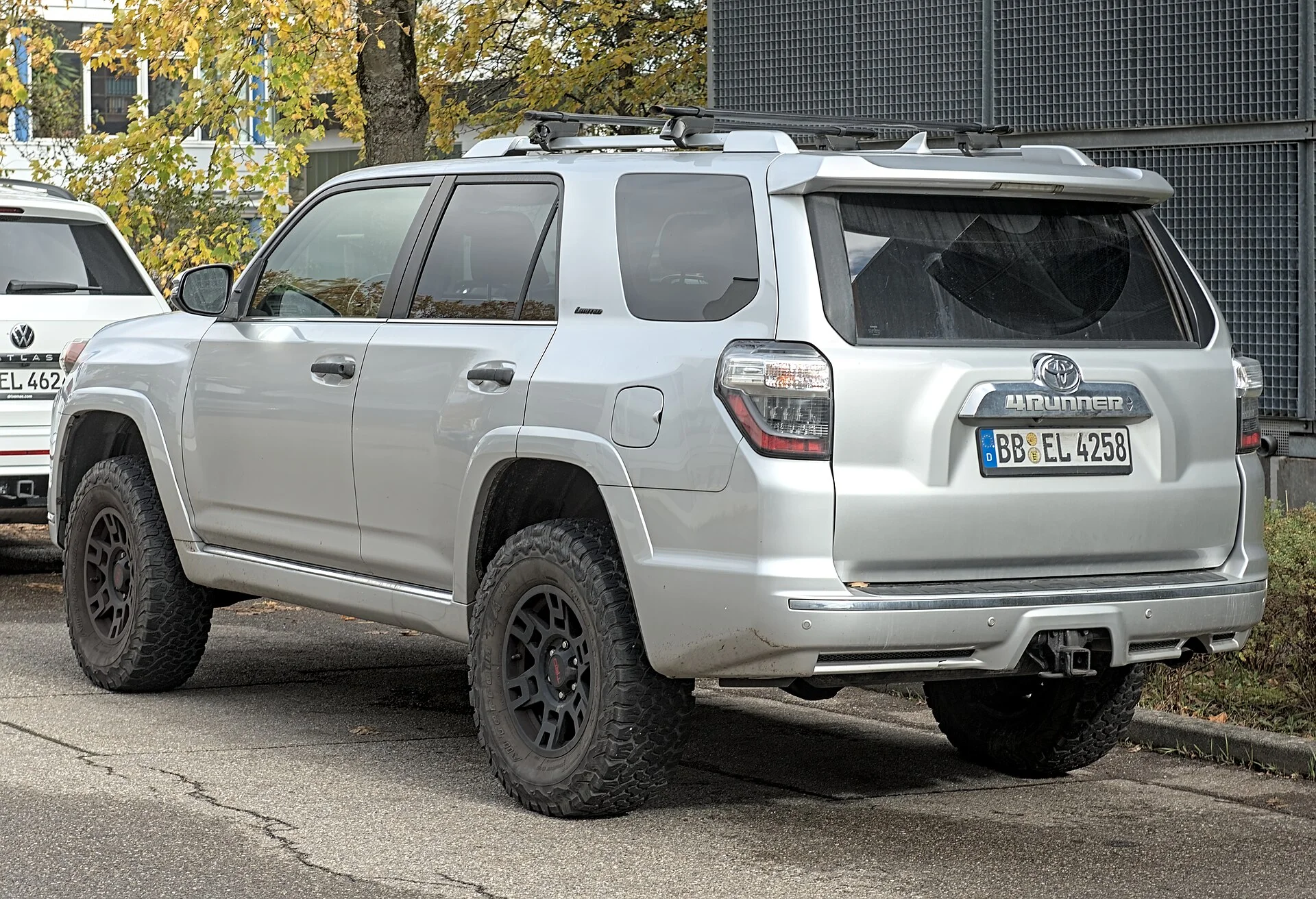
This is a classic overland lesson: the failure that strands you is rarely the dramatic one. A relocated breather kit is inexpensive and is one of the first modifications serious water-crossers make, precisely because it addresses a failure the brochure wading depth never mentions. The 27.6-inch spec assumes the breather stays dry; a stock truck at that depth is testing that assumption.
For a camper heading into terrain with regular crossings, extending the breathers on the diffs and transfer case is cheap insurance against a repair that is anything but. It is the kind of small preparation that separates a rig built for water from one that merely has a good number on its spec sheet.
Geometry Sets Where You Can Approach the Water
Wading depth gets the attention, but the 4Runner's approach and departure geometry decide whether you can even get into and out of the water without damage, and it varies a lot by trim. The banks of a crossing are often steeper than the water is deep, and that is where the angles earn their keep.
The 2025 4Runner's approach angle runs from 18 degrees on the SR5, Sport, Limited, and Platinum trims up to 19 degrees on the TRD Off-Road trims and a big jump to 33 degrees on the TRD Pro and Trailhunter. Departure angle is 22 degrees on the road-biased trims and 24 degrees on the off-road trims. Those numbers are the difference between easing down a broken bank and burying the front bumper in it.
Ground clearance tracks the same split: 8.1 in on the SR5, 8.8 in on the mid trims, 9.1 in on the TRD Off-Road, and 10.1 in on the TRD Pro and Trailhunter. More clearance means the belly clears a submerged rock or a rutted entry that would high-center a lower trim, and it buys a little margin on where the water sits relative to the vulnerable underbody.
For water work specifically, the geometry matters most at the edges. A steep entry with a low approach angle forces you to hit the water at an angle that shoves a bigger bow wave, while a generous approach lets you enter flatter and slower. The breakover angle, 23 degrees on the SR5 and 24 degrees on the rest, governs whether a high mid-stream rock catches the frame. Picking the line is a geometry problem before it is a depth problem.
Stock vs Built: What Changes the Real Number
The gap between the 4Runner's printed wading depth and its safe real-world depth is exactly what a thoughtful build closes. Understanding which modifications move the real limit, and which just look the part, keeps the budget aimed at capability instead of appearance.
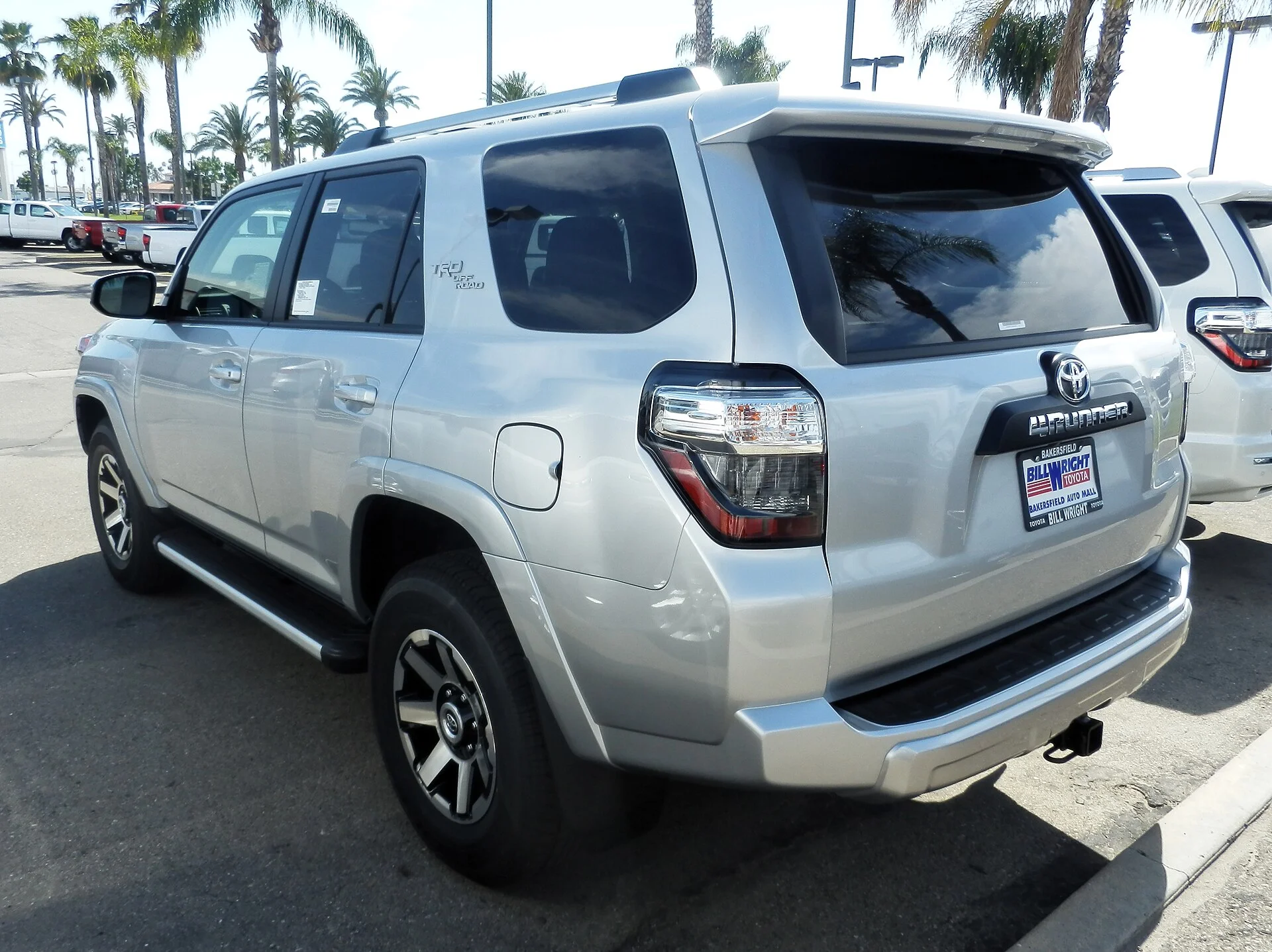
The modification that actually raises wading depth is a genuine snorkel that relocates the intake to roof height with a properly sealed path, not a dust scoop. That is the single change that lets a 4Runner exceed its 27.6-inch factory number with real margin, because it moves the governing limit, the intake, up out of the water. Everything else is supporting cast.
The supporting cast still matters. Extended diff and transfer-case breathers address the cooling-suction failure; a suspension lift adds clearance and improves the entry and exit angles; and knowing the electrical connectors and their vulnerability helps you avoid crossings that would swamp them. None of these alone makes the truck a submarine, but together they turn the spec depth from an optimistic ceiling into a conservative floor.
The honest verdict is that a stock 4Runner is a capable crosser of shallow, calm water at a slow pace, and its 27.6-inch number should be treated as generous for that stock configuration. A rig built specifically for water, intake first, then breathers and clearance, earns the deeper crossings. A quality set of recovery boards belongs in either truck, because the crossing that goes wrong is the one you have to get out of, not into.
Reading a Crossing Before You Commit
Putting the numbers into practice, a safe crossing is decided before the front tires touch the water. The overlander's habit is to stop, get out, and read the crossing on foot, because the spec depth means nothing if you cannot see the bottom or judge the current.
The first read is depth relative to your intake, not to the brochure. If the water looks higher than roughly 3/4 of the tire, a stock 4Runner is already past its conservative guidance regardless of the 700 mm figure, and the honest call is to find another line or turn around. Moving water complicates this further, because current pushes water up the truck and adds force that a static depth measurement never captures.
The second read is the bottom and the exit. A firm gravel bottom holds a truck; soft mud or loose boulders do not, and a crossing you can enter but not exit is a worse trap than one you never attempt. Walking it tells you where the deep channel sits and whether the far bank offers an angle the 4Runner's departure geometry can actually climb.
The third read is honesty about consequences. A drowned intake is an engine, not an inconvenience, and it happens fast and far from help. When the read is uncertain, the experienced move is the boring one: don't cross. The 4Runner's reputation for water is real, but it rests on drivers who respect the intake, not the number, and who treat the 27.6-inch spec as the most the truck can do rather than the least.
Where the 4Runner Fits as a Water-Crossing Rig
Stepping back, the 4Runner earns its overland reputation not because of an exceptional wading number but because of the whole package around it: a body-on-frame platform, real off-road geometry on the right trims, and a huge aftermarket that makes closing the water gap straightforward. Range planning still matters on a thirsty V6, but the truck goes where the pavement stops when it is set up for it.
Against that backdrop, the 27.6-inch factory wading depth is a fair, conservative baseline for a capable but stock truck. It is neither a weakness to apologize for nor a headline to chase. It is Toyota's honest, liability-aware statement of what the truck does at a walking pace in calm water, and a smart owner treats it exactly that way.
For a camper choosing a trim, the water mission argues for the TRD Off-Road or higher, not for the wading number, which is common across trims, but for the clearance and angles that get you to and from the water and the locking rear differential that gets you through soft entries. The 10.1-inch clearance and 33-degree approach of the top trims are the geometry that makes hard crossings approachable.
The truck a buyer is really choosing is a platform to build on. A 4Runner that will see regular water deserves an intake relocation and extended breathers before it deserves a bigger tire, because those are the parts that move the real limit. Match the build to the mission and the 4Runner is one of the most trustworthy water-crossing rigs on the trail; trust the 27.6-inch number on a stock truck in moving water and it becomes a very expensive lesson in where the intake sits.
The Verdict: Respect the Intake, Not the Brochure
The 4Runner's 27.6 in (700 mm) wading depth is a real specification, but it is the ceiling of a careful, slow, calm-water crossing, not a target. The number that actually decides a crossing is the air intake height, which on a stock truck sits low enough to drown before the spec depth in moving or wavy water.
The technique is free and it is the most important upgrade: enter slowly, keep the bow wave small, walk the crossing first, and treat water higher than about 3/4 of the tire as a reason to reconsider on a stock rig. Fast entry raises the water at the intake no matter what the static depth measured.
The cheap failure to prepare for is the rear diff breather drawing water as the axle cools after the crossing; extended breathers are inexpensive insurance against contaminated gear oil the wading depth never warns about. On the 2025 trucks, remember the Trailhunter's raised scoop is dust management, not a wading snorkel.
Read the crossing, respect the intake, cross slow, and the 4Runner lives up to its water reputation on any trim. Chase the 27.6-inch number on a stock truck in current, and the fine print becomes a hydrolocked engine a long way from a parts store. The spec is what the truck can do; the intake is what it will let you do.