
Awning Size Is a Rack Question, Not a Roofline Question
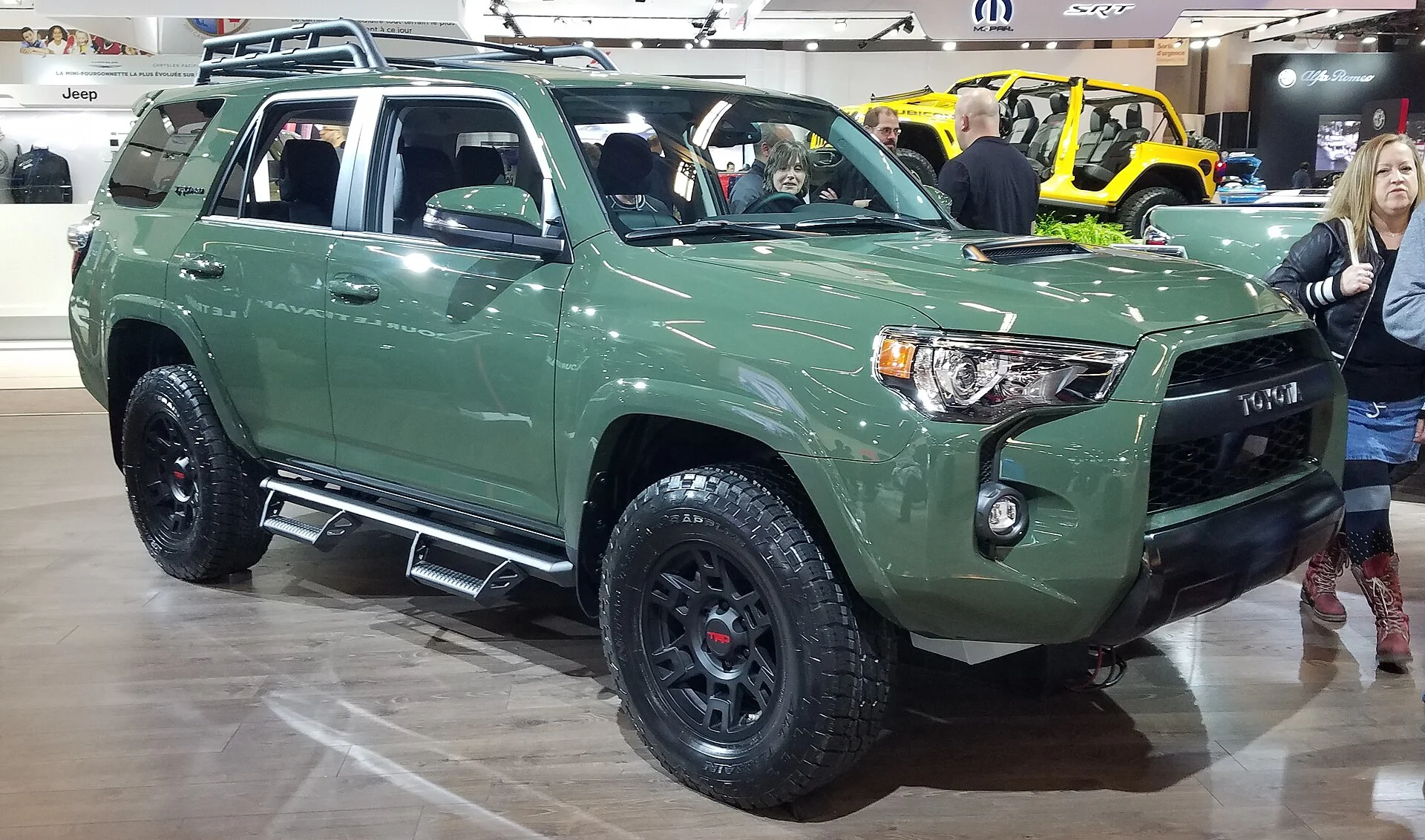
The first thing to understand about fitting an awning to a 4Runner is that the size is decided by your roof rack, not your roofline. People shop awnings by picturing the shade; they should shop them by measuring the rack. On a 5th-generation 4Runner, the answer most owners land on is a 6.5-foot awning, and there is good reason it has become the default.
Awnings for the 4Runner run from the straight ARB 2000mm and 2500mm classics that deploy off one side, up to the 180-degree and 270-degree wrap-around designs that shelter the back and side together. Each has a fitment story, and the wrong pairing leaves you with an awning that overhangs, sags, or does not fit the rack at all.
On my rig, an awning earns its spot only if it mounts clean and deploys fast, because shade you fight with is shade you stop using. The proportion matters too: a straight awning that runs longer than your rack looks and behaves wrong, hanging past the ends where nothing supports it. Fit is function here, not just looks.
Everything below traces to the published awning sizes and the fitment guidance owners have worked out, described impersonally. I have not bolted a specific awning to a specific 4Runner on a bench; I am reading the fitment the way you should before you spend, so the awning you buy actually matches the rack you have.
The Awning Types: Straight, 180, and 270 Degrees
Start with the three shapes, because they shelter differently. The straight awning — the ARB 2000mm and 2500mm classics — is a rectangle that folds out from one side of the vehicle on two support legs. It is the simplest, lightest, and cheapest option, and it covers the length of one side. For a solo camper or a small setup, it is often all you need.
The 180-degree awning is a step up in coverage, sweeping a wider arc off the side and part of the rear. It bridges the gap between the simple straight awning and the full wrap-around, offering more shade without the full weight and cost of the largest design.
The 270-degree awning is the big one. It unfolds to wrap around the side and rear of the vehicle, providing generous shelter over a large area — the kind of coverage a group or a basecamp wants. The trade is weight, cost, and the need for a rack that can carry and mount it properly, which brings the roof rack back into the decision.
The overlander's read is to match the shape to how you camp. Solo and mobile, the straight 2000mm is efficient and quick. Group basecamp, the 270-degree earns its weight. The 180-degree is the middle path for someone who wants more than a strip of shade but not the full commitment. Pick the coverage you will actually use, then confirm your rack supports it.
Matching Awning Size to Your Rack Length
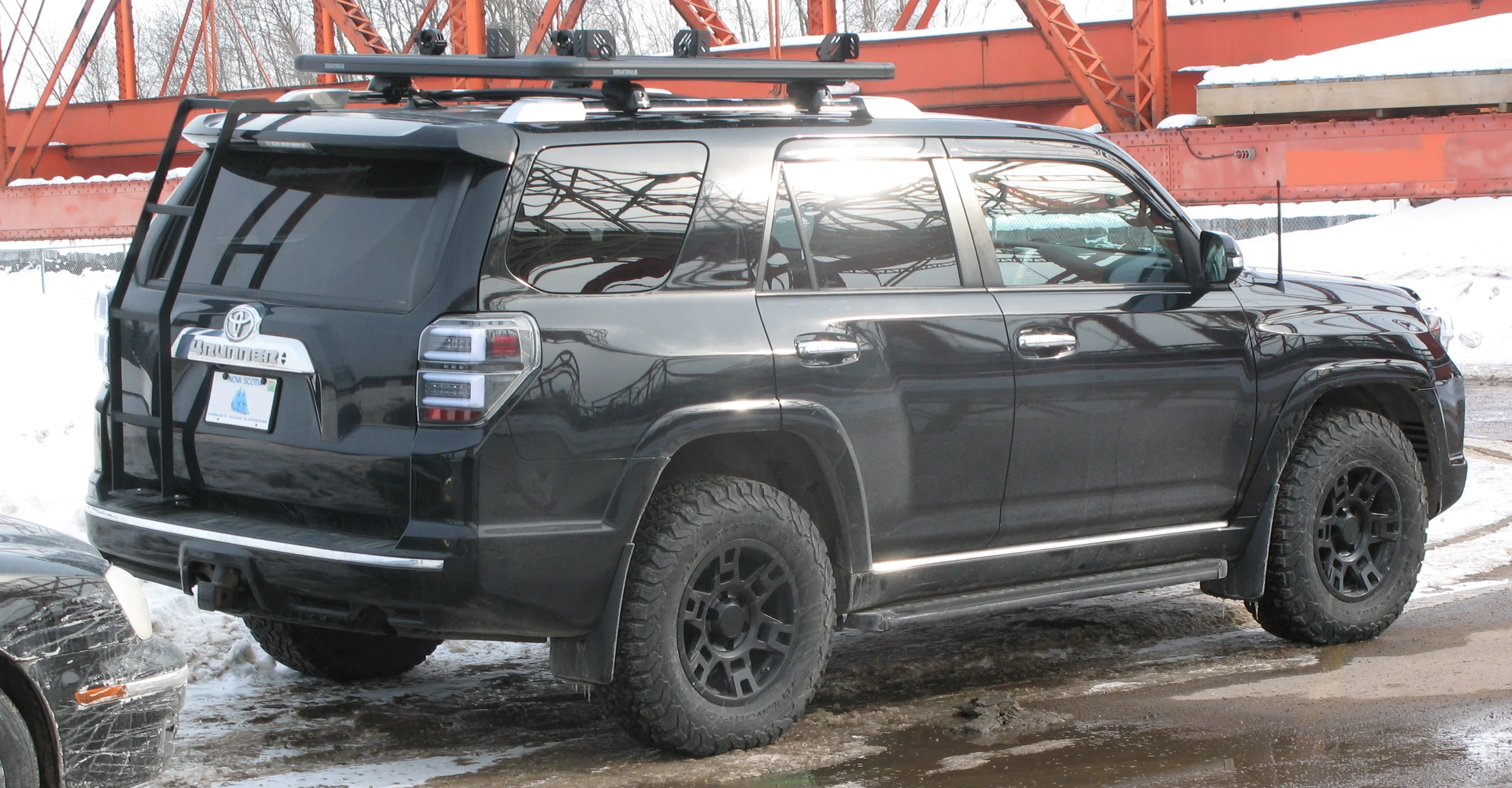
Here is the fitment rule that saves you from a mismatched purchase: the awning size has to match the rack length. 4Runner roof racks come in full-length and three-quarter-length options, and that choice constrains which awnings fit cleanly. A full-length rack supports the wider awnings and rooftop tents; a three-quarter rack is more limited.
The clearest example is the 2500mm awning, which is approximately 8 feet long. It works best with a full-length roof rack, because it needs the mounting length to be supported along its span. Put an 8-foot awning on a rack too short to back it and the ends overhang unsupported, which is exactly the sag-and-flap problem you want to avoid.
The 2000mm awning is the more flexible choice, fitting a wider range of rack sizes including shorter racks. If you run a three-quarter rack or you are not sure your rack can support a full 8-foot awning, the 2000mm is the safer bet. It gives up some coverage for fitment flexibility, which for many 4Runner owners is the right trade.
The habit to build is to measure and confirm your rack's usable mounting length before choosing an awning size. A full-length rack opens the door to the 2500mm and the 270-degree wrap-arounds; a shorter rack points you toward the 2000mm. The awning that fits your rack is the one that deploys clean and lasts, regardless of which is biggest on paper.
Why 6.5 Feet Is the Popular Sweet Spot
Among all the options, the 6.5-foot awning has become the recommended and most popular size for the 5th-gen 4Runner, and it is worth understanding why. It is the size that balances real coverage against proportion on the vehicle — long enough to shade a useful area, short enough to look and mount right on the 4Runner's roof rack.
Proportion is not just vanity. An awning that runs longer than the rack that supports it overhangs at the ends, where there is no mounting point to hold it steady. That overhang is where sag starts and where wind gets leverage. The 6.5-foot length tends to sit within the 4Runner's rack span, so it is supported along its length and deploys taut.
Coverage-wise, 6.5 feet shades a comfortably sized area — enough for a chair, a cooking setup, or a doorway out of the sun and light rain — without the bulk and weight of the 8-foot-class 2500mm. For the solo or couple camper who makes up most 4Runner owners, it hits the coverage most people actually use.
The overlander's take is that the 6.5-foot size is popular because it is the honest match for the vehicle: proportionate, well-supported, and enough shade for real use. Bigger is not automatically better when the extra length hangs past your rack. Unless you specifically need the wrap-around coverage of a 270-degree awning, the 6.5-foot straight awning is the size that just works.
Straight vs 270-Degree: Coverage Against Weight and Cost
The real decision for many buyers is straight awning versus 270-degree wrap-around, and it is a classic coverage-versus-cost trade. The straight 2000mm or 6.5-foot awning covers one side in a simple rectangle, sets up in a minute, weighs little, and costs the least. It is the efficient choice for mobile camping where you move often.
The 270-degree awning wraps around the side and rear, sheltering a much larger footprint — the difference between shade for a chair and shade for a whole camp kitchen and gathering area. For a group, a basecamp, or anyone who parks and stays, that coverage is genuinely useful and hard to replicate with a straight awning.
The costs are real, though, and worth naming honestly. The 270-degree awning weighs substantially more, which matters on a roof rack where weight sits high and affects handling. It costs more, takes a bit longer to deploy and pack, and demands a full-length rack that can carry and mount it. Those are not dealbreakers, but they are the price of the coverage.
The overlander's rule is to buy the coverage you will actually use, not the most coverage available. If you camp solo and move daily, the weight and cost of a 270-degree awning is spent on shade you rarely deploy fully. If you basecamp with a group, the straight awning will leave you chasing shade. Match the awning to your style, and a vehicle awning sized to your camping style is money well spent either way.
Mounting: The 27-Inch Rule and Why Three Points Win
How you mount the awning matters as much as which one you buy, and there is a specific rule worth knowing. When mounting an ARB awning at only two points, the excess ends should not exceed 27 inches of unsupported overhang. Beyond that, the unsupported ends are prone to sag and flex, especially in wind.
The safer approach, and the one experienced owners recommend, is to secure the awning at three points rather than two. A third mounting point along the awning's length removes the long unsupported span, keeping the awning rigid and stable when the wind picks up. It is a small amount of extra hardware for a meaningful gain in stability.
This is where the rack length feeds back into mounting. A full-length rack gives you the span to place three well-distributed mounting points; a shorter rack may force you into a two-point mount with more overhang, which is exactly when the 27-inch limit becomes the constraint. Fitment and mounting are the same problem viewed from two angles.
The overlander's habit is to plan the mount before buying: know your rack's mounting length, aim for three points, and keep any unsupported ends under 27 inches. An awning mounted this way deploys taut and rides quiet on the highway. One mounted with long overhangs at two points flaps, sags, and eventually works its brackets loose — the failure that shows up a long way from a hardware store.
Deploying and Living With It: The Wind Factor
An awning's real test is weather, and this is where an overlander earns the setup. A deployed awning is a sail. Even a well-mounted 6.5-foot or 2500mm awning catches wind, and an unstaked one in a gust is how you bend arms, tear fabric, or worse. The mounting keeps it on the truck; the staking keeps it intact.
The discipline is to guy it out. Most awnings include or accept guy lines and stakes that anchor the deployed arms to the ground, and using them is not optional in any real wind. Staked and tensioned, an awning rides out a breeze that would wreck an unstaked one. It takes an extra minute at setup and saves the whole awning.
Reading the weather is part of it. If the wind is building or a storm is coming, the right move is to pack the awning away rather than trust it. Fabric and aluminum arms are no match for a real gust, and a 270-degree awning's large area makes it especially vulnerable. Knowing when to stow it is as important as knowing how to deploy it.
The failure mode that matters is the one that strands you far from a replacement. A torn awning or a bent arm on day one of a long trip means no shade for the rest of it. So stake every deployment, tension the guy lines, and stow early when the wind turns. Treated with that respect, an awning is one of the best comfort upgrades a 4Runner carries; treated carelessly, it is a one-storm consumable.
Choosing Your Size: Solo, Couple, or Group
Pull it together by matching the awning to your actual camping party. For a solo overlander who moves often, the straight 2000mm or a 6.5-foot awning is the efficient answer: light, quick, cheap, and enough shade for one person and a chair. Anything bigger is weight and cost you carry for coverage you rarely use.
For a couple or a small setup, the 6.5-foot awning remains the sweet spot, and this is exactly why it is the most popular 4Runner size. It shades a cooking area and a doorway, mounts proportionately, and does not demand a full-length rack. It is the size that fits the most common way people actually use a 4Runner for camping.
For a group or a dedicated basecamp, step up to the 2500mm or a 270-degree awning, and plan the rack to match. The larger straight awning at roughly 8 feet or the wrap-around 270-degree shelters a real gathering space, and if you camp with others or stay put for days, that coverage transforms the campsite. Just commit to the full-length rack and three-point mount they require.
The overlander's summary is to size the awning to your party and your rack, not to the biggest option on the shelf. The 6.5-foot awning wins for most 4Runner owners because most 4Runner owners camp solo or as a couple. Know which camper you are, and the right size becomes obvious rather than a guess you regret after the first trip.
Awning Walls, Rooms, and Pairing With a Rooftop Tent
An awning rarely lives alone on a 4Runner, and how it works with your other gear shapes the size you should buy. Many awnings accept add-on walls or a full room that zips onto the perimeter, turning open shade into an enclosed, bug-proof space. If a room is in your plans, the awning's size and the wall kit have to match, so buy them as a system rather than piecing them together later.
Walls change the wind math too. An enclosed awning room catches far more wind than an open awning, so the staking and three-point mounting discussed earlier matter even more once you add walls. The convenience of a bug-free room comes with a bigger sail, and an overlander plans the anchoring accordingly rather than discovering it in the first breeze.
Pairing with a rooftop tent is the other common combination, and here the roof rack is the shared constraint. A rooftop tent and an awning both mount to the rack and both add weight up high, so a full-length rack rated for the combined load is the foundation. Many owners run the tent on one side and the awning on the other, which is exactly the kind of balanced setup a full-length rack is built for.
The overlander's approach is to plan the whole roof as one system before buying any single piece. Decide whether you want an awning room and whether a rooftop tent shares the rack, then size the awning, the rack, and the mounting to carry it all. A piecemeal setup where the awning fights the tent for rack space is the frustration that comes from buying one accessory at a time instead of designing the roof once.
The Verdict: Fit the Rack, Then the Coverage
Awning fitment on a 4Runner comes down to a clear order of operations. First, know your rack: full-length racks support the 2500mm and 270-degree awnings, while three-quarter racks point you toward the flexible 2000mm. Then choose coverage: straight for solo and mobile, 180 or 270 degrees for group basecamps.
For most owners, the 6.5-foot awning is the honest answer, and its popularity is earned. It balances real shade against proportion on the roof rack, mounts within the 4Runner's span so it deploys taut, and suits the solo-or-couple camping that most 4Runners actually do. Unless you specifically need the wrap-around coverage of a 270-degree awning for a group, it is the size that just works.
Whatever you choose, mount it right and live with it wisely: aim for three mounting points, keep any two-point overhang under 27 inches, stake and tension every deployment, and stow early when the wind turns. Do that and the awning becomes one of the best comfort upgrades your 4Runner carries. Rush the fit or skip the stakes, and it becomes a sagging, flapping consumable that fails a long way from a replacement.