
On a Wagon, Height Is the Constraint You Design Around
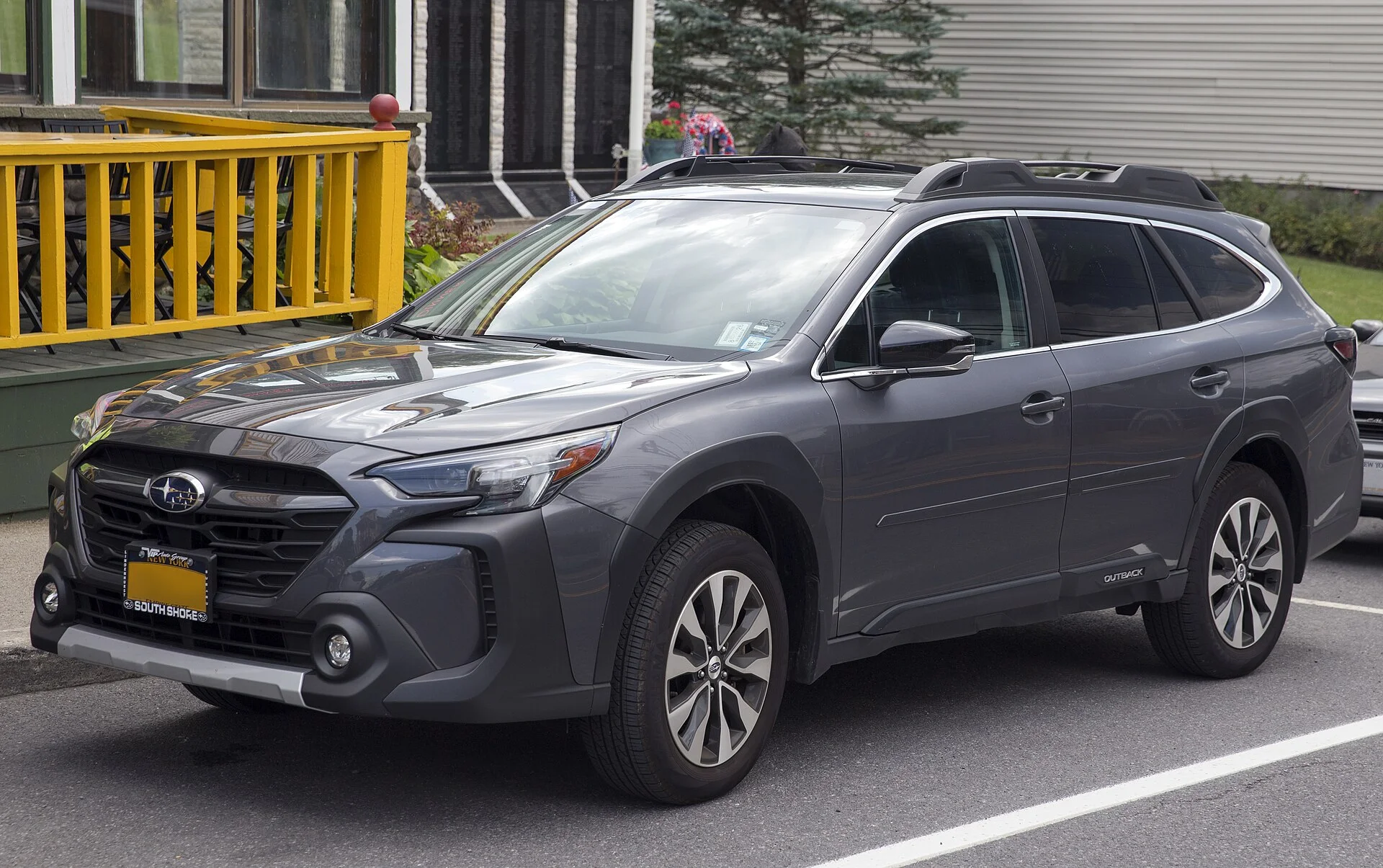
A sleeping platform in a truck or a tall SUV is a volume problem; in a Subaru Outback it is a height problem. The Outback is a wagon, and its low roofline means every inch a platform adds under the sleeper is an inch stolen from the space above them. That single fact should drive the whole build, and most platform plans get it backwards.
The temptation is to build a tall drawer system like the ones that fill a 4Runner or a truck bed. In an Outback, a tall platform leaves so little headroom that sitting up becomes impossible and even rolling over is tight. The wagon rewards a low, thin platform far more than a deep storage box, because the roof is the limit, not the floor.
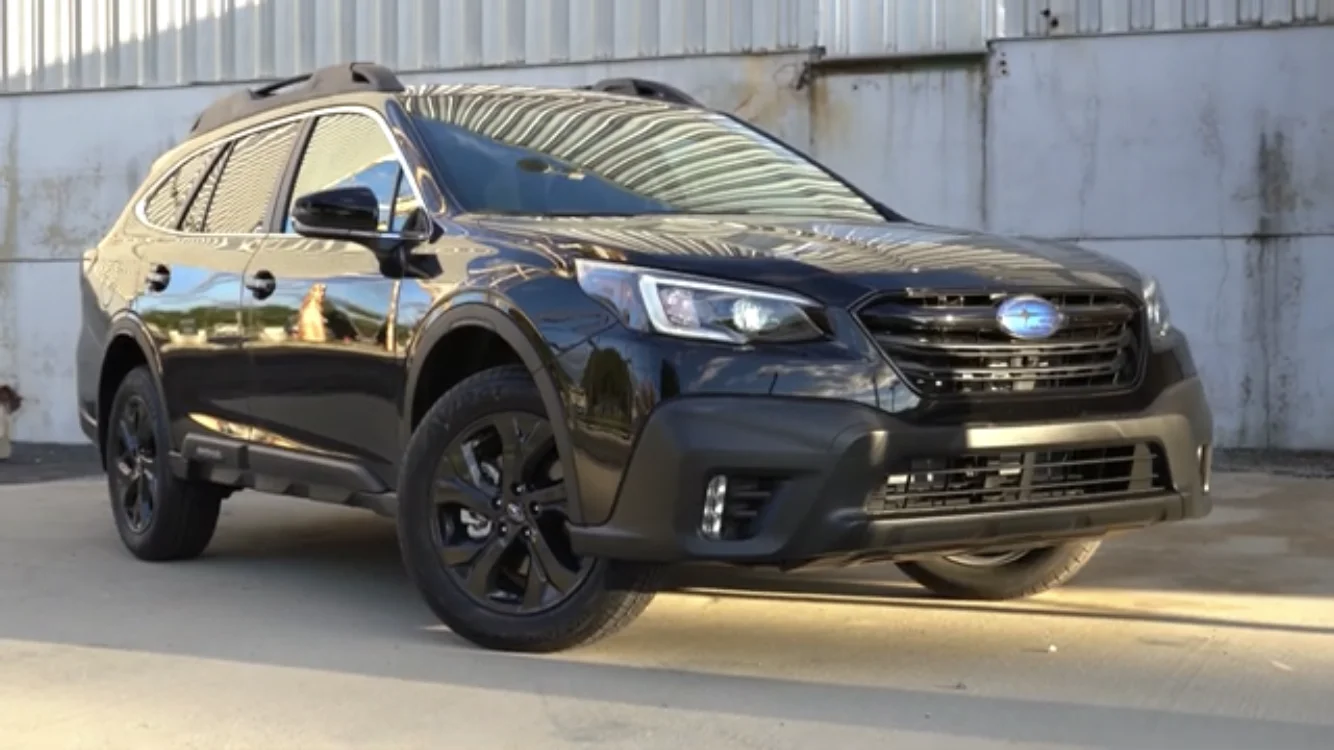
The evidence that height is the theme is in Subaru's own redesign. The all-new 2026 Outback raised its roofline by about 2 inches compared to the prior generation, increasing cargo hold height, and that change alone tells you where the constraint lives. When the manufacturer buys back sleeping room by raising the roof, the platform builder should be spending that room carefully.
This guide builds the Outback platform sit-height-first: it starts from the roof, works down to a platform height budget, uses the one cargo dimension Subaru holds constant to set the width of the cut, and treats storage underneath as what fits in the remaining height, not the goal that sets it. The result is a platform you can actually sit up on, not a box you can only lie flat under.
The One Dimension Subaru Keeps Constant: 43 Inches Wide
Every good build needs a fixed dimension to cut to, and on the Outback that dimension is remarkably stable across the model's history. Across Outback generations, the cargo area measures approximately 43 inches wide between the wheel housings. That 43-inch figure is the width your platform's main deck has to fit between.
The reason this matters is that the wheel wells intrude into the cargo area, and they are the pinch point a platform has to clear. A deck cut to fit the roughly 43 inches between the wheel housings sits flat on supports without fighting the intrusions, while a deck cut to the wider floor at the tailgate will not slide forward past the wells.
Cut the platform's main width to the 43 inches between the wheel wells, not the wider floor at the tailgate. The wheel housings are the choke point, and a deck that clears them is a deck that sits flat and slides in.
The stability of that 43-inch number across generations is a genuine convenience: a plan built for one Outback largely transfers to another, because Subaru kept the between-wheel-well width consistent even as it changed cargo volume. Confirming the exact width on the specific car with a tape measure before cutting is still the right move, but 43 inches is the dimension the whole deck is organized around.
Measure Your Own Length, Because Subaru Doesn't Publish One
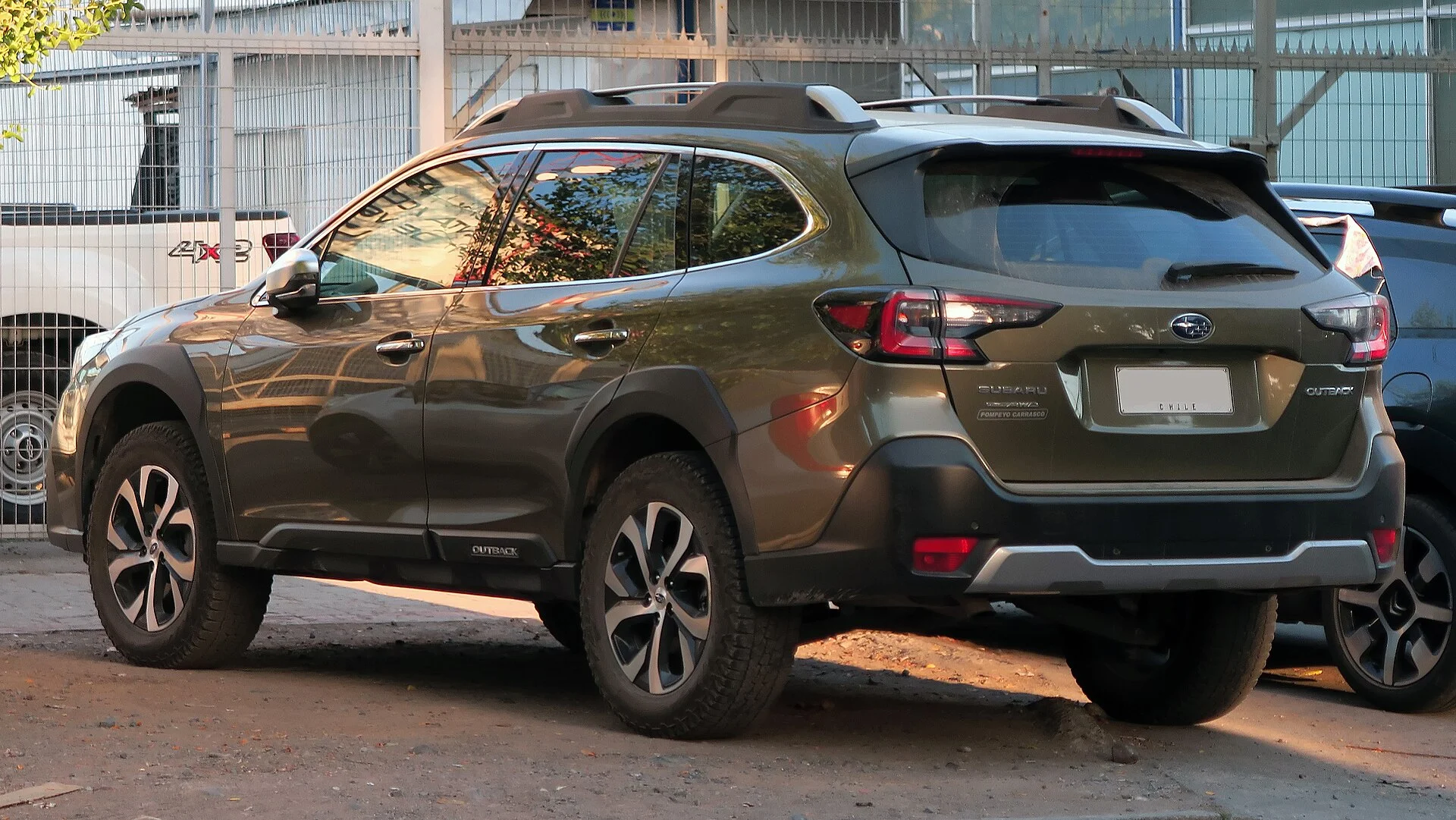
Here is the honest limitation of any Outback platform plan: there is no single published cargo length to build to. Subaru rates the cargo area in cubic feet, not in a flat sleeping length, so the length of the platform is the one major dimension that has to be measured on the actual car rather than copied from a spec sheet.
The reason is that usable sleeping length depends on choices the owner makes: whether the front seats slide forward, whether the platform runs onto the folded rear seatbacks, and where the taper of the wagon's rear begins. Those variables move the number enough that a single published figure would mislead more than it helped, which is why measuring is the method, not a shortcut skipped.
The practical procedure is to fold the rear seats, slide the front seats to their planned position, and measure from the back of the front seats to the closed tailgate along the intended sleeping line. That measurement, taken on the specific Outback with the seats where they will actually sit, is the real platform length, and it is worth taking twice.
Building to a measured length rather than an assumed one is what separates a platform that fits from one that binds against the tailgate or leaves an awkward gap. The width is the constant 43 inches; the length is whatever the tape says on the car in the driveway. Respecting that division, published width, measured length, is the core discipline of an Outback build.
Setting the Platform Height Budget
With width fixed and length measured, the platform's height is the decision that makes or breaks the build, and it is a subtraction problem. Start from the cargo hold's total height, subtract the sitting-up clearance a person needs, and what remains is the height budget for the platform and its storage. On a low-roofed wagon, that remaining budget is small, and spending it wisely is the whole game.
This is where the Outback's roofline drives the design. Because the pre-2026 cars sit lower, the platform has to be genuinely thin, often just enough for a shallow storage tray, to leave room to sit up or turn over. The 2026 Outback's roofline raised by about 2 inches gives that generation a more generous budget, which is precisely why the height increase is the most relevant spec for a platform builder.
The trap is treating the platform as a storage box first and a bed second. A tall drawer unit that swallows gear leaves the sleeper pinned against the ceiling, which is a bad trade on a vehicle used for sleeping. The better approach caps the platform height at what preserves sitting clearance and accepts shallower storage as the cost of a livable sleeping space.
The honest way to set the budget is to sit in the cargo area, decide the minimum clearance that feels livable, and let that dictate the maximum platform height rather than the other way around. On the Outback, headroom is scarce enough that it, not storage volume, has to be the number the build protects.
What Fits Underneath: Storage in the Remaining Height
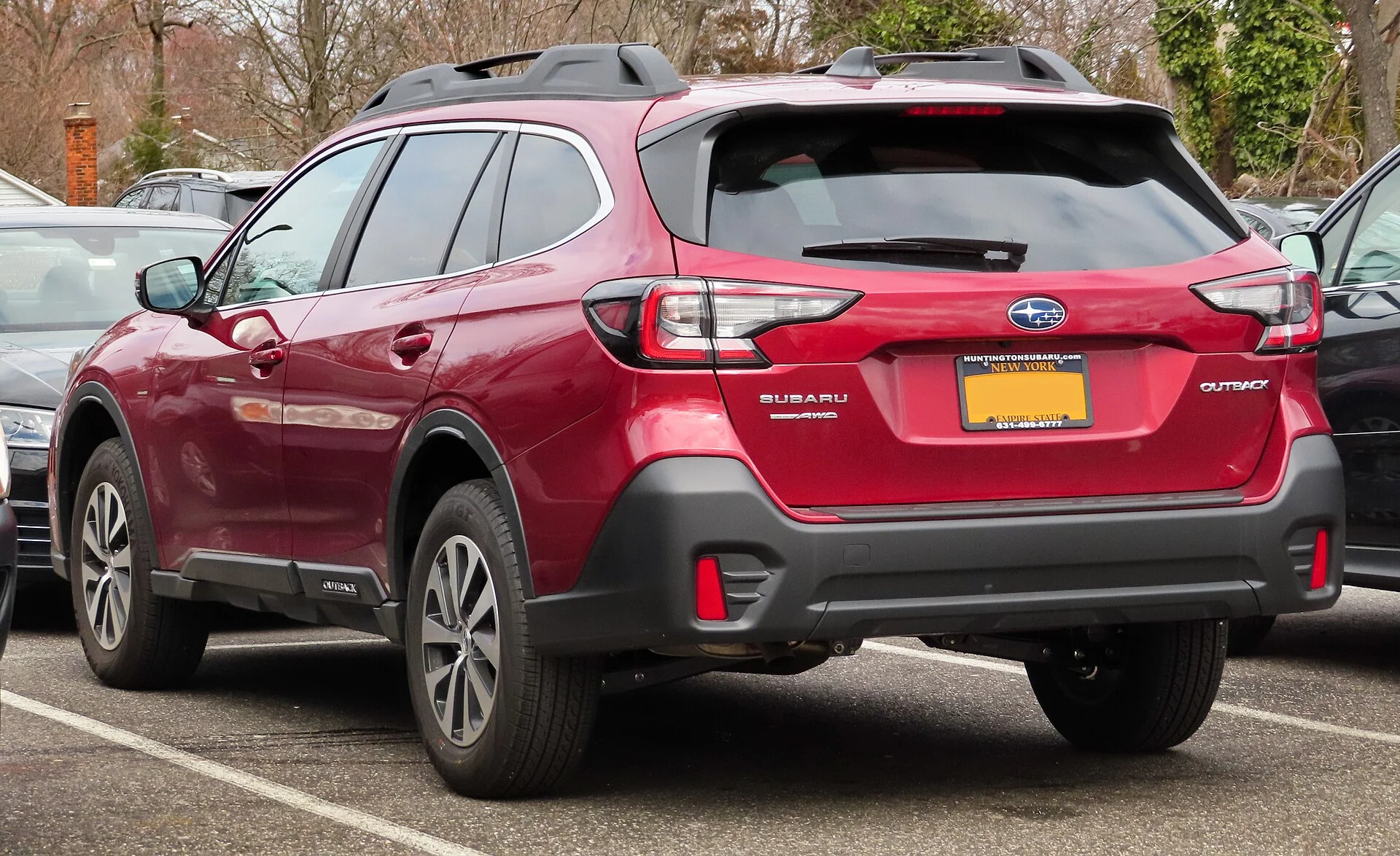
Storage on an Outback platform is what fits in the height left over, and framing it that way keeps the build honest. The cargo volume gives a sense of the total space to work with: the 2021-2025 Outback offers 75.6 cubic feet of cargo space with the rear seats folded down, and the 2026 model offers up to 80.5 cu ft with the seats folded. That is the envelope the platform and its storage share.
Under a thin, sit-height-preserving platform, the practical storage is shallow and wide rather than deep. Long, low bins that slide out toward the tailgate use the platform's footprint without eating headroom, and they suit the flat gear, tools, cooking kit, and clothing, that car camping actually generates. Deep drawers are the wrong shape for a wagon's height budget.
The generational volume differences are worth knowing when planning capacity. The 2015-2019 Outback offered 73.3 cu ft folded and the 2020 offered 75.7 cu ft, so the envelope has grown modestly over the years. None of that changes the height constraint, but it does mean newer cars give slightly more room to distribute storage within the same thin-platform discipline.
The design rule that follows is to prioritize the sleeping surface and let storage take the remaining volume in a low, wide form. A platform that stores less but sleeps well is the right trade on an Outback; one that stores more but cannot be sat up on has solved the wrong problem. The wagon's shape makes that choice for you if you let it.
The Cut List, Organized Around the Constant Width
A workable cut list starts from the 43-inch between-wheel-well width and builds outward. The main deck is cut to fit that roughly 43-inch span so it clears the wheel housings, with the length set by the measurement taken on the car. That single panel is the platform's core, and everything else supports or extends it.
The supports carry the deck at the chosen height. Because the height budget is tight on the pre-2026 cars, the supports are short, and their job is to create just enough space for shallow storage while holding the deck level. Cross members between the side supports keep the roughly 43-inch-wide deck from flexing under a sleeper's weight, which is the failure a thin platform is prone to.
Where the cargo floor widens past the wheel wells toward the tailgate, small filler panels can bridge to the full floor width to square off the sleeping surface, but the load-bearing width stays the 43 inches between the housings. Trying to make the whole deck the wider tailgate width is the mistake that stops the platform from sliding into place.
The list is deliberately short because the wagon rewards simplicity: a main deck at 43 inches wide by the measured length, short supports sized to the height budget, cross members for rigidity, and optional fillers to square the surface. Building more structure than that spends height the Outback cannot spare. Reference the vehicle's cargo dimensions for sleeping to confirm the numbers on your specific car.
Generation Differences That Change the Plan
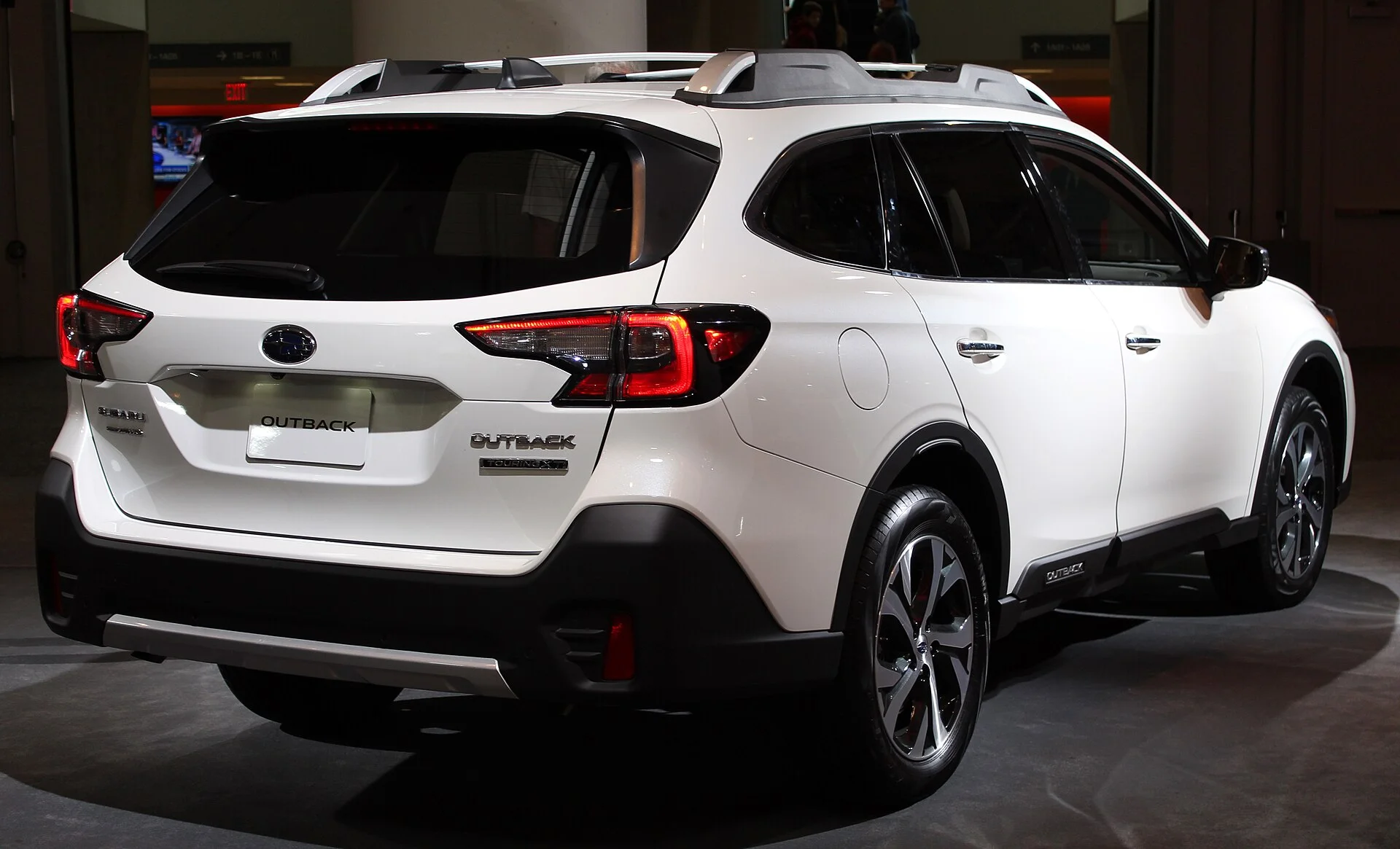
Not every Outback is the same build, and the differences are worth mapping before cutting. The clearest split is the 2026 redesign: the all-new 2026 Outback raised its roofline by about 2 inches and increased cargo volume to 34.6 cu ft behind the rear seats and up to 80.5 cu ft folded. That extra height changes the platform math in the builder's favor.
On the older cars, the volumes tell a subtler story. The 2015-2019 Outback offered 35.5 cu ft behind the seats, more than the 32.6 cu ft of the 2021-2025 cars, even though the newer cars are not smaller overall. That shift reflects packaging changes rather than a shrinking car, and it mostly affects how gear distributes, not how the platform is framed.
The between-wheel-well width holding near 43 inches across all of these is the reason a single plan largely transfers. A cut list built for a 2018 Outback adapts to a 2023 with minor length re-measurement, because the width, the dimension that sets the deck, stayed put. The generational changes move volumes and roof height, not the core width.
The practical takeaway is to identify the specific generation, note whether it is a pre-2026 low-roof car or a 2026-or-later raised-roof car, and set the height budget accordingly. The width and the measure-your-own-length method are constant; the roof height, and therefore how thin the platform must be, is the variable the generation decides.
Why a Thin Platform Beats a Tall One Here
It is worth stating plainly why the Outback wants a thin platform, because the instinct from other vehicles is to build up. On a truck or a body-on-frame SUV, vertical space is abundant and a tall drawer system costs nothing in headroom. On a wagon with a low roof, every inch of platform is an inch of lost sitting room, and sitting room is what makes a vehicle livable overnight.
The comfort difference is real. A sleeper who can sit up to change clothes, read, or ride out weather has a far better night than one pinned flat under the ceiling. On the Outback, the margin between those two experiences is often just an inch or two of platform height, which is why the height budget deserves the care this build gives it.
There is also a practical entry-and-exit benefit. A low platform leaves room to move in the cargo area, sit on the deck with the tailgate open, and shift position without contorting. A tall platform turns the sleeping space into a coffin-like slot that is unpleasant to enter and leave, undermining the point of sleeping in the car at all.
The honest verdict on structure is that the Outback punishes over-building. The wagon's low roof means restraint is the feature: a thin, rigid, 43-inch-wide deck at a height that preserves sitting clearance delivers a better sleeping platform than any tall storage system, because it protects the one dimension the vehicle is short on.
Rigidity: The Thin Deck's One Weakness
The one real risk in a thin Outback platform is flex, and it deserves attention precisely because the design is low. A deck spanning the roughly 43 inches between the wheel wells, cut thin to save height, has less depth to resist bending than a tall drawer box does, so it can sag or bounce under a sleeper's weight if it is not braced properly. Solving that without adding height is the build's central engineering problem.
The answer is cross members, not thickness. Short cross braces run between the side supports beneath the deck, stiffening the roughly 43-inch span without raising the sleeping surface. A few well-placed braces turn a flexible panel into a rigid one at almost no cost in headroom, which is exactly the trade a wagon build needs. Thickness would solve flex too, but it spends the height the Outback cannot spare.
Material choice matters here as well. A stiffer panel resists flex at a given thickness better than a flimsy one, so choosing a rigid plywood or a composite panel lets the deck stay thin while carrying the load. The goal is the maximum stiffness for the minimum height, and that is a material-and-bracing decision more than a thickness one.
The payoff for getting rigidity right is a platform that feels solid to sleep on rather than a trampoline that flexes with every movement. On the Outback, that solidity has to come from bracing and material rather than depth, because depth is the one thing the low roof forbids. A thin deck, properly cross-braced across its 43-inch width, is both stiff and headroom-preserving, which is the whole ambition of a wagon build.
The Verdict: Protect the Height, Fix the Width, Measure the Length
The Outback sleeping platform comes down to three disciplines in order of importance. Protect the height, because the wagon's low roof is the binding constraint and sitting clearance is what makes the build livable. Fix the width at the roughly 43 inches between the wheel housings that Subaru holds constant across generations. And measure the length on the actual car, because Subaru publishes no single figure to copy.
Those three rules resist the instinct to build a tall storage box. The cargo volumes, 75.6 cu ft folded on the 2021-2025 cars, up to 80.5 cu ft on the 2026, describe a generous envelope, but the height within it is scarce, so the platform stays thin and the storage stays low and wide. Capacity is the volume's job; comfort is the height budget's job.
The generation matters mainly for roof height: the 2026's roofline raised by about 2 inches gives newer builders more room, while pre-2026 cars demand a thinner platform to preserve the same sitting clearance. The 43-inch width and the measure-your-own-length method carry across all of them unchanged.
Build it that way and the Outback becomes a genuinely comfortable place to sleep, a thin deck you can sit up on with shallow storage beneath, rather than a cramped slot under a tall box. A basic set of low storage bins under a sit-height platform uses the wagon's shape instead of fighting it, and that is the whole secret to a platform that works in a car this low.