
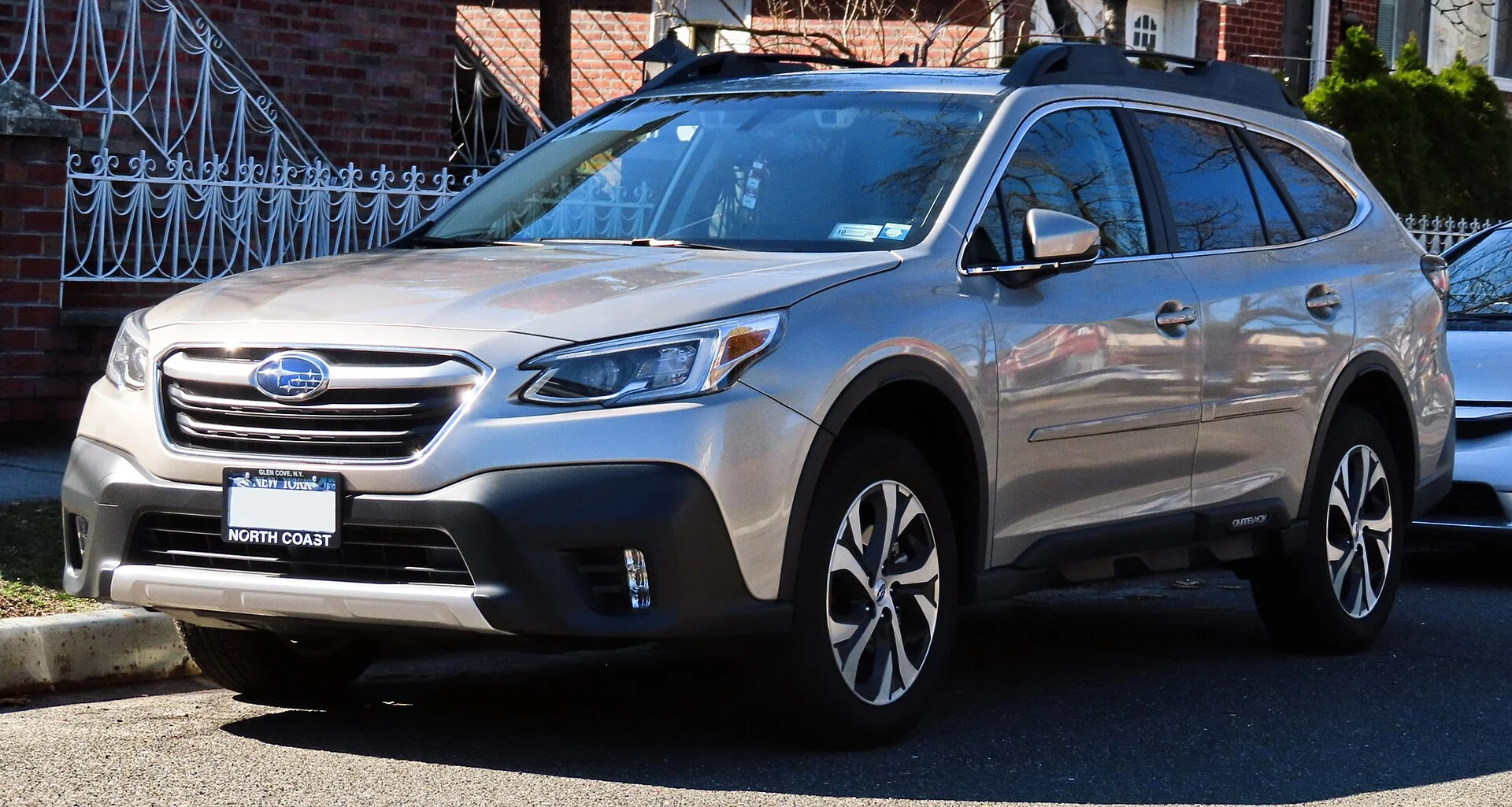
Everyone Quotes the Tow Rating. Nobody Quotes This.
Ask about a Subaru Outback's capability and someone will quote the tow rating within a sentence. Ask about its payload and you will usually get a blank look. That is backward. For a wagon loaded with people, gear, and a rooftop setup, payload is the limit that binds first, and it is the number almost nobody bothers to check before piling in.
The Outback's payload ranges from 1,069 lb to 1,209 lb depending on trim and installed options. That is the entire weight the wagon can carry above its own: every passenger, all the cargo, anything on the roof, and the tongue weight of a trailer. It is a smaller budget than the tow-rating conversation implies, and it runs out quietly.
The skepticism is earned. Tow ratings make for better marketing, but most Outback owners tow rarely and load the wagon constantly, which means payload is the capability they actually use every trip. Quoting the tow number while ignoring payload is quoting the spec that matters least for how the vehicle is really used.
This guide treats payload as the headline it should be: where the 1,069 to 1,209 lb comes from, why the off-road trim carries less, and how a loaded wagon reaches its real limit long before the tow rating ever comes into play.
The Real Number: 1,069 to 1,209 lb
The figure worth memorizing is the payload range: 1,069 lb to 1,209 lb depending on trim and installed options. Unlike the single tow number people repeat, payload is a band, because it depends on how heavy the specific Outback is before anything is loaded.
That band has to cover everything not built into the wagon. Passengers are usually the biggest draw, followed by camping gear, water, a cooler, and any roof load. It is a total budget, not a cargo-only allowance, which is the detail that trips people up. The family counts against it exactly as much as the gear does.
Framed honestly, 1,069 to 1,209 lb is enough for real camping trips but not limitless. Two or three adults and a weekend of gear fit comfortably; the same wagon with a full load of five, a loaded roof, and a trailer's tongue weight is a different story, and the payload band is what decides which trip is within limits.
The useful habit is to treat the lower end of the band as the planning number unless the label says otherwise. Assuming the top of the range for a well-equipped Outback is how owners quietly exceed a limit they never checked, because a heavier trim starts nearer 1,069 lb than 1,209 lb.
The Off-Road Trim Carries Less
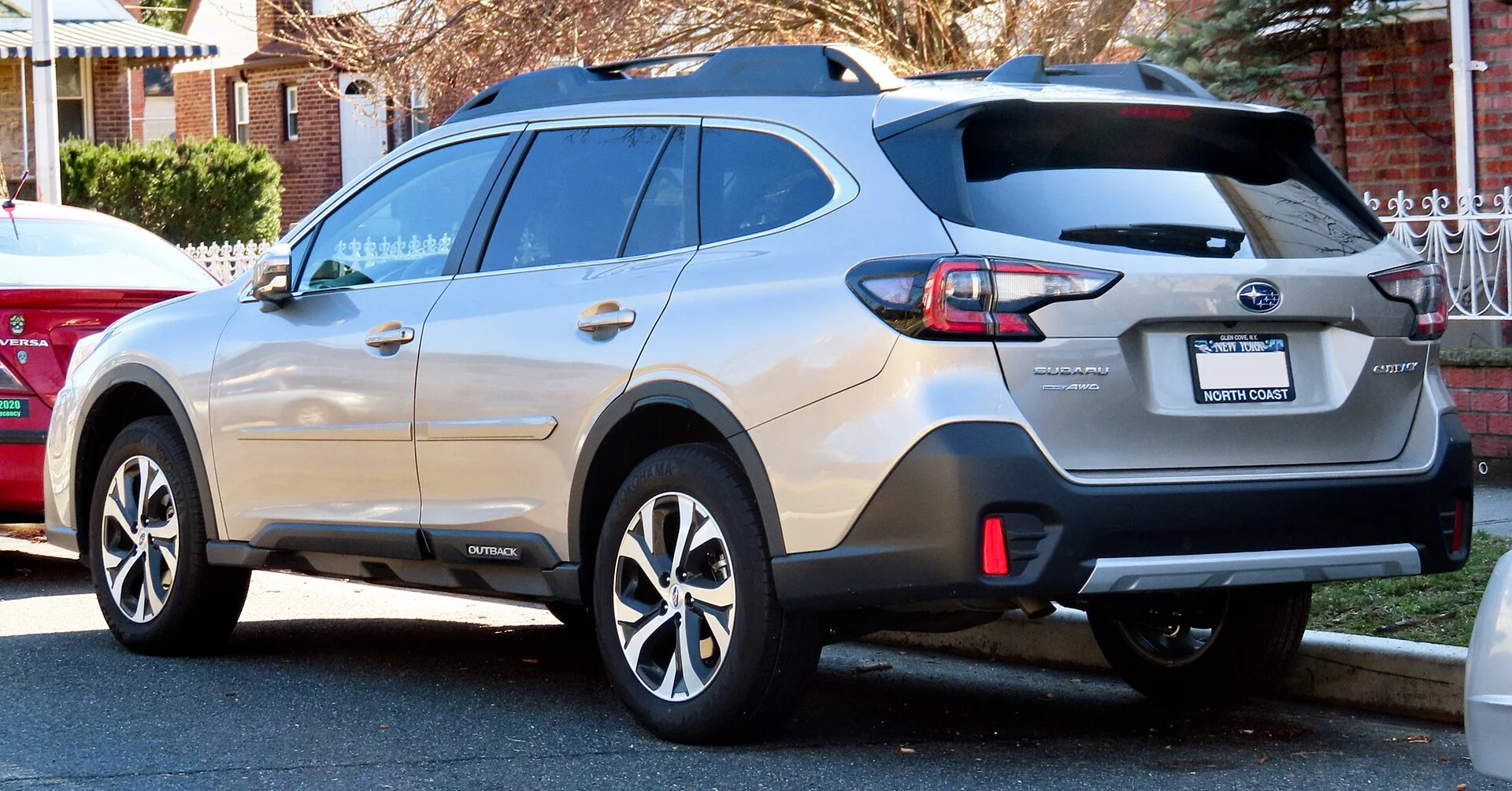
Here is the detail that surprises Outback buyers: the trim marketed for adventure carries less than the plain one. The 2024 base Outback has a curb weight of 3,641 lb, while the Wilderness trim has a curb weight of 3,922 lb, about 281 lb heavier than the base model due to its turbocharged engine and off-road suspension.
That extra 281 lb of vehicle is 281 lb the Wilderness cannot carry, because payload is what remains after curb weight is subtracted from GVWR. The turbo engine, the raised suspension, the skid plates, and the chunkier tires all add weight the wagon has to haul before a single bag goes in, and every pound of it comes out of the payload budget.
The trim badged for the backcountry is the one with the smallest payload. The Wilderness gains capability in suspension and clearance but spends about 281 lb of curb weight to get it, and that weight is subtracted straight from what it can carry.
This is not an argument against the Wilderness, which earns its weight in genuine off-road ability. It is an argument for knowing the trade. An owner who buys the adventure trim and then loads it like the lighter base model is working from the wrong payload assumption, and the 281 lb difference is exactly the margin they are missing.
Why a Wagon's Payload Binds Sooner
A wagon like the Outback reaches its payload limit differently than a truck, and the difference matters for how it is loaded. Everything the Outback carries rides inside the same body, low and central, which is good for handling but means passengers and cargo and roof load all draw from one modest budget with no bed to absorb overflow.
That is why the 1,069 to 1,209 lb band feels tighter in practice than a larger number would on a pickup. A truck owner rarely fills the cab; an Outback owner fills the whole vehicle, seats and cargo area together, so a larger share of the budget is spent on the people and gear that a wagon is bought to carry.
Roof load compounds it. A rooftop tent or a loaded cargo box adds weight up high, all of which counts against payload, and the Outback is a popular platform for exactly those accessories. A wagon set up for roof-based camping can spend a meaningful part of its payload before the cabin is loaded at all.
The practical read is that the Outback rewards a light hand. Its payload is honest for a mid-size wagon, but it is spent by the same passengers, gear, and roof load the vehicle is bought to carry, so staying under it is a matter of restraint rather than the wagon having a hidden reserve.
The Tongue-Weight Trap
The place payload and towing collide is tongue weight, and the Outback has a specific limit worth knowing. On naturally aspirated 2.5L Outback variants, tongue weight is limited to 200 lb, and critically, that tongue weight counts against the vehicle's total payload capacity. It is not a separate allowance; it comes out of the same 1,069 to 1,209 lb budget.
This is the trap that catches owners who think towing and payload are unrelated. A trailer's weight rides on its own axles, but the portion that presses down on the hitch, the tongue weight, rides on the Outback and draws from payload. Add 200 lb of tongue weight and the payload left for passengers and gear shrinks by that much.
On a 2.5L wagon, the 200 lb tongue-weight cap is also a reminder that this variant is built for light towing, not heavy trailers. The limit is low precisely because the naturally aspirated Outback is not the towing trim, and pushing tongue weight past it overloads both the hitch and the payload budget at once.
The honest way to plan is to reserve payload for tongue weight before loading the cabin. If a small trailer near the 200 lb tongue-weight limit is in the plan, subtract that 200 lb from the payload budget first, then load passengers and gear into what remains, so the combined total stays under the wagon's rating.
The 3,500 lb Tow Rating Is a Turbo-Only Story
Since towing dominates the Outback conversation, it is worth being precise about it. Turbocharged Outback Wilderness and XT trims are rated to tow up to 3,500 lb. That figure belongs to the turbo trims, not the whole lineup, and it is a different capability level from the naturally aspirated wagons with their 200 lb tongue-weight limit.
The split is the useful part. If real towing is the goal, the 3,500 lb rating requires a turbo Wilderness or XT, which are also the heavier trims with the smaller payload. The wagon that tows the most is the one that carries the least, which is the trade the turbo engine and off-road hardware impose.
For a camper, this means the towing and payload stories have to be read together by trim. A turbo Outback can pull a 3,500 lb trailer, but its higher curb weight leaves less payload for the passengers, gear, and tongue weight that trailer implies, so the loaded combination has to be planned as one.
The takeaway is that the Outback's headline tow number and its payload are two halves of the same trim decision. The 3,500 lb rating is real but narrow, and choosing the trim that unlocks it also chooses the smaller payload band, which is exactly why payload deserves equal billing in the conversation.
What a Real Camping Load Looks Like
Putting numbers to a trip makes the budget concrete. The Outback seats 5 passengers across all trims, and a full load of five adults alone accounts for a large share of the 1,069 to 1,209 lb payload before any gear is added. Most camping Outbacks travel with fewer people and more gear, which is the more realistic balance.
Camping gear adds up faster than it looks. Water is heavy, a loaded cooler is heavy, and a full camp kitchen and sleep system together weigh more than most owners estimate. A weekend setup for two can consume a meaningful part of the budget, and a week for a family pushes well into it.
The roof is where the budget disappears quietly. A rooftop tent plus its bedding, or a full cargo box, adds weight high on the vehicle, all counted against payload. An Outback built out for roof-based camping should keep the cabin cargo correspondingly lighter, because both draw from the same 1,069 to 1,209 lb.
Loaded thoughtfully, the Outback carries a real camp within its limits. The point is not that the payload is small but that it is finite and spent by exactly the things a camper loads, so weighing the heavy items and keeping a cushion under the band is what keeps a fully loaded wagon legal and composed.
The Five-Seat Wagon and the Weight of People
Because the Outback seats 5 passengers across all trims, a full vehicle is the fastest way to spend the payload budget, and it is worth doing the arithmetic honestly before a trip rather than discovering the limit on the road. People are the one load that cannot be trimmed down or left home, so they set the floor of what the wagon is carrying.
Five adults represent a large fraction of the 1,069 to 1,209 lb budget on their own, which is why the fully occupied Outback has less left for gear than owners expect. A family that travels five-up should plan a correspondingly lean gear list, because the passengers have already claimed much of the budget the cargo area implies is available.
The more common camping configuration, two or three people and a fuller load of gear, is where the Outback is happiest. Fewer occupants free up payload for water, a cooler, and a sleep system, and the wagon's low, central cargo floor carries that weight well. The budget is the same; only the split between people and gear changes.
The point of the arithmetic is to stop treating seats and cargo space as separate allowances. Every occupied seat is payload spent, so a wagon that looks half-empty on gear may already be near its limit on people, and counting both against the single budget is what keeps a five-seat Outback within its rating.
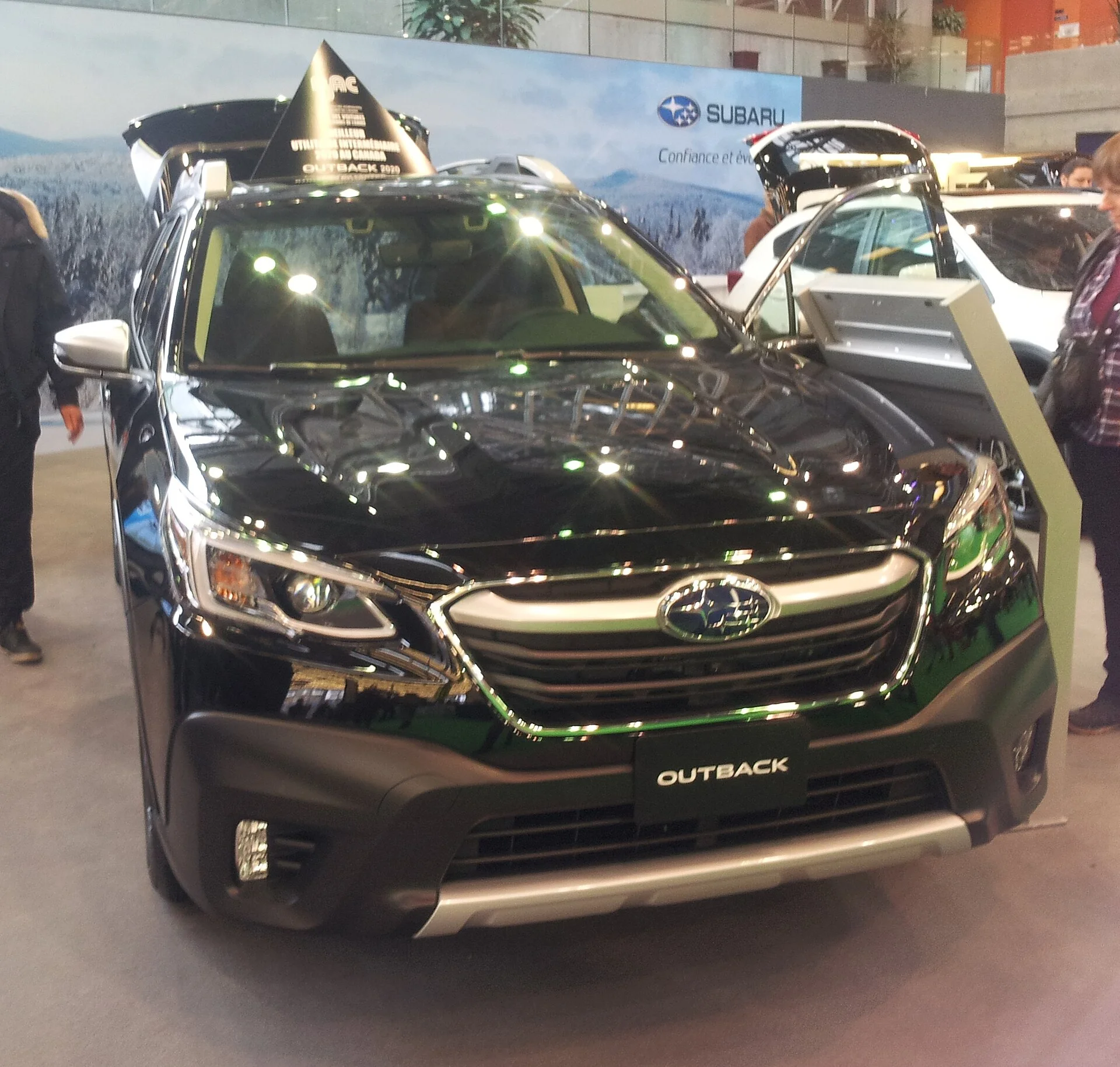
Read the Door Jamb, Not the Forum
The 1,069 to 1,209 lb range is a lineup band; the payload of a specific Outback is on that Outback. Payload equals GVWR minus curb weight, and the exact rating for an individual vehicle is printed on the certification label on the driver's-side door jamb. That label reflects the real configuration, options and all.
The reason to trust it over a forum figure is that options move curb weight. All-wheel drive is standard, but a moonroof, larger wheels, and accessories all add pounds, and each one comes out of payload. Two Outbacks of the same trim can differ, and only their labels say which carries more.
Reading it takes seconds: open the driver's door and find the certification label on the jamb, which lists the vehicle's weight ratings directly. For a wagon that will be loaded to its limits with people, gear, and a roof setup, that number is worth knowing before the first trip rather than after an overload.
The discipline is loading to the wagon's own budget. Once the label's payload is known, gear can be allocated deliberately against it, which is the whole reason to care about payload in the first place, and a far better basis than a tow number that most Outback owners rarely use.
The Verdict: Payload Is the Spec That Matters
The Subaru Outback is one of the best wagons for camping, but the capability its owners actually use is payload, not the tow rating everyone quotes. At 1,069 lb to 1,209 lb depending on trim and options, payload is the limit a loaded wagon reaches first, and it deserves to be the headline number it never is.
The band is set by weight. Base trims start lighter, at a 3,641 lb curb weight, while the Wilderness carries about 281 lb more at 3,922 lb, so the trim badged for adventure has the smallest payload. Every pound of curb weight is a pound subtracted from what the wagon can carry, which is why the heavier trims give less.
Towing draws from the same budget. On 2.5L wagons the 200 lb tongue-weight limit counts against payload, and the 3,500 lb tow rating belongs only to the heavier turbo Wilderness and XT trims, so the Outback that tows most carries least. The two numbers are one trim decision.
Read the door-jamb label for the specific wagon's payload, reserve it for tongue weight before loading people and gear, and a properly equipped Outback carries a camp and, where rated, tows a light trailer with composure. A quality rooftop cargo box is a natural addition, as long as its weight is counted against the same budget as everything else.