
The Receiver Is the Limit, Not the Rack
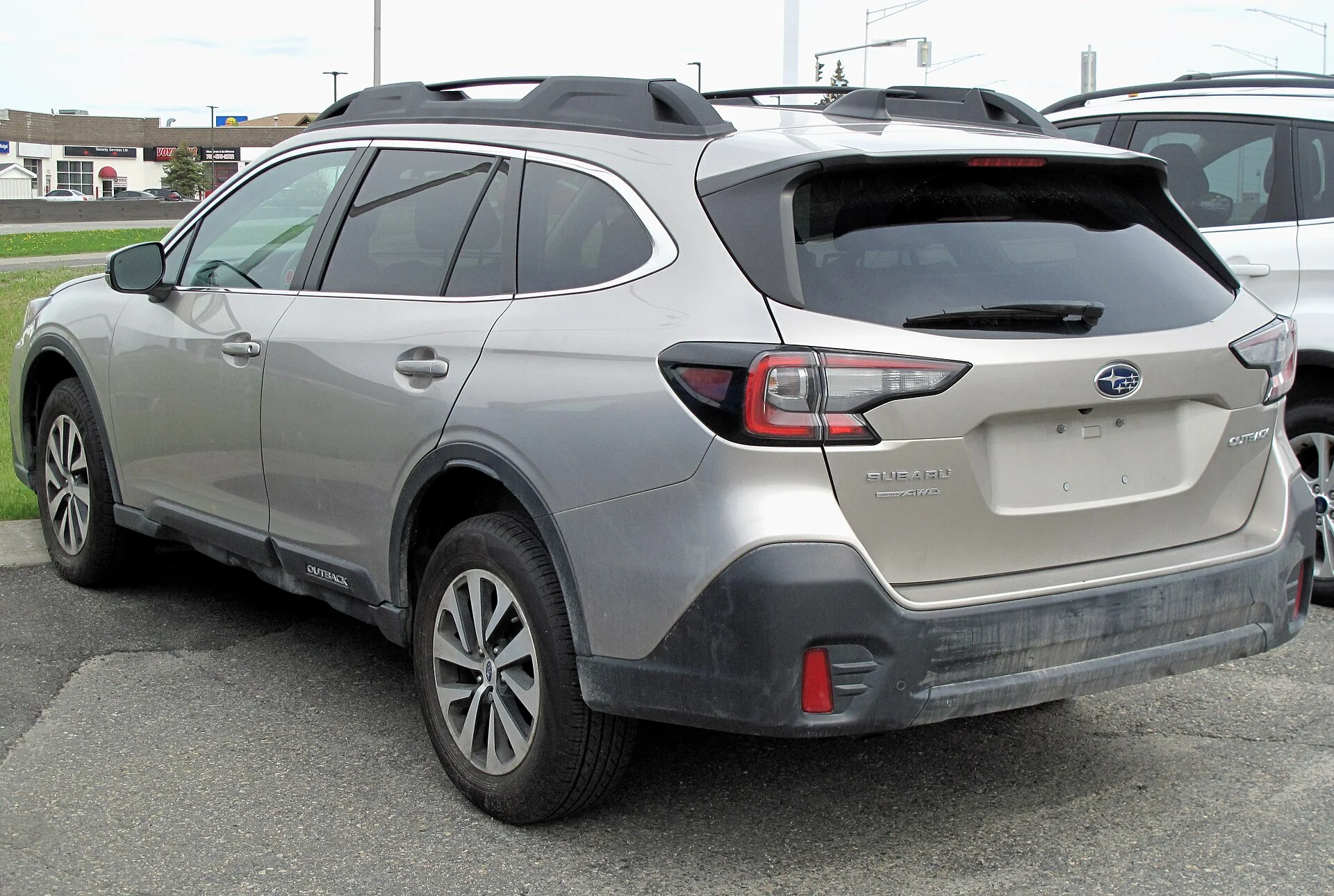
Shopping a bike rack or a small trailer for a Subaru Outback usually starts at the accessory that goes on the hitch, but that is backward. The hitch receiver itself, its class, its opening size, and its tongue rating, is what caps everything that hangs off the back of the vehicle. Pick the rack first and you can end up with hardware the receiver was never rated to carry.
A receiver is defined by two things that matter for fitment: the size of its square opening and the load class it is rated for. Those numbers are stamped and specified, and they are the ceiling. A rack or trailer can physically slot into a receiver and still exceed what that receiver is rated to hold, which is exactly the mistake that leaves a loaded bike rack sagging or a trailer over the vehicle's limit.
The Outback complicates this pleasantly by offering different receivers depending on trim and model year, which means two Outbacks in the same parking lot can have meaningfully different hitch capabilities. Knowing which receiver a specific Outback has is the first step, because the Wilderness with its heavy-duty hitch and a base trim with a smaller receiver are not the same tow vehicle.
This guide reads the Outback's hitch the way an installer reads a receiver before mounting anything: what the receiver class means, the two different tow ratings across the trims, the difference between a 1.25-inch and a 2-inch opening, the tongue-weight limits that govern real loading, and how the factory hitch compares to the aftermarket options. Match the accessory to the receiver, not the other way around.
What Receiver Class Actually Means
Receiver class is shorthand for how much a hitch can handle, and it maps to the size of the receiver opening. Understanding it turns a confusing spec into a clear fitment decision, because the class dictates both what accessories fit and what loads are safe.
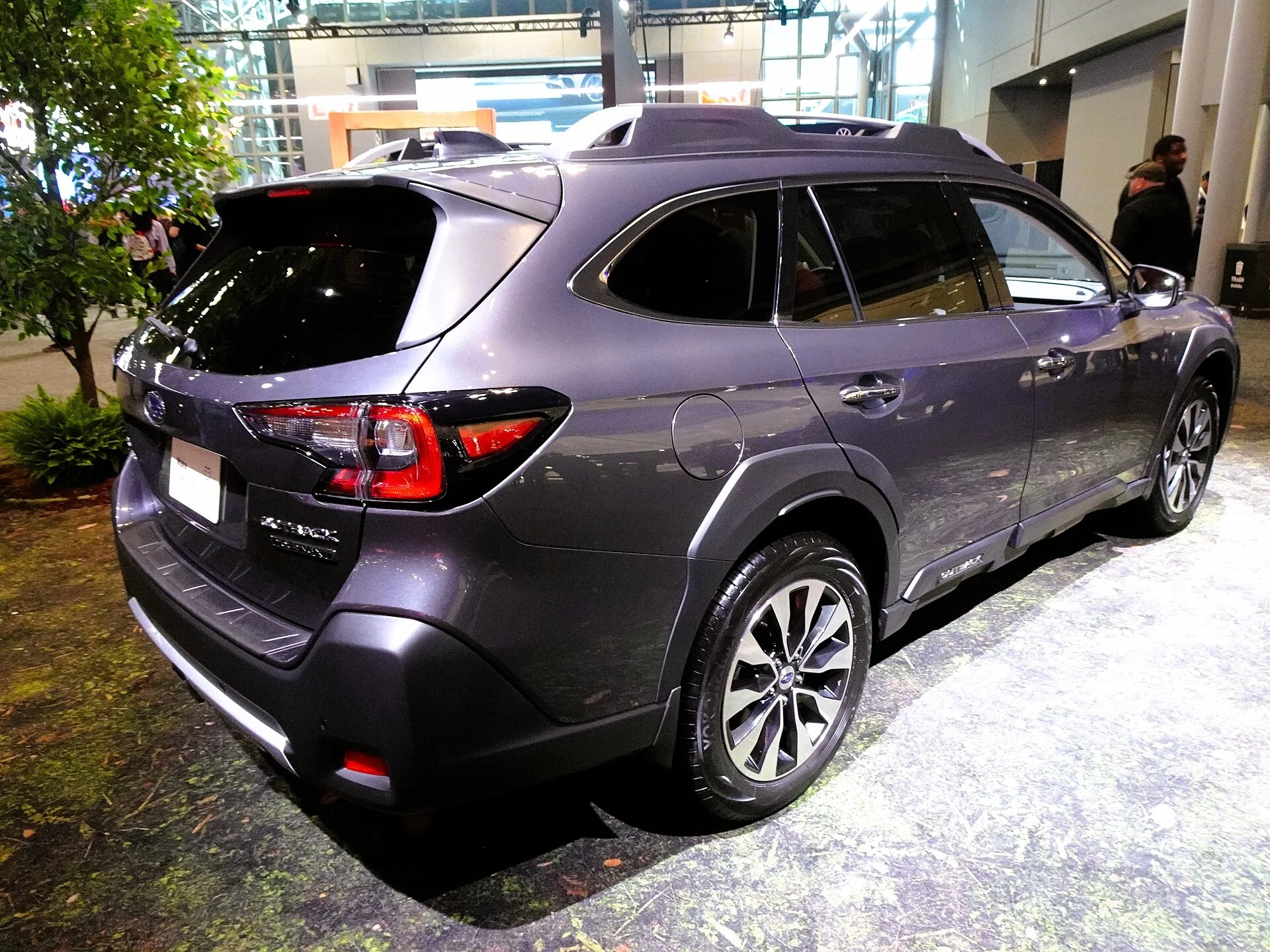
The genuine Subaru factory trailer hitch for the Outback Wilderness and 2.4L Turbo XT trims is a heavy-duty design with a 2 in receiver tube opening, which makes it a Class III hitch. That 2-inch opening is the larger, more capable standard, and it accepts the wider range of heavier accessories: bigger bike racks, cargo carriers, and larger trailer couplers. It is the receiver an overlander or a frequent hauler wants.
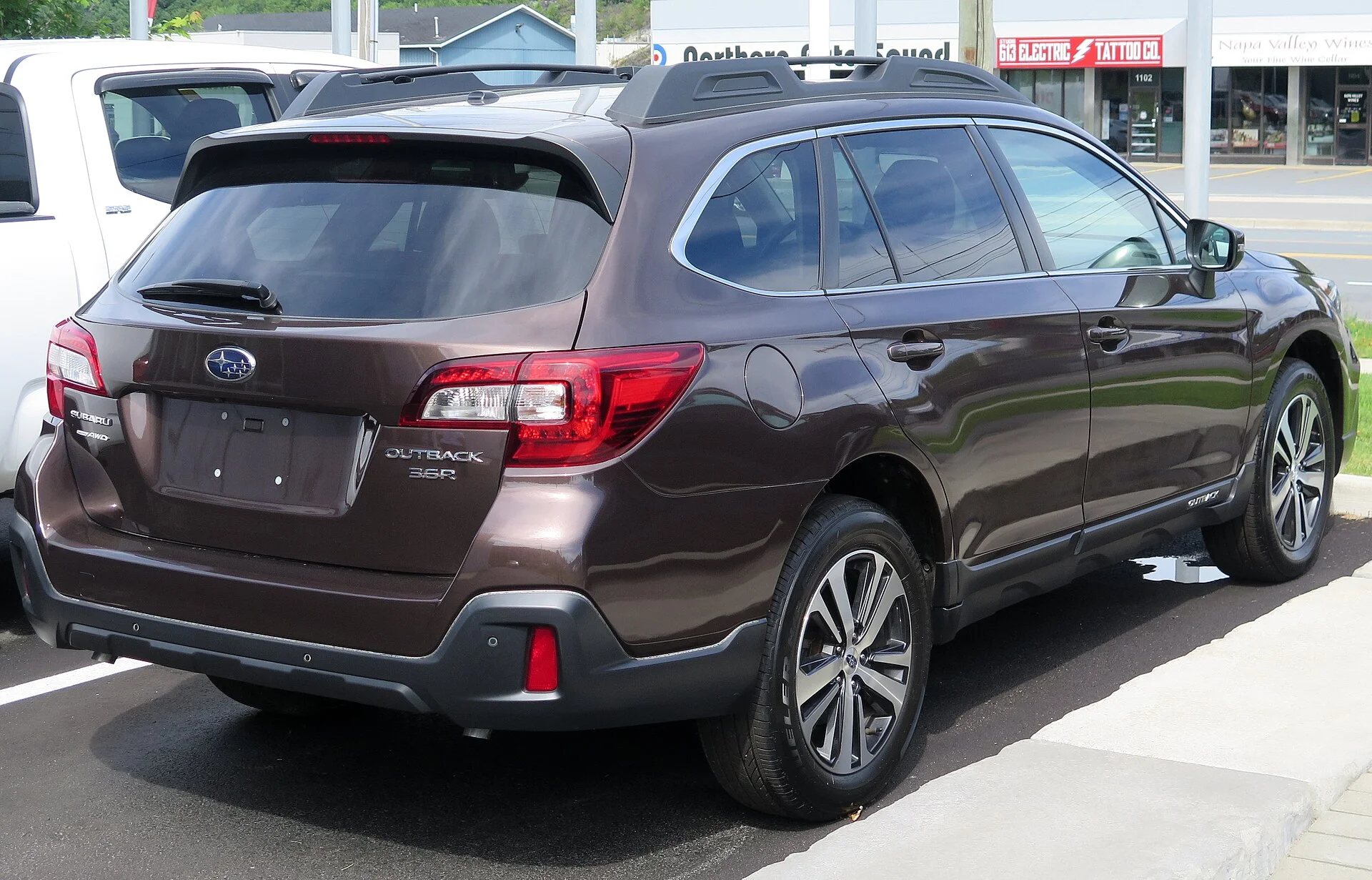
Not every Outback has that receiver, though. Pre-2020 Outback generations used a smaller 1.25 in receiver opening as the factory-common standard, versus the 2 in receiver now fitted to the current Wilderness and Turbo XT trims. A 1.25-inch receiver is a Class I or II hitch, which is genuinely useful but more limited in what it accepts and carries.
The practical consequence is that receiver opening size is the first fitment fact to establish on any specific Outback. A 2-inch receiver and a 1.25-inch receiver take different accessory shanks and carry different loads, so a rack or adapter bought for one will not correctly fit the other. Reading the receiver, measuring the opening if the paperwork is unclear, is the step that prevents buying the wrong hardware before anything is mounted.
The Two Tow Ratings: 3,500 vs 2,700 Pounds
The Outback's towing capability is not a single number; it splits along engine and trim lines, and the difference is large enough to matter for what a camper can pull. This is the spec that most often surprises Outback owners.
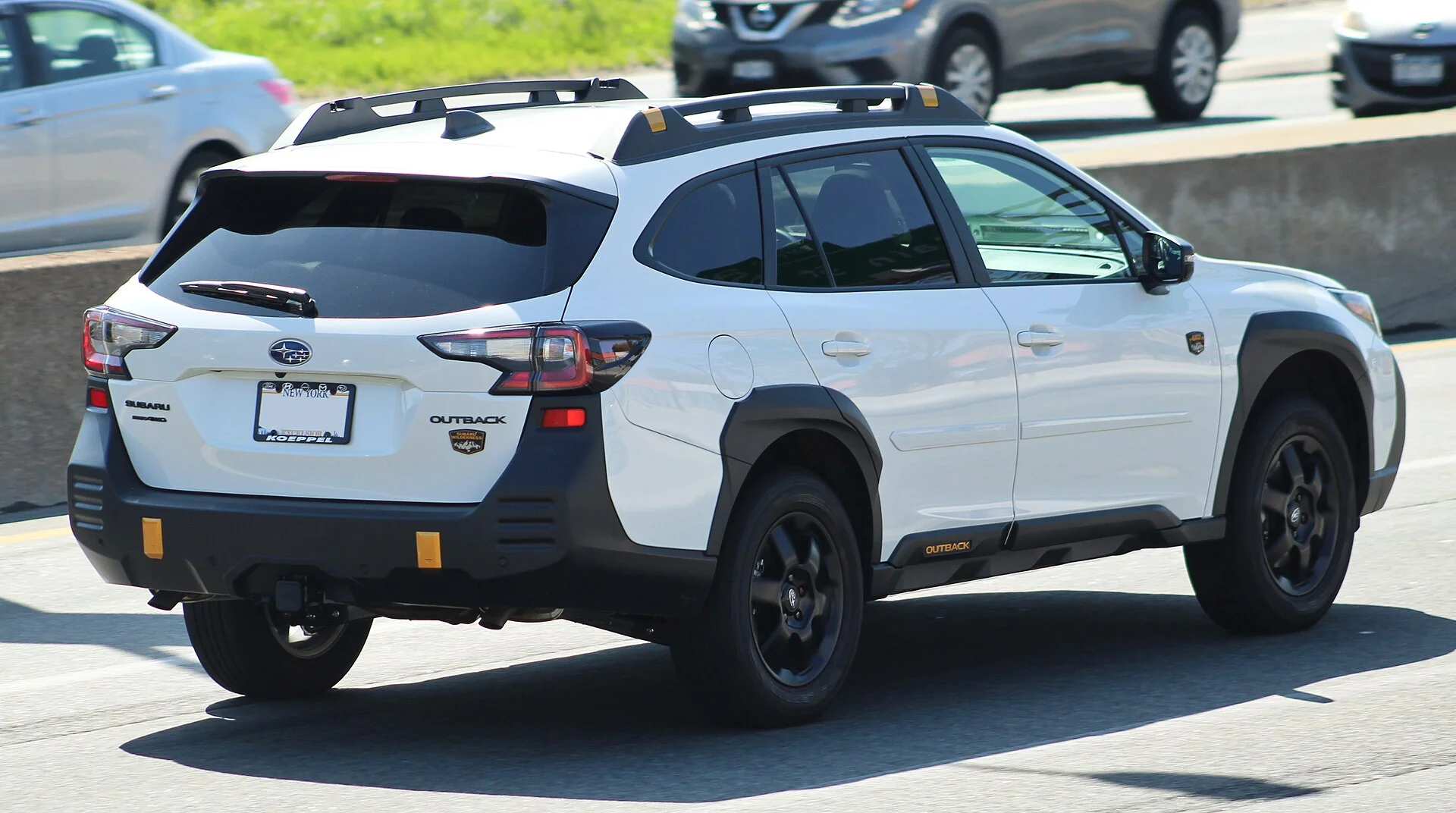
The Wilderness and turbocharged trims are the strong ones. The factory 2-inch hitch on the Wilderness and Turbo XT trims is rated for a 3,500 lb max trailer weight and a 350 lb max tongue weight. Thirty-five hundred pounds covers a small camping trailer, a teardrop, or a utility trailer with real gear, which makes the turbo Outback a legitimate light-tow vehicle.
The Wilderness and Turbo XT tow 3,500 pounds. The naturally aspirated trims tow 2,700, eight hundred pounds less. Same body, different engine, meaningfully different trailer.
The naturally aspirated trims sit lower. Non-Wilderness 2.5L Outback trims, the Premium, Limited, and Touring, are rated to tow up to 2,700 lb when equipped with an approved hitch and wiring harness, which is 800 pounds less than the turbo rating. That gap is the turbo engine's extra capability, and it is the difference between comfortably pulling a small camper and being at the edge of the rating.
For a camper, the lesson is to confirm the specific Outback's engine and trim before matching a trailer, because the same Outback silhouette hides two different tow vehicles. A 2,700-pound-rated Outback towing a trailer sized for the 3,500-pound rating is overloaded, and the trailer has to fit whichever number the actual truck carries. Match the trailer's loaded weight to the real rating, not to the best number in the lineup.
1.25-Inch vs 2-Inch: What Each Receiver Accepts
The receiver opening size does more than set a load rating; it determines which accessories physically fit, and for a camper who bikes as much as tows, that fitment is often the deciding factor. The two common Outback receiver sizes serve genuinely different jobs.
A 1.25-inch receiver, the Class I or II size on pre-2020 Outbacks and some trims, accepts most 2-bike hitch racks and small utility or teardrop-style trailers. For a camper whose needs are a couple of bikes and the occasional light trailer, that is plenty, and the smaller receiver is not a deficiency so much as a match to lighter-duty use. Many capable bike racks are built specifically for the 1.25-inch opening.
A 2-inch receiver, the Class III size on the current Wilderness and Turbo XT, is needed for heavier 4-bike racks, cargo carriers, or larger camping trailers pushing toward the 3,500-pound gross trailer weight ceiling. The larger opening carries more and accepts the beefier accessory shanks that heavy racks and carriers use. It is the receiver to have if the plan involves four bikes, a loaded cargo carrier, or a real trailer.
The installer's caution is against forcing the wrong fit with an adapter. Reducer sleeves that let a 1.25-inch accessory fit a 2-inch receiver, or the reverse, exist, but they introduce play and can compromise the load rating, so they are best avoided for anything heavy. The clean approach is to match the accessory's native shank size to the receiver's actual opening, which means knowing the receiver size before buying the rack. A quality hitch bike rack sized to your receiver mounts clean and carries safely; a mismatched one fights the receiver from day one.
Tongue Weight: The 350-Pound Ceiling
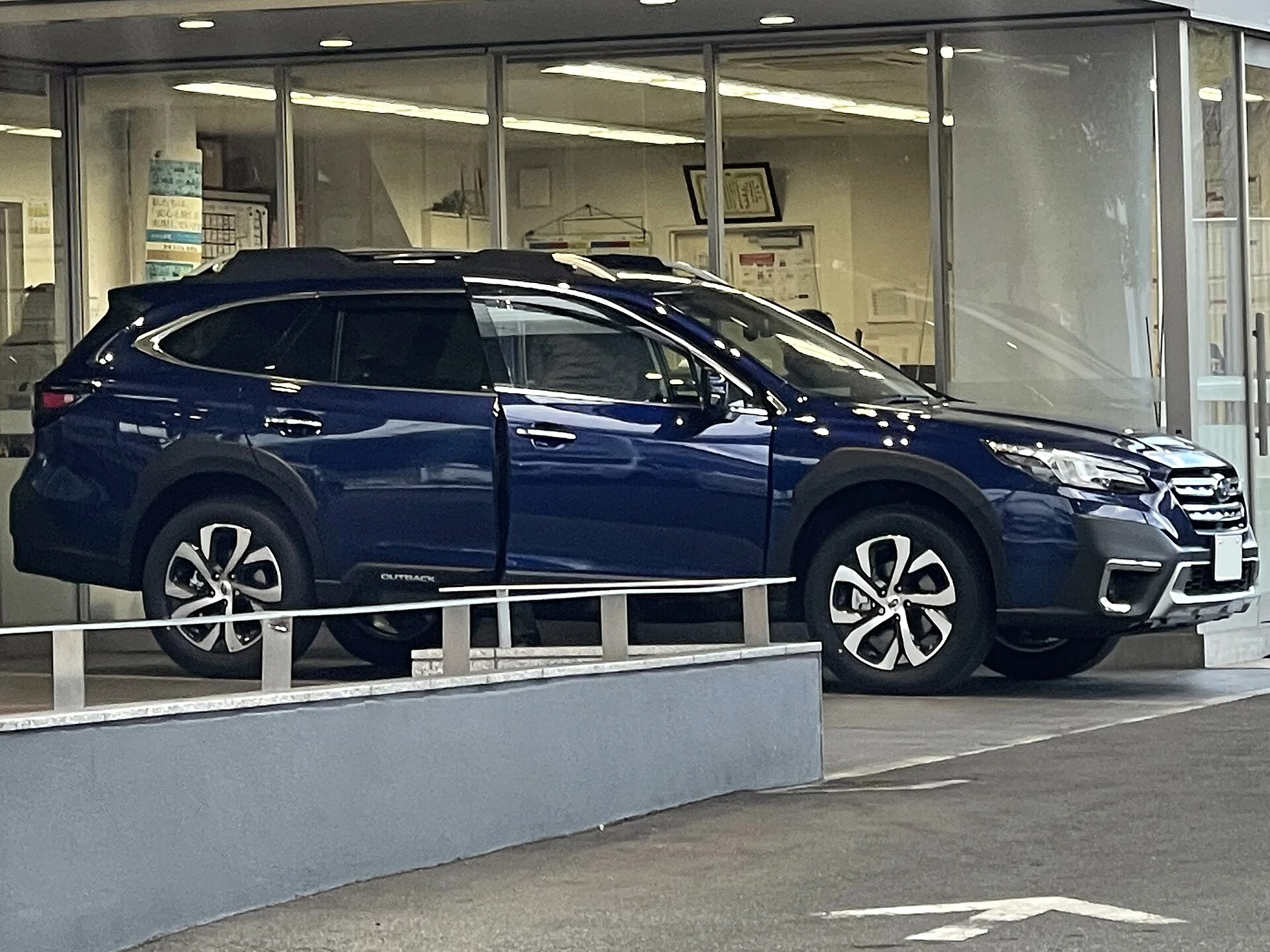
Tow rating gets the attention, but tongue weight, the downward force the trailer or rack places on the receiver, is what actually governs safe loading, and the Outback's ceiling here is a firm number. The factory 2-inch hitch on the Wilderness and Turbo XT is rated for a 350 lb max tongue weight alongside its 3,500-pound trailer rating.
That 350-pound figure is the ceiling for everything that pushes down on the receiver, and it applies to more than trailers. A loaded hitch cargo carrier or a heavy bike rack full of bikes also puts weight straight down on the receiver, and that load counts against the same 350-pound tongue rating. A camper carrying four e-bikes on a hitch rack can approach that limit with the rack and bikes alone, before any trailer is involved.
For trailers, tongue weight should generally fall in a band that keeps the trailer stable, and it must stay under the 350-pound cap. A trailer near the Outback's 3,500-pound rating, loaded to a proper tongue weight, produces a downward load that has to remain under 350 pounds, which is a real constraint on how a heavy trailer gets loaded. Too much tongue weight also squats the Outback's rear and lightens its steering, which is exactly what you do not want on a mountain road.
The practical discipline is to add up everything on the receiver, rack weight plus cargo, or trailer tongue weight, and confirm the total stays under 350 pounds. That number is easy to overlook because it is smaller than the tow rating suggests, but it is the one that governs whether a load is safe. An installer checks the tongue weight, not just the trailer weight, because the receiver feels the tongue load directly and the 350-pound rating is where it stops being safe.
Factory Versus Aftermarket Hitches
Not every Outback owner has the factory hitch, and the aftermarket offers several options, so it helps to know how they compare on the numbers that matter. The genuine Subaru unit is the reference point, and the aftermarket both matches and, in one respect, exceeds it.
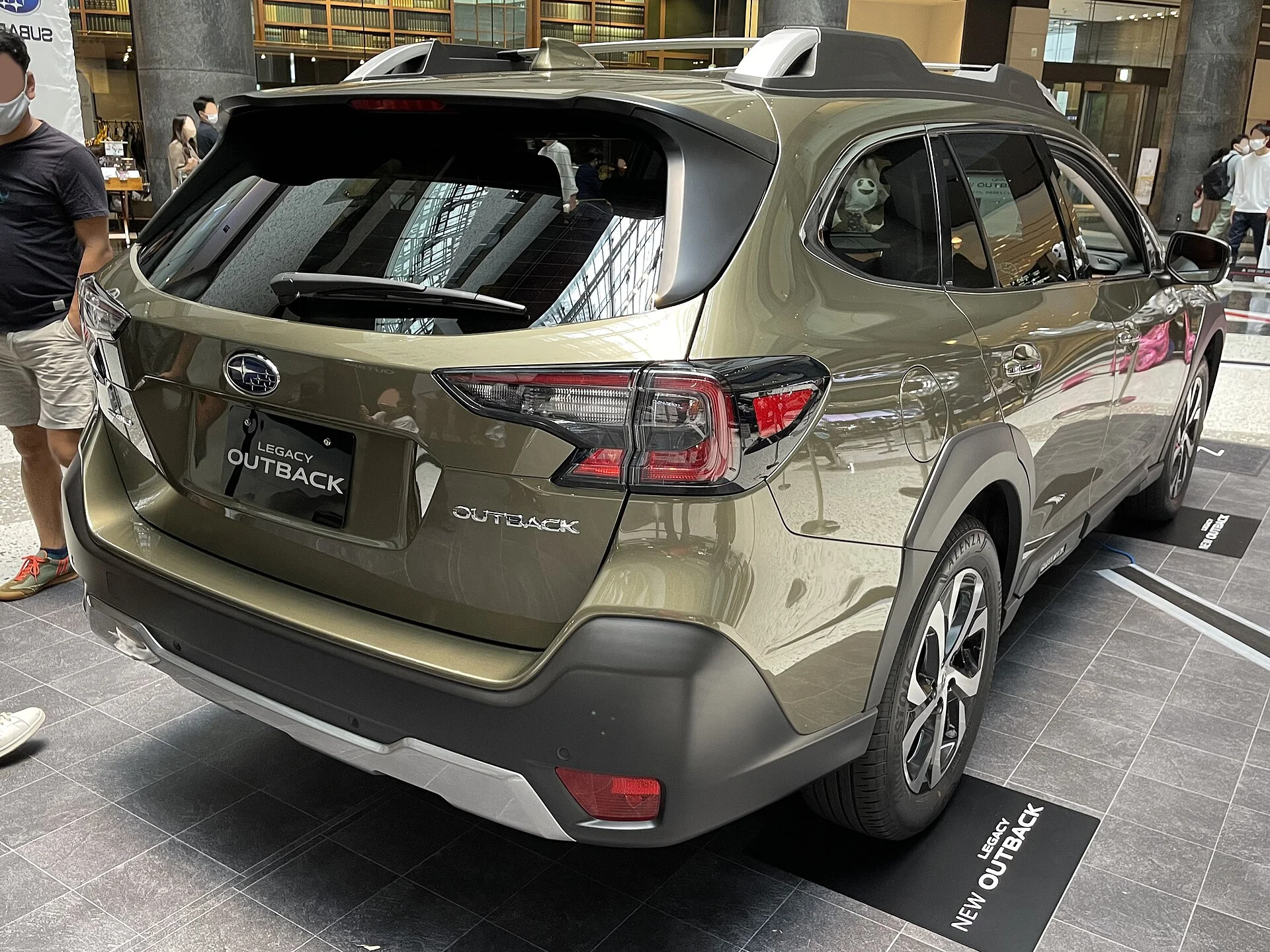
The genuine Subaru Outback trailer hitch carries part number L101SAN000, listed consistently across 2020-2025 model-year parts catalogs, and it is the 2-inch Class III unit rated for 3,500 pounds and 350 pounds of tongue weight on the Wilderness and Turbo XT. It is the plug-and-play factory choice, engineered to the vehicle and matched to Subaru's own ratings.
The aftermarket covers both receiver sizes. A CURT Class 2 hitch, SKU 12136, for select Outback models uses a 1-1/4 in receiver opening and is rated to 3,500 lb gross trailer weight and 350 lb tongue weight, while the CURT Class 3 hitch, SKU 13494, for the Outback and Legacy uses a 2 in receiver opening. Hidden or EcoHitch-style receivers are offered in both 1.25-inch and 2-inch sizes depending on trim and generation, so a buyer can match the receiver size to their accessory needs.
One aftermarket option actually exceeds the factory tongue rating: a separate hidden-hitch is rated for 525 lb tongue weight and 3,500 lb towing weight, higher than the genuine Subaru unit's 350-pound tongue rating at the same 3,500-pound trailer weight. That extra tongue capacity matters for a heavy hitch cargo carrier, though the vehicle's own limits still apply, so the higher-rated hitch does not license loading the Outback itself beyond what it can handle. The hitch rating is a ceiling, not a permission slip to overload the vehicle.
Installation and Wiring Fitment Notes
A hitch is only useful once it is mounted correctly and, for trailer use, wired, and this is where an installer's habits separate a clean, lasting setup from one that rattles or fails inspection. The Outback's hitch install is straightforward, but a few details are worth getting right.
The tow ratings themselves come with a wiring condition. The naturally aspirated trims are rated to tow up to 2,700 lb only when equipped with an approved hitch and wiring harness, which underscores that the electrical connection is part of the rated system, not an afterthought. A trailer needs its lights and, above a certain weight, its brakes connected, and the harness that does that has to be the correct one for the vehicle and trailer.
Fitment of the receiver to the vehicle is the other half. The factory L101SAN000 hitch is engineered to bolt to the Outback's designated mounting points, which is why it sits flush and carries its rating cleanly; aftermarket hitches vary in how well they fit, so confirming a hitch is built specifically for the Outback's year and generation prevents the gaps and misalignment that lead to a rattle three weeks later. Measure and confirm before mounting rather than forcing a near-fit.
The step most installers see skipped is torquing the mounting hardware to spec and re-checking it after a short break-in period, because a hitch that works loose is both a rattle and a safety issue. A clean install, correct hitch for the vehicle, proper wiring harness, hardware torqued and re-checked, is what makes the receiver's rating trustworthy in practice. The number stamped on the receiver only means something if the hitch is mounted the way it was designed to be.
Matching Hitch, Load, and Trim
Bringing it together, using an Outback's hitch safely is a matching exercise across three things: the receiver the vehicle has, the load you want to carry, and the trim's tow rating. Getting all three to agree is what turns a hitch from a liability into a genuinely useful piece of the vehicle.
Start from the vehicle. Confirm the trim and engine, which sets the tow rating at either 3,500 pounds for the Wilderness and Turbo XT or 2,700 pounds for the naturally aspirated trims, and confirm the receiver size, 2 inches on the current heavy-duty hitch or 1.25 inches on older or lighter setups. Those two facts define the ceiling for everything that follows.
Then size the load to the ceiling. A trailer's loaded weight must stay under the trim's real tow rating, and its tongue weight, or a cargo carrier's loaded weight, must stay under the 350-pound tongue limit of the factory hitch. A bike rack must fit the receiver's opening size and, loaded, stay under the tongue rating. When the load fits both the receiver size and the weight limits, the setup is sound.
The mismatch to avoid is the common one: buying an accessory for the rating you wish the Outback had rather than the one it has. A 2,700-pound-rated trim with a trailer sized for 3,500 pounds, or a heavy four-bike rack on a 1.25-inch receiver, is a setup fighting its own limits. Match the accessory and load to the specific vehicle's receiver and rating, and the Outback is a capable, safe light-tow and bike-hauling platform that punches above its crossover class.
Choosing the Receiver for How You Camp
For a buyer who has a choice, whether specifying a factory hitch, buying aftermarket, or picking a trim, the right receiver follows from how the Outback will actually be used. Matching the hardware to the use case up front avoids both under-buying and over-buying, which is the installer's version of measuring twice.
For the bike-focused camper, the use case is a couple of bikes and maybe a light trailer, and a 1.25-inch receiver handles it comfortably. Most quality 2-bike racks are built for that opening, and pairing it with a 2,700-pound-rated trim is a coherent, capable setup for someone whose towing is occasional and light. There is no need to pay for a 2-inch Class III receiver that the use will never load.
For the hauler or heavier tower, the calculation flips. Someone carrying four bikes, running a loaded cargo carrier, or towing a small camper near the 3,500-pound ceiling wants the 2-inch Class III receiver on a Wilderness or Turbo XT trim, because that combination gives both the receiver opening the heavy accessories need and the tow rating the load requires. Buying the smaller receiver here means hitting its limits immediately.
The trim decision often settles the receiver decision, since the turbo and Wilderness trims come with the 2-inch hitch and the higher rating together. For a camper still choosing an Outback, that means the towing and hauling ambitions should inform the trim choice, not just the drive quality, because the hitch capability is bundled with the engine. Decide the heaviest thing you will realistically carry, then pick the trim and receiver that clear it with margin, and the Outback's hitch will never be the limit on a trip.
The Verdict: Read the Receiver Before You Buy the Rack
A Subaru Outback's hitch capability is defined by its receiver and its trim, not by the accessory catalog. The genuine 2-inch Class III hitch on the Wilderness and Turbo XT is rated for 3,500 pounds of trailer and 350 pounds of tongue weight, while the naturally aspirated trims tow 2,700 pounds, and pre-2020 Outbacks commonly used a smaller 1.25-inch receiver.
The receiver size decides what physically fits: a 1.25-inch opening takes most 2-bike racks and small trailers, while a 2-inch opening is needed for heavier 4-bike racks, cargo carriers, and larger trailers near the 3,500-pound ceiling. The 350-pound tongue rating governs everything pushing down on the receiver, trailer tongue or a loaded rack alike, and it is smaller than the tow rating implies.
The aftermarket matches the factory unit in both receiver sizes and, in one hidden-hitch case, offers a higher 525-pound tongue rating, though the vehicle's own limits still apply. Whatever hitch is fitted, a clean install, correct hitch for the year, proper wiring harness, hardware torqued and re-checked, is what makes the rating trustworthy in use.
Read that way, the Outback is a genuinely capable light-tow and bike-hauling crossover, as long as the accessory and load are matched to the specific vehicle's receiver size and trim rating. Buy the rack first and hope the receiver carries it, and you end up with hardware the hitch was never rated for. Read the receiver, confirm the trim's rating, and buy to those numbers, and the hitch does exactly what it should.