
No Factory Hitch on Most Trims
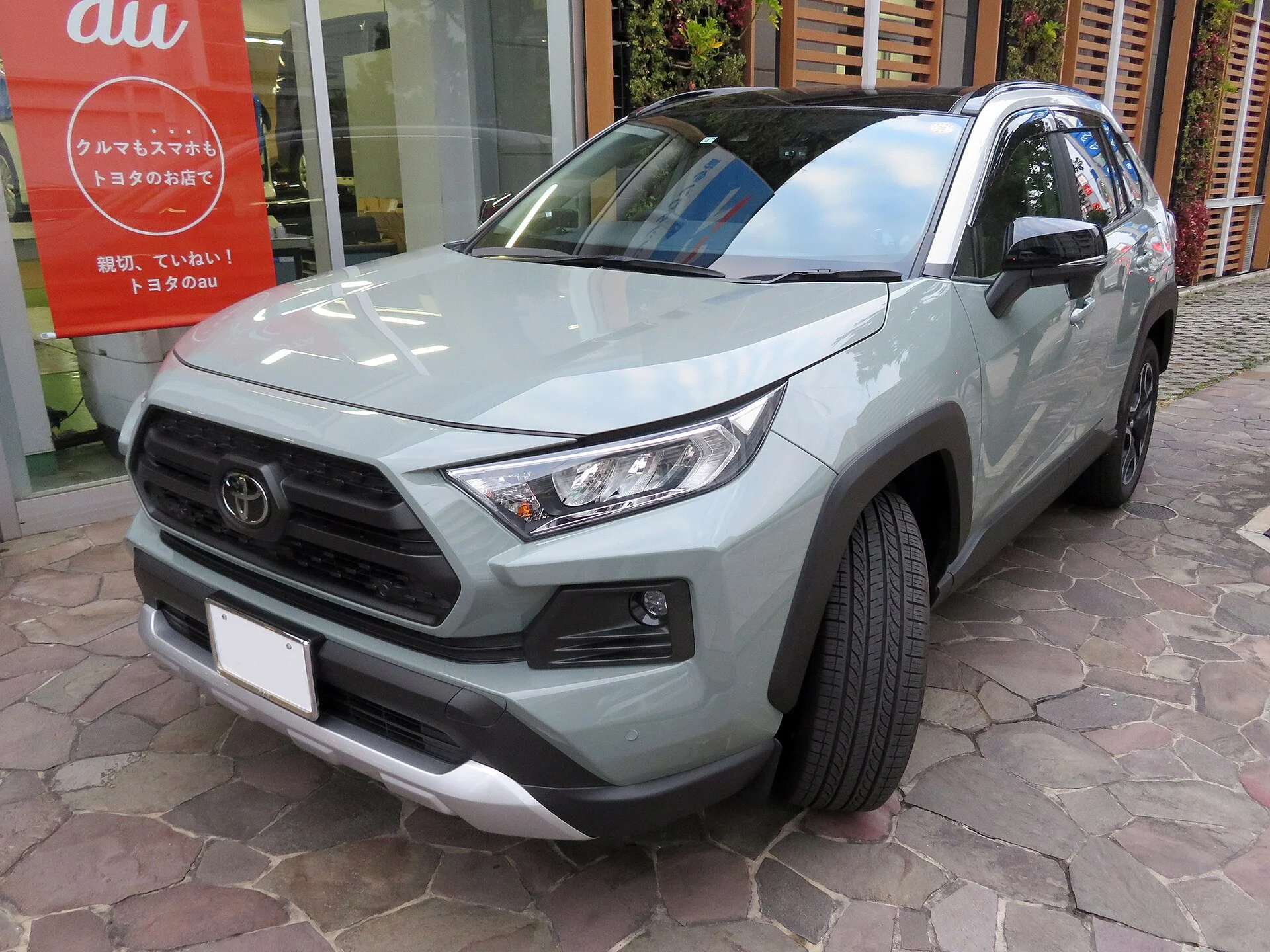
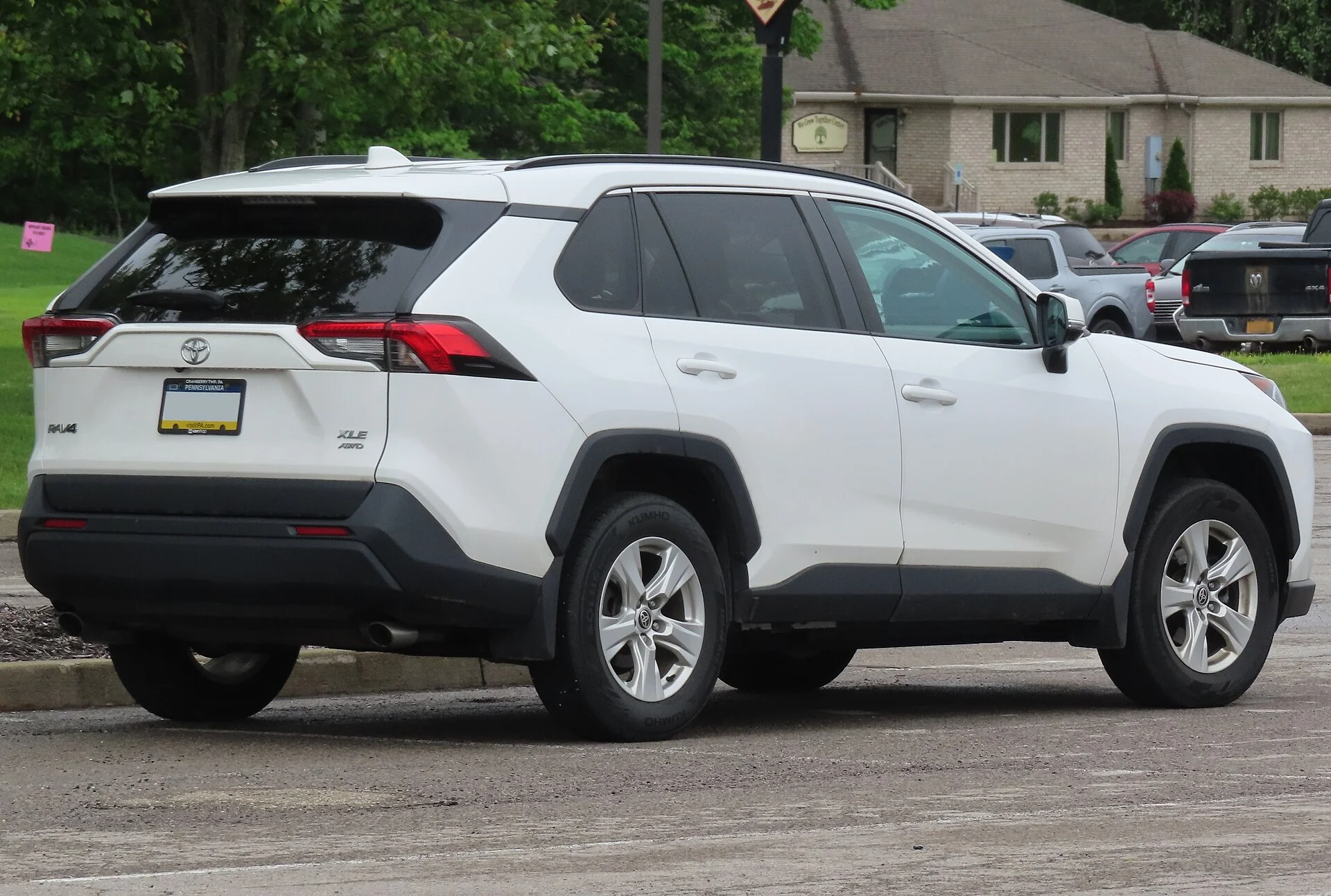
Before talking capacity, clear up a common surprise: most RAV4s do not come with a hitch. The current 5th-generation RAV4, from 2019 on, does not ship with a factory-installed hitch on most trims. Towing requires the factory Tow Prep Package plus a hitch, or a dealer or aftermarket hitch added later. So a bare RAV4 in a dealer lot usually has nothing to bolt a bike rack or trailer to until a hitch is installed.
This matters because the Tow Prep Package is more than a receiver. On the trims that offer it, the package adds cooling and other supporting hardware that underpins the higher tow ratings - it is not just a bracket. A RAV4 without Tow Prep can still carry a light hitch accessory once a hitch is fitted, but it will not reach the top towing numbers that only the properly equipped trims are rated for.
The practical first step for any RAV4 owner is to find out what you actually have. Check whether the vehicle was ordered with Tow Prep, and whether a hitch is already installed. That determines both what you can tow and which rating applies to you. Adding an aftermarket hitch is straightforward, but it does not automatically grant the higher capacity - the vehicle's trim and equipment set the ceiling, and the hitch just gives you a place to connect within it.
Tow Ratings Vary Wildly by Trim
The single biggest thing to understand about a RAV4 is that its tow rating more than doubles across the lineup. Standard gas trims - LE, XLE, XLE Premium, and Limited - are rated to tow 1,500 lb. The Adventure and TRD Off-Road trims, which are AWD with Tow Prep, jump to 3,500 lb. That is a massive spread between models that look broadly similar, and towing the wrong trailer behind the wrong trim is genuinely unsafe.
The hybrids add their own tiers. Standard Hybrid trims are rated to tow 1,750 lb, while the Hybrid Woodland Edition, which includes Tow Prep, reaches 3,500 lb - matching the top gas trims. The plug-in RAV4 Prime sits in between at 2,500 lb. So depending on exactly which RAV4 you have, your ceiling could be 1,500, 1,750, 2,500, or 3,500 lb, and the badge alone does not tell you which.
This is why quoting 'the RAV4 tows 3,500 pounds' is misleading - only specific equipped trims do. A base LE rated at 1,500 lb hooked to a trailer sized for the 3,500 lb Adventure is badly overloaded, with all the braking and stability consequences that implies. The first rule of towing with a RAV4 is to know your exact trim's number, not the best number in the brochure. Everything else - hitch, tongue weight, trailer choice - follows from that specific figure.
Tongue Weight Is 10% of the Trailer
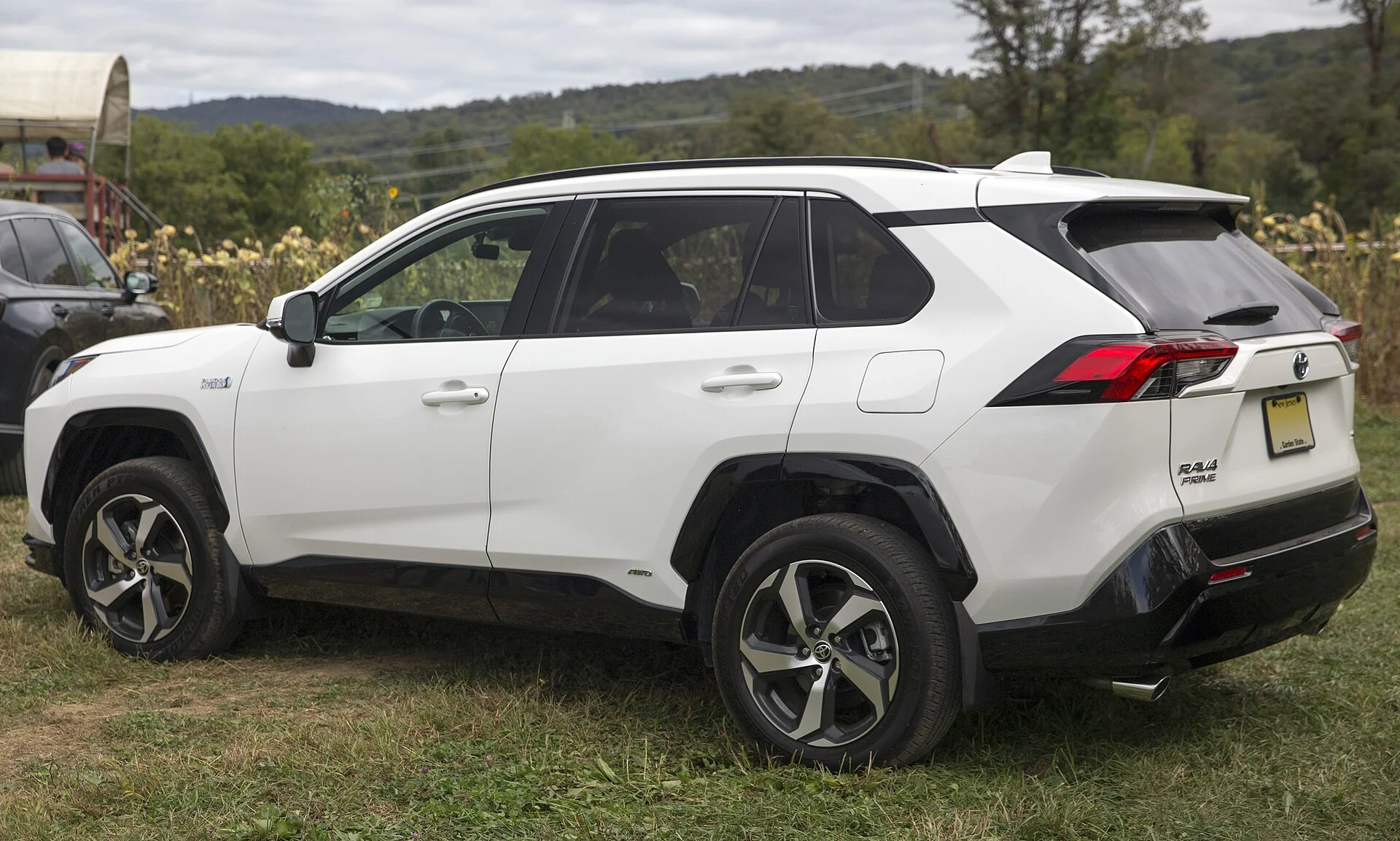
Tow rating gets the attention, but tongue weight is the number that keeps a trailer stable, and it follows a simple rule. Toyota specifies trailer tongue weight at roughly 9-11% of total trailer weight - a general rule of about 10%. Tongue weight is the downward force the trailer's coupler puts on the hitch ball, and getting it into that 9-11% window is what keeps the trailer tracking straight instead of swaying.
The 10% rule is a target, not a technicality. Load a trailer so that about a tenth of its total weight rests on the tongue, and it tows steadily. On a trailer loaded near the 3,500 lb ceiling, that works out to roughly 350 lb on the tongue - which is exactly why the top trims cap tongue weight at 350 lb. Get it right by positioning the cargo - heavier items ahead of the trailer's axle add tongue weight, behind the axle subtract it - and the difference between a calm tow and a white-knuckle one often comes down to where a few heavy boxes sit.
This is where the RAV4's tongue-weight limits become the real constraint, because that 10% has to stay under the vehicle's rated maximum. A trailer near the top of your tow rating will put close to 10% of its weight on the tongue, and if that exceeds your trim's tongue limit, you are overloaded even though the trailer weight itself is within the tow rating. The next sections cover those tongue limits and the accessories that eat into them - because for most RAV4 owners, tongue weight, not tow rating, is the number that bites first.
Class III and the 2-Inch Receiver
When you add a hitch to a RAV4, it lands in a specific class with a specific receiver size, and knowing it prevents buying the wrong accessories. Aftermarket RAV4 hitches are Class III with a 2-inch square receiver tube opening. That 2-inch opening is the standard size for most serious bike racks, cargo carriers, and small-trailer couplers, so a Class III hitch opens up the widest range of compatible gear.
The receiver size is also how you read a hitch's class at a glance. A 1.25-inch receiver denotes a Class I or II hitch - the lighter-duty size - while the RAV4's Class III uses the larger 2-inch receiver. If you see a 1.25-inch opening, you are looking at a lighter hitch with lower limits and a narrower range of compatible accessories. The 2-inch Class III is the right target for a RAV4 meant to carry bikes or pull a small trailer.
Matching accessories to the receiver saves frustration and adapters. A rack or carrier built for a 2-inch receiver drops straight into a Class III RAV4 hitch; one built for 1.25 inches needs an adapter sleeve that adds slop and reduces the safe load. Buy 2-inch gear for a 2-inch hitch. The class and receiver size are the compatibility language of the whole hitch-accessory world, and getting a RAV4's Class III, 2-inch setup straight means everything you bolt to it fits and carries as intended.
What the Aftermarket Hitch Is Rated For
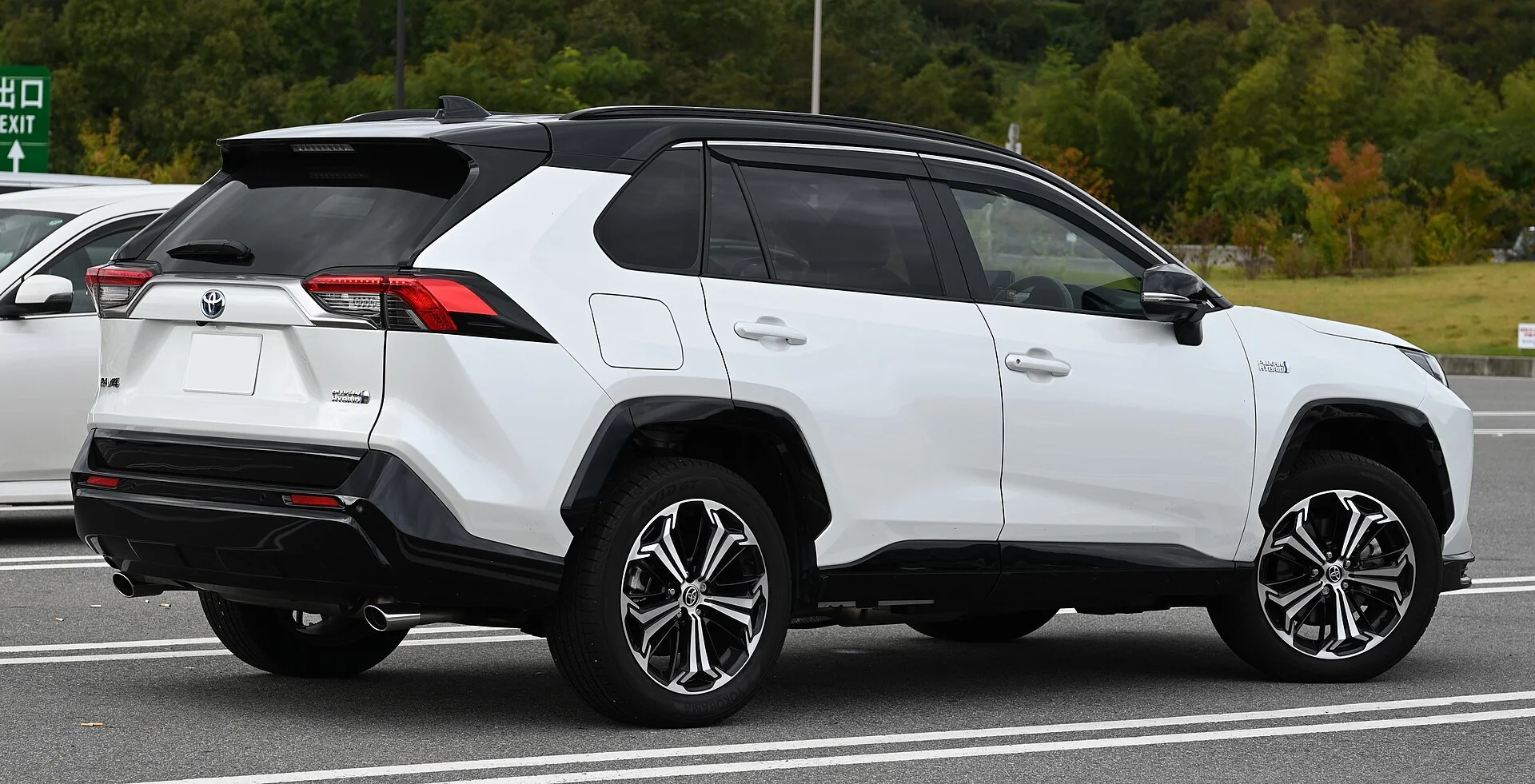
An aftermarket hitch has its own rating, and it is easy to misread it as your towing limit. Common aftermarket Class III RAV4 hitches from brands like Draw-Tite, Reese, and CURT are rated up to 3,500 lb gross trailer weight, with 350-525 lb of tongue weight. Those are strong numbers - but they are the hitch's structural capacity, not permission for your RAV4 to tow that much.
This is the trap that gets people into trouble. The vehicle's own rating is always the binding limit. Bolt a hitch rated for 3,500 lb and 525 lb of tongue onto a base RAV4 rated for 1,500 lb of towing and 200 lb of tongue, and your real limit is still 1,500 and 200 - the RAV4's numbers, not the hitch's. The hitch being capable of more does not raise the vehicle's ceiling one pound.
Always take the lower of the two ratings. Between the hitch's capacity and the vehicle's rated capacity, the vehicle almost always wins because its number is lower, especially on the 1,500 and 1,750 lb trims. The hitch's higher rating simply means the hardware is not the weak link - which is good, but it is not a license to load past what the RAV4 itself is rated to handle. Read both numbers, then plan against the smaller one, every time.
Bike Racks Count as Tongue Weight
Here is the detail that catches campers and cyclists off guard: everything hanging off the hitch counts against tongue weight, including the rack and its load. Hitch-mounted bike racks add their own weight to the tongue load. A 2-to-4-bike hitch rack plus the bikes can total 50-100+ lb, all of which counts as tongue weight against the vehicle's limit. You are not towing anything, but you are still loading the tongue.
On the lower trims, that adds up fast. A loaded hitch cargo carrier concentrates weight far behind the axle and can approach or exceed the 200 lb tongue limit on the 1,500 lb-rated trims. Stack a heavy carrier or a full four-bike rack on a base RAV4 and you can hit its tongue ceiling with no trailer attached at all - just the accessory and its cargo. The limit applies to any downward load on the hitch, not only to trailers.
So plan hitch accessories against your tongue number, not just your tow number. Weigh the rack and what goes on it, and keep the total under your trim's tongue limit - 200 lb on most gas and standard hybrid trims, 350 lb on the Adventure, TRD Off-Road, and Woodland. A quality hitch-mounted bike rack is a great way to haul bikes to a trailhead, but on a 200 lb-limit trim, a heavy rack loaded with e-bikes can quietly exceed the limit - so check the weights before you load up.
Why Exceeding Tongue Weight Is Dangerous
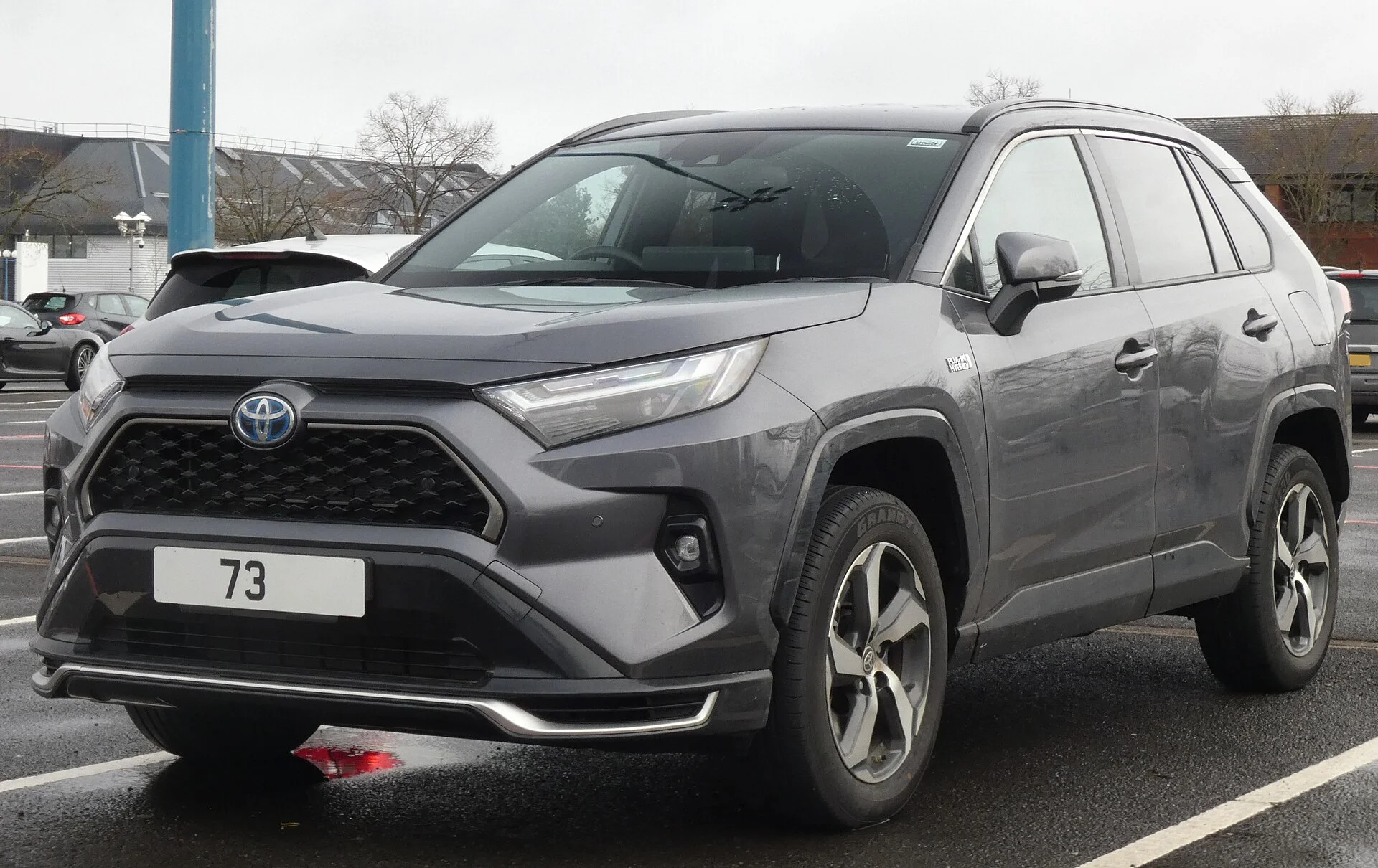
The tongue-weight limit is not a bureaucratic figure - crossing it changes how the whole vehicle behaves. Exceeding the rated tongue weight overloads the rear axle, lifts weight off the front axle, and degrades steering, braking, and headlight aim. Too much weight pressing down at the back squats the rear, unloads the front tires, and the front is where your steering and most of your braking live - so both get worse exactly when you need them.
The headlight point is easy to overlook and genuinely hazardous. When the rear squats under excess tongue weight, the nose rises and the headlights tilt upward, blinding oncoming drivers and lighting up the treetops instead of the road. Combine dimmed steering feel, longer stopping distances, and misaimed lights, and an overloaded tongue turns a routine drive into a compromised one, especially at night or in an emergency maneuver.
The opposite error is dangerous too. Too little tongue weight - below about 9% of trailer weight - causes trailer sway, the side-to-side fishtailing that can build into a loss of control. So the 9-11% window is a real safety band, not a suggestion: too little invites sway, too much overloads the rear and lightens the steering. Loading the trailer so the tongue lands inside that window, and under the RAV4's rated tongue maximum, is what keeps the whole rig stable and controllable.
Dead-Weight vs Weight-Distributing
There are two styles of hitch setup, and for a RAV4 the choice is simple. RAV4 hitches are dead-weight, or weight-carrying, hitches, and weight-distributing setups are generally not required or recommended within the RAV4's light tow ratings. A dead-weight hitch simply carries the tongue load directly on the ball; a weight-distributing setup uses spring bars to spread some of that load to the trailer and front axle.
Weight-distributing hitches earn their keep on heavy trailers near the limits of full-size trucks and large SUVs, where hundreds of pounds of tongue weight would otherwise squat the tow vehicle badly. A RAV4's ratings - 1,500 to 3,500 lb of trailer and 200 to 350 lb of tongue - sit well below that threshold, so a standard dead-weight hitch handles the job without the added complexity, cost, and setup of a distributing system. Adding one is generally unnecessary here.
One piece of supporting hardware you will need is the wiring. Trailer lighting requires a wiring harness, typically a 4-pin flat connector, added along with the hitch so the trailer's brake lights, turn signals, and running lights work. This is a straightforward part of any hitch install, but it is essential and legally required for towing a trailer. For a bike rack alone you may not need it; for any trailer with lights, the 4-pin flat harness is part of doing the install right. Skipping it is not only unsafe but illegal in most places, since a trailer on the road must show working brake lights and turn signals to the traffic behind it.
OEM vs Aftermarket, and Verify Your Numbers
When it comes to the hitch itself, a RAV4 owner has both factory and aftermarket paths. OEM Class III tow-hitch receivers - such as Toyota's PK960-42R10 - are available for the current RAV4, giving a factory-fit option that matches the vehicle's mounting points and appearance. Quality aftermarket Class III hitches from the major brands fit just as well and often cost less, so the choice comes down to budget and preference, not capability, since both are Class III with the 2-inch receiver.
Whichever hitch you choose, the ratings that govern you are the vehicle's, and they must be verified for your exact configuration. Always verify the tow and tongue limits on the door-jamb sticker and the owner's manual, because drivetrain - 2WD versus AWD - and the equipment package affect the rating. Two RAV4s of the same trim can differ if one is AWD with Tow Prep and the other is not, so the sticker on your specific vehicle is the authority, not a general chart.
Make that verification a habit before every meaningful load. The door-jamb placard and manual give you the real, vehicle-specific tow and tongue numbers, and those are what you plan against - not the hitch's rating, not a friend's RAV4, not the internet's best-case figure. A five-second look at your own sticker is the difference between towing within your vehicle's engineered limits and guessing. Confirm your numbers, buy the right Class III hitch, and match everything to what your specific RAV4 is actually rated to do.
The Verdict: Match the Hitch to Your Trim's Real Numbers
The RAV4 is a capable little hauler once you sort out which RAV4 you have. Tow ratings run from 1,500 lb on base gas trims, to 1,750 on standard hybrids, to 2,500 on the Prime, up to 3,500 on the Adventure, TRD Off-Road, and Hybrid Woodland with Tow Prep. Tongue-weight limits track alongside at 200 lb on the lighter trims and 350 lb on the top ones. Those specific numbers, not the brochure's best case, are your real ceilings.
The hardware is straightforward: a Class III hitch with a 2-inch receiver, factory or aftermarket, rated well above the vehicle so the RAV4's own numbers stay the binding limit. Keep tongue weight in the 9-11% window and under your trim's maximum, remember that bike racks and cargo carriers count against that tongue limit, and add the 4-pin flat wiring harness for any trailer with lights. A dead-weight hitch is all a RAV4 needs.
Most of all, verify your own vehicle's numbers on the door-jamb sticker, since 2WD versus AWD and the equipment package change the rating. Overloading the tongue degrades steering, braking, and headlight aim; too little invites sway; the right load in the right window keeps the rig stable. Match the hitch and the load to your specific trim's real figures, and the RAV4 will carry bikes to the trailhead or pull a small teardrop camper safely, trip after trip - comfortably within the engineered limits it was actually built to handle.