
Two Numbers, and Confusing Them Is Expensive
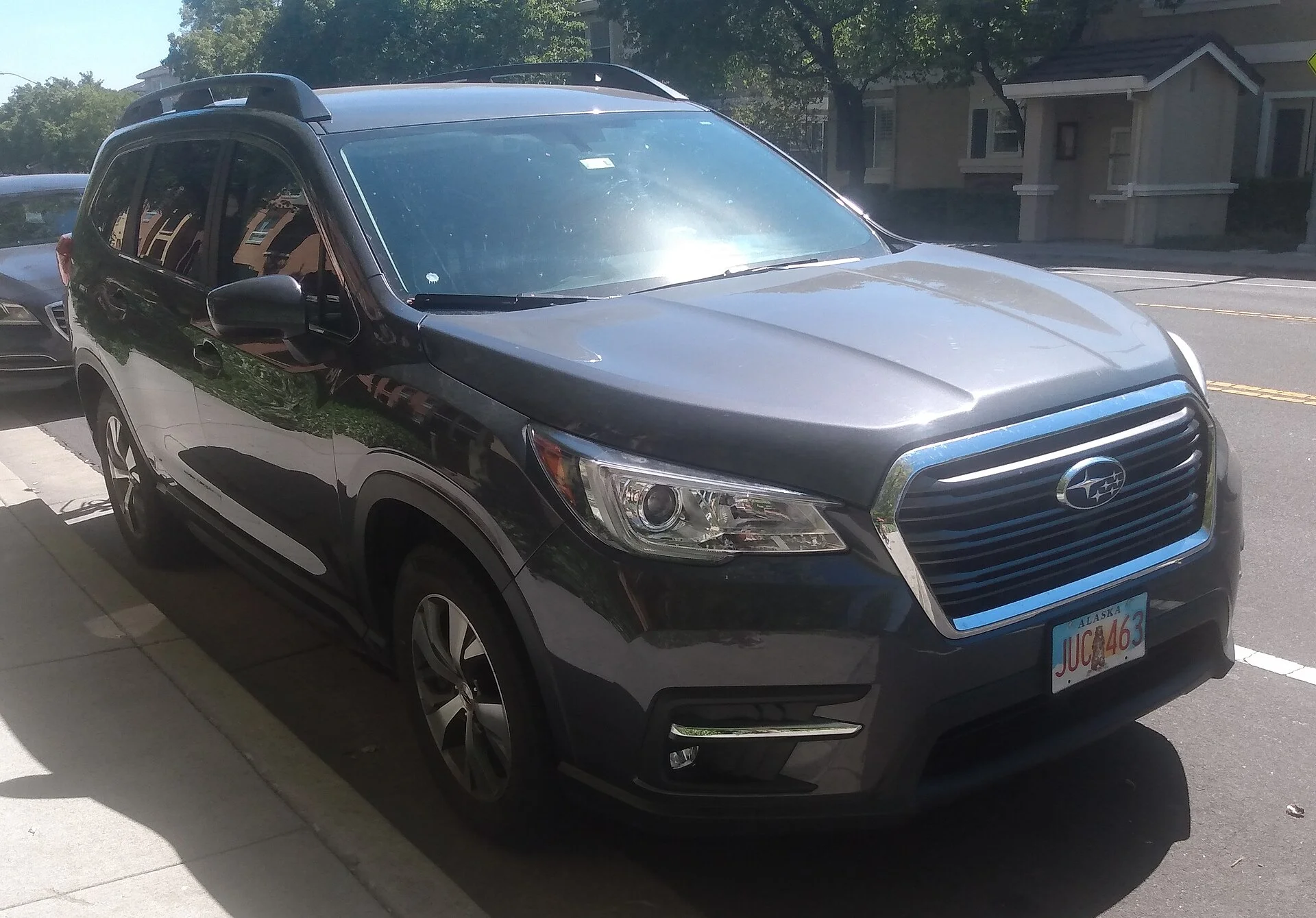
The Subaru Ascent's roof rack has two weight ratings, and the single most expensive mistake a buyer makes is confusing them. One number is small, one is large, and using the wrong one either leaves capability on the table or, worse, suggests a load the rack was never rated to hold while moving. Getting these two straight is the whole ballgame for a rooftop tent or a heavy roof load.
The two numbers are the dynamic rating and the static rating, and they describe completely different situations. The dynamic rating is what the rack can carry while the vehicle is driving; the static rating is what it can hold while parked. They are not interchangeable, and a rooftop tent, which is light while driving but holds sleeping people while parked, lives in the gap between them.
This is where buyers overpay or under-buy. Someone who reads only the small dynamic number assumes the Ascent cannot handle a rooftop tent and buys an expensive aftermarket rack they may not need; someone who reads only the large static number loads the roof heavy while driving and overloads the bars. Both mistakes come from not knowing which number applies when, and both cost money or safety.
This guide reads the Ascent's roof rack the way a value-minded wrench reads any spec with two numbers: what the dynamic rating allows, what the static rating allows, why a rooftop tent uses the static one, how the OEM crossbar options differ, and where spending more on an aftermarket rack genuinely pays off versus where it is just a heavier box. Learn which number governs when, and you buy exactly the rack you need, no more.
The Dynamic Rating: 176 Pounds While Driving
Start with the number you use most, because most roof loads are carried while driving. The Subaru Ascent owner's manual states a maximum dynamic roof load of 176 lb for the OEM crossbars, and this is a vehicle-level cap: Subaru limits all crossbars to a combined 176 lb while the vehicle is being driven, regardless of which bars are installed.
Dynamic load is roof cargo in motion, a cargo box, kayaks, bikes, luggage, gear, anything riding up top while the Ascent drives down the road. The 176-pound limit exists because a moving vehicle subjects roof loads to bumps, braking, cornering, and wind, forces that a static rating does not account for. That is why the driving number is lower: the load is not just sitting there, it is being thrown around, and the rack has to handle those dynamic forces safely.
For most roof-loading, 176 pounds is the number that matters, and it is a sensible amount. A loaded cargo box, a pair of kayaks, or a rack of bikes generally fits within 176 pounds, so for the typical family road trip the Ascent's dynamic rating is perfectly adequate and there is no reason to spend on more. Under-buying is not usually the risk here; over-buying based on a misunderstanding is.
The key thing to hold onto is that 176 pounds is a driving limit, and it is a firm one that applies no matter which OEM crossbars are on the roof. Whatever rides up top while the Ascent is in motion, cargo box, boats, gear, has to stay under 176 pounds combined. That number governs the road trip; it does not govern the campsite, which is where the second number takes over.
The Static Rating: 700 Pounds While Parked
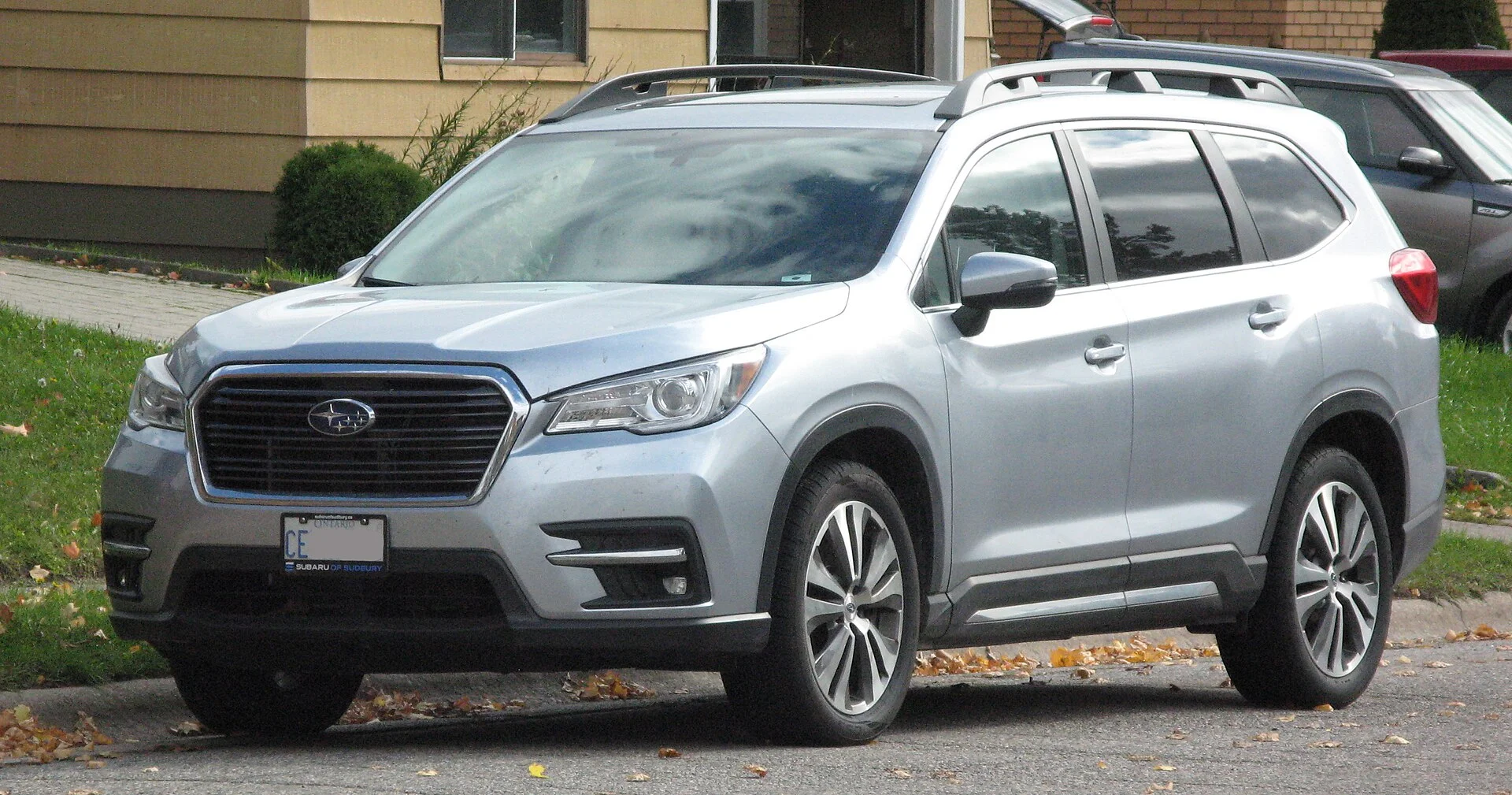
Now the number that unlocks a rooftop tent, and it is much larger. When the Ascent is parked, the static roof rail limit is up to 700 lb, because a stationary roof is not subject to the bumps, braking, and cornering forces of driving. Sitting still, the roof structure can hold far more than it can while moving.
Static load is weight resting on the roof only while the vehicle is parked, and the defining camping example is a rooftop tent with people sleeping in it. The tent itself is a modest weight while driving, well within the dynamic limit, but once parked and occupied, the tent plus two adults can weigh several hundred pounds, and that load is carried entirely while stationary. That is why it is governed by the 700-pound static rating, not the 176-pound dynamic one.
The roof holds up to 700 pounds parked but only 176 pounds while driving. A rooftop tent is light on the highway and heavy at camp, so it lives under the static number, which is the whole reason the Ascent can carry one.
There is an important qualifier, though: the static capacity is capped at the lower of the vehicle's roof rating, 700 pounds, or the specific crossbar's own load rating. So the roof supporting 700 pounds does not mean any crossbar can hold that much; the bars have their own static limits, and the actual ceiling is whichever is lower. This is the detail that determines whether a given OEM bar can carry a loaded rooftop tent.
For a camper, the static rating is the good news that makes a rooftop tent possible on an Ascent at all, and it is the number to check a tent against, not the driving figure. But it comes paired with the crossbar caveat, which is exactly where the OEM bar choice starts to matter and where a little spending can pay off.
Why You Never Use the Driving Number for a Tent
This is the principle worth nailing down, because it is the misunderstanding that sends buyers in the wrong direction: a crossbar's dynamic rating of 176 pounds must never be used to judge whether it can safely support a static rooftop tent load. The two numbers answer different questions, and using the driving number for a parked tent gives a wrong, and needlessly discouraging, answer.
Subaru owner discussions emphasize this distinction repeatedly, and for good reason. The dynamic load rating governs cargo carried while driving, a cargo box or kayak, while the static load rating governs weight resting on the roof only while parked, like a rooftop tent with people in it. A buyer who checks a heavy loaded rooftop tent against the 176-pound dynamic number concludes, wrongly, that the Ascent cannot carry it, when in fact the parked tent is governed by the far larger static rating.
The confusion is understandable because the 176-pound dynamic figure is the one most prominently cited, and it is the correct number for the driving-cargo question. It is simply the wrong number for the rooftop-tent question. A rooftop tent is light enough to satisfy the dynamic limit on the drive to camp and then relies on the static limit once parked and occupied, so both numbers apply at different moments of the same trip.
The practical rule is simple: check driving loads against 176 pounds and parked loads against the static rating, and never mix them. A rooftop tent has to weigh under 176 pounds empty for the drive, which it easily does, and its loaded, occupied weight has to stay under the static rating of the roof and the specific crossbar. Get that framework right and the Ascent is a capable rooftop-tent platform; get it wrong and you either overload the bars driving or wrongly rule out a tent entirely.
The OEM Crossbar Options and Their Limits
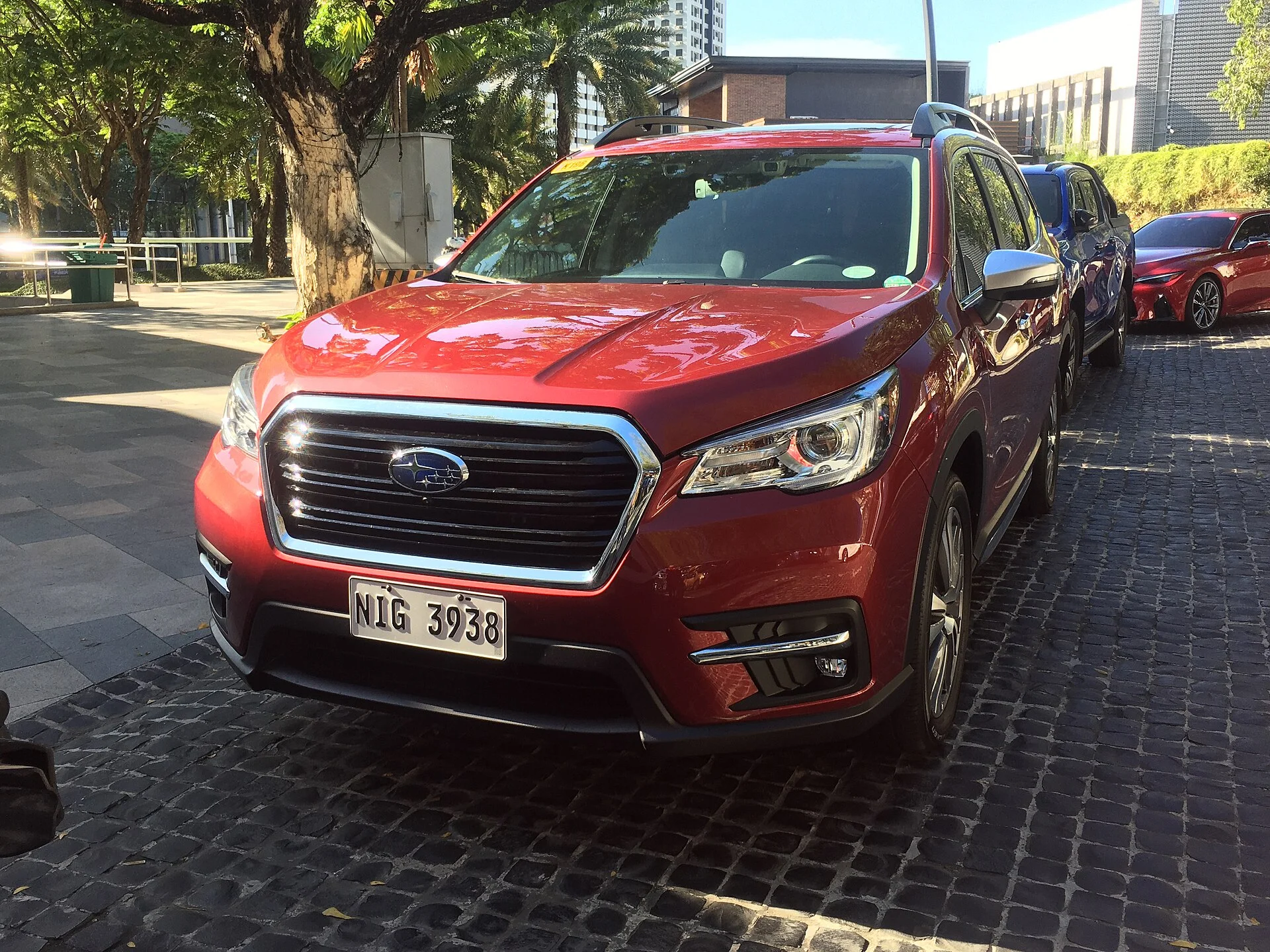
The Ascent's OEM crossbars come in two main types, and the difference between them is exactly the static-capacity detail that decides rooftop-tent suitability. Knowing which bar is on the roof, and what it is rated for, is the step that turns the static rating into a real number for your vehicle.
There are two main OEM crossbar options: the Standard Aero crossbar, part SOA843X040, for general use, and the Extended Thule crossbar, part SOA567X010, intended for heavier loads such as rooftop tents. That naming is a clue: Subaru positions the Extended bar specifically for the rooftop-tent use case, which tells you the Standard bar is not the one for that job.
The ratings back that up. The Standard Aero crossbar is limited to about 150 lb, while the Extended Thule crossbar is rated up to 176 lb dynamic in motion but up to 700 lb static when parked. So the Extended Thule bar can actually carry a loaded rooftop tent up to the roof's 700-pound static ceiling, while the Standard Aero bar, even though the roof structure supports 700 pounds, may not be rated to hold that much itself. The bar is the limiting factor, not the roof.
This is the crucial value insight: whether an Ascent can carry a rooftop tent depends on which OEM crossbar it has. An owner with the Standard Aero bars who wants a rooftop tent needs to step up to the Extended Thule bars, because the roof's 700-pound static rating is only usable through a crossbar rated to match it. Checking the specific bar's part number and rating before buying a tent is the five-minute step that prevents mounting a heavy tent on bars that cannot hold it parked.
Where Aftermarket Racks Earn Their Money
The aftermarket offers racks with dramatically higher ratings than the OEM bars, and the value question is whether that capacity is worth paying for, which depends entirely on the load. This is where a budget-minded buyer separates real need from a heavier, pricier box.
The numbers are genuinely different. Aftermarket high-capacity racks for the Ascent, such as Prinsu, publish up to 1,000 lb static load capacity and 500 lb dynamic load capacity, explicitly marketed for rooftop tents plus additional overlanding gear, far above the OEM Extended Thule crossbar's 176 lb dynamic and 700 lb static figures. That is a large jump in both ratings, and it comes with a large jump in price and weight.
The value math turns on what you actually carry. For a family running a cargo box and occasional kayaks within the 176-pound dynamic limit, and no rooftop tent, the OEM bars are entirely adequate and an aftermarket rack is money spent on capacity that will never be used, the classic false economy in reverse. Paying for a 1,000-pound static rating to carry a 150-pound cargo box is a heavier box, not a better one.
Where the aftermarket earns its money is the heavy, dedicated overland setup: a large rooftop tent that with occupants exceeds what the OEM bars comfortably allow, plus a platform of additional gear, or a buyer who wants margin above the OEM ratings for peace of mind. For that use, the 1,000-pound static and 500-pound dynamic capacity is real capability that the OEM bars cannot match, and the spending pays off. The honest guidance is to size the rack to the actual load: OEM Extended Thule bars for a normal rooftop tent, aftermarket only when the load genuinely exceeds them. A quality set of crossbars matched to your load beats an overbuilt rack you paid for and never load.
Raised Rails, Flush Rails, and Fitment
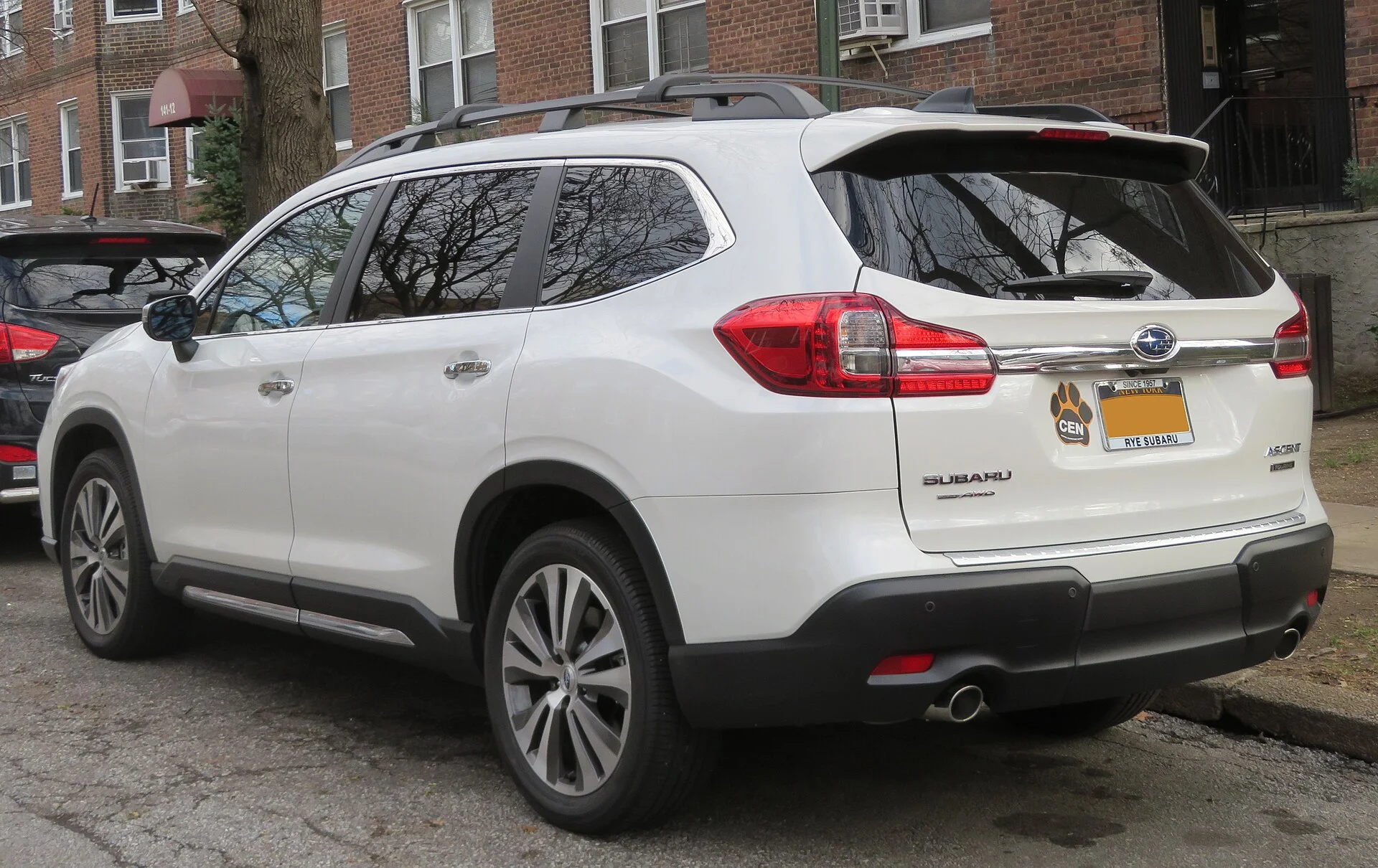
One more Ascent-specific detail affects both which rack fits and what it is rated for: the roof-rail configuration. The Ascent comes in different rail setups across trims and years, and the rack products, and sometimes the ratings, differ accordingly.
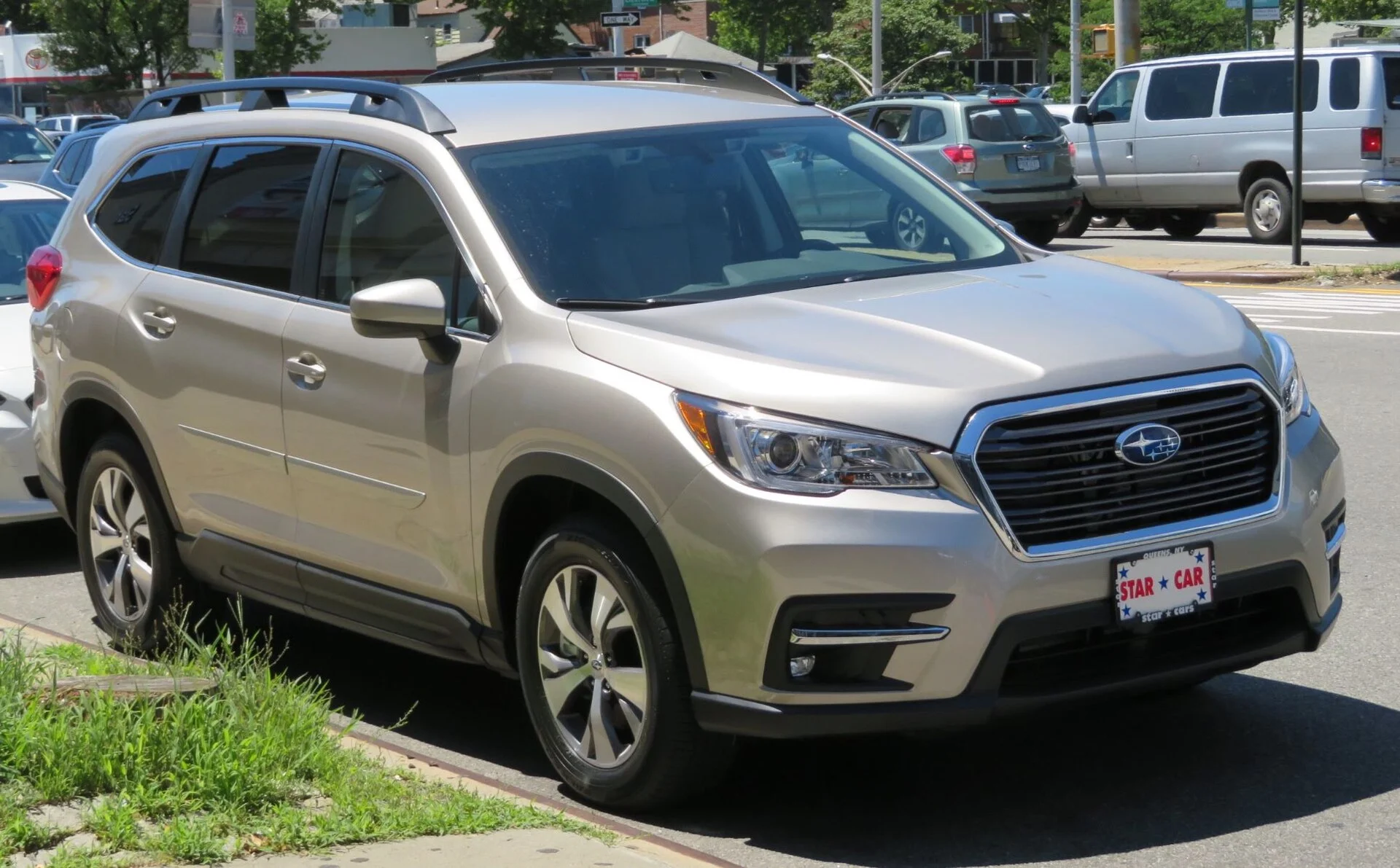
The Ascent is available with raised roof rails, compatible with raised-rail tower systems, across model years 2019-2026, and separately with flush-rail configurations depending on trim, with rack products differing by rail type. So the first fitment question is whether a specific Ascent has raised or flush rails, because a raised-rail rack and a flush-rail rack are not interchangeable, and buying the wrong type is a common ordering mistake.
The rail type can even shift the rating. For raised-rail Ascent configurations, some published crossbar and rail load ratings cite a maximum of 220 lb, or 100 kg, depending on the specific vehicle and bar combination. That is a different number from the 176-pound dynamic figure, and it underscores that the exact rating depends on the specific rail-and-bar setup, which is why Subaru's own accessory documentation instructs installers to consult the vehicle owner's manual for the total roof load limit rather than relying on a crossbar product listing alone.
The practical takeaway is to verify three things on a specific Ascent before buying any roof gear: the rail type, raised or flush, the crossbars installed and their ratings, and the owner's manual roof load limit. Those three together give the real numbers for that vehicle, which can differ from the generic figures. Checking them is a few minutes of work that ensures the rack fits, the ratings are right, and the money goes toward hardware that actually matches the vehicle rather than a near-fit that has to be returned.
Matching the Rack to the Load and the Budget
Bringing it together, buying the right Ascent roof setup is a matching exercise between the load you carry, the ratings that apply, and the budget you want to spend, and doing it in that order keeps the money efficient. The value comes from buying exactly the capacity the load needs.
Start from the load and when it is carried. Driving cargo, a box, kayaks, bikes, is checked against the 176-pound dynamic limit, which the OEM bars satisfy for most families. A rooftop tent is checked against the static rating, up to 700 pounds through a matched crossbar, which means the OEM Extended Thule bars for a normal tent and an aftermarket rack only if the loaded tent-plus-gear exceeds them.
Then match the hardware to that load, not to the biggest number available. If the heaviest thing you carry is a cargo box, OEM bars within 176 pounds dynamic are the right, economical choice. If it is a family rooftop tent, the Extended Thule OEM bars or a mid-capacity aftermarket rack fit. Only a genuinely heavy overland setup, a big tent plus a gear platform, justifies the 1,000-pound-static aftermarket racks, and for that load they earn their price.
The mistake to avoid is buying capacity you will never load, which is just spending more for a heavier rack. The Ascent's ratings, 176 pounds dynamic and up to 700 pounds static through a matched bar, cover the vast majority of family and light-overland use with the OEM hardware, and the aftermarket is there for the real outliers. Match the rack to the actual load and the wallet, and the Ascent carries what you need without paying for capacity you do not.
Loading the Roof Without Upsetting the Drive
Staying within the weight ratings is necessary but not sufficient, because how a roof load is placed and driven matters as much as how much it weighs. A load within the 176-pound dynamic limit can still make a three-row Ascent handle poorly if it is loaded carelessly, and that is a value point too: good technique costs nothing.
Weight on the roof sits at the worst possible height for stability, high above the center of gravity, so even a legal load raises the vehicle's center of gravity and changes how it responds to wind, cornering, and emergency maneuvers. The lighter and lower the roof load, the less it affects the drive, which is an argument for keeping heavy gear in the cargo bay and reserving the roof for bulky-but-light items like a cargo box or a tent. Loading heavy up high is legal within the rating and still a handling penalty.
Even distribution across both crossbars is the other habit. Both the dynamic and static ratings assume the load is spread, so a load concentrated on one bar or toward one side can exceed that bar's share even when the total is within limits, and it also unbalances the vehicle. Centering the load and spreading it across both bars keeps the rating honest and the handling neutral.
Driving to the load is the final piece. A roof-loaded Ascent wants gentler cornering, earlier braking, and extra caution in crosswinds, because the high load amplifies every input. None of that costs money; it is technique, and it lets an owner use the full 176-pound dynamic capacity without the drive feeling top-heavy.
The Verdict: Learn Which Number Governs When
The Subaru Ascent's roof rack is defined by two numbers, and using the right one is the whole skill. The dynamic rating is 176 pounds, the vehicle-level cap for any OEM crossbars while driving; the static rating is up to 700 pounds while parked, capped at the lower of the roof rating or the specific crossbar's own static limit.
A rooftop tent lives in the gap between them: light enough to satisfy the 176-pound dynamic limit on the drive, then relying on the static rating once parked and occupied. Never judge a rooftop tent against the driving number, or you will wrongly rule out a tent the Ascent can actually carry, and never load the roof heavy while driving on the strength of the static number.
Which OEM bar you have decides real capability: the Standard Aero crossbar is limited to about 150 pounds, while the Extended Thule crossbar reaches 176 pounds dynamic and up to 700 pounds static, making it the bar for a rooftop tent. Aftermarket racks like Prinsu reach 1,000 pounds static and 500 pounds dynamic, real capability that pays off only for a genuinely heavy overland load, not for a cargo box.
Verify the rail type, the crossbars, and the owner's manual roof limit on the specific vehicle, then buy to the actual load: OEM bars for family cargo and normal tents, aftermarket only for the heavy outliers. Learn which number governs when, and the Ascent carries exactly what you need without overpaying for capacity or overloading the bars. Mix the two numbers up, and you either leave a rooftop tent on the table or put a load on the roof the driving rating never allowed.