
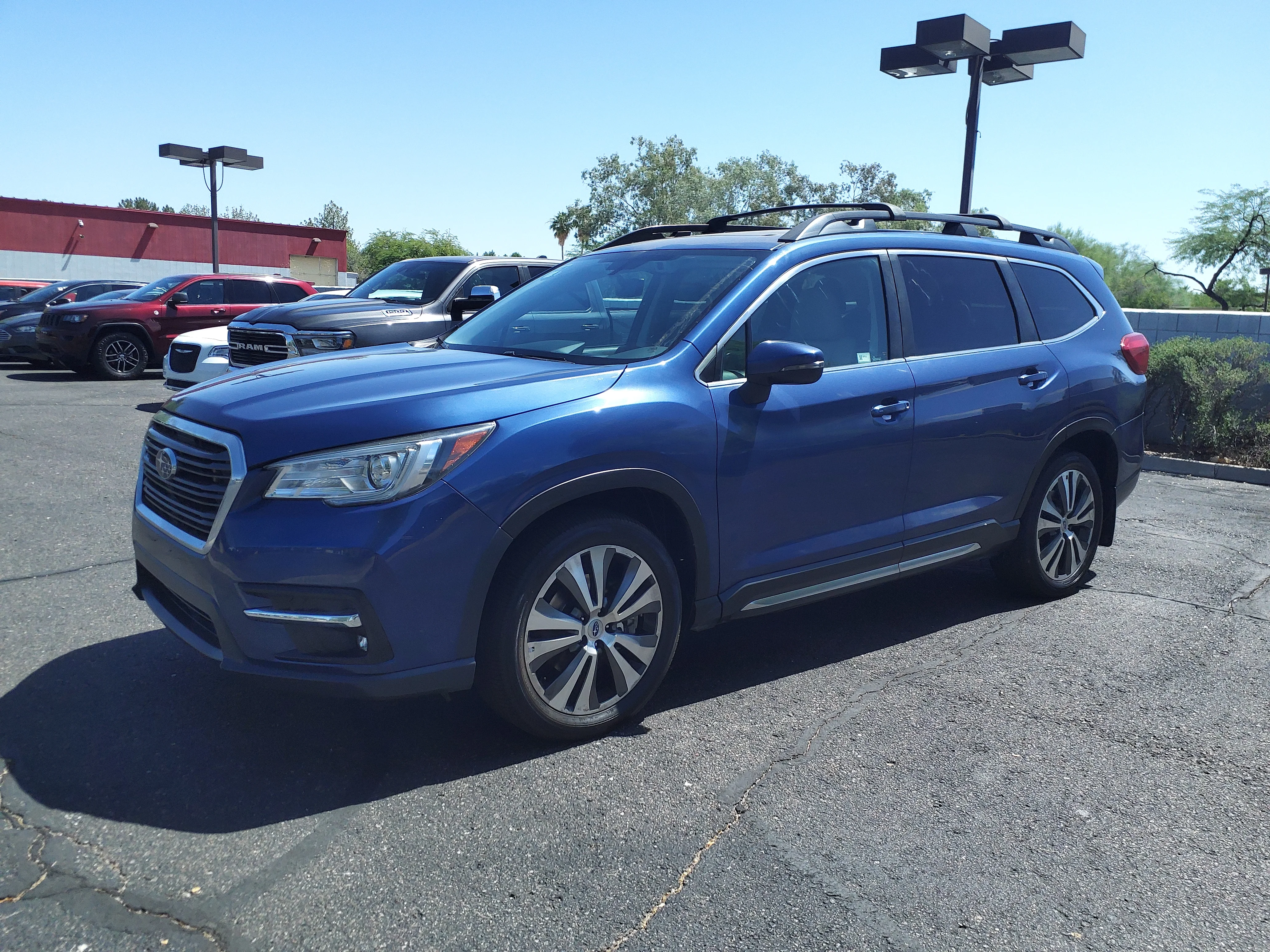
Subaru Won't Hand You a Payload Number
Here is something that annoys me as a guy who likes a clean spec before he loads a vehicle: Subaru does not publish an official payload rating for the 2025 Ascent. Go looking for the number the way you would for a truck, and you will not find it on the brochure. That is unusual, and it sends a lot of would-be campers down a rabbit hole of forum guesses and bad math.
I fix everything in my own garage because I will not pay shop rates, and I bring the same skepticism to spec sheets: I want the real number, and I want to know where it comes from. On the Ascent, the real number is not missing — it is just not where you expect it. It lives on a sticker on your own door jamb, specific to your exact vehicle.
The example that gets quoted is 1,158 lb from a Touring trim's door decal, but even that is not "the" Ascent's payload, because it varies by trim and equipment. The honest answer to "what is the Ascent's payload" is: whatever your door sticker says, and here is how to find and use it.
This is the budget wrench's guide to Ascent payload without an official brochure number: why Subaru leaves it off, the one decal that is definitive, what counts against it, and how to budget a real camping load when the manufacturer will not just tell you the figure. Every number here is either a Subaru-published spec or clearly labeled as owner-documented.
Why There's No Official Ascent Payload Rating
The absence of a headline payload number is not a conspiracy; it is how Subaru chooses to present the Ascent, and understanding why keeps you from chasing a figure that was never published. Subaru rates the Ascent for towing and provides curb weights, but it does not advertise a single payload capacity the way pickup makers do.
The reason payload varies so much is the same for every vehicle: it is GVWR minus curb weight, and curb weight shifts with trim, drivetrain, and options. A loaded Touring weighs more empty than a base Premium, so its payload is smaller, and a single advertised number would be wrong for most of the lineup. Subaru sidesteps that by pointing owners at the decal instead.
That leaves buyers with two honest sources and a lot of noise in between. The honest sources are the door-jamb decal, which states your exact payload, and the published curb weights, which run roughly 4,420 to 4,590 lb depending on trim. The noise is forum estimates and owner-reported GVWR figures around 6,000 lb, which are useful context but not official Subaru numbers.
My take as a budget wrench is that this is mildly annoying but not a real problem, because the decal is actually the better number anyway. A brochure maximum tells you the best case; your door sticker tells you the truth for the vehicle in your driveway. Once you know to look there, the missing brochure number stops mattering.
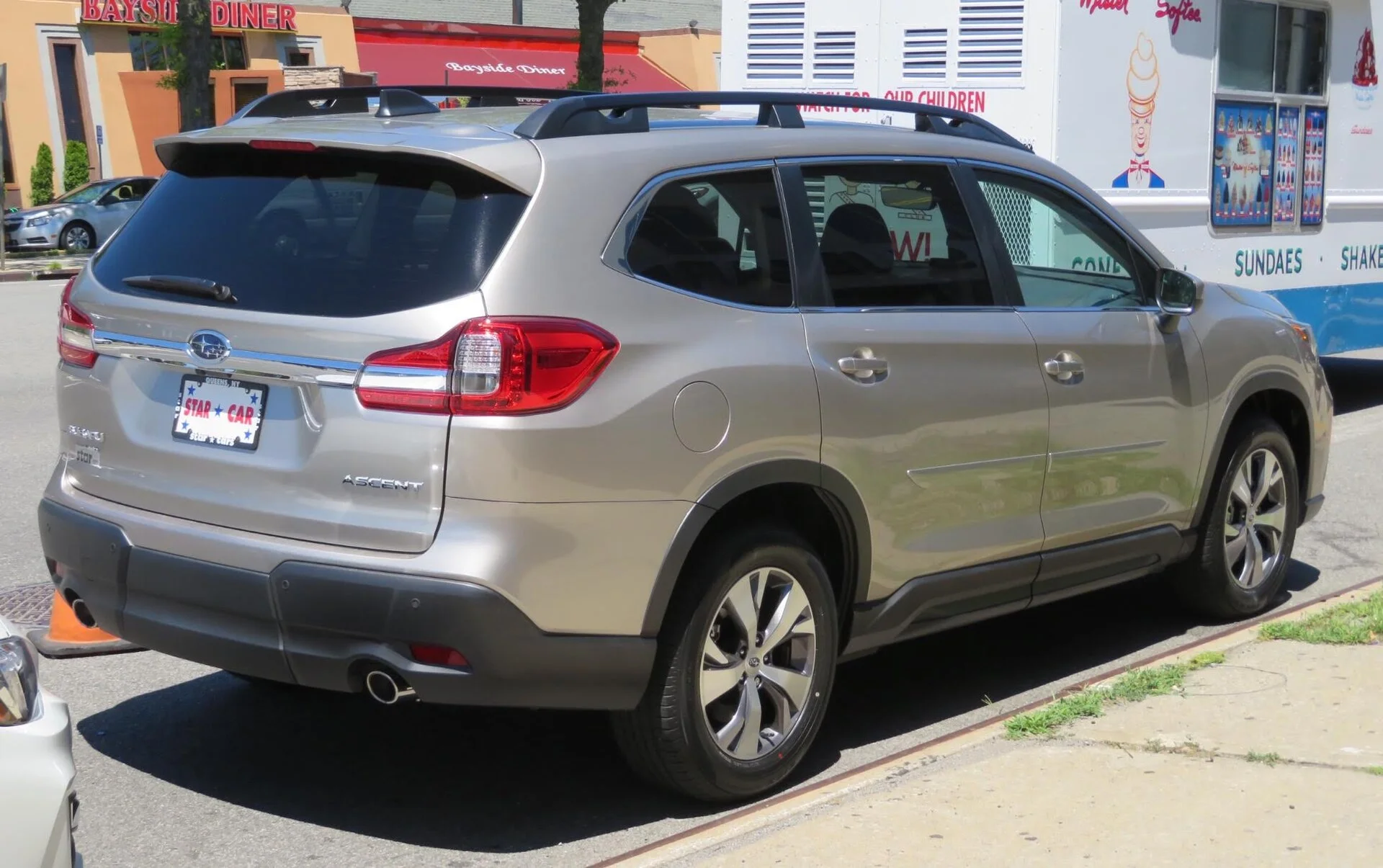
The One Number That Is Definitive: Your Door Decal
Forget the brochure and go to the source Subaru actually stands behind: the cargo and occupant weight decal on the driver's door jamb. It states, in plain language, the combined weight of occupants and cargo your specific Ascent can carry. That is your payload, certified for that exact vehicle as it was built.
The documented example floating around is 1,158 lb from a Touring trim's decal. That is a useful reference point, but treat it as one data point, not a universal answer, because a different trim or a differently equipped Ascent will show a different figure. The decal on your door is the only one that describes your truck.
Why is the decal definitive when a brochure number would not be? Because it is calculated for the vehicle as built, accounting for its exact trim, drivetrain, and factory options. Every pound of equipment that left the factory on your Ascent has already been subtracted, so the number on the sticker is the honest remainder you get to fill.
The budget-wrench habit is to read that decal before you ever plan a big load, write the number down, and treat it as gospel. It costs nothing, takes a minute, and replaces a pile of forum speculation with a certified figure. When a manufacturer hands you the real number on the vehicle itself, the smart move is to use it instead of arguing about averages online.
How to Find and Read Your Ascent's Sticker
If you have never looked for it, the decal is easy to find once you know where. Open the driver's door and look at the door jamb — the body pillar the door latches to — usually in the lower or middle area. There you will find a white or yellow label with tire pressures and, importantly, a line about occupant and cargo weight.
The line you want reads something like "the combined weight of occupants and cargo should never exceed" a certain number of pounds. That number is your payload. On the documented Touring example it is 1,158 lb; on your vehicle it will be whatever Subaru certified for it. That single line is the entire answer to the payload question.
Read it carefully, because the wording is precise: it is occupants and cargo combined, not cargo alone. People routinely misread it as a cargo-only figure and then load the vehicle as if the passengers do not count. They count, and they are usually the biggest single chunk of the number, which is exactly the mistake the wording is trying to prevent.
Once you have the figure, the rest is arithmetic you do with a scale, not guesswork. Weigh your gear, count your people honestly, and keep the total under the decal number. A cheap portable luggage scale makes short work of the heavy bags and turns the decal from a mystery into a simple budget you can actually pack to.
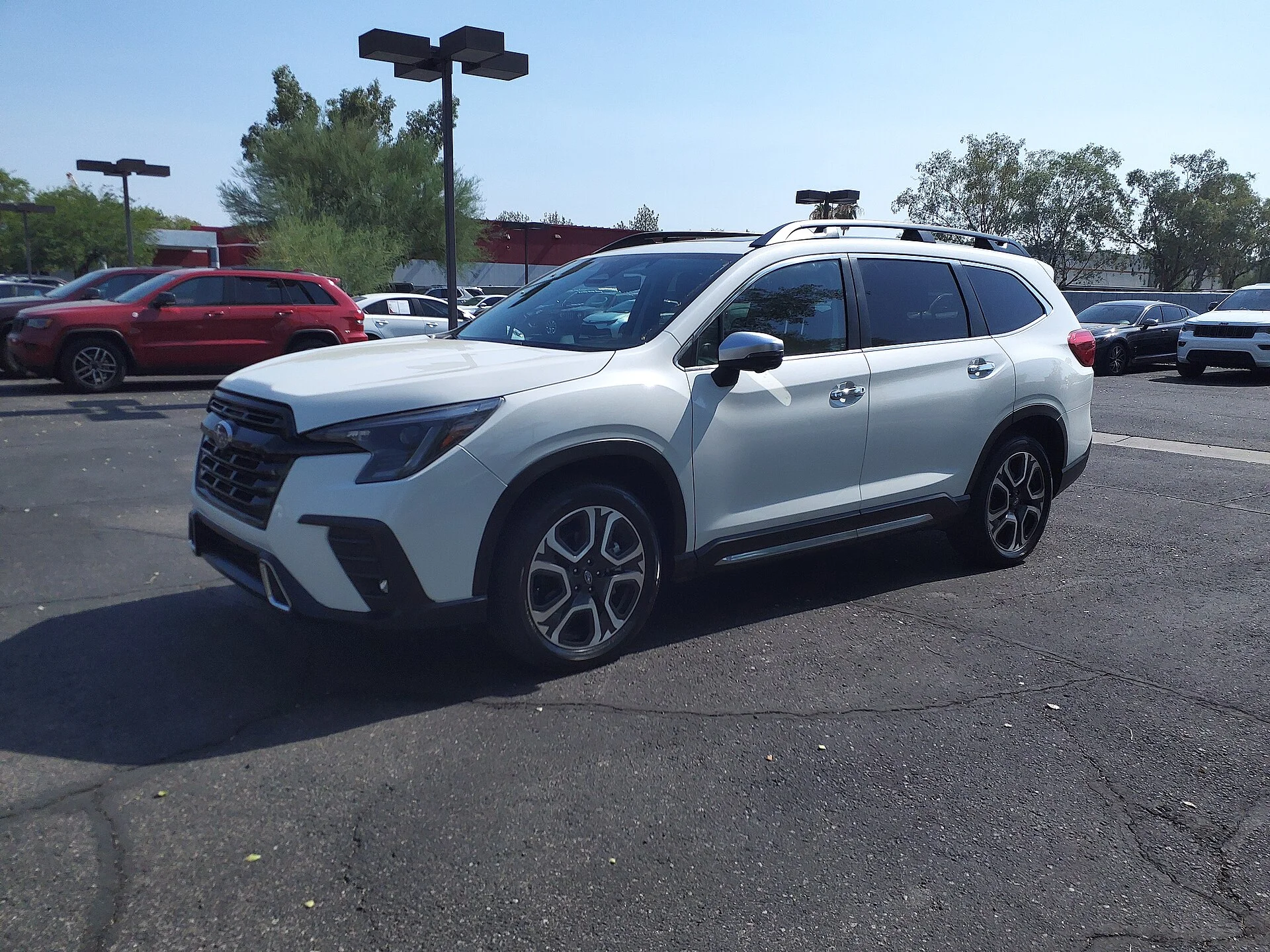
What Goes Into That Budget
The decal number covers more than people think, so spend it deliberately. Payload is the sum of every passenger, all cargo inside, anything on the roof, and, if you tow, the trailer's tongue weight — all together under that one figure. Miss any category and your "under budget" load is actually over.
Passengers come first because they are fixed and heavy. In a three-row family SUV like the Ascent, a full load of people can be a large share of a payload figure like the 1,158 lb example before a single bag goes in. You cannot cut passenger weight, so it is the base you budget everything else around.
Cargo is where campers pile on, and it adds up faster than it feels. Water, a loaded cooler, tents, sleeping gear, chairs, a stove, and food each seem modest and total into a couple hundred pounds easily. The Ascent has generous cargo room, which is exactly the trap — the space invites more than the payload allows.
The roof is the classic budget-buster, because roof cargo counts against payload just like everything else and rides up high where it hurts handling. A loaded roof box plus the box itself comes straight out of your decal number. Account for all four — people, interior cargo, roof load, and tongue weight — and you will know your real remaining budget instead of discovering it on a squatting suspension.
Towing 5,000 lb, and How It Spends Payload
The Ascent does have a clear towing number: 5,000 lb across every trim, which is genuinely strong for the class and a real selling point. But towing and payload are linked in a way that trips people up, and it is worth spelling out because the missing payload number makes the interaction easy to ignore.
When you tow, the trailer's tongue weight — the download on the hitch — counts against payload. So the 5,000 lb tow rating does not stand alone; using it spends part of the same decal budget that carries your family and gear. Hook up a trailer and you have already committed a chunk of payload before anyone climbs in.
That means a fully loaded family Ascent cannot also tow near its 5,000 lb maximum. Fill the payload with people and camping gear, and there is little left for tongue weight, which caps the trailer well below the rating. Both numbers are real; they draw from overlapping budgets, and you have to respect both at once.
The budget-wrench rule is to plan the trailer first if you tow. Subtract the expected tongue weight from your decal payload, and what remains is your people-and-gear budget. Do it in that order and you stay inside both limits; do it backwards, loading the family first and hooking up a trailer as an afterthought, and you quietly blow past the payload the decal set.
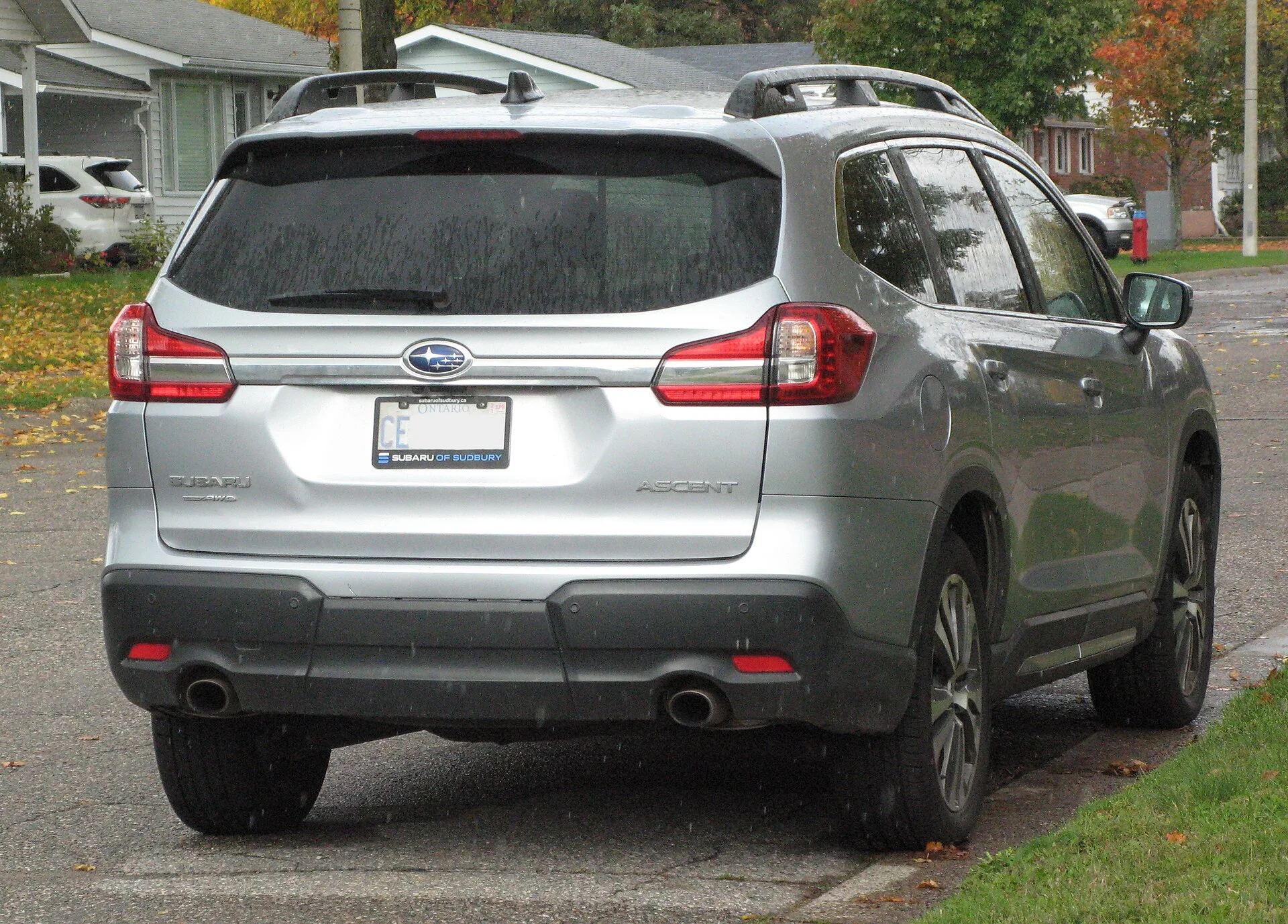
Curb Weight Varies: Why Your Trim Matters
Because payload is GVWR minus curb weight, the trim you buy directly sets how much you can carry, and the Ascent's curb weight is not fixed. Published figures range from roughly 4,420 to 4,590 lb depending on trim and equipment — a real spread that lands entirely on your payload.
Every pound of that curb-weight range is a pound off payload against the same rating. The heavier, better-equipped trims weigh more empty, so they carry less, which is the counterintuitive part: the plusher Ascent you pay more for may be the one that hauls less gear. The lighter trim is sometimes the better hauler.
Owner-reported GVWR figures around 6,000 lb give a rough sense of the ceiling, but I want to be clear that is owner-documented context, not an official Subaru number, so do not build a load plan on it. The certified figure remains the door decal, which has already accounted for your trim's curb weight for you.
The practical upshot for a budget-minded camper is to factor payload into the trim decision if you routinely haul heavy. If your Ascent's job is carrying a full family and a lot of gear, a lighter trim leaves you more room under the ceiling, and that extra payload may matter more day to day than the features a heavier trim adds. Spend where it pays off, not on a heavier box.
Budgeting a Real Camping Load Without an Official Number
Put it all together into a workflow you can actually run before a trip. Step one is to read your door decal and write the number down — that is your ceiling, whether it is near the 1,158 lb example or different for your trim. Everything after is fitting your load under it.
Step two is to weigh your fixed loads: count your passengers honestly and add their real weights, because they are the immovable base. Whatever is left after subtracting people from the decal number is your entire gear-and-roof budget, and seeing it as a specific number rather than "whatever fits" changes how you pack immediately.
Step three is to weigh your gear and cut to the budget. This is where a scale earns its keep: weigh the coolers, the water, and the heavy bins, and trim the water and canned food that campers habitually over-pack. Bringing what you will use instead of a worst-case supply frees real payload for the gear that matters.
Step four, if you can, is to confirm on a public scale. Load the Ascent fully, drive it across a truck-stop scale, and compare the total to the owner-documented ceiling context and, more importantly, to whether the decal budget was respected. Once you have done this a couple of times, you will know your load by heart and can skip straight to packing to your number — no brochure figure required.
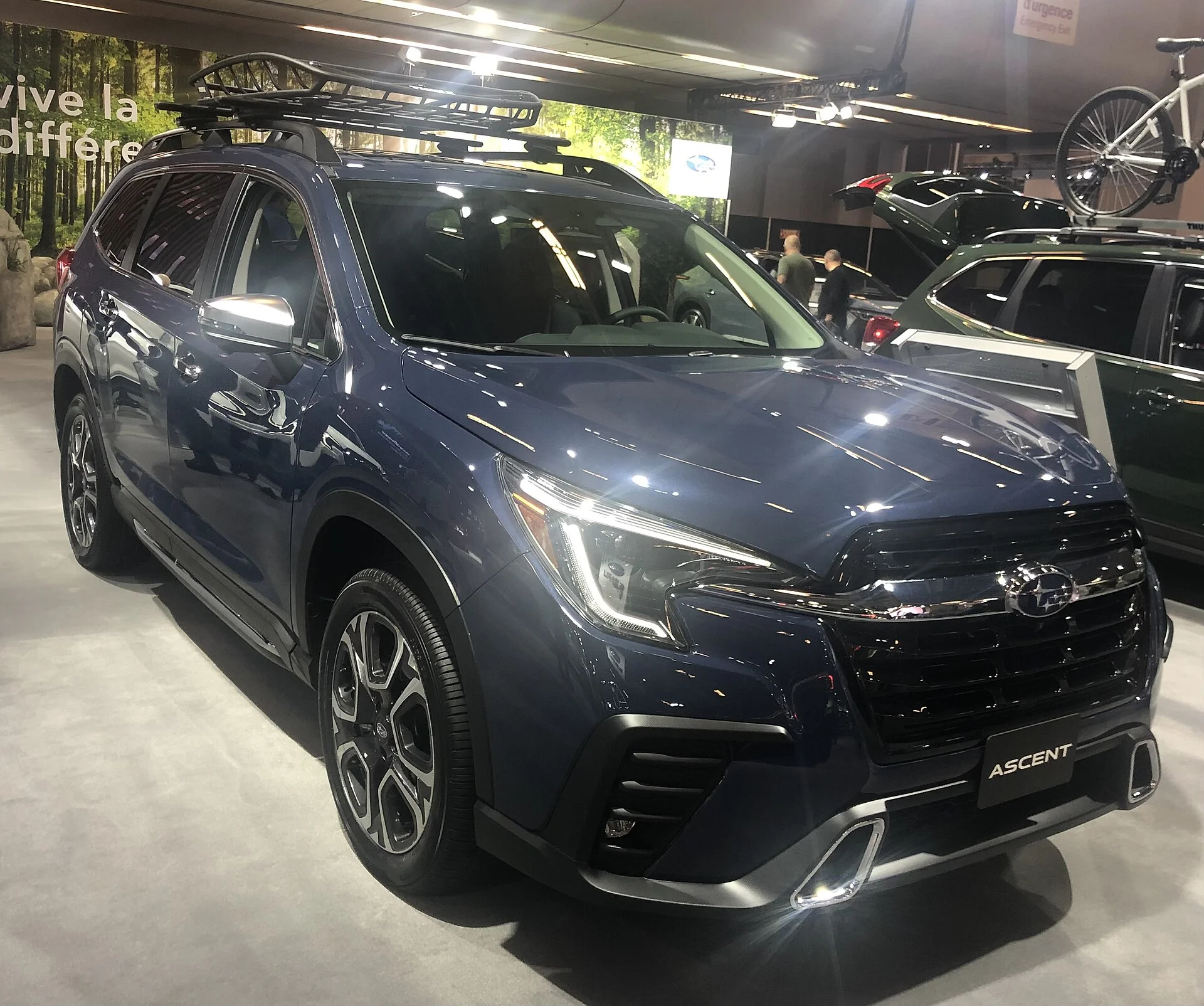
The Verdict: Trust the Sticker, Not the Brochure
The 2025 Subaru Ascent is a capable family camper, and the fact that Subaru does not publish a payload number is a quirk, not a dealbreaker. The real figure exists and is more trustworthy than any brochure maximum: it is on your driver's door-jamb decal, certified for your exact vehicle, whether it reads near the 1,158 lb Touring example or something else for your trim.
Respect what counts against it — passengers, cargo, roof load, and tongue weight combined — and remember that the strong 5,000 lb tow rating spends that same budget through tongue weight rather than escaping it. The two limits overlap, and a fully loaded Ascent cannot also tow at its max.
Because curb weight runs from about 4,420 to 4,590 lb across trims, the version you buy sets how much you can carry, so factor payload into the trim choice if you haul heavy. Treat the owner-reported 6,000 lb GVWR as rough context only, and let the decal be your law.
The budget-wrench bottom line is simple: ignore the missing brochure number, read your sticker, weigh your load once, and pack to that figure. Do that and the Ascent carries your family and your gear safely without you ever needing the number Subaru declined to print. The truth was on your own door the whole time; use it, and the missing spec stops being a problem at all. A certified number stamped on your own door beats a rounded marketing figure that describes an average Ascent nobody actually drives. In that sense the Ascent's missing brochure number is almost a favor: it forces you to the one figure that is genuinely true for your truck, and a camper who packs to that number is a camper who never has to wonder whether the load is safe.