What You Need to Know
My first real road trip after car camping started was in my beat-up Honda CR-V, and the back looked like a tornado hit a storage unit. Everything rolled, slid, and generally made a racket for 8 hours straight. I spent more time digging for snacks than actually eating them. That's when I realized cargo organizers weren't just for people who pack like they're moving apartments; they're for anyone who wants to actually enjoy their drive.
Car and Driver talks about decluttering your car, but they don't tell you how much a rattling cooler can mess with your sanity. I was using old duffel bags and milk crates, which lasted about 50 miles before becoming useless obstacles. The real move is to get something designed for the job, whether that's a soft-sided bag or a sturdy box.
The Core Answer
Look, nobody tells you how much your gear will shift when you're driving down the highway. I learned that the hard way on a trip to the Poconos with a trunk full of camping gear and a cooler that acted like a bowling ball. It slid around so much I was convinced I was going to crash.
That's why you need a cargo organizer. The two main types are soft-sided bags and hard-shell boxes. They both have their place, but they do different jobs.
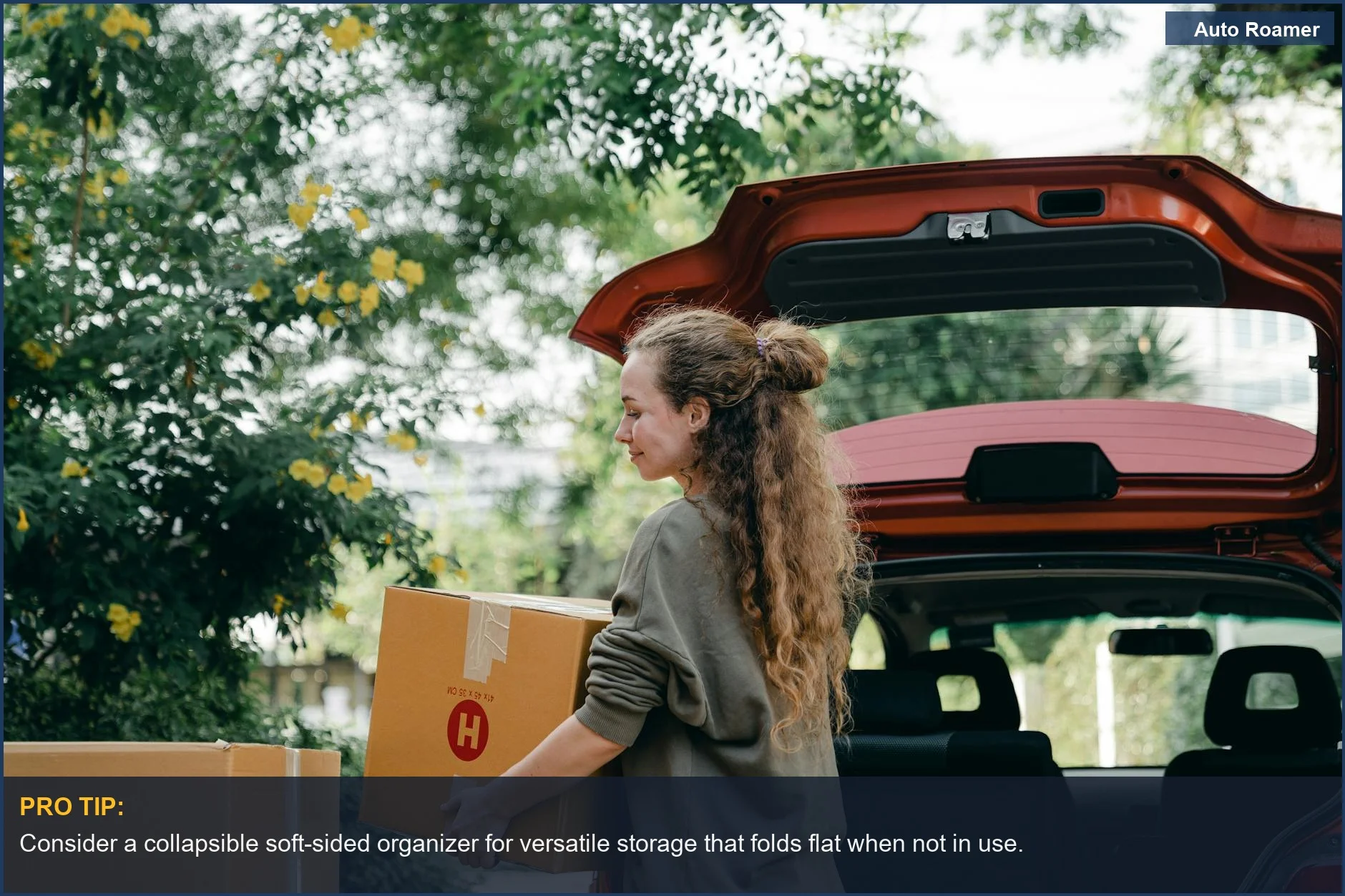
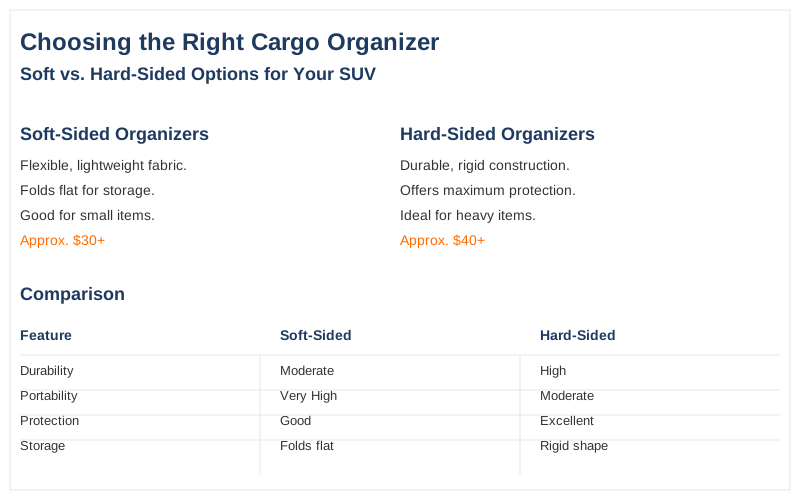
Soft-sided organizers are usually made of tough fabric, like what your camping tent is made of. They're flexible and you can usually fold them flat when you're not using them. They're great for keeping smaller things from rolling around, like snacks, first-aid kits, or extra layers of clothing. I use one for my kid's soccer gear now; it stops all the cleats and water bottles from becoming projectiles. Gobiracks mentions they're lightweight and easy to store, which is true.
My first one cost about $30 on Amazon and fit perfectly behind my back seats.
But here's the rookie mistake: thinking a soft bag will protect your stuff from a real downpour. Some are water-resistant, sure, but they're not waterproof. If you're going camping in unpredictable weather, your sleeping bag might get a little damp.
Hard-shell organizers, on the other hand, are like little armored trucks for your gear. They're rigid boxes, usually made of plastic, that offer way more protection. They're better for keeping delicate items safe and offer a bit more security if you're worried about someone trying to grab your stuff. Reddit users often prefer hard shells for better rain protection and security.
The downside? They're bulky. You can't just fold them up and shove them in a closet. They take up space even when empty. And they're usually more expensive. A decent hard-shell cargo box can set you back $200-$500, easily. That's a big jump from the $50 version of a soft bag.
For most car camping beginners, a good quality soft-sided organizer is probably your best bet to start. It's accessible, affordable, and handles the most common problem: things rolling around. You can always upgrade to a hard-shell later if you find yourself hauling fragile items or needing serious weather protection. My second trip, I just used a large soft-sided bin from Walmart, and it made a world of difference for about $25.
Why This Matters for Your Setup
This isn't just about keeping your trunk tidy; it's about making your trips safer and less stressful. I've been there, digging through a chaotic mess for something I needed five minutes ago.
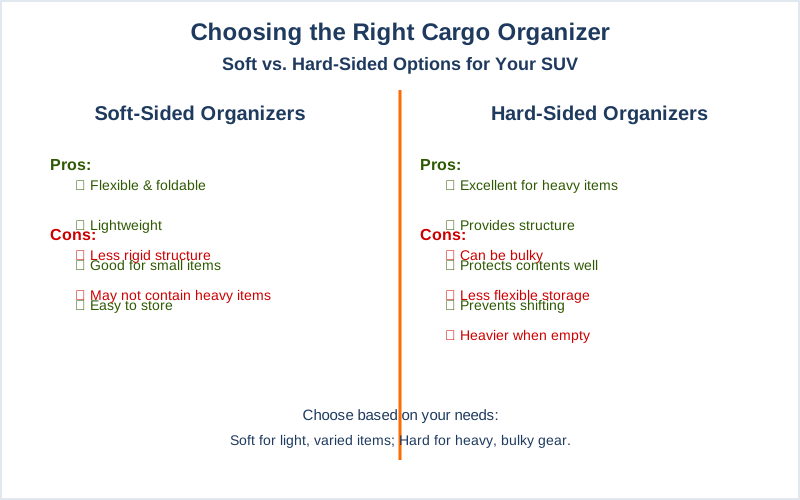
- Soft-Sided Organizers: These are great for keeping things from sliding around. Think of them as big fabric bins. They're easy to stash when not in use. Reddit users mention how easy they are to store in an apartment.
- Hard-Shell Organizers: These offer better protection from the elements and theft. They're more secure but also more permanent. Rentluggage.com points out they're less flexible for storage.
- The Real Move: For most weekend warriors starting out, a soft organizer is the accessible choice. It solves the immediate problem of shifting gear without a huge investment. My first real upgrade was a $40 soft cargo bin that completely changed my trunk game. It kept my cooler from sliding into the back of my seat on every curve.
- What Nobody Tells Beginners: Don't overthink it at first. Get something that keeps your stuff contained. You'll learn what you actually need to organize as you go. My second trip had half the gear and was twice as comfortable, thanks to one simple soft organizer.
Making the Right Choice
So, soft versus hard. It really comes down to what you're hauling and how often you plan to do it.
- For the first-timer: Start with a soft-sided organizer. They're cheaper, usually around $30-$60, and incredibly effective at stopping that annoying gear slide. My first one was a $35 fabric bin from Target, and it was a game-changer for my sanity. Car and Driver even lists budget options.
- Long-term plan: If you're going to be on the road a lot, or if you're carrying expensive or delicate gear, a hard-shell might be worth the investment. They offer better protection and security. This Facebook group post suggests hard shells for long-term use because fabric degrades.
- The Honest Version: You don't need the fanciest system to start. My current setup involves a combination of a soft bin for general camping gear and a smaller hard case for tools. It cost me about $80 total and works perfectly. The key is to get something that contains your stuff so you can focus on the adventure, not the rattling. REI has advice on sizing, but honestly, start simple.