
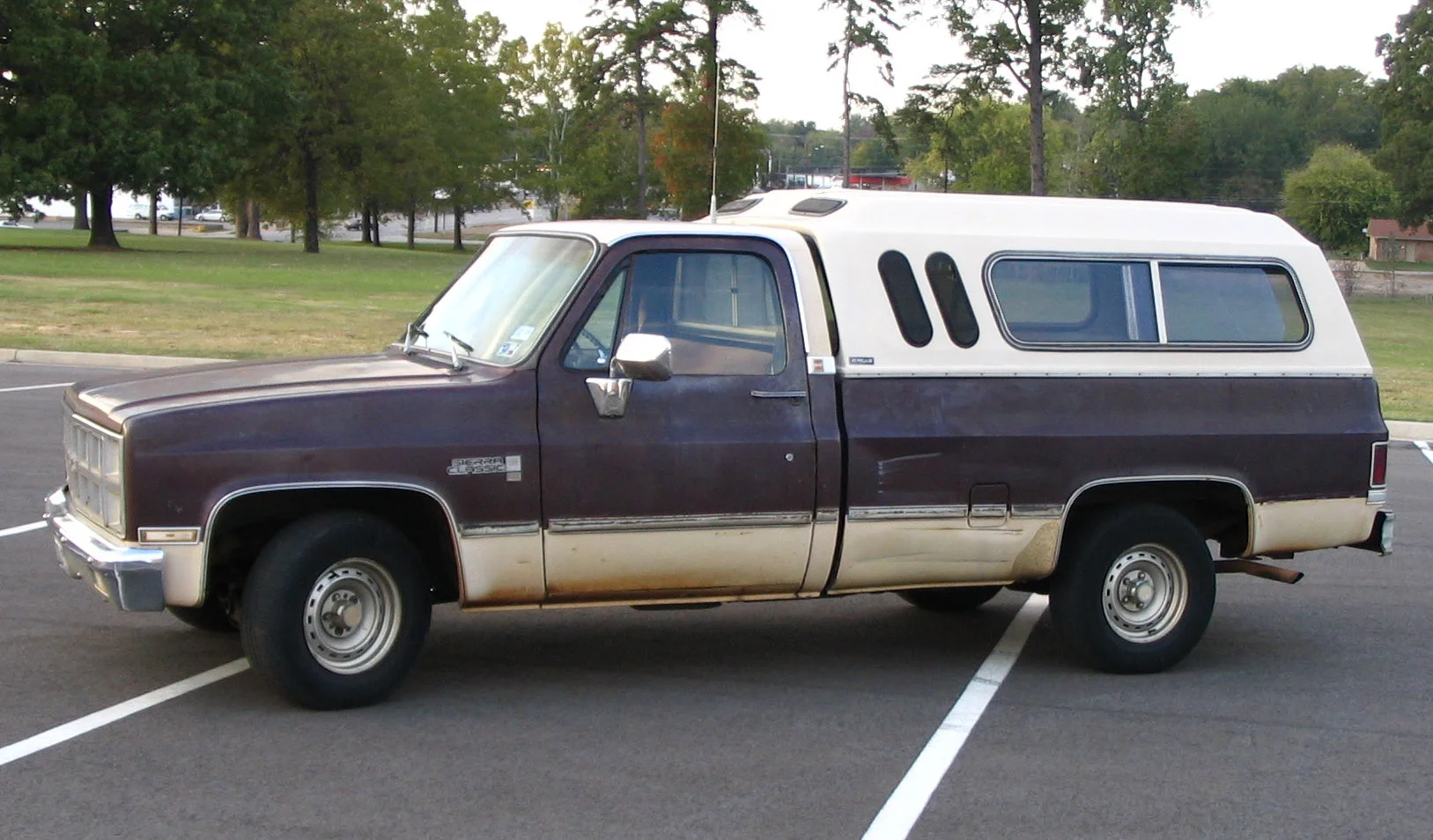
Can You Sleep in a Truck Bed Without a Topper? Yes — Here's the Honest Version
Short answer: yes, you can absolutely sleep in a truck bed with no topper and no camper shell. People have been throwing a pad and a sleeping bag in the back of a pickup and sleeping under the stars for as long as pickups have existed. On a clear, mild, bug-free night it is one of the simplest and most pleasant ways to sleep outdoors — flat, off the ground, and open to the air.
The honest version is that a topper or camper shell does exactly one big thing for you: it puts a roof over the bed. That roof bundles together rain protection, shelter from dew and wind, a barrier against bugs, privacy, and a bit of theft deterrence. When you skip the shell, you are not giving up the ability to sleep back there — you are giving up that roof, and every single thing it provided can be covered another way for far less money and weight.
So the real question is not can you, but how do you handle the five things the shell would have handled: rain, bugs, cold, privacy, and security. This guide walks each one, plus the one genuine upside an open bed has over sleeping sealed inside the cab — it breathes, so you wake up dry instead of dripping. By the end you will know exactly when an open bed is the better call and when it is worth bolting on a shell after all.
What You Actually Give Up Without a Topper or Camper Shell
It helps to name precisely what the shell was doing, because once you see it as a list of five separate jobs, each one becomes a problem you can solve on its own rather than a single reason to spend hundreds of dollars on a canopy. A topper or camper shell gives you:
- A rain and dew roof — the obvious one. No shell means weather lands directly on you and your bag.
- A bug barrier — most shells and bed tents include screened windows, so mosquitoes stay outside.
- Wind and warmth — an enclosed shell traps a pocket of still air that holds some of your body heat; an open bed does not.
- Privacy — walls and tinted glass hide that anyone is sleeping back there at all.
- Security — a locking shell turns your bed into a closed, harder-to-reach storage box for gear.
Read that list and a pattern jumps out: four of the five are about the environment (rain, bugs, wind, cold) and one is about people (privacy and security overlap). The environmental jobs are easy and cheap to replace with a tarp, a net, and the right bag and pad. The people-facing jobs are not about gear at all — they are about where you park, which is why a quiet, legal, out-of-the-way spot matters far more for an open bed than for a shelled one.
The takeaway for the rest of this guide is simple. If you can pick a calm, dry, low-bug night in a private spot, an open bed needs almost nothing. Every section below is really just instructions for the nights when one of those five conditions is not in your favor — and how to buy back exactly the piece of the shell you are missing, without the whole shell.
The One Big Advantage: An Open Bed Breathes, So You Wake Up Dry
Before the downsides, give the open bed its due, because it beats a closed shell or a sealed cab on the single most miserable part of vehicle sleeping: condensation. When you sleep inside any enclosed space — a sealed cab, a zipped-up shell — your breath and body put a steady stream of water vapor into a small volume of air. A resting adult exhales most of a liter of water over a night. In a closed box that warm, humid air hits the cold metal and glass and condenses into the dripping windows and damp bedding that people sleeping inside their vehicles complain about constantly.
In an open bed, that water simply drifts away on the air. There is no sealed surface for it to collect on and no trapped, saturated air pocket to soak your bag. You will still get outdoor dew settling on top of everything on a humid morning — that is weather, not your breath — but you do not get the self-inflicted indoor condensation that turns a closed cabin clammy. If you have ever woken up inside a sealed car with water running down the glass, the open bed is a revelation. (The full mechanics of why enclosed spaces sweat are in the companion guide on how to reduce condensation when sleeping in a car.)
The open bed also quietly erases another hazard: there is no sealed cabin to trap exhaust or the carbon monoxide from any heater or stove, so the suffocation risk that comes with running combustion inside a closed vehicle is simply not on the table. You are sleeping in fresh outdoor air. That ventilation is the open bed's real superpower — it just comes bundled with exposure to the weather, which is what the rest of this guide is about taming.
Rain and Dew: Tarps, Bivy Sacks, and a Truck Bed Tent
The roof is the thing you most obviously miss, so it is the gap to close first. You have three good options, from cheapest and simplest to most comfortable, and they layer well together.
A tarp is the classic answer and costs almost nothing. Rigged as an A-frame or a lean-to over the bed — tied to the cab roof or a roof rack at the front, run back to a couple of poles or the raised tailgate, and staked or weighted out to the sides — a tarp keeps rain and heavy dew off you while leaving the ends open for airflow. Pitch it with a slope so water runs off to one side rather than pooling, and keep the low edge away from where your head goes. A tarp is the cheapest insurance you can carry, which is why many open-bed sleepers keep one packed even on a clear forecast.
A waterproof bivy sack — a thin, breathable shell that slips over your sleeping bag — is the compact backup. It sheds light rain and dew on its own, adds a few degrees of warmth, and packs to the size of a water bottle. A bivy alone handles a drizzly or dewy night; a bivy under a tarp handles real rain comfortably.
A truck bed tent is the most complete fix. It is a purpose-made tent that pitches inside the bed with the tailgate down, sealing the whole sleeping area against rain and bugs at once while still packing away when you need the bed for hauling. It is the closest you get to a shell's protection without permanently mounting anything. If you find yourself reaching for full rain-and-bug shelter most nights out, a bed tent — or eventually a real shell — is the upgrade path.
Bugs and Privacy in an Open Bed
Of all five missing jobs, bugs are the one most likely to wreck an otherwise perfect open-bed night. A still, warm evening near water can fill the bed with mosquitoes, and there is nothing worse than being zipped warm into a bag while your face gets eaten. The fix is netting, and it does not have to be elaborate.
- A draped bug net over a simple frame — PVC pipe, a couple of poles, or even tied to the cab and tailgate — keeps mosquitoes off without sealing you into a hot box. The same approach campers use to keep bugs out while sleeping with the windows open works just as well over a truck bed.
- A truck bed tent solves bugs and rain in one move with its mesh panels, which is a big part of why they are popular for open-bed setups.
- A head net plus a treated bag is the minimalist stopgap when you did not plan for bugs — not luxurious, but it gets you through the night.
Privacy is the quieter trade-off. In an open bed you are visible: anyone walking past can see there is a person sleeping back there, which is fine in a dispersed wilderness spot and very much not fine on a city street. There is no curtain trick that fully fixes this in an open bed — the honest answer is that privacy in an open bed comes from location, not gear. Pick a spot where being seen does not matter, and the lack of walls stops being a problem. The same instinct that drives people to learn how to block car windows for sleeping privacy applies here, except the tool is choosing a discreet place rather than covering glass.
Comfort: Padding the Ribbed Bed Floor
A pickup bed floor is hard, and it is not even flat — it is ribbed or grooved for strength and drainage, and a spray-in or drop-in liner adds even more texture. Lie straight on it and you will feel every ridge. The fix is padding, and this is where an open bed can genuinely out-sleep a cramped in-cab setup, because the bed is one long flat platform with no seats or center console to work around.
Your padding options, roughly in order of comfort:
- A thick closed-cell or self-inflating sleeping pad evens out the ribs and, importantly, insulates you from the cold floor. A good sleeping pad is the single most cost-effective comfort upgrade for an open bed.
- A truck-bed air mattress sized to fit between the wheel wells gives near-bed comfort and self-levels over the ridges; some are shaped to fill the bed and bridge the tailgate gap.
- Layered foam or a foam-topper-over-pad combo is the budget route to plush, at the cost of bulk to store.
Two geometry facts shape your setup. First, the flat floor between the wheel wells narrows to roughly 40-50 inches on many trucks, so a wide mattress will ride up over the wells unless you keep it between them. Second, a short bed is only about 5.5 feet long — shorter than many adults — so plan to either sleep diagonally or drop the tailgate to add a foot and a half of length, bridging the small step down to the tailgate with a cushion or board. Checking your truck bed dimensions before you buy a pad saves you from a mattress that does not fit. Some open-bed campers go further and build a low sleeping platform with storage underneath, the same idea covered for cars in guides on a DIY car camping sleeping platform, sized to their specific bed.
Staying Warm: Why an Open Bed Runs Colder
Here is the real cost of all that wonderful ventilation: an open bed is colder than a sealed cab or a closed shell on the same night. Inside an enclosed space, your body slowly warms a trapped pocket of air and the walls block the wind. In an open bed there is no trapped pocket and no wind block, so you are sleeping much closer to true outdoor conditions — essentially backpacking-in-a-box rather than cozy-in-a-cabin. Plan your sleep system for the outdoor temperature, not the milder you-might-expect-from-a-vehicle temperature.
Two things keep you warm, and the second one surprises people:
- A warm enough sleeping bag. Rate it for the actual overnight low with a margin, and add a liner or blanket if the forecast dips. The same logic used to stay warm sleeping in a car in winter applies, only more so, because you have no cabin holding any heat in.
- Insulation underneath you. This is the one people skip. A cold metal or plastic bed floor conducts heat straight out of your body from below, flattening the insulation of your bag where you lie on it. A pad with real R-value (foam or self-inflating) acts as a thermal break between you and the cold bed — it is doing as much for warmth as for cushioning.
A windbreak helps too. Even a tarp pitched as a low lean-to on the windward side, or parking so the cab blocks the prevailing wind, cuts the convective chill that makes an open bed feel far colder than the thermometer says. Get the bag, the pad, and a wind block right, and an open bed is comfortable well into genuinely chilly nights; get them wrong and even a mild night feels brutal.
Security, Privacy, and Where It's Legal to Park
An open bed is the most exposed way to sleep in a vehicle. You are visible, your gear is reachable, and there is no lock between you and the world. That does not make it unsafe — it makes spot selection the whole game. The same setup that is perfect on a quiet patch of dispersed national-forest land would be a bad idea on a lit city street.
A few practical rules for sleeping exposed:
- Choose low-traffic, legal spots. Dispersed camping areas, established campgrounds, and places that explicitly allow overnight stays beat any stealth attempt in an open bed, where stealth is basically impossible.
- Keep valuables in the locked cab, not loose in the bed with you. The cab is your safe; the bed is your bedroom.
- Park so the cab shields you from the road or wind, and back into a spot so you can see and leave easily.
Then there is the law. Sleeping in a vehicle — truck bed included — is restricted or outright banned in many cities and parking lots, and the rules vary wildly by place. Separately, riding in a moving truck bed is illegal for people in many states, so open-bed sleeping is strictly a parked activity in a spot where overnight stays are permitted. Before you rely on it, read up on how to sleep in your car safely and legally so you know what is allowed where you are headed. The open bed does not change the legal picture — it just removes the walls that might otherwise have kept you out of sight while you figured it out.
Open Bed vs. a Shell: When the Topper Is Actually Worth It
None of this means a topper is pointless — it means it is optional, and worth it for specific reasons rather than by default. You should lean toward adding a shell or a truck canopy for camping when:
- You camp in wet or cold climates often. Rigging a tarp every night gets old fast; a permanent roof pays for itself in convenience when bad weather is the norm rather than the exception.
- You need lockable, weatherproof storage. A shell turns the bed into a secure, dry box for gear whether or not you are sleeping in it — useful far beyond camping.
- You value privacy and being unseen. If you often sleep in places where you would rather not advertise that anyone is in the truck, walls and tinted glass do what a quiet spot cannot.
- You want to camp year-round in any weather. A shell with a vent, or a full pop-up camper, extends the season far past what an open bed handles comfortably.
Conversely, the open bed wins when you camp mostly in fair weather, want maximum ventilation and zero condensation, like keeping the bed free for hauling, and would rather spend nothing than several hundred dollars on a canopy. Many people start open — a tarp, a pad, a good bag — learn what they actually need, and only then decide whether a bed tent or a full shell is worth it. Starting open is the cheapest way to find out how you really like to camp.
A Simple No-Topper Truck Bed Setup That Works
Pulling it together, here is a complete open-bed kit that handles a normal range of conditions without a shell. None of it is exotic, and most of it packs into a single tote behind the seat.
- Padding: a thick self-inflating pad or a truck-bed air mattress sized to fit between the wheel wells, for both comfort over the ribbed floor and insulation from below.
- Sleep system: a sleeping bag rated for the real overnight low, plus a liner or blanket for margin — remember the open bed runs colder than a cab.
- Weather cover: a tarp with cord and stakes for rain and wind, and a packable bivy as a light-rain-and-dew backup.
- Bug protection: a bug net you can drape over a simple frame — or skip straight to a truck bed tent if you want rain and bugs handled at once.
- The plan: a checked forecast and a quiet, legal place to park, since location is what replaces the privacy and security a shell would give.
The mindset that makes open-bed camping work is matching the night to your kit. A clear, mild, bug-free forecast needs almost nothing — pad, bag, done. Wind, rain, dew, cold, or bugs each ask for exactly one item from the list above, and you add only what the night demands. That is the whole trick: an open truck bed is not a lesser way to camp, it is a modular one. So yes — you can sleep in a truck bed with no topper or camper shell, and once you have padded the floor, watched the weather, and picked a good spot, you may find you prefer the open air to any box you could bolt on.