The Short Version
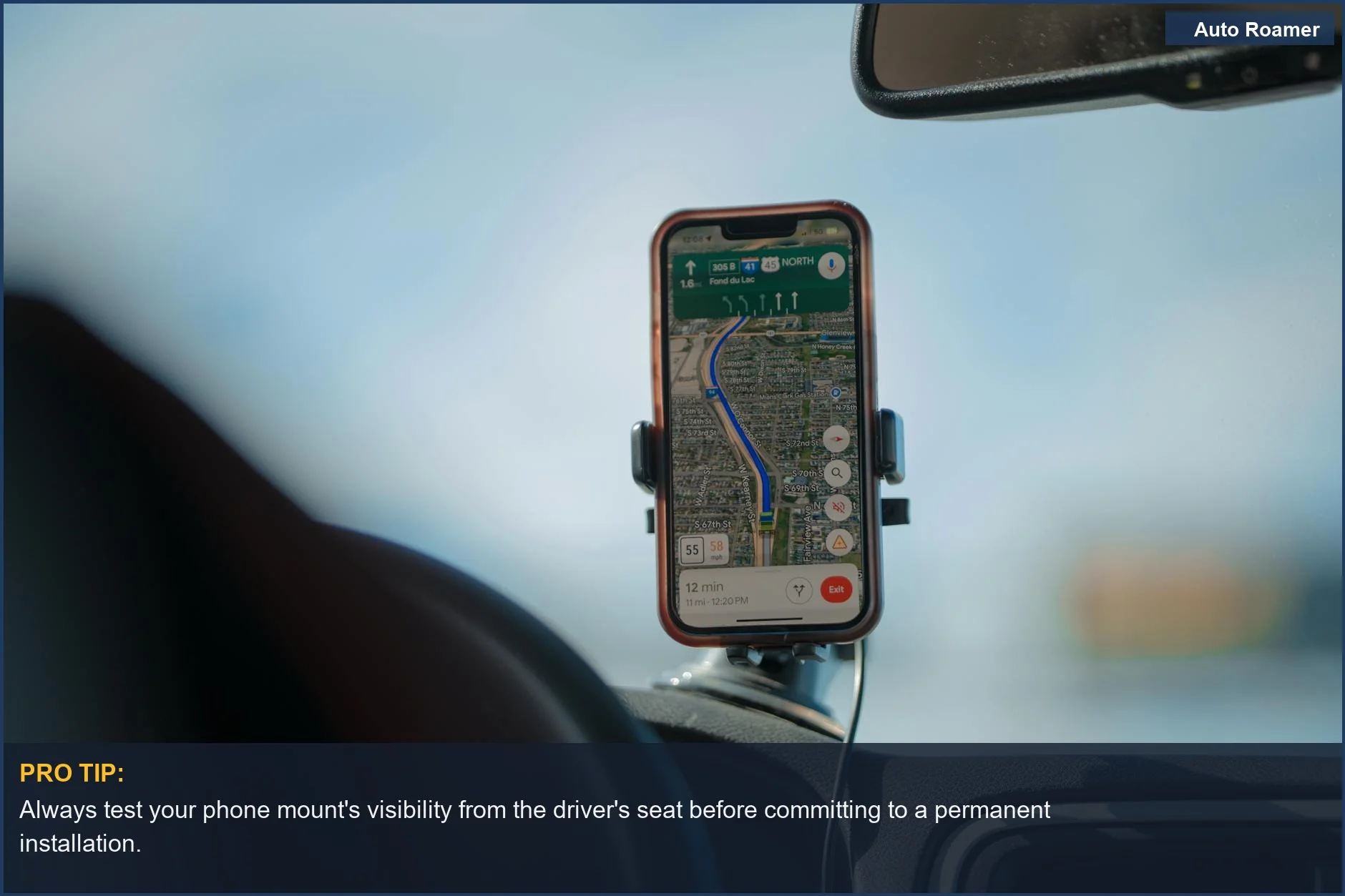
Figuring out what phone mount will actually stick to your dashboard without turning into a projectile during a hard brake is a whole thing. It's not just about grabbing the first shiny thing you see online; there are actual compatibility quirks that can save you from a cracked screen. The real move is understanding how these things are built to hold your phone, and more importantly, how they're designed to attach to your car in the first place.
The different types available are more than just aesthetics; they dictate how stable your phone will be when you're trying to find that obscure diner off I-81. My first attempt involved a suction cup that gave up the ghost in the Texas heat after 30 miles. Rookie mistake.
The Core Answer
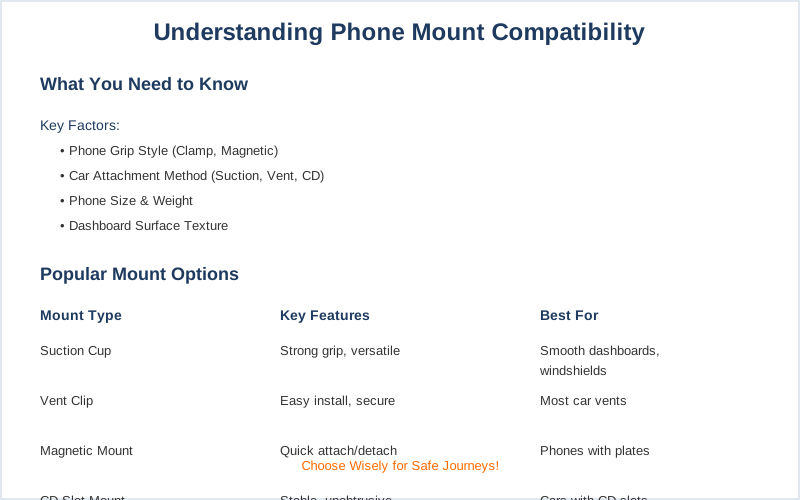
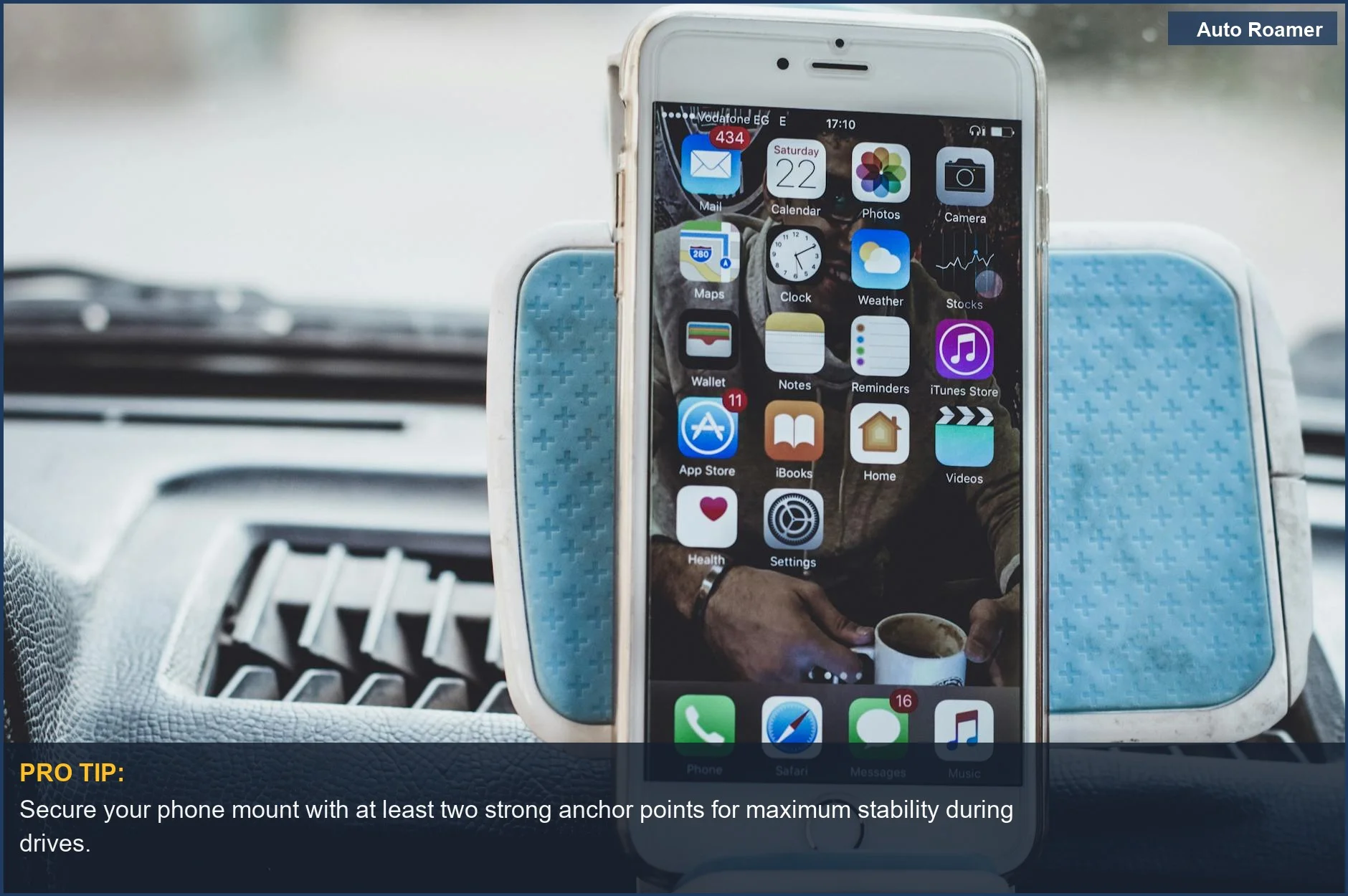
The core of phone mount compatibility boils down to two things: how it grips your phone and how it grips your car. For your phone, think about the size and weight. If you've got one of those massive phones that are basically a small tablet, you need a holder designed for bigger devices. Some holders use spring-loaded clamps, which are pretty universal, while others are magnetic. Magnetic ones require a metal plate on your phone or case.
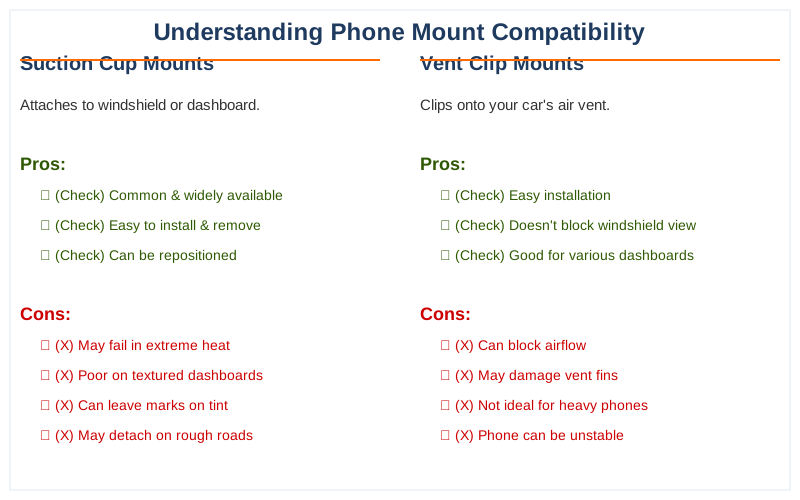
This metal plate is the key; make sure it's strong enough to hold your phone without it sliding off. A poorly fitted mount can let a phone tumble during a sharp turn on a mountain road. Not ideal for navigation. For the car, the attachment method is crucial. You've got suction cups for windshields or dashboards, vent clips, and even ones that slot into your CD player.
On a heavily textured dashboard, a suction cup often won't stick. It was like trying to put a sticker on a shag carpet. A vent mount turned out to be the only game-time option for that particular dashboard disaster. Just make sure your vents aren't those super flimsy plastic ones that feel like they'll snap off if you look at them wrong.
The honest version: most mounts will work with most phones, but your car's interior is the real wild card. That $15 magnetic mount might seem like a steal, but if it can't find a solid surface to stick to, it's just $15 of regret. And don't even get me started on those mounts that claim to stick to textured dashboards but really just adhere with the enthusiasm of a used Band-Aid.
I've seen more than one phone meet its maker after one of those gave up the ghost.
Why This Matters for Your Setup
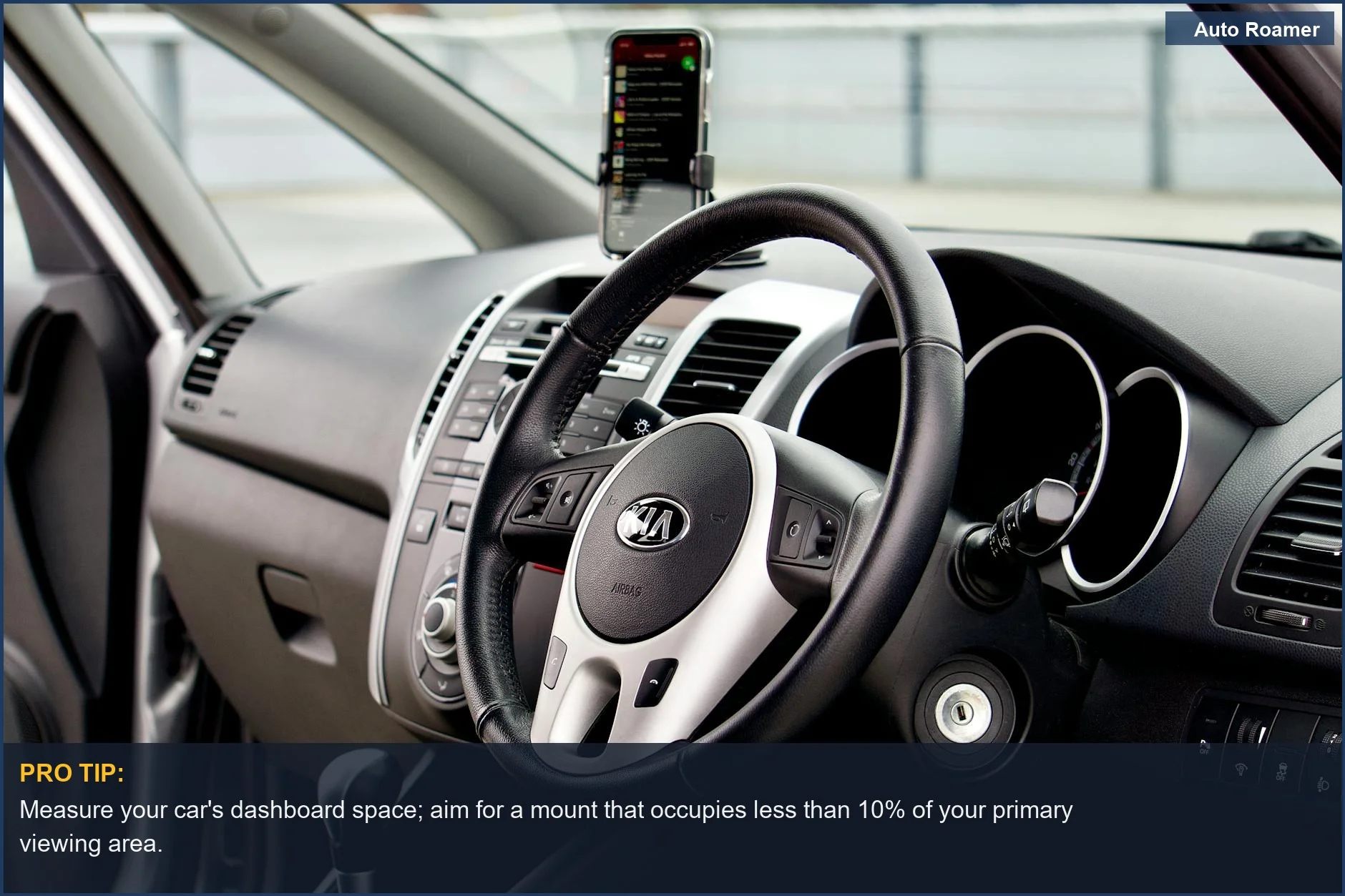
Why this matters for your setup is pretty simple: a mount that doesn't work is just more clutter. I've seen people try to jury-rig mounts that end up blocking their view or making it impossible to adjust the AC. It's a rookie mistake to assume any mount will fit any car.
My friend tried to mount his giant phone in his tiny Fiat 500, and the thing stuck out like a sore thumb, vibrating like a tuning fork on a jackhammer. It was hilarious, but also a safety hazard.
- Phone Size vs. Grip Strength: If your phone is larger than average, you need a mount with a robust clamping mechanism or a strong magnetic pull. My old iPhone 8 fit in anything, but my current phone feels like it needs its own zip code. Make sure the holder's jaws can actually open wide enough without feeling like they're going to snap.
- Dashboard Material and Texture: Not all dashboards are created equal.
Some are smooth plastic, others are padded leatherette, and some are textured like a relief map of the Rocky Mountains. Suction cups work best on smooth, non-porous surfaces. If your dash is textured, you might need an adhesive mount or a vent mount. On a rough-textured dashboard, a suction cup can pop off every time you hit a pothole.
A dash mount with a sticky gel base was the only thing that stayed put.
- Vent Type and Strength: Air vent mounts are convenient, but they rely on your car's vent fins. If you have flimsy plastic vents, a vent mount can bend or even break them. My cousin's Scion had these tiny, delicate vents, and his vent mount almost took them with it.
The real move is to check if your vents are sturdy enough to handle the weight and vibration. Some mounts have adjustable clips to accommodate different vent styles, but it's still a gamble.
Making the Right Choice
Choosing the right phone mount is less about fancy features and more about a solid understanding of what your phone and your car can handle. Don't just buy the cheapest one you see; that's a one-way ticket to frustration. The honest version: a little bit of research goes a long way.
- Know Your Phone's Dimensions: Before you even look at mounts, measure your phone, especially if you have a bulky case. Ensure the mount's grip range covers your phone's size.
- Inspect Your Car's Interior: Take a good look at where you plan to mount it. Is the dashboard smooth, textured, or padded? Are the air vents sturdy?
This will dictate the best mounting style for your vehicle.
- Consider Your Driving Habits: If you hit a lot of rough roads, you need something more secure than a basic magnetic mount. For city driving, a simpler mount might suffice. A mount with a tether or extra secure grip is worth the few extra bucks if you're bouncing around.