
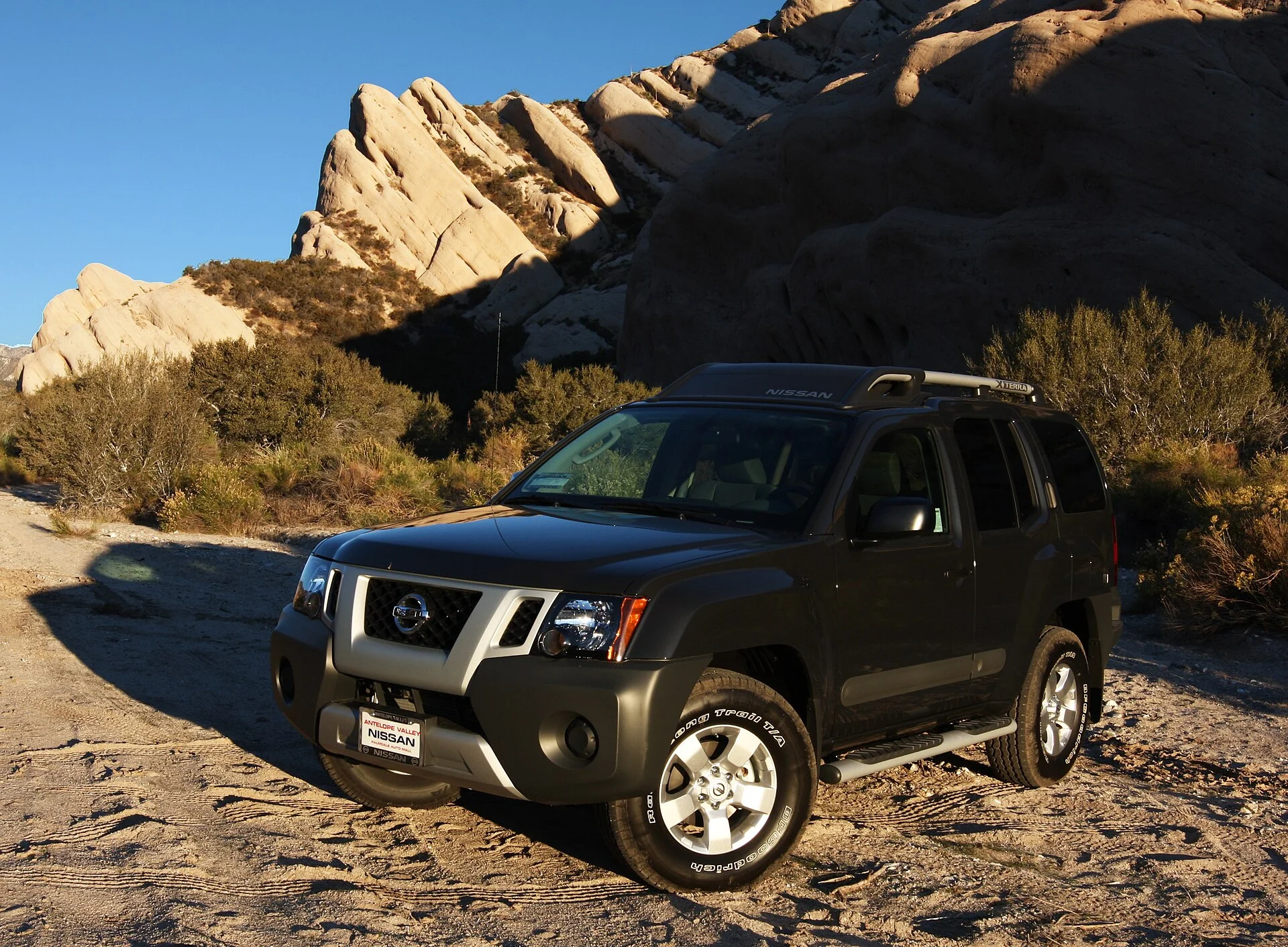
Why the Used Xterra Still Makes Sense
In a market full of expensive new overland rigs, the Nissan Xterra keeps coming up in budget build conversations, and the reason is straightforward engineering value. The Pro-4X trim was a genuinely capable off-road truck sold at a price that has only fallen since, which makes it one of the better dollars-per-capability platforms a budget overlander can find. The trade, and there is always a trade, is that every one is now a used truck.
The case for the Xterra rests on its geometry and its hardware, not on being new or refined. It brought real ground clearance, aggressive approach and departure angles, and factory skid plates to a body-on-frame platform, which is exactly the recipe an overlander wants and exactly what a lot of car-based crossovers lack at any price. Those bones do not age the way a touchscreen does.
What a buyer is really weighing is capable-but-old against modern-but-expensive. The Xterra's numbers still hold up against current midsize off-roaders, but the truck carries the miles, wear, and parts-availability realities of a model that left production years ago. That is the honest engineering trade-off, and it is one worth making with the numbers in front of you rather than the nostalgia.
This guide sizes the Xterra the way you would evaluate any used platform for a build: what the ground clearance and angles actually deliver, where the published data has an honest gap, what the skid plates and trim differences mean, and what buying a discontinued truck does to the calculation. The geometry is the easy part; the age is the variable that decides whether it is the right cheap call.
The 9.5-Inch Ground Clearance Number
Start with the number that anchors any off-road platform: ground clearance. The second-generation Xterra Pro-4X offers 9.5 in of ground clearance per spec-aggregator and owner-forum listings, and that figure held steady across the Pro-4X's run. Nine and a half inches is a legitimately good number, competitive with modern midsize off-roaders and well clear of the car-based crossovers the Xterra is often cross-shopped against.
Ground clearance is the belly-to-obstacle margin, and it is what keeps a rock, a rut, or a high center from catching the underside of the truck. At 9.5 inches the Xterra clears obstacles that would high-center a lower vehicle, which is the baseline requirement for real trail use. It is the number that separates a truck that can attempt a rough two-track from one that scrapes its way down the driveway.
Some off-road write-ups round the Pro-4X's clearance up toward 10 in when factoring in its larger tires and Bilstein off-road shocks versus the lower trims. That is the difference the Pro-4X package makes: the same platform, set up with taller rubber and better damping, sits and behaves a bit higher than a base Xterra. It is a reminder that trim and tires move the real number, not just the brochure figure.
For an overlander, 9.5 inches is enough clearance to take the Xterra into genuinely rough terrain without immediately needing a lift, which matters for a budget build where every modification is a dollar. The platform starts from a capable place, so the money can go toward protection and recovery gear rather than toward buying clearance the truck already has. That is the kind of value the Xterra is known for.
Approach and Departure: The Angles That Matter
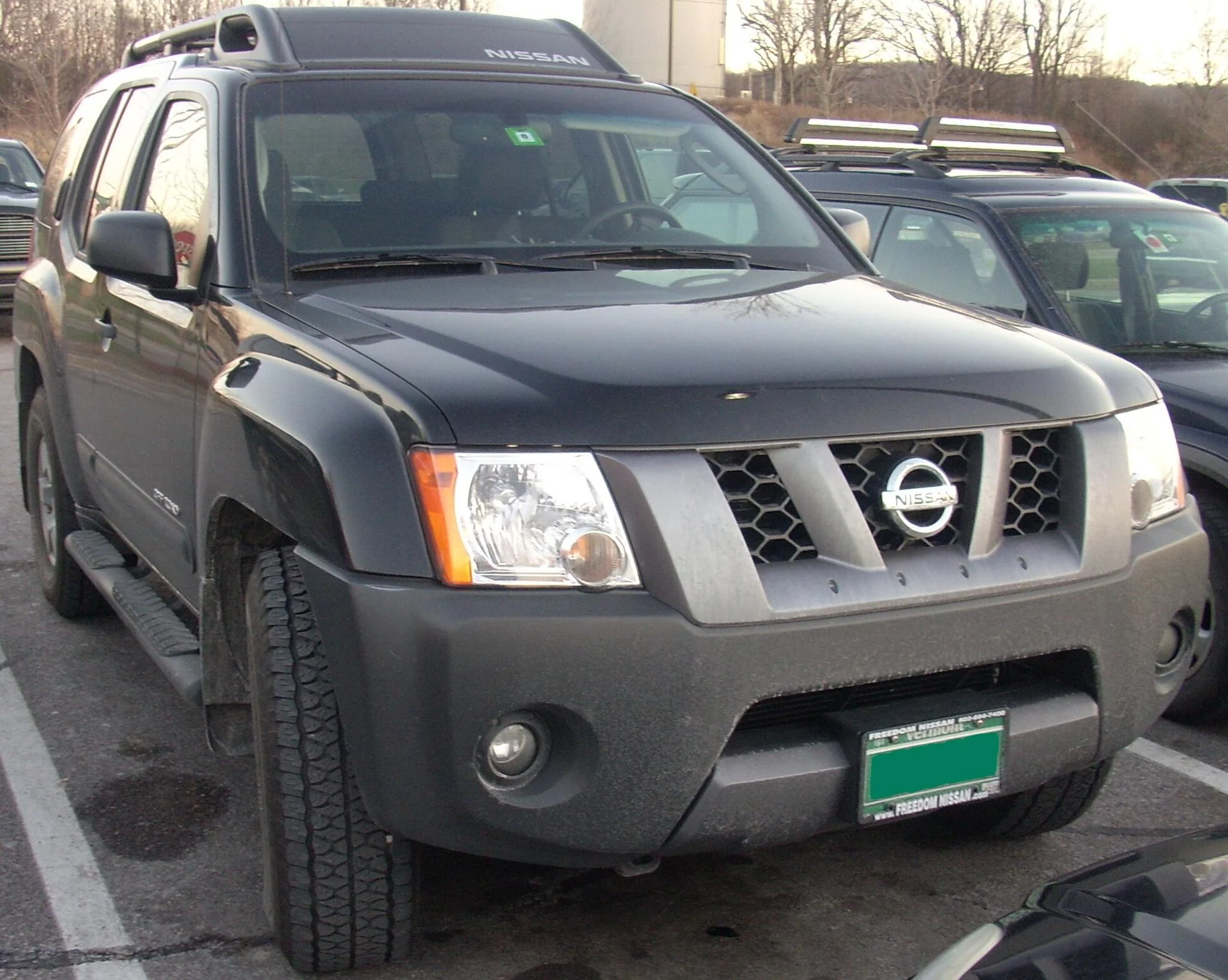
Ground clearance handles the middle of the truck; the approach and departure angles handle the ends, and they decide whether you can climb onto and off of obstacles without folding a bumper. The Xterra Pro-4X's angles are where it earns its off-road reputation.
The Pro-4X carries a 33.2-degree approach angle and a 29.4-degree departure angle. The approach angle is the steepest ramp the front can climb before the bumper hits, and 33.2 degrees is genuinely aggressive, on par with dedicated off-roaders and a big reason the Xterra can attack steep ledges and climbs that stop softer vehicles. The departure angle, 29.4 degrees, governs the back end coming off an obstacle, and it is strong enough that the tail clears where many vehicles drag.
Those two numbers together describe a truck built to be driven over things, not around them. A high approach angle without a matching departure angle leaves you able to climb onto an obstacle but scraping off the back of it; the Xterra's balanced 33.2 and 29.4 mean both ends clear, which is what makes a truck genuinely trail-capable rather than trail-tolerant.
For a builder, well-balanced factory angles are money not spent. Improving approach and departure usually means bumpers and a lift, real expense, and the Xterra starts with numbers that make those upgrades optional rather than necessary for moderate trails. The geometry is the part of the truck that was engineered right from the factory, and it is the part that still competes with vehicles costing far more today.
The Honest Data Gap: Breakover Angle
Good analysis means being honest about what the data does not tell you, and the Xterra has one such gap worth naming rather than papering over. The breakover angle, the third key off-road geometry number, was not found published for the Xterra Pro-4X in available dealer or spec-aggregator sources.
Breakover angle measures how sharp a ridge the truck can crest without the middle of the chassis high-centering, and it is largely a function of wheelbase and clearance. For the Xterra, only the approach and departure angles are confirmed; the breakover figure should be treated as a documented gap, not guessed at or invented to fill out a spec table. Pretending to a number that the sources do not support would be exactly the kind of false precision this analysis avoids.
What can be reasoned honestly is the input that drives it: the Xterra rides on a 106.3-in wheelbase across the second generation, including the Pro-4X. A moderate wheelbase like that, paired with the 9.5-inch clearance, suggests a reasonable but not exceptional breakover behavior, since a shorter wheelbase crests ridges better than a long one. That is inference from the confirmed numbers, clearly labeled as inference, not a spec.
For a buyer, the practical move is to treat breakover as the geometry to verify in person on the specific truck and terrain rather than off a spec sheet. Where clearance and the two confirmed angles are strong and published, breakover is the one to judge by eye on a trail. Naming the gap honestly is more useful than filling it with a number nobody can source.
Skid Plates and the Running-Board Question
Geometry gets you to an obstacle; protection is what lets you cross it without leaving fluids on the trail. The Pro-4X trim's hardware is a big part of its value, and it is worth knowing exactly what it adds over the lower trims.
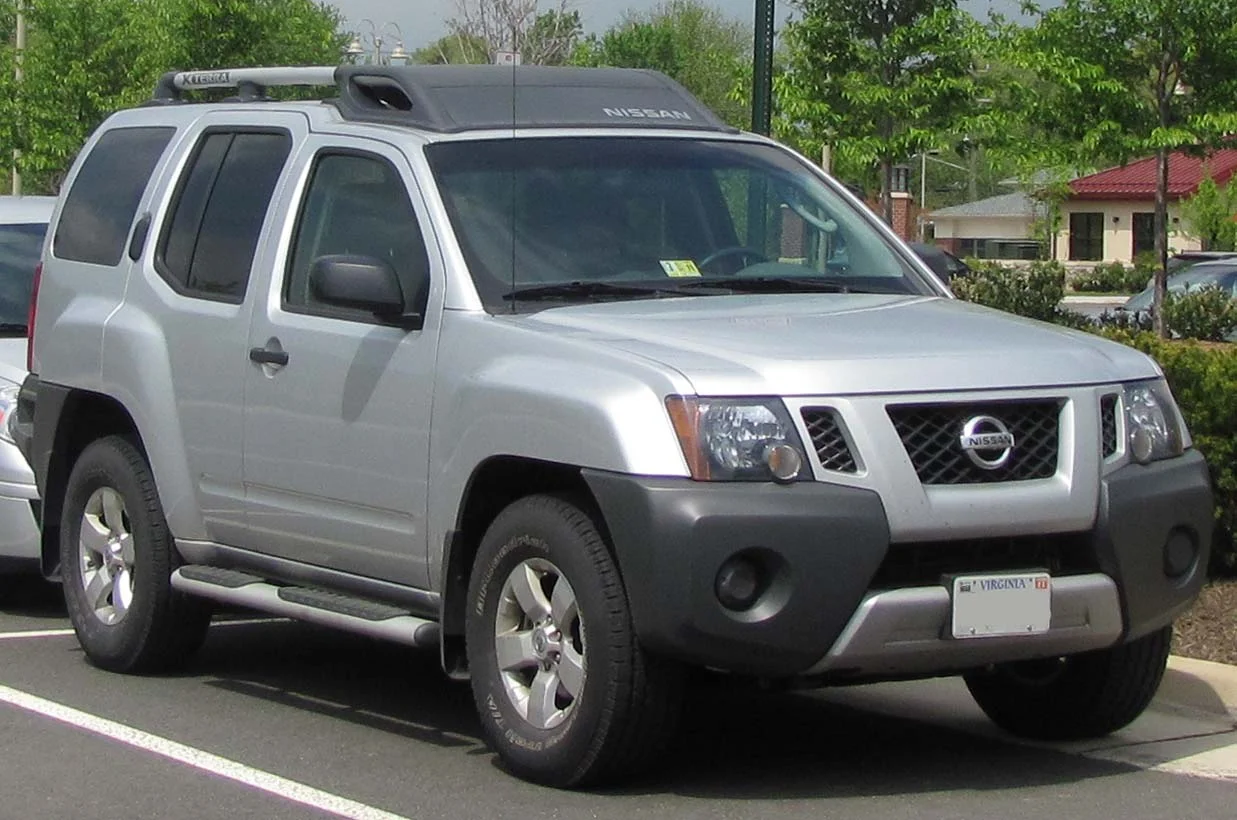
The Pro-4X adds factory skid plates covering the oil pan, fuel tank, and transfer case, layered on top of the standard radiator skid plate fitted to lower trims. That is meaningful coverage: the oil pan, fuel tank, and transfer case are the vulnerable components a rock strike can turn into a trip-ending, expensive failure, and factory protection for them is exactly what a lower trim or a crossover lacks. For a budget build, skid plates that come standard are skid plates you do not have to buy.
The running-board situation is worth clarifying because it affects clearance. No factory running-board option is confirmed for the Pro-4X trim in available spec listings; step rails are documented instead on the lower-spec Xterra S trim. That is actually the right setup for off-road use, because running boards and step rails hang below the rocker panels and reduce effective clearance and breakover, catching on obstacles the truck would otherwise clear.
So the Pro-4X's configuration, skid plates present, low-hanging steps absent, is the off-road-correct one, and it reflects the trim being built for capability rather than curb appeal. A buyer cross-shopping trims should read the S trim's step rails as a mild off-road liability, not a feature, and value the Pro-4X's protection package as the hardware that lets its geometry actually be used. The trim differences are not cosmetic; they are the difference between a truck dressed for the trail and one equipped for it.
The Discontinued Reality
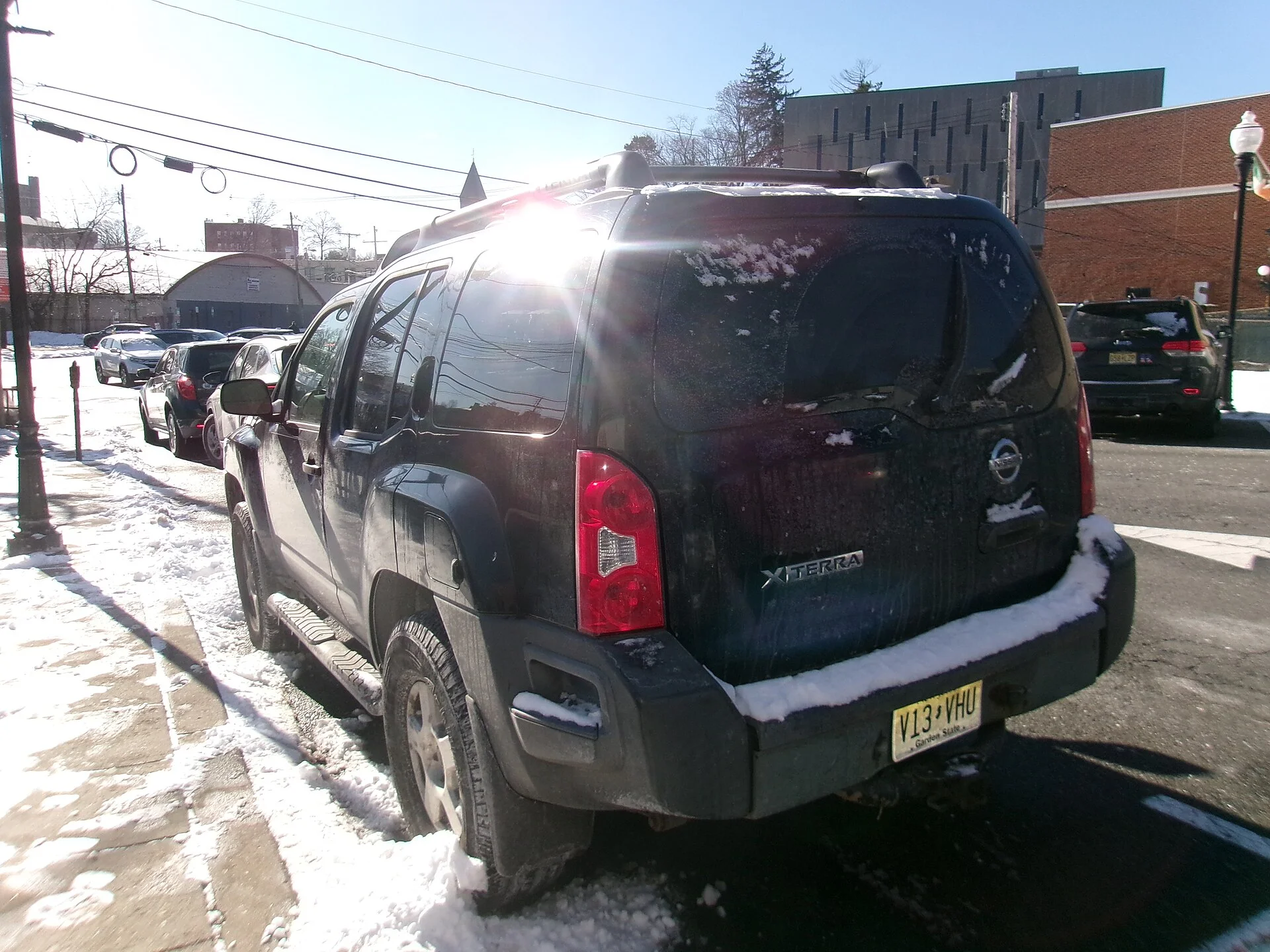
Here is the variable that dominates the whole decision, and it has to be faced squarely: the Nissan Xterra was discontinued after the 2015 model year. Every Pro-4X on the used market today is a second-generation truck built between 2005 and 2015, so a buyer is shopping a vehicle with no factory-fresh option and a rising average age and mileage.
That reality cuts both ways. On the value side, discontinuation and age are exactly why the Xterra is cheap, and cheap is the whole point of choosing it over a new off-roader. The geometry and hardware that make it capable do not degrade with the model being out of production; a well-kept 2013 Pro-4X has the same 9.5-inch clearance and 33.2-degree approach angle it left the factory with.
On the risk side, an older truck carries older-truck concerns: accumulated wear, deferred maintenance from previous owners, and the long-term question of parts availability for a discontinued model. Those are real costs to budget for, and they argue for buying the best-maintained example you can find rather than the cheapest, because deferred maintenance on a body-on-frame off-roader is money you will spend eventually regardless.
There is a light on the horizon worth noting: an all-new Xterra nameplate is reported as targeted for a late-2028 relaunch, which means the used second-generation trucks remain the only Xterra option in the interim. For a buyer who wants the Xterra formula now, that is confirmation that the used market is the only market, and the decision is really about finding a sound example of a proven old platform, not waiting for a new one.
The Build Lever: Where the Cheap Dollars Go
The engineering appeal of starting from a capable-but-cheap platform is that the money saved on the truck can go into the modifications that matter, and knowing which lever moves capability most keeps a budget build honest. On the Xterra, the platform is already good, so the spending priorities are specific.
The first dollars go to condition, not capability. Because the truck is 2005 to 2015 vintage, the highest-value spending is on bringing a used example up to sound mechanical health, fluids, suspension components, and the wear items an older off-roader accumulates, before adding any off-road gear. A reliable stock Xterra is worth more to an overlander than an unreliable modified one, and this is the trade-off a budget build most often gets backward.
The second lever is recovery and protection, not more clearance. Since the Xterra already delivers 9.5 inches of clearance and strong angles, a lift is optional for moderate trails, and the better early spend is on recovery gear and protecting the truck you have. Traction boards, a proper recovery kit, and confirming the factory skid plates are intact do more for real-world capability than chasing another inch of lift. A quality set of traction boards is the kind of cheap, high-value gear that turns capability into confidence.
Only after condition and recovery are handled does adding clearance or tires make sense, and even then the Xterra's strong starting geometry means the upgrades are enhancements, not fixes. That ordering, health first, recovery second, capability upgrades last, is how a budget platform stays a good value instead of becoming a money pit. The Xterra rewards spending in that sequence precisely because it starts from a genuinely capable place.
Matching the Xterra to the Mission
Pulling the analysis together, the Xterra fits a specific overlander well and a different one poorly, and being honest about which is the point. The truck is a capable, affordable, body-on-frame off-road platform whose main compromise is its age, so it suits a buyer who values capability-per-dollar over newness and refinement.
For the trail side of the equation, the Xterra is genuinely ready: 9.5 inches of clearance, a 33.2-degree approach and 29.4-degree departure angle, and factory skid plates on a 106.3-inch wheelbase make it a real off-roader out of the box. It also brings a 5,000 lb maximum towing capacity for a light trailer, and its highway economy tops out around 22 mpg, a number worth planning fuel range around on a long overland route.
The buyer this truck does not suit is the one who wants modern reliability, a warranty, or the refinement of a current vehicle. Those are legitimate priorities, and for the buyer who holds them, a newer platform is the honest recommendation despite the higher price. The Xterra's value proposition only works if the age and used-market realities are acceptable, and pretending otherwise does a buyer no favors.
For the budget overlander who is comfortable buying and maintaining an older truck, though, the Xterra remains one of the strongest capability-per-dollar plays available, and its late-2028 successor does nothing to change the current calculation. Match the truck to a buyer who wants proven off-road bones cheap and is willing to keep an old rig healthy, and the Xterra delivers exactly what it promises: real trail capability without a new-truck price.
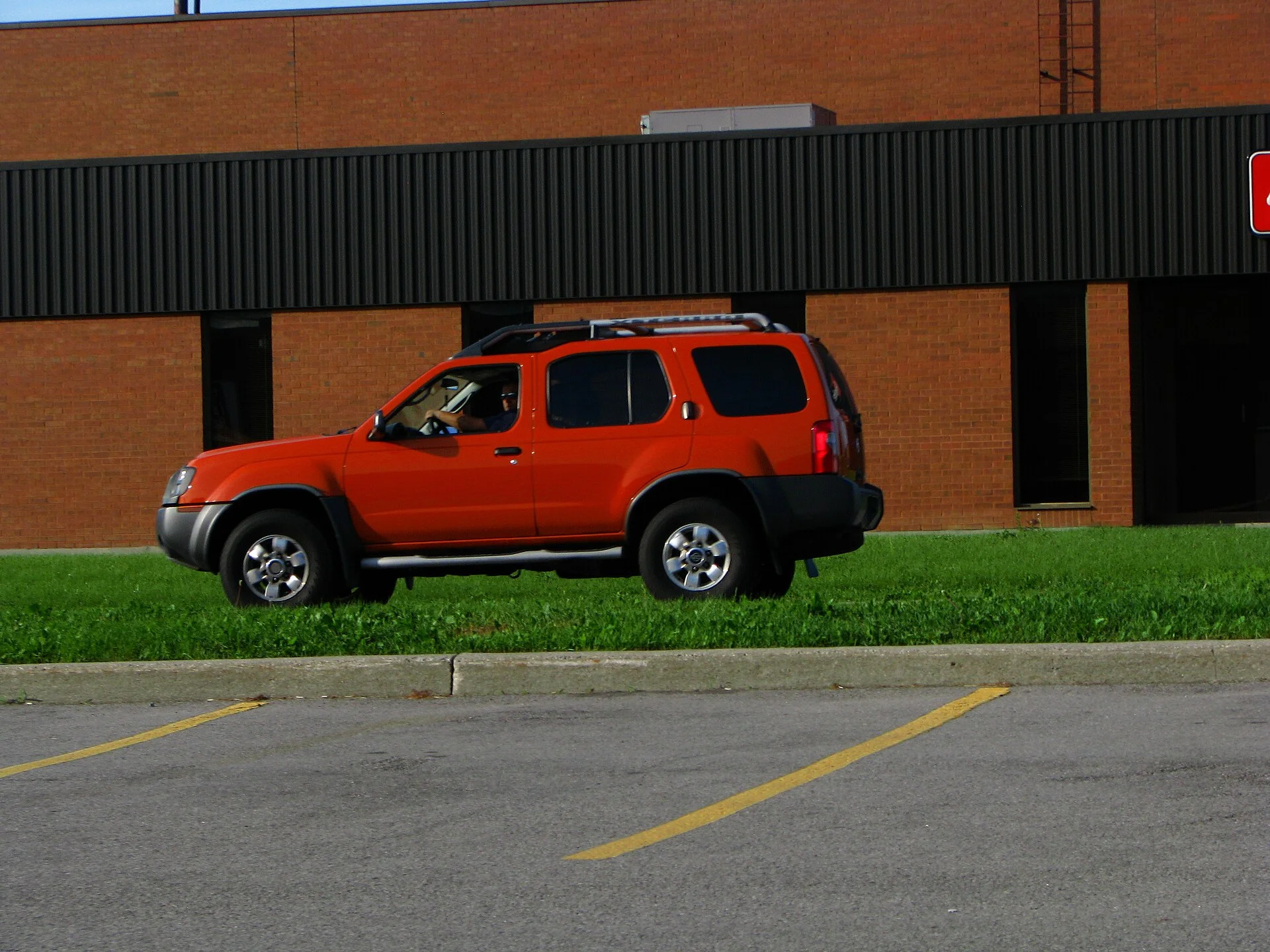
Tires: The Cheapest Clearance and Capability Upgrade
If a budget builder is going to spend on capability beyond keeping the truck healthy, tires are usually the highest-value dollar, and on the Xterra they compound the platform's existing strengths rather than papering over a weakness. This is where a little money moves the real numbers.
Taller tires raise the whole truck, adding to the 9.5 inches of ground clearance the Xterra already has and lifting the differentials and undercarriage a bit farther from the obstacles that catch them. The Pro-4X's own reputation for sitting toward 10 inches of clearance comes partly from its larger factory tires and Bilstein shocks, which is the same lever a builder pulls with an aftermarket tire upgrade: more clearance without the cost and complexity of a full suspension lift.
Tread pattern is the other half, and it changes capability more than the size number suggests. An all-terrain tire delivers the traction to actually use the Xterra's clearance and angles on loose, rocky, or muddy ground, where a highway tire simply spins. For an overlander, the grip to climb and the clearance to reach are a matched pair, and tires deliver both in one purchase, which is rare value.
The engineering caution is to stay within what the platform handles: oversized tires can rub, strain the drivetrain, and throw off the speedometer, so the sensible upgrade is a modest size increase in a quality all-terrain rather than the biggest tire that will fit. Done in moderation, tires give an Xterra more clearance and far more usable traction for a fraction of what a lift and lockers cost, which is exactly the kind of high-value, low-cost lever a budget build is built around.
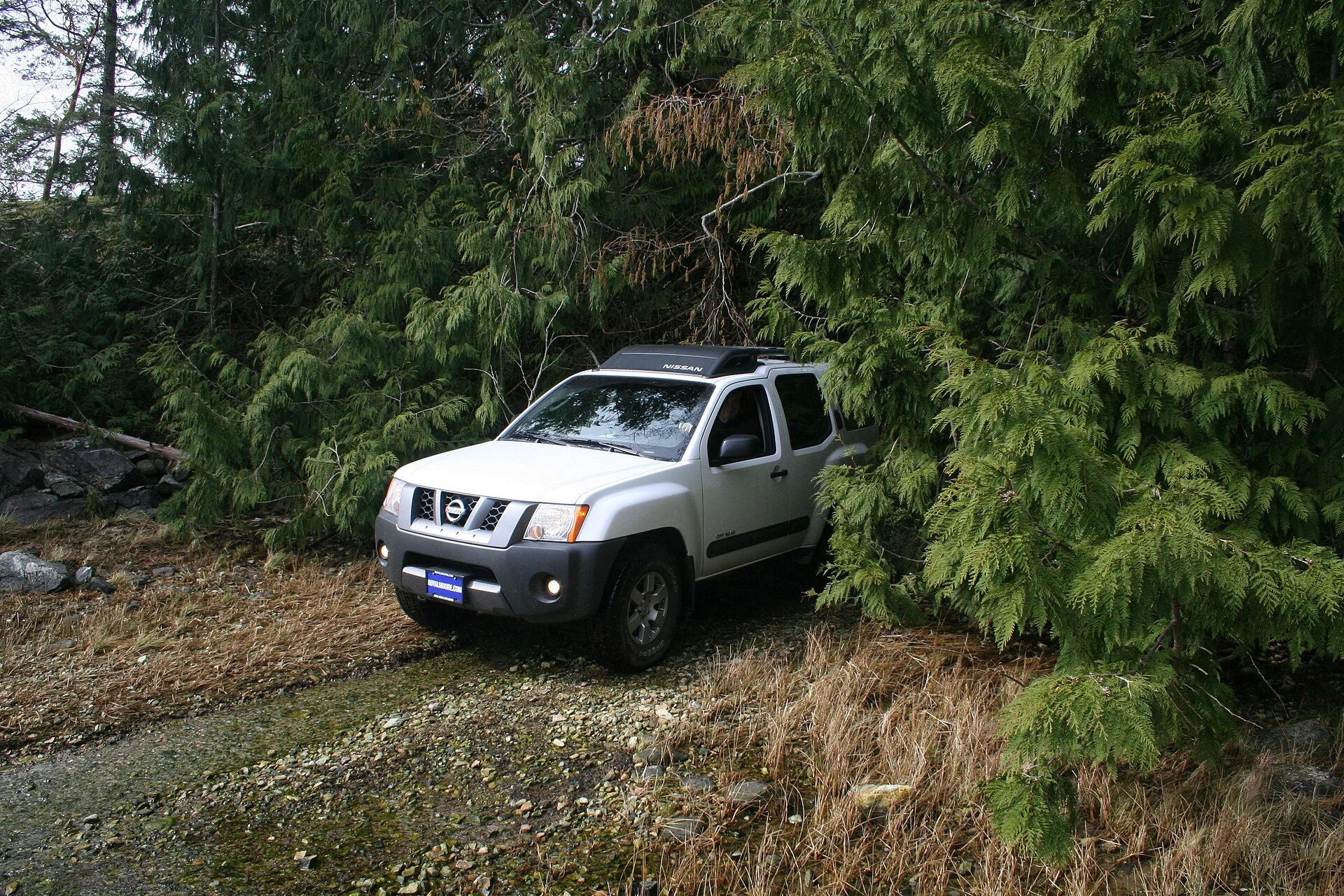
The Verdict: Capable Bones, Age as the Variable
The Nissan Xterra Pro-4X earns its enduring place in budget overland builds through geometry that still competes: 9.5 in of ground clearance, a 33.2-degree approach angle, a 29.4-degree departure angle, and factory skid plates over the oil pan, fuel tank, and transfer case. Those bones were engineered right and do not age with the model.
Be honest about the data and the truck. The breakover angle is a documented gap in the published sources, best judged in person, and every Xterra is now a used 2005-2015 truck on a 106.3-inch wheelbase, since the model was discontinued after 2015 with a successor not due until a reported late-2028 relaunch. The geometry is proven; the age is the variable that decides the purchase.
Spend in the right order. Condition first, recovery and protection second, clearance and tire upgrades last, because the Xterra starts capable enough that modifications are enhancements rather than fixes. A sound stock example with good recovery gear outperforms a modified but neglected one, and it keeps the budget platform a value instead of a money pit.
Read that way, the Xterra is one of the best capability-per-dollar overland platforms a budget builder can find, delivering real clearance, angles, and protection without a new-truck price, as long as the used-market realities are acceptable. Chase it for newness or refinement and it disappoints; buy it for proven off-road bones cheap and keep it healthy, and it does exactly the job it was built for. The value is real; the age is the price of admission.