
The Short Answer: A Near-Tie Decided by a Floor Trick and a Price Tag
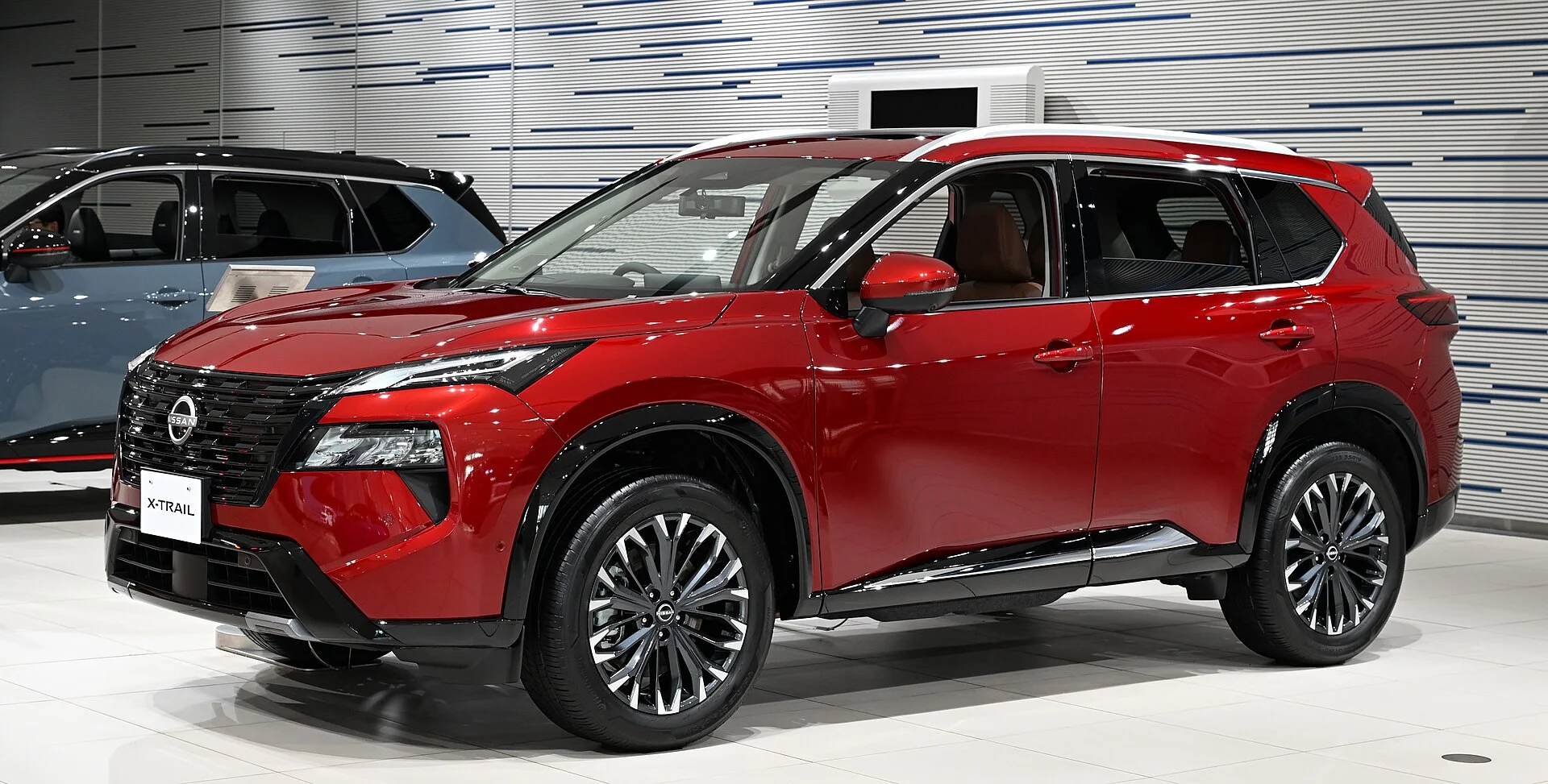
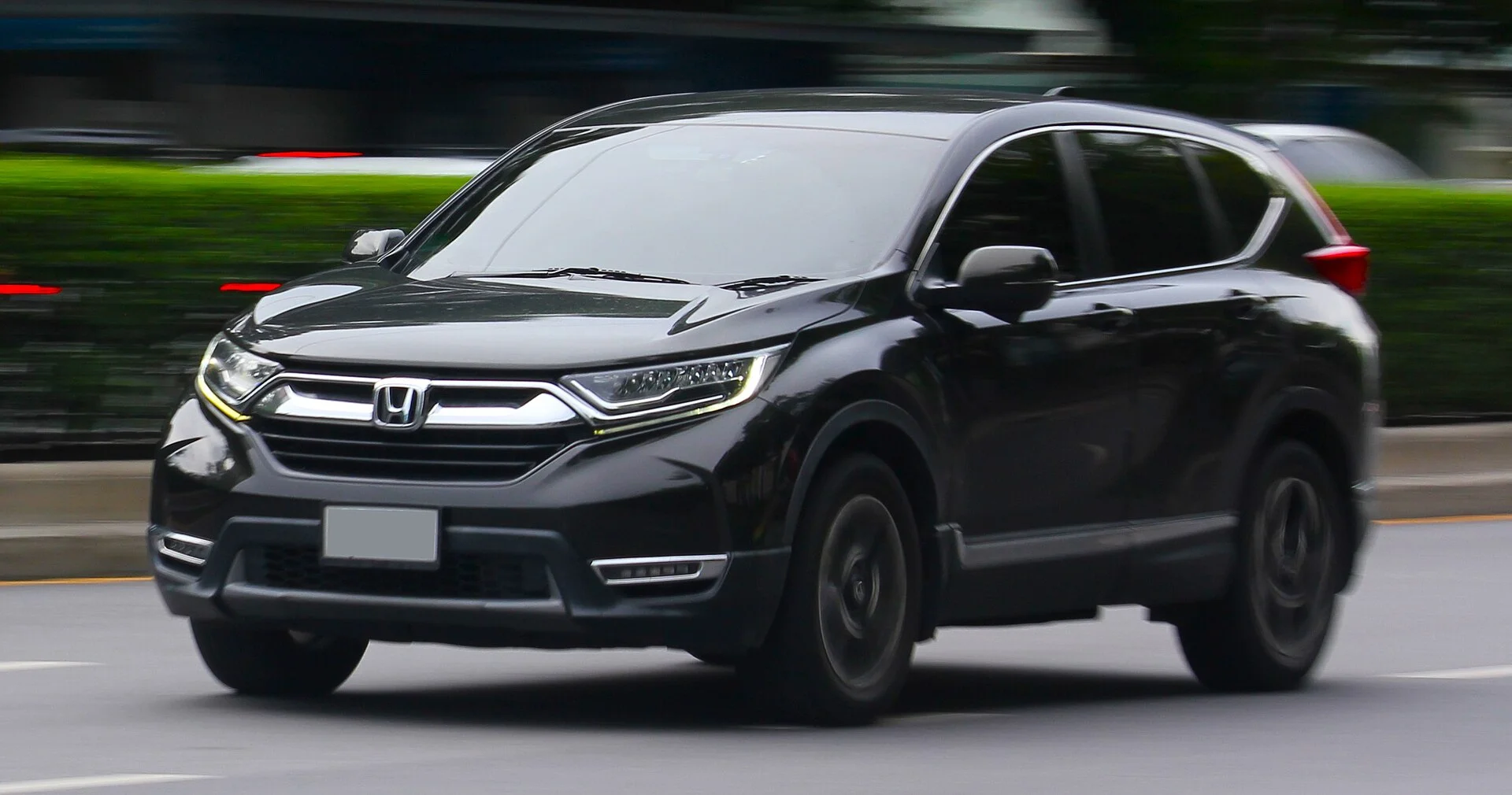
Here's what the reps won't lead with: the Nissan Rogue and Honda CR-V are so evenly matched for car camping that the usual big-ticket comparisons barely move the needle. Cargo space is within a few cubic feet. Ground clearance in all-wheel drive is identical. Both fold to a near-flat floor. When two vehicles are this close, the decision comes down to small, specific things - and there are exactly two that matter.
The first is a feature, not a number. The Rogue's Divide-N-Hide adjustable cargo floor can be set to create a flat, level load surface for sleeping - a genuinely useful trick the CR-V doesn't have. The second is price: the Rogue starts at about $28,590 against the CR-V's $31,495, roughly $2,900 cheaper. Those two things are the Rogue's case.
The CR-V's counter is also two-fold: it holds slightly more gear at maximum - 76.5 versus 74.0 cubic feet - and it offers a hybrid rated up to 40 mpg combined, a real efficiency edge for long drives to distant sites. So this isn't a capability contest; it's a preference decision between a cheaper, cleverer floor and a roomier, thriftier hybrid. Everything below is how to pick.
Cargo: The CR-V Edges It, But Barely
On paper the CR-V wins the cargo contest, and in practice you'd struggle to feel it. The CR-V edges the Rogue on maximum cargo space with seats down, 76.5 versus 74.0 cubic feet. That's a difference of under three cubic feet - real, but small enough that it won't decide how you sleep or what you pack. Both are roomy compact crossovers by the standards of the class.
Behind the rear seats, the CR-V holds 39.3 cubic feet on its gas trims, while the Rogue holds 31.6 to 36.5 cubic feet depending on trim and how you set its adjustable cargo floor. So the CR-V has a modest edge in raw seats-up volume too. If your single priority is maximum gear-hauling, the CR-V is technically the bigger box.
But at these numbers, the difference is academic for most campers. Two and a half cubic feet is a duffel bag, not a dealbreaker, and both vehicles comfortably hold a solo camper's kit plus a bed. The mechanic's take: don't let a sub-three-cubic-foot spec win a decision when the two vehicles differ far more meaningfully on price and on how the floor actually behaves when you're trying to sleep on it.
The Feature That Actually Matters: Divide-N-Hide
Here's the spec that matters more than the cargo numbers, and it's the one buyers overlook. The Rogue's Divide-N-Hide adjustable cargo floor can be set to create a flat, level load surface for sleeping. That adjustable floor is a genuine sleeping feature - it lets you configure the load surface to bridge the small step where the folded seatbacks meet the cargo floor, getting closer to truly flat than a fixed floor allows.
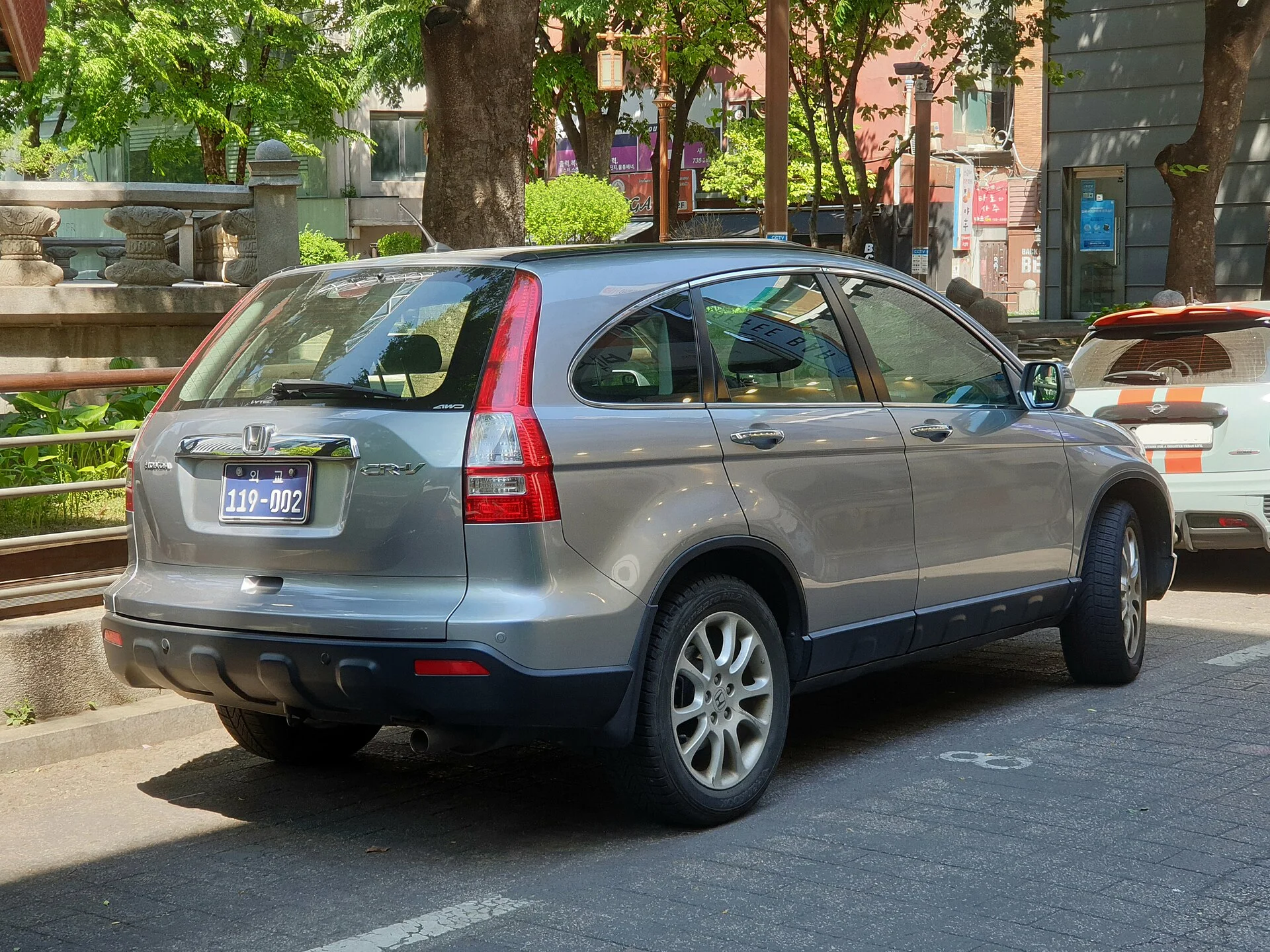
The CR-V's approach is simpler: its 60/40 rear seats fold down onto a low, near-flat cargo floor. That's good - the CR-V's folded floor is genuinely usable - but it's fixed. What you get is what you get, and if there's a slight rise where the seatbacks meet the floor, you're leveling it yourself with foam or a pad. The Rogue gives you an adjustment the CR-V doesn't.
For a car camper, that's the kind of small feature that pays off every single night. A floor you can set flat is a better bed than one you have to shim, and it's exactly the sort of thing the spec sheet buries under the cargo-volume headline. If sleeping comfort is your top priority, the Rogue's Divide-N-Hide floor is a quietly decisive advantage.
Getting There: 8.2 Inches Either Way in AWD
Clearance is a dead heat where it counts. The Rogue has 8.2 inches of ground clearance across trims, including the Rock Creek, and the CR-V has 7.8 inches in 2WD and 8.2 inches in AWD. In AWD form both vehicles clear 8.2 inches of ground clearance - identical. If you buy either in all-wheel drive, they reach the same campsites with the same limits.
The one small distinction is that the Rogue holds 8.2 inches across all trims, including its front-drive versions, while a front-drive CR-V drops to 7.8 inches. So if you're buying a 2WD model to save money, the Rogue keeps a bit more clearance. In AWD, though, there's nothing to separate them on the ground.
Their all-wheel-drive systems are comparable too: the Rogue offers available Intelligent All-Wheel Drive and the CR-V offers available Real-Time AWD with Intelligent Control - both reactive, on-demand systems rather than full-time layouts. Neither is a deep-snow specialist, and both do fine on the mild-to-moderate winter and dirt-road approaches most compact-crossover campers actually tackle. Clearance and AWD are a wash.
Engines: A 3-Cylinder vs a 4, and the Hybrid Wildcard
The engines are where these two genuinely differ under the hood. The Rogue uses a 1.5-liter VC-Turbo 3-cylinder producing 201 horsepower - an unusual variable-compression three-cylinder that's actually the more powerful engine here. The CR-V's standard engine is a 1.5-liter turbocharged 4-cylinder producing 190 horsepower and 179 lb-ft of torque.
On paper the Rogue's 201 horsepower tops the CR-V's 190, though both are perfectly adequate for hauling a loaded crossover to a campsite. Some buyers are wary of a three-cylinder on principle; in practice the Rogue's VC-Turbo is a proven, torquey unit. The mechanic's view is that neither engine is a reason to choose or avoid either vehicle for camping - they're close, and both do the job.
The wildcard is the CR-V hybrid, which pairs a 2.0-liter 4-cylinder with electric motors for 204 combined system horsepower. That makes the hybrid CR-V both the most powerful and the most efficient option in this comparison. The Rogue has no hybrid counterpart in this matchup, so if you want a gas-electric crossover, the CR-V is the only answer - and a strong one.
Fuel and the Hybrid Efficiency Gap
Fuel economy is close on the gas models and lopsided once the hybrid enters. The Rogue is EPA-rated 30/37/33 mpg city/highway/combined in FWD trims and 28/35/31 in AWD. The gas CR-V is rated 28/34/30 mpg in 2WD and 26/31/28 in AWD. So the gas Rogue is actually a touch more efficient than the gas CR-V - a small but consistent edge on the pump.
Then the CR-V hybrid changes the math entirely. It's rated up to 43/36/40 mpg in 2WD, far ahead of anything the Rogue offers. For a camper who drives long distances to remote sites, that hybrid efficiency is real money and real range saved over a season. It's the CR-V's single biggest advantage in this comparison.
Tank sizes are a near-match: the Rogue carries 14.5 gallons and the CR-V 14.0. Combined with the efficiency numbers, the gas Rogue and gas CR-V have similar real-world range, while the CR-V hybrid stretches noticeably further between fill-ups. If minimizing fuel stops and cost on long hauls matters to you, the hybrid CR-V is the clear pick; otherwise the gas models are a wash on range.
Price: The Rogue's $2,900 Head Start
Price is the Rogue's headline advantage, and it's a solid one. The 2025 Rogue starts at about $28,590 MSRP for the base S FWD, while the CR-V starts at about $31,495 - the Rogue is roughly $2,900 cheaper at base. For a compact crossover you're buying partly to sleep in, that's a meaningful saving that could go toward gear, fuel, or the trip itself.
What makes the Rogue's price case stronger is that it's cheaper and carries the sleeping-friendly Divide-N-Hide floor. You're not paying more for the feature that helps you sleep flat - you're paying less and getting it. That's an unusual combination; often the cheaper vehicle gives something up, but here the Rogue's main sleeping advantage comes at a lower price.
The CR-V's premium buys you the marginally larger cargo hold and, more importantly, access to the hybrid. If you want the 40-mpg hybrid, the CR-V's higher starting price is the entry fee, and for a high-mileage camper it can pay itself back at the pump. But strictly on gas models, the Rogue delivers a very similar vehicle for about $2,900 less - a strong value argument.
Who Should Buy the Rogue
The Rogue is the pick for the value-focused camper who wants the best bed for the least money. It starts about $2,900 cheaper, matches the CR-V on 8.2 inches of AWD clearance, and carries the Divide-N-Hide floor that helps level the sleeping surface. For a solo camper on gas power, that combination of lower price and a cleverer floor is hard to argue against.
It's also the choice if the adjustable floor genuinely matters to how you sleep. A camper who's fought with a stepped cargo floor before will appreciate being able to set a flat, level surface without shimming. Pair the Divide-N-Hide floor with a good sleeping pad and the Rogue delivers one of the flatter compact-crossover beds for the money.
Where the Rogue can't help you is if you want a hybrid - it doesn't offer one in this comparison. But if you're buying gas anyway, the Rogue is the efficient, cheaper, sleep-friendlier vehicle, and its slightly smaller cargo hold won't be noticed by most solo campers. Buy the Rogue when value and a level floor top your list.
One more practical point in the Rogue's favor: its 8.2 inches of clearance hold across every trim, including the front-drive models, so a budget buyer choosing 2WD to save money doesn't give up ground clearance the way a front-drive CR-V does at 7.8 inches. For a value-focused camper stretching a dollar, that's a small but genuine bonus - you keep the capability even on the cheapest configuration.
Who Should Buy the CR-V
The CR-V is the pick for the camper who wants maximum efficiency or the last bit of cargo room. Its trump card is the hybrid, rated up to 43/36/40 mpg and making 204 combined horsepower - the most efficient and most powerful option here. For someone who racks up long highway miles to distant campsites, that hybrid economy is the single strongest reason to choose the CR-V.
It's also marginally the bigger hauler. At 76.5 cubic feet maximum and 39.3 cubic feet behind the seats on gas trims, the CR-V edges the Rogue on space, and its 60/40 seats fold onto a low, near-flat floor that's a genuinely good bed even without an adjustable feature. If you pack heavy or want the roomiest of the two, the CR-V has the slight advantage.
The trade-offs are the higher starting price - about $2,900 more - and the lack of a Divide-N-Hide-style adjustable floor, so you level the sleeping surface yourself. For a hybrid buyer or a gear-heavy camper, those are easy trades. Buy the CR-V when efficiency, power, or maximum cargo outweighs the Rogue's lower price and adjustable floor.
The Verdict: Cheaper and Cleverer, or Roomier and Thriftier
This is one of the closest comparisons in the compact class, and that's the honest headline. The Rogue and CR-V match on the things most people fixate on - cargo within a few cubic feet, identical 8.2-inch AWD clearance, near-flat folding floors, similar tanks - so the decision lives in the margins. And the margins are clear.
Choose the Rogue if you want the better value and the better bed: it starts about $2,900 cheaper and its Divide-N-Hide floor sets flatter for sleeping, which makes it the smart pick for a gas-powered solo camper who cares about cost and comfort. Choose the CR-V if you want the hybrid's up-to-40-mpg efficiency, the extra power, or the marginally larger cargo hold, and you're willing to pay the premium for them.
Either way you end up with a capable, efficient compact crossover that sleeps one comfortably and reaches the same sites. There's no bad choice, just two different priorities - cheaper and cleverer, or roomier and thriftier. Decide which of those describes your camping, and the near-tie resolves itself.
If it helps to boil it down to a single question: are you buying gas or hybrid? A gas buyer should look hard at the Rogue, which delivers a nearly identical vehicle with a sleep-friendlier floor for about $2,900 less. A hybrid buyer has only one option here - the CR-V - and it happens to be an excellent one. Answer that, and most of the rest of the comparison falls into place on its own, because the two vehicles are otherwise close enough to be interchangeable at the campsite.