
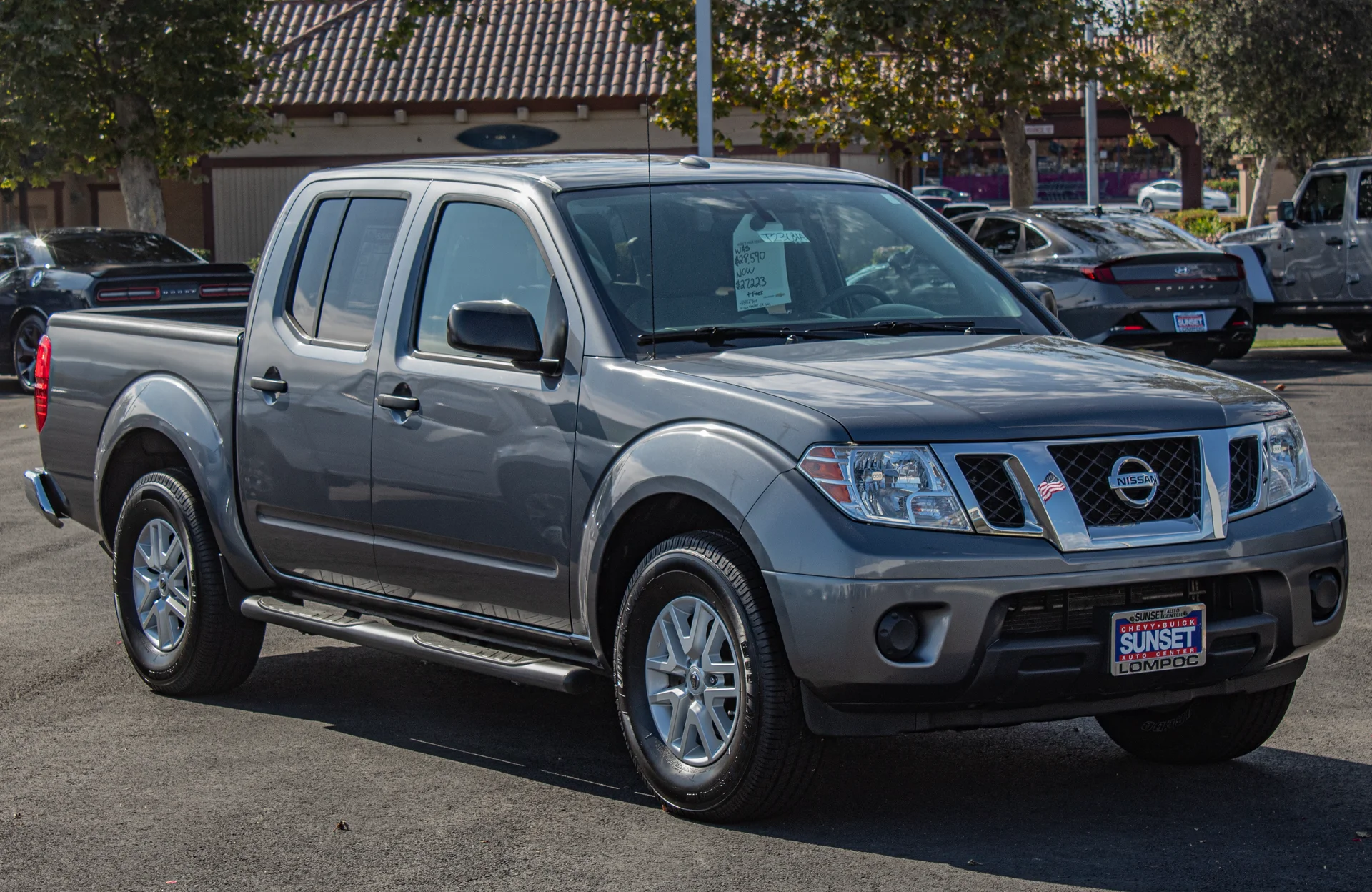
The Short Answer: Closer Than the Internet Claims
Engineer this comparison from the actual bed measurements and the Frontier and Tacoma turn out to be near-twins for sleeping. Both are midsize trucks with beds in the same size class, and on the numbers that decide whether you can stretch out, they are within a fraction of an inch of each other. The popular idea that one has a dramatically bigger bed does not survive a tape measure.
The real differences are narrow and specific. The Nissan Frontier's bed is wider overall - 61.4 inches versus the Tacoma's 53 inches at the tailgate - which helps a sideways sleeper or a wide platform. The Toyota Tacoma's bed is deeper, 20.2 inches on the 6-foot bed against the Frontier's 19.4 inches, giving more sidewall for storage under a sleeping platform. That is the trade in one sentence: Frontier width versus Tacoma depth.
Then there are the engines, which feel very different. The Frontier runs a 3.8-liter V6 making 310 horsepower; the Tacoma's base engine is a turbocharged 2.4-liter four-cylinder making 228 horsepower. For camping duty both haul gear fine, but the character differs. The rest of this guide measures the beds honestly, corrects a common myth, and sorts out which truck fits which camper.
Myth-Busting: They Barely Differ Between the Wheel Wells
A claim floats around that the Frontier is far wider than the Tacoma where it counts. It is worth correcting, because the number that actually governs how wide your bed is for sleeping is the width between the wheel wells - the narrowest point a flat mattress or platform has to pass. And there, the two trucks are nearly identical.
The measurements are close enough to call a tie: the Frontier is 44.5 inches between the wheel wells, and the Tacoma is 44.7 inches - the Tacoma is actually 0.2 inch wider there. The eye-catching 61.4-versus-53-inch gap people cite is comparing the Frontier's overall bed width against the Tacoma's width at the tailgate, which are not the same measurement. It is an apples-to-oranges comparison dressed up as a decisive win, and it is the kind of spec-sheet sleight of hand a careful buyer learns to catch: always confirm two numbers are measuring the same thing before you let one decide a purchase.
The honest takeaway is that neither truck gives you meaningfully more flat, wheel-well-constrained width than the other. A platform sized to clear the wheel wells fits both nearly the same. Where the Frontier's extra overall width genuinely helps is above the wheel wells - shoulder room for a sideways sleeper or a platform built up over the arches - not in the pinch point that limits a floor-level bed. Measure the right number and the trucks converge.
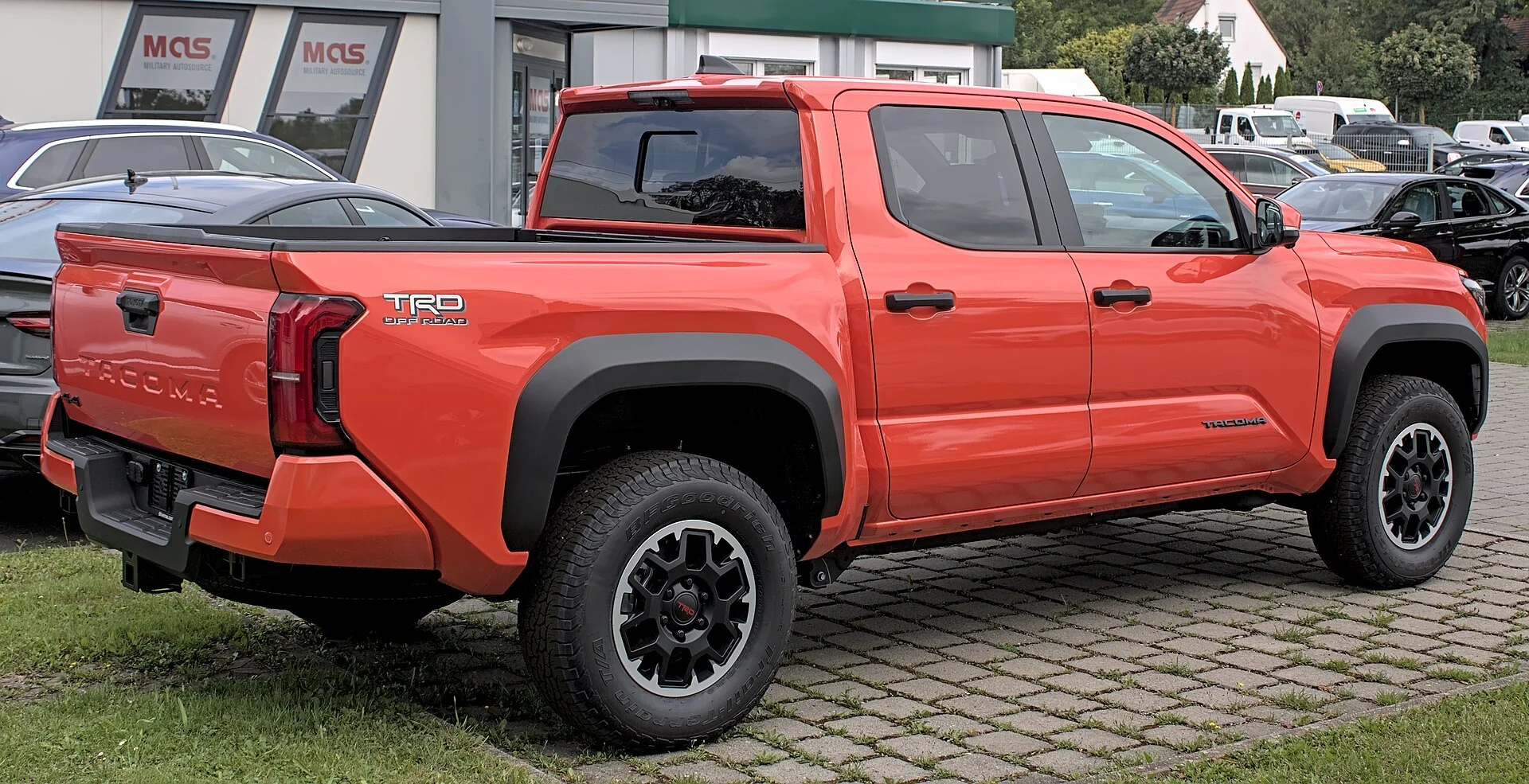
Bed Length: A 0.2-Inch Difference
Length is what decides whether you sleep flat, and here the two trucks are effectively identical. The Frontier's 6-foot bed measures 73.3 inches long inside; the Tacoma's 6-foot bed measures 73.5 inches. That is a 0.2-inch difference - a rounding error, not a reason to choose one over the other. Both give a genuinely long floor for a midsize truck.
That length matters because it is right at the edge of lying flat. A 72-to-75-inch adult can stretch out lengthwise in either 6-foot bed, with the tailgate up, if they are at the shorter end of that range - and by dropping the tailgate, taller sleepers get the extra room they need. Both trucks handle a full-length sleeper about equally well in the long bed.
The engineering point is that bed length is not a differentiator between these two. If lying flat is your priority, choose either truck's 6-foot bed with confidence - they measure the same. The decision has to be made on the other axes, because the single most important sleeping dimension, floor length, is a dead heat at 73.3 and 73.5 inches. On a spec that decides whether a full-grown adult sleeps flat, a two-tenths-of-an-inch difference is meaningless, and it means you cannot let bed length break the tie between these two trucks.
Where the Frontier Wins: Overall Width
The Frontier's real advantage is its wider bed overall. At 61.4 inches of overall width against the Tacoma's 53 inches at the tailgate, the Frontier gives more shoulder-to-shoulder room for a sleeper lying sideways or for a wide sleeping platform built above the wheel wells. If you like to sleep across the bed, or build a platform that uses the full width up high, the Frontier has more to work with.
This matters most for two-person setups and platform builds. A couple sleeping crosswise needs shoulder width more than floor length, and the Frontier's extra overall inches are exactly that room. A platform that spans above the wheel arches can also use the wider upper bed, turning that width into a genuinely larger sleeping surface than the Tacoma offers up top.
Keep the caveat from the last section in mind, though: this width advantage lives above the wheel wells, not at the pinch point. For a mattress lying flat on the bed floor, both trucks constrain you to nearly the same width at the wheel wells. The Frontier's width pays off when you sleep sideways or build up over the arches - a real but specific benefit, not a blanket 'bigger bed' claim.
Where the Tacoma Wins: A Deeper Bed
The Tacoma answers with depth, and for a camper that translates to storage. The Tacoma's 6-foot bed is 20.2 inches deep against the Frontier's 19.4 inches - 0.8 inch more sidewall - and its 5-foot short bed is deeper still at 21.2 inches. That extra height gives you more room to stash gear below a sleeping platform without it crowding your sleeping space.
Deeper walls are quietly useful for a platform build. If you build a sleeping deck at the top of the bed rails, the Tacoma's taller sidewalls create a bigger storage cavity underneath for bins, a cooler, and gear you want out of the weather and out of sight. On the Frontier's shallower bed, that under-platform space is a little tighter for the same deck height.
It is a modest 0.8-inch edge, so keep it in proportion - it is not going to swing the decision on its own. But for a camper who thinks in terms of a permanent or semi-permanent platform build, the Tacoma's extra depth is a genuine, if small, advantage in usable storage volume. Frontier buyers gain width up high; Tacoma buyers gain depth down low. Neither wins outright - it comes down to whether your build prioritizes a wide sleeping surface or a deep storage cavity, and honest campers will land on different sides of that line depending on how they pack.
The 5-Foot Bed Trap for Sleepers
Whichever truck you choose, do not try to sleep flat in the short bed - it is a trap for campers. The Frontier's 5-foot bed is only 58.9 inches long, and the Tacoma's short bed is 60.3 inches. A 72-inch adult is roughly 14 inches too long for the Frontier's short bed, so lying flat lengthwise simply is not happening without help.
The workarounds exist but compromise the setup. Dropping the tailgate adds length but exposes your feet to weather and bugs and needs a bed extender to bridge the gap; sleeping diagonally uses the corners but wastes space and rarely lies truly flat. Either way, a short bed turns sleeping into a puzzle that a 6-foot bed solves outright.
The engineering advice is simple: if truck-bed camping is a real priority, buy the 6-foot bed on either truck. That 73.3-to-73.5-inch length is what lets a normal adult lie flat, and the 5-foot beds - 58.9 inches Frontier, 60.3 inches Tacoma - are meaningfully short of that. Choose the configuration for how you will actually use it, and for sleeping, that means the long bed regardless of brand.
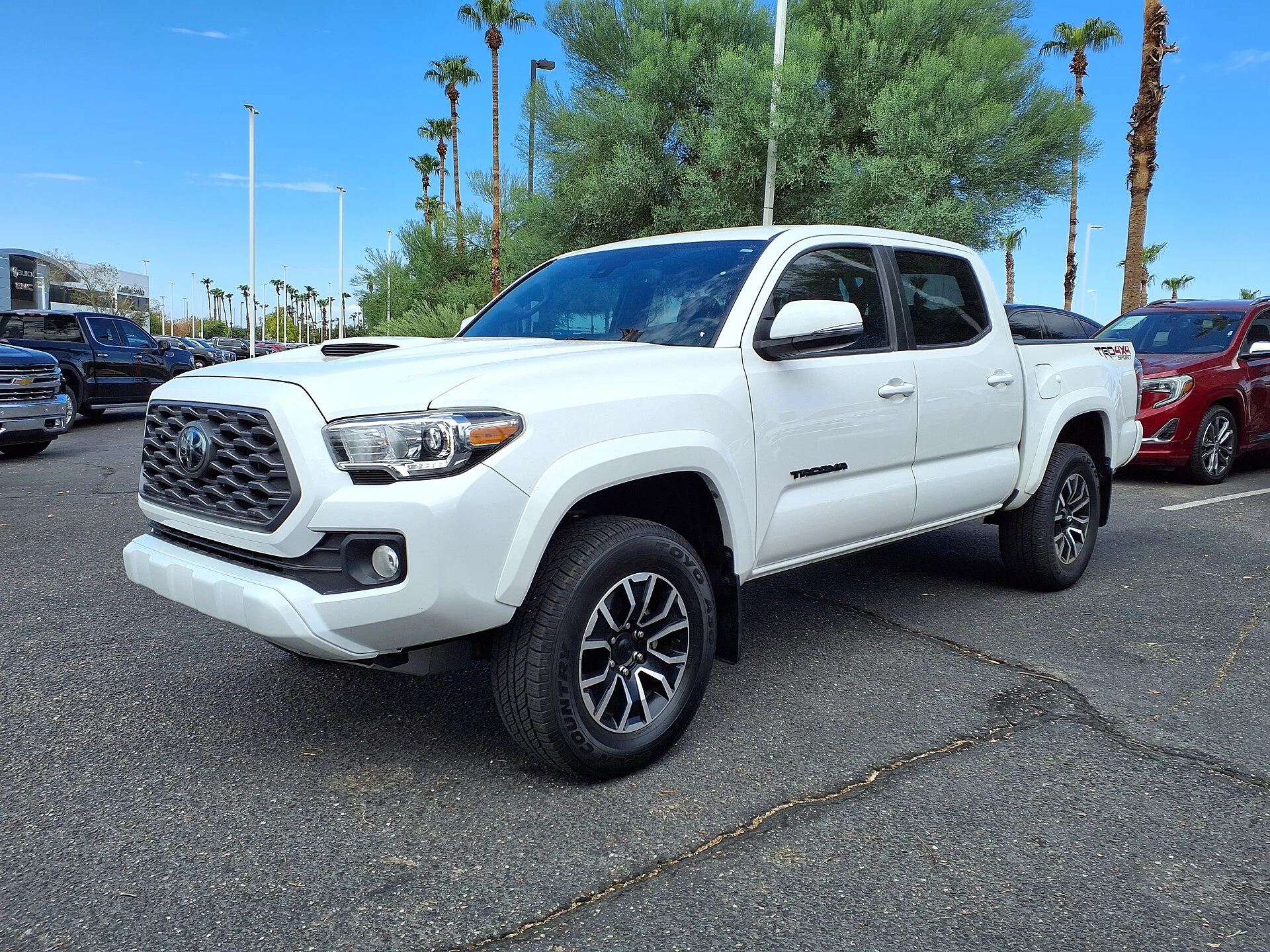
Engines: V6 Character vs Turbo-Four
The powertrains give the two trucks distinct personalities, even if both do the camping job. The Frontier uses a 3.8-liter V6 producing 310 horsepower and 281 lb-ft of torque - a naturally aspirated six that pulls smoothly and makes strong power without turbo lag. It is the more traditional truck engine, and some buyers simply prefer the linear feel of a big six.
The Tacoma's base engine is a turbocharged 2.4-liter four-cylinder making 228 horsepower and 243 lb-ft of torque. It makes its torque lower in the rev range thanks to the turbo, which helps around town and on grades, and it is the more modern, efficiency-minded approach. On paper the Frontier has more peak horsepower; in practice both move a loaded truck to a campsite without complaint.
For camping specifically, neither engine is a deciding factor unless you tow heavy or want a particular driving feel. The Frontier's V6 is the pick if you value smooth, abundant power and a simpler naturally aspirated design; the Tacoma's turbo-four suits a buyer who prioritizes low-end response and modern efficiency. It is a preference, not a capability gap - both haul a camper's load fine.
Payload, Towing, and Hauling Gear
If your camping involves hauling a lot of weight, the capacity numbers matter. The Frontier's maximum payload is 1,620 pounds on the rear-drive configuration, and its maximum towing is up to 6,720 pounds when properly equipped - solid midsize numbers that cover a loaded camper plus a small trailer or boat.
The Tacoma's payload ranges from 1,050 to 1,685 pounds depending on configuration, so its top payload edges just past the Frontier's while its lower configurations trail it. The spread is wide because the Tacoma comes in many trims and cab-bed combinations; the exact truck you spec determines where in that range you land. Check the door-jamb sticker on the specific truck, not the brochure's best-case number.
For most bed campers, both trucks have far more capacity than a sleeping setup and gear will ever use - a platform, bedding, water, and a cooler are a small fraction of even 1,050 pounds. Payload only becomes a deciding factor if you are also hauling something heavy like a slide-in camper or a loaded trailer, in which case spec the exact configuration carefully. For simple bed camping, either truck is overbuilt for the job.
Price: The Frontier Starts Lower
Money is where the Frontier lands a clean, simple advantage. The 2024 Frontier starts at $29,770 for the S King Cab with the 6.1-foot bed. The Tacoma starts near $31,500 for the SR XtraCab with a 6.1-foot bed, and around $33,700 for the SR Double Cab with the 5-foot bed. However you slice the trims, the Frontier opens lower.
The Frontier's value case is straightforward: you get the standard V6, a competitive bed, and strong payload at a starting price below the Tacoma's. For a buyer optimizing dollars-per-capability, that lower entry point plus the larger standard engine is a genuine argument, especially if you are not wedded to the Tacoma's resale reputation.
The Tacoma's premium buys its legendary resale value and its huge aftermarket and accessory ecosystem, which matters if you plan to build the truck out over time. That is a real, if intangible, part of the price gap - you are partly paying for the resale and the parts availability. For a pure bed-camping build on a budget, though, the Frontier's lower price and V6 make it the value pick.
The Verdict: Width and Value vs Depth and Resale
For truck-bed camping, the Frontier and Tacoma are far closer than their reputations suggest. Their 6-foot beds are within 0.2 inch on length at 73.3 and 73.5 inches, and nearly identical between the wheel wells at 44.5 and 44.7 inches. The single most important sleeping dimension - flat floor length - is a dead heat, so the decision comes down to the narrow differences and the price.
Choose the Frontier for its wider overall bed at 61.4 inches, which helps sideways sleepers and platforms built over the arches, plus its 310-horsepower V6 and lower $29,770 starting price. Choose the Tacoma for its 0.8-inch-deeper bed and the extra under-platform storage that buys, plus its stronger resale value and vast accessory ecosystem for a long-term build.
Get a good truck bed air mattress sized to whichever 6-foot bed you pick, and either truck sleeps a normal adult flat. Ignore the internet's 'one is way wider' claim - between the wheel wells they tie. Buy on the real trade: Frontier width and value, or Tacoma depth and resale. Both are honest, capable bed-camping trucks, and a camper will sleep just as well in either 6-foot bed - the choice is about the build you want to grow into, not the night's sleep itself.