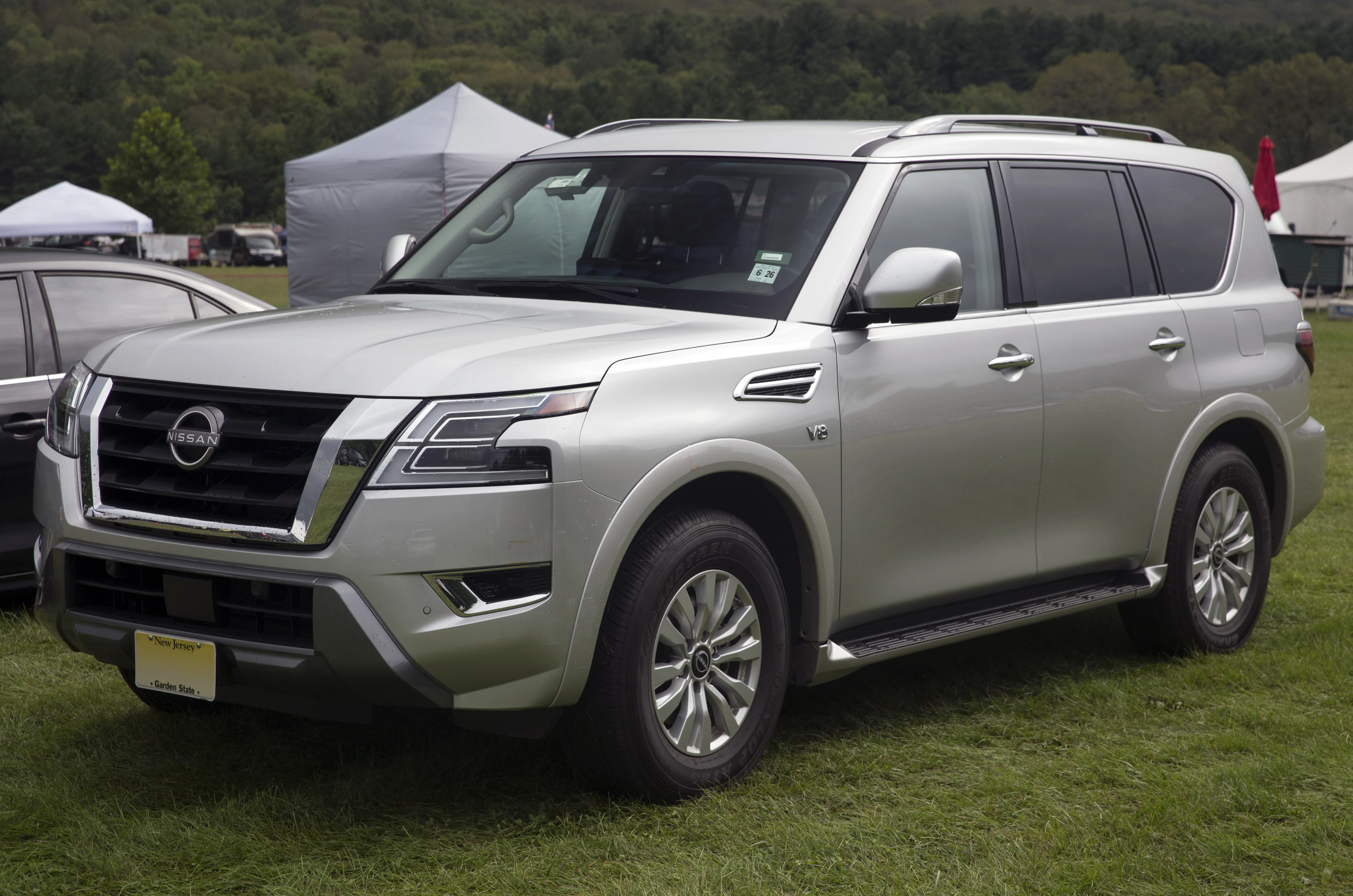
The Armada bed problem: two very different SUVs wear the same badge
Before you buy a mattress for a Nissan Armada, sort out which Armada you're sleeping in, because right now two very different trucks carry that badge and they build into different beds. The one you'll actually find on a used lot is the Y62 that ran from 2017 through 2024 - a big body-on-frame SUV shared with the global Patrol. The other is the all-new 2025, redesigned top to bottom with more cargo volume and a new interior. Get the generation wrong and every number on this page points at the wrong bed.
I build platforms for a living, so I read a cargo bay as a surface to level, not a brochure to admire. Both Armadas give you a genuinely large flat-ish zone with the rear rows down, and both hide the same trap: the marketing says 'flat load floor,' and the tape measure says 'close, with a seam.' This page gives you both generations' published volumes, tells you plainly what Nissan does not publish, and then does the installer's job - turning that folded floor into a level place to sleep.
Start by knowing which Armada you have
The fastest way to place your Armada: look at the model year and the shape. The 2017-2024 Y62 has the rounded, chrome-heavy face and the V8; the 2025 is boxier and switched to a twin-turbo V6. They are not the same vehicle wearing a facelift - the 2025 is a clean-sheet redesign, so its cargo numbers are bigger and its seats are packaged differently.
- 2017-2024 (Y62): the one most campers are shopping used. Body-on-frame, 5.6L V8, three rows. This is the vehicle in the photo above. If a used listing's photos are ambiguous, read the tenth character of the VIN - it encodes the model year - so you build to the right generation instead of guessing from a facelift.
- 2025 (all-new): current showroom truck. Bigger behind every row, new power-folding hardware, but far fewer on the road yet.
- Why it matters for a build: the volumes differ by roughly four to six cubic feet per configuration, and a used Y62 is where the value is for a car-camping rig.
Everything below is labeled by generation so you're never building to the wrong Armada. When a fact applies to both, I'll say so.
The three volume numbers Nissan actually prints
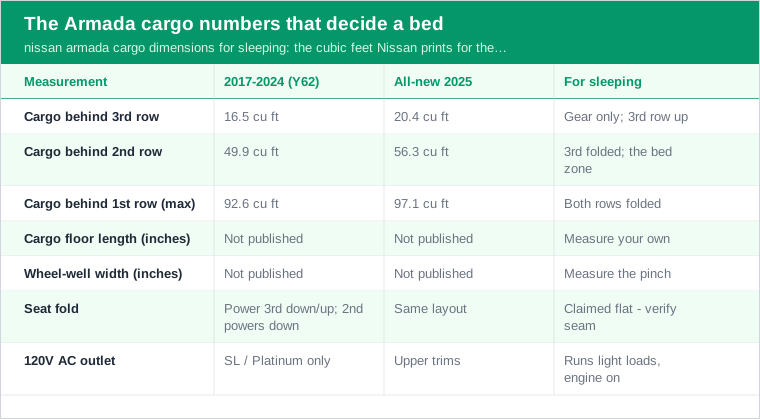
Here's the honest floor for the build - the cargo volumes, by generation. For the 2017-2024 Y62, Nissan's figures are about 16.5 cubic feet behind the third row, 49.9 with the third row folded, and 92.6 with both rear rows down. For the all-new 2025, the numbers grow to roughly 20.4, 56.3 and 97.1. I've pulled these from dealer spec pages that mirror the Nissan configurator, because Nissan's own spec server blocks automated reads - so treat them as dealer-aggregator figures, not a screenshot of the factory sheet. One more thing worth knowing about where these numbers come from: automakers size cargo volume by stacking measured blocks to the roofline, so a cubic-foot figure counts the air up to the ceiling, not the flat footprint you actually lie on - which is exactly why a big number never promises a long bed.
- Behind the third row (16.5 / 20.4): gear space with all seats up. Not a bed - a trunk.
- Third row folded (49.9 / 56.3): the number that matters least, because you almost always want both rows down to sleep.
- Both rows folded (92.6 / 97.1): your bed zone - a long, wide, nearly flat floor from the tailgate to the front seatbacks.
Read the max number as your working canvas and plan around it. Volume tells you it's big; it does not tell you it's flat, and it does not tell you it's long enough - which is the next two problems.
Why there's no flat length in inches to trust
Let me be straight about a gap instead of papering over it: Nissan publishes cargo volume for the Armada, not a flat load-floor length, width or height in inches. Some sites will hand you a confident length anyway; most estimated it from the volume or borrowed it from a different SUV. A made-up inch is exactly what strands a six-footer with their feet jammed against the tailgate.
When a maker prints cubic feet but not inches, the only honest answer is measure your own truck. A tape from the tailgate to the folded front seatbacks beats any spec-sheet guess, because the front-seat position changes the number.
What you can say honestly: with both rows down, the Armada gives one of the longer flat runs in the full-size class - long enough that most adults lie straight rather than diagonal. What you can't quote is the exact inch, because Nissan hasn't measured it for you and it moves with how far forward you slide the front seats. That's why the measure-your-own step below isn't filler.
The power-folding seats: what drops flat and what only claims to
This is the Armada's defining feature and its defining catch. On the current trucks the third row power-folds - down and back up - from buttons in the cargo area, and the second row powers down too (though you raise it by hand). Nissan's dealer copy and one hands-on review describe the result as a 'fully-flat load floor.' As an installer, I'd downgrade that to claimed-flat until you've run a straightedge across it, because no source publishes a measured step at the seatback junctions. There's a fold-order detail the buttons hide, too: the third row powers both down and back up from the cargo-area switches, but the second row only powers down - you raise it by hand from the seat itself. So fold the third row first and the second row last, and reverse that order when you break camp, or you'll be reaching over a dropped second row trying to find a handle that isn't there.
Power-folding is a convenience, not a promise of glass-flat. The seats drop low and close to level - but 'close to level' is still a seam you feel through a thin pad at 3 a.m. Verify it in the vehicle, not in the brochure.
The practical read: expect a good, low, near-flat floor with a mild seam where the folded seatbacks meet - better than most three-row SUVs, not a factory sleeping deck. Plan a thin leveling layer over that seam and you'll never notice it; trust the marketing and skip it, and you will.
If you learn your coverage has a gap or you may be overpaying, it is worth taking the next step with a trusted service — compare coverage and rates.
Building a level platform over the Armada's fold seam
Here's the core install. Once you accept the folded floor is near-flat and not glass-flat, the fix is a leveling layer - and in the Armada's case that's usually all you need, because the seats already drop low.
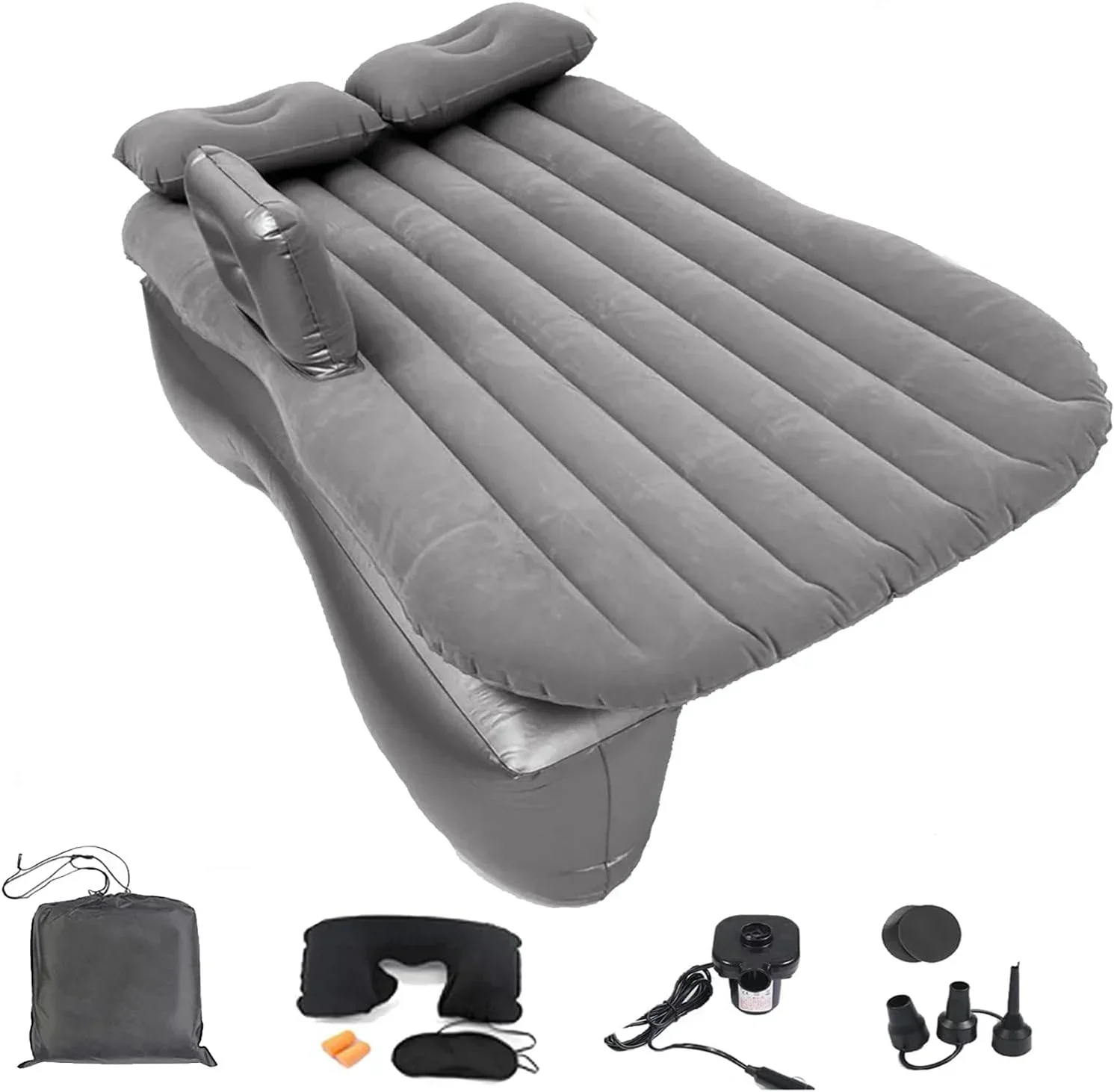
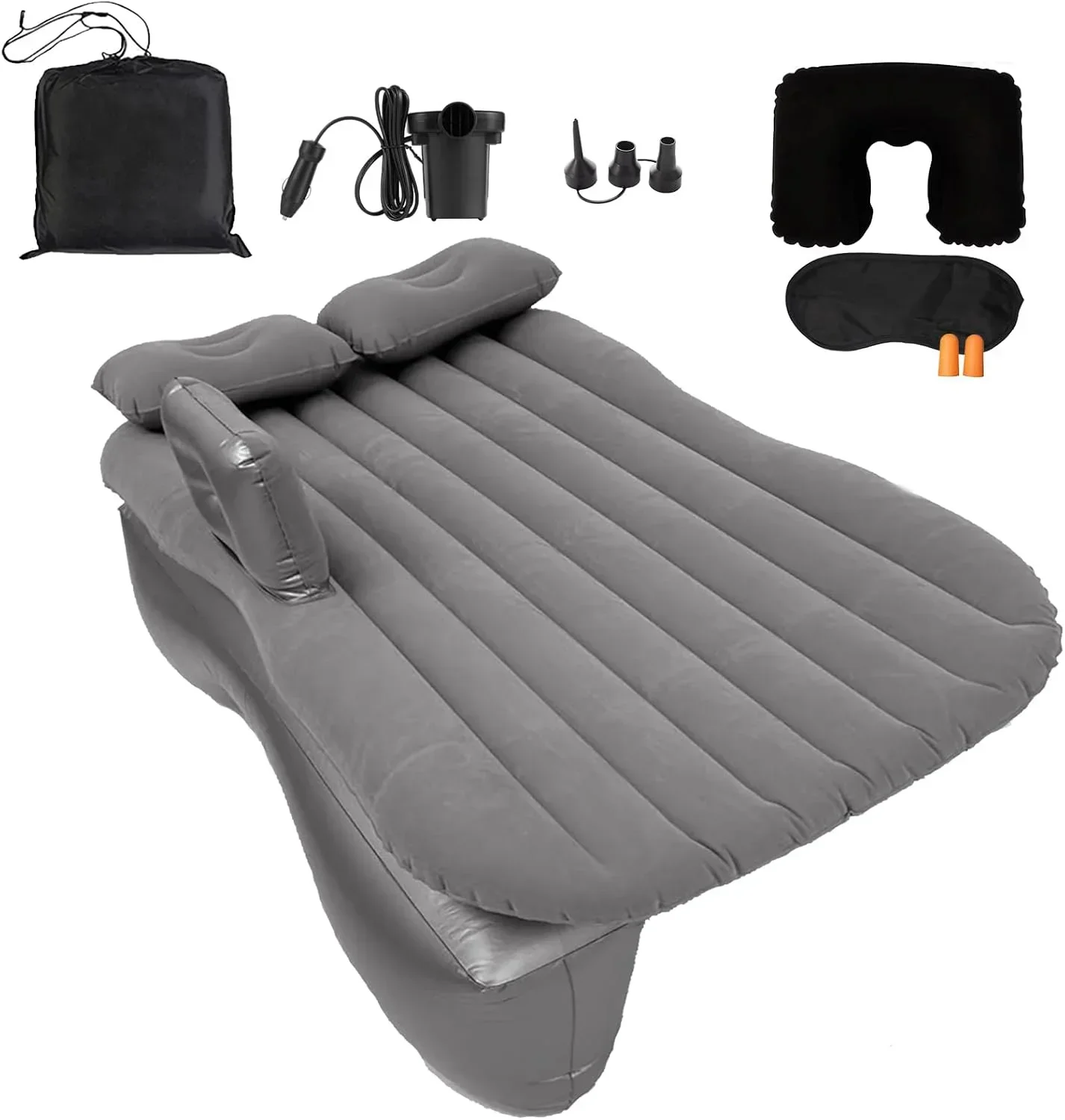
- The simple fix: a bridging pad shaped for a folded SUV bay. An Onirii SUV air mattress spans the seatback seam and levels the surface in one inflate - the fastest route to a flat Armada bed with both rows down.
- The durable fix: a low plywood platform on short cross supports, sized to your measured floor, that turns the bay into a deck with bins beneath. In a truck this size you have the room for real under-bed storage.
- Check clearance: a platform steals sitting height, so confirm you can still sit up before you commit to a deck height.
The installer's rule: level first, soften second. Get the surface flat with a shaped mattress or a low deck, then add your pad on top. The gap you ignore at the seatback is the lump you feel all night.
The load-lowering trick and the tailgate you work from
The Armada gives you two setup luxuries most SUVs don't, and both save your back on install day. On air-suspension trims, a cargo-area button lowers the whole truck for loading - handy when you're sliding a platform or bins in. And the power liftgate gives you a big covered opening to work under.
- Lower it to load: if your trim has the load-lowering function, drop the truck before you wrestle a deck panel in - it turns an awkward lift into a slide.
- Work from the tailgate: do the awkward business - boots, changing, cooking prep - at the open liftgate, and reserve the inside for lying down. Measure the liftgate's open height against where you park, too, because a low garage ceiling or a tight carport can foul a fully raised tailgate before you ever get to sleep.
- Confirm your trim: not every Armada has air suspension or the lowering trick, so check before you count on it.
None of this is essential to a bed, but it's the kind of detail that makes an Armada build pleasant instead of a fight. Use the size of the truck in your favor.
Width across the Armada: measure the wheel-well pinch
Width decides one sleeper or two, and the Armada has the body for two - but Nissan doesn't publish a cargo width in inches, so you measure it. The number that matters isn't the widest point at the tailgate; it's the pinch between the rear wheel wells, because that's the real ceiling on two pads side by side.
In a full-size SUV the wheel wells intrude less than in a compact, but they still set the two-person width. Measure the well-to-well distance, then build your platform level with the tops of the wells to reclaim the full width above them.
When you take that measurement, hold the tape at floor level and again at the height of the wheel-well tops, because those two readings differ - the floor pinch is always the tighter one, and it's the number that caps two pads laid straight on the deck. Deck up level with the well tops and you build to the wider reading instead of the narrow one.
How to work with it:
- Two adults: realistic in an Armada - measure the wheel-well pinch first, then deck up level with the wells so the narrow spot disappears above that line.
- Solo or one-plus-a-kid: easy, with gear stacked alongside.
Headroom under a full-size roof
Height decides whether the bay feels like a room or a tube, and here the Armada's tall body-on-frame shape helps. Nissan doesn't publish a cargo height in inches, but a full-size SUV gives more usable height than a car-based crossover - enough to sit up on an elbow and change a shirt seated, as long as the build doesn't eat it.
- Platform height: every inch you raise the floor is an inch off sitting height - keep any deck as low as the design allows.
- Pad thickness: a 3-inch mattress adds comfort and subtracts headroom; run the math for your build.
- Mind the sunroof housing: if your Armada has a big moonroof, the headliner drops slightly - measure to the lowest point, not the highest.
The Armada isn't a stand-up camper, but its boxy roof keeps more room than a sloped crossover. Settle the deck height first, then let the pad take what's left.
Power: the 120-volt outlet and what it will and won't run
The Armada offers a 120-volt household outlet, but read the fine print before you plan a fridge around it. Nissan lists the outlet as a feature on upper trims - SL and Platinum on the Y62, upper trims on the 2025 - and that's the confirmed part. The exact wattage is where I won't hand you a hard number: Nissan doesn't publish an Armada-specific rating, and its sibling manuals describe up to about 400 watts only with the truck in Park and the engine running, dropping under 150 watts with the ignition merely on, and nothing with the key off.
- What it runs: charging, lights, a laptop - light loads while the engine is running.
- What it won't do: power your camp overnight. It's not a key-off supply, so it can't run a fridge while you sleep.
- Confirm the trim: a base Armada may not have the outlet at all - don't plan around power you don't have.
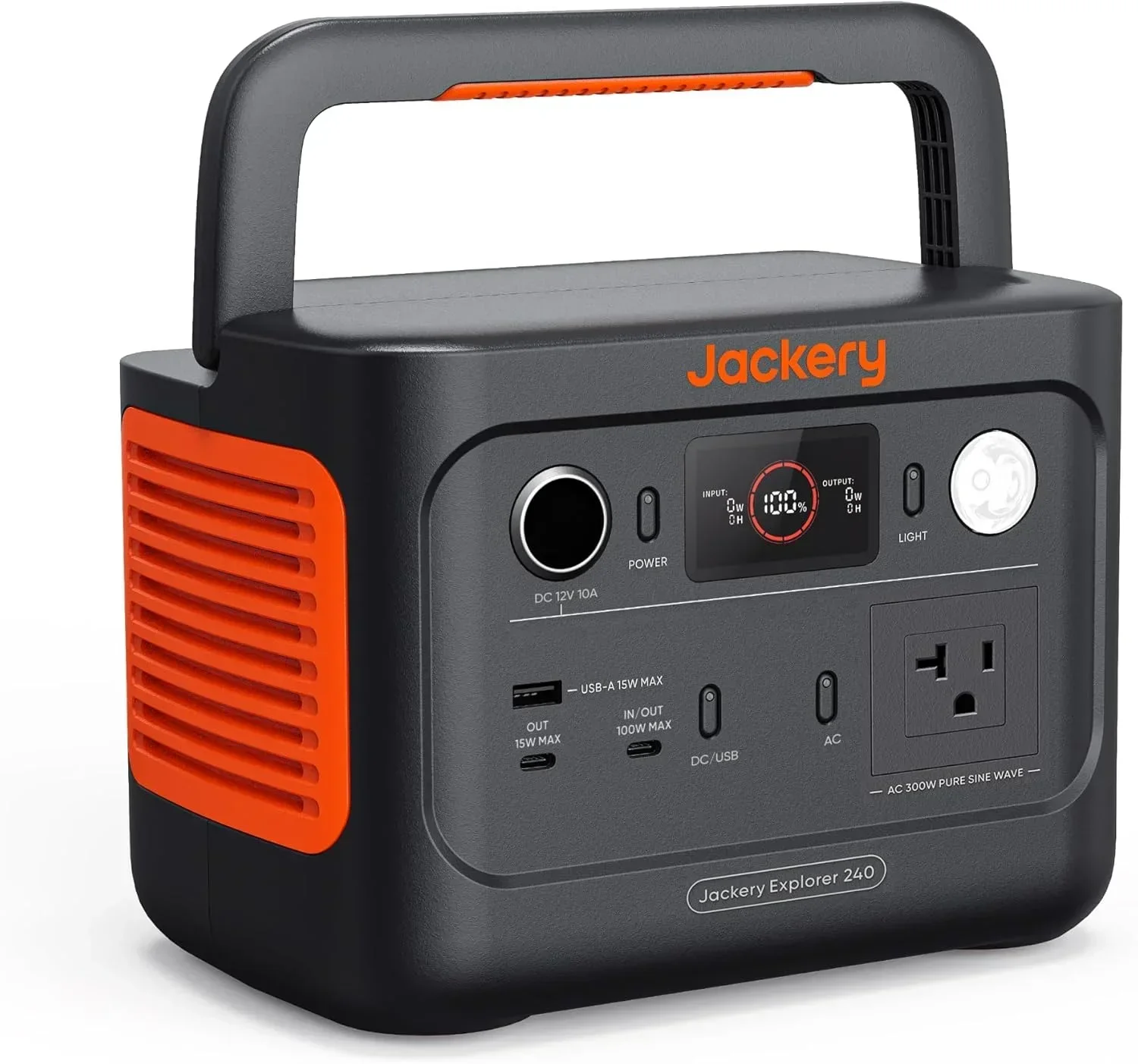
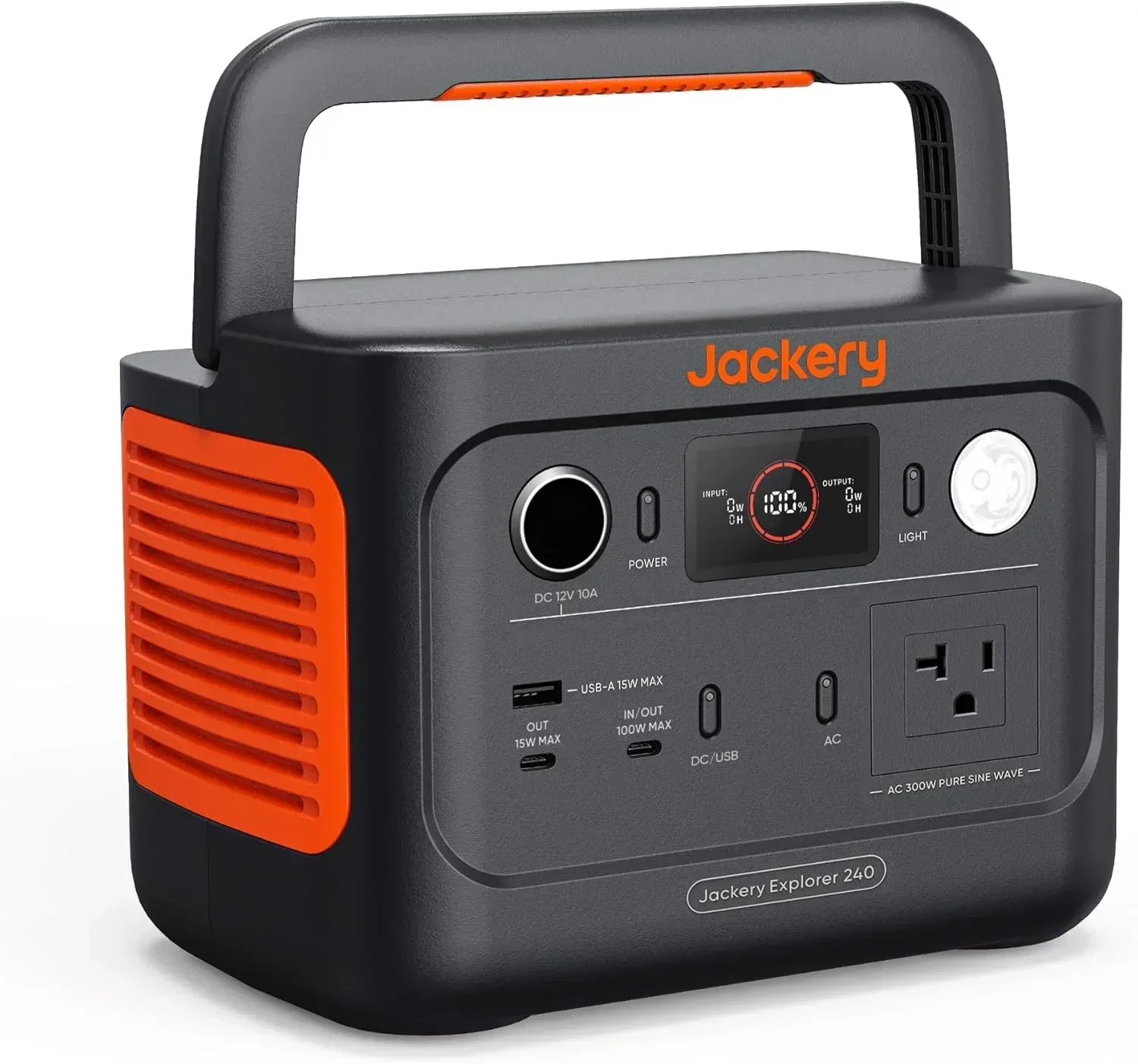
The reliable overnight answer is a Jackery Explorer 240 v2 power station: it carries a fan, lights and a night of charging off its own 256 watt-hours and recharges from the 12V socket as you drive - so you don't lean on the vehicle overnight.
The five measurements to take before you build
Because Nissan gives you volume and not inches, your tape measure is the spec sheet. Before you buy a mattress or cut a board, take these five numbers with both rear rows folded - ten minutes that saves a ruined build.
- Flat-zone length: tailgate to the folded front seatbacks - your true straight bed length.
- Seam step: the height difference where the folded seatbacks meet the cargo floor - how much your leveling layer has to swallow.
- Wheel-well width: the pinch between the wells - the real two-person ceiling.
- Sitting height: floor to headliner, minus your planned platform and pad.
- Tailgate opening height: so you know what clears when you load a deck or bins.
Write them on your phone and take each twice, to the eighth of an inch. Those five numbers turn 'Nissan only prints cubic feet' from a frustration into a five-minute measurement.
Armada versus the other full-size body-on-frame sleepers
Worth placing the Armada against its rivals, because in the full-size class the fold quality is where they split. The Armada's power-folding rows drop low and near-flat, which puts it ahead of many three-row crossovers - but a Suburban gives more sheer length, and a Sequoia hides a raised load floor over its hybrid hardware.
- Where the Armada wins: a low, near-flat folded floor and a genuinely wide body for two pads.
- Where it gives ground: outright length - a full-size Chevy Suburban and even a Sequoia cargo layout can out-stretch it, and the Ascent is the easier-to-park alternative if you don't need the full-size heft.
- Who it suits: the buyer who wants a big, low platform and already likes the truck - see the full build in our Nissan Armada camping guide.
The verdict: a big flat platform with an asterisk
The Nissan Armada is one of the better full-size SUVs to sleep in, with one honest asterisk: the 'fully-flat floor' the marketing sells is really a low, near-flat floor with a mild seam nobody has published a measurement for. Get the generation right - 16.5/49.9/92.6 cubic feet on the 2017-2024 Y62, 20.4/56.3/97.1 on the all-new 2025 - and remember Nissan prints no flat length in inches, so the fit is something you confirm with a tape.
Fold both rows, level the seam with a shaped mattress or a low platform, measure your own length and wheel-well width, and the Armada sleeps two comfortably - just don't trust the outlet to run your camp overnight.
Buy it for the low, wide folded floor, plan a thin leveling layer over the seam, and bring your own overnight power. If you're still deciding whether it fits you at all, our can you sleep in a Nissan Armada guide walks the whole question end to end.