
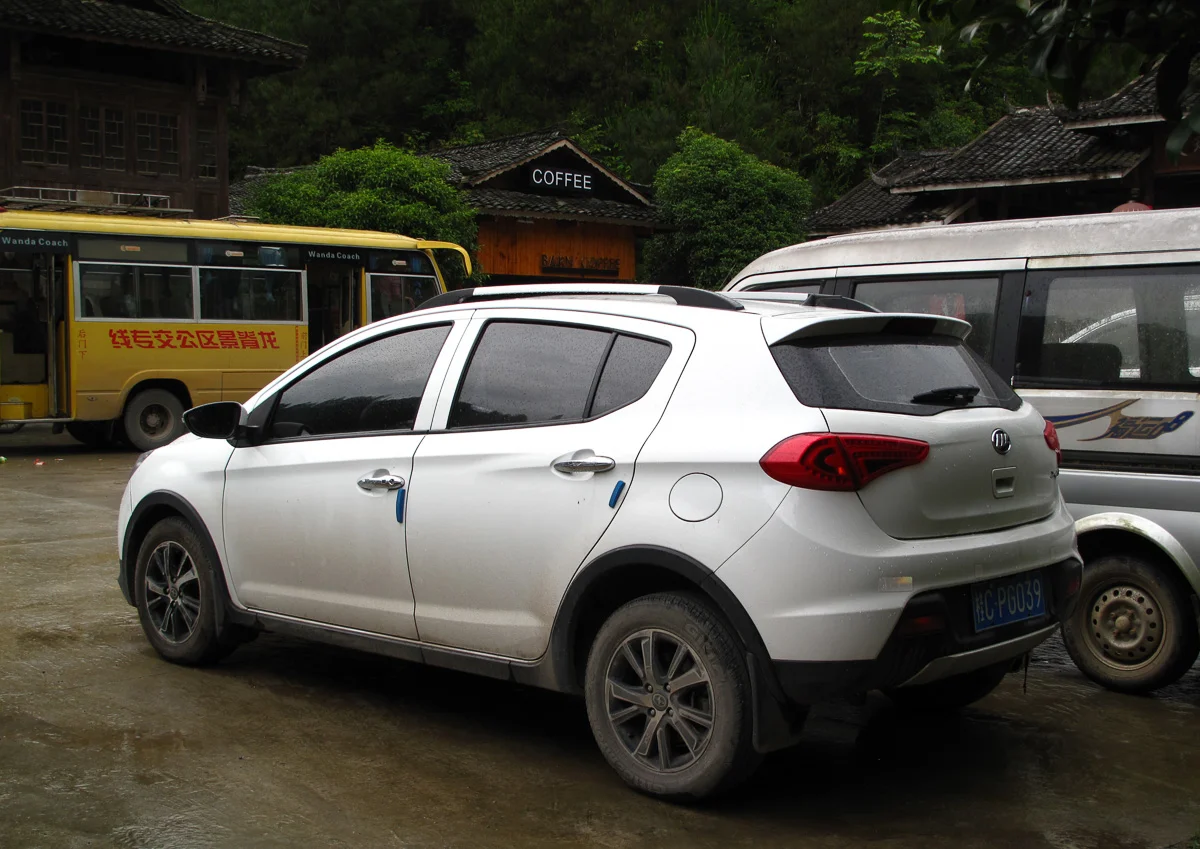
Two compact SUVs, two different camping compromises
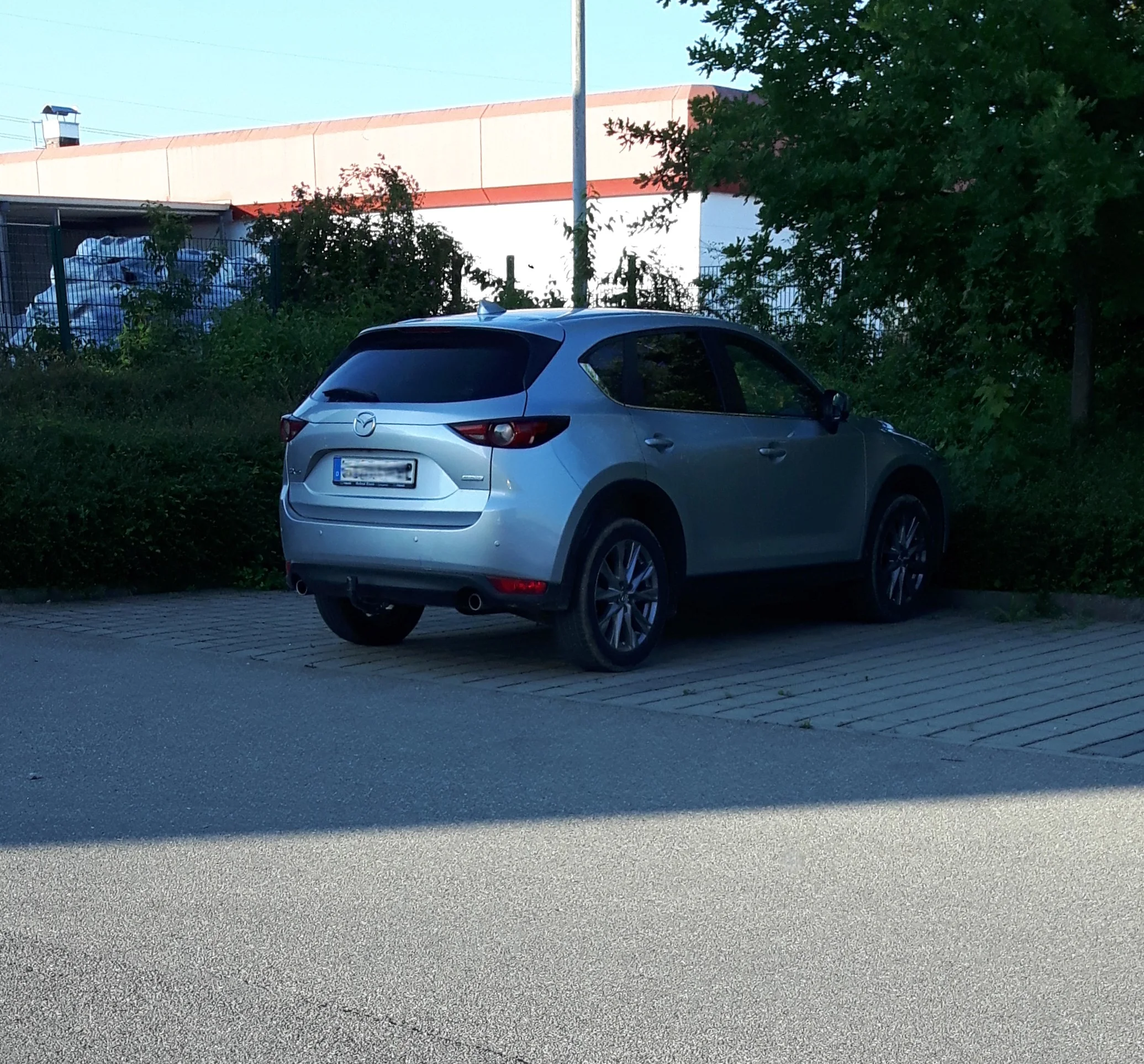
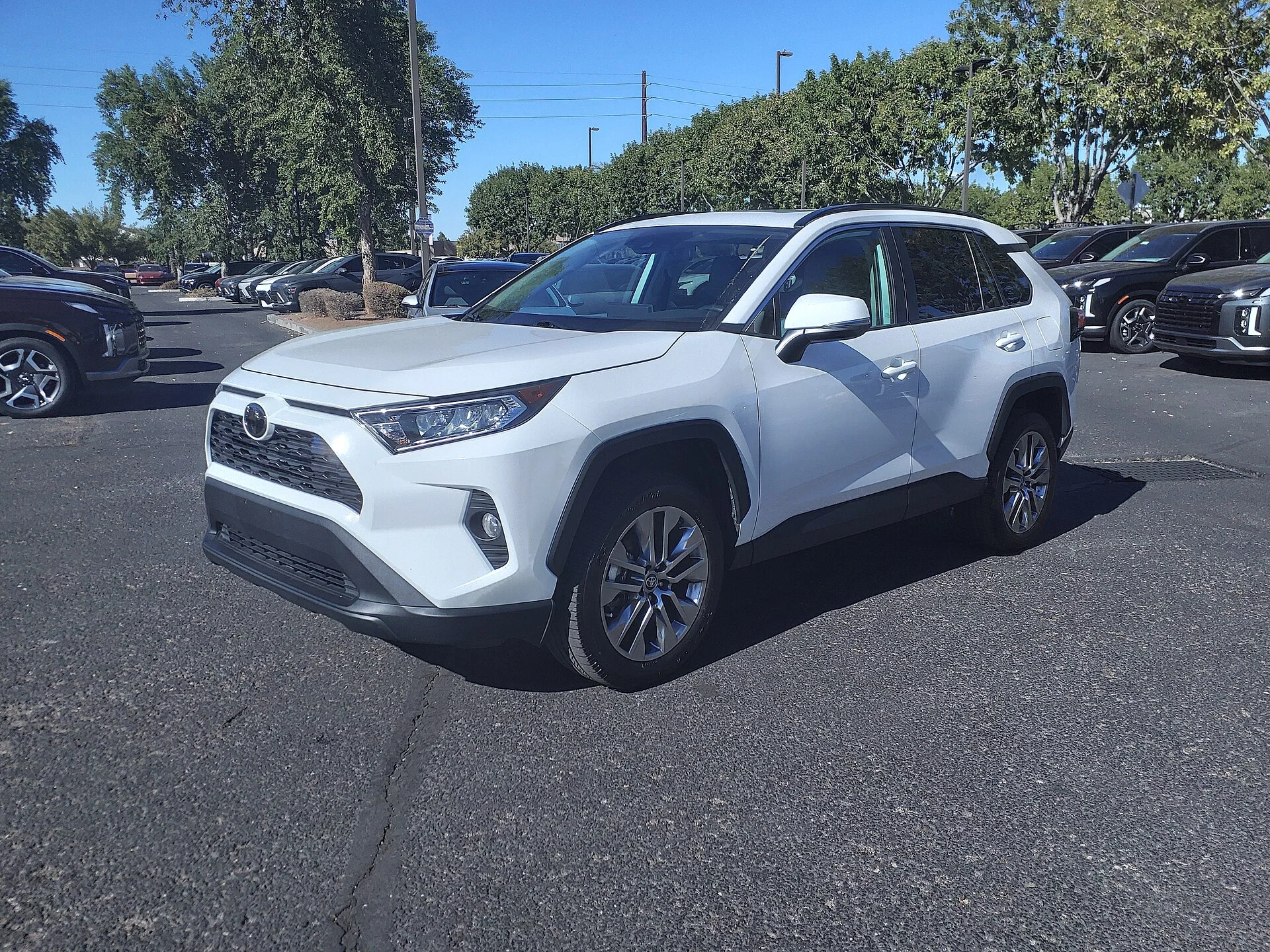
The Mazda CX-5 and the Toyota RAV4 are the two compact SUVs most people cross-shop, and both make perfectly good occasional campers. But they solve the sleep-in-your-car problem from opposite ends: the RAV4 leans utility, with more cargo room and a longer flat floor, while the CX-5 leans refinement, with a nicer interior and a better drive but a tighter cargo bay.
Neither is a van, so both need the same basic treatment to sleep in — seats folded, a mattress cut to the floor, and window shades for privacy. The real question is which one leaves you more usable space once all that is in place, and which one you’d rather live with the other 360 days a year.
This comparison walks the things that actually matter overnight: cargo space and floor length, how flat the bed really is, power for your gear, and which SUV suits the kind of camping you do.
Cargo space and sleeping length: the RAV4 pulls ahead
This is the category that decides most car-camping buys, and it’s the RAV4’s clearest win.
| Spec | Mazda CX-5 | Toyota RAV4 |
|---|---|---|
| Cargo behind rear seats | 29.1 cu ft | 37.5 cu ft |
| Cargo, rear seats folded | 59.3 cu ft | 69.8 cu ft |
| Folded floor length | Shorter | ~73 in |
| Width between wheel wells | Tighter | ~39.4 in |
| Rear-seat split | 40/20/40 | 60/40 |
| Cargo AC outlet | 12V | 120V/1500W (Prime only) |
The RAV4 gives you roughly 10 more cubic feet with the seats down and, more importantly for sleeping, a longer load floor — about 73 inches, enough for a twin mattress (38×75 in) with a little room to spare. The CX-5’s 59.3 cubic feet is genuinely usable but shorter, so taller campers will feel the pinch and may end up sleeping slightly diagonally.
Neither floor is perfectly flat when you fold the seats — both leave a slight step and a gentle slope toward the front. That’s normal for the class, and the fix is the same for both: a foam topper or an inflatable mattress sized to the cargo area that bridges the seams into a level surface.
The sleeping platform
Fold the RAV4’s 60/40 rear bench and you get a longer, wider, more rectangular bay — the shape you want when the goal is simply to lie flat for the night. Most adults can stretch out fully on a twin pad, and a couple can make it work with a snug fit and gear moved to the front seats.
The CX-5’s 40/20/40 split is actually the more flexible arrangement for mixed loads — you can drop the center pass-through for long items and keep two seats up — but as a full sleeping platform it’s shorter and narrower. It’s comfortable for one, tight for two.
For either SUV, the honest advice is to measure your cargo area and buy a cargo-area camping mattress cut to fit rather than dragging in a household air bed that leaves gaps at the wheel wells. A fitted pad is what turns a folded back seat into a real bed in either vehicle.
One practical trick works in both: slide the front seats all the way forward and recline them, and you reclaim a few extra inches of usable length past the folded seat backs. In the RAV4 that’s often enough for a taller sleeper to fully straighten out; in the CX-5 it’s the difference between a cramped night and a comfortable one. Neither vehicle needs a roof tent or a conversion kit to work as a one-night camper — the stock cargo area, a pad, and some planning are enough for weekend trips.
Power for your gear
Neither of these is an EV with vehicle-to-load power, so plan to bring your own overnight electricity in most cases.
The one exception is the RAV4 Prime plug-in hybrid, which adds a 120V/1500W household outlet in the cargo area — enough to run a portable fridge, charge a laptop, or top up devices straight from the car. That is a genuine camping advantage the CX-5 has no answer for. Standard RAV4 trims and the CX-5 both stick to 12V outlets.
If you don’t have a Prime, the simple, reliable fix for either SUV is a portable power station — it runs your fridge and lights all night without touching the starter battery, so you never risk a no-start in the morning. Size it to the fridge’s running watts and you’re covered for a long weekend.
Living with it: drive, interior, and ownership
A camping SUV also has to be your everyday car, and here the CX-5 makes its case.
- Drive and interior: the CX-5 is the more engaging drive and has the plusher, quieter cabin — it consistently feels a class above on material quality and road manners.
- Practicality: the RAV4 answers with more total space, a boxier body that’s easier to load, available rugged trims, and Toyota’s hybrid and plug-in-hybrid range for better fuel economy on long drives to the trailhead.
- Reliability and resale: both brands score well, and the RAV4’s enormous popularity means strong resale and easy parts and service anywhere you roam.
Fuel economy is worth a mention for people who drive long distances to camp. Both offer efficient hybrid powertrains, but Toyota’s hybrid and plug-in hybrid lineup is broader and its hybrid system is a known quantity for high-mileage road trips — a real consideration if your campsites are hundreds of miles away. The CX-5 counters with an available turbocharged engine that’s more satisfying when you’re not carrying a full camp load.
Put simply: the CX-5 is the nicer thing to drive to the campsite; the RAV4 is the better thing to sleep in and pack once you get there.
Which should you camp in?
Match the SUV to the kind of camping you actually do:
- Choose the Toyota RAV4 if car camping is a real priority — you want the longer flat floor, the extra ~10 cubic feet, a boxy easy-to-load bay, and (in the Prime) a 1500W outlet to power camp.
- Choose the Mazda CX-5 if the vehicle is mostly a daily driver that camps occasionally, and you value a nicer interior and a better drive — you’ll trade some cargo room for it.
- Camp as a couple often? The RAV4’s width and length make two-person sleeping far more realistic than the CX-5’s.
Budget matters too. The CX-5 often undercuts a comparably equipped RAV4 on sticker price and can be the better value if you don’t need the last measure of space, while the RAV4’s strong resale helps offset its cost over time. If you want the full single-vehicle picture, see the deeper single-vehicle guides on sleeping in each one before you decide.
The verdict
For car camping specifically, the Toyota RAV4 is the better tool: more cargo volume, a longer and more usable flat floor, easier loading, and an available 1500W outlet on the Prime that turns it into a genuine power source at camp.
The Mazda CX-5 is the better all-round vehicle to own and drive — plusher, quieter, more fun on a back road — and it still sleeps one comfortably with a fitted pad. Its trade-off is simply space.
Pick the RAV4 if the back of the SUV is where you plan to spend nights; pick the CX-5 if the driver’s seat is where you spend your life and camping is the occasional bonus. Either way, a mattress cut to the floor, window shades, and a power source turn a compact SUV into a capable basecamp.