
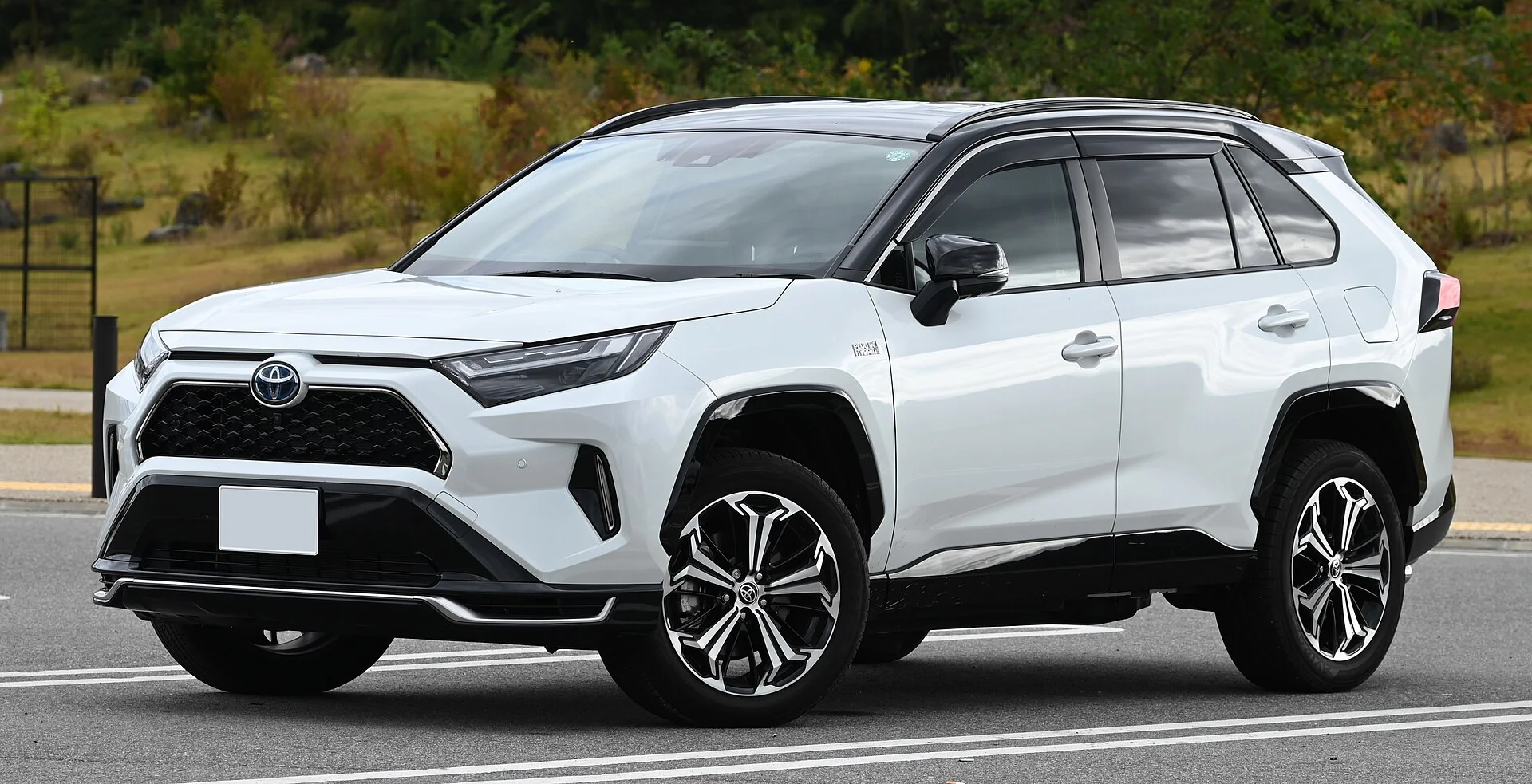
Two best-sellers, two takes on the same job
The Toyota RAV4 and the Honda CR-V are the two compact SUVs almost every car-camper cross-shops, and for good reason: they are the best-selling vehicles in the class and both make a genuinely usable one- or two-night camper once the rear seats go down. They just get there differently. The CR-V leans roomy and squared-off, with a bit more cargo volume and a famously flat load floor, while the RAV4 leans rugged and utilitarian, with a boxy, upright bay and available all-terrain trims.
Neither is a van, so both need the same basic treatment to sleep in — seats folded, a mattress cut to the cargo floor, and window shades for privacy. The real question is which one leaves you more usable, level space at 2am, and which you'd rather live with the other 360 days a year. This comparison walks the numbers that actually decide it: cargo space and floor length, how flat the bed really is, power for your gear, and daily livability.
Cargo space and sleeping length: the CR-V edges ahead
This is the category that decides most car-camping buys, and on paper it is a narrow win for the Honda.
| Spec | Toyota RAV4 (2026) | Honda CR-V (2026) |
|---|---|---|
| Cargo behind rear seats | 37.8 cu ft | 39.3 cu ft (gas) |
| Cargo, rear seats folded | 70.4 cu ft | 76.5 cu ft (gas) |
| Hybrid, seats folded | ~69 cu ft | 71.8 cu ft |
| Load-floor shape | Boxy, upright, flat | Wide, long, very flat |
| Rear-seat split | 60/40 | 60/40 |
| Household AC outlet | Available (plug-in hybrid) | None (12V) |
The gas CR-V gives you roughly 6 more cubic feet with the seats down (76.5 vs 70.4) and a slightly longer, notably flat load floor — the shape you want when the goal is simply to lie flat. Hybrid-to-hybrid the gap shrinks, since the CR-V Hybrid drops to about 71.8 cubic feet and every 2026 RAV4 is now a hybrid. Both floors leave a small step and a gentle slope toward the front when folded; that's normal for the class, and the fix is the same in either — a foam topper or an inflatable mattress sized to the cargo bay that bridges the seams into a level surface.
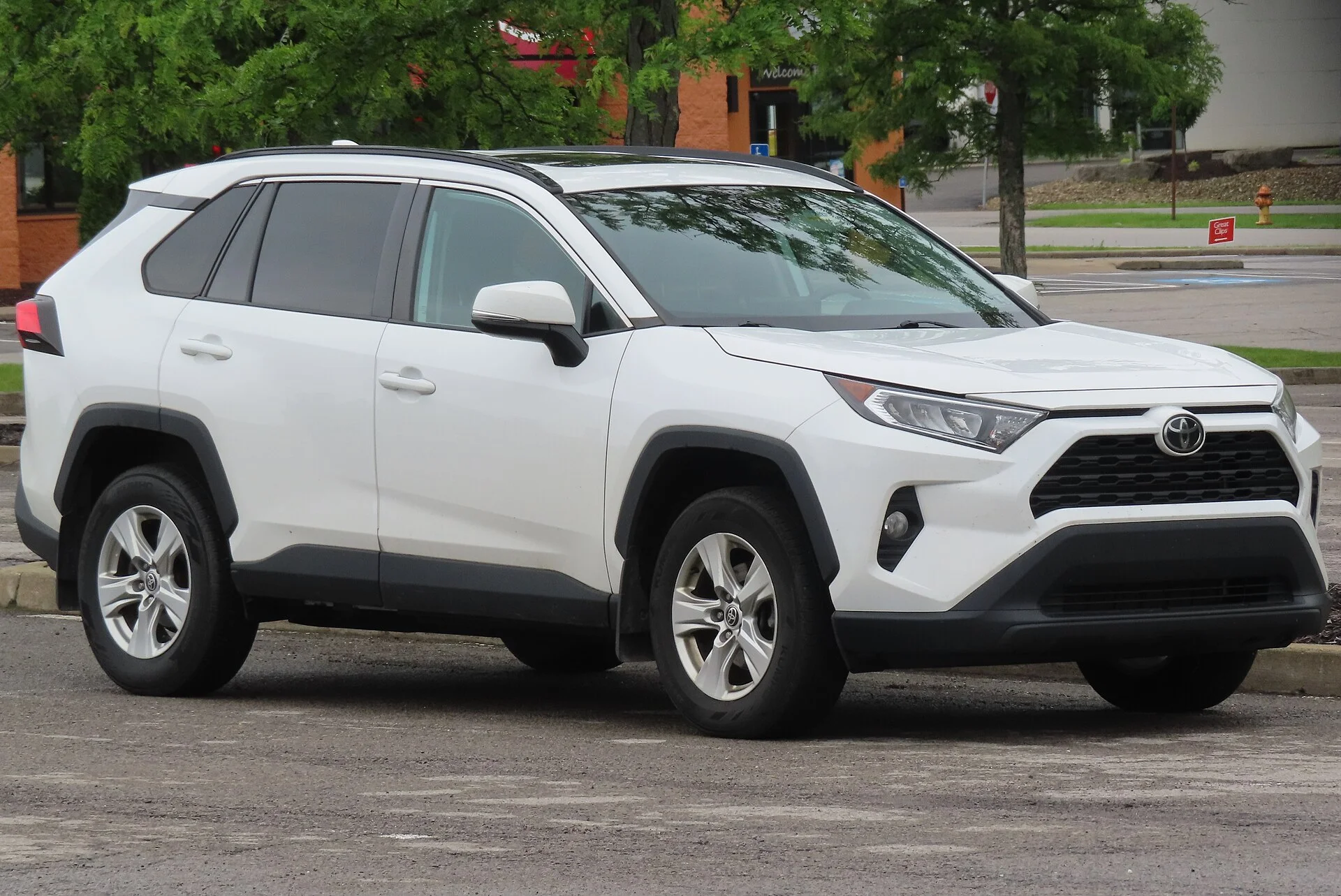
The sleeping platform
Both SUVs sleep one adult comfortably on a fitted pad and two with a snug fit; the CR-V's flatter, slightly longer floor is the easier of the two to turn into a real bed.
Fold the CR-V's 60/40 bench and you get a long, wide, unusually flat bay — Honda has long tuned this load floor to sit close to level, which means less work with a topper to get a flat night's sleep. Most adults can stretch out fully on a twin-width pad, and a couple can make it work with gear moved to the front seats.
The RAV4's bay is a touch shorter and its 2026 redesign gives it a more upright, square profile that's easy to load with bulky bins and coolers, even if the raw sleeping length trails the Honda slightly. For either vehicle, measure your cargo area and buy a cargo-area camping mattress cut to fit rather than dragging in a household air bed that gaps at the wheel wells. One trick works in both: slide the front seats all the way forward and recline them to reclaim a few inches of usable length past the folded seat backs — often the difference between a cramped night and a comfortable one for a taller sleeper.
Two details separate a good night from a rough one in either SUV. First, insulate from below: a folded floor sits close to the cold air passing under the car, so a pad with real R-value (or a foam layer beneath an air mattress) matters more than thickness alone. Second, manage condensation — two people breathing in a sealed compact SUV will fog the glass by morning, so crack a window a half-inch on each side, ideally behind a bug screen. Both the RAV4 and CR-V have flat-enough floors that these habits, not the vehicle, end up deciding how comfortable the night actually is.
Power for your gear
Neither of these is a full EV with vehicle-to-load power, so plan to bring your own overnight electricity in most cases. The gap here comes down to one trim.
The one real advantage belongs to the plug-in RAV4: on the plug-in hybrid, Toyota offers an available 120V/1500W household-style outlet in the cabin — enough to run a portable fridge, charge a laptop, or top up devices straight from the car. That's a genuine camping edge the CR-V has no factory answer for; the CR-V, gas or hybrid, sticks to 12V and USB power. If you don't have the plug-in RAV4, the simple, reliable fix for either SUV is a portable power station — it runs your fridge and lights all night without touching the starter battery, so you never risk a no-start in the morning. Size it to the fridge's running watts and a long weekend is covered. This is the great equalizer between the two: with a power station in the trunk, the outlet difference stops mattering for most weekend trips.
Living with it: drive, interior, and ownership
A camping SUV also has to be your everyday car, and here the two trade blows rather than one running away with it.
- Interior and comfort: the CR-V's cabin feels roomy and upscale for the class, with a low, flat floor that helps both passengers and sleepers; the RAV4's is more rugged-functional.
- Ruggedness: the RAV4 counters with available all-terrain and Woodland-style trims, more ground clearance in those versions, and a boxy body that shrugs off rough forest-road approaches to a campsite.
- Efficiency: both offer efficient hybrid powertrains for the long drive to the trailhead, and the plug-in RAV4 adds short all-electric commutes plus that 1500W outlet.
- Reliability and resale: both brands score well and hold value; the RAV4's enormous popularity means easy parts and service anywhere you roam.
Put simply: the CR-V is the roomier, plusher thing to sleep and ride in, while the RAV4 is the more trail-ready thing to point down a dirt road — and the only one that can power camp from a factory outlet.
Which should you camp in?
Match the SUV to the kind of camping you actually do:
- Choose the Honda CR-V if sleeping space is the priority — you want the flattest, longest folded floor, the extra ~6 cubic feet, and a roomy cabin you'll appreciate on the drive too.
- Choose the Toyota RAV4 if your campsites are down rough roads, you want available all-terrain hardware, or you want the plug-in hybrid's 1500W outlet to run gear without a separate power station.
- Camp as a couple often? Both are tight for two; the CR-V's flatter, slightly longer floor makes two-person sleeping a little more realistic.
Budget and availability matter too. The two are priced within a hair of each other trim-for-trim, and both hold their value unusually well, so this rarely comes down to money — it comes down to space versus ruggedness. If you want the full single-vehicle picture, read the deeper guides on sleeping in each before you decide.
The verdict
For car camping specifically, the Honda CR-V is the slightly better tool: more folded cargo volume, a longer and unusually flat load floor, and a roomy cabin make it the easier of the two to turn into a level, comfortable bed. It's the pick if the back of the SUV is where you plan to spend nights.
The Toyota RAV4 answers with ruggedness the Honda can't match — available all-terrain trims, a boxy load-friendly bay, and, uniquely, a plug-in hybrid with a 1500W outlet that turns it into a power source at camp. Pick it if you drive rough roads to your sites or want factory power without a station.
Either way, the honest truth is that these two are close enough that you won't regret the one you buy. A mattress cut to the folded floor, window shades, and a power source turn both into a capable weekend basecamp — the CR-V just starts a half-step closer to a flat bed, and the RAV4 a half-step closer to the trailhead.