
First, the Basics
Maximizing privacy and security while sleeping in your car isn't about building a fortress, it's about smart, low-cost tactics that keep you from becoming a target or a spectacle. Think of it as your $50 version of a hotel room, but with better stargazing. This isn't about expensive modifications; it's about knowing what actually works when you're parked somewhere less than ideal.
My first few nights were spent feeling like I was on display, which quickly taught me that a little effort goes a long way. It's about blending in, not standing out, and making sure you can actually get some sleep without worrying about who's peeking in. The goal is peace of mind, and that doesn't require a hefty investment. Casper Blog provides basic tips for comfort and safety. YogaSlackers also touches on security for gear.
The Core Answer
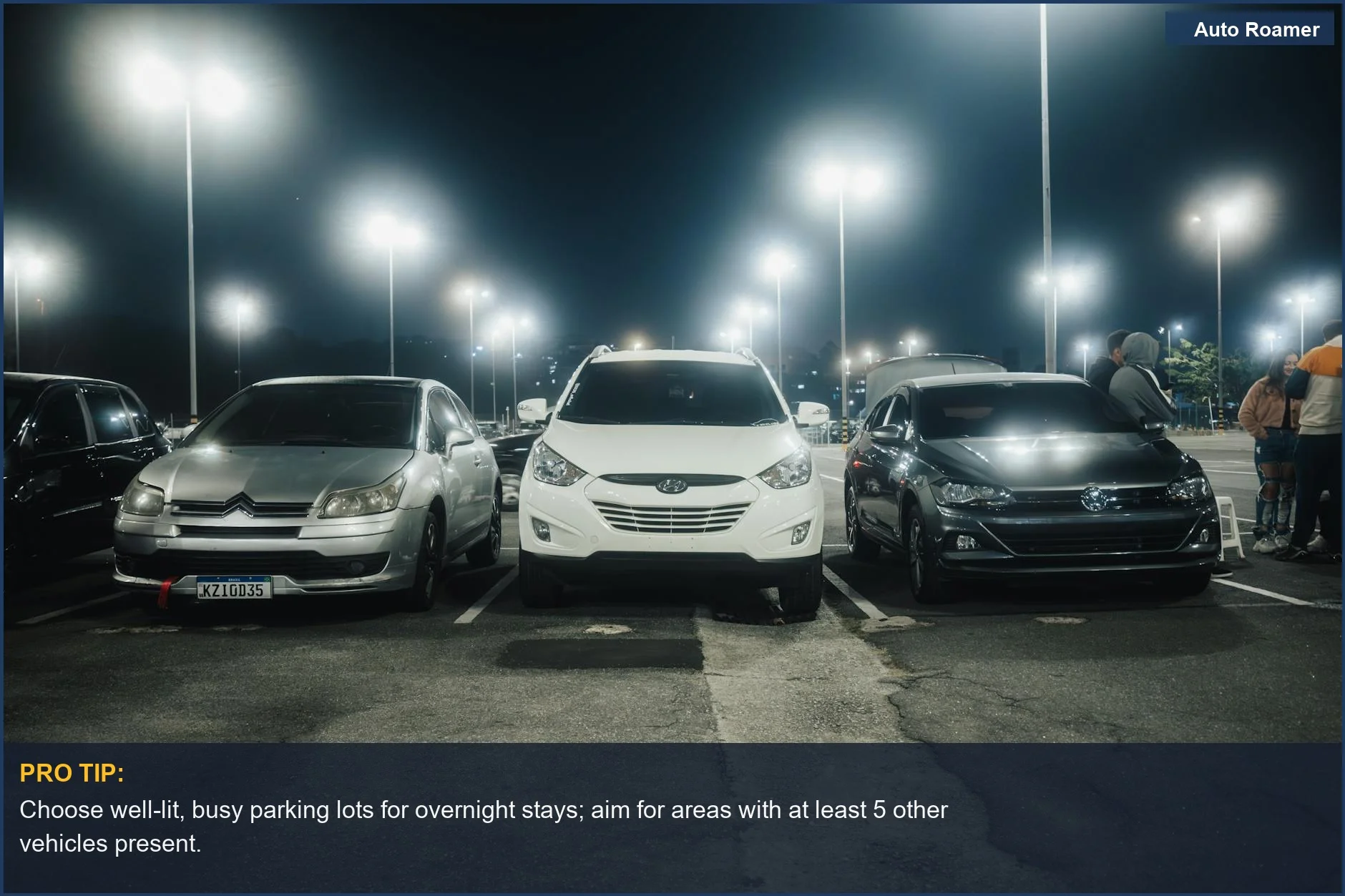
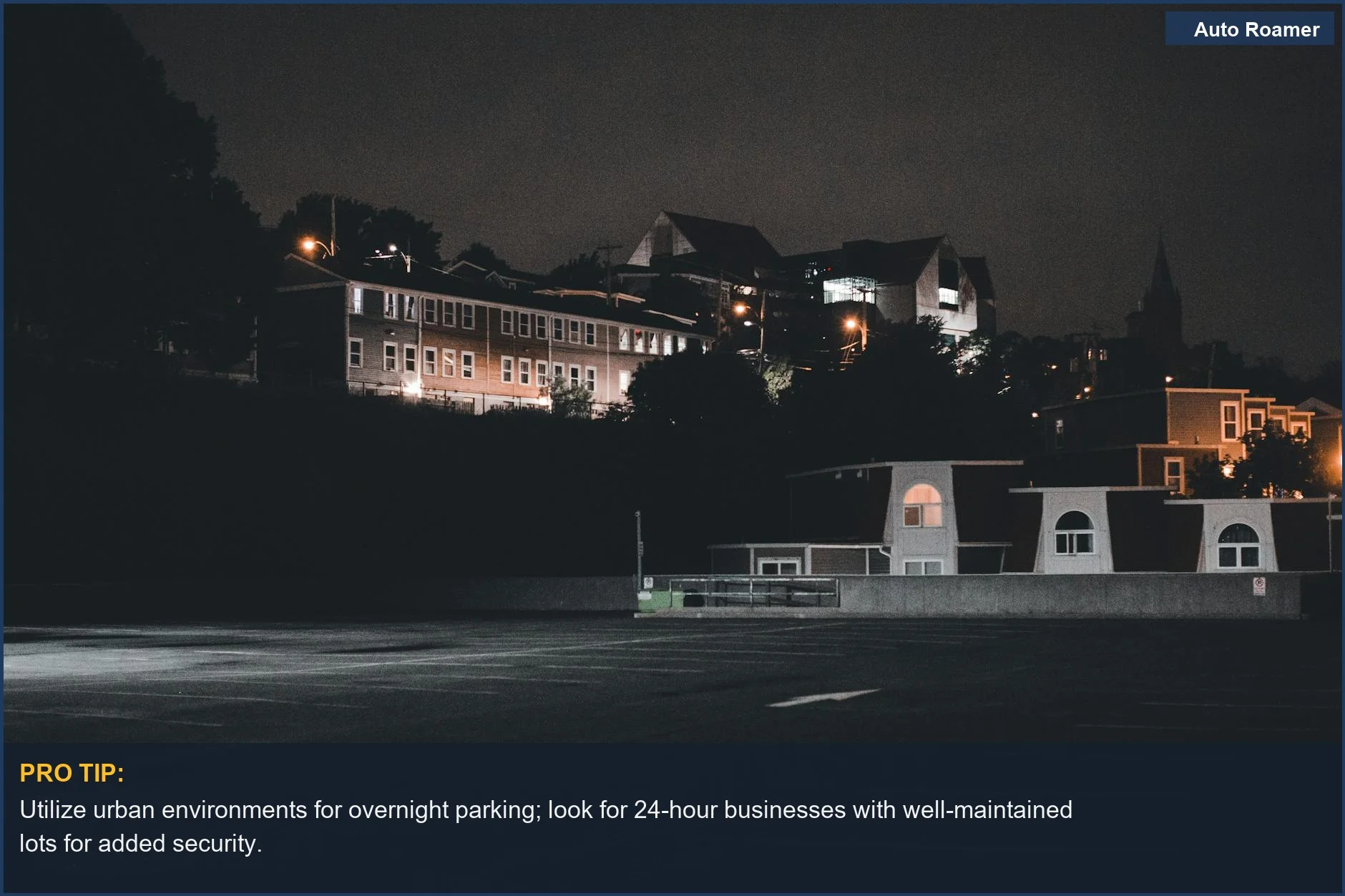
The real move for car camping privacy is a layered approach, starting with where you park. Nobody is going to bother you if you're parked in a well-lit, busy area late at night, like a 24-hour diner parking lot. That's game-time strategy right there. Avoid dark, isolated spots where you become an easy target. Reddit users often stress parking in visible, populated areas.
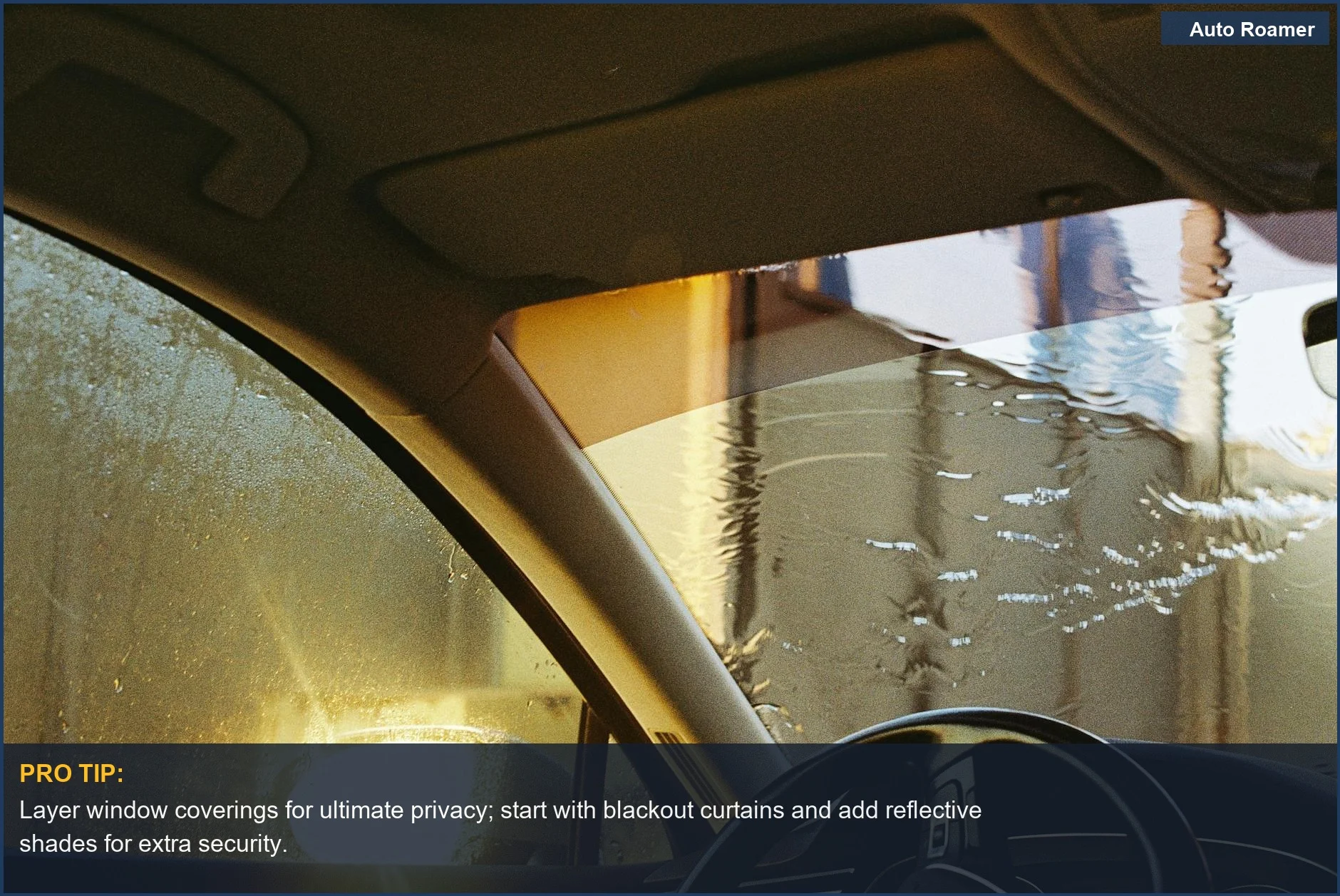
Next up: window coverings. Forget fancy curtains. A few cheap towels or blankets stuffed into the windows work wonders. Beach towels work fine as window covers for your first few trips. They block light and make it impossible to see inside. Reflective sunshades are even better, and you can often find a set for under $30. These also help keep the car cooler during the day. Casper Blog suggests sun shades or towels.
For the front windshield, a single, large piece of cardboard or a dedicated windshield cover is key. This blocks the biggest window and is crucial for feeling truly hidden. I found a large piece of moving box cardboard that I cut to size. It cost me zero dollars and made a huge difference. It's the $0 version of a custom cover. Quora mentions truckers using rear curtains as an analogy.
Tinted windows are a good investment if you plan on doing this often, but they aren't essential for a first-timer. A good rule of thumb is to aim for windows that are dark enough from the outside to obscure your movements. If you can see out easily, people can see in easily. It's a rookie mistake to leave windows completely clear. Reddit users often mention tinted windows as a primary solution.
Consider a small, battery-powered motion-sensing alarm if you're really concerned about security. You can place it near your door. It won't stop a determined thief, but it'll alert you to anyone approaching your vehicle unexpectedly. I haven't personally used these, but I've seen folks on Facebook groups swear by them for peace of mind.
Finally, keep your car looking unremarkable. Don't leave expensive gear visible through the windows. Pack it away or cover it up. The less your car screams 'camper,' the better. Nobody needs to see your $300 sleeping bag laid out in broad daylight. EcoFlow talks about blending in.

Why This Matters for Your Setup
Why does all this matter? Because feeling exposed is the fastest way to ruin a perfectly good car camping trip. This is easy to learn the hard way at a busy state park. It was a beautiful spot, but I hadn't bothered with window coverings beyond my built-in tints. By 10 PM, I felt like I was in a fishbowl with people walking by constantly. It made me anxious and I barely slept.
Here's the breakdown of what actually makes a difference:
- Window Coverings: This is your primary defense. For side and rear windows, think cheap and effective. Cut-to-fit cardboard, old towels, or even dark-colored blankets work. I've seen people use thick felt from a craft store too. The goal is opacity. Islands.com mentions affordable solutions.
- Front Windshield Cover: This is non-negotiable for true privacy. It blocks the largest view and makes your car look unoccupied.
A custom-fit one is nice, but a large piece of cardboard cut to size is the $0 version that works just as well. Brilliant engineering, really.
- Strategic Parking: This is huge. Park where there's foot traffic, but not so much that people are staring. Think near businesses that are open late or in areas with other parked cars. Avoid isolated spots. EcoFlow discusses finding good spots.
- Keep it Clean: Don't leave anything valuable visible.
This is basic common sense, but easily forgotten when you're tired. Stuff it in the trunk or under a seat. It's the honest version of security.
Making the Right Choice
Making your car a private sanctuary for sleeping is all about smart, inexpensive tricks. You don't need to spend a fortune to feel secure and get a decent night's rest. My first few trips were a mess of paranoia and discomfort until I figured out the simple stuff. It's about understanding what actually works in the real world, not just what sounds good on paper.
Here's the take-home message:
- Prioritize Window Coverings: This is your biggest bang for your buck. Cheap materials can provide excellent privacy. Islands.com highlights affordability.
- Location, Location, Location: Where you park is half the battle. Think visibility and safety. Avoid feeling like you're hiding in plain sight.
- Keep it Simple: Don't overcomplicate things with expensive gear. The $50 version often outperforms the $500 version when it comes to basic privacy. My $12 fleece liner is proof of that.
YogaSlackers emphasizes practical systems.
- Test It Out: The best way to learn is by doing. Try a few different methods on a short trip and see what works best for you and your vehicle. YouTube has tons of DIY build ideas.