
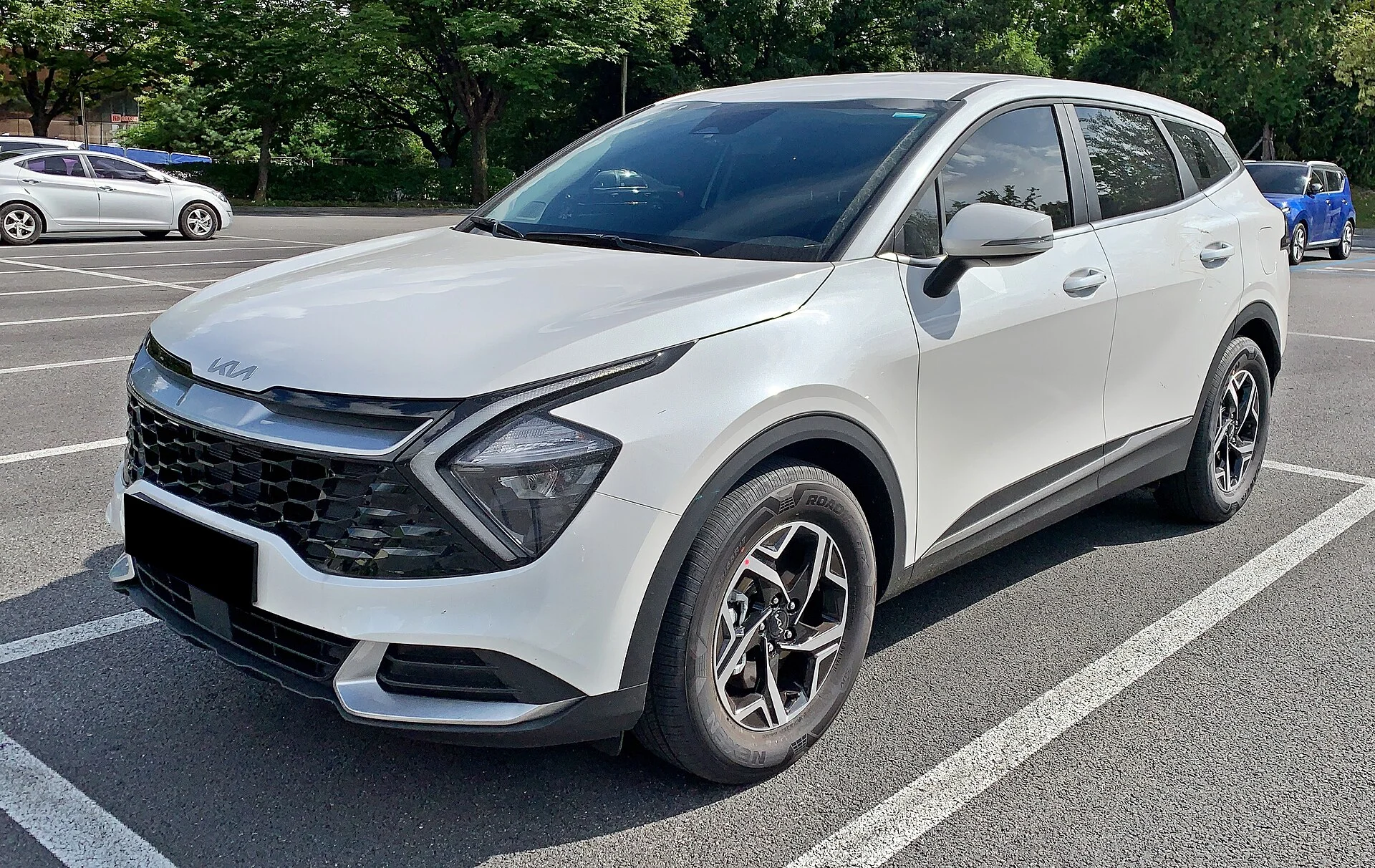
The Short Answer: The Mazda Wins the Drive, the Kia Wins the Campsite
The Mazda CX-5 collects the driving-dynamics praise, and plenty of buyers assume the enthusiast favorite must also be the better camping vehicle. That's a claim worth checking, and when you check it, it doesn't hold. You don't carve corners at a campsite - you sleep there - and by the measurements that decide a night's rest, the Kia Sportage is the more practical pick.
The numbers are lopsided where it counts. The Sportage holds roughly 15 cubic feet more max cargo than the CX-5 with the seats down - 74.1 versus 59.3 cubic feet - and its larger, boxier cargo hold makes for a longer, flatter sleeping platform than the more sloped CX-5. It also clears more in all-wheel drive: 8.3 inches against the CX-5's 7.9 at most.
The CX-5's genuine counters are standard i-Activ all-wheel drive and a larger 15.3-gallon fuel tank versus the Sportage's 14.3. Those are real, but they're not the bed. So the honest framing is this: the CX-5 is the better vehicle to drive to the site, and the Sportage is the better vehicle to sleep in once you're there. This guide is about which of those you're actually buying it for.
The Claim vs the Numbers: Cargo
Start with the spec that most separates them, because it's not close. The Sportage offers a maximum 74.1 cubic feet of cargo with the rear seats folded - 69.3 on trims with the panoramic sunroof - while the CX-5 offers 59.3 cubic feet. That's the Sportage holding roughly 15 cubic feet more max cargo than the CX-5. Fifteen cubic feet is not a rounding error; it's a meaningful difference in both gear capacity and bed size.
The gap holds behind the seats too. The Sportage holds up to 39.6 cubic feet behind the rear seats (36.6 on higher trims), while the CX-5 holds 29.1. So whether the seats are up or down, the Sportage is the bigger box by a wide margin. For a vehicle you're partly buying to sleep in, that's the number the driving-feel reviews never weigh.
Here's the skeptic's point: the CX-5's reputation is built on how it drives, a quality that evaporates the moment you park and unroll a sleeping pad. The Sportage's 15-cubic-foot cargo advantage, by contrast, is with you every night. When the marketing praises one thing and the tape measure favors the other, the tape measure is what you'll live with at the campsite.
The Bed: Boxy Beats Sculpted
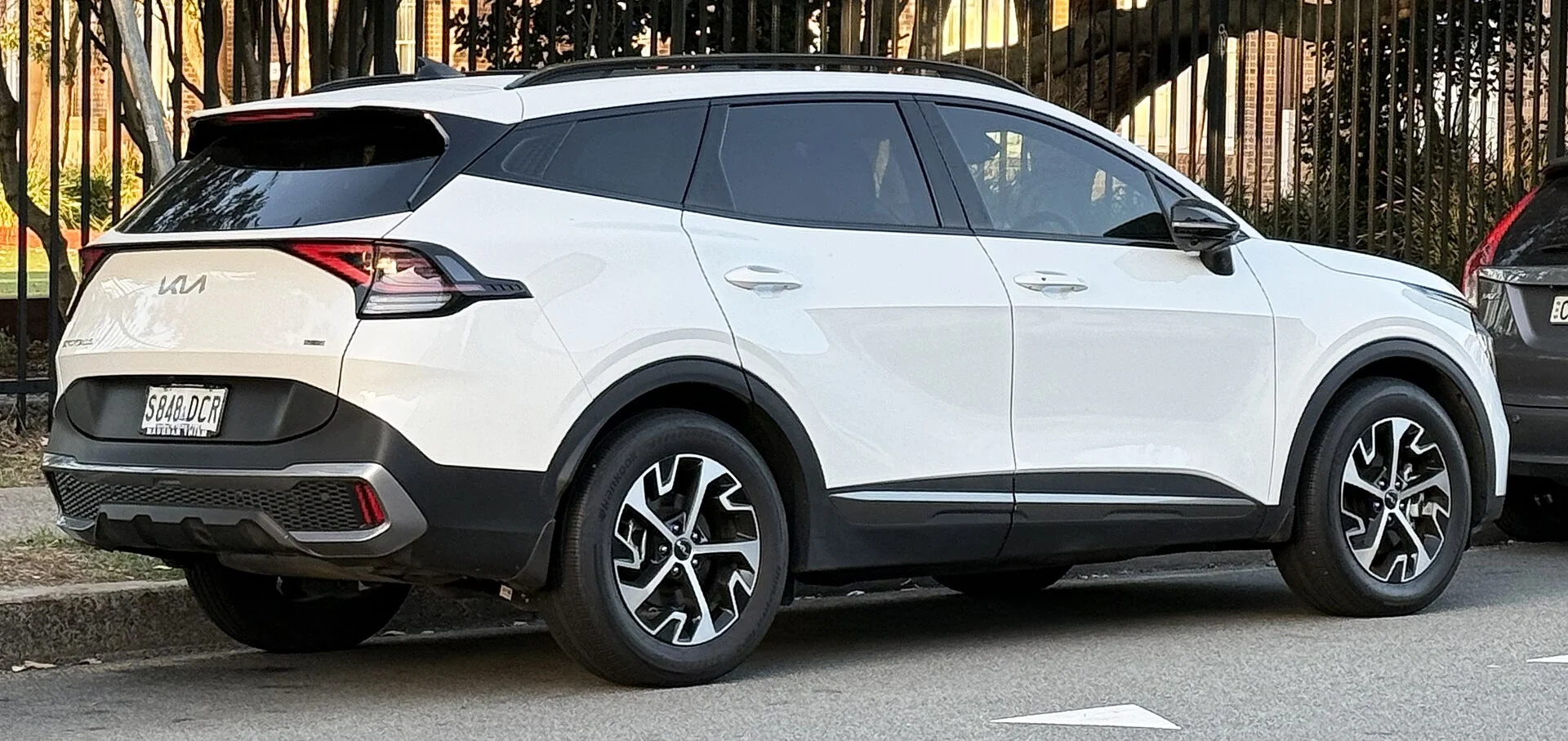
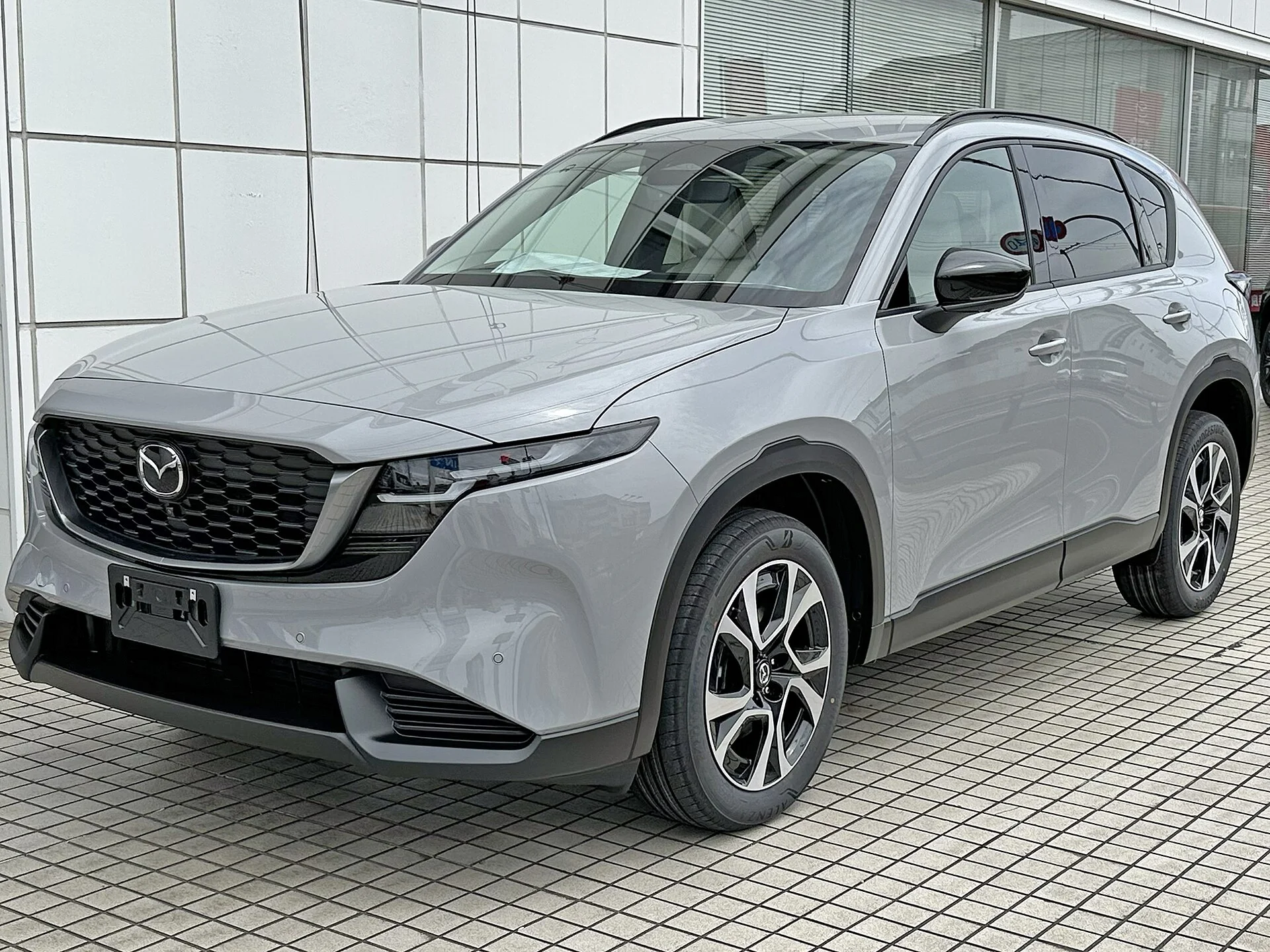
The reason the Sportage sleeps better isn't just raw volume - it's shape. The Sportage's larger, boxier cargo hold makes for a longer, flatter sleeping platform than the more sloped CX-5. Mazda's sculpted, tapering roofline and rear end look great in a parking lot and cost you usable interior space exactly where a mattress needs it - flat length and squared-off width.
This is the trade-off Mazda's styling makes and rarely admits. A sleek, fast-sloping cargo area photographs beautifully and drives with a premium feel, but it narrows and lowers toward the tailgate, which is the worst place to lose room when you're lying down. The Sportage's more upright, boxy shape is less glamorous and more useful - it keeps the walls vertical and the floor long.
For a camper, boxy beats sculpted every time. Pair either vehicle with a good sleeping pad and the Sportage simply gives you more flat, square space to lay it out. The CX-5's shape is a styling win and a camping compromise; the Sportage's is the opposite, and at the campsite the opposite is what you want.
It's worth being specific about where the sloped roofline hurts. A tapering rear means the ceiling drops toward the tailgate, right where your head or feet end up, and the narrowing walls eat the squared-off width a mattress wants. In the Sportage's boxier hold, the walls stay more vertical to the tailgate, so the usable sleeping rectangle is both longer and wider in practice than the raw volume difference alone suggests. Styling that looks fast on the showroom floor quietly costs you exactly the space you notice most when lying down.
Getting There: AWD Standard vs AWD That Clears More
This is where the CX-5 lands its best punch, and where the Sportage answers with a number. The CX-5 comes standard with i-Activ AWD, which is always engaged and proactively monitors wheel loads - a genuinely good, sophisticated system included on every trim. The Sportage offers front-wheel drive standard with available all-wheel drive, so you have to option AWD rather than getting it standard.
But once both have all-wheel drive, the Sportage clears more ground. The Sportage has 7.1 inches of clearance in front-drive and 8.3 inches in AWD, while the CX-5 has 7.6 inches on base trims and 7.9 on the rest. In AWD form the Sportage clears more than the CX-5 - 8.3 versus up to 7.9 inches. For reaching a rutted or snowy campsite, that half-inch-plus of extra clearance matters more than the AWD system's cleverness.
So the honest read is a split decision on getting there. The CX-5 gives you a better, standard all-wheel-drive system; the Sportage gives you more clearance once you've optioned AWD. For campsite access specifically - where scraping the belly on a berm is the real risk - the Sportage's ground clearance is the more useful of the two advantages, though a CX-5 buyer who values standard AWD isn't wrong to weigh it heavily.
Powertrains: A Wash on the Base, Options Diverge
The base engines are near-identical twins. The Sportage's base engine is a 2.5-liter 4-cylinder producing 187 horsepower and 178 lb-ft of torque, and the CX-5's base engine is a 2.5-liter 4-cylinder making 187 horsepower and 186 lb-ft. Same displacement, same 187 horsepower, nearly the same torque. On the base powertrain, there's nothing to choose between them.
The options are where they split, and each offers something the other doesn't. The Sportage Hybrid uses a 1.6-liter turbo four with an electric motor for 227 horsepower, and its plug-in hybrid reaches a combined 261 horsepower - electrified options the CX-5 doesn't match. The CX-5 counters with an optional 2.5-liter turbo making 227 horsepower, a punchier gas engine but not an efficiency play.
For camping, none of this is decisive. Both base engines are perfectly capable of hauling a loaded crossover to a site, and the exotic options are more about daily-driving preference than campsite performance. If efficiency on long hauls matters, the Sportage's hybrid options are the more relevant choice; if you just want a stronger gas engine, the CX-5 turbo delivers. Otherwise, treat the powertrains as a wash.
Fuel and Tank: The CX-5's One Clear Win
Credit where it's due: the CX-5 has a genuine, uncomplicated advantage in fuel capacity. The CX-5 has a 15.3-gallon fuel tank versus the Sportage's 14.3 gallons - a full gallon more. On a long drive to a remote site, that extra gallon translates to a bit more range between fill-ups, which is a real, if modest, benefit for the kind of far-flung camping where stations are scarce.
Efficiency is close and slightly favors the base CX-5. The CX-5 non-turbo is EPA-rated up to 26/31/28 mpg, while the Sportage gas model is rated 25/32/28 in front-drive and 23/27/25 in all-wheel drive. Combined with the bigger tank, the CX-5 has a small edge in real-world range on the base gas engines - the Sportage claws some of it back with its hybrid options, which the CX-5 lacks.
So the CX-5's tank-and-efficiency edge is real but narrow. A gallon of tank and a couple of combined mpg won't change where you can camp, but they're honest points in the Mazda's favor, and a long-distance camper who buys gas might value them. It's the clearest thing the CX-5 wins outright that actually pertains to a trip, as opposed to the driving feel that doesn't.
Price: Close, With an AWD Asterisk
On price, the two are close, with one wrinkle worth understanding. The Sportage starts at $27,390 MSRP for the LX, and the CX-5 starts around $28,770 to $29,050 with all-wheel drive standard. So the base Sportage undercuts the base CX-5 - but that base Sportage is front-wheel drive, while the CX-5's price already includes AWD.
Here's the asterisk: adding all-wheel drive to the Sportage costs about $1,800 to $2,600 depending on trim. Factor that in, and an AWD Sportage lands close to a CX-5's standard-AWD price. So the Sportage's apparent price advantage narrows once you match it to the CX-5's included all-wheel drive - a fair-comparison detail the sticker price hides.
The skeptic's takeaway on price is that these two are effectively priced alike once you compare like for like. Don't let the Sportage's lower headline number fool you if you want AWD, and don't assume the CX-5 is overpriced when its number already includes a system the Sportage charges extra for. Price is close to a wash; decide on the bed, the clearance, and the tank instead.
Who Should Buy the CX-5
The CX-5 is the right choice for the buyer whose vehicle spends far more time driving than camping. If you commute daily, value a premium, engaging drive, and camp only occasionally, the CX-5's dynamics and interior polish are worth real money to you - and its standard i-Activ AWD and larger 15.3-gallon tank are genuine practical bonuses on top.
It's also the pick if standard all-wheel drive matters and you don't want to option it. Every CX-5 comes with a sophisticated, always-engaged AWD system, which simplifies the buying decision and guarantees the capability. For a camper who does mostly maintained roads and light dirt, the CX-5's 7.9 inches of clearance is adequate, and the driving quality is a daily reward.
What you're accepting is the tighter, more sloped cargo hold - 59.3 cubic feet against the Sportage's 74.1 - and a bed that's shorter and less flat. If you camp rarely and sleep in the vehicle even less, that's an easy trade for the CX-5's everyday pleasures. Buy the CX-5 when the drive to the site matters more to you than the sleep at it.
Who Should Buy the Sportage
The Sportage is the choice for the camper, plain and simple. Its roughly 15-cubic-foot cargo advantage, boxier and flatter sleeping platform, and higher 8.3-inch AWD clearance are all aimed squarely at the things that make a vehicle good to sleep in and good at reaching a site. If camping is a real part of why you're buying, the Sportage wins the parts that matter.
It's also the pick for the efficiency-minded camper who wants an electrified option. The Sportage Hybrid and plug-in hybrid give you gas-electric choices the CX-5 doesn't offer, useful for cutting fuel costs on long drives to distant campsites. Between the hybrids and the bigger cargo hold, the Sportage is the more camping-oriented vehicle across the board.
The trade-offs are that you'll option AWD rather than getting it standard, and you give up the CX-5's sharper driving feel and its extra gallon of tank. For someone buying to camp, those are minor concessions against a bigger, flatter bed and more clearance. Buy the Sportage when the campsite is the point, not the drive there.
The Verdict: Buy the Sportage to Sleep, the Mazda to Drive
Check the CX-5's camping credentials against the numbers and the reputation doesn't survive contact with a tape measure. The Mazda is the better vehicle to drive - sharper, more premium, with standard i-Activ AWD and a larger 15.3-gallon tank - but for sleeping, the Kia Sportage wins the measurements that count.
The Sportage gives you roughly 15 more cubic feet of cargo (74.1 versus 59.3), a boxier and flatter sleeping platform, and higher AWD ground clearance at 8.3 inches against the CX-5's 7.9. The CX-5's real advantages - the driving feel, standard AWD, and a gallon more tank - are genuine, but only the tank pertains to an actual trip, and it's a narrow edge.
So the decision is refreshingly clear once you strip out the enthusiast praise: buy the Sportage if you're buying to camp, and buy the CX-5 if you're buying to drive and camp only now and then. The two are priced alike once you match AWD for AWD, so let your real use - the campsite or the commute - break the tie. For a camper, the boxy Kia is the honest answer.
The broader lesson is to be skeptical of buying a camping vehicle on a driving reputation. Awards for handling and steering feel are earned on a test track, not at a trailhead, and they say nothing about whether two people and a mattress fit. Measure the cargo hold, check the AWD clearance, and weigh the tank - those are the specs you'll live with every night you sleep in it, long after the last curve on the drive in is behind you.