
The Number Kia Doesn't Print
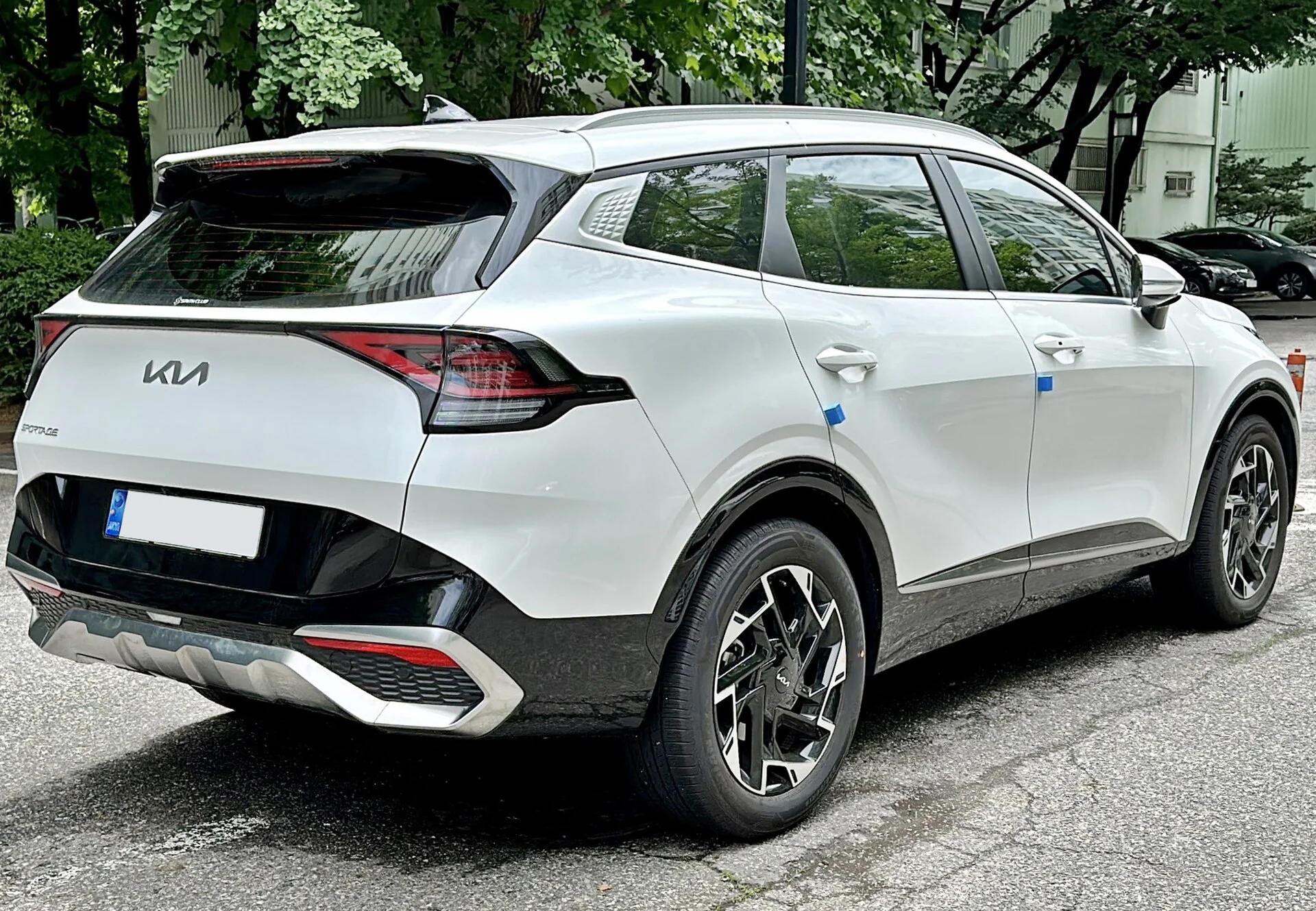
Shopping the Kia Sportage as a place to sleep runs into a frustration right away: the one dimension you most want, the flat length of the cargo floor with the seats down, is not on the spec sheet. Kia publishes cargo volume in cubic feet, headroom, legroom, and width, but not a straight load-floor length in inches. That gap is where a lot of confusion about sleeping in a Sportage comes from.
It matters because volume and length are different questions. The 2023 Sportage, the fifth-generation NQ5, offers a generous 74.1 cubic feet of cargo volume with the 60/40 rear seats folded, and that number sounds like plenty of room. But cubic feet measure the whole space, floor to ceiling and side to side, not whether a person can lie flat from the tailgate forward.
So the honest answer to whether you fit flat in a Sportage is: it depends on a measurement Kia does not give you, which is why this guide leans on the numbers that are published and then shows you how to take the one that is not. The published figures reveal a lot about the sleeping space, they just require reading correctly.
The good news is that the Sportage is a genuinely roomy compact SUV, and the fifth generation grew in the ways that help. This guide reads the cargo volumes, the seat fold, the legroom that adds length, and the width across the cabin, and then walks the simple measurement that tells you, for your body, whether the Sportage sleeps flat or asks for a diagonal or footwell extension.
What Kia Actually Publishes
Start with the numbers that are on the spec sheet, because they frame the sleeping space even without a load-floor length. Here is what the fifth-generation gas Sportage lists.
| Dimension | Gas Sportage | Hybrid Sportage |
|---|---|---|
| Cargo volume behind 2nd row | 39.6 cu ft | 39.5 cu ft |
| Cargo volume, seats folded | 74.1 cu ft | 73.7 cu ft |
| Rear legroom | 41.3 in | 41.3 in |
| Overall length | 183.5 in | 183.5 in |
| Wheelbase | 108.5 in | 108.5 in |
The headline is the fold: the Sportage offers 39.6 cubic feet of cargo volume behind the second row, and folding the 60/40-split second-row seats expands it to 74.1 cubic feet. That near-doubling is the difference between a grocery hauler and a potential sleeping platform, and it is the number to anchor on.
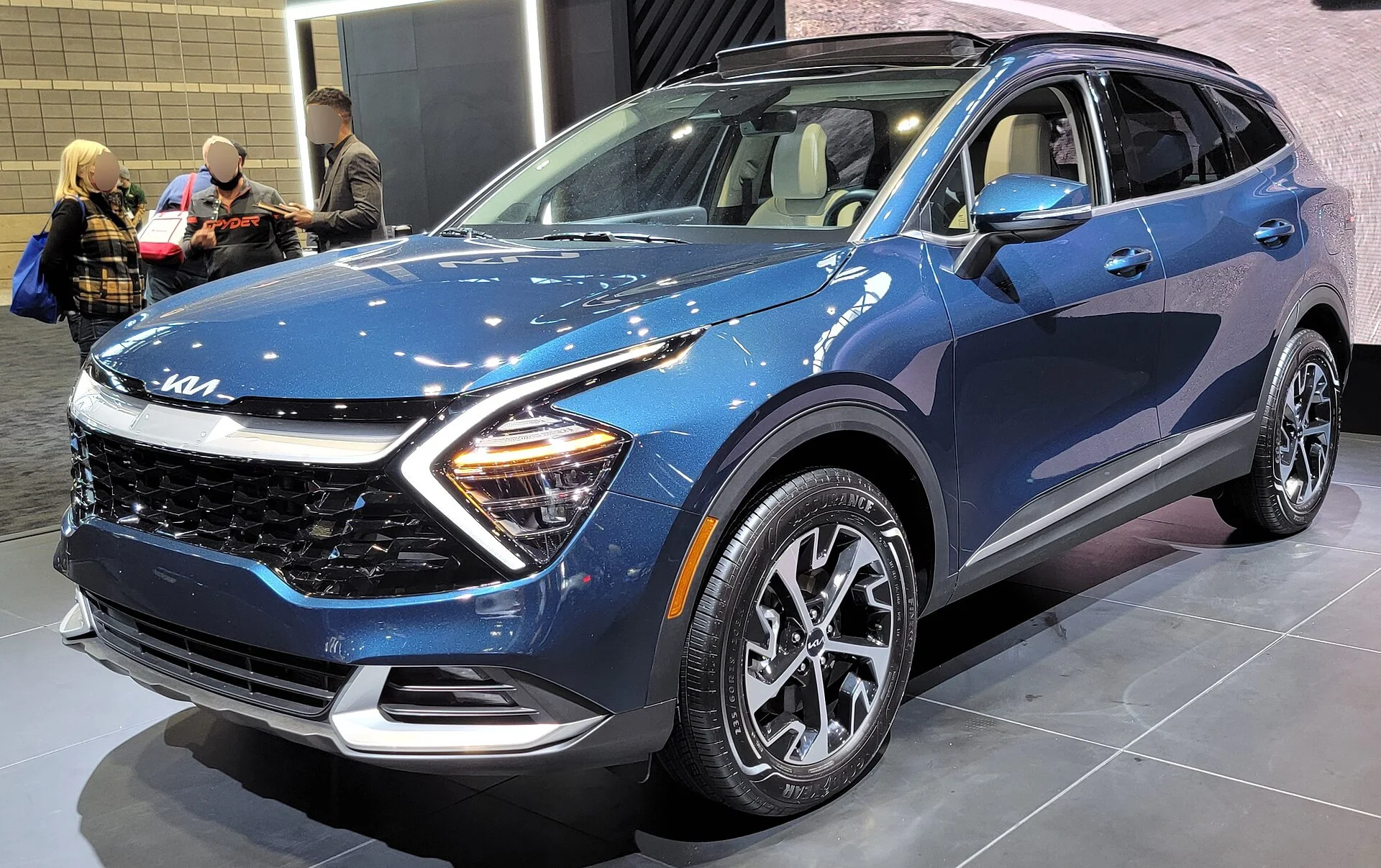
The wheelbase and length hint at why the space is usable. The fifth-generation Sportage rides on a 108.5-inch wheelbase, longer than the previous generation, which lengthens the interior and cargo area. The overall length is 183.5 inches. Those are not the load-floor length, but they explain why this Sportage sleeps better than older, shorter ones: the extra wheelbase went into interior room.
Why Cubic Feet Won't Tell You If You Fit
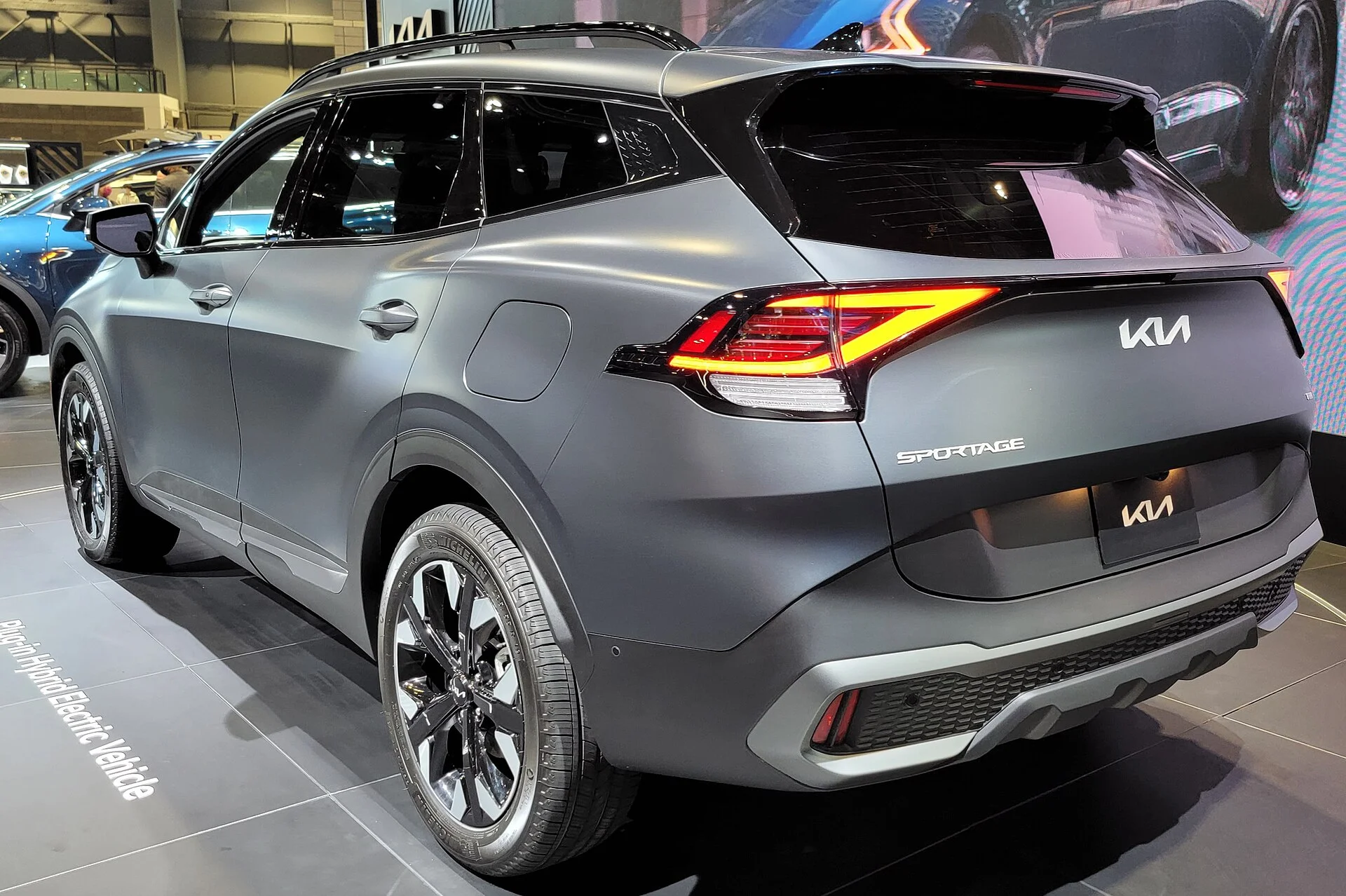
The trap with cargo volume is treating a big cubic-foot number as proof you can sleep flat, and the two are only loosely related. The 74.1 cubic feet of maximum cargo space is large for a compact SUV, and it is the volume a camper works with when the second row is folded flat, but volume is a product of length, width, and height together, so a tall space and a long space can post the same number.
What sleeping flat needs is length, specifically a flat run long enough for your body from the folded seatbacks to the tailgate. Two vehicles with identical cargo volume can differ by a foot in usable flat length if one is taller and shorter while the other is lower and longer. The cubic-foot figure cannot distinguish them, which is exactly why it does not answer the sleeping question.
Volume tells you how much gear fits; length tells you whether you fit. The Sportage's 74.1 cubic feet is genuinely roomy for cargo, but the number that decides whether you sleep flat is the load-floor length, and that is the one Kia does not publish.
This is not a knock on the Sportage; it is true of every SUV spec sheet. The lesson is to stop reading cubic feet as a sleeping spec and start reading the dimensions that actually bear on lying flat: the seat fold, the legroom that extends the floor, the width across the load area, and, ultimately, a tape-measure length you take yourself.
The 60/40 Fold and the Dual-Level Floor
How the Sportage's seats fold shapes the sleeping surface as much as the raw space does. The 60/40-split folding rear seats let one side fold for long gear while a passenger rides on the other, which is useful for solo campers who want to sleep on one side and keep a seat, but for a full-length sleeping platform both sides fold to open the whole floor.
The floor itself has a feature worth understanding. The Sportage uses a dual-level cargo floor, and the low setting maximizes the 39.6 cubic feet of height behind the second row. That adjustable floor lets you drop the load surface for maximum height or raise it to create a flatter, more continuous surface with the folded seats, which is the setting that matters for sleeping.
The fold is not perfectly flat, which is typical for the class and important to plan around. For sleeping, the usable flat area runs from the folded seatbacks to the closed tailgate, and the second-row seats fold nearly flat against the dual-level floor to create a near-continuous load surface. Near-continuous means there is usually a slight step or angle where the seatbacks meet the floor, which a sleeping pad or platform evens out.
The practical setup is to fold both seats, set the cargo floor to the level that best continues the line of the folded seatbacks, and bridge any remaining step with a pad or a simple platform. A Sportage-sized SUV mattress or a low platform turns the near-flat folded floor into an even sleeping surface and absorbs the small step the fold leaves.
The Legroom That Adds Length
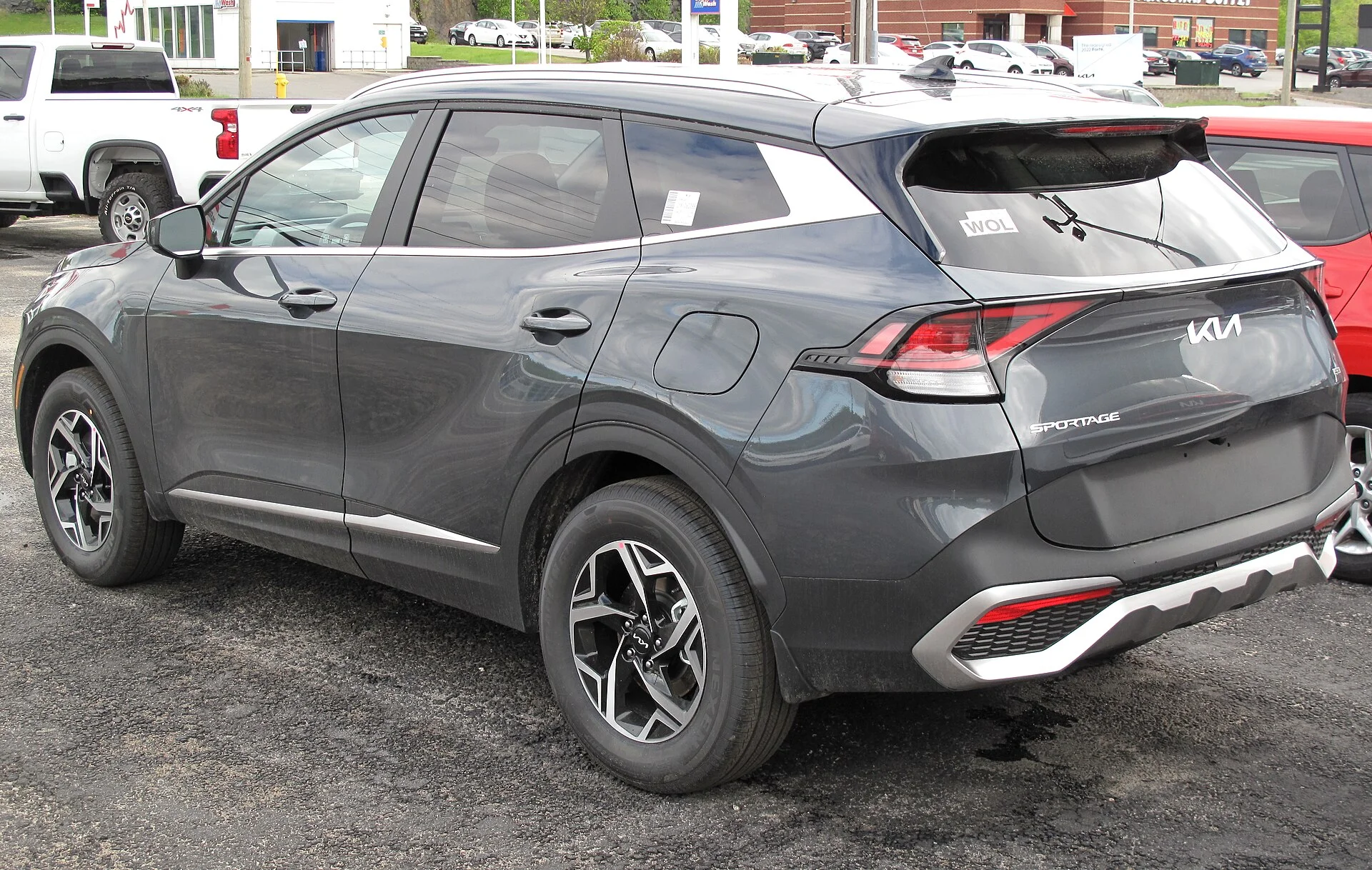
Here is the number that does the most to answer the sleeping question, even though Kia lists it as a passenger spec rather than a cargo one: rear legroom. Front legroom is 41.4 inches and rear legroom is 41.3 inches, among the roomiest in the compact-SUV class. That rear legroom is space that becomes cargo length the moment the seats fold forward.
The logic is direct. Because rear legroom is 41.3 inches, folding the second row forward adds that length to the cargo floor, extending the sleeping area well past the standard cargo area alone. The generous rear legroom that makes the back seat comfortable is the same room that lengthens the flat floor for sleeping, so the Sportage's class-leading legroom is quietly a sleeping advantage.
This is why the fifth-generation Sportage sleeps better than the numbers might first suggest. The behind-the-second-row cargo area alone is not long enough to sleep in, but adding the 41.3 inches of rear legroom to it, once the seats fold forward, produces a meaningfully longer flat run. The seat fold is not just clearing seats out of the way; it is converting comfortable legroom into usable length.
Still, legroom plus cargo depth is an approximation, not a measured length, and it does not account for the seatback angle or the exact geometry of the folded seats. It tells you the Sportage has more sleeping length than its cargo-only figures imply, but it does not replace the tape measure, which the final section covers. Use it as encouragement to measure, not as the measurement itself.
Width Across the Cabin
Length gets the attention, but width decides whether you sleep straight or have to angle, and the Sportage's width figures are informative here. The Sportage's overall width is 73.4 inches, and while that is the exterior width, the interior track figures give a better sense of the room across the load floor. The rear track is 63.9 to 64.1 inches and the front track is 63.6 to 63.8 inches, an indicator of interior width across the cabin.
Track width, the distance between the left and right wheels, correlates with how wide the cabin is inside, and the Sportage's 63.9-to-64.1-inch rear track points to a reasonably wide load floor for a compact SUV. Between the wheel-well intrusions the usable width is narrower than the track, as it is in every SUV, but the wider the track, the more room there is to work with across the sleeping area.
Width matters most for how you lay out sleeping. A single sleeper lies along the length with width to spare; two sleepers need enough width to lie side by side, which in a compact SUV like the Sportage is tight and depends on shoulder width and the wheel-well intrusion. The track figures suggest the Sportage can manage two slim sleepers or one comfortably, but two broad-shouldered adults will find it snug.
The honest read on width is that the Sportage is a comfortable one-person sleeper and a workable but cozy two-person one. As with length, the exact usable width between the wheel wells is something to measure rather than infer, but the 63.9-to-64.1-inch rear track confirms the Sportage has competitive width for its class, which is one reason it is a credible car-camping platform rather than just a cargo hauler.
The Hybrid Difference
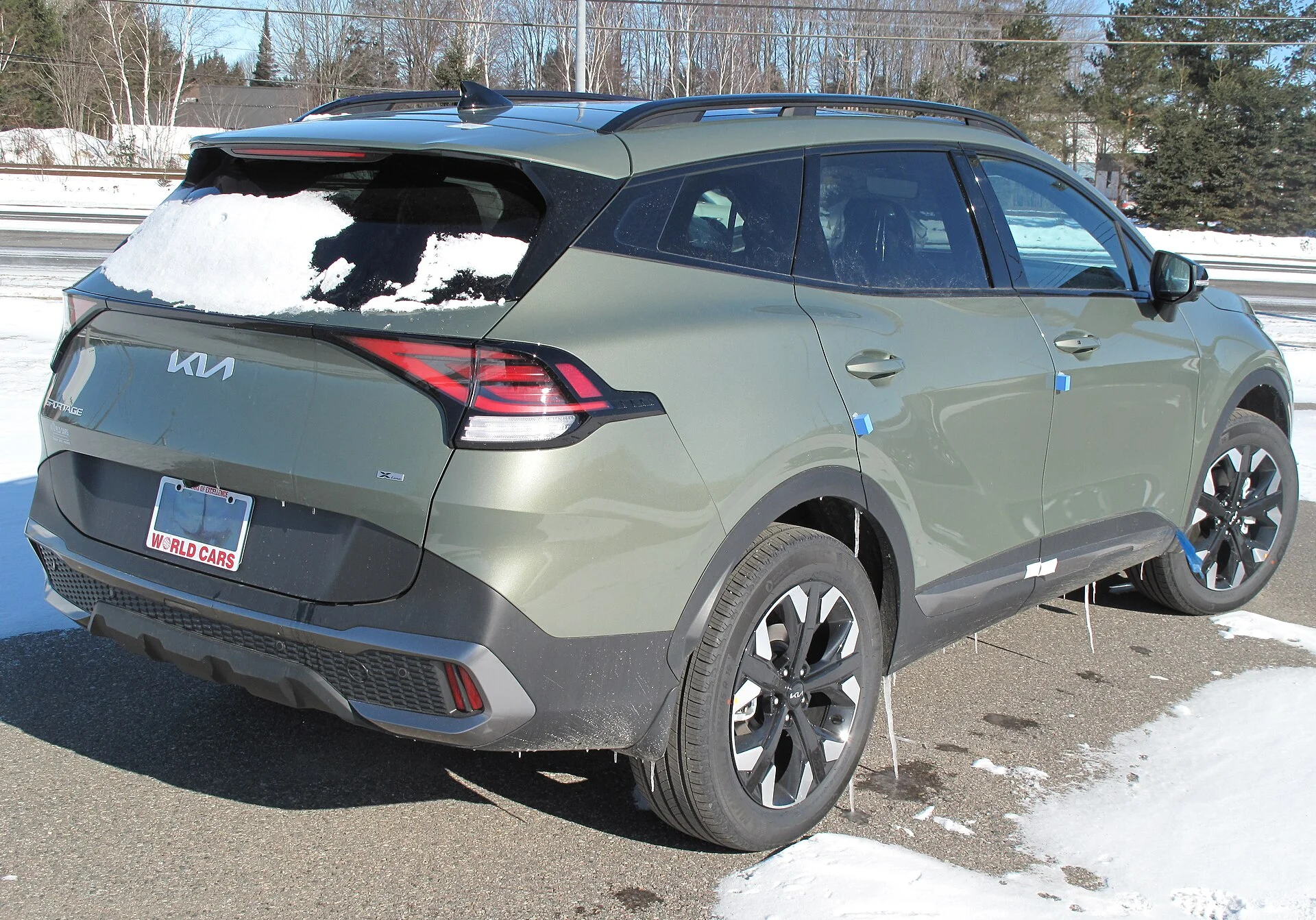
If you are choosing between the gas and hybrid Sportage for camping, the cargo numbers differ slightly, and the reason is worth knowing. The Sportage Hybrid has slightly smaller cargo volume at 39.5 cubic feet behind the second row and 73.7 cubic feet with the seats folded, versus 39.6 and 74.1 for the gas model. The difference is small but real.
The cause is the battery. The 39.5 and 73.7 cubic-foot hybrid figures are lower than the gas model because the hybrid battery pack sits under the cargo or rear-seat area. That packaging takes a little of the space the gas model uses for cargo, which is why the hybrid posts marginally smaller volumes.
For sleeping, the difference is negligible in practice. A few tenths of a cubic foot does not change whether a person fits flat, and the rear legroom that adds length is identical at 41.3 inches on both. The hybrid's slightly lower cargo volume is a rounding difference for a camper, not a reason to pick one drivetrain over the other for sleeping.
What the hybrid packaging can affect is the load-floor height and flatness, since a battery under the floor may raise the load level slightly. That is exactly the kind of thing the dual-level cargo floor helps manage, and it reinforces the point that the sleeping surface is best confirmed by measuring your specific vehicle rather than trusting a class figure. Choose the drivetrain on efficiency and cost; for sleeping, the two are effectively the same platform.
Loading and Liftover
Getting gear and a sleeping platform into the Sportage is easier than in many rivals, and the reason is a low load height. The Sportage's low liftover height eases loading heavy camp gear and sliding in a sleeping platform. A low tailgate lip means less lifting to get a fridge, a water container, or a plywood platform into the back, which matters when you are setting up camp in the dark.
Ground clearance is the flip side of that low load height, and it varies by drivetrain. Front-wheel-drive Sportage models have 7.1 inches of ground clearance, while AWD models offer 8.3 inches. The AWD's extra clearance helps on rough campground access roads, though neither figure makes the Sportage a serious off-roader; both are fine for maintained forest roads and gravel.
The overall height reflects the same trade. Overall height ranges from 65.4 inches on front-wheel-drive models to 66.9 inches on AWD trims, the AWD sitting slightly taller on its greater clearance. Neither height compromises the interior room meaningfully, and the headroom figures confirm the cabin stays comfortable.
Headroom is worth a note for anyone sitting up inside. Front headroom is 39.6 inches without a sunroof, dropping to 37.8 inches with the panoramic sunroof, and rear headroom is 39.4 inches without a sunroof and 38.0 inches with it. The panoramic sunroof, popular as it is, costs meaningful headroom, so a camper who wants to sit up inside the Sportage may prefer the non-sunroof configuration for the extra headroom overhead.
How to Measure Your Own Sportage
Since the number that decides whether you sleep flat is not published, the reliable move is to measure it, and it takes five minutes with a tape measure. Fold both 60/40 seats forward, set the dual-level cargo floor to the level that best continues the line of the folded seatbacks, and measure from the closed tailgate to the furthest forward point of the flat surface, following the actual load floor.
Compare that measured length to your height plus a little margin for a pillow and bedding. If it falls short of lying fully stretched out, which is common in compact SUVs, you have two proven options: sleep diagonally to gain length across the corners, or extend the floor forward into the footwells with a platform or cushions to bridge the gap ahead of the folded seats. Both are standard compact-SUV solutions and either can add the length a straight measurement lacks.
Measure the width too, at the narrowest point between the wheel wells, not just the track figure. That between-the-wells width is what limits a straight sleeping layout and tells you whether two people can lie side by side or whether one person plus gear is the realistic plan. The 63.9-to-64.1-inch rear track suggests decent width, but the wheel-well pinch is what you actually sleep between.
Finally, note the step where the seatbacks meet the cargo floor and plan to bridge it. The seats fold nearly flat but not perfectly, so a sleeping pad, a folding mattress, or a low platform is what turns the near-continuous surface into an even bed. Measuring first tells you exactly how much pad or platform you need, which is the difference between a comfortable night and waking up folded into the seatback angle.
The Verdict: Roomy, but Measure the One Number That Counts
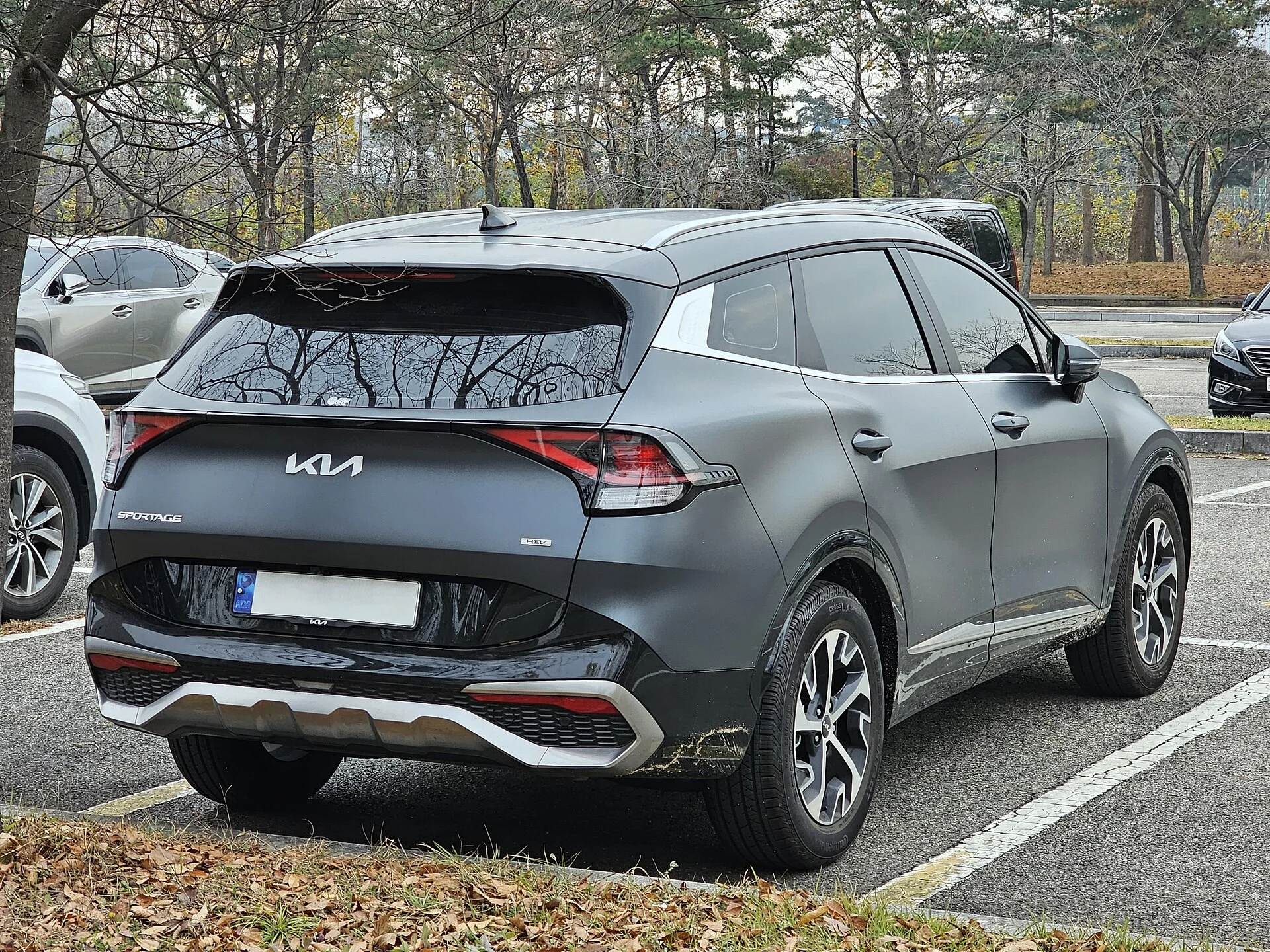
The Kia Sportage is a genuinely capable compact-SUV sleeping platform, with 74.1 cubic feet of cargo space folded, class-leading rear legroom, and a low load height that makes setup easy. But the number that actually decides whether you fit flat, the load-floor length, is the one Kia does not publish, so the cubic-foot figure cannot answer the sleeping question on its own.
Read the published numbers for what they do tell you. The 60/40 seats fold to open 74.1 cubic feet, the dual-level floor helps flatten the surface, and the 41.3 inches of rear legroom convert into real cargo length when the seats fold forward, which is why the fifth-generation Sportage sleeps better than its cargo-only figures suggest. The 63.9-to-64.1-inch rear track confirms competitive width for a comfortable single sleeper or a cozy pair.
The gas and hybrid are effectively the same for sleeping, differing by only a few tenths of a cubic foot because the hybrid battery sits under the floor. Choose the drivetrain on cost and efficiency, and expect the same near-flat folded surface either way, bridged by a pad or platform over the small seatback step.
The one indispensable step is to measure your own Sportage: fold the seats, set the floor, and take the tailgate-to-front length and the between-the-wheel-wells width yourself. If it falls short of your height, sleep diagonally or extend into the footwells. Do that, and the Sportage's real strengths, its roominess, its legroom-fed length, and its easy loading, add up to a compact SUV that sleeps one comfortably and two in a pinch, with none of the guesswork the missing spec would otherwise leave.