
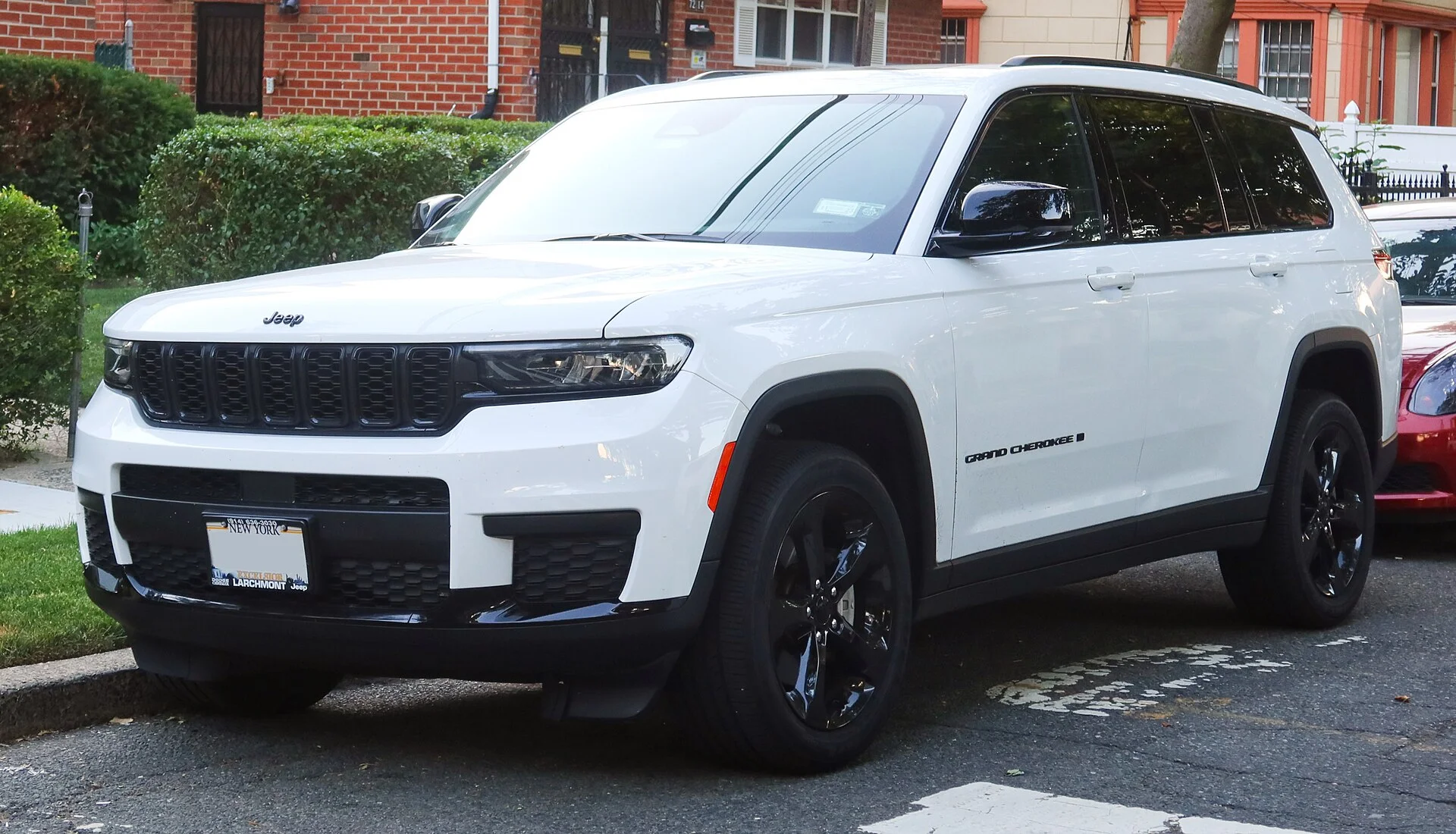
The Straight Answer: Comfort vs Durability
Here is what the brochures won't say plainly: this is not a close-capability fight, it is a philosophy fight. The Toyota 4Runner uses body-on-frame construction with a solid rear axle, which is favored for heavy-duty off-road use and durability. The Jeep Grand Cherokee uses unibody construction with independent rear suspension, which favors on-road ride comfort over a solid-axle truck. That single line predicts almost everything else.
Both will get you deep into the backcountry. The Grand Cherokee is arguably the more capable-feeling rig on paper - it has more standard clearance on air suspension, real water fording, and slick electronic traction systems. The 4Runner is the more durable, more fixable one, built like a tool and backed by the biggest overlanding aftermarket in the business. The question is which trait you want a hundred miles past the last town.
The honest overlanding read, from someone who thinks about what breaks at mile 300: capability gets you in, but durability and repairability get you home. The Grand Cherokee brings more comfort and more technology; the 4Runner brings fewer things to go wrong and a part in every parts store. The rest of this breaks that split down system by system so you can pick the one that matches how far off the map you actually go.
Ground Clearance and Angles by Trim
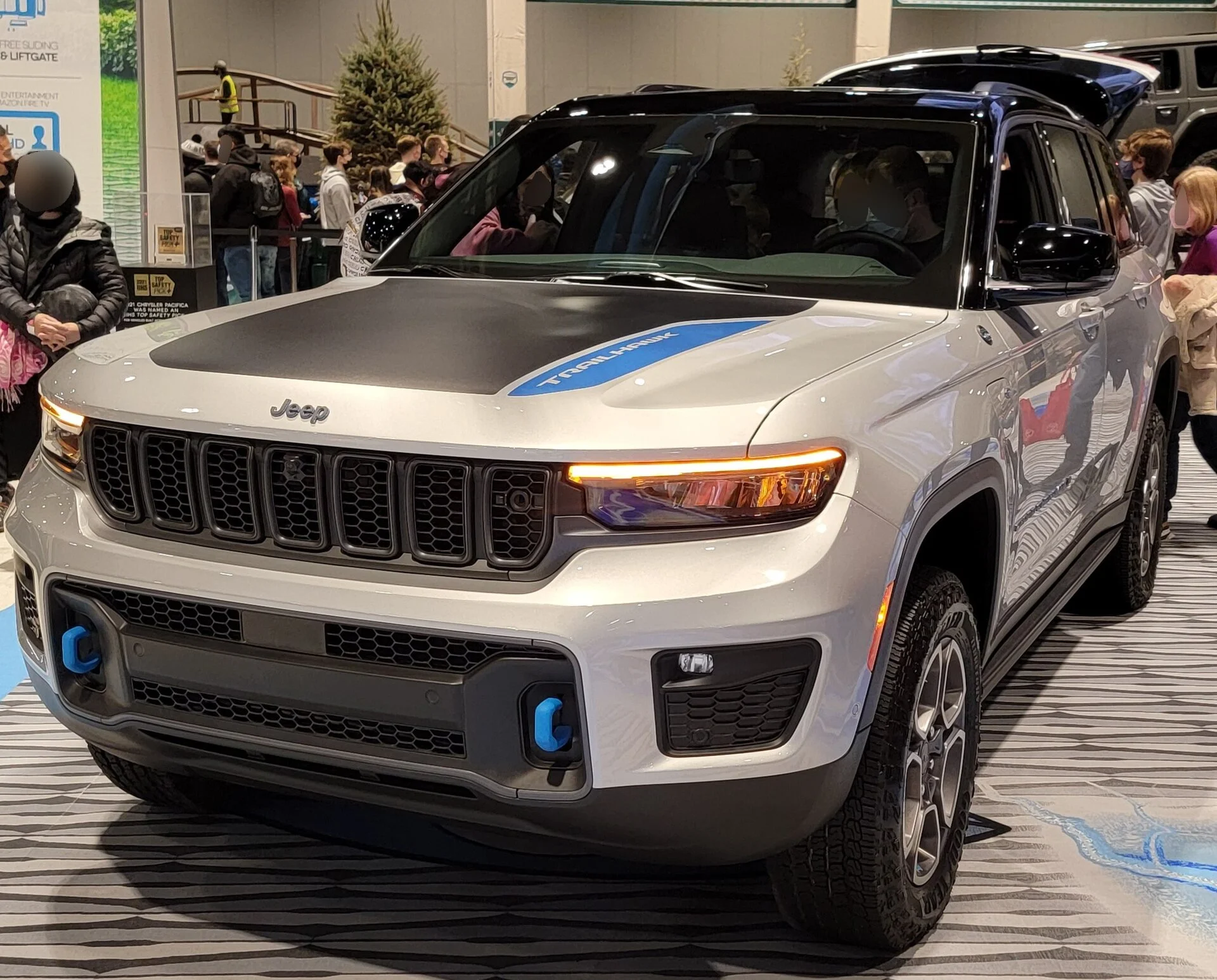
Clearance and the approach, departure, and breakover angles decide what obstacles you can physically clear, and here the trims matter more than the badges. The Grand Cherokee Trailhawk 4xe delivers up to 10.9 inches of ground clearance using its air suspension. The 4Runner ranges by trim: about 8.1 inches on the SR5, about 9.1 inches on the TRD Off-Road, and about 10.1 inches on the TRD Pro and Trailhunter.
The angles tell the real trail story. The 4Runner SR5 runs roughly 18 degrees approach, 22 departure, and 23 breakover; the TRD Off-Road about 19, 24, and 24; and the TRD Pro and Trailhunter jump to about 33 degrees approach, 24 departure, and 24 breakover. The Grand Cherokee Trailhawk, with its air suspension in the highest setting, is cited at up to 36 degrees approach, 30.3 departure, and 24.4 breakover - strong numbers on paper.
Read those honestly and the Grand Cherokee Trailhawk's air-suspension angles look best on the spec sheet, edging the 4Runner TRD Pro. But there is a catch a mechanic notices: the Jeep hits those numbers by raising an air system with more to fail, while the 4Runner reaches its figures on fixed steel geometry. On angles the Jeep wins the number; on how that number survives a hard season, the 4Runner's simplicity is worth weighing.
Body-on-Frame vs Unibody: The Core Split
This is the fork the whole decision hinges on. The 4Runner's body-on-frame construction with a solid rear axle is the traditional heavy-duty off-road recipe: a separate ladder frame shrugs off repeated flex and abuse, and a solid rear axle keeps both rear wheels planted and articulating over obstacles. It is the layout built for durability under sustained punishment, which is exactly what overlanding is.
The Grand Cherokee's unibody construction with independent rear suspension is the opposite bet. It rides better on pavement and washboard, steers more precisely, and feels more carlike on the long highway slogs between trailheads - which is a real quality-of-life win, since most overlanding miles are actually on-road. The IRS soaks up small stuff beautifully. The cost is that it is a more complex structure with less brute tolerance for hard, repeated impacts than a frame-and-solid-axle truck.
The trade in plain terms: the 4Runner is built to take a beating and keep going; the Grand Cherokee is built to be pleasant nearly everywhere and very capable when asked. If your overlanding is long expeditions on rough terrain far from help, the body-on-frame 4Runner is the structurally right tool. If it is weekend trails with a lot of highway in between, the Grand Cherokee's comfort is a legitimate reason to accept the more complex build.
The 4WD Systems Head to Head
Both trucks bring serious traction hardware, but they get there differently. The Grand Cherokee offers three four-wheel-drive systems - Quadra-Trac I, Quadra-Trac II, and Quadra-Drive II - and the top Quadra-Drive II adds a rear electronic limited-slip differential that can send up to 100% of torque to a single rear wheel when needed. That is genuinely advanced, and it makes the Jeep uncannily good at clawing out of low-traction situations automatically.
The 4Runner takes the mechanical, driver-controlled route. It offers a two-speed transfer case, part-time or full-time four-wheel drive depending on trim, and an electronic locking rear differential on the TRD Off-Road, TRD Pro, and Trailhunter. It also adds a disconnecting front stabilizer bar plus Multi-Terrain Select and Crawl Control on the off-road trims - tools that trade some automation for rugged, predictable, repairable simplicity.
The engineering contrast is the same theme again. The Jeep's Quadra-Drive II is more sophisticated and arguably smarter in the moment, sending torque where it is needed without driver input. The Toyota's locking diff and transfer case are less clever but more bulletproof and easier to service in the field. Smart electronics are wonderful until they fault a long way from a dealer; a mechanical locker just works. Pick the one whose failure mode you can live with.
Water and the Air Suspension
Water crossings are where the Grand Cherokee flexes a specific advantage. The Grand Cherokee Trailhawk 4xe can ford water up to 24 inches deep thanks to high air intakes, special water sealing, and the Quadra-Lift air suspension, and it carries a Trail Rated badge certifying it for water fording, articulation, and ground clearance. For routes with regular creek crossings, that engineered fording capability is a real, tested spec.
The air suspension is a double-edged tool, though, and honesty matters here. It is what lets the Jeep raise to 10.9 inches of clearance and hit those big approach and departure angles on demand - a genuine capability that fixed suspension cannot match. But an air system is more to maintain and more to fail, and a blown air strut or compressor a long way out is a bad day that a coil-and-steel setup never has.
The 4Runner does not chase a headline fording number, and it does not offer air suspension - it relies on fixed geometry, a snorkel from the aftermarket if you want deep-water insurance, and its trims' 8.1-to-10.1-inch clearance. That is less impressive on the spec sheet and more predictable in the field. If water is central to your routes, the Jeep's 24-inch rating is a real edge; if simplicity is your priority, the Toyota's lack of air hardware is its own kind of capability.
Sleeping Space in the Back
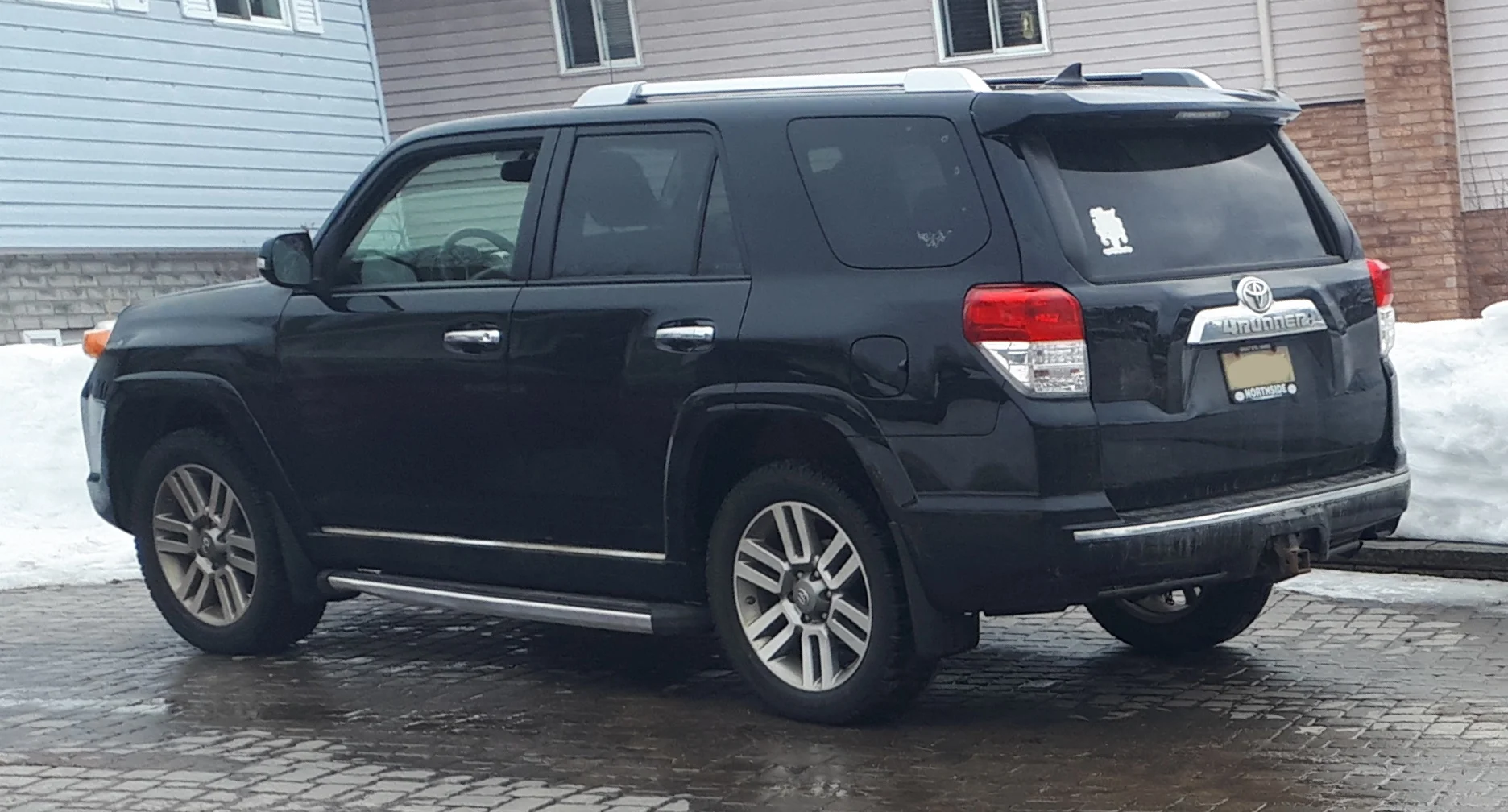
Overlanding means sleeping in or on the rig, so cargo room is a first-class spec, not an afterthought. The 4Runner's larger both-rows-folded cargo hold gives a longer flat load area than the Grand Cherokee's 70.8-cubic-foot folded space. Broken out for the current 4Runner, the two-row models open up to about 90.2 cubic feet with the rear seats folded; a three-row 4Runner gives about 12.1 cubic feet behind the third row, 44.8 cubic feet with that third row folded, and 84.4 cubic feet with both rear rows folded.
The Grand Cherokee gives 37.7 cubic feet behind the rear seats and 70.8 cubic feet with the rear seats folded. That is plenty for gear and a solo sleeper, but it trails the 4Runner meaningfully for building an in-vehicle sleeping platform or hauling a full expedition load. The 4Runner's boxier body-on-frame shape simply packages more usable, squared-off cargo volume.
For an overlander who sleeps inside, that extra 4Runner volume is a practical win: a longer flat floor for a platform, more room for water, fuel, and recovery gear, and a squarer space that is easier to organize. The Grand Cherokee is comfortable and workable but more of a two-up-front, gear-in-back rig. If the truck is also the tent, the 4Runner's cargo advantage is one of its strongest overlanding cards.
Towing and Power
Power delivery and towing round out the hardware comparison. The Grand Cherokee runs a 3.6-liter Pentastar V6 producing 293 horsepower, with a 4xe plug-in hybrid making up to 375 horsepower. The 4Runner uses a turbocharged 2.4-liter four-cylinder producing 278 horsepower, with an i-FORCE MAX hybrid making 326 horsepower combined. Both are adequately strong for a loaded overland rig, with the hybrids adding useful low-end torque.
Towing is nearly a tie. The Grand Cherokee's maximum towing capacity is 6,200 pounds; the 4Runner's is 6,000 pounds. That small difference is meaningless in practice - both pull a small trailer, a boat, or an off-road camper without strain. If you tow a teardrop or a utility trailer to base camp, either truck handles it, so towing should not decide this matchup.
The subtler point is the powertrains' character. The Jeep's larger V6 and available 375-horsepower 4xe feel muscular and modern, while the Toyota's turbo four is efficient and torquey but newer to the platform. For durability-minded overlanders, Toyota's reputation for long-haul reliability extends to how its drivetrains age - which matters more over years of hard use than the horsepower gap does on any single climb.
Reliability and Aftermarket: The Long-Trip Factors
This is where overlanding decisions are really won, because the trip that matters is the one far from a dealer. The 4Runner has a stronger reliability reputation, with Toyota parts noted as durable and less expensive, while the Grand Cherokee is sometimes criticized for reliability due to more electronics and complex transfer cases. When you are days from a shop, fewer failure points and cheaper, more available parts are worth more than any spec.
The aftermarket seals it. The 4Runner benefits from broad, established overlanding aftermarket support - bumpers, lifts, roof racks, tire carriers, snorkels - versus a more limited and pricier aftermarket for the Grand Cherokee. That means the 4Runner is easier and cheaper to build into a true expedition rig, and easier to source parts and fixes for anywhere overlanders gather. The Jeep can be built up, but you will pay more and choose from less.
For a mechanic, this is the decisive category. Capability numbers are what a truck can do on its best day; reliability and parts availability are what it does across years and thousands of hard miles. Carry recovery gear like a set of recovery traction boards in either one - but know that when something does break, the 4Runner is the rig you are far more likely to fix and keep moving.
Which One for Your Overlanding
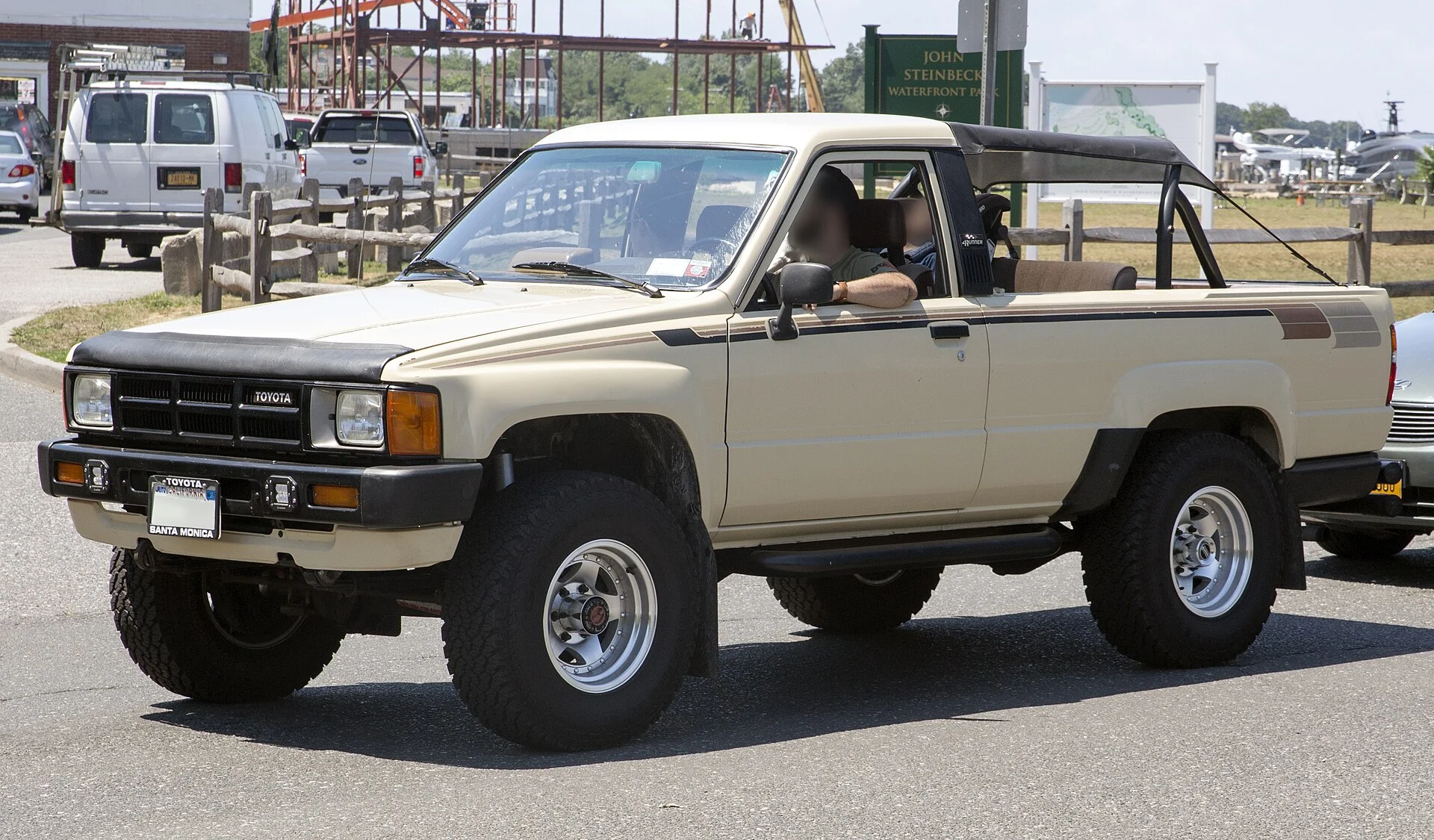
Sort it by how and where you actually travel. Choose the 4Runner if your overlanding is long, remote, and hard on equipment: body-on-frame durability, a solid rear axle, a mechanical locking diff, up to about 90.2 cubic feet of cargo for sleeping and gear, proven reliability, cheaper parts, and the deepest aftermarket make it the tool built to go far from help and come back. It is the expedition-first pick.
Choose the Grand Cherokee if your overlanding mixes real trails with a lot of highway and you value comfort and on-paper capability: up to 10.9 inches of air-suspension clearance, class-leading approach and departure angles, 24-inch fording, Quadra-Drive II's automatic traction, and a far more refined ride. It is the capable-and-comfortable pick for someone who is not routinely days from a dealer.
The one-sentence version, mechanic-style: buy the 4Runner if the trip is about being self-sufficient in rough, remote country, and buy the Grand Cherokee if it is about arriving comfortable and tackling serious-but-not-suicidal terrain along the way. Both are genuinely capable overland platforms. They just answer the question of what happens when you are far from a parts store very differently.
The Verdict
Between these two, there is no wrong answer - only a right answer for your kind of overlanding. The 4Runner is the durability play: body-on-frame with a solid rear axle, a locking diff and two-speed transfer case, the largest cargo hold at up to about 90.2 cubic feet, the strongest reliability record, cheaper parts, and the biggest aftermarket. It is the rig built to be far from help and stay running.
The Grand Cherokee is the capability-and-comfort play: up to 10.9 inches of clearance and up to 36 degrees of approach angle on its air suspension, 24-inch fording, Quadra-Drive II sending up to 100% of torque to one wheel, and a ride that makes the long highway miles pleasant. It does more on its best day, at the cost of more complexity to maintain.
So make the honest call about your trips. If you go deep, remote, and rough - where fixable and well-supported beats clever - the 4Runner is the overlanding tool. If you want serious capability wrapped in real comfort and you stay within reach of help, the Grand Cherokee earns its place. Match the truck to how far off the map you go, and either one will carry you there and back.