
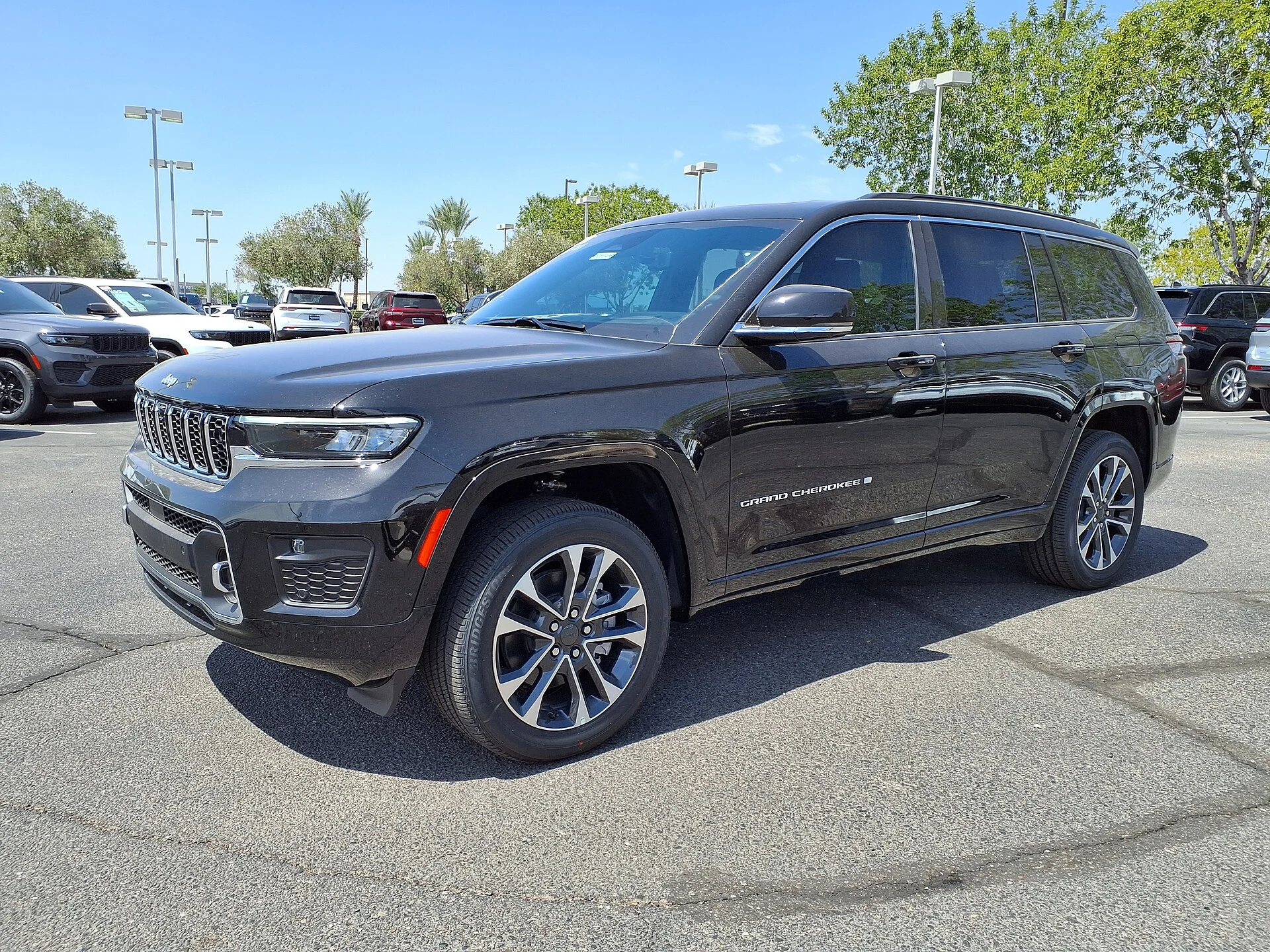
What the Tow Rating Doesn't Tell You
The number on the brochure is 6,200 lb, and that number is honest — as far as it goes. What it does not tell you is that the same Grand Cherokee can be rated hundreds of pounds lower if it left the factory without one specific package, and that the trucks I see limping into a shop at mile 300 of a hot towing day are almost never over their rating. They are under-equipped for it.
I spent eighteen years turning wrenches before I started living out of my truck, and towing failures taught me the same lesson every time: the spec sheet describes a best case, and the real world subtracts from it. Heat subtracts. A badly loaded trailer subtracts. A wiring harness that was fine in the driveway and marginal at highway speed subtracts.
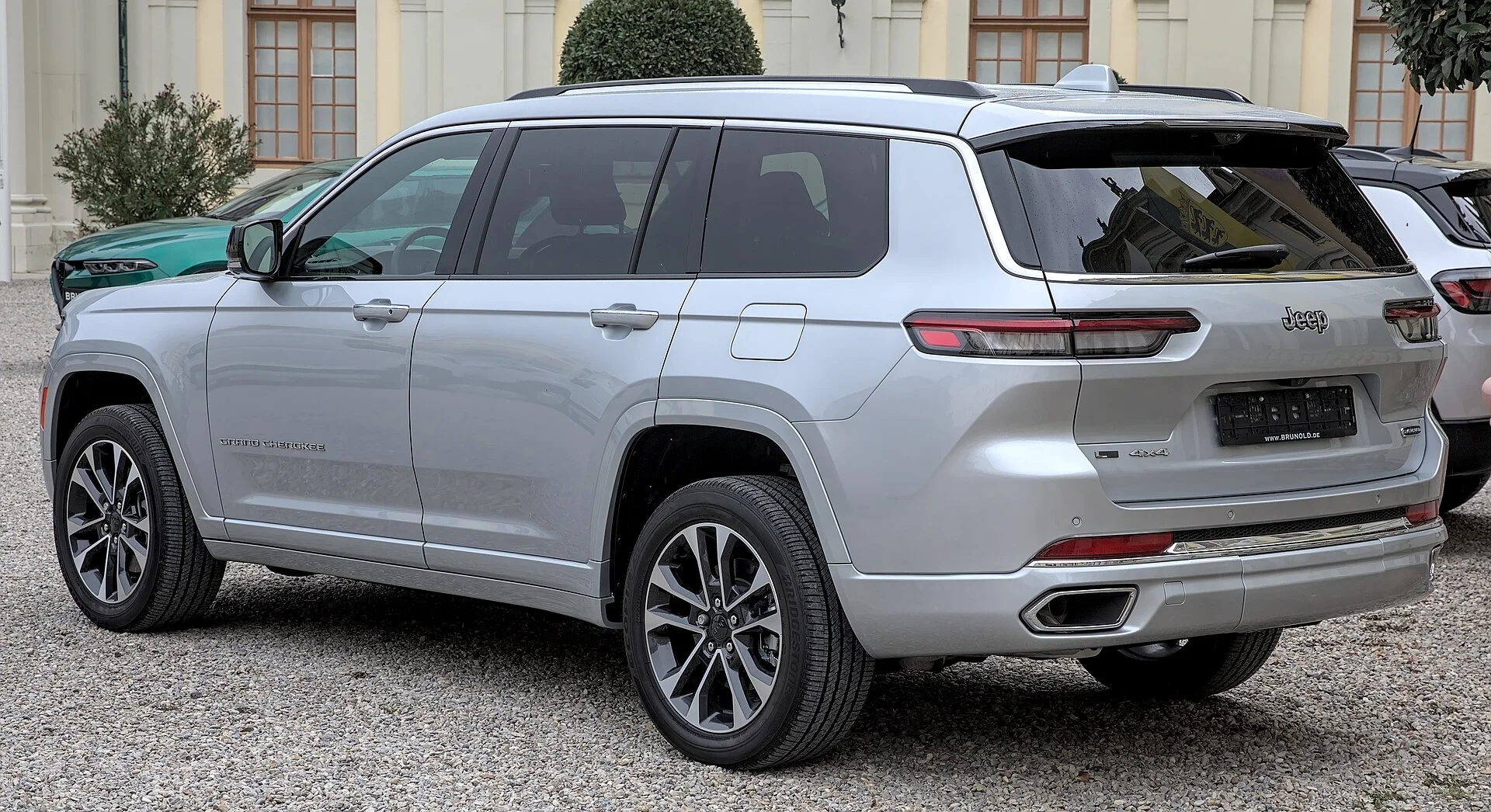
The 2024 and 2025 Grand Cherokee is a genuinely capable mid-size tow vehicle when it is built right, and the difference between built-right and built-hopeful is one option box. This guide is about that box, the heat that decides whether a tow rig survives a long grade, and the two loading mistakes that turn a rated setup into a white-knuckle one.
Everything here traces to Jeep's published capability figures, read the way a mechanic reads them — not for the headline, but for what has to be true underneath it for the headline to hold up at mile 300 on a July afternoon.
The Real Number: 6,200 lb, and the Package That Unlocks It
Here is the whole story in one line: the 2024 and 2025 Grand Cherokee tows up to 6,200 lb with the 3.6L Pentastar V6, but only when it is equipped with the Trailer Tow Group. Without that package the same V6 Grand Cherokee is not rated to pull the maximum, and that is a distinction dealers gloss over on a used lot.
This matters most to used buyers. A three-year-old Grand Cherokee on a lot may or may not have left the factory with the tow group, and there is no way to tell from the model name on the tailgate. You verify it from the build sheet or the actual hardware, not from the salesperson's memory or the trim badge.
The reason the package gates the rating is not marketing. The tow group adds real hardware the vehicle needs to pull 6,200 lb safely, and Jeep will not certify the higher number without it. A Grand Cherokee without the group can still tow a light trailer, but it is not the 6,200 lb truck the number implies.
So the first question for any Grand Cherokee you are about to trust with a trailer is simple and non-negotiable: does this specific vehicle have the Trailer Tow Group? If the answer is no or unknown, treat its tow rating as an open question, not a settled fact, until you confirm the hardware is there.
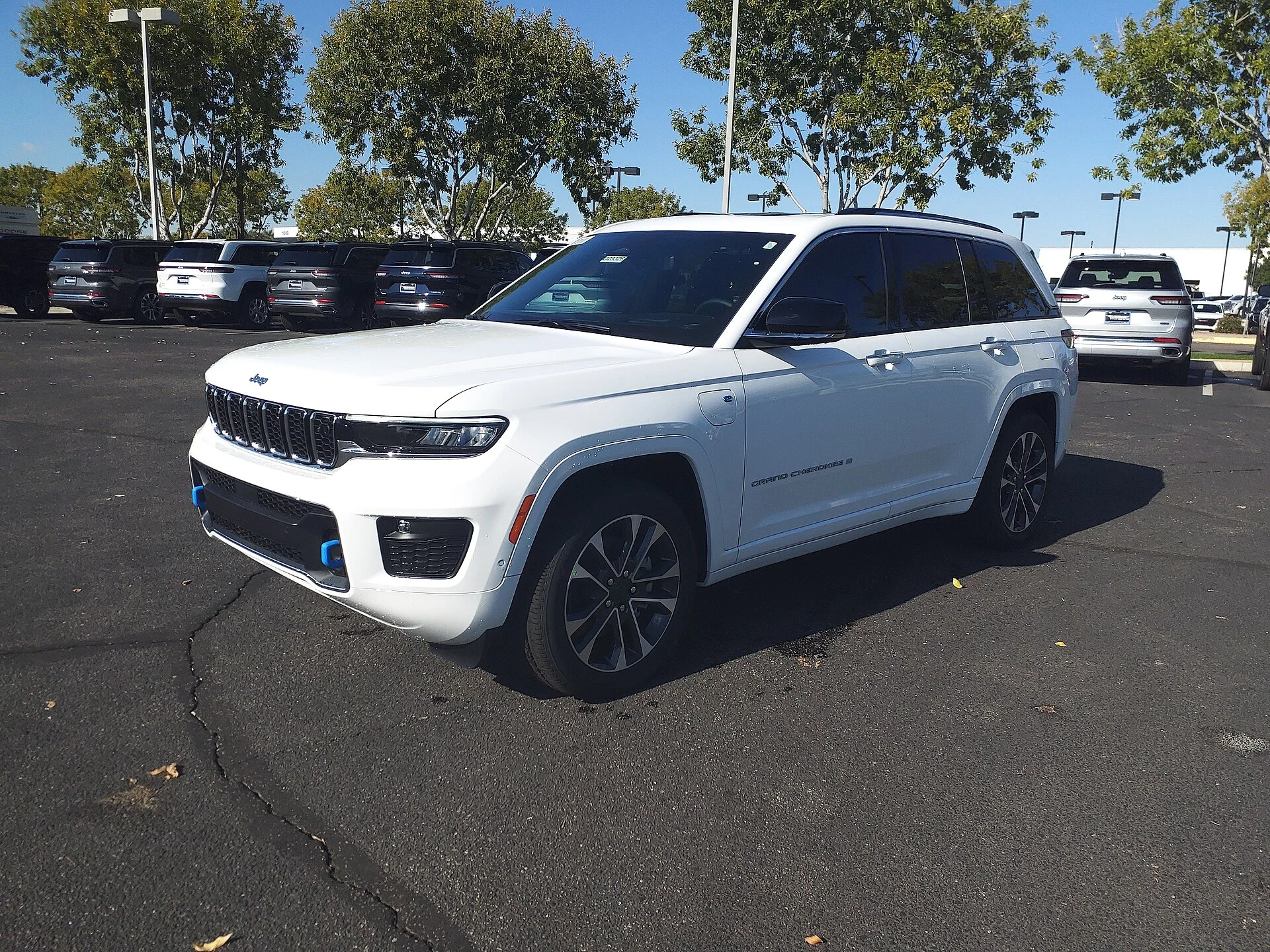
What the Trailer Tow Group Actually Adds
The Trailer Tow Group is not a sticker. It bundles three pieces of hardware that each solve a real towing problem: heavy-duty engine cooling, a Class IV receiver hitch, and a 7-and-4-pin wiring harness. Understand what each one does and you understand why the rating depends on them.
The Class IV receiver is the physical connection rated to carry the load. A lighter hitch class is fine for a bike rack and dangerous for a loaded trailer, and the receiver class is one of the first things I check under a vehicle before I trust its tow claim. The number stamped on the hitch has to match the job.
The wiring harness is the nervous system. The 7-and-4-pin setup carries lighting, signals, and the connections a trailer's systems need, so the trailer talks to the tow vehicle instead of guessing. A trailer whose lights flicker because the harness is improvised is a trailer other drivers cannot read at night.
The heavy-duty engine cooling is the piece nobody sees and everybody needs, and it gets its own section next, because on a mid-size V6 pulling near its ceiling, cooling is not a comfort feature. It is the difference between a truck that shrugs off a long climb and one that overheats halfway up it.
Heat Is What Actually Kills a Tow Rig
Ask any mechanic what fails on an overloaded or under-cooled tow vehicle and the answer is heat, every time. Pulling a heavy trailer makes the engine and transmission work far harder than they do unladen, and that extra work comes out as heat that has to go somewhere. The heavy-duty engine cooling in the Trailer Tow Group exists to move that heat before it does damage.
The failure mode is not dramatic at first. Transmission fluid runs hotter than designed, its ability to lubricate and cool degrades, and over enough hot miles the transmission's life gets shorter without a single warning light on an easy day. Then comes the long summer grade, and the marginal setup that was fine on flat ground finds its limit at the worst possible moment.
This is why the cooling upgrade is not optional for real towing on the Grand Cherokee. A V6 pulling near 6,200 lb up a mountain pass in summer is exactly the load the heavy-duty cooling was specified for, and a Grand Cherokee without it is running that same climb with less thermal margin than the rating assumes.
The mechanic's rule is to respect heat as the real enemy. Tow in the cooler part of the day when you can, watch your temperature gauges on long climbs, and never assume a truck that stayed cool on flat ground will stay cool on a grade. Heat is patient, and it collects the bill at mile 300.
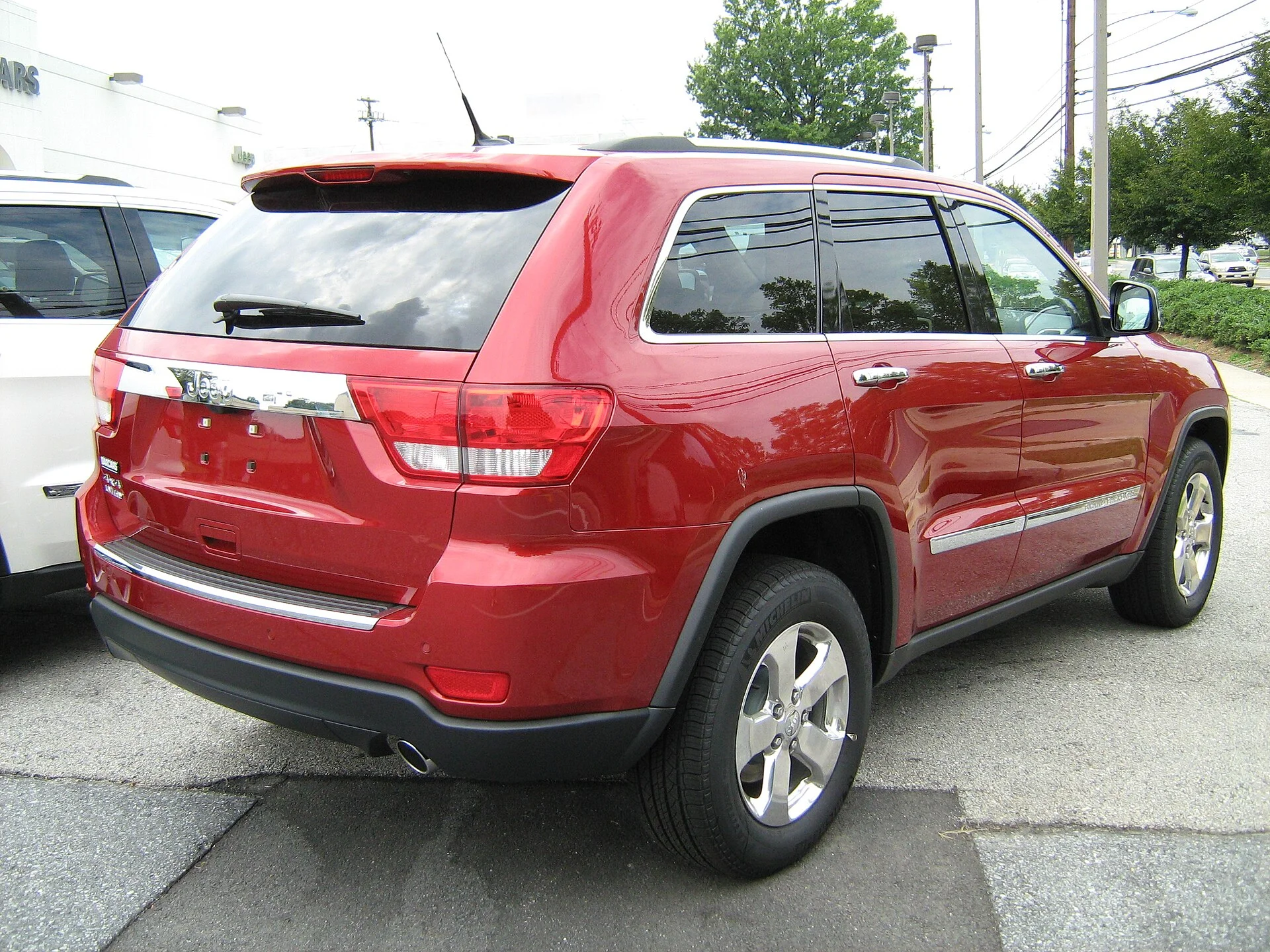
Tongue Weight and the Rear-End Squat
The second thing that turns a rated setup into a scary one is loading, and it starts with tongue weight. Tongue weight is the downward force the trailer's coupler puts on the hitch, and the common guideline is 10 to 15 percent of the loaded trailer's weight. Get it wrong in either direction and the Grand Cherokee tells you immediately.
Too little tongue weight and the trailer sways, wagging behind you like a loose tail every time a truck passes. Too much and you overload the rear of the Grand Cherokee, squatting the back end, lifting weight off the front tires, and turning the steering light and vague exactly when you need it precise. Neither is a comfort problem; both are control problems.
The fix is packing discipline, not luck. Load the trailer so the weight sits slightly forward of the axle to keep tongue weight in the 10 to 15 percent band, and secure it so it cannot shift on the road. A load that migrates rearward mid-trip moves your tongue weight out of the safe band while you are doing seventy.
Weigh it if you can, because eyeballing tongue weight is how people convince themselves a squatting truck is fine. A pair of good extended towing mirrors also matters here, because the first sign of a swaying trailer is something you need to see, not feel, and a stock mirror often cannot show you the trailer's rear at all.
The Trailers a Grand Cherokee Handles Well
Match the rating to real trailers and the Grand Cherokee's 6,200 lb ceiling covers a useful slice of the camping and utility world — as long as you count loaded weight, not the dry number on the sticker. A small travel trailer or teardrop, packed with water and gear, is a comfortable match with margin to spare on a properly equipped V6.
Pop-up campers and light utility trailers are squarely in the Grand Cherokee's wheelhouse. These are trailers whose loaded weight stays well under the ceiling, which leaves the thermal and handling margin that makes towing relaxing instead of tense. Margin is the whole game; a trailer that uses all of your rating uses all of your safety net too.
Where I tell people to stop is the larger travel trailer that only fits the rating on paper when empty. Add water, batteries, a full fridge, and a season of gear and its real weight climbs toward the ceiling, and a Grand Cherokee towing at its limit in summer heat is a setup with no room for the unexpected. The rating is real, but it assumes a trailer loaded honestly.
The buying rule is the same one that applies to every tow vehicle: size the Grand Cherokee to the trailer's loaded weight with genuine headroom. If a trailer only fits your rating when you pretend it is empty, it is the wrong trailer for this truck, and no option package fixes that arithmetic.
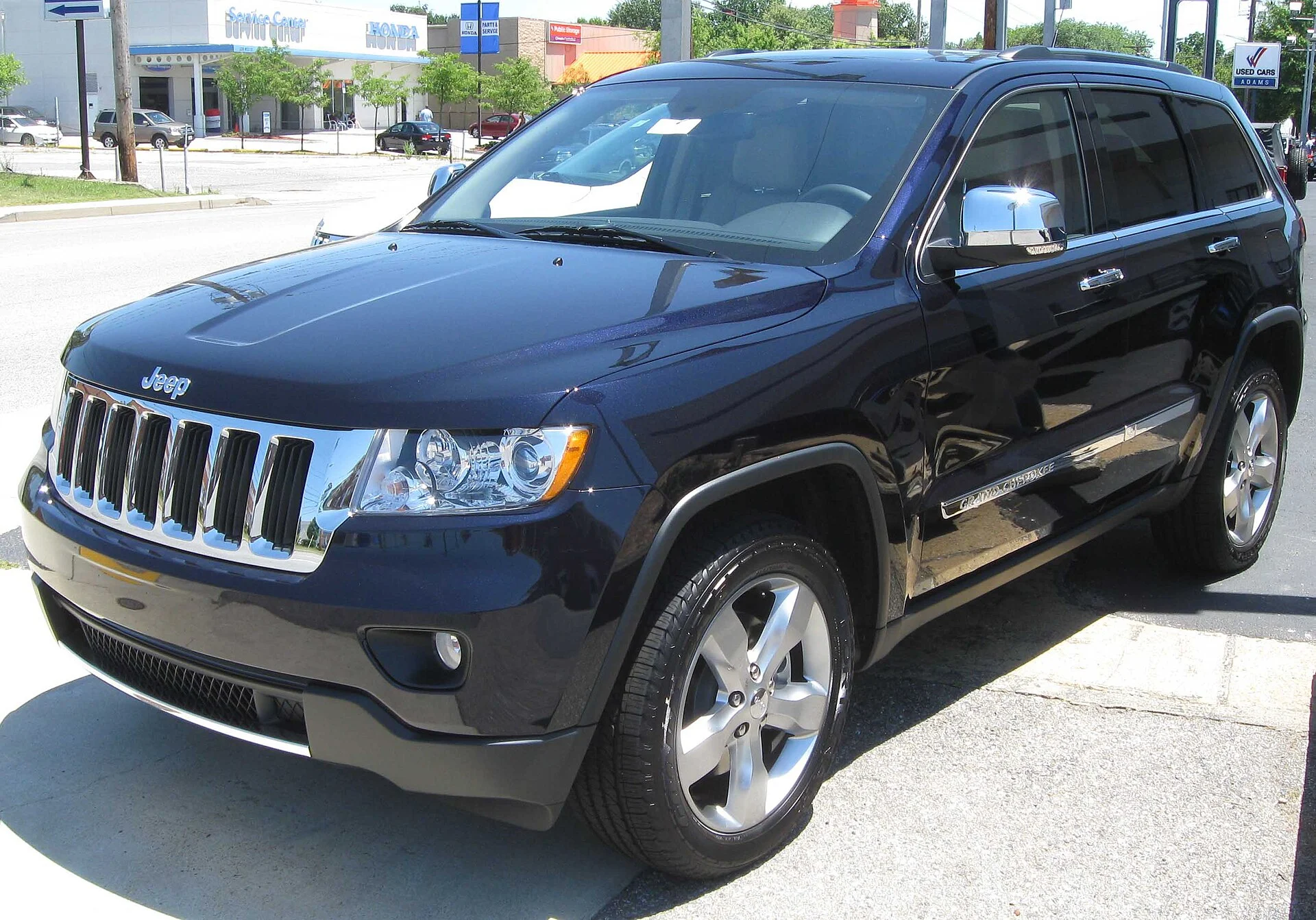
Towing in the Real World: Grades, Heat, and the Long Haul
Specs live in a lab; towing lives on a highway in August. The Grand Cherokee's rating assumes a competent driver managing the real variables, and the biggest ones are grade and heat working together. A long uphill pull in high temperatures is the single hardest thing you will ask of a mid-size tow rig, and it is exactly where preparation pays off.
On a long climb, the discipline is to keep the drivetrain from cooking. Ease off the pace, let the transmission hold a lower gear rather than hunting, and watch your temperatures instead of your clock. A tow rig that arrives ten minutes later and cool has beaten one that arrived on time and heat-soaked, because the cool one will still be here next season.
Descents deserve the same respect in reverse. Let the engine and transmission do the braking on a long downgrade instead of riding the brakes until they fade, because a trailer pushing a Grand Cherokee down a mountain on overheated brakes is a genuine emergency. The trailer's own brakes, wired through that 7-and-4-pin harness, are part of what keeps that descent controlled.
None of this is exotic. It is the ordinary discipline of towing within a vehicle's limits and managing heat, and it is what separates a Grand Cherokee that tows reliably for years from one that develops a mysterious transmission problem the owner never connects to that one brutal summer climb.
The Pre-Trip Checklist Before Every Tow
A mechanic's habits are mostly checklists, and towing rewards them more than almost anything else you do with a vehicle. Before every trip with a trailer behind the Grand Cherokee, walk the same short routine, because the failures that strand people are almost always things a five-minute check would have caught in the driveway instead of on the shoulder.
Start under the vehicle and at the coupler. Confirm the trailer is latched and locked to the ball, the safety chains are crossed under the tongue to cradle it if the coupler ever lets go, and the breakaway cable is connected. Then confirm the receiver and ball are rated for your loaded trailer weight, because a mismatched ball is a quiet way to exceed the hardware's limit without touching the tow rating.
Move to the electrical. Have someone stand behind the trailer while you run the lights, brakes, and both turn signals, verifying every function through the wiring harness. A dark trailer at dusk is invisible to the drivers behind you, and a dead brake-light circuit is the kind of thing that is fine on the test drive and fails after a few hundred miles of road vibration.
Finish with the loading and the tires. Check that the trailer sits roughly level, that the load has not shifted since you packed it, and that both the trailer and the Grand Cherokee's tires are at their correct pressures, since an underinflated tire under a towing load builds heat fast. None of this takes long, and all of it is cheaper than the alternative. The rig that gets checked is the rig that arrives.
The Verdict: Get the Package or Buy Less Trailer
The 2024 and 2025 Grand Cherokee is a solid mid-size tow vehicle, and the decision that determines everything is whether your specific truck has the Trailer Tow Group. With it and the 3.6L Pentastar V6, you get the honest 6,200 lb rating and, more importantly, the heavy-duty cooling, Class IV hitch, and 7-and-4-pin wiring that make the rating survive real conditions.
Without the package, the rules change. A Grand Cherokee lacking the tow group can still pull a light trailer, but it is not the 6,200 lb truck, and treating it like one is how the mile-300 failures start. If the vehicle you are buying does not have the group, either add proper towing hardware or buy a trailer light enough for what the truck actually is.
Then tow it like a mechanic would: load to keep tongue weight in the 10 to 15 percent band, manage heat on grades, let the drivetrain brake on descents, and leave real margin between your loaded trailer and the ceiling. Do that and the Grand Cherokee earns its reputation for going the distance with a trailer behind it.
The spec sheet is a promise the hardware has to keep. Confirm the package, respect the heat, load the trailer honestly, and the promise holds — trip after trip, summer after summer, long after the excitement of the new trailer has worn off into the quiet confidence of a rig you trust. That confidence is the whole reason to buy capability you will not use every day: not to tow at the ceiling, but to tow well below it, so the truck always has more in reserve than the trip demands. A Grand Cherokee set up right and driven with a little restraint is a tow vehicle you stop worrying about, which on a long haul is worth more than any number on a brochure.