
The Short Answer: Yes - the Danger Was Always Combustion, and There Is None
Before answering, it's worth questioning the question. People ask 'is it safe to run climate overnight' because they're picturing the classic danger: carbon monoxide poisoning, the thing that makes idling a gas car to stay warm potentially lethal. But that danger comes from one specific source - combustion - and the Kia EV9 doesn't have any.
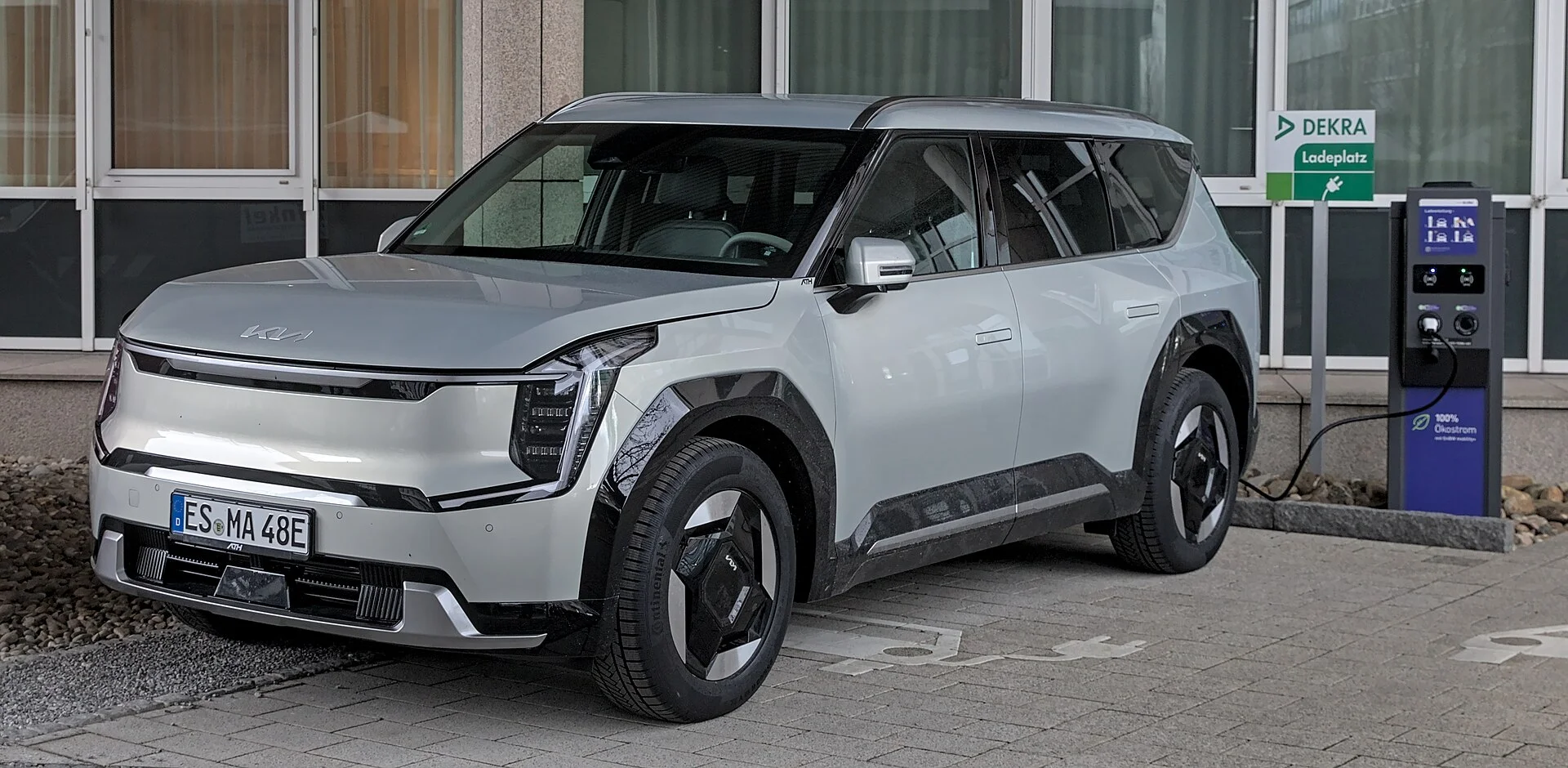
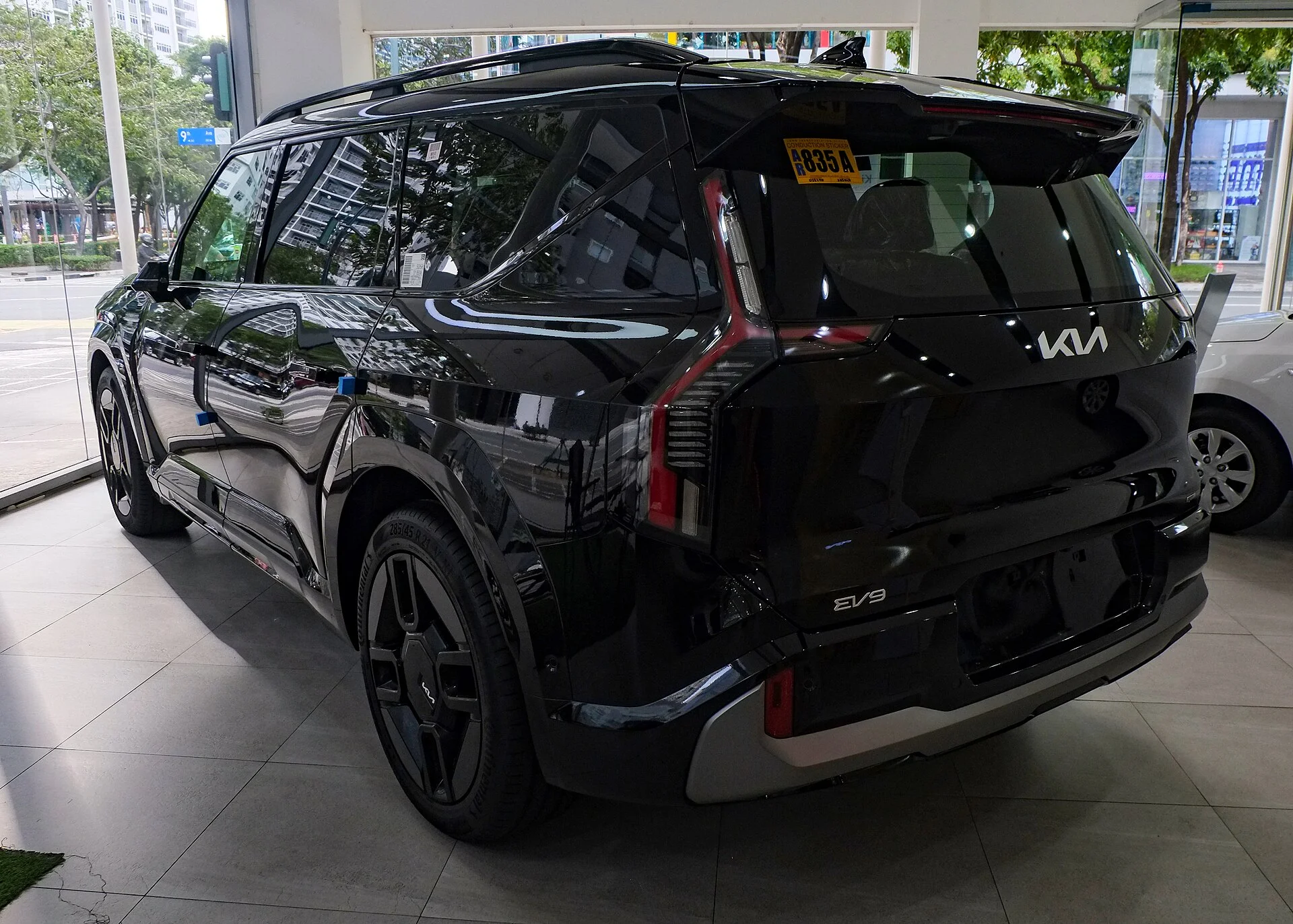
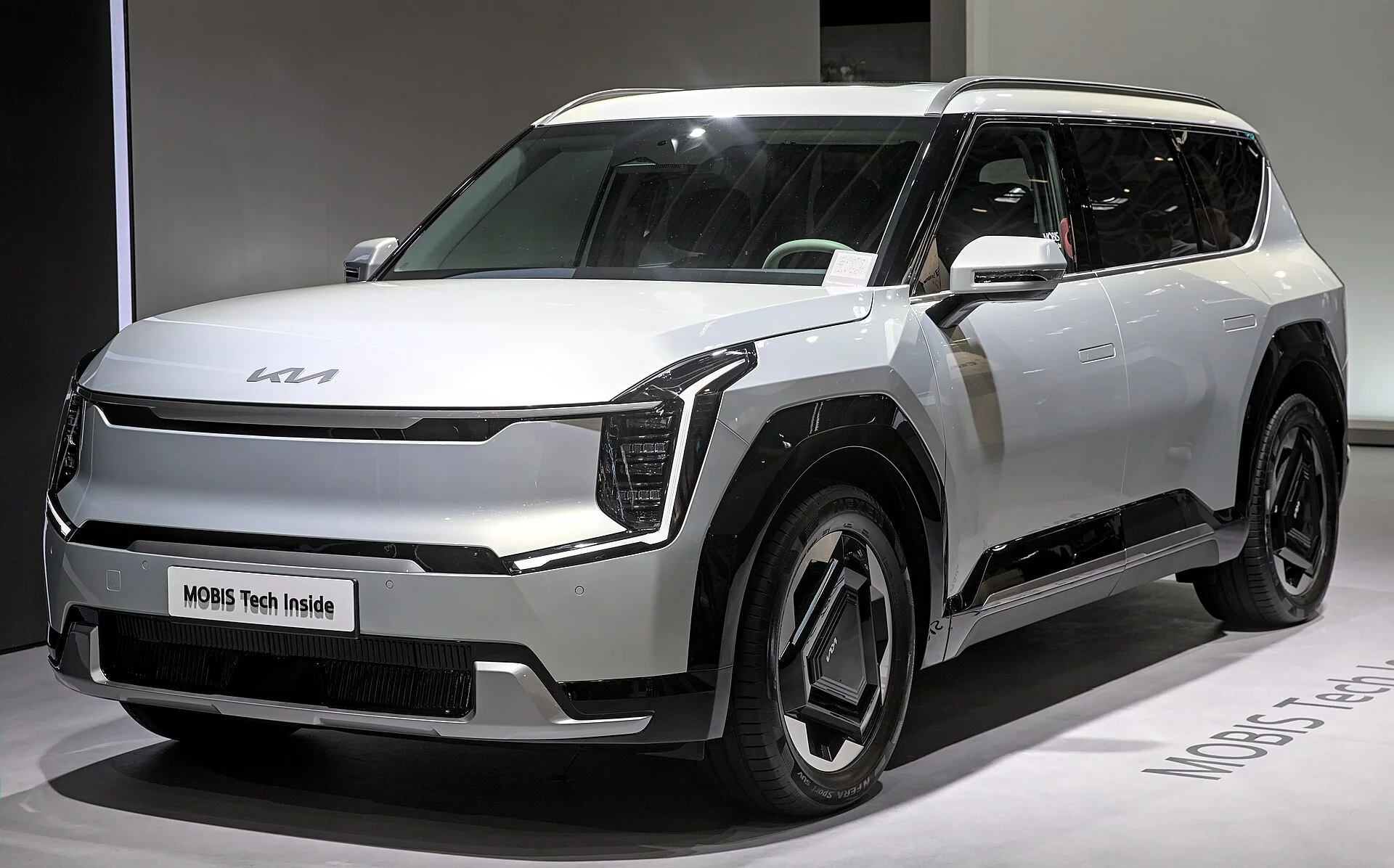
The EV9 is a fully electric SUV with no gasoline engine and no combustion of any kind. Because the EV9 burns no fuel, it produces zero carbon monoxide, so the exhaust-poisoning risk that applies to gas cars does not exist. The premise behind the safety fear simply doesn't apply here. Ask a skeptic and the answer is straightforward: yes, it's safe on the poisoning question, because the poison isn't being made.
So the safe answer is yes - sleeping in a Kia EV9 with climate running overnight carries zero carbon monoxide risk. That flips the whole conversation. For a gas car, the answer to this question is a hard no built around exhaust. For the EV9, the exhaust danger vanishes, and what's left is a completely different, much more manageable question: how much battery does it use?
Reframing the Question: It's Not a Safety Question, It's a Battery Question
Once you remove combustion, the question you were really asking changes. Running the EV9's climate control overnight draws from the high-voltage battery instead of an engine, so the real trade-off is battery charge rather than carbon monoxide. You're not weighing your life against warmth anymore - you're weighing tomorrow's driving range against tonight's comfort.
That's a mundane, plannable trade-off, not a safety gamble. The main planning number is battery percentage, not fuel, so check the projected morning range before sleeping with climate on. It's the same kind of thinking you'd apply to running your phone's screen overnight - will there be enough charge left for what I need tomorrow - not the life-or-death calculus of exhaust in a sealed cabin.
This reframing is the whole point. The gas-car version of this question is answered by physiology and exhaust chemistry; the EV version is answered by arithmetic on a battery gauge. A skeptic's job here isn't to warn you off - it's to point out you've been asking a safety question about something that's actually a range question, and to help you answer the real one.
Zero Combustion, Zero Carbon Monoxide
Let's be precise about why the safety fear evaporates, because it's absolute, not approximate. Carbon monoxide is a product of combustion - it forms when a fuel like gasoline burns incompletely. No combustion, no carbon monoxide. The EV9 has no engine burning anything, so there is no source for the gas to come from. It's not 'lower risk'; it's no risk on this specific hazard.
The consequences of that are genuinely different from any gas vehicle. Unlike a gas car, the EV9 does not need its windows cracked for safety, since there is no exhaust and no carbon monoxide to vent. All the gas-car advice about cracked windows and clear tailpipes is irrelevant here - there's nothing to vent, so you can sleep sealed up and warm without the ventilation compromise a gas car forces.
The starkest illustration: because the EV9 makes no exhaust, it can safely run climate overnight inside a garage, which a gasoline vehicle can never do. That's the line that makes the difference concrete. The one place you must never idle a gas car is the exact place an EV9 can run its heat all night without harm. Same activity, opposite safety outcome, entirely because of combustion versus none.
How the EV9 Heats While Parked: Utility Mode
The EV9 is actually designed for this, which tells you the maker expects people to do it. The EV9 includes a Utility Mode that hands cabin power from the small 12-volt battery over to the large drive battery so the heater, air conditioning, lights, and screens keep running while parked. It's a purpose-built camping-and-tailgating feature, not a workaround.
Why that matters: in a gas car, keeping the heat on while parked means keeping the engine running, with all the exhaust that entails. In the EV9, Utility Mode taps the big traction battery - the same pack that drives the car - to power climate and accessories directly, with no engine and no exhaust. The heat comes from electricity, not combustion, so there's simply no dangerous byproduct.
The EV9's climate system can maintain a comfortable cabin temperature far more efficiently than idling a gasoline engine for heat. An engine idling for heat is wildly inefficient - most of the fuel's energy is wasted - whereas an electric climate system spends its energy directly on temperature. So the EV9 isn't just safer for overnight climate; it's a genuinely better tool for it, doing the job cleanly and efficiently by design.
The Real Number: Battery Percentage
Since battery is the real constraint, start with what you're working with. The EV9's long-range battery has a total capacity of 99.8 kilowatt-hours, with about 95 kilowatt-hours usable. That's a large pack - one of the bigger ones in any consumer EV - which is exactly why overnight climate use barely dents it, as we'll see.
That capacity translates to serious range. Kia quotes a WLTP driving range of up to 349 miles for the rear-wheel-drive EV9, and about 313 to 315 miles for all-wheel-drive versions. Even accounting for real-world conditions - in cold testing near freezing the EV9 averaged about 2.9 miles per kilowatt-hour, giving a realistic range near 300 miles - you're starting the night with a big reservoir of energy.
The skeptic's framing is to treat the battery like a fuel tank you can watch precisely. Because a full pack holds around 95 usable kilowatt-hours, a night of mild climate use leaves plenty of range for driving the next day. You're spending a small slice of a large pack, and unlike a fuel gauge, the percentage readout lets you plan the trade-off to the exact point. That precision is the whole advantage.
What an Overnight Actually Costs the Battery
Here's the number that settles the practical question, and it's reassuringly small. One camping review measured the EV9 climate system using only about 5 to 10 percent of the battery over an 8-hour night with gentle heating or cooling in moderate weather. Five to ten percent for a full night is a minor cost against a nearly-full pack.
Break it down and it's even clearer. That works out to roughly 0.6 to 1.25 percent of battery per hour for mild overnight climate use, with more draw in extreme heat or cold. Under one and a quarter percent an hour, in moderate weather, is the kind of drain you can sleep through without a second thought - the pack is barely working to hold a comfortable cabin.
So the honest answer to 'will running climate overnight strand me?' is no, not in reasonable conditions. Spend 5 to 10 percent overnight from a healthy starting charge and you wake with the overwhelming majority of your range intact. This is why the EV9 makes such a good camping vehicle for climate-controlled sleep: the safety risk is zero and the range cost, in mild weather, is trivial.
Cold Weather Changes the Math
A skeptic doesn't quote the best-case number and stop, so here's the honest caveat. The 5-to-10-percent figure is for mild weather. In harsh cold or heat, overnight climate use can climb well above 10 percent of the pack, so a bigger charge buffer is needed. Real winter or desert conditions push the climate system harder, and the drain rises accordingly.
Cold is a double hit worth understanding. Cold weather both increases heating demand and reduces available battery range, so plan for higher overnight drain in winter. The heater works harder to hold temperature against the cold, and the battery itself delivers fewer usable miles when it's cold - so you're spending more energy from a pack that's temporarily giving you less range. Both effects point the same direction.
None of this makes it unsafe - it's still zero carbon monoxide, garage-safe, the whole deal. It just means the battery-planning number is bigger in extreme weather. Don't assume the mild-weather 5-to-10-percent applies on a sub-freezing night; budget more, and check the projected morning range before you sleep. The trade-off is still just range versus comfort, but in the cold the range side of the ledger costs more.
Vehicle-to-Load and Running Camp Gear
The EV9 offers a bonus that turns it into a genuine basecamp, and it's worth weighing into your battery plan. The EV9 offers Vehicle-to-Load, letting you power outside devices from the battery, tested at roughly 1.9 kilowatts shared across the interior outlet and the exterior charge-port adapter. That's enough to run real camp equipment, not just charge a phone.
Practically, that means the EV9 can run camp gear like a small fridge or lights overnight, at the cost of additional battery percentage. So your overnight budget isn't just climate - it's climate plus whatever you plug in. A fridge running all night, a string of lights, a device charging: each draws its own slice of the pack on top of the 5-to-10-percent climate cost.
The skeptic's advice is to account for the total draw, not just the headline climate number. Vehicle-to-Load is a great feature, but it spends the same battery you're relying on for morning range. Add up the climate use and the accessory use, compare it to your starting charge and your morning driving needs, and you've got the real overnight budget. The EV9 gives you the tools; you just have to do the arithmetic honestly.
How to Plan It Right
Planning an EV9 overnight is simple once you accept it's a battery exercise, not a safety one. Start with a healthy buffer. A practical guideline is to start the night with a healthy charge buffer, for example keeping at least 20 to 30 percent in reserve for morning driving. Work backward from how far you need to drive tomorrow, add your overnight climate and accessory draw, and make sure your starting charge covers all of it with margin.
Check the gauge before you sleep, not after. The main planning number is battery percentage, so check the projected morning range before sleeping with climate on. The EV9 shows you the numbers directly - unlike a gas tank you're guessing at, you can see exactly where you'll stand at dawn and adjust the thermostat or unplug accessories if the buffer looks thin.
As for the carbon monoxide question that started all this: there's genuinely nothing to manage. Still, there is no harm in placing a small battery carbon monoxide alarm in any sleeping space as a general precaution, though the EV9 itself emits none. A portable carbon monoxide detector is cheap peace of mind and useful if you ever camp near a fuel-burning heater or another vehicle - but the EV9 alone gives it nothing to detect.
The Verdict: Yes - Manage the Battery, Not the Air
The verdict flips the usual answer, and for a good reason. Sleeping in a Kia EV9 with climate running overnight carries zero carbon monoxide risk, because the EV9 is fully electric with no combustion. The danger everyone pictures with this question - exhaust poisoning - simply cannot occur, which is why the EV9 can even run its climate overnight in a garage, something no gas car can ever do.
What's left is a range question, and a gentle one. Utility Mode powers the cabin from the 95-usable-kilowatt-hour pack, and mild overnight climate use draws only about 5 to 10 percent over an 8-hour night. Budget more for harsh cold or heat, and account for anything you run off Vehicle-to-Load, but in reasonable conditions you'll wake with most of your roughly 300 miles of real-world range intact.
So plan the battery, not the air. Start with a healthy buffer - keep 20 to 30 percent in reserve for the morning - check the projected range before you sleep, and adjust for weather and accessories. Do that, and the EV9 is one of the best vehicles you can sleep in with the climate on: no exhaust, no cracked windows, no gamble - just a battery gauge to watch and a comfortable night to enjoy.
It's worth stepping back to see how completely the electric drivetrain rewrites this question. For a century, sleeping in a vehicle with the heat on meant accepting an exhaust risk and hoping the tailpipe stayed clear. The EV9 removes the hazard at the source rather than mitigating it, which is why the honest answer here is a confident yes where a gas car earns a hard no. The skeptic's takeaway: when the premise changes, so should the answer - and here it does.