

The Straight Answer: No
Here is the answer without the hedging: no, it is not safe to run the heater in a Honda CR-V while you sleep. The reason is mechanical and it is not negotiable. The CR-V's cabin heater draws its warmth from the running combustion engine, so 'running the heater' unavoidably means running the engine and generating exhaust the entire time you are unconscious.
That exhaust contains carbon monoxide, and carbon monoxide is what makes this a life-or-death question instead of a comfort one. It is colorless, odorless, and tasteless, produced by the incomplete combustion of gasoline, which means you cannot see or smell a dangerous buildup. Your senses give you nothing to react to.
Eighteen years around engines teaches you to respect exhaust, and the honest read here is that the CO and fuel-waste risks outweigh the warmth every time. The rest of this explains exactly what happens and why, and then lays out the way to stay warm in a CR-V overnight without turning the cabin into a hazard. The heat problem is real; running the engine is the wrong answer to it.
Why the CR-V's Heat Is the Problem
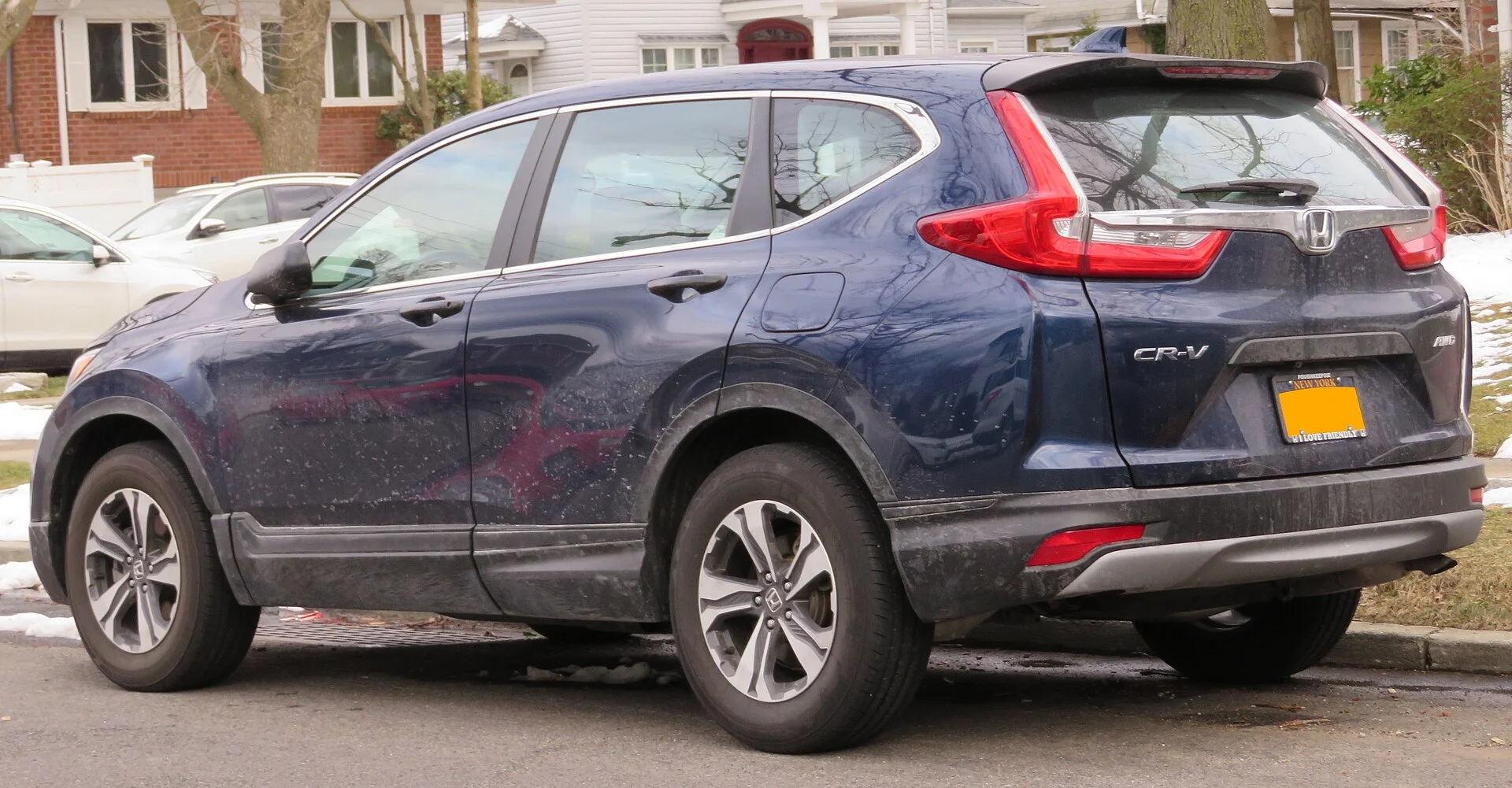
Start with where the heat actually comes from, because that is the whole issue. A CR-V does not have a separate, sealed heater - the cabin warmth is a byproduct of the engine running. Heat the cabin overnight and you are, by definition, idling a gasoline engine for eight hours, burning fuel and pushing exhaust out the tailpipe the entire time.
That is different from a purpose-built camper with a vented heater. In the CR-V there is no way to get engine heat without also getting engine exhaust near a vehicle you are sleeping in. The two are the same system. So the question 'is it safe to run the heater' is really 'is it safe to idle the engine all night in a confined space,' and framed that way the answer gets obvious fast.
A running engine can produce carbon monoxide faster than a parked car's ventilation can clear it, which lets CO build to hazardous levels quickly in a closed cabin. That is the core failure mode: not a slow, detectable creep, but a buildup that can outpace whatever airflow the parked vehicle has. The heat you want and the gas that hurts you come from the same source, and you cannot separate them in a CR-V.

What Carbon Monoxide Actually Does
It is worth knowing why CO is so lethal specifically to a sleeping person, because that is the part people underestimate. Carbon monoxide binds to the hemoglobin in your blood far more readily than oxygen does, so even moderate concentrations can incapacitate someone quickly by starving the body of oxygen at the cellular level. It does not need a high dose to do real harm.
The numbers are sobering. The CDC reports that more than 400 Americans die each year from unintentional, non-fire carbon monoxide poisoning, and more than 100,000 visit emergency departments for it. Levels above roughly 150 to 200 parts per million can cause life-threatening symptoms, and lower sustained exposure while you sleep is dangerous too.
The reason sleepers die is timing. Early CO symptoms resemble the flu without a fever - headache, dizziness, weakness, an upset stomach - and a sleeping person will not act on any of them. People who are asleep, intoxicated, or impaired can die from CO poisoning before they ever notice a symptom. That is the trap: the warning signs arrive, but you are unconscious for all of them.
The Tailpipe Is the Killer You Do Not See
Here is the specific scenario that turns idling from risky to fatal, and it is the one that gets car campers: a blocked tailpipe. A snow-blocked or debris-blocked exhaust pipe is a documented killer, because backed-up exhaust cannot escape and seeps directly into the cabin instead of out the back. The CDC's guidance is blunt - clear the exhaust pipe before starting the engine.
Winter is when this bites. You park in snow, the drifts build against the back of the vehicle overnight, and the tailpipe you cleared at 9 p.m. is buried by 2 a.m. Now every bit of exhaust the idling engine makes has nowhere to go but back toward the cabin, and you are asleep for the whole process. This is not a freak event; it is a predictable one in the exact conditions that make you want heat.
Then there is the enclosed-space multiplier. Parking in an enclosed or partially enclosed space such as a garage dramatically accelerates CO buildup and must never be combined with an idling engine. Between a snow-banked tailpipe outside and a partial enclosure anywhere, the CR-V's exhaust has too many ways to end up where you are breathing. You cannot watch for a threat you cannot see, and the tailpipe is exactly that threat.
The Cracked-Window Myth
Now the belief that gets people killed because it feels like a solution: cracking a window. The idea that opening a window an inch makes it safe to idle overnight is a myth, and it is a dangerous one because it grants false permission. A cracked window cannot reliably vent carbon monoxide faster than the engine produces it.
The physics do not cooperate the way people hope. A running engine puts out CO continuously, and a small gap is not enough airflow to clear it at the rate it is made. Worse, wind can actively pull exhaust back inside through that same gap - so the crack you opened for safety can become the path the CO takes into the cabin. It is not a vent; it is a variable you cannot control while unconscious.
This is the marketing-versus-reality gap in a nutshell, except here the marketing is folk wisdom. A cracked window is genuinely useful for managing condensation from your breath, and it should be part of any night in a car. But it is not a countermeasure against engine exhaust, and treating it as one is how a reasonable-sounding habit turns lethal. Ventilation helps with water; it does not make idling safe.
The Hybrid Does Not Fix It
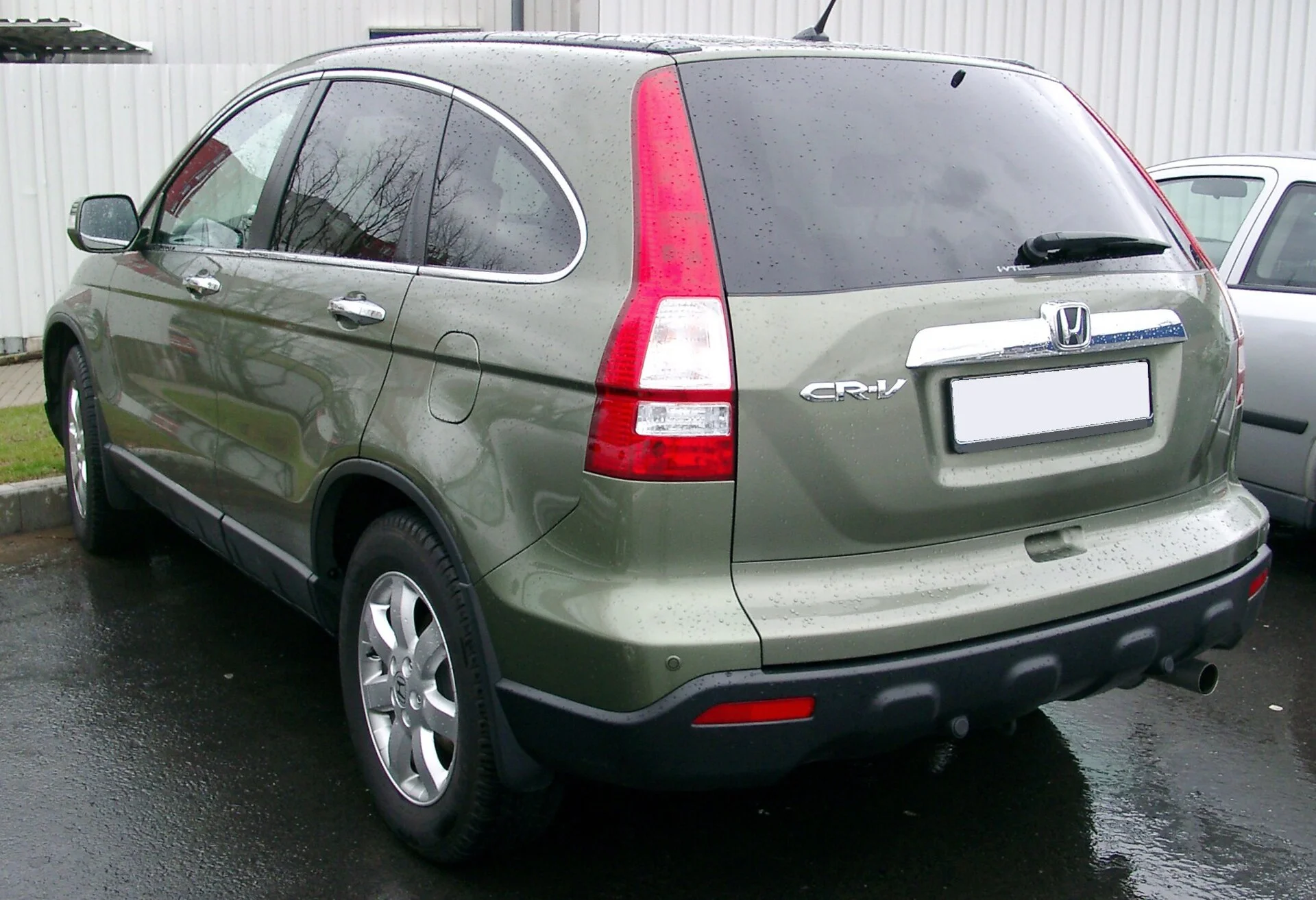
A fair question: does the CR-V Hybrid solve this, since it runs on electricity part of the time? The honest answer is no. Both the gasoline CR-V and the CR-V Hybrid rely on a combustion engine, so neither eliminates carbon monoxide risk when it provides heat overnight. The hybrid's gas engine still cycles on to make cabin heat, and when it runs, it produces exhaust exactly like the gas model.
This trips people up because they associate 'hybrid' with 'clean' or 'electric.' For heating a cabin overnight, that association is wrong. Cabin heat still comes from the combustion side of the system, so the hybrid cycles its gas engine on to make it, and every one of those cycles is a CO source. The battery does not heat the cabin through the night on its own.
So the hybrid changes how often the engine runs, not whether it makes carbon monoxide when it does. The tailpipe still needs to be clear, the cracked window is still not a fix, and a CO alarm is still mandatory. If you were counting on the hybrid to make overnight idling safe, drop that plan - the safe approach is the same for both CR-Vs, and it does not involve running the engine while you sleep.
What Idling Actually Costs in Fuel
Set the danger aside for a second and the idling plan is also just wasteful, which is the mechanic's other objection. Idling a small four-cylinder engine like the CR-V's typically burns on the order of 0.2 to 0.5 gallons of gasoline per hour. Over a single eight-hour night, that is multiple gallons of fuel spent to make heat you could get other ways.
That fuel burn matters twice. First, it is money out the tailpipe for a poor result - an engine is an inefficient cabin heater, dumping most of its energy as waste. Second, a long way from a gas station, the fuel you idled away overnight is the fuel you needed to drive out in the morning. Burning multiple gallons for warmth can leave you short exactly when you cannot refill.
Compare that to a vented diesel air heater, which routes its combustion exhaust outside the cabin and sips fuel at roughly 0.1 to 0.5 gallons per hour to make the same warmth safely. The idling engine loses on every count: it is more dangerous, it is less efficient, and it interrupts your sleep every time you wake up cold and reach for the key. It is not a heat plan; it is a bad habit with a body count.
The Safe Way to Stay Warm in a CR-V
The good news is that staying warm in a CR-V overnight is a solved problem that does not involve the engine. The foundation is passive: layered insulation and a quality sleeping bag rated for the actual temperature you expect. A cold-rated bag plus insulated window covers holds your body heat far more effectively than people assume, and it costs nothing to run and produces no exhaust.
When passive is not enough, the answer is off-engine heat. A vented external heater - a diesel air heater is the common choice - makes dry heat and routes its exhaust outside the sleeping space, which is the entire point: it is the sealed heat source the CR-V does not come with. Paired with ventilation for condensation, it delivers warmth without the CO trap of idling.
The one non-negotiable accessory is detection. Because you cannot rely on your senses to catch carbon monoxide, a battery carbon monoxide alarm designed for vehicles or campers is the only in-cabin way to get early warning of a buildup, and it runs around ten to fifty dollars. Treat it as a backup and a warning device, though - not as permission to idle. The alarm exists to catch a failure, not to make a dangerous plan safe.
If You Must Run It, Do It Awake
There is a narrow, legitimate use for the engine, and it is worth stating precisely so it is not mistaken for the all-night version. If you need to warm up, run the engine briefly while you are awake, with the tailpipe verified clear of snow and debris, and shut it off before you fall asleep. Awake, you can react to a symptom or a problem; asleep, you cannot.
The rule that makes this safe is the shutoff. The danger is not a two-minute warm-up with a clear tailpipe and an alert driver - it is the unattended, all-night idle where a blocked pipe or a buildup meets an unconscious person. Warm the cabin, warm yourself, then kill the engine and sleep on your insulation and bag. The engine's job is the pre-sleep takeoff, not the flight.
The safest practice, stated plainly, is to never sleep with the engine running unattended - turn it off before you drift off rather than idling for warmth. If you keep the engine's role to short, awake, tailpipe-clear cycles and let off-engine heat and insulation carry the night, you get the warmth without the risk. Cross the line into sleeping while it idles, and you are gambling with the one thing you cannot detect.
The Verdict: Warm Up, Then Shut It Off
The bottom line on a Honda CR-V is not complicated: do not run the engine and heater to stay warm while you sleep unattended. The heat comes from a combustion engine, the engine makes carbon monoxide, and CO is a colorless, odorless gas that kills sleeping people before they notice symptoms. That is true of the gas CR-V and the hybrid alike, because both make cabin heat by burning gasoline.
The specific killers are real and predictable: a tailpipe blocked by overnight snow, a partially enclosed parking spot, and the cracked-window myth that convinces people idling is fine when it is not. More than 400 people die of accidental CO poisoning a year, and a sleeper gets no warning because the early symptoms feel like the flu and arrive while you are unconscious. The fuel waste - multiple gallons a night - is just the insult on top of the injury.
Do it the safe way instead. Layer insulation and a temperature-rated bag, add a vented external heater if you need active warmth, ventilate for condensation, and run a carbon monoxide alarm as a backup. If you want engine heat, take it in short cycles while awake with the tailpipe clear, then shut it off before sleeping. The CR-V is a fine place to spend a cold night - just not with the engine running while you are in it.