
The Straight Answer: Don't Do It Overnight
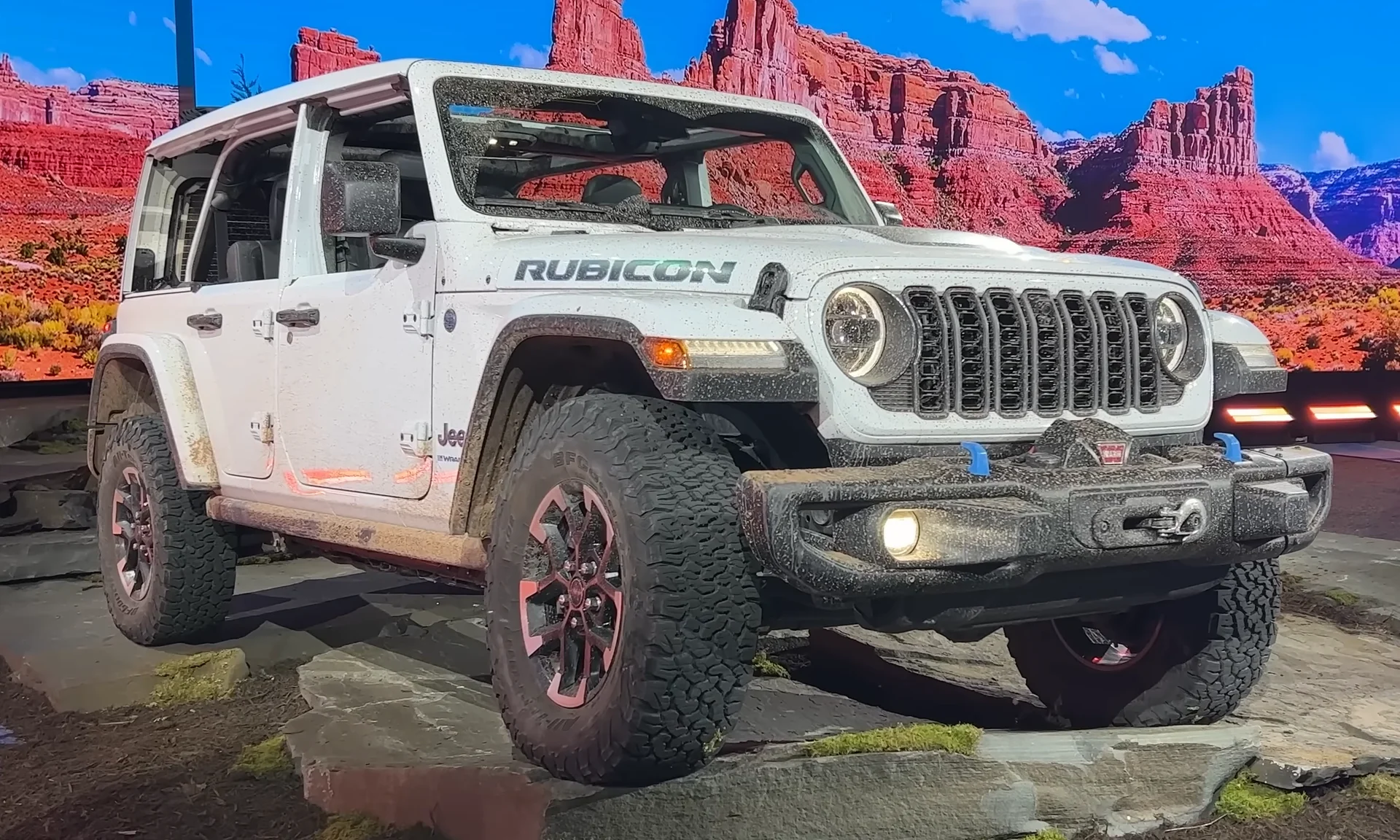
The cheap plan isn't cheap if it costs you your life. Here is the direct answer: it is not safe to idle a gas Jeep Wrangler overnight to stay warm as an unattended, all-night solution. A gasoline Wrangler has an internal-combustion engine, so idling it produces exhaust containing carbon monoxide - a gas made by burning fuel, and the reason people die doing exactly this.
The core rule is blunt for a reason. The combination of carbon-monoxide risk, fuel burn, and exhaust-leak potential makes unattended overnight idling for warmth an unsafe default, best avoided in favor of insulation, proper sleeping gear, or cycling the engine while awake. This is not overcaution - a few people die every year from carbon monoxide poisoning while sleeping in an idling vehicle, and the Wrangler's off-road life makes it a particularly exposed case.
So the honest framing is that this is a false economy in the most serious sense. Running the engine feels like the free, obvious way to stay warm, but the real cost is a genuine risk of never waking up, plus a surprising fuel bill. The rest of this explains exactly why, how to protect yourself if you idle at all, and the safer, cheaper ways to stay warm that do not gamble with an odorless gas.
Carbon Monoxide: The Invisible Killer
Here is the danger nobody sees coming, literally. Carbon monoxide is colorless, odorless, and tasteless, so you cannot see, smell, or taste it, and you can be poisoned before noticing any symptoms. That is what makes it so lethal in a sleeping situation - there is no warning smell to wake you, no visible smoke, nothing your senses can catch until it is already affecting you.
What it does to the body is fast and severe. Carbon monoxide replaces the oxygen in your blood; without oxygen, cells throughout the body die and organs stop working, and it can become deadly within minutes. Early symptoms include headache, dizziness, and nausea; as exposure continues, confusion and drowsiness, fast breathing, fast heartbeat, and chest pain can follow. The trouble is those early signs are easy to sleep straight through.
And that is the cruelest part for anyone idling to stay warm. The drowsiness caused by carbon monoxide is especially dangerous while sleeping, because a person may slip from sleep into unconsciousness without ever waking. You do not get the chance to notice something is wrong and turn the engine off - the gas that is poisoning you also deepens the sleep it is killing you in. That single fact is why this is not a risk to manage casually.
Why a Wrangler Is Especially Exposed
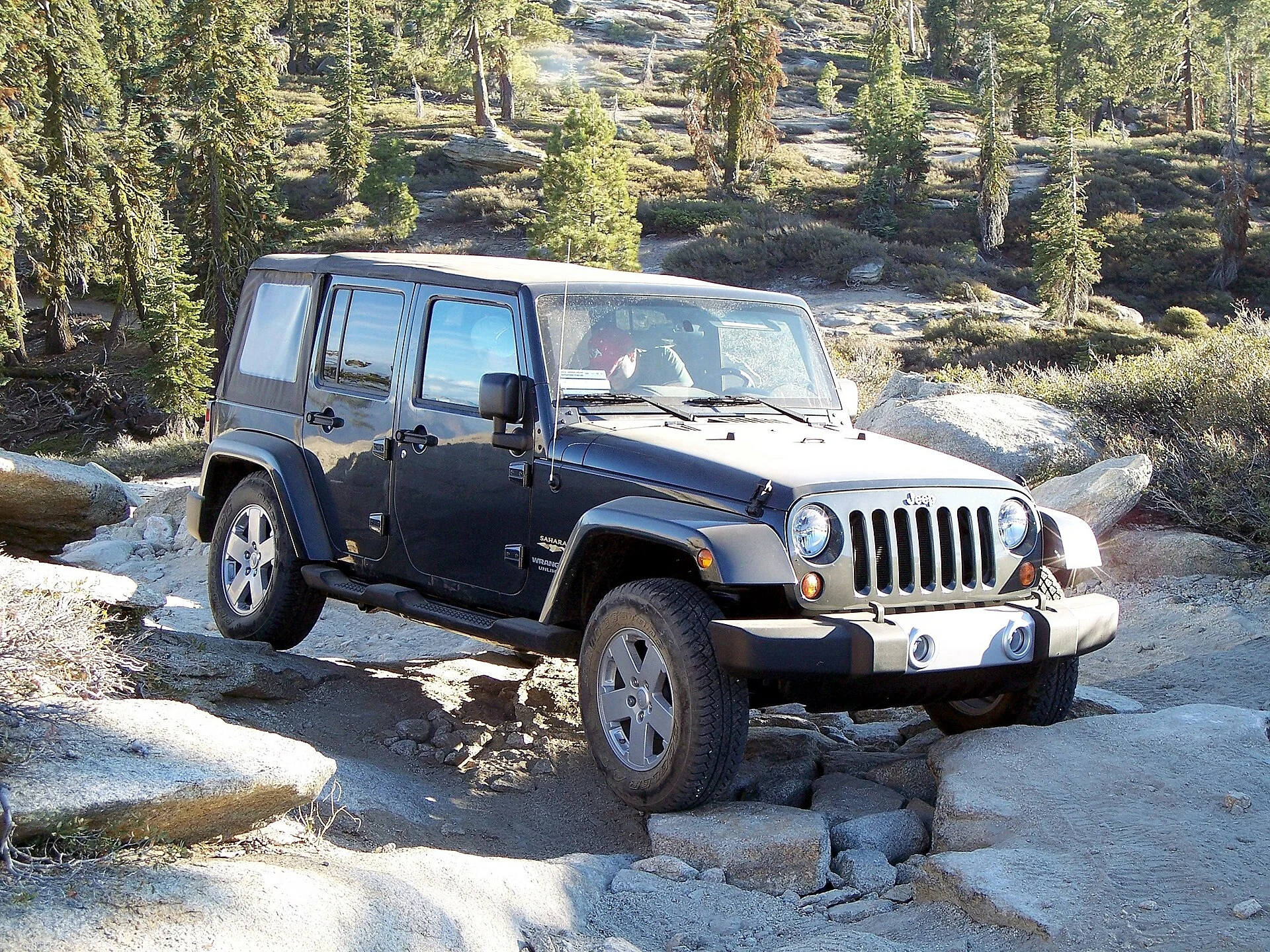
Every combustion vehicle carries this risk, but a Wrangler carries extra. Off-road vehicles like the Wrangler are particularly vulnerable to exhaust-system damage from rocks and rough terrain, which can create leaks that let carbon monoxide enter the cabin. The same trails that make a Wrangler fun are what dent, crack, and loosen exhaust components - and a compromised exhaust is a direct path for CO to reach where you sleep.
Then there is the winter-specific trap. A specific documented hazard is running a vehicle whose tailpipe is blocked by snow or mud, which traps exhaust and lets carbon monoxide build up around and inside the vehicle. Park in fresh snow, idle for heat, and a drift can seal the tailpipe without you knowing - now the exhaust has nowhere to go but back toward the cabin. This is a leading way idling turns deadly in cold weather.
Even a healthy Wrangler is not immune. Even a well-running engine can let carbon monoxide seep into the cabin through leaks, a blocked tailpipe, or poor door and body seals - and a Wrangler's removable-top, removable-door design is not exactly a sealed vault. Between trail-worn exhaust, snow-blocked tailpipes, and imperfect seals, the Wrangler stacks up more entry points for CO than a typical sedan, which is why it deserves extra caution, not less.
The Fuel Bill of Idling All Night
Set the danger aside for a second and the money still does not add up. A modern 3.6L V6 Jeep Wrangler burns roughly 0.57 gallons of gasoline per hour at idle - about 0.6 liters per hour per liter of engine displacement. Wrangler owners using scan tools have reported idle fuel consumption around 0.4 to 0.5 gallons per hour, which lines up with that estimate. As a general rule, idling can consume up to about half a gallon of fuel per hour, and larger engines up to roughly one gallon per hour.
Run that across a full night and the tank drains fast. A 2018 Jeep Wrangler with a 3.6L engine and a 21.5-gallon tank would idle for only about 37 hours on a full tank, so overnight idling meaningfully depletes fuel. A single cold night can eat a noticeable chunk of your range, which is a real problem when the next gas station is far away and you were counting on that fuel to get there.
So the false economy is double. You are burning fuel you may need for the drive out, and you are doing it to run a heat source that is dangerous - when cheaper, safer options exist. Spending on insulation and a good sleeping bag once is far less than repeatedly idling away tank after tank, and it does not carry the risk that makes the whole approach a bad trade in the first place.
A Battery CO Detector Is Non-Negotiable
If you are going to sleep in any combustion vehicle, one cheap item is not optional. A battery-powered carbon monoxide detector is essential when sleeping in any combustion vehicle, because carbon monoxide is otherwise undetectable by human senses. It is the only thing in your kit that can catch the invisible gas before it catches you, and it costs a fraction of a tank of gas.
This is the highest-value dollar in the whole discussion. Carrying an inexpensive portable carbon monoxide detector is recommended as emergency-preparedness gear for anyone considering idling for warmth - it is the single item that turns a silent, unnoticed hazard into an alarm that wakes you. A good battery-powered carbon monoxide detector belongs in any vehicle you sleep in with a heat source, full stop.
Be clear about what it does and does not do, though. A detector is a last line of defense, not a license to idle freely - it warns you that CO has already reached a dangerous level, buying you the seconds to shut off and ventilate. It does not make idling safe; it makes a bad situation survivable. Buy it, keep it working, and never treat its presence as permission to do the risky thing more casually.
If You Absolutely Must Idle
Sometimes it is genuinely cold and idling for warmth feels unavoidable - so if you must, do it with every safeguard in place. If you must idle, crack a window for ventilation and make sure the tailpipe is clear of snow, mud, or any obstruction. That cracked window gives exhaust-tainted air somewhere to escape, and a clear tailpipe keeps the exhaust flowing away from the cabin instead of pooling under and into it.
Two rules are absolute. You should never idle a vehicle in an enclosed space such as a garage, because carbon monoxide accumulates rapidly and can be lethal - and that includes a snow cave, a carport, or any partly enclosed shelter. And you should never idle unattended while asleep, because the whole danger is that CO deepens sleep into unconsciousness. Idling for heat is something you do awake and monitoring, never something you set and drift off to.
Even done carefully, understand what you are accepting. Idling exhaust also contains other toxic air pollutants linked to asthma, decreased lung function, cardiac disease, and cancer with repeated exposure - so this is not a clean heat source even when the acute CO risk is managed. "If you must" is exactly the right framing: a monitored, ventilated, tailpipe-clear short burst while awake, not a routine you rely on night after night.
The Cycle-the-Engine Alternative
There is a smarter way experienced cold-weather travelers handle this, and it keeps the engine off while you sleep. A safer cold-weather technique cited by experienced overlanders is to cycle the engine: run it to warm the cabin, then shut it off to sleep, restarting only when the cold wakes you. You get the engine's heat without ever leaving it running unattended through the deepest part of the night.
The reason this works is that a warm, insulated cabin holds heat for a while after the engine is off. You bring the interior up to temperature, kill the engine, and sleep in the residual warmth; when it drops enough to wake you, you run the engine again briefly. Every heat cycle happens while you are awake to watch the tailpipe and the window, which removes the exact scenario - idling asleep - that kills people.
It costs a little sleep and saves a lot of fuel and risk. Cycling burns far less gas than idling all night, and it eliminates the unattended-idle danger entirely. Pair it with good insulation and a proper bag and the cycles get shorter and less frequent, because the cabin holds warmth longer. For anyone determined to use the Wrangler's own heat, cycling while awake is the honest, defensible version of the plan.
Buddy Heaters Aren't a Free Pass
A common next thought is to skip the engine and use a portable heater instead - but do not assume that solves the problem. Alternative heat sources are not automatically safe: portable propane buddy heaters also consume oxygen and can produce carbon monoxide, so they carry their own CO and ventilation risks. Swapping engine exhaust for an unvented propane flame inside a closed cabin trades one CO source for another.
Propane heaters have real advantages - they sip fuel and put out strong heat - but they demand the same respect for ventilation as idling does. Burning propane in a sealed space consumes the oxygen you are breathing and can generate carbon monoxide if combustion is incomplete, which is why the same carbon monoxide detector and the same cracked-window discipline apply. A buddy heater is not the loophole that makes closed-cabin heat safe.
The value takeaway is that there is no magic free heat in a small enclosed space. Whether it is the engine or a propane heater, any combustion inside the cabin needs ventilation and a CO detector, and neither should run unattended while you sleep. The genuinely safe upgrades are the non-combustion ones: insulation, a cold-rated sleeping bag, and window coverings that hold body heat - the boring gear that never poisons anyone.
EV vs Wrangler: Why the Answer Differs
It is worth being explicit about why this answer is so different from the same question about an electric vehicle. Idling a gasoline Jeep Wrangler overnight is materially more dangerous than running climate in an electric vehicle, because only the combustion engine emits carbon monoxide. An EV holding cabin temperature on its battery produces no exhaust and no CO at all - the deadly variable simply is not present.
That is the whole distinction, and it is why a per-vehicle answer beats a generic one. In an EV, overnight climate is a battery-management question - how much charge it costs. In a gas Wrangler, overnight heat is a life-safety question - whether the exhaust reaches you. Same goal, keeping warm while you sleep, but the Wrangler's combustion turns it from a planning problem into a genuine hazard.
So do not carry over reassurance from EV camping to a gas Wrangler. The comfortable "just leave the climate on" advice that is fine for an electric vehicle is exactly the advice that gets people killed in a combustion one. The Wrangler's engine is the difference, and it means the safe approach is the opposite: keep the engine off while you sleep, and make your warmth from insulation and gear, not exhaust.
The Verdict: Insulate, Don't Idle
Add it all up and the verdict is firm. Idling a gas Jeep Wrangler overnight to stay warm is not safe as an unattended, all-night solution - the carbon-monoxide risk, the fuel burn of roughly 0.57 gallons per hour, and the Wrangler's extra exhaust-leak and blocked-tailpipe exposure make it an unsafe default. The gas that would keep you warm is the same gas that can kill you in your sleep without a single warning sign.
The cheaper, safer plan is the boring one. Win the night with insulation, a proper cold-rated sleeping bag, and window coverings that trap body heat - non-combustion warmth that never produces CO. If you want the engine's heat, cycle it while awake rather than idling asleep, always run a battery carbon monoxide detector, keep the tailpipe clear, and crack a window. Treat a propane buddy heater with the same caution, because it too can make CO.
The honest bottom line, value-first: spend once on insulation and a good bag instead of idling away tank after tank on a dangerous heat source. It costs less over time, it protects your fuel for the drive out, and most importantly it removes the one risk that makes all-night idling a gamble you cannot afford to lose. Stay warm the safe way, and the Wrangler is a fine place to sleep - just not with the engine running while you do.