
The Short Answer: No, and the Big Tank Is the Trap
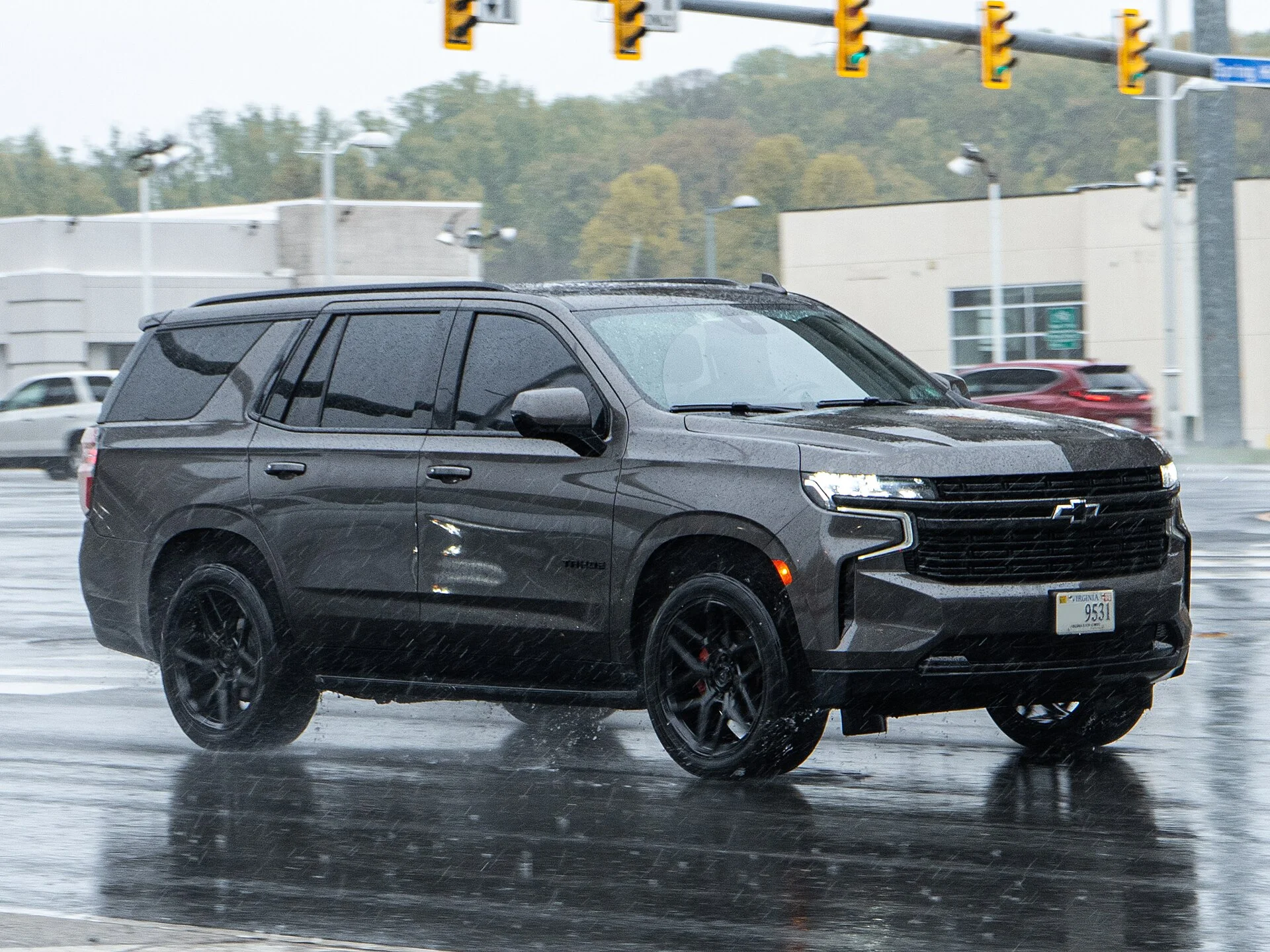
The straight answer from someone who has spent cold nights parked a long way from help: no, do not leave a Chevy Tahoe idling unattended all night just to run the heater. The Tahoe is a big gasoline SUV, so overnight heat means idling a V8 - and a running gas engine is the entire problem, no matter how capable the truck is.
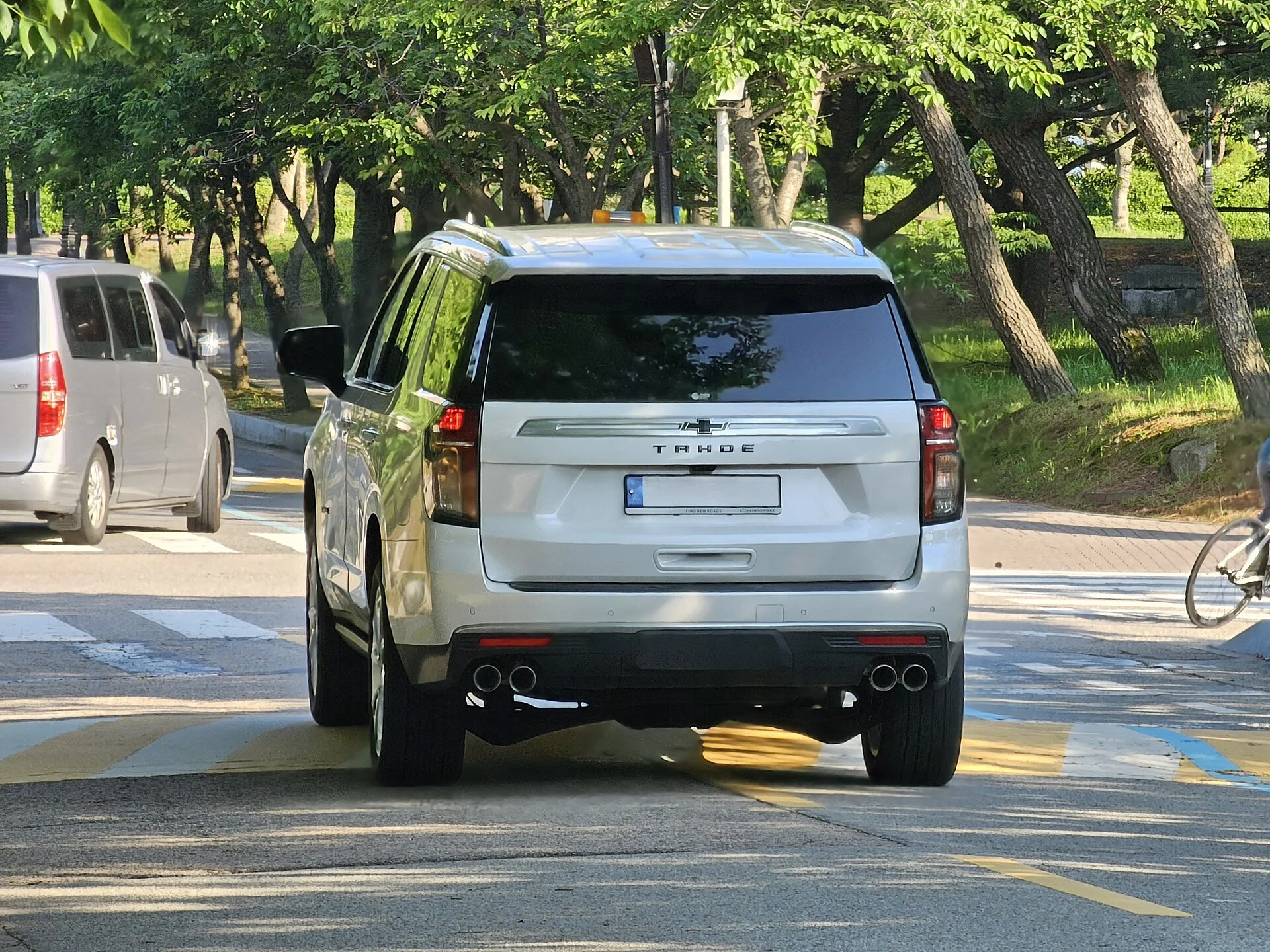
The Tahoe's size works against you here in a sneaky way. Its 24-gallon fuel tank and a V8 that burns only modest fuel at idle make the fuel math look completely reassuring - it feels like you could idle for days. That reassurance is exactly the trap, because it makes people comfortable doing the one thing that actually hurts them: leaving an engine running unattended while they sleep.
The real danger was never fuel. It is carbon monoxide, an odorless, colorless gas a running engine produces the whole time it idles, and it can build up in the cabin faster than a sleeper can react. A big tank does not make that safer; it just lets the engine run long enough for the hazard to build. The rest of this guide is why the fuel math lies and what actually keeps you warm.
It's a V8, So Heat Means Idling
Start with why this is even a question. The Tahoe's cabin heat comes from its engine, so running the heater overnight means keeping that engine idling for hours. There is no separate heat source - warmth is a byproduct of combustion, and combustion means the engine has to be running the whole time you want heat.
And it is a big engine. The Tahoe's standard 5.3-liter EcoTec3 V8 produces 355 horsepower and 383 lb-ft of torque, with an available 6.2-liter V8 making 420 horsepower and a 3.0-liter Duramax turbo-diesel option as well. Whichever engine, the principle holds: to make cabin heat overnight, you are running a combustion engine unattended while you sleep, producing exhaust the entire time.
So the honest way to phrase the question is not 'is it safe to run the heater' but 'is it safe to idle a V8 unattended all night.' Framed that way, the answer is obvious. An idling engine near sleeping people is the exact setup behind a steady toll of preventable deaths every year, and the Tahoe's engine is no exception just because the truck is large and well-built.
The Fuel Math That Fools You
Let's kill the fuel worry first, because it is the thing that fools people into idling. The Tahoe holds 24.0 gallons, and a big V8 SUV typically burns only about 0.3 to 0.6 gallons of fuel per hour at idle - owner measurements of GM V8 trucks show roughly 0.4 to 0.5 gallons per hour at hot idle in park. That is a slow burn against a big tank.
Do that arithmetic and the tank looks bottomless. Burning well under half a gallon an hour, a nearly full 24-gallon Tahoe could idle far longer than any single night - you are simply not going to run out of gas idling for heat. Running the air conditioner or heater load can roughly double idle consumption per the EPA, and even then the fuel lasts far beyond a night's sleep.
That is precisely the trap. Because the fuel number is so reassuring, people conclude that idling for heat is fine - the truck can clearly sustain it. But fuel was never the constraint on safety. The engine will happily idle all night without emptying the tank, and that is exactly what lets the real hazard, carbon monoxide, build up unnoticed while you sleep through it.

Carbon Monoxide: What Actually Hurts You
Here is the danger the fuel math distracts from. Combustion engines emit carbon monoxide, a colorless, odorless gas that is the leading cause of toxin-related death in the United States. Your senses give you zero warning - there is nothing to smell, see, or taste as it accumulates in a closed cabin around an idling engine.
It is not a rare freak accident. CDC data from 1999 to 2010 records an average of about 430 unintentional, non-fire carbon monoxide poisoning deaths per year in the United States - a steady annual toll from engines, generators, and heaters running where their exhaust reaches people. In 2015 there were 393 such deaths, and this is exactly the category unattended vehicle idling falls into.
Sleeping is what makes it lethal. Because carbon monoxide has no odor, a sleeping person can be overcome before ever waking - the early symptoms that would warn an alert person simply pass them by. That is why the hazard is not idling in general but idling unattended overnight, when you cannot sense or respond to a gas you have no way to detect. The Tahoe's cabin is no safer than any other for this.
The Winter Overlap That Makes It Worse
The cruelest part is that the danger peaks in exactly the conditions that make you want to idle. Carbon monoxide deaths cluster in winter: of the 393 unintentional deaths in 2015, 36 percent occurred in December, January, or February. Cold weather is when people run engines for heat, and cold weather is when the exhaust path is most likely to get blocked.
Snow is the mechanism. Park a Tahoe in snow, idle it for warmth, and drifting or blown snow can pack against the back of the vehicle and bury the tailpipe. With nowhere to vent, the exhaust works its way back under and into the cabin instead of dispersing outside. You are asleep, warm, and unaware that the vent path just closed - the setup behind a large share of those winter deaths.
An overlander learns to see the overlap as the whole point. The circumstances that make idling tempting - cold, snow, remote, far from help - are the exact circumstances that make it deadly. That is why cold-weather idling deserves real caution, not the casual confidence the Tahoe's big tank encourages. The weather selling you on idling is the same weather that packs your tailpipe.
The 2.5-Minute Reality From a Real Study
If a blocked tailpipe sounds like a slow problem you would notice, the research says otherwise. In a documented study, a 1992 sedan buried in snow to the undercarriage reached the detector's 999 ppm carbon monoxide ceiling inside the cabin - and with the windows closed, lethal cabin levels occurred within 2.5 minutes of starting the engine. Two and a half minutes, not hours.
Cracking a window barely helps, which kills the most common myth. In the same study, with a window opened 1 inch, lethal cabin carbon monoxide still occurred within 5 minutes; with windows opened 6 inches, within 7.5 minutes. A small gap cannot vent the gas faster than a blocked-tailpipe engine forces it in - the window trick buys minutes, not safety.
Those timeframes are the argument against 'keeping an eye on it' while you doze. A hazard that goes lethal in 2.5 minutes with the windows up is not something you manage by staying half-awake. By the time anything felt wrong - if you felt anything at all before sleep took the warning away - it would be far too late. For a big SUV like the Tahoe, the physics are identical.

Even Clearing the Snow Isn't Enough
Here is the finding that should end the debate, because it goes past the usual advice. People assume that if they clear the snow off the tailpipe, they are safe. The study measured exactly that, and the numbers are alarming. With the tailpipe only swept clear of surface snow, cabin carbon monoxide still reached 751 ppm at 7.5 minutes - a lethal level, despite the visible snow being brushed off.
Clearing more helped, but still not enough. With a 1-cubic-foot area cleared around the tailpipe, cabin carbon monoxide still reached 299 ppm at 10 minutes - dangerous, not safe. It was only when the tailpipe was cleared in a 12-inch-wide channel all the way down to ground level that cabin carbon monoxide stayed at 0 ppm. Anything short of that full channel still let the gas back in.
That graduated result is the part most people never hear, and it is why an overlander treats idling in snow as a hard no rather than a manageable risk. A quick brush of the tailpipe - what most people would do - still hit 751 ppm. Getting it truly safe requires a full ground-level channel you would have to maintain against drifting snow all night, which is not realistic while you sleep. Do not rely on clearing the pipe; rely on not idling.
The Numbers That Explain Why Sleeping Is Deadly
Knowing the exposure thresholds explains why overnight is uniquely dangerous. For context, outdoor carbon monoxide typically ranges 0.03 to 2.5 ppm and the federal outdoor-air standard is 9 ppm - so the cabin numbers above are hundreds of times higher than normal air. That is the scale of what a blocked tailpipe creates.
The symptom timeline shows how little margin you have. At about 200 ppm, slight headache, fatigue, nausea, and dizziness set in within 2 to 3 hours - the warning signs an awake person could act on. But the study's cabin hit 999 ppm in minutes, far past 200, so those gentle early symptoms never get a chance to accumulate slowly; the exposure is immediate and overwhelming.
At about 800 ppm, headache, nausea, and dizziness occur within 45 minutes, and collapse, unconsciousness, and death can follow within 1 to 3 hours. A sleeping person passes through the warning stage unconscious already, with no chance to react. The gap between 'no symptoms' and 'unable to respond' is crossed faster than a sleeper could ever notice - which is the entire case against unattended overnight idling.
How to Stay Warm Safely in a Tahoe
None of this means you freeze - it means you stay warm without an unattended running engine, and the Tahoe's big cabin is easy to make cozy. The foundation is passive: a cold-rated sleeping bag, insulated covers over the Tahoe's large windows, and a good pad underneath will carry most people through a cold night with the engine off and zero risk. Insulation does the work an idling engine should not.
Back it up with detection. A battery-powered carbon monoxide alarm typically costs little and can sit inside the cabin as a backup warning - cheap insurance for anyone who camps in a gas vehicle. A good battery carbon monoxide alarm belongs in every car-camping kit, and the CDC's core advice is to clear snow away from the exhaust before ever running the engine.
If you must idle, do it right and awake - short bursts to take the edge off, with a confirmed-clear tailpipe, never as an all-night solution, and never inside a garage or enclosure. For regular cold-weather camping, the real answer is a vented heater that makes heat from sealed combustion and exhausts outside the sleeping space entirely, so nothing burns inside the cabin. That is how you get warmth without idling a V8 next to your head.
The Verdict: Don't Idle Unattended - the Tank Isn't the Margin
The verdict is firm: do not leave a Chevy Tahoe idling unattended all night to run the heater while you sleep. It is a gas V8, heat means idling, idling makes carbon monoxide, and carbon monoxide is an odorless gas that can overcome a sleeper before they wake. A capable truck does not change that chain - it just makes the fuel look bottomless while the real danger builds.
Don't let the 24-gallon tank fool you. Yes, burning 0.4 to 0.5 gallons an hour, the Tahoe could idle far longer than any night - but fuel was never the danger. A snow-blocked tailpipe drove cabin carbon monoxide to the 999 ppm ceiling in 2.5 minutes, a cracked window barely slowed it, and even a swept tailpipe still hit 751 ppm. Only a full 12-inch channel to the ground held it at zero.
So stay warm the safe way: a cold-rated bag, insulated window covers, and a good pad handle most nights with the engine off. Keep a carbon monoxide alarm in the cabin, idle only in short bursts while awake with a clear tailpipe, never idle in a garage, and use a vented heater for regular cold-weather trips. Do that and the Tahoe is a fine, roomy winter camper - just not one you idle unattended while you sleep. The size and comfort that make it a great winter basecamp are worth nothing if the one shortcut you take with it is the one that can kill you.