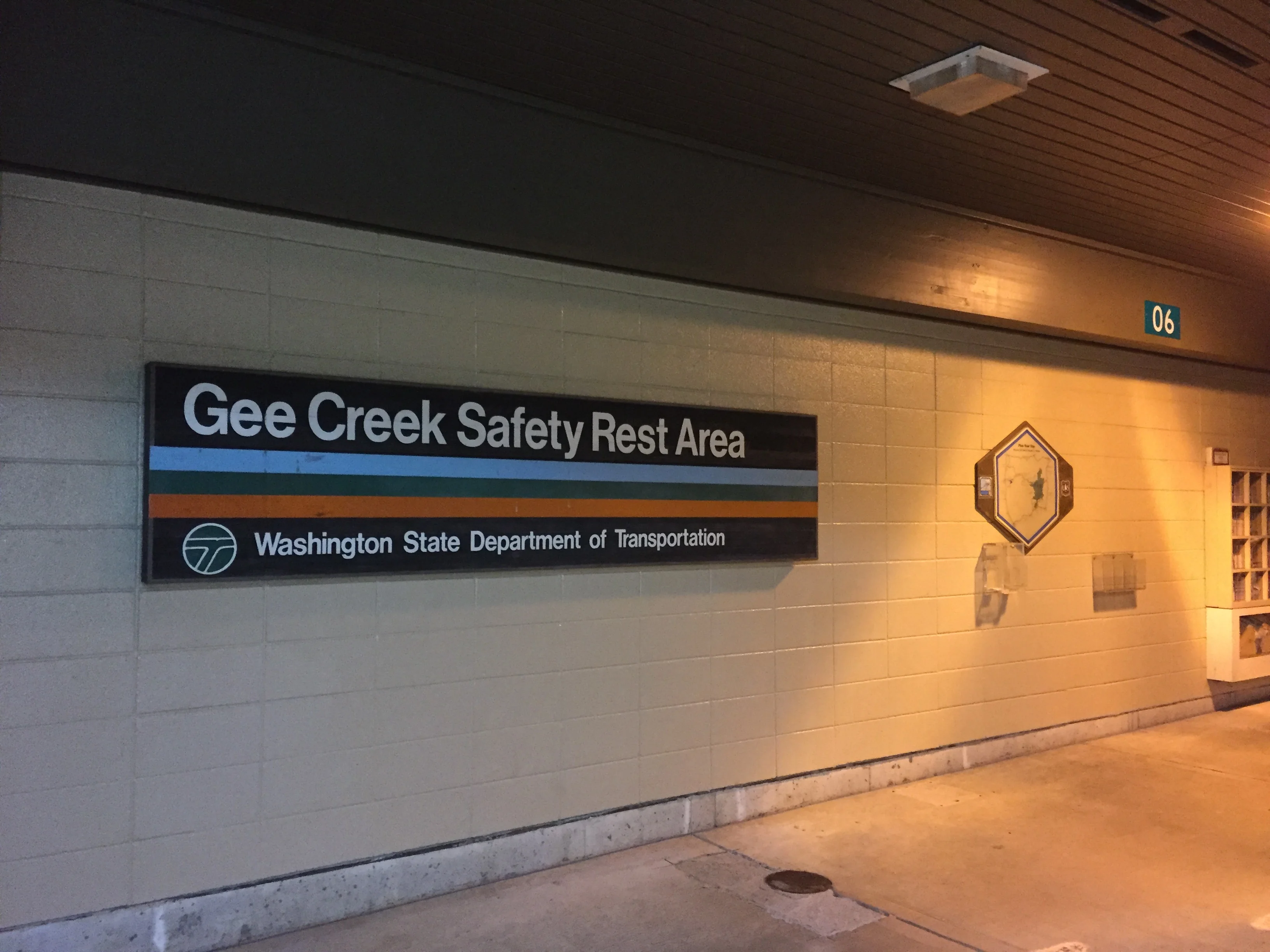
Washington has the clearest rulebook of the three
Yes, it's legal to sleep in your car in Washington State - there's no blanket ban. Washington is unusual in how clearly it's written down: an 8-hour cap at rest areas under RCW 47.38.020, separate 72-hour limits on city streets, and a real court-made protection for people who live in their vehicles.
The reliable way to read the law here is like a spec sheet - find the exact number, and know which rule applies where. Washington rewards that approach because, unlike Arizona where the rest-area rule can't even be cited, Washington's key numbers sit in a statute you can pull up: RCW 47.38.020. The one thing that trips people up is that there are two different time limits, in two different laws, for two different places - and blending them is the classic mistake.
This page keeps them straight: the state baseline, the 8-hour rest-area rule, what counts as camping, the 72-hour city limits, the Seattle homestead case, the disabled-vehicle exception, the Walmart reality, and the national rulings - each with its own citation, so you know exactly what applies to the spot you're parked in.
Treat each number as belonging to one place and one statute. When you know whether you're sitting in a state rest area, on a Seattle or Tacoma city street, or in a private lot, the right rule falls out on its own - and that place-first habit is the whole trick to staying legal in Washington. Everything below is organized that way so you're never guessing which number governs the spot under your tires.
The state baseline: no blanket ban, just specific rules
Start at the top. Washington has no statewide statute that bans sleeping in a lawfully parked car off the rest-area system. Instead of one broad ban, the state uses specific rules: RCW chapter 47.38 governs rest areas, and local ordinances govern city streets and lots. That's a cleaner structure than a vague catch-all, and it means you can actually look up what applies.
- No blanket 'no sleeping' law - the state regulates specific places, not the act of sleeping.
- Rest areas have their own statute with a real number you can cite.
- Cities have their own ordinances, and they're where the day-to-day enforcement happens.
So 'is it legal in Washington' is really three questions - rest area, city street, private lot - each with a different answer. Let's take them one number at a time.
The upside of a place-by-place structure is that almost nothing is left to a vague loitering judgment call. Each of the three situations has a written rule you can read in advance, which means you can plan a route around known limits instead of hoping an officer reads an ambiguous ordinance in your favor. That predictability is exactly what makes Washington easier to travel through than states that lean on catch-all language.
Rest areas: the 8-hour rule you can actually cite
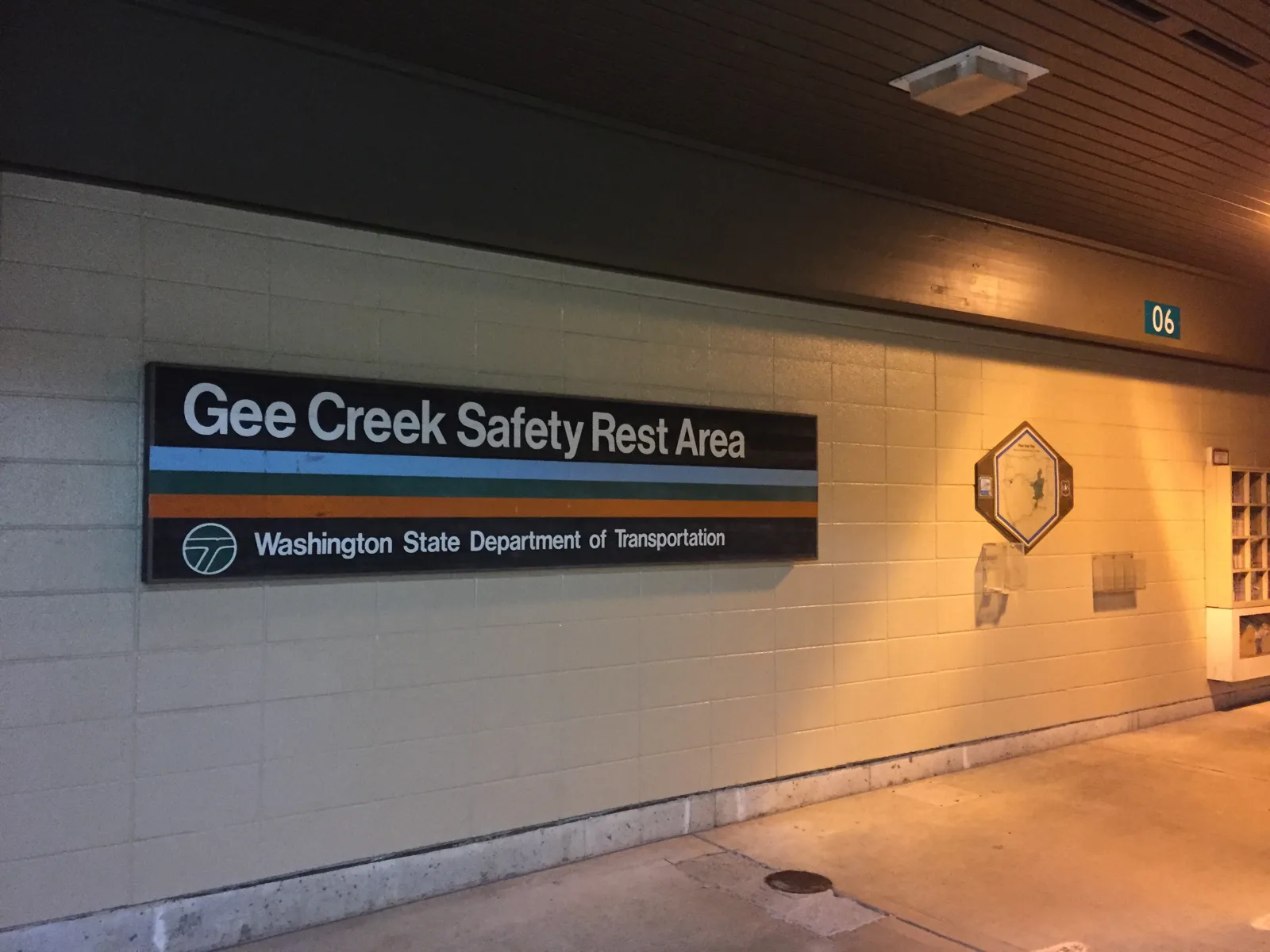
Here's the number that matters most, and unlike some states you can point to the statute. RCW 47.38.020 makes it unlawful to stop, stand, or park a vehicle for more than eight hours within any twenty-four-hour period in a safety rest area. So at a Washington rest area the limit is 8 hours per 24, full stop, and it's written right there in the code.
What that gives you as a traveler:
- A full night's sleep fits - 8 hours is enough for a real rest, not just a nap.
- The clock is 8 hours per 24, so you can't camp out for days, but one night is squarely within the rule.
- It's a citable statute, RCW 47.38.020 - no guessing, no aggregator numbers.
That 8-hour window is genuinely generous by rest-area standards - compare it to Florida's three-hour cap - and it's the reason Washington rest areas are a solid overnight option on I-5 and I-90.
A practical way to use the window: roll in later in the evening, sleep, and be gone by morning, and you'll never come close to the 8-hour cap. Because the limit under RCW 47.38.020 is measured per 24 hours, the only real risk is stacking back-to-back nights in the same rest area - a single overnight stop is comfortably inside the rule.
What counts as camping at a Washington rest area?
The same statute draws a second line you have to respect. RCW 47.38.020 also makes it unlawful to camp or to maintain a camp, tent, or other sleeping accommodation or facility in a rest area. So the law separates two things: parking and resting inside your vehicle within the 8-hour window is fine; setting up a camp is not.
Under RCW 47.38.020, sleeping inside your vehicle within the 8-hour window is allowed - but pitching a tent or setting up any outside sleeping accommodation is separately prohibited as camping.
In practice, keep it all inside the vehicle:
- Allowed: reclining your seat or lying flat in the back and sleeping, for up to 8 hours.
- Not allowed: a tent, an awning, a cot, or any camp setup outside the vehicle.
- The prohibited conduct is camping, not resting - the same distinction most states draw.
The logic behind the line is practical. A rest area exists to keep drowsy drivers off the road, so sleeping where you sit serves that purpose exactly, while a tent turns a highway pull-off into a campground the facility was never built to host. Keep the whole setup inside your vehicle and you stay on the right side of that distinction without having to argue it.
The 8-hour rule and the 72-hour rule are not the same thing
This is the mistake I see constantly, and it's worth its own section. Washington has an 8-hour limit and a 72-hour limit, and they are completely different rules for completely different places. Blend them and you'll either overstay a rest area or misjudge a city street.
The 8-hour rule is the rest-area limit (RCW 47.38.020). The 72-hour rule is a city on-street parking limit (Seattle and Tacoma ordinances). Different laws, different places - never merge them into one 'Washington 8/72 rule.'
Keep it straight like this: at a state rest area, your number is 8 hours per 24. On a Seattle or Tacoma public street, your number is 72 hours in one spot. One is a state statute about rest areas; the other is a municipal ordinance about street parking. They don't stack, they don't average, and they don't apply to each other's turf.
A quick self-check before you settle in: name the place first, then the number. A state rest area means 8 hours per 24 under RCW 47.38.020; a Seattle or Tacoma public street means 72 hours in one spot under the city ordinance. If you can't say which place you're in, you don't yet know which number governs you - so figure out the place, and the correct limit and statute come attached to it.
City streets: Seattle and Tacoma's 72-hour limits
On city streets the governing number is 72 hours, and two of Washington's biggest cities spell it out. Seattle Municipal Code 11.72.440 bars parking a vehicle on the same block of a city street for more than 72 consecutive hours. Tacoma's Municipal Code Title 11 prohibits using a vehicle for human habitation for more than 72 hours on a public street or right-of-way without a permit.
- Seattle: move your vehicle off the block before 72 consecutive hours to stay legal.
- Tacoma: habitation over 72 hours is a civil infraction - fines run not more than $50 for a first offense, $100 for a second, and $250 for a third or more, per Tacoma's code.
- The pattern: Washington cities tolerate a few days in one spot, then expect you to move.
For a single overnight, 72 hours is no constraint at all - it only bites if you park in one place for days. Rotate spots and you stay clear.
In practice the 72-hour count usually begins with a chalk mark or a logged photo and a warning tag rather than an instant tow, because the rule is meant to move long-term parkers along, not to ambush a traveler passing through. Shifting to a different block resets your standing, which is why a night here and a night there never runs afoul of the limit.
Why is a lived-in vehicle protected as a 'homestead'?
Washington has a protection that genuinely doesn't exist in most states, and it's worth knowing. In City of Seattle v. Long, decided by the Washington Supreme Court in 2021, the court held that a vehicle a person actually lives in is protected as a 'homestead' under Washington's Homestead Act. That meant impound costs creating a lien on that residence, and excessive impound fees, were unconstitutional.
Why that matters for a vehicle dweller:
- Your vehicle-home has legal standing - it's not just a car for impound purposes if you live in it.
- It limits punishing impound fees, a real financial protection for people surviving in their vehicles.
- It's a Washington-specific shield - Florida and Arizona have nothing like it.
This isn't a permission slip to park anywhere; it's a backstop against the worst enforcement outcome, and it's uniquely strong in Washington.
The ruling grew out of a real situation: a man living in his truck lost it to impound and faced fees he had no way to pay, and the Washington Supreme Court found that treating a home-on-wheels like an ordinary abandoned car ignored what the Homestead Act was written to protect. The principle now reaches any vehicle a person genuinely lives in, which is what gives the case such weight for full-time vehicle dwellers.
What Seattle v. Long does and doesn't do for you
Let me temper the good news so you use it right. Seattle v. Long protects a lived-in vehicle from ruinous impound liens and fees - it does not override the 8-hour rest-area rule or the 72-hour street limits, and it doesn't let you park anywhere indefinitely. It's a shield against a specific harm, not a blanket right.
Seattle v. Long limits how a city can punish you through impound if you live in your vehicle. It doesn't repeal the rest-area or street-parking rules - obey those, and keep the homestead protection as a backstop.
Crucially, the protection survives the 2024 Grants Pass ruling because it rests on Washington's own statutory and constitutional grounds, not on the federal Eighth Amendment that Grants Pass narrowed. That's why it's still good law in Washington even as camping enforcement tightened nationally.
Think of it as a floor under the worst outcome rather than a ceiling on where you can stay. It won't stop a parking ticket or a lawful move-along order, but it does keep a single impound from spiraling into fees that cost someone their only shelter - which is precisely the harm the court set out to address. Obey the time limits first, and let the homestead protection sit behind you as insurance.
Tacoma's habitation rule and its fines
Tacoma is worth a closer look because it writes the penalties out, which makes the risk legible. Under Tacoma Municipal Code Title 11, using a vehicle for human habitation for more than 72 hours on a public street or right-of-way without a permit is a civil infraction, with fines of not more than $50 for a first offense, $100 for a second, and $250 for a third or subsequent offense.
- It's civil, not criminal - a fine, not an arrest, for overstaying.
- The trigger is 72 hours of habitation in one spot, not a single night.
- Escalating fines reward moving on rather than settling in.
For a traveler passing through, Tacoma is easy to comply with: don't camp on one block for three days. For someone living in a vehicle long-term, the escalation is the thing to watch.
Because the penalty climbs with each repeat, Tacoma's code is plainly built to discourage settling on one street rather than to punish a person for a single night's sleep. Relocating before the 72-hour habitation mark - or securing the permit the ordinance references - sidesteps the fine ladder entirely, which keeps a pass-through stay from ever reaching the first $50 infraction.
Can you park overnight at a Washington Walmart?
Private lots are their own world, and Washington splits along a geographic line. Overnight parking at a Washington Walmart is store-manager discretion plus local ordinance: Seattle-metro and coastal-tourist stores frequently prohibit it, while eastern-Washington and I-90/I-82 corridor stores more often allow it.
- West side, urban: expect more no-overnight signs.
- East side, corridor: better odds of a permitted night.
- Always check the signage and ask the manager if it's unclear.
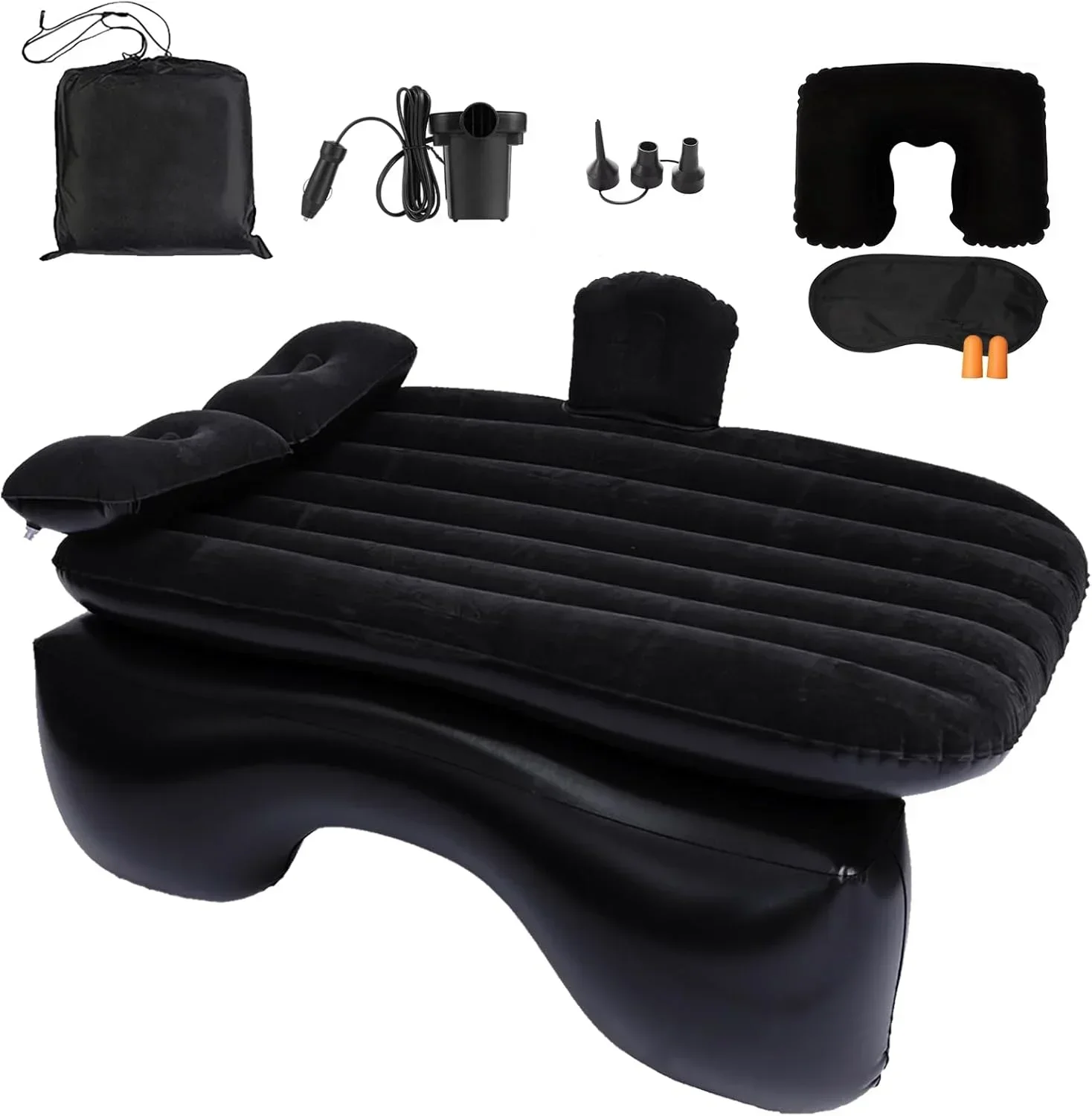
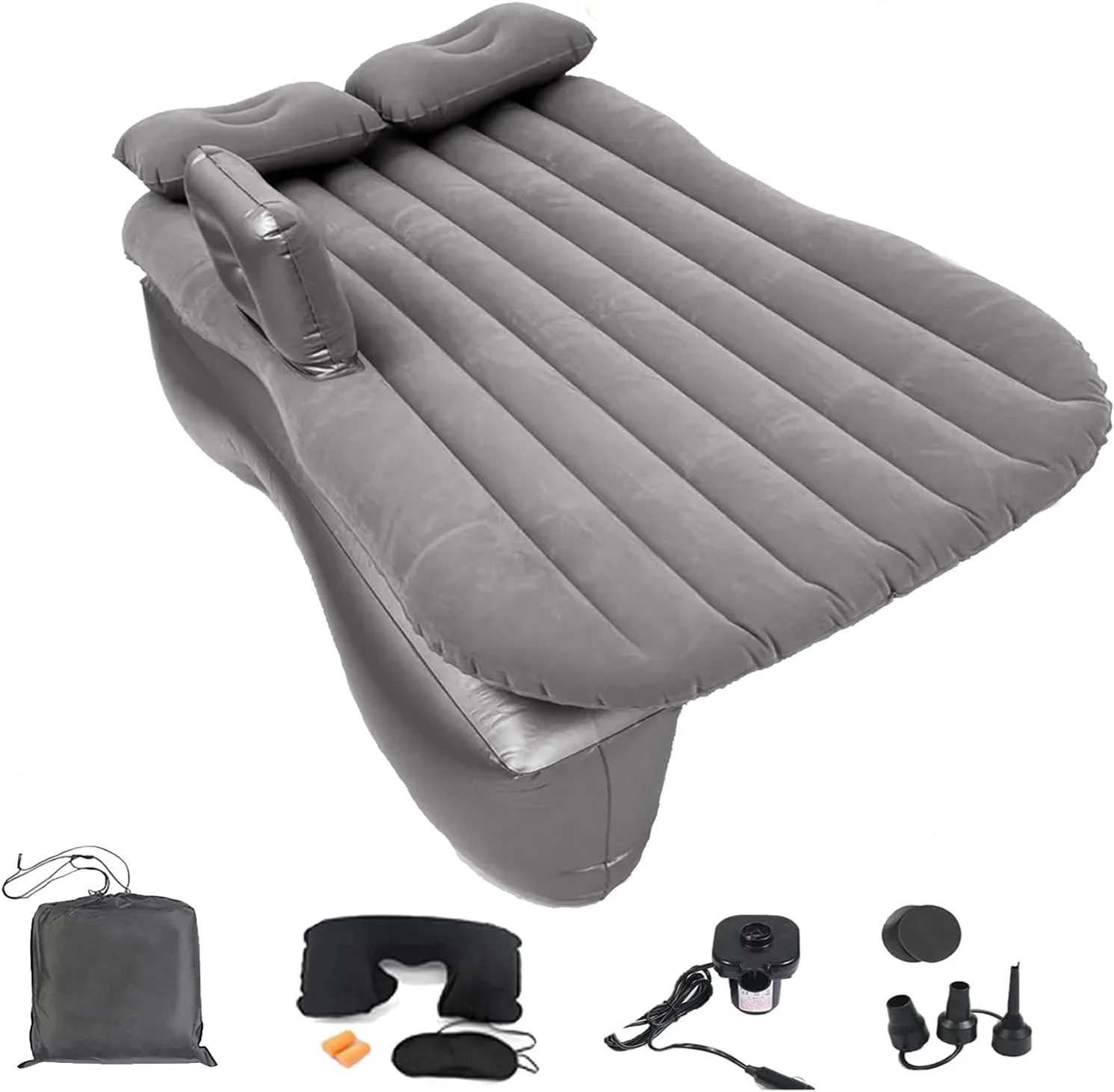
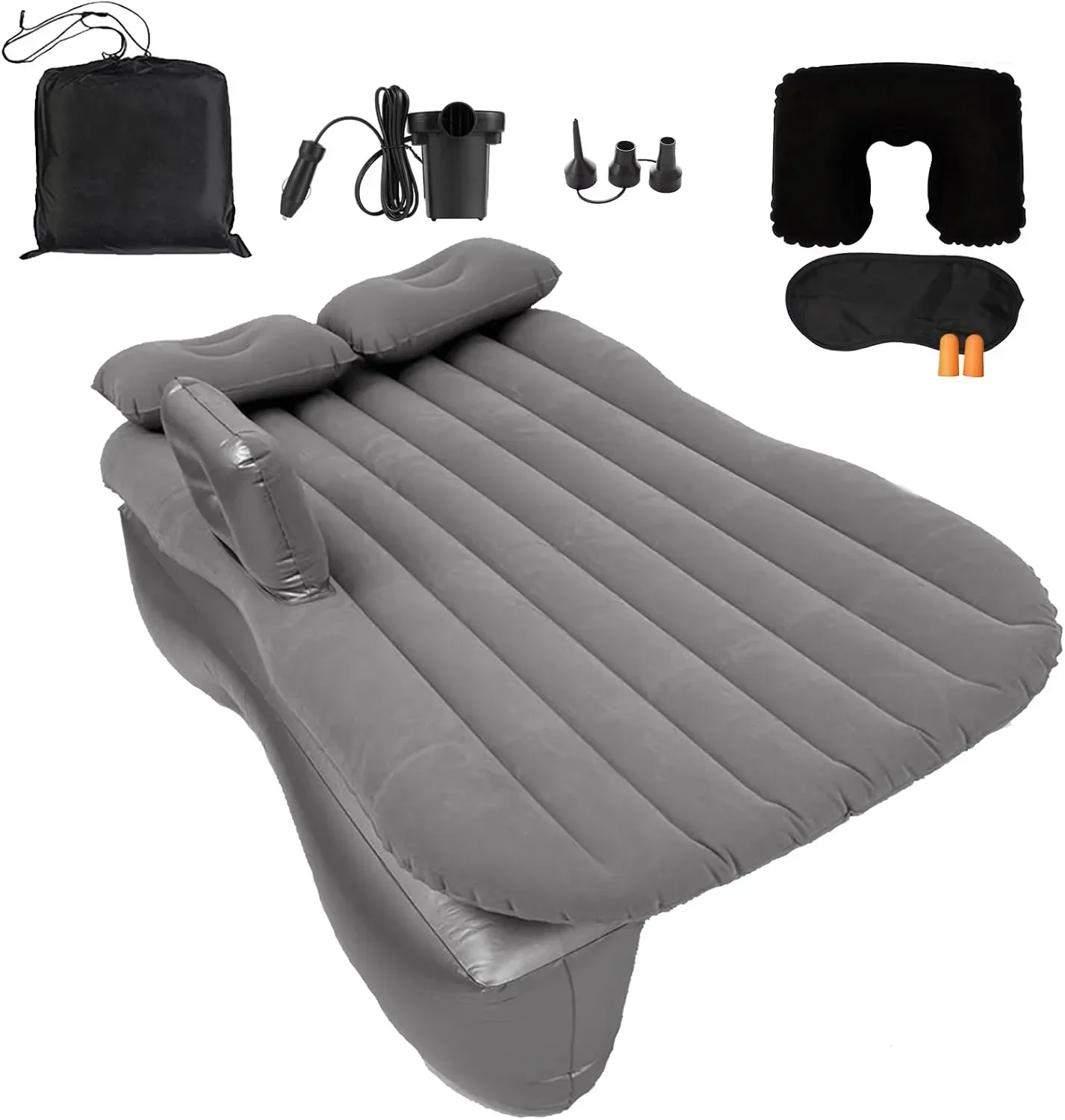
For any lot, a quiet, no-idle night is the goal. An Onirii SUV air mattress lets you lie flat and sleep without running the engine - comfortable, and low-profile enough that you don't draw attention on a private lot.
One habit helps at every lot: arrive late, park away from the entrance under a light, and leave early. A private lot is a courtesy, not a right, so the quieter and tidier your stay, the more likely the next traveler gets a yes from the same manager. A store that stops allowing overnights almost always did so because earlier guests treated the lot like a campsite.
How Grants Pass and Desertrain fit in
Two national decisions frame Washington enforcement. In City of Grants Pass v. Johnson, decided June 28, 2024, the U.S. Supreme Court held that enforcing public-camping ordinances doesn't violate the Eighth Amendment, which freed cities nationwide to enforce camping bans more readily. Desertrain v. City of Los Angeles (9th Circuit, 2014) struck down a vague vehicle-habitation ordinance, and because Washington is in the Ninth Circuit, that vagueness rule binds here.
The Washington-specific twist is the one above: Seattle v. Long survives Grants Pass because it stands on state grounds, so vehicle dwellers keep their homestead protection even as camping enforcement tightened. That combination - clear statutes plus a state-law shield - is why Washington is the most legally predictable of these three states.
For a Washington traveler the practical takeaway is narrow: the national rulings changed how aggressively cities may enforce their own public-camping ordinances, but they did not rewrite the rest-area statute or erase the homestead protection. Follow the state and city numbers that apply to your spot and the federal back-and-forth rarely touches an ordinary overnight in your vehicle.
A disabled vehicle gets 48 hours
One more number from RCW 47.38.020 worth knowing, because breakdowns happen. Under the same rest-area statute, a disabled vehicle may remain up to 48 hours before it becomes subject to mandatory impound. That's a separate allowance from the 8-hour general limit, and it exists so a genuine breakdown doesn't get you towed immediately.
- General parking: 8 hours per 24 at a rest area.
- Disabled vehicle: up to 48 hours before mandatory impound.
- Don't confuse the two - the 48-hour allowance is for an actually-disabled vehicle, not a way to extend a normal overnight.
If you break down, you have two days of breathing room; if you're just sleeping, your number is still 8 hours.
The allowance only applies to a vehicle that is genuinely disabled - a real breakdown, not a strategy to linger past the general limit. If the vehicle still runs, the ordinary 8-hour-per-24 cap under RCW 47.38.020 is the number that governs you, and treating the 48-hour figure as a loophole is exactly how a routine overnight turns into a tow.
The verdict on sleeping in your car in Washington
Add it up and Washington is the most legally predictable of the three states for a night in your car, precisely because the rules are written down and citable. No blanket ban, a generous 8-hour rest-area window under RCW 47.38.020, 72-hour tolerance on city streets, and a genuine homestead protection behind you. You just have to keep the two time limits straight.
The through-line for Washington is that the state hands you a readable rulebook, so the only real failure mode is confusing one number for another. Match the number to the place - 8 hours at a rest area, 72 hours on a city street, 48 hours for a genuine breakdown - and you can plan a legal night's sleep here with confidence instead of guesswork.
Washington: 8 hours at a rest area, 72 hours on a city street, 48 hours if you're disabled, and a homestead shield if you live in your vehicle. Know which number applies where and you're on solid legal ground.
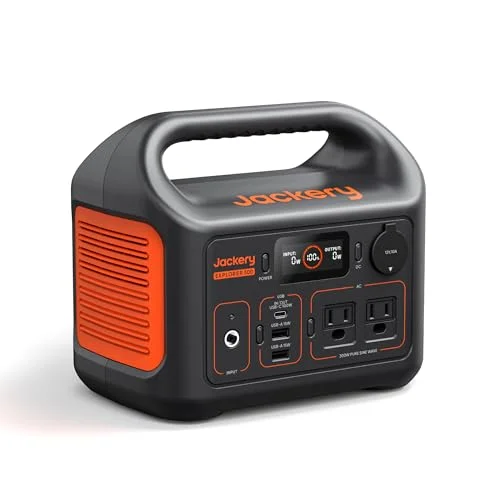
Sleep inside the vehicle, don't set up a camp, rotate spots on city streets, and don't idle - a flat bed and a small battery do the job. A Jackery Explorer 300 power station runs a fan and charging overnight without the engine. For the wider view see where you can legally sleep by state, and compare California and Texas, the other big-state rulebooks.
Related on Auto Roamer: safe and legal sleeping guide.