Is it actually legal to sleep in your car in California?
Here is the finding up front, because the internet muddies it: there is no California law that makes it illegal to sleep in a legally parked car. Not in the Vehicle Code, not in the Penal Code. What actually constrains you is a two-layer patchwork - a state regulation that caps how long you may stay at a highway rest area, and a set of city ordinances that restrict living in a vehicle near homes, schools, and parks. Sleep itself is never the crime; where and how long you park is.
I read these statutes the way I read a product-safety standard: the headline claim and the fine print rarely match. A viral post says 'it's illegal to sleep in your car in California.' The code says something far narrower. The distinction that runs through every rule below is the same one the law itself draws - resting or napping versus camping or dwelling. A single sleep cycle in a legal spot is resting. Setting up to live there is dwelling, and that is what cities regulate.
So the honest answer is 'yes, with three asterisks': obey the rest-area clock, know your city's vehicle-dwelling ordinance, and prefer a spot that is clearly legal over one that is merely un-posted. The rest of this piece is those three asterisks, each traced to the code section it comes from - so you can verify me, not just trust me.
Does any statewide law ban sleeping in a parked car?
Start at the top of the ladder. California regulates where and how long you may stop a vehicle, not the biological act of sleeping in one. The closest statewide statute people cite is California Vehicle Code Section 21718, and it is worth knowing exactly what it covers: it bars stopping, parking, or leaving a vehicle standing on a full-access-controlled freeway except in specific circumstances - a disabled vehicle with help summoned, an emergency, or where parking is specifically permitted. It carries no time limit and says nothing about rest areas or ordinary streets.
The practical translation of Section 21718: do not pull onto the shoulder of I-5 to sleep - that is the actual prohibition. It is a freeway-safety rule, not a sleeping ban. On a legal surface-street spot or in a rest area, Section 21718 does not touch you.
What is NOT in California law is just as important as what is. There is no statewide 'no sleeping in vehicles' statute, no state curfew on parked-car occupancy, and no general rule that a parked, registered, legally positioned car becomes illegal the moment its owner closes their eyes. Every real restriction below is either a Caltrans regulation for one type of location (rest areas) or a municipal ordinance - a city choice, not a state one. That is why the answer genuinely changes from Los Angeles to a rural county road, and why 'is it legal in California' has to be answered city by city once you leave the freeway rule behind.
How long can you sleep at a California rest area?
The one hard statewide number every car sleeper should memorize lives in the regulations, not the Vehicle Code. California Code of Regulations, Title 21, Section 2205(b) governs the state's safety roadside rest areas, and its language is blunt: vehicles shall not be parked and persons shall not remain for more than eight (8) hours in any twenty-four (24) hour period. A violation is an infraction. The regulation draws its authority from Streets and Highways Code Sections 225 and 225.5, which give Caltrans power over the time and manner of rest-area use.
Eight hours is a meaningfully generous window - it covers a full night's sleep cycle for most people - but it has hard edges worth respecting:
- It is a 24-hour cap, not per-visit: you cannot leave and return to reset the clock at the same rest area within the day.
- It permits sleeping, not camping: stay in the vehicle. Tents, awnings, chairs, and cooking setups cross from 'resting' into the 'habitation' the rule exists to prevent.
- Posted signs can be stricter: individual rest areas may post shorter local limits, and a peace officer's direction overrides the general rule. Read the sign at the site you are in.
My read as someone who parses these for a living: the 8-hour rule is one of the more sleeper-friendly rest-area regimes in the country - many states cap at 2 to 4 hours. If you plan a Caltrans rest area for a single overnight, park before you are exhausted, set an alarm inside the window, and you are squarely within Section 2205. Our state-by-state guide to where you can legally sleep puts California's 8-hour figure in national context.
Which California cities restrict overnight vehicle dwelling?
Now the layer that actually catches people: municipal vehicle-dwelling ordinances. Los Angeles is the instructive case because its rule has already been to court. The original Los Angeles Municipal Code Section 85.02 was struck down in Desertrain v. City of Los Angeles (9th Circuit, 2014) - the court held it unconstitutionally vague, because it gave people no fair notice of what 'using a vehicle as living quarters' meant and, in the court's words, opened the door to discriminatory enforcement against the poor.
LA did not give up; it re-enacted a rewritten Section 85.02, effective January 7, 2017, and that narrower version is the one in force. As currently enacted it works on a place-and-time grid:
- Near sensitive uses: vehicle dwelling is prohibited at all times within one block (roughly 500 feet) of a licensed school, pre-school, daycare, or park.
- On residential streets: prohibited from 9:00 p.m. to 6:00 a.m. - the overnight window.
- Otherwise: allowed on non-residential streets away from those sensitive uses, which is where a legal overnight actually exists.
The lesson from LA is procedural, and it protects you: a vehicle-dwelling ordinance has to be specific enough to tell you exactly where and when it applies. If a city's rule is a vague 'no living in vehicles,' Desertrain is the reason it is vulnerable - but do not treat that as a loophole to test at 2 a.m.
One honesty note I will not paper over: Section 85.02 has carried sunset and renewal dates, the city has let it lapse and re-adopted it before, and there is active 2024-25 council pressure to tighten it. Treat the 9 p.m.-6 a.m. residential framework as 'the current shape,' and check the current ordinance before you rely on a specific street.
San Diego is the second cautionary tale, and it shows how contested these rules are. The city's Vehicle Habitation Ordinance - the rule against living in a vehicle - was halted by a federal preliminary injunction in August 2018, with the judge finding the old version unconstitutionally vague and arbitrarily enforced. The city repealed it in February 2019, then the council re-enacted a new version by a 6-3 vote in May 2019.
The re-enacted San Diego ordinance restricts living in a vehicle within 500 feet of a residence or a school and generally limits overnight vehicle habitation, keyed to evidence of habitation - sleeping, cooking, or bathing in the vehicle. Litigation continued (the Bloom case), and a settlement narrowed enforcement so that, by reporting in 2024, police focus on those narrow near-school and near-residence limits rather than a blanket ban.
A researcher's caveat I owe you: San Diego renumbered its code away from the old Section 86.0137, and I could not independently confirm a specific live decimal section number, so I am pointing you to the ordinance as the 'Vehicle Habitation Ordinance, San Diego Municipal Code chapter 8' rather than a precise citation someone could mis-copy. The pattern across California cities is the theme worth carrying: the enforceable rules cluster around proximity to homes, schools, and parks, and around overnight hours. Park away from all three and your legal exposure drops sharply. Our guide to sleeping in your car at Walmart covers the private-lot version of the same proximity math.
Where is sleeping in your vehicle explicitly legal?
Here is the part the fear-based coverage skips entirely: California has built more Safe Parking programs than any other state - sanctioned lots where sleeping in your vehicle overnight is explicitly legal, often with restrooms, lighting, security, and case-management services. If you want a spot where the answer to 'is this legal' is an unambiguous yes, this is it.
- Santa Barbara - New Beginnings: one of the oldest programs in the country, running since 2004, with a couple hundred spaces spread across roughly two dozen lots in Santa Barbara, Goleta, and the county.
- Safe Parking LA: founded in 2017, with lots across the San Fernando Valley, Hollywood, downtown, and West LA.
- San Diego - Jewish Family Service: operates the city's Safe Parking lots, including a 24-hour site, at several locations across the city.
Most of these programs are aimed at residents experiencing vehicle homelessness rather than road-tripping travelers, and they typically require enrollment - so they are not a drop-in tourist option. But they matter to this article for two reasons. First, they prove California's policy is not 'sleeping in cars is bad'; it is 'do it in a designated place.' Second, if you are in the state long enough to need a repeatable legal spot, they are the cleanest answer that exists. The takeaway: the legal path in California is real and, in some cities, formally organized.
Did the 2024 Grants Pass ruling make it illegal?
If it feels like enforcement has gotten stricter lately, you are reading the environment correctly, and there is a specific reason. In City of Grants Pass v. Johnson, decided June 28, 2024 by a 6-3 vote, the U.S. Supreme Court held that enforcing generally applicable public-camping ordinances against homeless persons does not violate the Eighth Amendment's ban on cruel and unusual punishment - overruling the earlier Ninth Circuit rule (Martin v. Boise) that had limited such enforcement when no shelter beds were available.
The practical downstream effect in California: cities regained latitude to fine and clear public camping even without offering shelter, and California's governor followed with a July 2024 executive order directing state agencies to clear encampments. That is the backdrop to any tightening you notice in vehicle-dwelling and anti-camping enforcement statewide.
What Grants Pass does NOT change: it does not make sleeping in a legally parked car a crime. It expands cities' power over public camping. The through-line holds - park legally, do not set up camp, and the case that emboldened enforcement is aimed at a different behavior than yours.
I include this not to alarm but to calibrate: the legal ground under a quiet, in-vehicle overnight in a legal spot is stable, while the ground under visible sidewalk-and-tent camping shifted hard in 2024. Keep your situation clearly in the first category.
Where can you actually sleep in California tonight?
Enough statute; here is the practical ladder, ordered from most to least clearly legal, so you can turn all of the above into a place to park tonight:
- Caltrans rest areas (up to 8 hours): the cleanest public option, expressly time-limited but expressly allowed - your Section 2205 window.
- Private lots with permission: Walmarts that allow it, truck stops (Pilot, Flying J, Love's), casinos, and some 24-hour businesses - always confirm with the specific location, since manager discretion and local ordinances both apply.
- Federal public land - BLM and National Forest dispersed camping: vast in California's interior and deserts, generally legal for 14 days per spot, and genuinely camping-legal rather than tolerated.
- Sanctioned Safe Parking lots: where you qualify, the unambiguous yes.
- Non-residential city streets away from schools and parks: legal in many cities but the highest-variance option - this is where ordinances bite, so it is the last resort, not the first.
For a deeper route-planning approach to that list, our guide to where to park overnight walks through choosing between them on a real trip. The meta-rule: pick the highest rung on this ladder you can reach for the night, and you convert 'is it legal' from a gamble into a plan.
Legality and a quiet night are related but not identical - you can be fully within the law and still get a knock if you look like you are camping. As someone who studies how rules get enforced, my advice is to make yourself obviously a 'resting driver,' because that is the category every California rule protects:
- Stay inside the vehicle. The moment gear comes out - chairs, a tent, a stove - you have moved from resting to camping in the eyes of both the rest-area rule and city ordinances.
- Use window covers, not a blackout fortress. Reflective covers give you privacy and read as normal sun-shades; a fully sealed, curtained vehicle reads as habitation. Discretion, not concealment.
- Arrive late, leave early, stay within the clock. A car that appears at 10 p.m. and is gone by 6 a.m. rarely draws attention; one parked for 30 hours does.
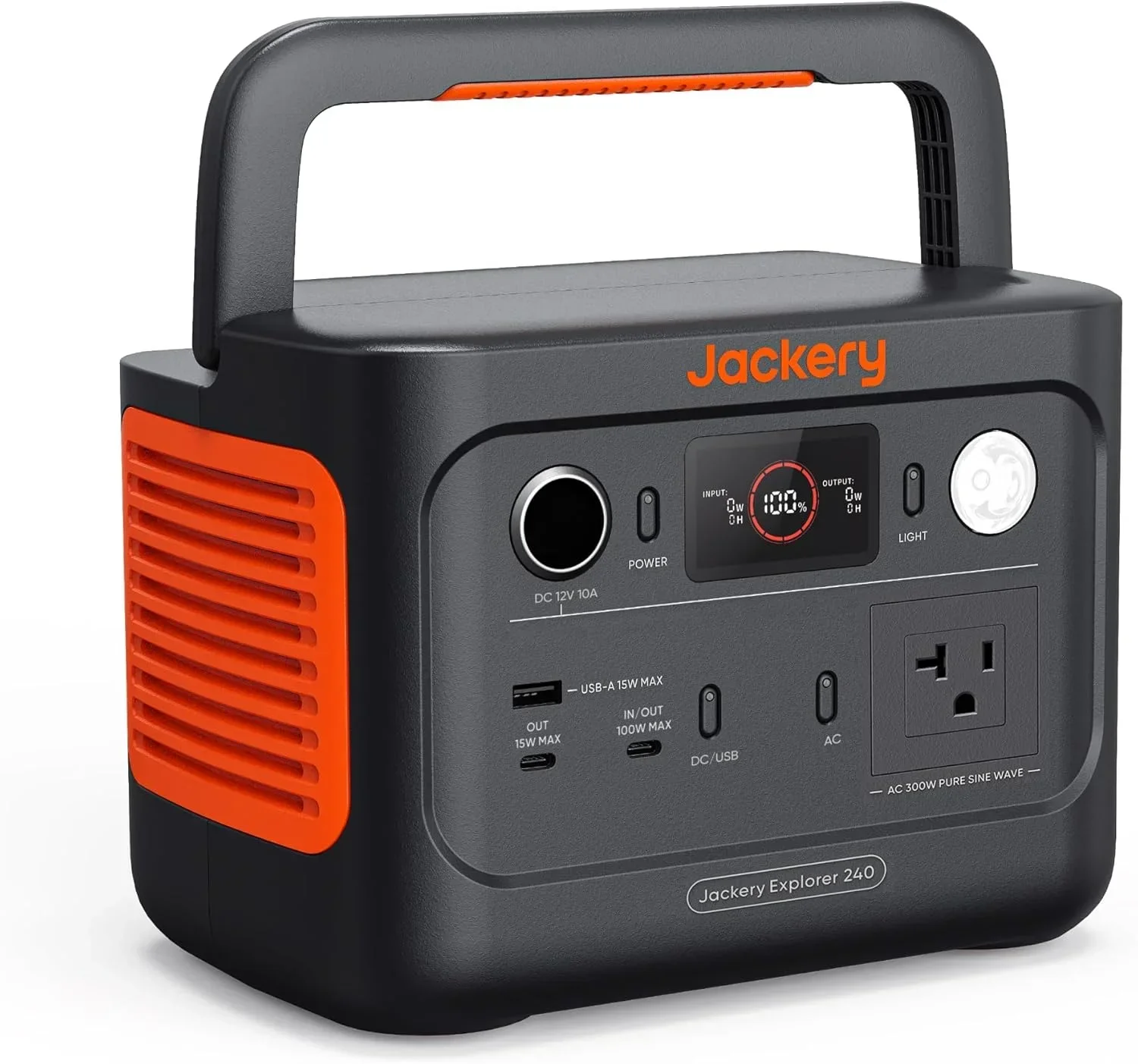
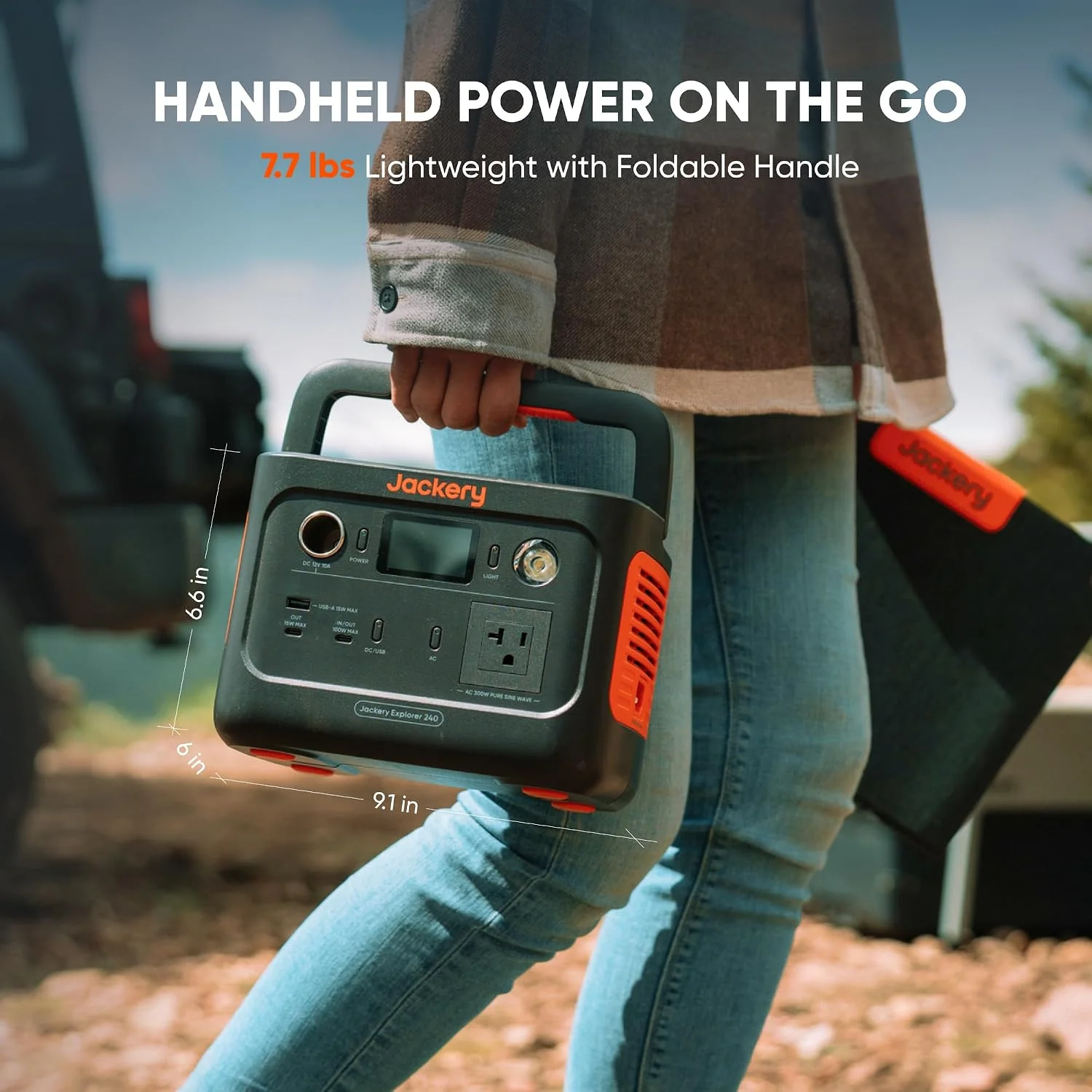
- Keep the engine off. Idling overnight is its own risk and its own set of local rules; the Jackery Explorer 240 v2 power station runs your lights and a fan without it - see our guide to idling overnight safely.
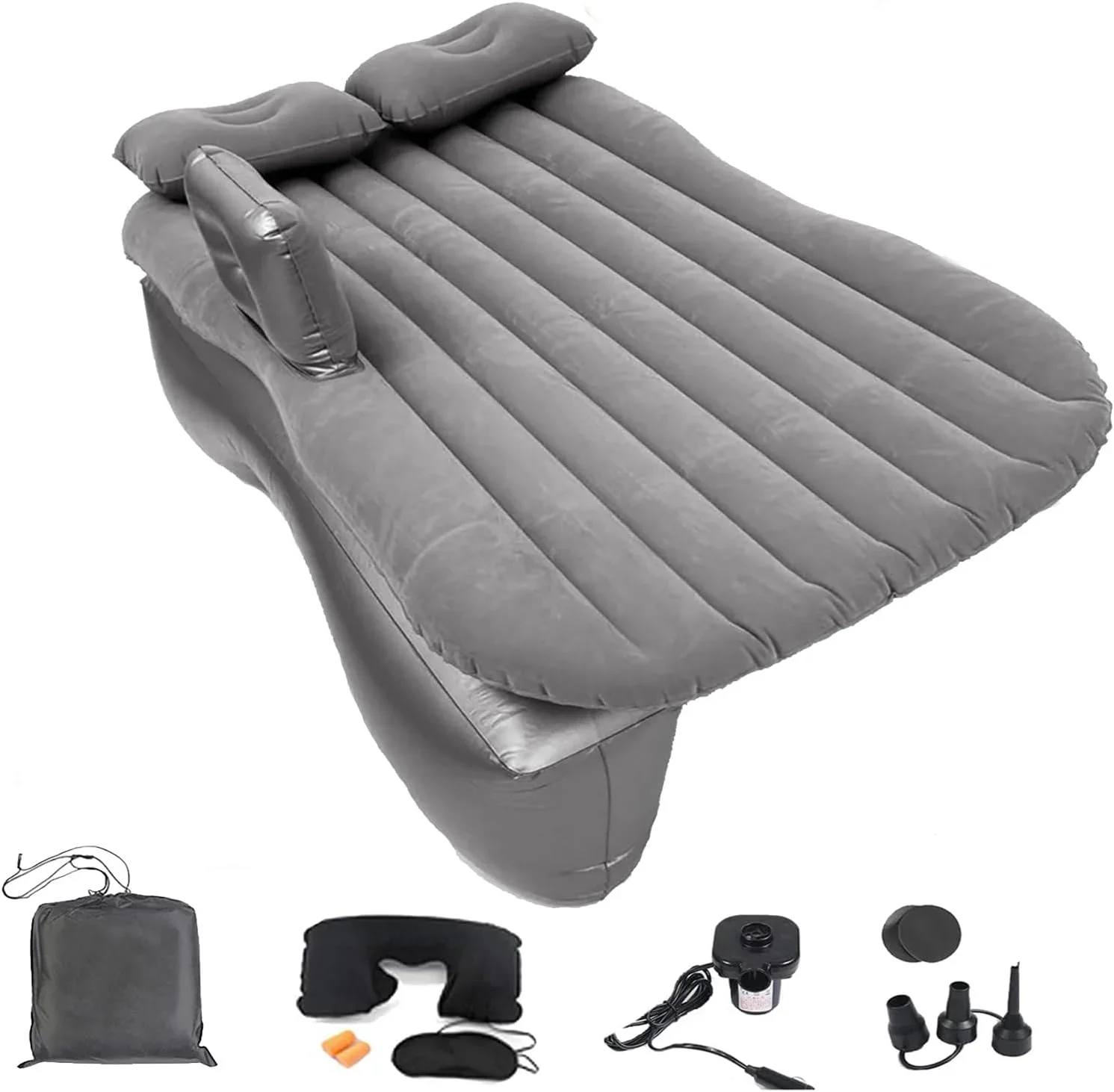
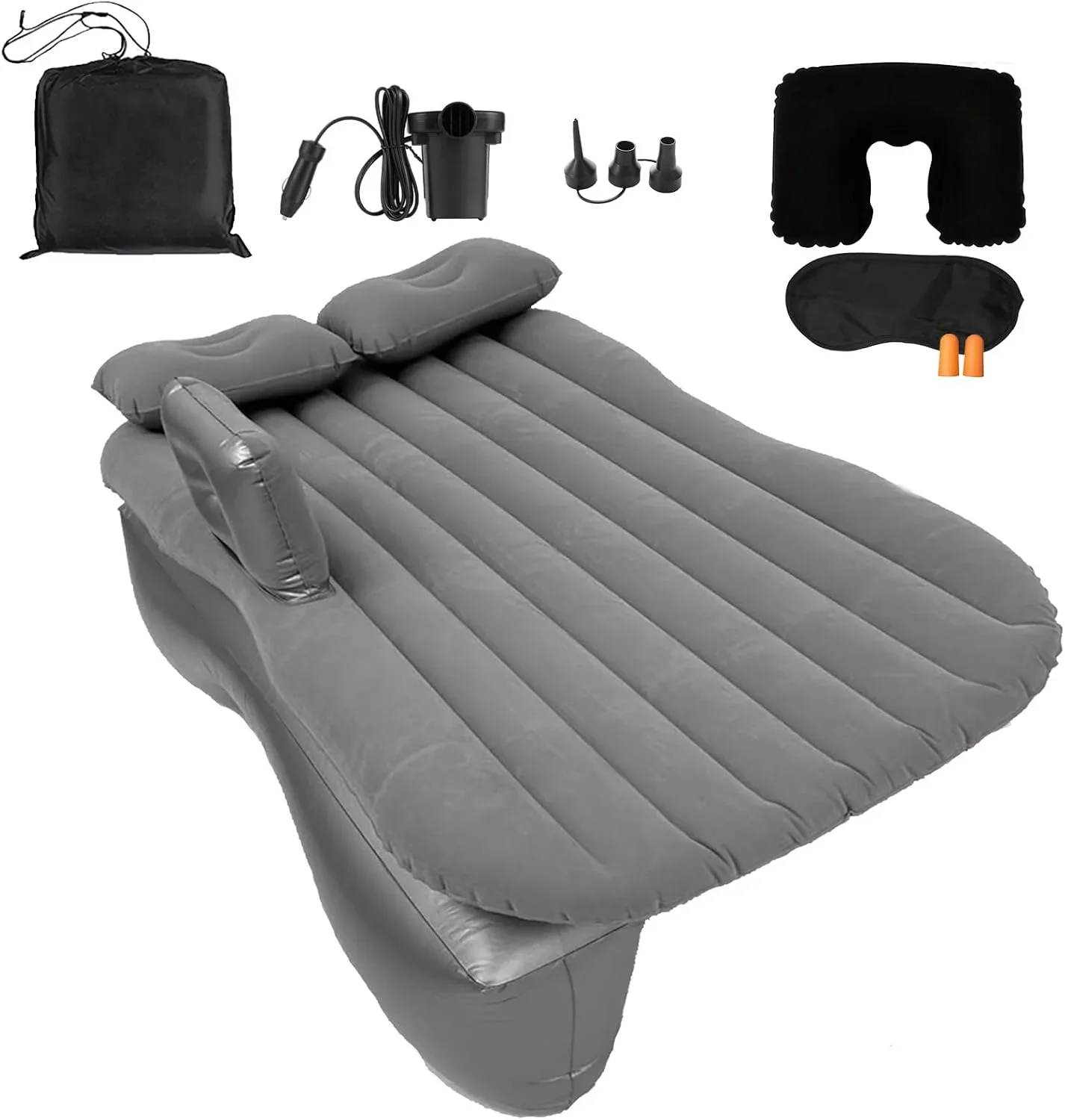
- Sleep on something flat. A legal spot is only restful if you can actually sleep - a back-seat kit like the Onirii SUV air mattress levels a folded rear seat into a real bed, so you rest through the night and roll on at dawn instead of tossing until a knock finds you.
If an officer does knock, the honest, calm answer - 'I'm a tired driver resting before I continue, I'll move along' - matches exactly what the law permits, and it is almost always the end of it. You are not asserting a loophole; you are describing the protected behavior the statutes are written around.
So what is the real verdict for California?
Pull the ladder together and California is more permissive than its reputation, provided you respect three things. Sleeping in a legally parked car is not banned statewide; the state's only hard clock is the 8-hour Caltrans rest-area limit under 21 CCR 2205; and the real restrictions are city vehicle-dwelling ordinances like LA's LAMC 85.02 and San Diego's habitation rule, which key on proximity to homes, schools, and parks and on overnight hours.
The one-sentence rule for California: sleep, don't camp; park where it's clearly legal, not merely un-posted; and when a designated option exists - a rest area within 8 hours, public land, or a Safe Parking lot - take it over a residential curb.
Do that and the answer to 'is it legal to sleep in my car in California' is a confident yes for the traveler who rests and moves on. The people who get tickets are almost never sleeping - they are dwelling, in a place a city specifically named. Stay on the right side of that line the law itself drew, and California is one of the more workable states in the country for a legal overnight.