Is sleeping in your parked car legal in Texas?
I have slept at Texas rest areas from the Panhandle to the Gulf, so let me give you the finding before the fine print: Texas has no law that makes sleeping in a legally parked car illegal. The state actually runs one of the more traveler-friendly rest-area systems in the country, and the scary-sounding 2021 camping ban - the one everyone worries about - does not cover sleeping inside a vehicle. It targets tents and bedrolls.
That surprises people, because Texas has a reputation for being strict, and the headlines about the camping ban did not exactly clarify the scope. So I am going to do this the way I check a trailhead rumor against the actual sign: take each common fear about sleeping in your car in Texas, and hold it up against the code section that supposedly backs it. Most of them do not survive the comparison.
The real structure, once you strip the myths out, is simple: a statewide 24-hour clock at rest areas, a public-camping ban aimed at encampments not cars, and a thin layer of city ordinances - Austin's being the one that changed most recently. Get those three straight and you can cross Texas sleeping legally the whole way.
Is there really a Texas law against sleeping in your car?
This is the big one, and it is false. There is no Texas statute that prohibits sleeping in a legally parked vehicle. Not in the Transportation Code, not in the Penal Code. The confusion comes almost entirely from one law - the 2021 statewide camping ban - so let me put that law where it belongs before it scares anyone off a legal night's sleep.
HB 1925, codified as Texas Penal Code Section 48.05, took effect September 1, 2021. It says a person commits an offense - a Class C misdemeanor, fine up to $500 - if they intentionally or knowingly camp in a public place without consent of the agency that manages it. The word that decides everything is 'camp,' and the statute defines it: to reside temporarily in a place, with shelter.
What does the HB 1925 camping ban actually ban?
And here is the sentence that clears a car sleeper: Section 48.05 defines 'shelter' as a tent, tarp, lean-to, sleeping bag, bedroll, blankets, or similar temporary structure - 'other than clothing or any handheld device.' A vehicle is not on that list. The ban is aimed at tents and bedrolls in unauthorized public places, not at someone sleeping inside a legally parked car.
So the law everyone points to actually points away from you. It does one more thing worth knowing: it preempts cities from declining to enforce a camping ban, which is why the statewide floor matters and why the city layer below never gets more permissive than the state.
Can you stay overnight at a Texas rest area?
Also false, and this is where Texas is genuinely good. Texas Transportation Code Section 545.411 sets the rule at the state's rest areas, and it is generous: a person commits an offense only if they remain at a rest area for longer than 24 hours, or erect a tent, shelter, booth, or structure - and even then, after posted-sign or officer notice, you get 8 hours to leave or take the structure down.
Twenty-four hours is the most generous rest-area window in the country. TxDOT's own guidance backs it up:
- Up to 24 hours: you may stay at a safety rest area for a full day - more than enough for a night's sleep and a reset.
- Roughly 76 to 80 safety rest areas statewide, with restrooms open 24 hours and many sites attended around the clock.
- Sleeping in your vehicle is allowed; a campsite is not. The line the statute draws is the tent/structure line - stay in the vehicle and you are within the rule.
- Obey posted signs. A handful of individual sites carry local restrictions, and the statute makes the posted sign enforceable.
In practice, Texas rest areas are the backbone of a legal cross-state overnight - clean, lit, and long enough that you never have to watch a 2-hour clock the way you do in some states. Our state-by-state guide to legal car sleeping shows just how far Texas's 24 hours sits above the 2-to-4-hour states.
Will the camping ban get you moved along by police?
This one has a kernel of truth wrapped in a wrong conclusion, so it is worth untangling carefully. The camping ban is real and it is enforced - against public camping. Encampments, tents on sidewalks, bedrolls under overpasses: those are the target, and after 2021 they are a Class C misdemeanor statewide. What the ban does not do is convert a legally parked, occupied car into 'camping.'
The distinction the statute draws - and the one an officer is actually working from - is shelter. No tent, no tarp, no bedroll laid out on the ground means no 'camp' under Section 48.05. You are a driver resting in a vehicle, which is exactly the category the rest-area rule and every private-lot norm are built around. The move-along risk is highest not when you are technically illegal, but when you look like an encampment - gear spread out, multiple nights in one spot, the vehicle obviously lived-in.
My overland rule for Texas: keep it a vehicle, not a campsite. The second your setup reads as 'living here' instead of 'sleeping tonight,' you have handed an officer a reason under a law that otherwise does not apply to you.
Stay in the car, keep the footprint invisible, move on in the morning, and the camping ban is a law about someone else's situation, not yours.
How do Texas city ordinances change the picture?
State law is only the floor; cities can add rules on top, and this is the layer that actually varies. Austin is the case worth knowing because it swung twice in three years. The city repealed its public-camping ban in June 2019, then voters reinstated it through Proposition B on May 1, 2021 (about 57 to 43 percent), making public camping, sitting, and lying in certain public areas a Class C misdemeanor, with enforcement starting May 11, 2021 - just ahead of the statewide HB 1925.
The Austin story matters beyond Austin: it shows these local rules can reverse quickly, and it shows they target the same public-camping behavior the state law does, not car sleeping specifically. For the big metros - Houston, Dallas, San Antonio - each has its own ordinances touching public camping and obstruction, and Houston in particular is known for an anti-encampment ordinance.
Which Texas cities should you double-check?
I will be straight about a limit in my own reporting here: I did not pull the specific municipal-code section numbers for Houston, Dallas, or San Antonio, and I am not going to invent them. The reliable takeaway is the statewide floor - after HB 1925, every Texas city must permit enforcement of a public-camping ban - plus the reality that all of it aims at camping in public, not at a legally parked car. If you plan to lean on a specific city street, check that city's current ordinance first.
Can you sleep at a Walmart, truck stop, or Buc-ee's?
Off the public system, the rules change from 'what does the code say' to 'whose lot is this,' and Texas has a lot of private overnight options. On private property, overnight parking is the owner's call:
- Walmart: no nationwide policy - each store manager decides, and a local ordinance can override a yes. Many Texas Walmarts allow it; some, especially in bigger cities, do not. Ask inside.
- Truck stops: Pilot, Flying J, and Love's are spread thick across Texas interstates and generally welcome overnight parking - the single most reliable private option on a long haul.
- The Buc-ee's exception: Texas's beloved mega-stops are widely reported to prohibit overnight parking - they are day-stop destinations, not sleep spots. I did not fetch Buc-ee's official statement, so treat that as strongly-reported rather than a code citation, and do not count on a Buc-ee's for the night.
The private-lot principle is the same one in our Walmart car-sleeping guide: permission plus no conflicting local ordinance equals legal, and a courtesy check inside turns a gamble into a sure thing. In Texas, the density of truck stops means you are rarely far from a private spot that says yes.
Where should you actually sleep on a Texas crossing?
Turn all of that into a plan. Crossing Texas - and it is a long crossing - here is the ladder I actually use, most to least certain:
- TxDOT safety rest areas (up to 24 hours): the workhorse, legal by statute, lit and maintained, and long enough you never sweat the clock.
- Truck stops: Love's, Pilot, Flying J - the reliable private yes, and they cluster at the interstate exits you are already using.
- Public land in West Texas: National Grasslands and BLM acreage out west offer genuine dispersed camping where the rules allow it - camping-legal, not merely tolerated.
- Permitted private lots: Walmarts and businesses that allow it, confirmed inside.
- City streets: the highest-variance option, governed by local ordinance - a last resort, not a plan.
For choosing among them on a real route, our guide to where to park overnight is the deeper playbook. On a Texas crossing specifically, the 24-hour rest areas are so good that you can plan an entire trip around them and never touch a gray-area spot.
How do you stay legal and unbothered overnight?
Legal and undisturbed are two different achievements, and the gap between them is entirely about looking like a resting driver instead of a camper. After a lot of Texas nights, here is what keeps both boxes checked:
- Keep it inside the vehicle. No tent, no chairs, no bedroll on the ground - that is the exact line Section 48.05 draws, and crossing it is the only way the camping ban touches you.
- Respect the 24-hour clock and the signs. Texas gives you a full day at a rest area; you almost never need it, so arrive, sleep, and roll out well inside the window.
- Window covers for privacy, not a fortress. Reflective shades read as normal; a fully blacked-out, curtained rig reads as habitation.
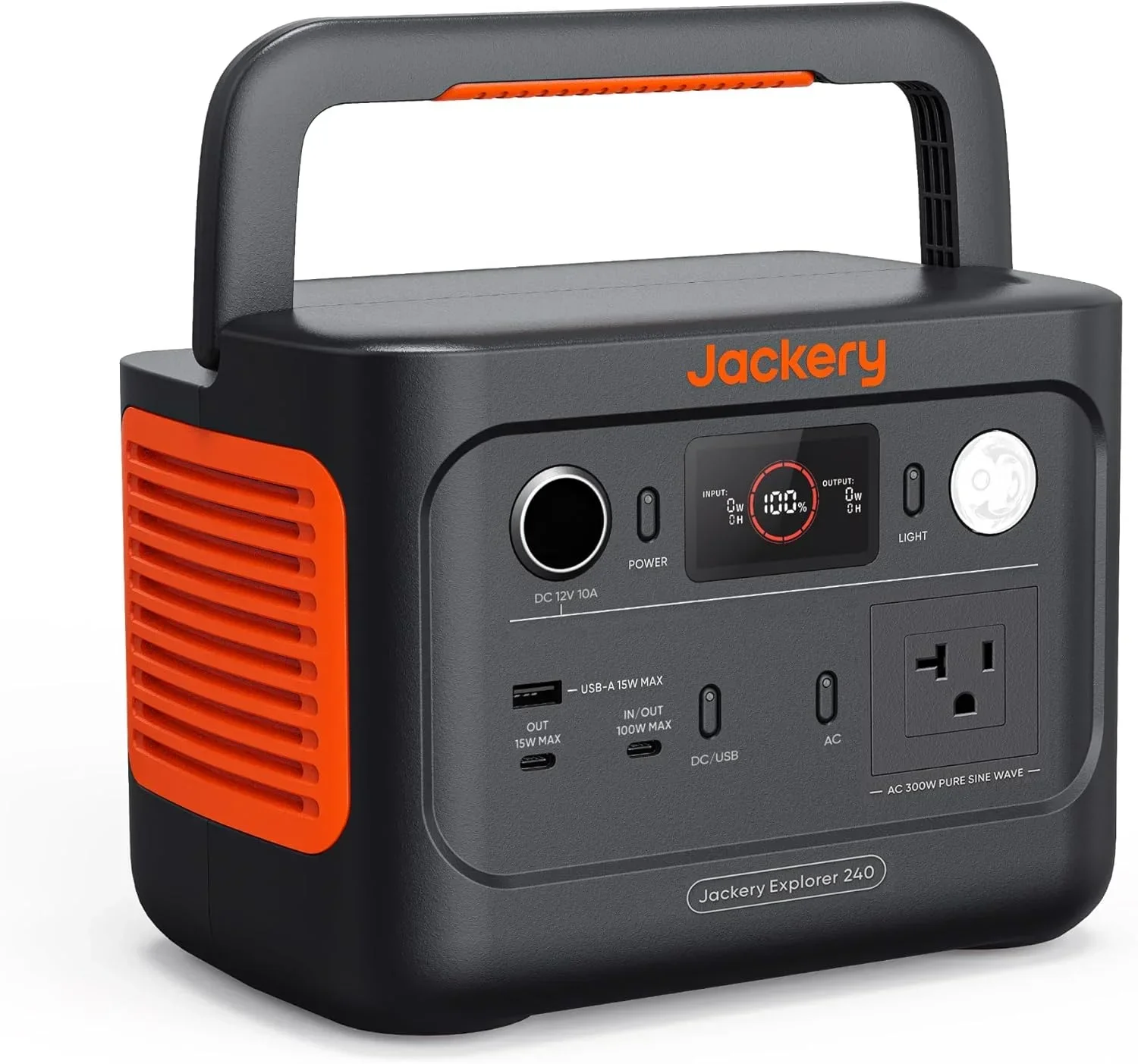
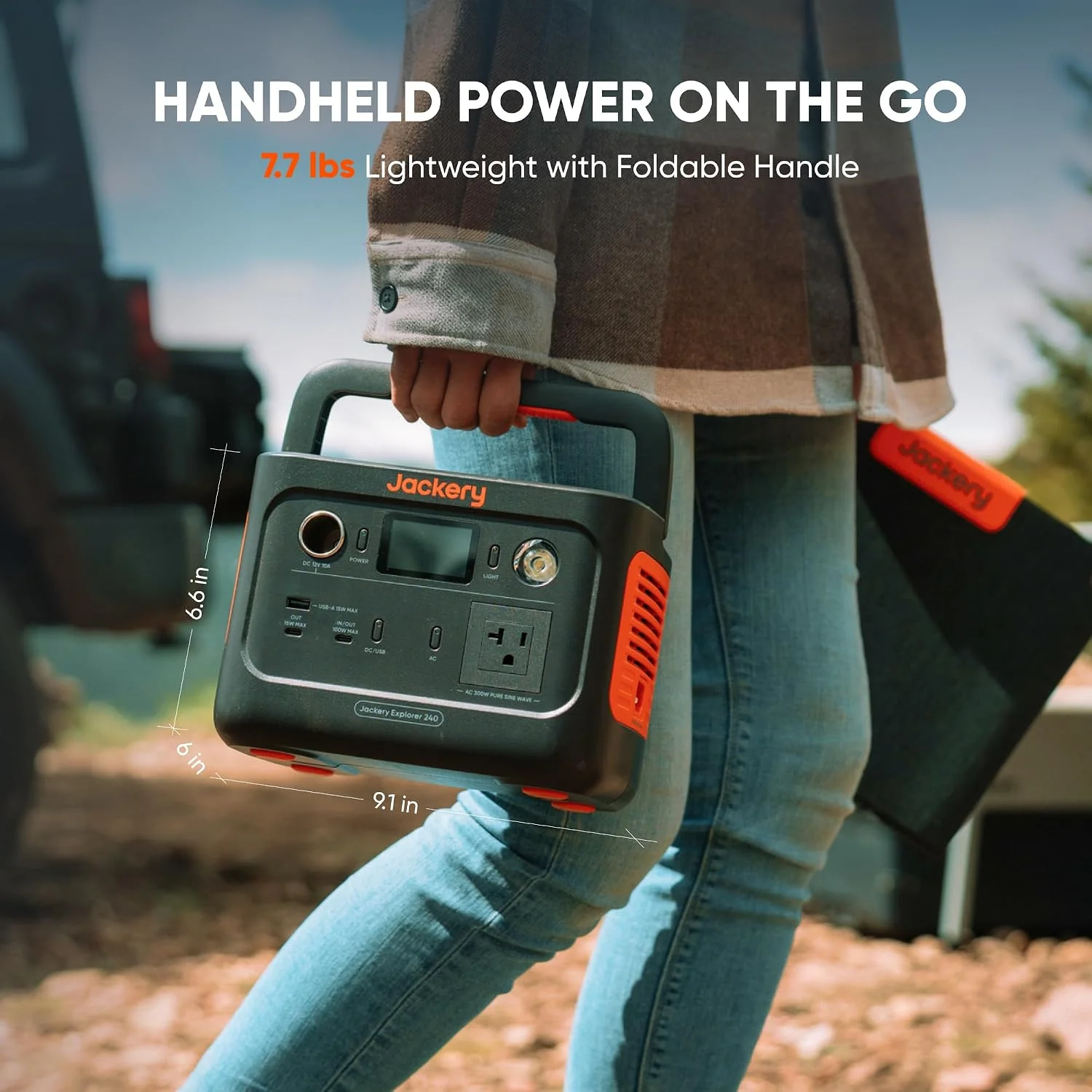
- Mind the heat. This is Texas - a closed car holds heat brutally. Cross-ventilate with cracked, screened windows, and the Jackery Explorer 240 v2 power station can run a fan all night without idling - which matters more for a safe night here than in almost any other state.
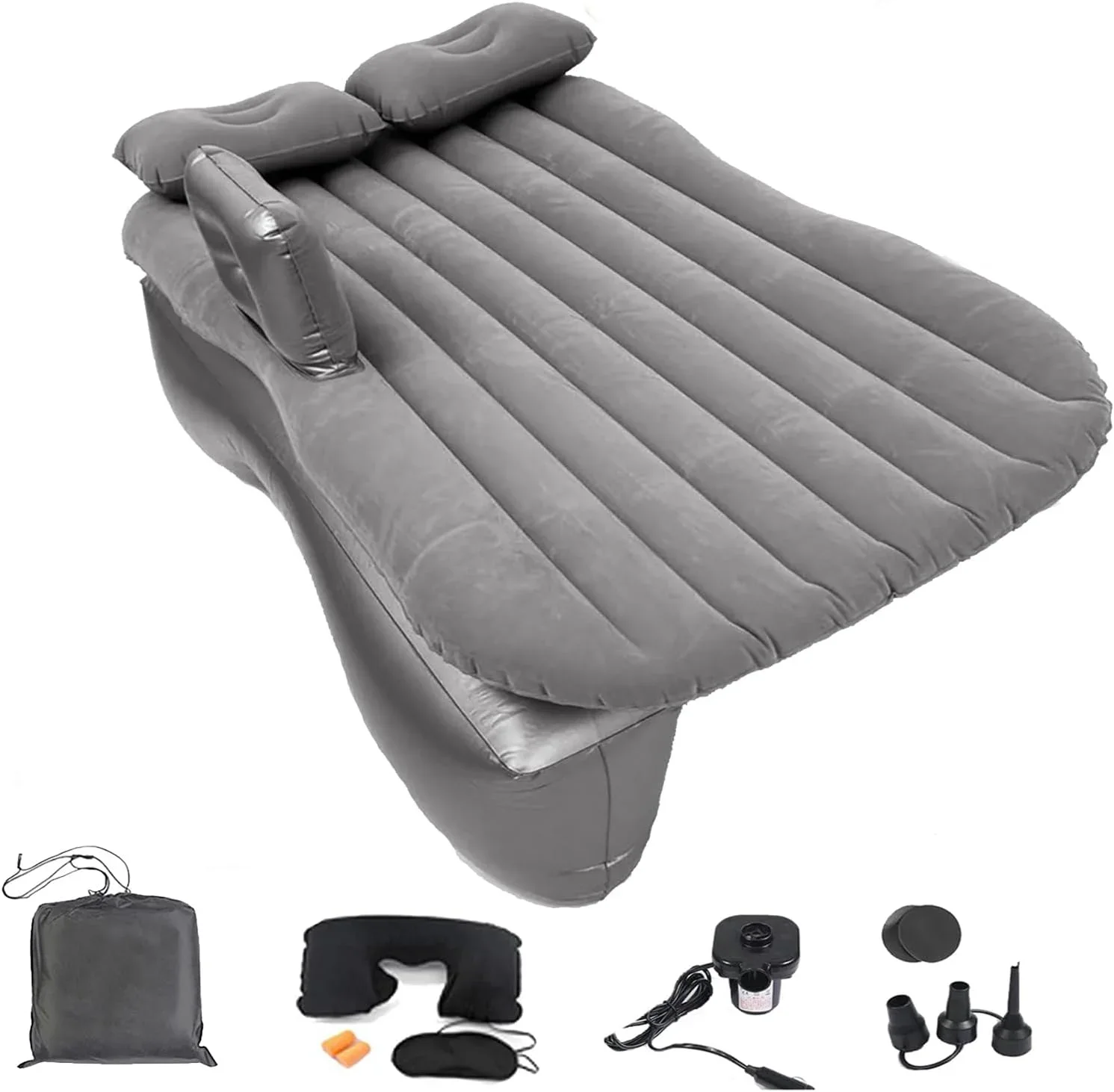
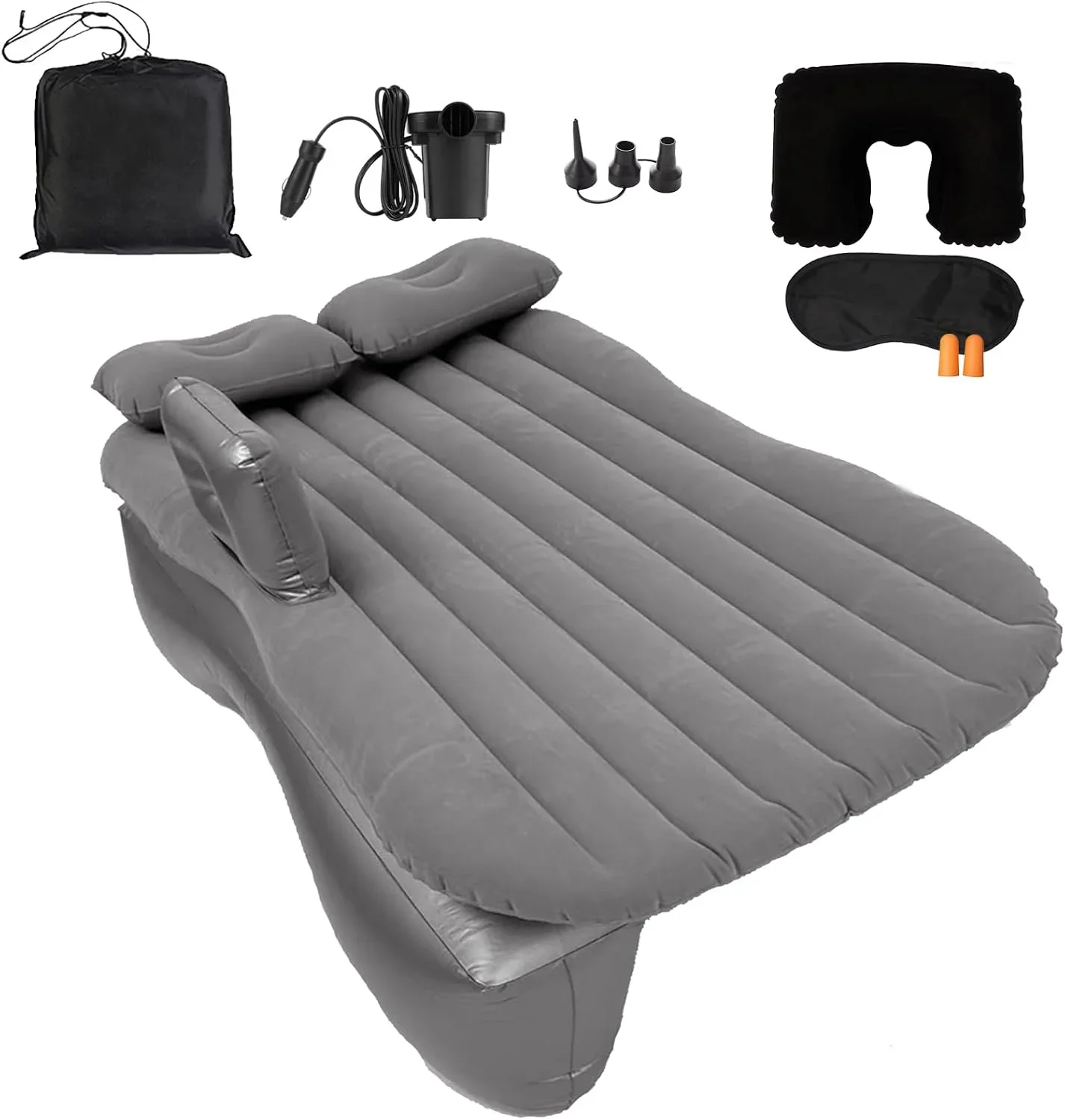
- Sleep flat, sleep once. A legal Texas spot is only worth it if you actually rest - a back-seat kit like the Onirii SUV air mattress levels the folded seats into a real bed, so you sleep through and roll out at first light instead of watching the clock.
If an officer or a manager does check on you, the true answer is also the protective one: you are a tired driver resting before you continue, and you will move along. That is precisely the behavior Texas law is built around, and it almost always ends the conversation right there - the same discreet approach our guide to sleeping in your car safely and legally lays out for any state.
The two things Texas will actually ticket you for
Since Texas is so permissive about the sleep itself, it is worth being precise about where trouble actually comes from - because it is never the nap. In my miles across the state, the two real risks are both about where you stop, not that you stopped.
The first is trespassing on private property without permission. A closed business lot, a subdivision street posted 'residents only,' a construction site - park there overnight and the citation is criminal trespass, which has nothing to do with sleeping and everything to do with being somewhere you weren't allowed. The fix is simple: on private land, get a yes from someone who can give it, or move to a lot that welcomes you.
How do you stay on the right side of the camping line?
The second is the camping line under HB 1925 - and it only bites if you cross it. Pop a tent next to the car at a rest area, set up a chair and a stove on a public sidewalk, or spread a bedroll on the ground in an unauthorized public place, and now you have 'shelter' in a 'public place,' which is the Class C misdemeanor the statute defines. Stay inside the vehicle and you are not camping under any reading of Penal Code 48.05.
Notice what is NOT on that list: sleeping in a legally parked car at a rest area, a truck stop, or a permitted lot. That is why the Texas playbook is so clean - respect other people's property and never build a campsite, and the two things the state actually enforces simply never apply to you. The traveler who rests inside the vehicle in a legal spot is, by design, outside both trap lines.
So how hard is it to sleep legally in Texas?
Add it up and Texas is, honestly, one of the friendlier states in the country for a legal car-sleep. There is no statewide ban on sleeping in a parked car; the rest-area limit is a generous 24 hours under Transportation Code 545.411; and the HB 1925 camping ban - Penal Code 48.05 - explicitly excludes vehicles from its definition of shelter, so it targets tents and encampments, not you.
The one-sentence Texas rule: sleep in the vehicle, not a campsite; use the 24-hour rest areas and truck stops that the state gives you in abundance; and treat city ordinances as the only real variable to check. Do that and you can cross Texas end to end sleeping legally every night.
The people who run into trouble in Texas are not sleeping in cars - they are camping in public, which the state genuinely does prohibit now. Keep your night squarely in the first category, lean on the excellent rest-area system, and Texas rewards the traveler who rests and moves on.