
The Short Answer: Yes, but You Sleep in the Bed
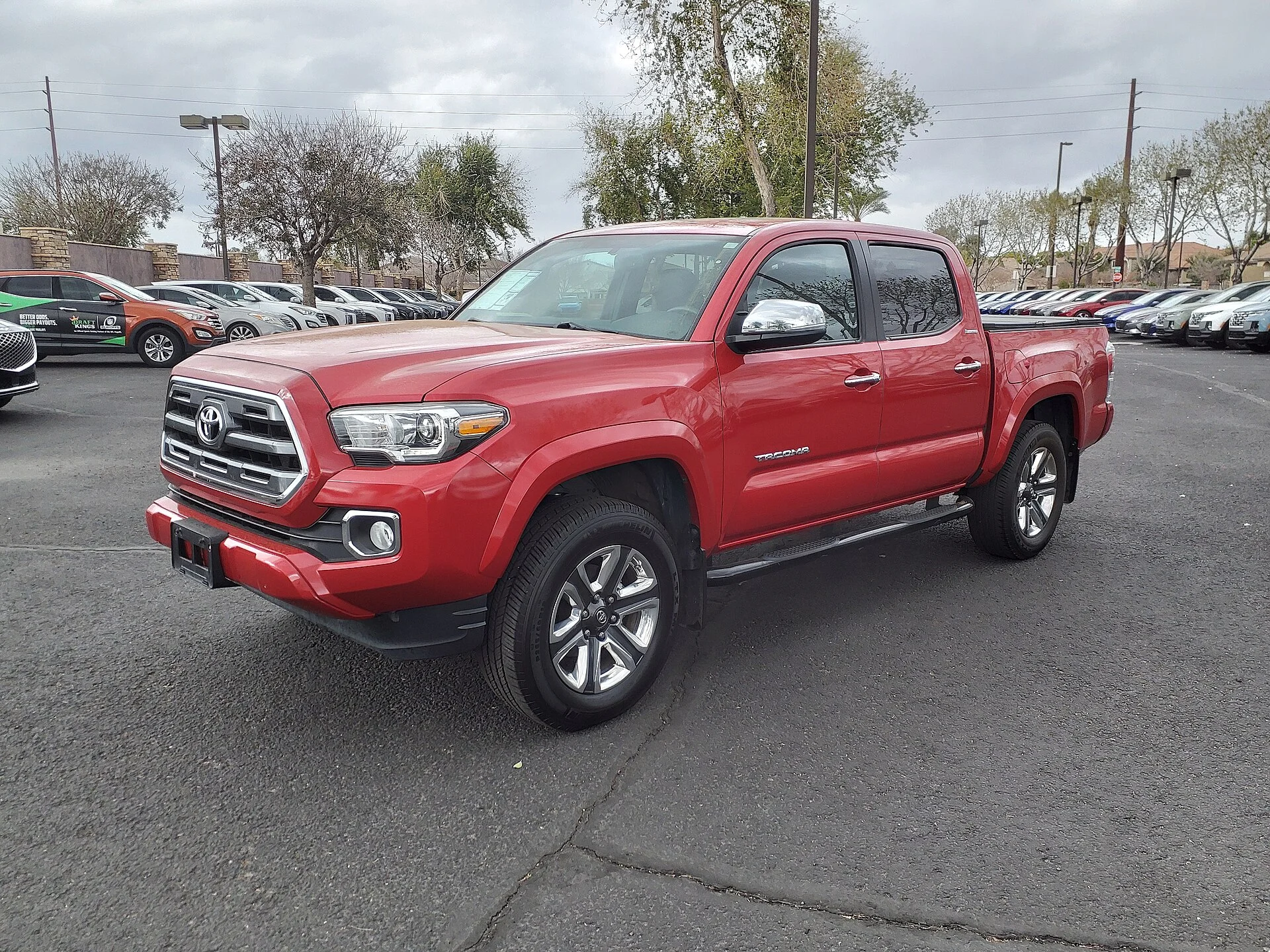
The third-generation Toyota Tacoma is a capable winter car-camping truck, with one framing you have to accept up front: you sleep in the bed, not the cab. For winter camping the Tacoma truck bed is the better sleep space than the cab, because the front and rear cab seats do not fold into a flat bed. That single fact shapes everything about setting up a Tacoma for the cold.
Sleeping in the bed is not a downside once you commit to it. A capped bed is a low, insulated box you can seal against wind and snow, and the Tacoma's four-wheel drive gets you to snowed-in sites a crossover cannot reach. The catch is that an open bed offers no protection at all, so a topper or canopy is not optional in winter; it is the wall between you and the weather.
The other decision is bed length. The Tacoma comes as a 5-foot bed at 60.5 inches or a 6-foot bed at 73.7 inches, and that choice determines whether you lie fully flat or have to angle. This guide walks the bed-length decision, the topper, the insulation and pad R-values, and the safe idling rules that make winter bed-sleeping comfortable and safe.
The figures are the Tacoma's published bed and clearance dimensions plus standard cold-weather insulation and safety facts, with owner practices flagged as such. Where a spec depends on configuration, like the bed length or the Smart Key remote start, we say so, because how you spec the truck changes the winter setup.
Why the Bed Beats the Cab in Winter
Start with the constraint that defines Tacoma camping. The front and rear cab seats do not fold into a flat bed, so the cab is a seated shelter, not a sleeping surface. You can ride out a storm reclined in the front seat, but you cannot lie flat in the cab, which rules it out as your winter bedroom. The bed is where you sleep.
That is actually good news for warmth, with one requirement. A capped truck bed is a small, low, enclosed space that holds heat well once sealed, and its low profile keeps it out of the wind better than a tall SUV cabin. Overnight, the temperature inside a capped truck bed typically tracks within about 10 to 15 degrees of the outside air, so a well-set-up bed runs meaningfully warmer than the open night.
The requirement is the cap itself. Sleeping in the Tacoma bed usually needs a topper or canopy plus a flat sleeping platform, since an open bed offers no wind or snow protection. In summer you might get away with an open bed and a tent-topper; in winter, the hard-sided cap is the shelter, and without it you are effectively sleeping outside on a metal tray.
So the Tacoma's winter setup is a capped bed with a flat platform, and within that box you build the same warm sleep system you would in any vehicle. The cab, meanwhile, becomes your warm-up room and gear store, valuable in its own right but not your bed. The Tacoma camping guide covers the full build, and the Tacoma tie-down guide helps anchor the platform.

The Bed-Length Decision: 5-Foot vs 6-Foot
Bed length is the Tacoma's most important winter-camping spec, because it decides whether you lie flat. The short bed measures 60.5 inches, the 5-foot bed, and the long bed measures 73.7 inches, the 6-foot bed, which is long enough for most adults to lie fully flat. A Double Cab can be paired with either the 5-foot or the 6-foot bed, so the choice is yours at order time.
The 73.7-inch long bed is the winter sleeper's pick. It lets most adults stretch out fully flat inside the capped bed, which matters more in winter than summer because you want to stay fully inside your insulated bag with nothing poking out into the cold. The 60.5-inch short bed forces a diagonal or a bent-knee position, or a bed extender, which is workable but less comfortable when you are bundled up.
Width is generous either way. The Tacoma's cargo box floor is about 53 inches wide and about 44.7 inches wide between the wheel wells, so a single sleeper has room to spare and even a wide winter pad drops between the wells cleanly. Width is never the Tacoma's constraint; length is, and it comes down to which bed you ordered. The Tacoma bed-dimensions guide lays out both boxes.
The practical advice: if winter bed-camping is a real priority and you are average height or taller, order or buy the 6-foot bed for the flat 73.7 inches. If you have the 5-foot bed, plan a diagonal layout or a bed extender and choose a shorter or well-tucked sleep system. Neither is wrong, but the length decision is the one you cannot change after the fact.
Getting There: 4WD and Ground Clearance
A winter camper has to reach the cold places, and the Tacoma is built for it. Four-wheel drive is available across the 3rd-gen Tacoma lineup for reaching snowed-in campsites, so you can spec real low-range traction rather than the on-demand all-wheel drive of a crossover. For unplowed forest roads and deep-snow access, that 4WD is a genuine capability, not a marketing badge.
Ground clearance backs it up. The 3rd-gen Tacoma has 9.4 inches of ground clearance on the TRD Off-Road and about 9.6 inches on the TRD Pro, well above a car-based SUV. That clearance lets the Tacoma break through drifts and clear ruts that would strand a crossover, opening up backcountry winter sites that reach-the-trailhead vehicles cannot.
This is where the Tacoma earns its keep as a winter truck. Unlike a Highlander-class SUV that is a plowed-road-and-light-snow vehicle, the Tacoma with 4WD and 9-plus inches of clearance is a break-trail truck that gets you deep into winter terrain and then serves as your shelter once you arrive. The bed-sleeping trade buys you that access.
Match the truck to ambitious winter destinations and it rewards you: remote, snowed-in, quiet sites that few vehicles can reach, with a warm capped bed waiting once you park. That capability is the whole reason to choose a truck like the Tacoma over an SUV for serious cold-weather camping.
Insulating the Capped Bed
A cap seals the bed, but sealing is not the same as insulating, so you add insulation the same way you would in any vehicle. Reflectix reflective insulation adds about R-1 of insulation per layer over a window or a cap window, costs about $18 a roll, and is enough to cut covers for most of a vehicle's glass. The double-bubble material is about a quarter-inch thick, so it cuts stiff and holds itself in a frame.
Focus on the cap's windows and the front bulkhead. Toppers have side and rear glass that lose heat like any window, so Reflectix panels cut to those openings keep the bed's warmth in. The truck bed's metal floor is the other cold surface, and that is what your sleeping pad addresses from below, working together with the window panels to seal the box thermally.
The payoff mirrors any insulated vehicle: keeping the cap's surfaces warmer both holds heat and reduces the cold spots where breath condenses. An insulated capped bed running within 10 to 15 degrees of outside is a warm place to sleep even on a hard-cold night, especially paired with a proper bag and pad.
Cut and label the panels at home before the trip, since fitting stiff Reflectix in a cold, dark bed is far worse than pressing pre-sized covers into place. A set of labeled panels turns cap insulation into a two-minute step you actually do each night rather than skip when your hands are cold.
The Sleep System for a Cold Bed
The metal bed floor is a heat sink, so insulating yourself from below is even more critical in a truck than in an SUV. A winter sleeping pad should have an R-value of R-5.0 or higher to block cold coming up from below, and in a truck bed, where the floor is bare metal over cold air, treat R-5.0 as the floor of your rating, not the target.
Choose the pad for the cold you expect. The Exped MegaMat sleeping pad has an R-value of 8.1 and is rated to insulate down to about -40 degrees, which suits genuinely hard winter nights in an exposed bed. For milder cold, closed-cell foam provides roughly R-3.6 to R-4.0 of insulation per inch, and a foam layer under an air pad both boosts R-value and protects the pad from the cold metal.
The bag completes it. Many owners run a 0-degree sleeping bag in the Tacoma bed for winter nights and something lighter in summer, matching the bag's rating to the season. With the capped bed holding within 10 to 15 degrees of outside, a 0-degree bag over an R-5.0-plus pad handles most winter camping comfortably.
Stack the system: an R-5.0-or-higher pad, ideally foam plus air, a 0-degree bag, and an insulated capped bed. That combination keeps you warm on the metal floor of a Tacoma bed through cold nights, and it scales with more pad and a warmer bag for the harshest conditions without changing the truck.
Idling Safely for Winter Heat
Warming up is trickier in a truck because your bed is separate from the cab's heater, and the safety rules are absolute regardless. Carbon monoxide is an odorless, colorless gas, and the CDC warns never to idle a vehicle with a snow-blocked exhaust, because carbon monoxide can build up inside within minutes. Clear snow from around the tailpipe before any idling, every single time.
The workflow suits the Tacoma's layout. A common cold-weather approach is a 10-to-15-minute heater burst in the cab to warm up, then shutting the engine off to sleep in the bed. Remote start is available on 3rd-gen Tacomas equipped with the Smart Key push-button start, letting you warm the cab before crawling out to the bed, which is exactly the sequence a truck camper wants.
Because your sleep space is the capped bed, not the running cab, the Tacoma actually separates you from the idling engine's exhaust better than sleeping in a running SUV cabin would. Still, whenever you idle for heat, crack a window about every 10 to 15 minutes to vent any buildup, and never sleep with the engine running. The bed's insulation is what lets a short burst carry you through the night.
Treat the rules as non-negotiable: clear the tailpipe, burst-heat in the cab only, crack a vent when idling, and sleep with the engine off. Follow them and the Tacoma is a safe winter camper; the truck's separation of cab and bed helps, but it does not replace the discipline.
Controlling Condensation in the Bed
Moisture is the quiet winter problem, and a small sealed bed concentrates it. One sleeping person exhales roughly a liter, about a quart, of water vapor overnight, which condenses on cold metal and glass. In a capped Tacoma bed, that vapor lands on the cap windows and the metal walls, and a wet bag the next night is a colder bag.
The fix is a deliberate gap. Crack a window or vent slightly while you sleep, which reduces condensation from your breath and lowers carbon-monoxide risk at the same time. Many caps have sliding side windows or a vent that opens just enough to let the moist air escape without dumping the bed's warmth, which is exactly what you want.
Insulation helps here too, since Reflectix over the cap glass keeps those surfaces warmer and reduces where breath condenses. Pair the covered windows with a cracked vent and you keep both the cold and the damp under control, protecting your sleep system across a multi-night winter trip.
Manage moisture and night three is as warm as night one, because a dry bag and pad keep insulating. In a small capped bed the payoff is even clearer than in a big SUV, since there is less air to buffer the humidity. The cracked vent is the single habit that makes cold-bed camping sustainable.

Who the Tacoma Suits in Winter
The Tacoma winter-camps best for the camper who wants to reach genuinely remote, snowed-in sites and will happily sleep in a capped bed to get there. Its available 4WD and 9-plus inches of clearance break trail where SUVs turn back, and a well-insulated capped bed with a good sleep system is warm and quiet. For backcountry winter access, it is a top choice.
It suits solo campers and couples who value capability over the convenience of sleeping inside a cabin. The bed is a one-to-two-person space depending on bed length, and the 6-foot bed's 73.7 inches comfortably fits most adults flat. If you already want a Tacoma for its capability, its winter-camping ability is a strong bonus.
It suits campers who want to sleep inside a warm cabin less well, since the cab does not fold flat and the bed requires a cap and a platform to be habitable in winter. If sleeping inside without a topper or crawling out to a separate bed sounds unappealing, a fold-flat SUV like the Highlander is a better match. The Tacoma trades that convenience for access.
Two things to confirm when buying for winter: the bed length, since the 6-foot bed is the flat-sleeping pick, and Smart Key remote start for the pre-warm. Both shape your setup. Check the Tacoma outlet and fuse-map guide to plan power for a fan or a heated element in the bed.

The Verdict: A Break-Trail Winter Truck You Sleep in the Bed of
Is the Toyota Tacoma good for winter car camping? Yes, as a capable break-trail truck whose bed is the sleeping space. Available 4WD and 9.4-to-9.6 inches of clearance reach snowed-in sites an SUV cannot, and a capped bed with a flat platform makes a warm, low, sealed bedroom that tracks within 10 to 15 degrees of outside once insulated.
The two decisions that define the setup are the bed length and the cap. Order or buy the 6-foot, 73.7-inch bed to lie fully flat, and treat the topper as mandatory winter shelter, not an option. Then build the warm sleep system, an R-5.0-or-higher pad on the metal floor, a 0-degree bag, and Reflectix over the cap glass, and idle safely in short bursts with the tailpipe cleared.
Accept that you sleep in the bed and warm up in the cab, and the Tacoma rewards you with winter access few vehicles match and a genuinely comfortable capped-bed bedroom once it is set up. For the camper who wants to reach the quiet, snowed-in places, it is one of the best cold-weather trucks you can build around.